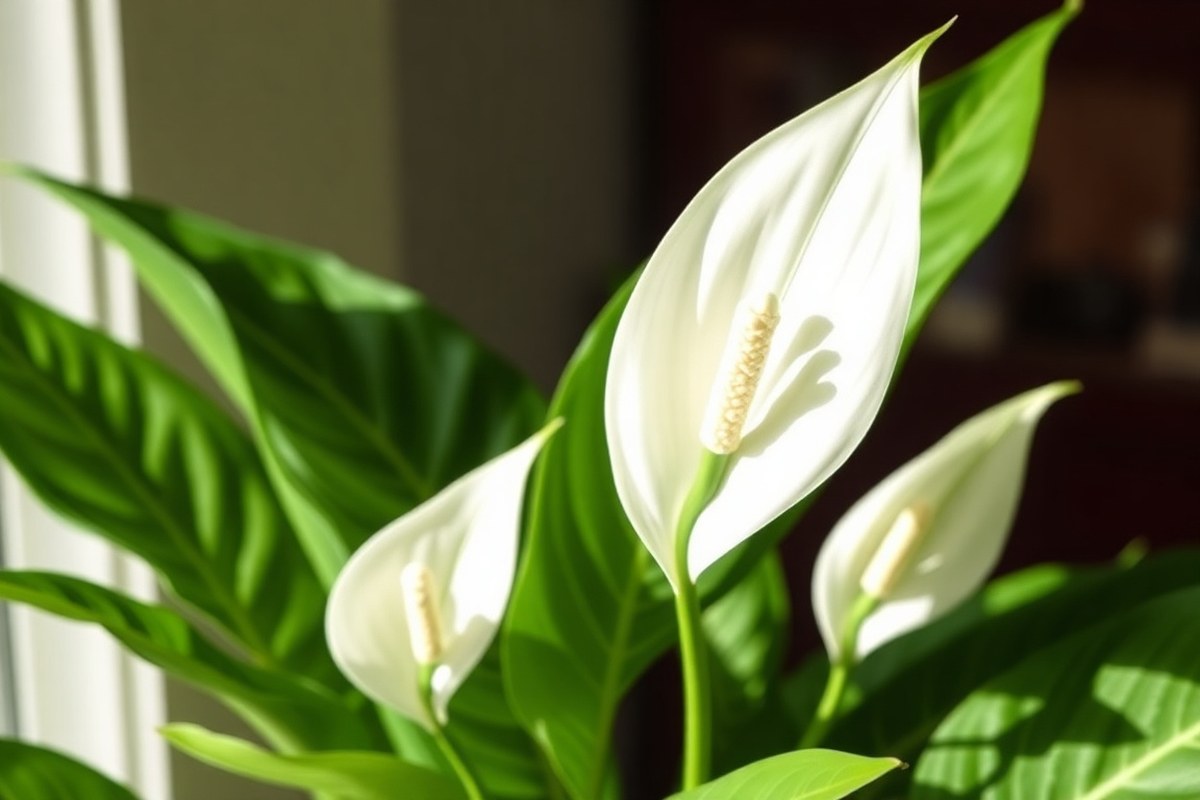
How Long Do Peace Lily Flowers Last? A Complete Guide to Extended Blooms
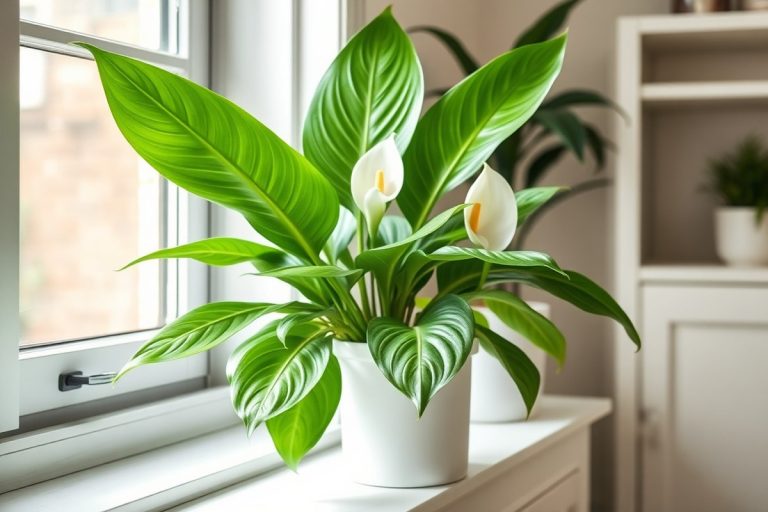
How long do peace lily flowers last? Usually, they bloom for about 4 to 6 weeks indoors.
With the right care, you might see flowers lasting up to 2 months or more. Keeping your home temperature steady between 65°F and 80°F helps flowers last longer.
Humidity also plays a big part in flower longevity. Peace lilies do best with humidity levels around 50 to 60 percent. Dry air can make the flowers fade faster.
So try placing your plant near a humidifier or mist it occasionally. Proper watering and soil quality also support longer-lasting blooms.
Remember that peace lily flowers naturally age and change color over time. The flowers often turn green before browning, which just means they are finishing their cycle.
Keep your plant healthy by using good soil and regular care. This helps new blooms grow after old ones fade.
Key Takeaways
- Peace lily flowers usually last around 4 to 6 weeks indoors.
- Stable temperatures between 65°F and 80°F extend bloom life.
- Maintain humidity near 50-60% to keep flowers fresh longer.
- Use quality potting soil to support strong, healthy flowering.
- Water consistently but avoid overwatering to prevent flower decline.
- Expect flowers to turn green then brown as they age.
How Long Do Peace Lily Flowers Typically Last Indoors?
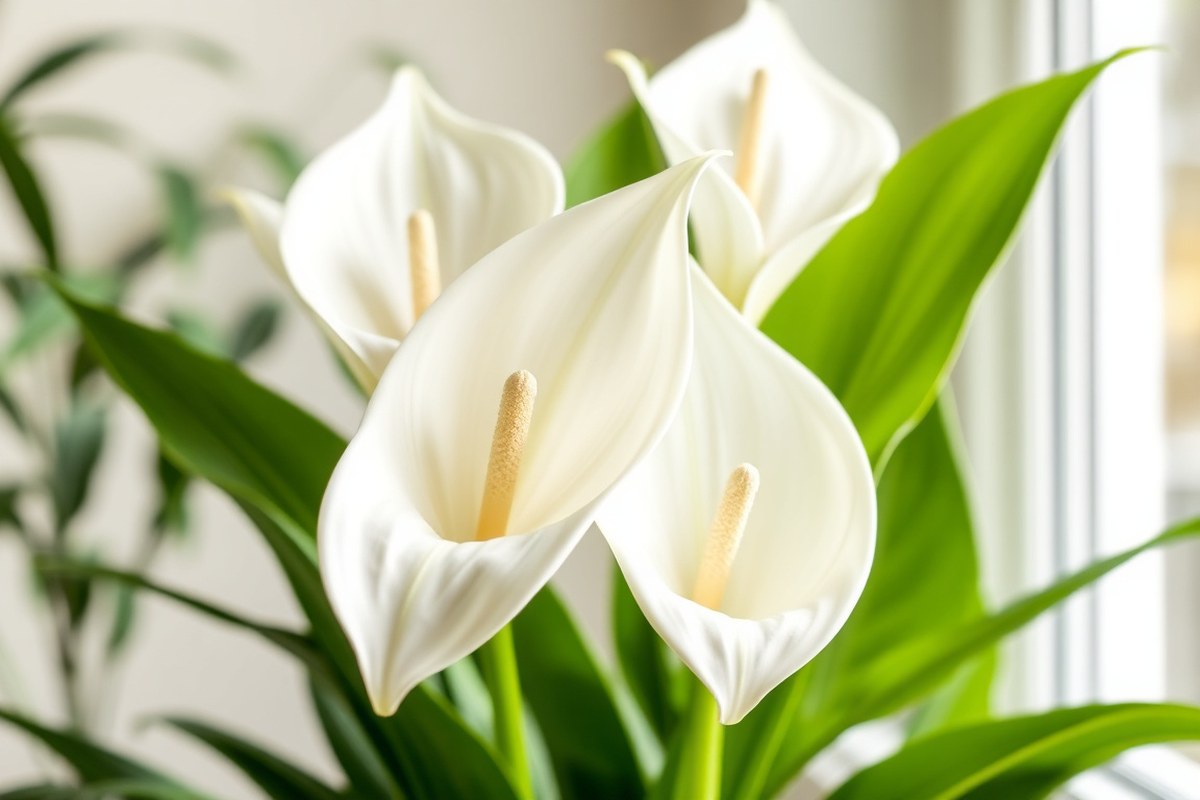
Peace lily flowers typically last about 4 to 6 weeks indoors. You can enjoy their white blooms for one to two months. They start to fade after that.
Individual flowers age normally. They turn green, then brown near their end.
Each bloom lasts about 1 to 2 months. This gives you time to enjoy them. Different peace lily varieties don’t show much difference in flower longevity.
Bloom duration stays similar. White spadix and hood-like spathe last just as long.
A healthy peace lily grown indoors often lives between 3 to 5 years. Each bloom only lasts a few weeks. But the plant can flower many times.
This cycle keeps your indoor garden fresh and green for years. It needs good care and conditions.
What Environmental Factors Affect Peace Lily Flower Longevity?
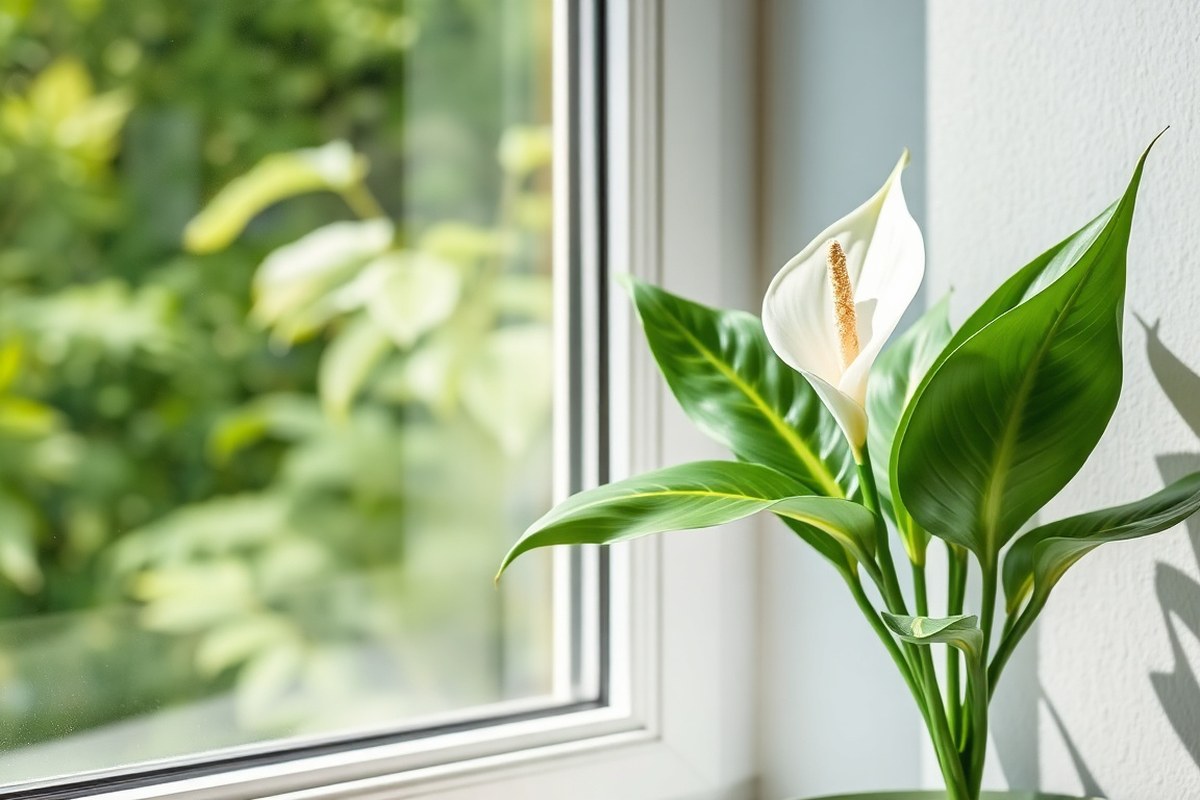
Light, temperature, humidity, and air circulation all shape how long peace lily flowers last. Each factor affects the plant’s health and blooming cycle differently. Adjusting these will help your peace lily hold its flowers longer and stay healthy.
Light: Bright, Indirect Is Best
Peace lilies need bright, indirect sunlight to thrive. Direct sun burns their leaves and shortens flower life. Aim for a spot with filtered light, like near an east-facing window.
Too little light slows growth and weakens flowering. Shift your plant if it isn’t blooming well or looks pale. Bright, indirect light supports photosynthesis, which fuels longer-lasting blooms.
Temperature: Keep It Warm, Not Hot
Peace lilies thrive best in temperatures from 65°F to 80°F. This heat matches their tropical origin and keeps blooms fresh longer. When temperatures drop below 60°F or climb above 85°F, the plant gets stressed and flowers wilt sooner.
Avoid cold drafts or placing the plant near heating vents. Both dry out flowers and leaves, causing premature browning. Stable, moderate warmth supports flower longevity and overall plant health.
Humidity: Aim for Moderate to High Levels
Peace lilies like humidity between 50% and 60%. Higher humidity keeps flowers hydrated and leaves shiny. Dry air, common in heated or air-conditioned rooms, causes flowers to brown and drop early.
Use a humidifier or place a water tray nearby to raise humidity. Grouping plants together also helps create a moister microclimate. This low-cost step can add days or even weeks to your flower’s life span.
Air Circulation: Gentle Movement Helps, Too Much Hurts
Good air circulation prevents fungal diseases and pest buildup on flowers. A light breeze from a fan or open window is enough. Avoid strong drafts, which dry out flowers and toss leaves around.
Keep your peace lily away from direct airflow sources like air conditioners or heaters. Balanced air movement keeps flowers fresh and reduces spotting or browning on petals.
- Place the plant near a bright window with filtered light
- Keep room temperatures steady between 65°F and 80°F
- Maintain humidity levels around 50% to 60%
- Use humidifiers or water trays to boost moisture
- Avoid direct cold or hot drafts on the plant
- Ensure gentle air movement but no strong winds
- Relocate the plant if blooms start to brown or drop
Check humidity regularly using a hygrometer to keep conditions right.
How to Water and Fertilize Peace Lilies for Longer-Lasting Blooms
Water peace lilies about once a week during blooming to keep soil moist. Avoid overwatering since it causes root rot and shortens flower life. Use a balanced fertilizer every 6 to 8 weeks to feed blooms and support plant health.
Ideal Watering Schedule for Blooming Peace Lilies
Water consistently, aiming for soil that feels damp but not soggy. Let the top inch of soil dry slightly between watering to prevent root rot. Overwatering suffocates roots, leading to faded flowers and yellow leaves.
Tap water at room temperature works best. Avoid cold water, which shocks the roots and slows growth. During blooms, check soil moisture twice a week to adjust watering as needed.
- Check soil moisture by sticking your finger about one inch deep.
- Water your peace lily when the soil feels dry near the surface.
- Pour water evenly until it starts draining from the pot’s bottom.
- Empty any leftover water from saucers to stop root rot.
- Use room-temperature water to avoid shocking the plant.
- Water less often if indoor temperatures drop below 70 °F.
- Increase watering frequency slightly in warmer rooms.
Best Fertilizers to Encourage Flower Longevity
Choose a balanced fertilizer designed for flowering houseplants, such as a 3-1-2 formula. It provides nitrogen, phosphorus, and potassium, essential for blooms and leaf health. Avoid over-fertilizing, which can cause excess leaf growth and fewer flowers.
Liquid fertilizers are easy to apply and work quickly. Dilute them according to package directions to prevent nutrient burn. Feeding every 6 to 8 weeks during active growth supports longer-lasting flowers and stronger blooms.
Seasonal Adjustments for Feeding and Hydration
Feed peace lilies more during spring and summer when they grow actively and bloom more. Reduce fertilizer in fall and winter because growth slows, requiring fewer nutrients. Watering also needs adjustment; plants use less water in cooler months.
If the plant is indoors where temperatures stay steady around 75 to 85 °F, maintain a regular watering and feeding schedule year-round. Cooler spots below 70 °F call for less water to prevent damp soil and root diseases. Adjust care based on your home’s heating and humidity levels.
Why Do Peace Lily Flowers Change Color and How to Fix It?
Peace lily flowers start out green. Then they turn bright white. Later, they shift to green or brown as they age.
The white spathe is a special leaf around the flower spike. It fades when the flower is near the end of life. This color change is normal and shows that the flower is naturally aging.
Sometimes flowers stay green for too long, which may mean the plant gets too much light. Too much direct sun makes the spathes stay green and weakens them. Move your peace lily to moderate indirect light.
This helps the flowers turn white. It also helps them last longer.
Browning happens when flowers dry out. It also happens from stress like too much sun, not enough water, or low humidity.
Keep soil evenly moist but not soggy, watering when the top inch feels dry. Avoid cold drafts or overheating near heaters, which dry out flower parts and cause browning faster.
You can slow down browning by trimming off brown edges with clean scissors. This helps the flower look fresher and stops decay from spreading.
Mist your peace lily now and then to raise humidity. This helps especially in dry homes or winter when heaters run nonstop.
Signs of serious problems include flowers turning brown quickly or shriveling. This often means you are underwatering, overwatering, or the plant is stressed. Check soil moisture regularly and adjust your watering routine to keep flowers healthy for weeks.
Rejuvenating the flowers is mostly about careful watering and proper light levels. Avoid strong sunlight. Provide about 12 to 14 hours of indirect light daily for the best flower color.
Patience works here: flowers last several weeks, changing color as they age. So focus on gentle care instead of rushing to fix color changes.
Pruning and Deadheading Strategies to Extend Flower Display Time
Pruning and Deadheading Strategies to Extend Flower Display Time
To keep peace lily flowers fresh, deadhead spent blooms as soon as they start wilting. Trim away old flowers to help the plant focus energy on new blooms. Proper pruning also removes dead leaves and prevents disease.
Identifying Spent Flowers for Deadheading
Look for flowers that are browning, wilting, or shriveling. These old blooms lose their bright white color and start to turn yellow or brown. Removing these early stops the plant from wasting energy on them.
You’ll notice the flower’s spadix turning dark or the spathe curling and drying out. This signals it’s time to deadhead. Regularly check your peace lily every 1 to 2 weeks for spent blooms.
Tools and Techniques for Pruning Peace Lilies
Use clean, sharp scissors or pruning shears to avoid damaging the plant. Cut flowers and leaves at the base near the soil, do not rip or tear stems. This precise cut helps the plant heal quickly and discourages disease.
Remove yellow or brown leaves that touch soil or look unhealthy. Trim only leaves that are damaged or discolored to avoid stressing the plant. Avoid removing more than one-third of the foliage at once.
Timing Pruning to Maximize Blooming Cycles
Deadhead flowers right after they fully fade or look unhealthy. This timing encourages your peace lily to start producing new flower stalks sooner. Prune dead leaves anytime they appear to keep the plant tidy and healthy.
Avoid heavy pruning during the plant’s rest period, which often happens in winter. Let your peace lily focus on growing roots and leaves during slower bloom times. Resume deadheading and pruning when new blooms appear.
- Check your peace lily every 7 to 14 days for wilted flowers or yellow leaves.
- Use clean scissors to cut dead flower stalks near the base, close to the soil.
- Trim any discolored or damaged leaves at their base.
- Discard all removed plant parts to prevent pest or disease spread.
- Avoid pruning healthy leaves or flowers to reduce stress on the plant.
- Pause heavy pruning during winter when blooming slows.
- Restart deadheading as soon as you see new blooms forming.
Always sterilize pruning tools with rubbing alcohol before use to avoid spreading disease.
Repotting and Soil Care to Support Healthy Flowering
Repot peace lilies every 1 to 2 years to boost flowering. Younger plants may need repotting sooner as roots fill the pot quickly. Watch for roots circling the pot or growing out of drainage holes.
Avoid repotting while the plant is blooming. The stress can cause flowers to drop early.
Use a soil mix that drains well but holds some moisture. A blend of peat moss, perlite, and potting soil keeps roots healthy.
Avoid heavy or compacted soils that trap water and cause root rot. Good soil keeps roots oxygenated, which supports lasting blooms.
Healthy roots deliver water and nutrients to flowers longer. Crowded, damaged, or rotting roots weaken the plant’s vigor.
When repotting, gently untangle roots and trim any that are black or mushy. Place the peace lily in fresh soil just deep enough to cover the roots.
Choose a pot that’s 1 to 2 inches wider than the current one. Use fresh soil that drains well for healthy roots. Lightly water the plant before you start repotting.
Gently take the plant out and untangle its roots. Cut off any roots that look damaged or rotten.
Set the plant in the new pot, then fill soil around it. Give the plant another watering to help soil settle.
Good results show strong leaves, reblooming within a few months, and no wilting. Signs of stress include yellow leaves, limp flowers, or slowed growth.
Spotting these signs means it’s time to check roots and soil moisture. Repotting too often or during bloom can delay flowering for months.
Common Problems That Shorten Peace Lily Flower Lifespan and How to Fix Them
Peace lily flowers often suffer when you overwater the plant. Too much water rots the roots and makes flowers wilt quickly. Watch for yellowing leaves and soggy soil, then cut back your watering schedule.
Common pests like spider mites and aphids also damage flowers. You might see tiny webs or sticky spots on leaves and blooms. Spraying with insecticidal soap or neem oil can stop pests before they cause serious harm.
Fungal diseases on peace lilies show as brown spots or soft stems. They grow well in damp, cramped spaces. To avoid this, allow air to circulate and water only when the soil’s top inch is dry.
- Check leaves and flowers weekly for pests and spots
- Water only when soil surface feels dry to avoid rot
- Use insecticidal soap or neem oil at the first sign of pests
- Keep your plant away from drafts and cold temperatures below 55°F
- Remove any damaged or yellowing flowers quickly
Nutrient deficiencies cause flowers to brown or drop early. Feed your peace lily with a balanced houseplant fertilizer every six weeks during spring and summer. Avoid over-fertilizing, which can burn roots and harm blooms.
To catch problems early, look at the flower color and texture closely. Brown edges, faded petals, or mushy bases mean the flower is stressed. Cut off affected flowers with clean scissors to help the plant focus on healthy blooms.
Regular care and watching for signs of trouble keeps your peace lily flowers lasting longer. Prevent overwatering, act quickly on pests and disease, and feed the plant right. Your flowers will reward you by staying fresh for weeks.
How Often Do Peace Lilies Bloom and What Affects Bloom Frequency?
Peace lilies usually start blooming after they reach about one year old. You can expect one or two blooming periods each year. Most blooms appear in spring.
You might see a second round in fall. This happens if conditions are good.
The age of the plant affects how often it flowers. Younger plants under one year generally won’t bloom.
The plant may bloom once or twice a year as it grows. This depends on how well you care for it.
Temperature plays a big role in bloom frequency. Peace lilies like steady warmth between 65°F and 80°F. Cooler or fluctuating temperatures can slow down flower production. Keeping the room warm helps the plant bloom on its schedule.
Light and watering also influence how often your peace lily blooms. It needs bright, indirect light and regular watering to stay healthy. Too little light or inconsistent watering might stop it from blooming as often.
Stress and poor care reduce blooms, too. Repotting shock or nutrient problems may cause your plant to skip a flowering season. Keeping to a regular feeding and watering routine supports steady blooms.
Don’t expect flowers in the first year. Patience and steady care help the plant reach maturity and bloom more often.
Step-by-Step Action Plan to Extend Your Peace Lily Flowers’ Lifespan
Follow these steps to keep your peace lily blooms fresh and healthy for a longer time. Check each step before moving on.
- Before you start: Place your peace lily in bright, indirect light to avoid leaf scorch. Use a spot near a north or east window and watch for leaf yellowing.
- Day 1: Water the plant thoroughly until water drains from the pot’s bottom. Test soil moisture after three days; it should be moist but not soggy.
- Week 1: Remove any wilted or browning flowers using scissors. This prevents disease and encourages new blooms.
- Week 2: Fertilize with a balanced, water-soluble houseplant fertilizer at half strength. Notice new buds forming within two to four weeks.
- Month 1: Check soil drainage and repot if roots are crowded. Healthy root space supports longer bloom shows.
- Monthly: Dust leaves gently with a damp cloth to improve light absorption and air flow.
- Seasonally: Monitor humidity levels; keep around 40-60% using a humidifier or pebble tray. Watch for healthier, glossier leaves and sturdier flower stems.
Frequently Asked Questions
How Long Do Peace Lily Flowers Last Once They Bloom?
Peace lily flowers usually last 4 to 6 weeks. With good care, they can bloom up to 2 months. Proper watering and feeding help keep blooms fresh longer.
Can Peace Lily Flowers Bloom Again After They Fade?
Yes, peace lilies bloom again given the right conditions. Regular feeding and consistent moisture encourage new flowers.
What’s the Best Way to Keep Peace Lily Flowers from Wilting Quickly?
Keep soil moist but not soggy and avoid direct sunlight. This slows flower wilting and keeps blooms looking good.
Do Peace Lily Flowers Have Different Lifespans Indoors Versus Outdoors?
Indoors, peace lily flowers last 1 to 2 months. Outdoor conditions often shorten their bloom time. Stable indoor care means longer-lasting flowers.
How Soon After Blooming Do Peace Lily Flowers Start to Fade?
Peace lily flowers often begin to change color and fade within 4 weeks of blooming. That’s a natural aging process you can expect.
Does Repotting Affect How Long Peace Lily Flowers Last?
Yes, repotting encourages healthy roots and can lead to longer-lasting flowers. Use fresh soil for best results.
Final Thoughts
Peace lily flowers usually last several weeks with the right care. Start by choosing a bright spot and watering correctly. Watch your plant daily to catch any problems early.