Is Plant Food and Fertilizer the Same? A Complete Guide with Proven Tips
Is plant food and fertilizer the same? The short answer is no, they are not.
Plant food usually means the nutrients that plants make or get naturally. Fertilizer is something you add to supply nutrients plants might not get enough of.
Plants make their own food through photosynthesis. They use sunlight to turn water and carbon dioxide into sugars. Fertilizer adds key nutrients like nitrogen, phosphorus, and potassium to help this process.
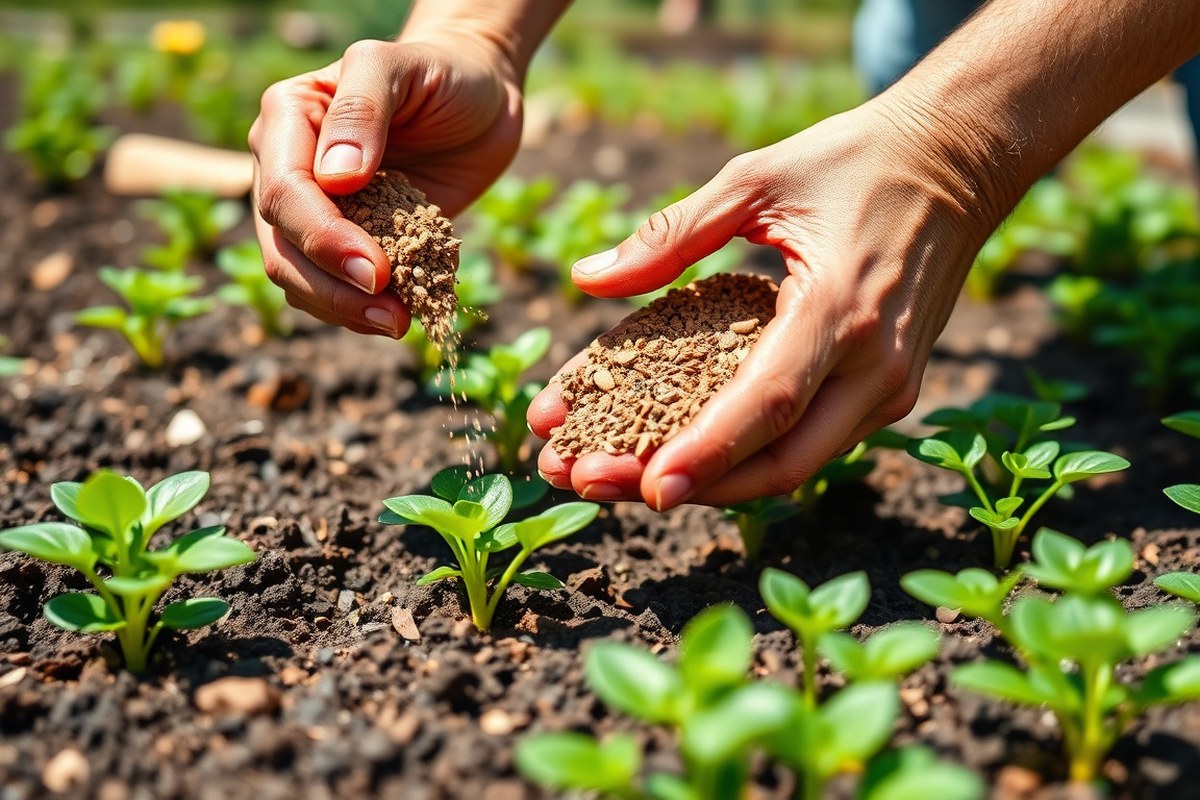
Fertilizer helps plants grow better if the soil lacks certain nutrients. It can come as granules, liquids, or spikes made for specific plant types. Using the right fertilizer feeds your plants what they need exactly, without waste.
Start by figuring out what your plants really need before picking a fertilizer. Overusing fertilizer can harm plants or pollute your yard. Use the right type and amount for best results and healthier plants.
Key Takeaways
- Plants make food by photosynthesis, so fertilizer isn’t their actual food.
- Fertilizer provides extra nutrients that plants often lack in soil.
- Key nutrients in fertilizer include nitrogen, phosphorus, and potassium.
- Choose fertilizer based on your plant’s specific nutrient needs.
- Over-fertilizing can damage plants and harm the environment.
- Compost is a natural plant food that takes 30 to 90 days to mature.
Are Plant Food and Fertilizer the Same Thing?
Plant food and fertilizer aren’t the same, though many gardeners mix the terms up. Scientifically, plant food means the sugars and starches plants make themselves. This happens in their leaves through photosynthesis using sunlight, water, and carbon dioxide.
Fertilizer is different. It’s a product added to soil that contains nutrients plants need to grow. These nutrients include nitrogen, phosphorus, and potassium, plus smaller amounts of minerals like iron and magnesium.
The confusion comes because some products are labeled as “plant food” but are actually fertilizers. These labels often mean soil additives rather than the actual food plants create. True plant food can’t be added; plants must make it themselves.
Knowing the difference helps you pick the right product. Fertilizers supply missing nutrients in your soil, letting plants use their natural energy to grow well. Using fertilizer right means following the nutrient ratio on the package.
Apply it at the proper times, like during active growth. This helps plants get the nutrients they need.
How Do Plants Make Their Own Food?
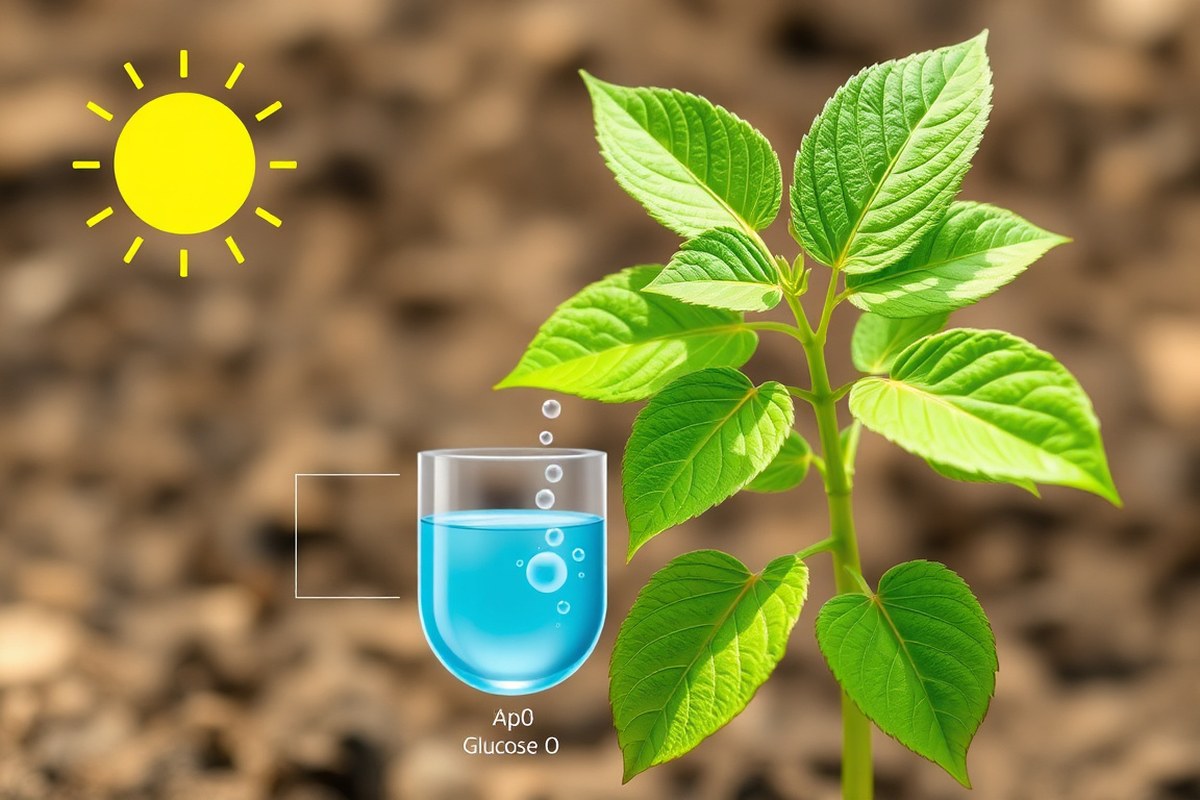
Plants make their own food through a process called photosynthesis. Plants use sunlight, water, and carbon dioxide to make glucose. This glucose is a sugar that helps them grow.
It fuels their growth process each day. This glucose is the true plant food, powering everything the plant does.
The Photosynthesis Process Explained
Photosynthesis happens mainly in the leaves, where chlorophyll captures sunlight. The energy from light splits water molecules taken in through roots into oxygen and hydrogen. Carbon dioxide enters through tiny leaf pores called stomata.
These elements combine in the plant cells to form glucose and oxygen. The glucose serves as energy and building blocks for plant tissues. Oxygen gets released into the air as a byproduct you and I breathe.
The Role of Sunlight in Food Production
Sunlight provides the energy plants need to start photosynthesis. Without enough light, plants cannot produce enough glucose to grow strong. Indoor plants near bright windows or under grow lights usually do best.
The intensity and duration of light affect how much food plants can make. Most garden plants need at least 6 hours of direct sunlight daily. Cloudy or shaded conditions limit photosynthesis, slowing plant growth.
How Water and Carbon Dioxide Help Plants
Water is essential because it provides hydrogen for glucose creation and keeps plants hydrated. Plants absorb water from soil, so consistent watering is key for healthy photosynthesis. Drought-stressed plants produce less food and look wilted.
Carbon dioxide enters leaves through stomata and combines with hydrogen from water to form glucose. This gas is abundant in the air.
But plants growing in poor airflow or crowded areas might get less. Good ventilation helps plants get enough CO2.
What Glucose Does for Your Plants
Glucose supplies energy for cells to grow, repair, and create new leaves and stems. The plant also stores extra glucose as starch in roots or fruits for future use. You might notice stronger stems, greener leaves, and bigger blooms when photosynthesis is efficient.
Plants need enough sunlight, water, and air. Without these, glucose production goes down.
Plants will show slower growth and yellowing leaves. Ensuring your plants have these basics means you’re supporting their natural way of making food.
Why Fertilizer Cannot Replace Plant Food
Fertilizer provides nutrients like nitrogen, phosphorus, and potassium to support photosynthesis. Soil doesn’t feed plants directly. It helps the roots and creates parts plants use to make glucose.
Healthy soil means better glucose production. Think of fertilizer as a supplement rather than food itself.
Relying only on fertilizer without enough sunlight, water, or clean air won’t make your plant healthy. A plant starved of light or water won’t convert nutrients into glucose effectively. A balanced environment is what really fuels growth.
Put your plants where they get strong natural light. They need this light for at least six hours daily. This helps boost photosynthesis well.
What Is Fertilizer and How Does It Support Plant Growth?
Fertilizer is a substance that supplies essential nutrients to plants. It is not food itself but provides nutrients like nitrogen, phosphorus, and potassium. These nutrients help plants grow, develop roots, and produce leaves and flowers.
Nitrogen encourages healthy leaf and stem growth by supporting chlorophyll production. Phosphorus helps plants develop a strong root system and supports energy transfer for flowers and fruits. Potassium aids overall plant health by improving resistance to diseases and regulating water use.
Applying fertilizer adds nutrients to the soil. These nutrients help plants make their own food. Plants use photosynthesis to turn nutrients into food.
Plants take in nutrients from soil water. They use sunlight to change nutrients into energy.
This process is how plants grow and thrive. Without enough fertilizer, plants may grow slowly or show pale, yellow leaves.
Fertilizers also include micronutrients like calcium, magnesium, and sulfur. These help build cell structure in plants. They also support enzyme activity needed for growth.
Compost can also add these nutrients and improve soil texture, promoting healthy root growth. Adding fertilizer regularly during the growing season keeps nutrient levels steady for ongoing plant health.
A typical fertilizer label might read 10-5-5, meaning 10% nitrogen, 5% phosphorus, and 5% potassium. Follow package instructions when applying fertilizer. Usually, you spread it around the plant base.
Then, water it to help the nutrients soak in. Overuse can cause damage, such as leaf burn or poor root health, so follow guidelines carefully.
Types of Fertilizers and When to Use Them
Fertilizers come in various types, each suited for different plants and situations. You should pick the right one based on your plant type. Also think about where the plant grows, indoors or outdoors.
Consider how quickly you want to see results too. You can pick from organic, synthetic, liquid, slow-release granular fertilizers, or a combination of these.
Organic Fertilizers and Benefits
Organic fertilizers use natural materials like compost, manure, or worm castings. They release nutrients slowly by breaking down, improving soil health over time. This makes them excellent for long-term garden care but not for quick fixes.
They work well in outdoor beds where soil microbes can help break them down. Organic options are usually safer for indoor plants but might smell or attract pests if overused. Prices vary but are often higher per pound than synthetic ones.
Liquid Fertilizers: Pros and Cons
Liquid fertilizers dissolve in water and feed plants quickly through leaves or roots. Many indoor gardeners prefer liquid types because they allow precise nutrient control. You typically apply them monthly during the growing season for houseplants.
However, liquid fertilizers wash out faster, so they need more frequent application. Overfeeding is easier with liquids, which can stress or burn plants. For outdoor gardens, liquids work best during active growth periods or for a quick nutrient boost.
Slow-Release Granular Fertilizers Explained
Slow-release granular fertilizers break down gradually over weeks or months. They offer steady nutrient supply, cutting down the need to fertilize often. This type suits outdoor plants and lawns especially well.
For indoor plants, slow-release pellets avoid the risk of overfeeding but can be less precise. They cost more upfront but might save time and effort over the growing season. Make sure to water after applying so nutrients start releasing evenly.
Here’s an overview of fertilizer types and when to use them:
| Fertilizer Type | Best Use | Advantages | Disadvantages |
|---|---|---|---|
| Organic | Outdoor beds, indoor plants needing soil health | Improves soil, slow nutrient release, safe | Slower acting, can smell, may attract pests |
| Liquid | Indoor plants, quick nutrient needs | Fast absorption, precise dosing | Needs frequent application, risk of overfeeding |
| Slow-Release Granular | Outdoor plants, lawns, indoor plants for low maintenance | Steady feeding, less frequent application | Higher cost, slower response time |
| Synthetic | Both indoor and outdoor plants needing quick results | Fast acting, cost-effective | Can harm soil life, risk of overuse damage |
This table helps you match fertilizer types to your plant’s needs. Consider how much time you want to spend, nutrient speed, and plant type before picking one.
Synthetic Fertilizers: Features and Cautions
Synthetic fertilizers are made from chemical compounds. They provide nutrients quickly and in predictable amounts, helping plants grow fast. These are common for both indoor and outdoor plants when rapid growth is desired.
They vary in cost but often come cheaper per nutrient compared to organic types. A caution is they can damage soil organisms if overused and cause nutrient buildup. For indoor plants, use sparingly and avoid overwatering to reduce risk.
Understanding Fertilizer Labels and Nutrient Ratios
Fertilizer labels show important nutrient information that helps you pick the right product. The key numbers you see are the NPK ratios. These tell you how much nitrogen, phosphorus, and potassium the fertilizer has.
Decoding NPK Numbers
The numbers on fertilizer packages show nitrogen, phosphorus, and potassium amounts. Nitrogen is the first number, phosphorus the second, and potassium the third. A 10-10-10 label means the fertilizer contains 10% of each nutrient by weight.
These nutrients each help plants grow in different ways. Nitrogen promotes leaf growth, phosphorus supports roots and flowers, and potassium improves overall plant health. You need to choose the ratios based on what your plants need most.
Here is how to understand and use the NPK numbers:
- Look at the label’s three numbers separated by dashes, these show the NPK ratio.
- Know what each nutrient does: nitrogen boosts leaves, phosphorus helps roots, potassium strengthens stems.
- Compare the numbers to your plant’s growth stage and type to find the right balance.
- Use higher nitrogen fertilizer for leafy vegetables and lawn grass.
- Pick a fertilizer higher in phosphorus for flowers or new plantings.
- Choose balanced numbers like 10-10-10 for general houseplants or mixed gardens.
Identifying Balanced Fertilizers
A balanced fertilizer has equal or nearly equal amounts of nitrogen, phosphorus, and potassium. Common examples are 10-10-10 or 20-20-20. These work well for many indoor plants and general feeding.
Specialized fertilizers have uneven NPK numbers to target specific growth needs. For instance, 20-5-5 offers more nitrogen to boost green growth without too much phosphorus or potassium. That can be better for leafy plants that do not flower.
Choosing between balanced and specialized fertilizers depends on the plants you grow. Balanced blends are a safe general choice. Use specialized blends to fix certain soil nutrient shortages or meet plant growth stages.
Micronutrients and Their Roles
Besides NPK, fertilizers often contain micronutrients like iron, manganese, zinc, copper, and boron. These trace elements help plants stay healthy and avoid nutrient deficiencies. They play smaller roles but can strongly affect growth and color.
Micronutrients usually appear in tiny amounts, measured in parts per million (ppm). Fertilizers for indoor or potted plants often include micronutrients to compensate for limited soil variety. Outdoor soils can sometimes supply enough naturally.
Check the label sections named “Guaranteed Analysis” or “Other Ingredients” for micronutrients.” Including these helps your plants with important processes like photosynthesis and nutrient uptake.
Always follow the label’s recommended application rates to avoid overfeeding. Too much fertilizer can harm your plants and the environment.
Safe Fertilizer Use and Avoiding Common Mistakes
Fertilizer can kill plants if it is applied too heavily or in the wrong way. Overfertilizing burns roots by drawing moisture away, causing brown edges on leaves and stunted growth. You should follow safe application rates, usually listed on the fertilizer package, to avoid this.
Plants that are overfed often show yellow leaves, wilting, or odd leaf curl. These signs mean it is time to stop feeding your plants. You should flush the soil using water.
This helps wash out the extra nutrients. Using too much fertilizer also wastes money and can harm the environment.
Here is a checklist to help you feed plants safely and correctly:
- Read and follow label instructions for amounts and frequency.
- Apply fertilizer only during the plant’s active growing season.
- Water plants before and after applying fertilizer to protect roots.
- Use tools like measuring spoons or cups for accuracy.
- Spread fertilizer evenly, avoiding clumps near stems or roots.
- Start with half the recommended dose for sensitive or young plants.
- Keep fertilizer out of reach of children and pets.
Different plants and soils may need different feeding schedules. For example, indoor houseplants often need feeding once a month.
Outdoor vegetables may need it every two weeks. Pay attention to how your plants look and adjust feeding if you see any stress signs.
Safe fertilizer use takes some care but prevents costly mistakes. Using the right amount and watching your plants leads to healthy growth and stronger roots. Avoid the rush to add more fertilizer; plants grow better with steady, balanced feeding.
When and How Often Should You Fertilize Different Plants?
Different plants need fertilizer at different times and frequencies. Houseplants grow slower and need feeding less often. You can fertilize them every 2 to 4 weeks in spring and summer.
Vegetables grow fast and use nutrients quickly. They often need feeding every 1 to 2 weeks during their growing season.
Stop feeding plants when they enter dormancy, usually in fall or winter. Fertilizing during dormancy wastes nutrients and can harm roots.
Soil quality and weather impact your fertilizing schedule. Poor soil needs more frequent feeding.
Heavy rain can wash nutrients away, so avoid fertilizing right before storms. Cold soil slows nutrient uptake, so hold off until it warms up.
Follow these steps to fertilize your plants properly:
- Check your plant type and growth stage to pick the right fertilizer schedule.
- Test your soil to understand its nutrient levels and pH before applying fertilizer.
- Feed houseplants every 2 to 4 weeks during spring and summer only.
- Feed vegetables every 1 to 2 weeks while they actively grow and produce.
- Stop fertilizing when plants go dormant in fall or winter to protect roots.
- Apply fertilizer after watering soil lightly to prevent burning roots.
- Adjust feeding if heavy rain or cold weather affects nutrient absorption.
- Watch plants for yellow leaves or stunted growth as signs of nutrient need.
How Soil and Environment Affect Fertilizer Effectiveness
Soil pH plays a big role in fertilizer effectiveness. Nutrients like nitrogen, phosphorus, and potassium need right pH levels. Soil that’s too acidic or alkaline makes these nutrients hard to use.
Plants struggle to get the nutrients they need from such soil. Most garden plants thrive when soil pH is between 6.0 and 7.0. So testing your soil with a kit helps you adjust it.
Fertilizers won’t work well when pH is wrong. Plants can’t absorb nutrients properly then.
Moisture and temperature also impact how fertilizer feeds plants. Soil must stay moist but not waterlogged for nutrients to dissolve and reach roots. Fertilizer nutrients often move with water, so dry soil means less uptake.
Temperature matters too, especially for organic fertilizers. Soil microbes help break down organic matter in soil. They need temperatures above 50°F to work well.
This info comes from Colorado State University Extension. This process releases nutrients slowly but supports soil health long-term.
Microorganisms are key for organic fertilizer. They digest compost or manure, turning them into forms plants can use. Without enough moisture or the right temperature, microbes slow down.
That means nutrients get trapped and plants stay hungry. For organic fertilizing, keep soil damp and apply it during warmer seasons so microbes flourish. Chemical fertilizers provide nutrients quickly but don’t improve the soil’s microbial life.
Test your soil’s pH and water regularly to help fertilizer work better and avoid plant stress.
Step-by-Step Action Plan for Using Fertilizer Safely
Follow these steps to apply fertilizer correctly and help your plants grow strong. Watch for signs that your plants are getting healthier.
- Before planting: Test your soil to know nutrient needs. Use a home test kit or send a sample to a local extension service.
- Day 1: Choose a fertilizer with the right nutrient ratio for your plants. Look for numbers like 10-10-10 or 5-10-5 on the label.
- Week 1: Apply fertilizer evenly around the plant base without touching stems or leaves. Water the soil after applying.
- Week 3: Check your plant’s leaves and growth. New, green leaves and steady growth show the fertilizer worked.
- Month 1: For fast-growing plants, repeat the fertilizer application if recommended on the package. Avoid over-fertilizing to prevent leaf burn.
- After heavy rain: If fertilizer washed away, apply again to provide nutrients your plants lost.
- Before winter: Stop fertilizing at least 6 weeks before frost. Plants slow growth and don’t need extra nutrients then.
- Ongoing: Adjust fertilizer use based on your plant’s health. Reduce if leaves yellow or brown, increase if growth slows.
Frequently Asked Questions
Is Plant Food the Same as Fertilizer?
No, plant food is glucose made by plants, while fertilizer supplies extra nutrients. Fertilizer helps plants grow but isn’t true food.
Why Do Some Fertilizers Say “Plant Food” on the Label?
It’s mostly marketing to make fertilizer sound simpler for buyers. These products are fertilizers supplying nutrients, not the glucose plants make themselves.
Can Plants Survive Without Fertilizer?
Yes, plants make their own food through photosynthesis but need nutrients from soil to thrive. Fertilizer improves growth but isn’t strictly necessary.
What Nutrients Do Fertilizers Provide to Plants?
Fertilizers supply nitrogen, phosphorus, and potassium to support plant health. These boost growth beyond what soil alone can provide for many plants.
Are Liquid Fertilizers Better for Indoor Plants Than Solid Ones?
Liquid fertilizers can work quickly but both types supply nutrients well. Use according to your plant’s needs and label instructions for best results.
Does Organic Fertilizer Count as Plant Food?
Organic fertilizers add nutrients to soil like synthetic ones but don’t create plant food. True plant food is always made by the plant itself.
Final Thoughts
Plant food and fertilizer are not the same, but both help plants thrive. Use fertilizer carefully and according to your soil and plant needs. Start with a soil test this week to give your garden the right nutrients.