What Do Worms Like to Eat? A Complete Guide for Healthy Worms and Fast Compost
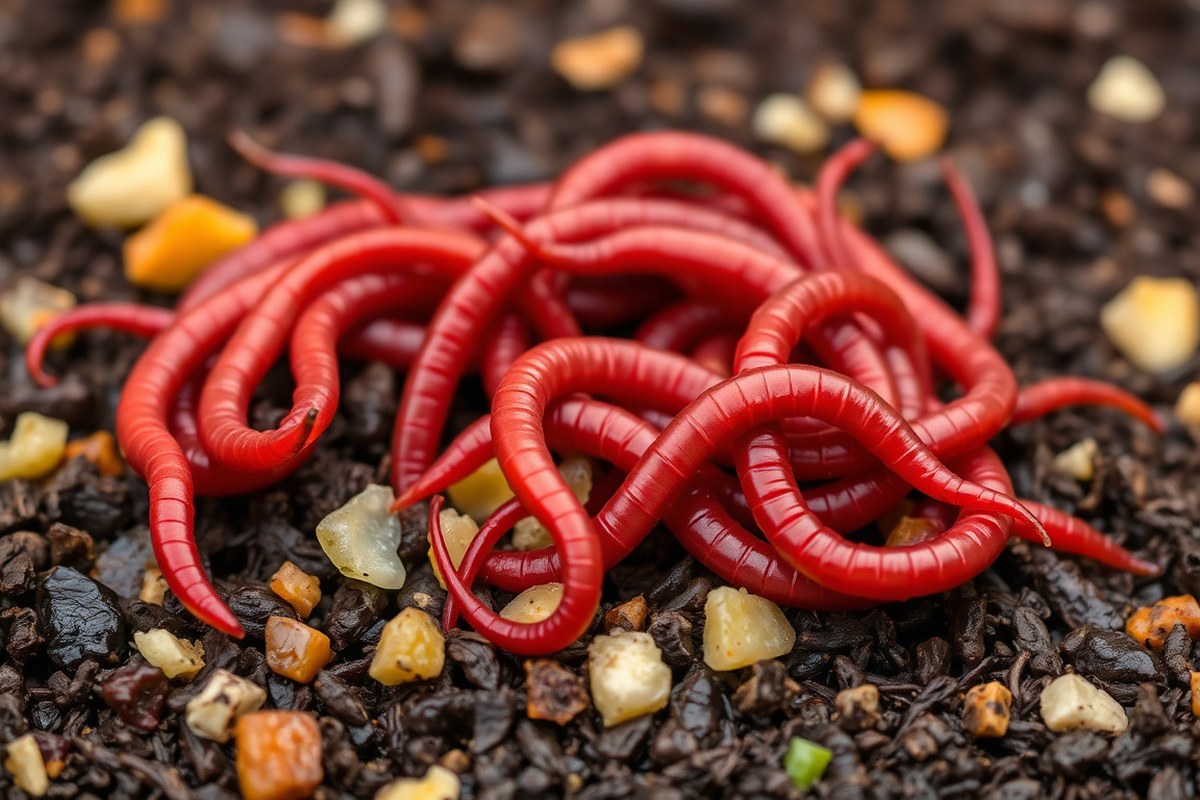
Worms prefer soft, decomposed plant materials like vegetable scraps, fruit peels, and coffee grounds. These foods break down quickly, making them easy to digest. Leaf litter and shredded cardboard work well as both bedding and food.
Avoid feeding worms raw meat, dairy, or oily foods. These can cause bad smells and attract pests. Citrus fruits and onions are acidic and may harm the worms, slowing composting.
Feed worms small amounts often to prevent a smelly bin and unhappy worms. Mix food with bedding to keep the environment balanced and fresh.
Worms eat best between 65 and 75 degrees Fahrenheit. Below 50 degrees, they slow down or stop eating. Keep the bin in a warm spot during cold weather to keep worms active.
Key Takeaways
- Feed worms fruit and vegetable scraps that are partially broken down.
- Do not feed worms citrus fruits, onions, or spicy foods.
- Keep worm bins between 65 and 75 degrees Fahrenheit for active eating.
- Feed small amounts regularly to prevent waste build-up and bad smells.
- Use coffee grounds and crushed eggshells to add nutrients and grit.
- Fresh bedding before feeding helps worms stay comfortable and eat well.
What Foods Do Worms Prefer and Why
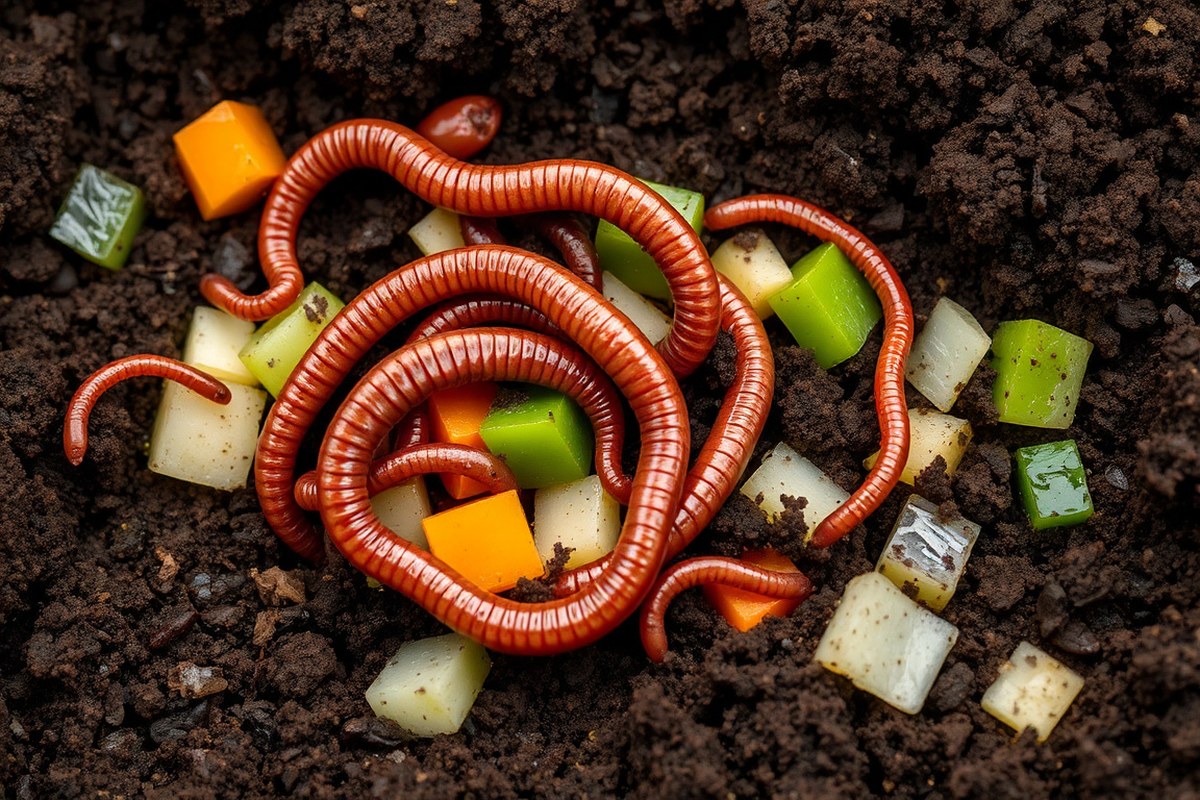
Worms eat soft, moist plant material because it breaks down easily in their digestive systems. Worms prefer foods that have lots of nutrients and moisture. These support the microbes they eat along with the food.
Both food and microbes are important for healthy worms. Dry or tough items take longer to decompose and can slow their eating pace.
Worms like food waste from fruits and vegetables the most. They prefer scraps that are starting to rot a little. This rotting stage makes it easier for them to eat.
Worms eat many kitchen scraps very quickly every day. They can eat about half their body weight daily. This happens under good conditions in your worm bin.
Cutting food into small pieces helps worms eat faster. It also stops bad smells and keeps pests away. Small pieces break down more quickly in the worm bin.
- Banana peels, Soft and nutrient-rich; freeze first to soften faster.
- Melon and pumpkin rinds, High moisture; chop small to avoid overload.
- Squash, Mild and soft; bury under bedding for better results.
- Cucumber peels, Breaks down fast and adds moisture to the bin.
- Wilted leafy greens like spinach and lettuce, Rich in nitrogen for microbes.
- Carrot tops and greens, Soft plant matter worms prefer over the root itself.
- Shredded paper and cardboard, Both bedding and food due to microbial growth.
Worms avoid acidic foods such as citrus fruits because they can upset the bin’s balance. These foods make the environment too harsh for them and slow their feeding. Offering moist, mild, and easy-to-digest scraps keeps worms healthy and feeding steadily.
Which Foods Should You Never Feed Worms
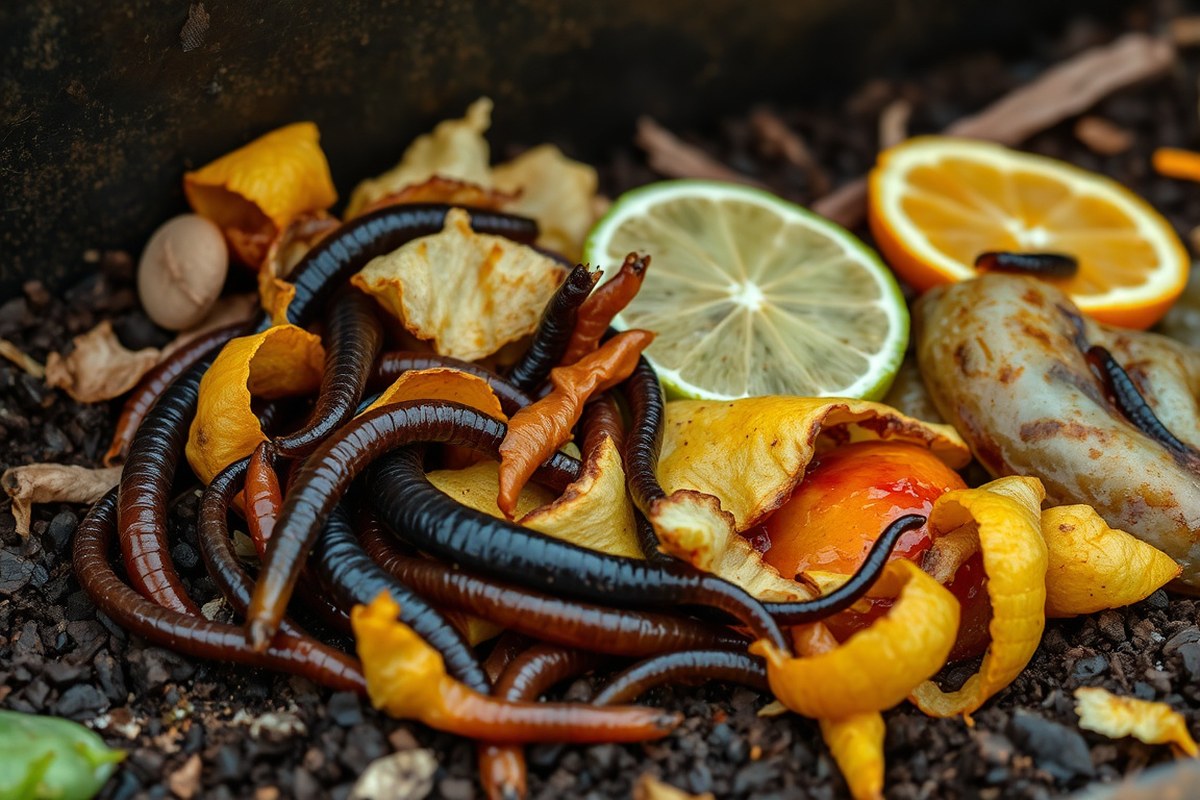
Worms don’t handle all foods well. Avoid meat, dairy, oily scraps, and foods with salt or citrus. These items often harm worms or attract pests like flies and rodents to your bin.
Citrus fruits can be especially harmful. Worms tend to avoid citrus-treated areas. Higher acid levels hurt their skin and body.
Feeding too much citrus can lead to worm stress or death. Meat and dairy create odors and slow down composting. Also, oils coat worm bodies and reduce oxygen flow, making it hard for them to breathe.
| Food Category | Effect on Worms | Why to Avoid |
|---|---|---|
| Meat and Bones | Attract pests and cause odors | Can bring flies, rodents, and slow decay |
| Dairy Products | Create smell and rot quickly | Promotes harmful bacteria and pests |
| Citrus Fruits (Lemons, Oranges) | Toxic in large amounts | High acid hurts worms and causes avoidance |
| Oily or Greasy Foods | Smother worms and reduce oxygen | Blocks air flow and slows worm activity |
| Salty Foods | Dehydrate worms and disrupt processes | Toxic salt levels harm worm health |
| Onion and Garlic | Strong compounds irritate worms | Can slow digestion and repel worms |
When adding scraps, chop or process large pieces to help worms handle them. They can’t chew, so food needs to start breaking down before worms eat.
Freeze tough scraps and then thaw before feeding to speed this process. Avoid overfeeding, especially with risky foods, to prevent mold and bad smells.
Keep your feeding balanced by sticking to mainly plant-based scraps and avoid adding meat or dairy.
Worm bins with about a pound of worms can process half a pound of scraps daily. This helps you judge how much food to add without leaving leftovers to rot. Sick worms or a strong rotten smell usually mean trouble.
The bin likely has unsafe foods or very large portions. Check what you feed them to fix the issue.
How Worms Find and Digest Their Food
Worms find, eat, and digest their food through a simple but effective process. They sense suitable food using their skin and sensory organs. Then, they swallow food pieces and break them down inside their bodies.
Sensory Mechanisms for Food Detection
Worms detect food mainly by touch and chemical signals in the soil. Their skin can sense moisture and some smells from decaying matter. This helps them locate the softened, microbe-rich organic material they prefer.
Worms avoid fresh or hard foods and search for decomposing scraps. They are more attracted to materials where microbes have already started breaking down the food. This is why fresh foods may stay untouched in a worm bin for days.
Physical Ingestion Without Teeth
Since worms have no teeth, they can’t chew food like animals do. Instead, they swallow smaller bits of softened material. Breaking food into small pieces helps worms eat better and faster.
Once inside, food moves to the worm’s muscular gizzard. The worm swallows tiny stones that grind the food there. This mechanical action combined with enzymes breaks down the food into digestible bits.
Digestion and Conversion to Worm Castings
Inside the worm’s gut, digestive enzymes and microbes further decompose food. These microbes play a key role in transforming food into nutrient-rich castings. Healthy gut microbes are important; anything disrupting them can harm digestion.
Worm digestion takes time, usually several weeks to turn food fully into castings. Feeding partially decomposed food speeds up this process. The worm absorbs nutrients while passing along material that becomes worm castings in your bin.
What Baby Worms Eat and How It Differs from Adults
Baby worms eat the same types of food as adult worms. They share similar nutritional needs throughout their lives. Both baby and adult worms thrive on organic matter that is soft and easy to digest.
However, baby worms benefit from fresher, less decomposed food. This helps their fragile digestive systems handle nutrients better. Feeding young worms small pieces of fruit or vegetable scraps helps them grow.
Softened leaves also support their development well. These foods are easy for worms to eat.
When worms mature, they gradually shift to a diet containing more decomposed material. The adults digest tougher, more broken-down scraps because their digestive enzymes are stronger. This transition usually happens within a few weeks after hatching as their bodies develop.
- Soft fruit scraps like melon, pumpkin, and squash
- Chopped vegetable peelings such as cucumber or carrot
- Used tea leaves or slightly dried green leaves
- Shredded paper or cardboard pieces (small amounts)
- Small amounts of coffee grounds
- Well-moistened manure or compost bits
Be careful not to overload baby worms with too much food. This can cause problems with bin moisture and pH balance. Also, keep worm bin temperatures above 50°F to keep baby worms active and feeding well.
Feeding baby worms this way gives them the energy to grow quickly. Healthy babies develop into strong adults, ready to break down tougher compost scraps. This leads to a more productive worm bin and richer organic material for your garden.
Calculating How Much and How Often to Feed Worms
Calculating How Much and How Often to Feed Worms
You can estimate food by weighing your worms and offering about half that weight daily. For example, if your worms weigh 2 pounds, feed about 1 pound of food per day. This rule works best if temperature stays between 55 and 77°F, when worms are most active.
Worms eat less when it’s colder. Below 50°F, slow feeding to once every 2-3 days or less.
When your bin feels warm and moist, feed daily or every other day. Check how fast worms clear their food to adjust amounts.
Watch for signs of too little or too much food. Food disappearance and healthy worms show you’re feeding them correctly.
Too much food causes bad smell and leftover scraps. Too little food means worms crawl out or eat their castings.
Here is a simple feeding schedule checklist you can follow:
- Weigh your worm population to find total biomass.
- Calculate half that weight to set a starting daily food amount.
- Feed small portions daily, or every 2-3 days in cooler weather.
- Observe food leftover after 24-48 hours.
- Leftover food means cut back by 25% at your next feeding.
- Food vanishing quickly means raise your feeding by 10-20% next time.
- Adjust feeding by season: less in winter, more in summer.
Start small and increase gradually to avoid overfeeding and rotting food.
Balancing Carbon and Nitrogen for Optimal Worm Health
Worms thrive when their diet contains about three times more carbon than nitrogen by volume. This 3:1 ratio keeps the worm bin stable and helps worms get the right nutrients. You provide nitrogen with “green” foods and carbon with “brown” bedding materials.
Green foods are rich in nitrogen. Carbon-rich materials usually come from dried leaves, paper, or cardboard. Balancing these two keeps the compost moist.
It also keeps the pH balanced. This avoids a smelly or soggy bin.
Here’s a table showing common worm foods and bedding. They are sorted by carbon or nitrogen content.
| Item | Category |
|---|---|
| Vegetable scraps | Green (Nitrogen-rich) |
| Fruit scraps | Green (Nitrogen-rich) |
| Grass clippings | Green (Nitrogen-rich) |
| Dried leaves | Brown (Carbon-rich) |
| Shredded cardboard | Brown (Carbon-rich) |
| Paper towels (unbleached) | Brown (Carbon-rich) |
Start by mixing equal parts green and brown materials by volume to reach the right balance. For example, add two cups of vegetable scraps. Then add about six cups of dried leaves or shredded cardboard.
This balance takes some trial and error. You may see signs if you add too much green, like a bad smell.
Worms also need tiny amounts of calcium from eggshells to help digest food better. Adding these occasionally benefits their gut health. Avoid feeding only green stuff.
It causes excess nitrogen to break down too fast. This can harm the bin’s environment.
Diet Differences Between Popular Worm Species
Red wigglers and nightcrawlers have different feeding habits and preferences. Red wigglers eat faster and tolerate wetter bins. Nightcrawlers digest more slowly and prefer older, well-aged food and cooler conditions.
Red Wigglers Feeding Habits
Red wigglers eat quickly, making them ideal for fast compost turnarounds. They prefer fresh or slightly aged food scraps like vegetable peels and coffee grounds. These worms handle wetter and warmer compost bins well, reducing the need for dry bedding.
They are more forgiving when you feed every 1 to 2 times per week. This feeding speed matches their digestion rates, keeping your bin active without foul smells. Standard bedding like shredded newspaper or cardboard usually works fine.
European Nightcrawlers Dietary Preferences
European nightcrawlers like food that has aged for several days or weeks. Well-aged scraps reduce the chance of harmful bacteria. They feed slower, processing food every 5 to 7 days.
These worms prefer cooler, airier bins with more bedding to keep moisture in balance. You’ll need to add extra dry bedding like shredded leaves or cardboard with each feeding. Moisture levels should stay lower than in red wiggler bins to keep nightcrawlers healthy.
Best Species for Specific Composting Goals
Red wigglers are best if you want faster compost production in a small or indoor bin. Their tolerance for moisture and fast eating helps break down food quickly. This makes them great for kitchen scraps or beginner worm farmers.
Nightcrawlers work better for larger, cooler outdoor compost piles. Their slower feeding suits gardeners collecting well-aged food scraps. They need more space and attention to bedding but create rich compost over a longer time.
Here is a table comparing key feeding and care traits of red wigglers and European nightcrawlers:
| Trait | Red Wigglers | European Nightcrawlers |
|---|---|---|
| Feeding Speed | Fast | Slower |
| Preferred Food | Fresh or slightly aged scraps | Well-aged scraps |
| Bedding Needed | Standard bedding | More bedding per feeding |
| Moisture Tolerance | Handles wetter bins | Prefers cooler, airier bins |
| Feeding Frequency | 1, 2 times per week | Every 5, 7 days |
This comparison helps you decide based on your space and composting pace. A wetter, faster setup suits red wigglers well. Outdoor or cooler conditions favor the nightcrawler’s slower pace and bedding needs.
Recognizing Worm Hunger and Preventing Overfeeding
Worms show clear signs when they need food or are stressed from too much feeding. Knowing these signs helps you adjust how much and how often to feed them. Feeding worms the right amount keeps their bin healthy and odor-free.
Indicators of Worm Hunger
Hungry worms move actively near fresh food, sensing it before it spoils. You might see them clustered around new scraps, especially if the bedding looks dry or compacted. When hungry, worms eat quickly, often finishing scraps within a few days.
Worm bins with hungry worms tend to have less worm castings or a crumbly bedding texture. The surface might feel drier than usual, signaling worms need more fresh scraps or moist bedding. Hunger signs mean it’s time for a small, balanced feeding.
Symptoms of Overfeeding
Leaving too much food scraps in the bin causes a slimy mess. It smells bad from rotting scraps and bacteria buildup. This can make your worm bin unpleasant and unhealthy.
Worms avoid sour or moldy food, so they’ll move away if overwhelmed. Excess food attracts pests like fruit flies and can suffocate worms in sour conditions.
- Strong ammonia or rotten smell from the bin
- Wet, mushy food scraps that don’t get eaten
- Worms clumping away from the scraps
- Fruit flies or other pests swarming the bin
- Bedding turning slimy or compacted
- More uneaten food than worm castings
These signs mean you fed worms more than they can process in 2 to 3 days.
Steps to Rebalance Worm Diet
Stop adding food if uneaten scraps pile up. Removing leftover food stops bad smells and pests. Stir the bedding gently to air it out and mix food with worm castings.
Add dry bedding like shredded paper or coconut coir to soak excess moisture. This lowers sliminess and freshens the habitat. Check moisture by squeezing bedding; it should feel like a wrung-out sponge.
Feed worms smaller amounts next time, about one-half pound per pound of worms per day. Wait until most scraps disappear before adding more. This pace helps worms eat steadily and prevents waste buildup.
Too much food or ignoring leftovers can kill worms or make your bin smell bad quickly.
Step-by-Step Action Plan to Feed Your Worms Right
Start feeding your worms the right way and watch your compost grow healthy. Follow these steps to get it right from day one.
- Before You Start: Get your worm bin ready first. Add bedding like shredded paper. Moisten the bedding well to help worms settle. Worms like a damp, comfy home.
- Day 1: Add a small amount of fruit scraps, about a cup. Check back in two days to see if worms are eating it.
- Week 1: Start feeding every three days with varied scraps, including veggies and coffee grounds. Notice if food disappears without bad smells.
- Week 2: Add some carbon materials like dry leaves or cardboard to balance nitrogen. Watch for worm activity and less odor.
- Week 3: Observe worm size and population growth. Increase food slightly if they’re eating fast and growing.
- After 1 Month: Remove leftover food and harvest some compost. Keep feeding regularly but avoid overloading with scraps.
- Ongoing: Adjust feeding based on worm hunger signs like worms clustering around food or no leftovers. Keep bedding moist but not soggy.
Frequently Asked Questions
What Kind of Kitchen Scraps Do Worms Like Best?
Worms prefer vegetable and fruit scraps that are not acidic. Use bits like crushed leaves, carrot peels, and apple cores.
Avoid citrus fruits because worms do not like them. They can harm your worm bin.
Can Worms Eat Cooked Foods or Leftovers?
Worms can eat some cooked foods like rice or pasta in small amounts. Avoid oily or spicy leftovers that can harm worms or attract pests to your bin.
Do Worms Eat Paper Products or Cardboard?
Yes, worms can eat shredded paper and cardboard if they are not glossy. These materials provide carbon and help balance the bunker. But avoid toxic inks or coatings.
How Long Does It Take Worms to Eat Their Food?
Worms usually consume scraps within two to three weeks depending on temperature. Warmer bins between 65 and 75°F speed up digestion.
Keep your worm bin in a stable spot to stay warm. This helps worms process food faster.
Can Worms Eat Citrus Peels If They Are Composted First?
Citrus peels can be fed after composting for a few weeks to reduce acidity. Fresh citrus is too harsh. But aging it makes it safer for worms to eat.
Will Worms Eat Bread or Grains in the Bin?
Worms will eat bread and grains occasionally, but only in small amounts. Large amounts of grains can mold and cause problems.
Use grains only as an occasional treat for your worms. Do not make grains their main food.
Key Points to Remember
Worms eat a mix of nitrogen-rich and carbon-rich foods best. Feed them little at a time, and balance their diet well. Start small today, and watch your worm farm thrive.