When Can You Plant Bulbs: A Complete Guide for Timely Blooms
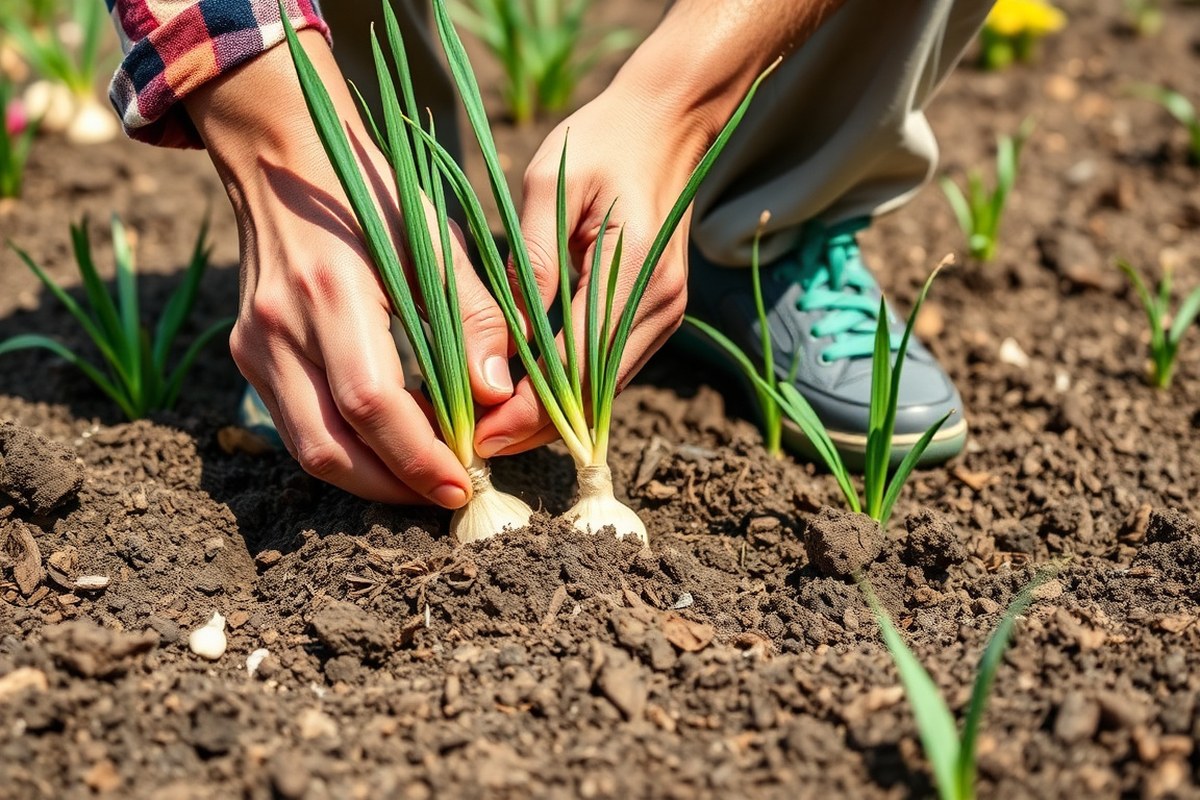
When can you plant bulbs? The best time depends on the bulb type and your garden zone. For spring-flowering bulbs, plant in fall when soil cools to about 50 to 55°F. This helps bulbs root well before winter arrives.
Plant bulbs six to eight weeks before the ground freezes. Wait until evenings are around 40 to 50°F. This timing helps bulbs root before hard freeze. In warm zones like Florida, chill bulbs in your fridge.
Keep them for 12 to 16 weeks before planting. This simulates winter and helps them grow. Then plant them in December or January for good blooms.
Summer-blooming, tender bulbs like dahlias need planting in spring after frost danger passes. Make sure soil temperature is at least 60°F before planting. Always check local frost dates and soil temps to time your planting right.
Key Takeaways
- Plant spring bulbs when soil cools to 50, 55°F for proper rooting.
- Chill bulbs 12, 16 weeks in the fridge before planting in warm zones.
- Plant daffodils 6 inches deep and 6 inches apart in fall.
- Wait until soil hits 60°F to plant summer-blooming bulbs safely.
- Plant bulbs in odd-numbered groups for a natural garden look.
- Lay bulbs on a tray to dry 24 hours before planting to prevent rot.
When Is the Best Time to Plant Bulbs for Your Zone?
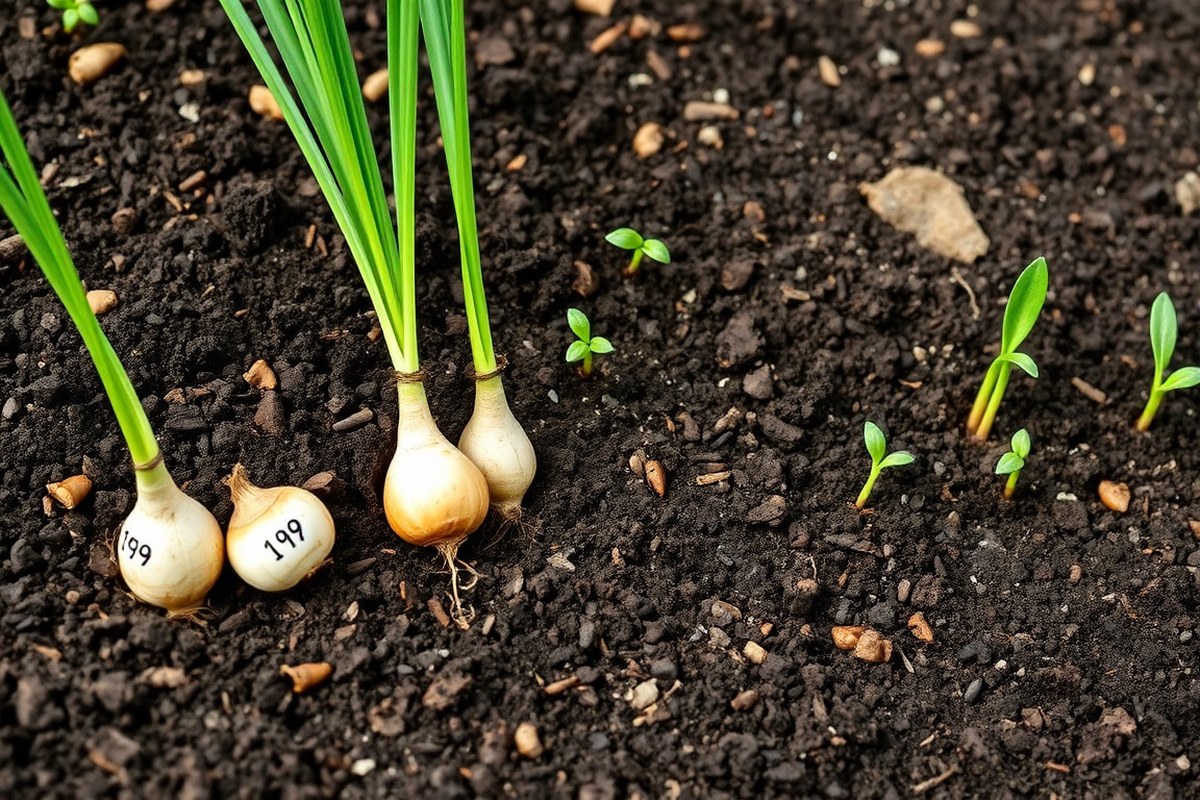
Fall is the main time to plant spring-flowering bulbs. Aim to plant when nighttime air temperatures cool and soil is between 50 and 55°F. This soil temperature helps bulbs start growing roots without pushing up leaves too soon.
Plant bulbs too early, and their growth uses up energy before winter. This weakens bulbs and risks fewer flowers in spring.
Wait until the soil cools to 40°F before planting. You can also use pre-chilled bulbs to help.
| Bulb Type | Best Planting Months | Bloom Time | USDA Zones |
|---|---|---|---|
| Tulips | October – November | Early Spring | 3-8 |
| Daffodils | October – November | Mid Spring | 3-8 |
| Crocuses | September – October | Late Winter | 3-8 |
| Lilies | March – April | Summer | 4-9 |
| Alliums | October – November | Late Spring | 4-8 |
Spring bulbs need a chilling period to bloom well, especially in zones 3 to 8. Your local climate determines when soil will hit that cool range of 50-55°F in fall. Use a soil thermometer to check depth of 4 to 6 inches where the bulbs sit.
In warm winter areas such as zones 9 to 11, bulbs might not get cold enough in the soil. This can affect their growth.
You can chill those bulbs inside your fridge for 12 to 16 weeks. Plant them outdoors in December or January after chilling.
Summer-blooming bulbs go in during spring when soil warms past 60°F. This ensures bulbs won’t rot and can grow safely after last frost dates. Check your USDA zone to adjust for your local climate. Use a simple digital probe to measure soil temperature.
How to Determine If Your Bulbs Need Chilling Before Planting
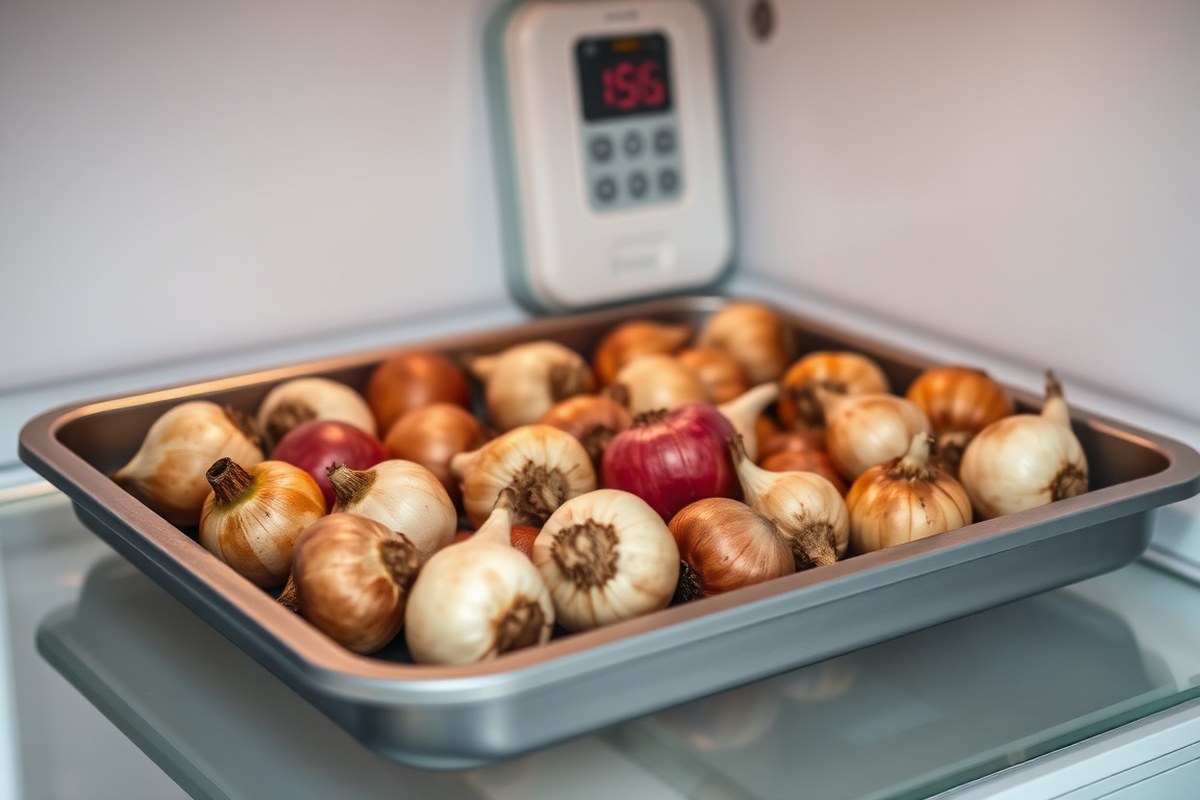
You can tell which bulbs need chilling by knowing their types and where they come from. Spring-flowering bulbs usually require cold treatment, while tender bulbs from warm zones do not. Chilling helps prepare cold-loving bulbs for proper growth and flower development.
Types of Bulbs Requiring Chilling
Spring-blooming bulbs like tulips, daffodils, crocus, and hyacinths need a cold period to bloom well. These bulbs often come from regions with cold winters. Tender bulbs such as gladiolus and dahlias come from warmer climates and don’t require chilling.
Bulbs that thrive in USDA Zones 4 to 7 usually get natural chilling outdoors. Bulbs in Zones 8 and higher often need pre-chilling indoors. Winters there aren’t cold enough for bulbs to chill naturally.
This helps the bulbs grow properly when planted outside. Check the bulb’s packet or plant label for chilling instructions.
Recommended Chilling Times and Temperatures
Most bulbs need chilling at about 35°F to 45°F to trigger bloom. This usually takes 10 to 14 weeks.
A shorter chilling period can cause weak or no flowers. Too long is usually safe but not necessary.
For tender winter storage, keep bulbs cool but not frozen, around 35°F to 45°F. Hardy spring bulbs need chilling for 6 to 8 weeks minimum. Keep them at cold temperatures during this chilling period.
This helps bulbs bloom well in spring. Avoid exposing bulbs to temperatures below freezing before planting.
Pre-Chilling Techniques for Warm Climates
You live where winters stay warm. Refrigerate bulbs before planting to mimic cold winters. Don’t store bulbs near fruits like apples.
They release ethylene gas and can harm bulbs. Keep bulbs dry and in a paper bag or mesh bag during refrigeration.
Follow these steps to pre-chill your bulbs safely:
- Place bulbs in a paper or mesh bag to allow air circulation.
- Set your fridge temperature between 35°F and 45°F.
- Keep bulbs away from fruits and vegetables.
- Store bulbs for 10 to 14 weeks before planting outdoors.
- Check bulbs weekly for mold or rot and discard any affected ones.
- Remove bulbs from the fridge just before planting outside.
Never store bulbs in the freezer or near ripening fruits to avoid damage.
Planting Depths and Spacing for Different Bulb Types
Plant bulbs at the right depth and spacing to help them grow strong. Larger bulbs need deeper planting to protect from frost and pests. Smaller bulbs go closer together and near the surface.
This creates a layered bloom. The effect is a colorful garden with different heights.
Planting Depth Guidelines by Bulb Species
Bulbs should generally be planted about two to three times as deep as their height. This protects them from frost and encourages healthy root growth.
For example, daffodils go about 6 inches deep. Tulips need 6 to 8 inches.
Small bulbs like crocuses only need a shallow depth of about 3 to 4 inches. Planting them too deep can delay blooming. Big bulbs like lilies and tulips need deeper planting.
This keeps them safe from cold and animals. Plant them well below the surface.
| Bulb Type | Planting Depth (inches) | Spacing (inches) |
|---|---|---|
| Daffodils (Narcissus) | 6 | 6 |
| Tulips | 6-8 | 4-6 |
| Crocuses | 3-4 | 3 |
| Hyacinths | 6 | 4-6 |
| Alliums | 6-8 | 6-8 |
These depths balance protection and timing for each bulb type. Adjust for your soil type. Sandy soil may need planting a bit deeper to protect roots.
Spacing Recommendations for Natural Bloom Clusters
Bulbs need room without crowding to spread roots and bloom well. Spacing varies by bulb size and the effect you want. For example, tulips are spaced 4 to 6 inches apart to avoid crowding.
Smaller bulbs like crocuses can be planted about 3 inches apart for a carpet look. You can plant smaller bulbs above bigger ones.
This is called lasagna planting. It gives you flowers blooming all season long.
Leave enough space for air circulation to reduce disease risk. Crowded bulbs might produce smaller flowers or fail to bloom.
How Depth Impacts Frost Protection and Growth Timing
Planting bulbs deeper helps avoid frost damage by insulating them below the frozen soil layer. Tulips planted 8 inches deep survive frost better.
Those planted at 4 inches risk frost damage. Deeper planting protects bulbs in cold weather.
Depth affects bloom time too. Bulbs planted deeper may bloom slightly later because they need longer to push through the soil. Shallow planting speeds up blooming but risks frost damage in colder zones.
Adjust planting depth depending on your average fall and winter soil temperatures. Use local frost dates to guide planting timing and depth together for best results.
When to Plant Summer-Blooming Bulbs and Tender Varieties
Plant summer-blooming bulbs like dahlias and gladiolus only after the soil warms to at least 60°F. This temperature helps their roots grow strong before hot weather arrives. Waiting until after the last frost ensures these tender bulbs won’t get damaged by cold.
Before planting, store tubers and corms in a cool, dry place to keep them healthy. Lay them on a tray to dry for 24 hours to prevent rot. Place bulbs in a fridge set near 40°F to store them.
This helps if you plan an early spring planting. Store for about 13 weeks at this temperature.
- Wait until soil temperature is consistently 60°F or warmer
- Plant after the danger of frost has passed
- Dry bulbs on a tray for 24 hours to prevent fungal rotting
- Store in a dark, cool place or refrigerator at 40°F for up to 13 weeks
- Overwinter tender bulbs like canna indoors in frost-free locations
- Use potting mix containers when storing to keep bulbs dry but ventilated
- Check bulbs regularly and discard any soft or moldy ones
Tender bulbs such as canna cannot survive freezing winter soil. Store them indoors in a frost-free spot until spring planting. Watch moisture and temperature closely during storage.
This stops drying out or early sprouting. Keep the environment steady for best results. This helps you grow big leaves and bright summer flowers.
Plant bulbs properly in your garden for best blooms. You’ll enjoy the results all summer long.
Preparing Bulbs and Soil Before Planting for Best Results
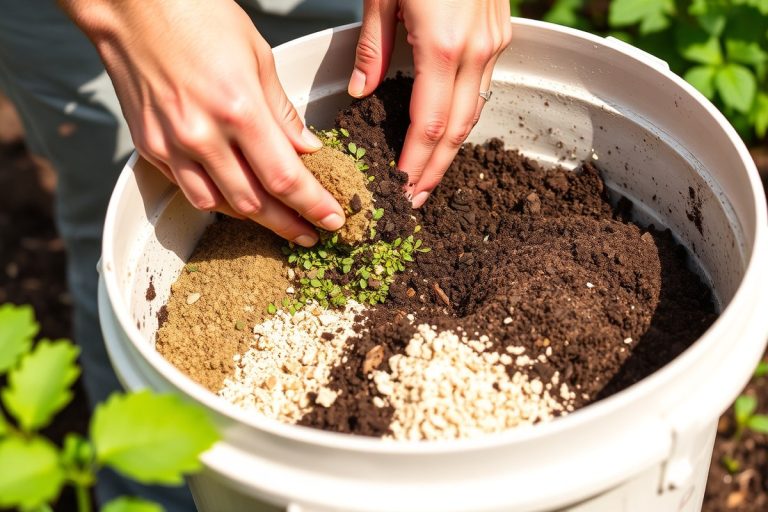
Healthy bulbs need the right soil and care before planting to grow well. Loosening soil and adding organic matter helps roots spread easily and access water. Choosing a sunny, well-drained spot suits most bulbs and supports strong growth.
Before you plant, check bulbs for signs of damage or mold. Dry bulbs if they feel damp to avoid rot. Handling bulbs gently preserves their protective skin, helping them last through the growing season.
- Pick a planting site that gets at least 6 hours of sunlight daily.
- Loosen the soil 12 inches deep using a garden fork or shovel.
- Add 2 to 3 inches of garden compost or well-rotted manure to improve drainage.
- Mix soil and compost thoroughly, especially if your soil is heavy clay or sandy.
- Use a bulb fertilizer around the planting area carefully, avoiding direct contact with bulbs.
- Inspect bulbs for softness or mold, discarding any damaged ones.
- Allow bulbs to dry for a day if they feel moist before planting.
- Dig holes 2 to 3 inches deeper than the bulb’s height for root space.
Handle bulbs carefully to avoid bruising, which can cause rot after planting.
Signs and Monitoring Soil and Bulb Health When Planting
Use a soil thermometer to check the temperature where you’ll plant bulbs. Insert it about 4 inches deep, the usual bulb planting depth. The soil needs to be around 50 to 60°F for bulbs to root well.
Digital soil thermometers cost about $10 to $20 and give a quick reading. Check the soil temperature in the morning and afternoon, when it can vary. When the temperature is below 50°F, wait a week to test again.
Buds or little green shoots pushing through the soil show bulbs have started to root. This usually happens two to four weeks after planting in the right temperature. No signs after a month could mean soil is too cold or dry.
Planting too early often means bulbs stay in cold, wet soil. They might rot or sprout weak roots. Planting too late stops bulbs from growing strong roots before winter.
Keep an eye on soil moisture during this time. Soil that’s too dry slows root growth, but soggy soil increases rot risk. Adjust watering so the soil feels moist but not soaked about 2 to 3 inches deep.
Set a reminder to check soil temperature twice a week. Write down readings and any root signs you notice. This simple checklist helps you decide if you should plant now or wait a bit longer.
Warmer areas, such as USDA Zone 8, reach ideal soil temps last. Soil temperature could peak only by late November there.
Cooler zones need you to plant earlier, around late August. Adjust your schedule based on your exact local temperatures.
When soil stays cold longer, keep bulbs in the fridge until planting. Put them in a paper bag in the fridge’s vegetable drawer for refrigeration. Don’t store bulbs near fruits like apples, which release ethylene gas and can damage the bulbs.
Adapting Planting Time in Warm and Mild Winter Climates
Bulbs need a period of cold to bloom well. But zones 8 to 11 often don’t get cold enough. You can plant bulbs in warm areas using low-chill sorts.
Another option is to pre-chill bulbs in your fridge. This helps bulbs bloom even in warmer soil. Plant chilled bulbs in late fall or early winter for best results.
Choosing Suitable Bulbs for Warm Climates
Some bulbs naturally need less chilling, making them better for warm zones. Daffodils, some tulip varieties, and paperwhites can perform well with less cold. Look for bulbs labeled as “low-chill” or “warm climate friendly.”
Other bulbs like crocus or hyacinths may not bloom well if winters stay warm. You might treat tulips as annuals in these areas, enjoying blooms for one season before replanting. Choosing the right bulb saves effort and improves your garden’s success.
Pre-Chilling and Refrigeration Methods
Pre-chilling mimics winter cold by storing bulbs in the fridge before planting. Use a refrigerator that stays between 35°F and 45°F (2°C to 7°C). Leave bulbs chilled for 10 to 14 weeks depending on the variety.
Never store bulbs near fruit, especially apples, which release gases that harm bulbs. Keep bulbs dry in paper bags or breathable containers during chilling. Once chilled, plant bulbs right away outdoors to start growing.
Adjusting Planting Calendar for Mild Winters
Plant chilled bulbs about 6 to 8 weeks before your area’s first frost date. In zones 8 to 11, this usually means late November through January. Planting too early can cause bulbs to sprout indoors or rot in warm soil.
Layering plants by height and different bloom times helps you get a longer flowering season. Water chilled bulbs well after planting to help roots develop before warmer spring weather. Avoid planting summer-flowering bulbs too early in these zones as they prefer spring planting.
Follow these steps to manage bulbs in warm winter areas:
- Choose bulbs labeled for low-chill or warm climates.
- Buy dormant bulbs near planting time to avoid storage issues.
- Store bulbs in the fridge at 35°F to 45°F for 10 to 14 weeks.
- Keep bulbs dry and away from fruit during chilling.
- Plant bulbs outside 6 to 8 weeks before your local frost.
- Water the bulbs after planting to encourage root growth.
- Space bulbs to allow airflow and prevent rot in warm soils.
Common Timing Mistakes and How to Fix Them
Planting bulbs too early exposes them to rot or sprouting before roots can form. Bulbs need cool, but not freezing, soil to develop roots. Planting late cuts short their root growth and may delay or reduce flowering in spring.
Planting bulbs too shallow risks frost damage to shoots and poor anchoring. Bulbs set too deep may flower late or have weak stems. The depth should be about 2 to 3 times the bulb’s height to protect it properly.
- Plant bulbs in cool, well-drained soil after soil temperatures drop below 60°F
- Check soil moisture and avoid planting in soggy ground to prevent rot
- For shallow bulbs like snowdrops, plant 3 inches deep and 3 inches apart
- Planting too early? Cover bulbs with mulch to slow their sprouting.
- Use a soil thermometer or local frost dates to time planting better
- Bulbs planted too shallow need mulch to protect from frost.
- Lift and store bulbs in dry, cool conditions if your area freezes deeply
Bulbs starting early need help. Add mulch to keep them cool. Or move pots to shaded, cooler spots.
Late-planted bulbs often still bloom if roots establish before winter. Bulbs harmed by frost usually need lifting and winter storage to survive.
Protect young shoots by mulching well after planting, especially in cold areas.
Correct planting timing still requires proper depth and soil preparation. You can prevent most problems by planting at the right depth and watching local frost dates. That way, bulbs stay safe, bloom regularly, and give you steady flowers year after year.
Step-by-Step Action Plan for Planting Bulbs
Follow these steps for the best timing and results when planting flower bulbs. Check your zone and bulb type before you start.
- Before planting: Chill bulbs if needed for 8-12 weeks in a refrigerator. This ensures proper blooming in warm zones.
- 2-3 weeks before frost: Prepare soil by loosening and adding organic matter. Good soil helps roots grow strong.
- 1 week before planting date: Check soil temperature. It should be around 50°F to 60°F for most spring bulbs.
- Planting day: Plant bulbs at the right depth, about two to three times their height. Space bulbs properly for air and growth.
- Right after planting: Water bulbs deeply once. This settles soil and starts root growth.
- During fall and winter: Monitor soil moisture and add mulch in cold zones. Mulch protects bulbs from freeze/thaw cycles.
- Early spring: Remove mulch as shoots appear. This prevents mold and allows sunlight.
- After bloom: Let foliage die back naturally to feed bulbs. Avoid cutting leaves too soon.
Frequently Asked Questions
Can You Plant Bulbs in Spring Instead of Fall?
You should avoid planting most bulbs in spring. Fall planting helps bulbs root before winter, ensuring better blooms. Some summer-flowering bulbs can go in spring, but spring-flowering types need fall chill first.
How Long After Planting Do Bulbs Usually Sprout?
Bulbs typically sprout 3 to 6 weeks after planting. Soil temperature around 50 to 55°F helps them grow roots and shoots. Cool nighttime temps speed up sprouting.
Can You Plant Bulbs Near Trees or Shrubs?
It’s best not to plant bulbs right under trees or shrubs. Roots from larger plants compete for water and nutrients. Bulbs need space to develop and avoid soil disease risks.
Is It Okay to Plant Bulbs in Containers?
Yes, bulbs do well in containers if drainage is good. Use pots with holes and quality potting soil. Water moderately and keep bulbs cool before they sprout.
Should You Fertilize Bulbs When Planting?
Fertilizing isn’t required but a low-nitrogen bulb fertilizer helps. Add it with soil before planting bulbs. Avoid too much nitrogen, which can harm bulb growth.
What Happens If You Plant Bulbs Too Shallow?
Bulbs planted too shallow may dry out or freeze. They need soil covering 2 to 3 times their height. Planting deeper keeps bulbs moist and safe through cold months.
The Bottom Line
Planting bulbs at the right time depends on your zone and bulb type. Taking simple steps like chilling and proper depth makes a big difference. Start by knowing your zone and readying your soil today.