What Is Soil Texture: A Complete Guide to Understanding and Testing Soil
Soil texture describes the proportions of sand, silt, and clay in soil. These parts shape how soil feels, drains, and holds nutrients.
Knowing soil texture helps you manage water and root growth better. Texture impacts soil’s ability to support plants over time.
Sand has the largest particles, from 0.05 to 2 millimeters. Silt particles are medium-sized, finer than sand but bigger than clay.
Clay has the smallest particles, less than 0.002 millimeters. Each type holds water and nutrients in different ways.
Soil texture controls how water moves and stays in soil. Clay soils hold water longer and drain slowly.
Sandy soils drain fast but dry out quickly. Silty soils offer a middle ground between these two.
Texture also affects air circulation around roots, which impacts plant health. A soil test shows your soil’s texture to guide your care. Adding organic matter can improve texture and help plants grow better.
Key Takeaways
- Soil texture is the mix of sand, silt, and clay particles.
- Sand particles are coarse and let water drain quickly.
- Silt particles hold moderate water and nutrients for plants.
- Clay particles retain water but may cause poor drainage.
- More than 40% clay means the soil is classified as clay texture.
- Soil texture impacts root growth and nutrient availability.
What Is Soil Texture and Why Does It Matter?
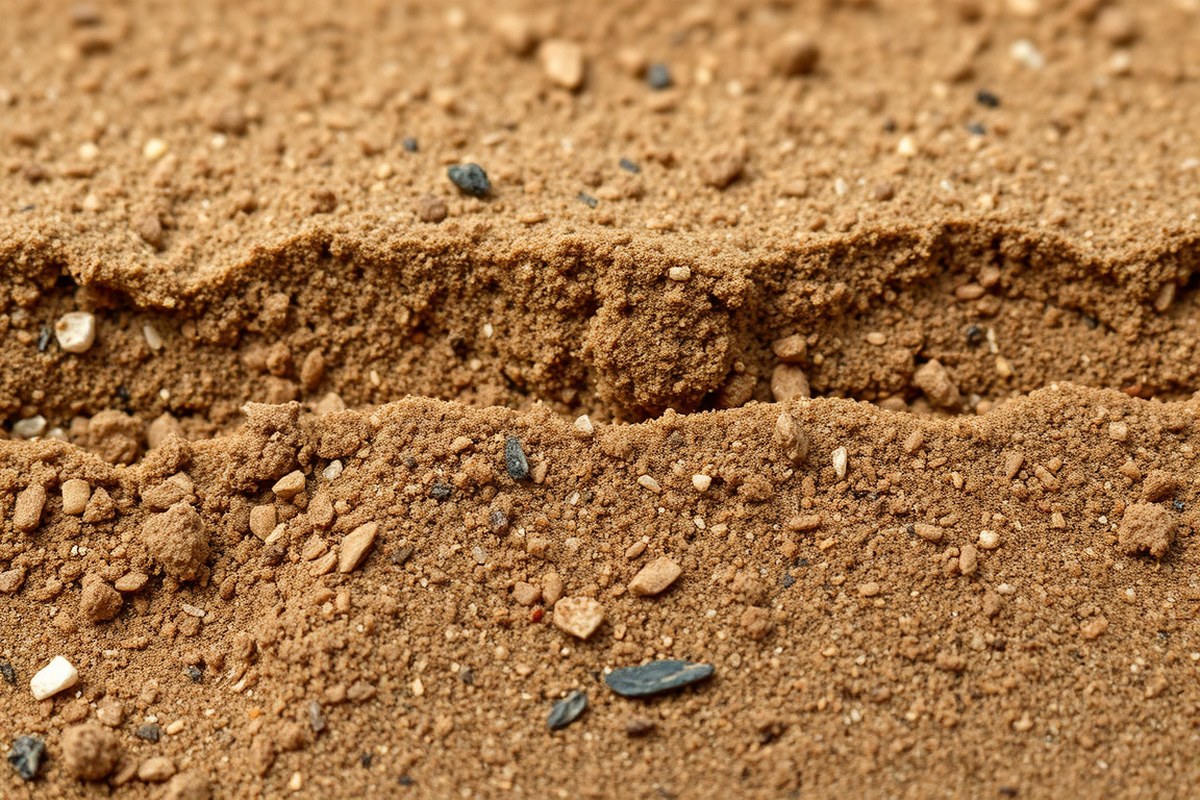
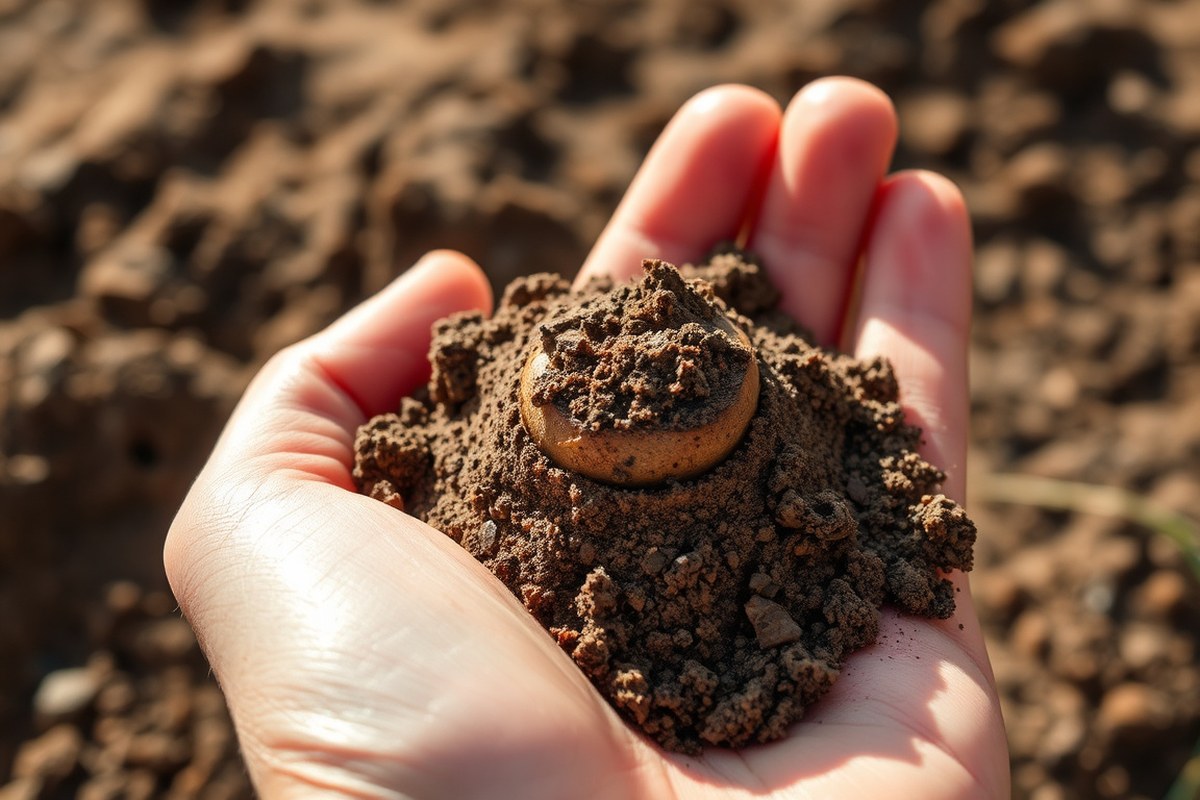
Soil texture means the mix of sand, silt, and clay particles in soil. These particles differ in size, with sand being the largest and clay the smallest. The amount of each in your soil changes its feel and look.
It also affects how well plants grow there. Soil texture influences plant health and growth.
Soil texture matters because it controls water drainage and root growth. For example, sandy soil drains quickly but holds less water for plants. Clay soil keeps water well.
It can get dense and stops roots from growing. This also blocks air from reaching the roots. The right texture helps soil retain moisture and nutrients while letting roots spread out.
Texture also guides soil management and plant help. A balanced mix called loam has about 40% sand, 40% silt, and 20% clay. This mix keeps water and air moving well and supports healthy roots.
Knowing your soil texture helps you water plants right. You can add organic matter or pick crops that will thrive. This knowledge improves your garden or field care.
How Sand, Silt, and Clay Differ in Soil Texture
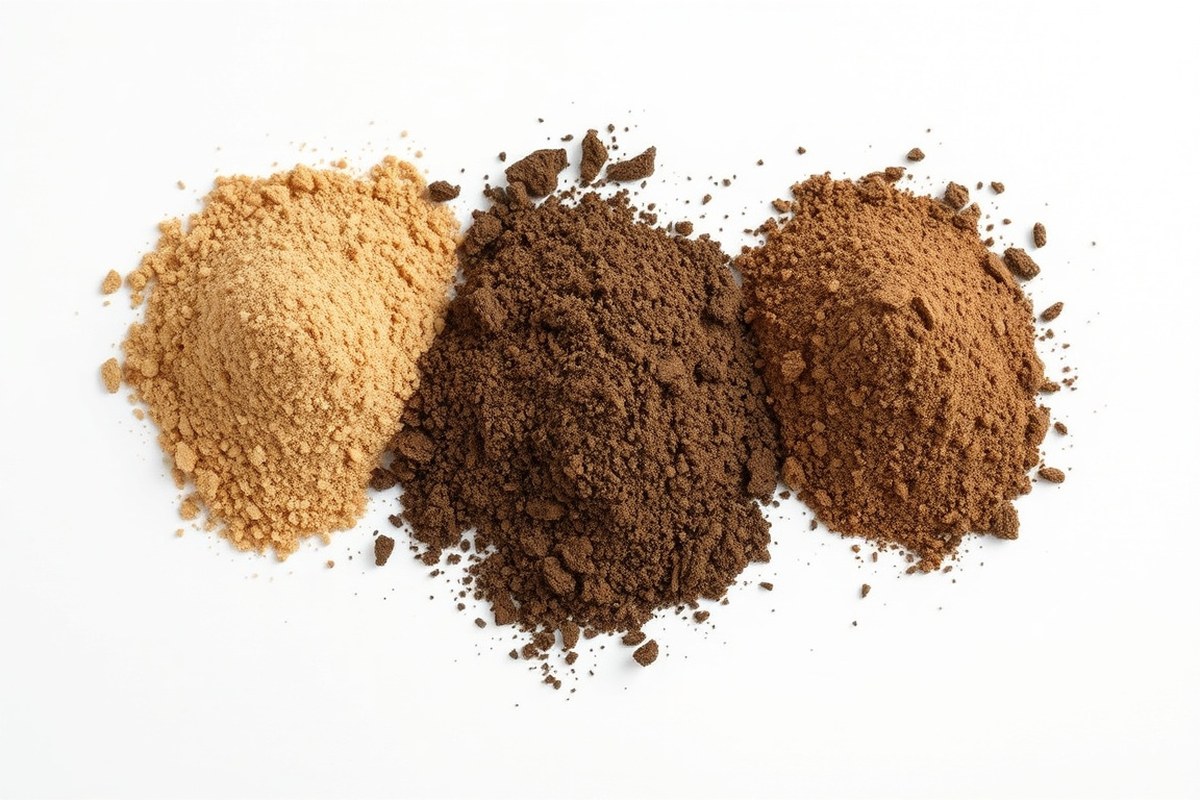
Soil texture depends on how much sand, silt, and clay the soil has. These three types of mineral particles differ in size and feel. Sand is the largest, silt is medium-sized, and clay is the smallest.
Sand: Characteristics and Effects
Sand particles are the biggest, ranging from 0.05 mm to 2.0 mm in diameter. You can see and feel sand grains easily because they are coarse and gritty. Sandy soil drains quickly and feels loose, which makes it poor at holding water or nutrients.
Because sand drains well, it warms up fast in spring. Plants with shallow roots usually grow well in sandy soil.
However, it can dry out fast during hot weather. So extra watering might be needed.
Silt: Features and Behavior
Silt particles are smaller than sand, ranging from 0.002 mm to 0.05 mm. The texture of silt feels smooth and floury when dry, and slippery when wet. Soils high in silt hold more water than sandy soils but drain better than clay soils.
Silt helps improve soil fertility because it holds nutrients better than sand. It often forms gentle, fertile fields near rivers or lakes. Still, soils with a lot of silt can compact easily and become hard when dry.
Clay: Properties and Challenges
Clay particles are the smallest, less than 0.002 mm in diameter. Clay feels very smooth and sticky when wet, and hard and clumpy when dry. Soils with high clay hold a lot of water.
They drain very slowly. This slow drainage can harm plant roots.
Clay soil is very dense and can be tough to work with. It holds nutrients well but may limit air reaching plant roots. Adding organic matter can help improve clay soil’s structure and drainage.
Here is a clear summary of how sand, silt, and clay compare in size and feel:
| Particle Type | Size Range (mm) | Feel When Dry | Water Holding | Drainage |
|---|---|---|---|---|
| Sand | 0.05 – 2.0 | Gritty, coarse | Low | Fast |
| Silt | 0.002 – 0.05 | Smooth, floury | Medium | Moderate |
| Clay | < 0.002 | Sticky when wet, hard when dry | High | Slow |
Test soil texture by rolling moist soil: sand feels gritty, silt smooth, and clay sticky.
Understanding these particles helps you guess how your soil will behave. Your soil’s texture is a mix of three parts. This mix controls water flow.
It also affects plant growth. Soil drainage affects your gardening or farming methods. Fast draining or water holding changes your approach.
Classifying Soil Texture: Understanding the 12 Classes
Soil texture falls into 12 standard groups. These groups depend on sand, silt, and clay amounts. The percentage of each determines the group.
Each texture class has a unique mix of these particles. The soil texture triangle helps you find your soil’s class by plotting these three proportions.
Using the Soil Texture Triangle Effectively
The soil texture triangle takes your sand, silt, and clay percentages and shows where they intersect. To use it, first find your sample’s percentage values on the triangle sides.
Follow those lines inward until they meet in one spot. That spot marks your soil texture class.
Since totals must equal 100%, make sure your three numbers add up correctly. Slight errors in measuring can change your soil’s class, so be precise. You can find soil texture triangle charts online or in soil science books.
Descriptions of Major Soil Texture Classes
The 12 groups are Sand and Loamy Sand. They also include Sandy Loam, Loam, and Silt Loam. Others are Silt, Sandy Clay Loam, Clay Loam, Silty Clay Loam, Sandy Clay, Silty Clay, and Clay.
Each varies by the percent of sand, silt, and clay they contain. For example, a sandy loam may have 70% sand with 20% silt and 10% clay.
Different textures affect water movement, nutrient holding, and root growth. Knowing the class helps you predict drainage speed and fertility. Farmers and gardeners use this info to match plants and amend soil wisely.
| Texture Class | Sand % Range | Silt % Range | Clay % Range |
|---|---|---|---|
| Sand | 85-100% | 0-10% | 0-10% |
| Loamy Sand | 70-90% | 0-30% | 0-15% |
| Sandy Loam | 43-85% | 0-50% | 0-20% |
| Loam | 23-52% | 28-50% | 7-27% |
| Silt Loam | 0-50% | 50-88% | 0-27% |
| Silt | 0-20% | 80-100% | 0-12% |
The remaining classes lean more toward clay content, holding over 27% clay. They include sandy clay loam, clay loam, silty clay loam, sandy clay, silty clay, and clay. Each group changes how soil holds water.
It also affects root movement and air flow. These properties matter for plant health.
Example Calculation for a Soil Sample
Suppose you measure 60% sand, 25% silt, and 15% clay in your soil sample. Start with sand at 60% on the triangle’s base and follow that line upward. Next, find 25% silt on the left side and follow the line downward right.
Finally, check 15% clay on the right side and follow the associated line. The intersection of these three lines usually lands in the Sandy Loam area. This tells you your soil is sandy loam based on USDA texture classes.
How Soil Texture Affects Water and Air Movement
Soil texture controls how well soil holds water. Sandy soils drain quickly and hold very little water. So plants may need watering every few days.
Clay soils hold much water but drain very slowly. This can keep roots too wet.
It also reduces air flow around roots. Loamy soils hold moderate water and drain well enough to keep roots healthy.
Texture also affects soil aeration, or how air moves through soil. Sandy soils have large particles and open pores that let oxygen reach plant roots easily.
Clay soils have tiny particles packed tight, reducing air space and oxygen flow. Low oxygen can slow root growth and harm beneficial microbes.
These factors matter for root health. Roots need both water and oxygen. Water that drains too fast causes roots to dry out.
Soggy soil stops roots from getting air. It can cause roots to rot.
For example, in sandy soil, add organic matter or mulch to boost water retention. In clay soil, till lightly or add sand to improve drainage and air flow.
Soil texture often changes with depth. Roots must adapt as they grow through these layers. Checking soil texture at different depths helps you manage irrigation and soil amendments better.
Using a garden fork keeps soil pores intact. These pores help air and water move better. A rototiller can break these pores down.
Preserving these pores avoids compaction and supports strong root systems. Good soil texture creates space for roots to grow, water to enter, and air to circulate.
Impact of Soil Texture on Nutrients and Root Development
Soil texture shapes how well soil holds nutrients and supports roots. Clay soils hold lots of nutrients.
But their dense nature restricts root growth and air flow. Sandy soils drain quickly but can’t hold nutrients well, causing plants to need more frequent feeding.
Loam soil balances these traits. It drains well yet keeps enough nutrients for healthy plants.
This texture helps roots spread easily without suffocating them. Garden-friendly microbes thrive best in loam, boosting nutrient cycling and plant health.
Microbes need air and moisture to survive. Clay’s poor aeration limits microbial activity despite its richness in nutrients.
Sandy soils may support microbes but often lack stable moisture, stressing those organisms. Loam provides an optimal mix of moisture and oxygen for microbes to flourish.
Healthy microbes break down organic matter into nutrients plants can use. Roots grow better in soils where microbes improve soil structure and nutrient flow. Soils that trap too much water stop roots from working well.
They also keep microbes from growing properly. Dry soils hurt roots and microbes too.
Keep soil loose and aerated by adding organic matter to dense clay or sandy soil.
Adding compost improves poor-textured soils by boosting nutrient retention and microbial life. That helps roots grow and plants absorb nutrients steadily. Good soil texture helps keep nutrients where roots can get them.
It also helps air reach the roots. This stops roots from suffocating or nutrients from washing away.
Practical Methods to Determine Your Soil’s Texture
To find your soil’s texture, use simple tests like feeling it. Watch soil settle in a jar or measure particles with a hydrometer. These methods let you check texture without fancy tools.
Each method gives you useful clues about your soil’s sand, silt, and clay content. Pick a test based on your tools and desired accuracy.
Some tests need more gear, others rely on touch or eyesight. Choose one that fits your situation.
Estimating Texture by Feel at Home
This simple test lets you guess soil texture by touching and shaping it. It works well for gardeners and farmers without special tools. You rely on a USDA flowchart or guide to match your feel to soil texture classes.
Moisten 2 tablespoons of soil with a bit of water. Make it sticky but not too wet to handle.
This preps the soil for texture testing. Then try to roll, squeeze, and form ribbons with the soil.
- Take about 2 tablespoons of dry soil and place in your hand.
- Add water drop by drop, mixing until the sample feels like modeling clay.
- Roll your moist soil into a small ball with your hands. Try to shape a ribbon between your thumb and finger. This helps gauge soil stickiness and clay content.
- Measure the ribbon’s length before it breaks, longer ribbons mean more clay.
- Check the soil’s grittiness or smoothness by rubbing it between fingers.
- Use a USDA texture-by-feel chart to compare ribbon length and feel to texture types.
- Note if the soil feels sticky, plastic, or smooth to help identify silt or clay.
Practice helps you get better results since touch can be subjective. Don’t add too much water or the soil will get too slimy.
Slippery soil won’t give good results in these tests. Keep moisture just right for testing.
Conducting the Soil Jar Sedimentation Test
This test separates soil particles to show their parts visually. It takes 1 to 2 days but needs only a clear jar and water. You can see how sand, silt, and clay settle in layers.
Fill a jar with two tablespoons of soil, add water, and shake well to mix. Let it sit on a table while particles settle.
- Put about 2 tablespoons of dry soil in a clean, clear jar.
- Fill the jar with water, leaving some space on top.
- Seal and shake the jar vigorously for 2 minutes.
- Set the jar on a flat surface and let the soil settle.
- Check soil settling after 1 to 2 minutes for sand layers. Wait hours for silt layers to form, up to 24 for clay. Timing helps you identify each particle size.
- Measure the thickness of each layer to calculate percentages.
- Write down the layer heights and use a texture triangle to classify your soil.
The jar test is low-cost and visual but needs patience. Leaving it overnight helps clay sediments settle fully. Avoid using soil with very high organic matter, which can cloud results.
Using the Hydrometer for Particle Analysis
The hydrometer test gives a precise particle size measurement. It works well in labs or fields with proper tools. This test tracks soil density as particles settle.
Mix soil with a dispersing agent to spread particles evenly. Then, measure how the soil’s density changes as particles settle.
This reveals detailed soil texture data. The readings give percentages of sand, silt, and clay.
This method requires a hydrometer, sedimentation cylinder, plunger, and a dispersing chemical like sodium hexametaphosphate. It typically takes 1 to 2 hours for a full reading.
- Weigh about 50 grams of dry soil sample.
- Mix soil with a known volume of water and dispersing agent.
- Stir or use a plunger to thoroughly suspend the particles for 30 seconds.
- Insert the hydrometer gently into the suspension and take readings at specified times.
- Record hydrometer readings at 40 seconds for sand and at 2 hours for clay.
- Calculate particle percentages using standard equations based on readings.
This test is more accurate than jar or feel tests. It requires careful handling and specific equipment to succeed. Use it for precise soil texture analysis.
Handling chemicals safely and cleaning tools well prevents errors. The hydrometer method suits detailed soil studies rather than everyday garden checks.
Common Mistakes and Tips When Testing Soil Texture
Testing soil texture by hand or with simple tools requires care to avoid common errors. One frequent mistake in feel tests is not moistening the soil evenly. Dry soil or soil that’s too wet can feel misleading.
It’s easy to mix up sandy soil with silty or clayey types. This can cause confusion when checking soil texture. Also, skipping the step to remove stones and organic bits can alter the result.
Jar and hydrometer tests often fail due to debris in the sample. A loose jar lid can also cause problems during the test. These mistakes affect the accuracy of the results.
Contamination from leftover plant material or salts will change the suspension and misrepresent texture. Using clean jars, fresh water without additives, and sealing tightly helps keep your sample pure. Leave your jar still for the recommended time, usually 24 hours.
This lets the soil particles settle and separate clearly. Don’t shake or disturb the jar during this time.
Environmental conditions like temperature and soil moisture can also affect test results. Cold water slows particle settling in jar tests. Warm, moist soil feels smoother during feel tests.
Test indoors at room temperature when possible. Always collect your soil when it’s dry enough to crumble but not dusty.
- Moisten soil to a putty-like consistency for feel tests
- Remove rocks, roots, and debris before testing
- Use clean jars and fresh water to avoid contamination
- Seal jars tightly and let them settle for 24 hours
- Test soil indoors at room temperature, around 68°F (20°C)
- Split samples into parts for different tests without mixing
- Label samples carefully to track test types and results
Following these tips will help you get more accurate and reliable results. Knowing the right texture guides better soil management and watering decisions. Taking the time to prepare samples and control conditions pays off when interpreting texture tests.
Managing Soil Texture: Improving and Adapting Your Soil
You can improve soil texture by adding organic matter and adjusting management practices. Organic matter like compost or peat changes how water and nutrients behave in the soil. It helps sandy soils hold more water and nutrients.
It breaks up clay soils. This improves drainage.
Sandy soils drain quickly because large particles create big air spaces. Add 2 to 4 inches of compost every year. Mix it into the top 6 to 8 inches.
This improves water retention. Avoid overwatering since sandy soils lose water fast. Mulching also helps by reducing evaporation and keeping moisture steady.
Clay soils hold water tightly and drain slowly due to tiny particles packed close together. Adding gypsum can reduce compaction and boost drainage. Spread 20 to 50 pounds of gypsum per 1,000 square feet.
Then till it into the soil. Planting deep-rooted cover crops like clover or alfalfa breaks clay layers and brings air down.
Loamy soils balance sand, silt, and clay well but benefit from organic matter too. Applying 1 to 3 inches of compost every year keeps it fertile and crumbly.
Rotate crops and use cover crops to keep the soil healthy and prevent erosion. Proper irrigation that avoids waterlogging helps keep the structure intact.
Deciding how to manage your soil depends on texture. But also your plants’ water and nutrient needs. Regular soil testing guides when to add amendments and helps avoid overfeeding.
Changing soil texture fully is tough because it’s a fixed mix of particles. Instead, focus on working with the texture using organic matter and smart watering.
Don’t hesitate to get a professional soil test or expert advice if problems persist. Heavy clay compaction or extreme sandiness might need specialized treatments.
Professionals can recommend the right amendments or tillage methods. They help you avoid wasting time or money on wrong fixes.
Adding too much organic matter at once can smother plants or cause nutrient imbalances. Apply gradually and monitor soil response.
Step-by-Step Action Plan to Understand and Manage Your Soil Texture
Follow these steps to check and improve your soil texture for better plant growth. You will see changes in soil feel and plant health.
- Before you start: Gather a soil sample from your garden or field. The soil should feel dry and crumbly.
- Day 1: Use the jar or hand method to test soil texture. Identify if your soil feels gritty, smooth, or sticky. This tells you the main texture.
- Week 1: Check how your soil holds water after a rain or watering. Notice if water drains quickly or pools on the surface. This shows how texture affects water movement.
- Week 2: Plant seeds suitable for your soil type. For example, try sunflowers in sandy soil. Beans grow well in loam soil. Observe seed sprouting success to gauge suitability.
- After 1 month: Add organic matter like compost to sandy or clay soils. Watch if soil feels softer or crumbles better to touch. This boosts soil structure.
- After 2 months: Keep an eye on plant growth and root depth. Roots growing deeper and plants looking healthier usually mean improved soil texture and nutrient access.
- Seasonally: Retest your soil texture and adjust your soil care. This helps you maintain a good balance for future planting.
Frequently Asked Questions
How Can Soil Texture Affect Plant Disease Risk?
Soil texture impacts drainage and air flow, which affect root health. Poor drainage in clay soils can promote root diseases due to excess moisture and low oxygen.
Does Soil Texture Influence Soil Temperature?
Yes, soil texture changes how fast soil heats or cools. Sand warms quickly, while clay holds cold longer, affecting seed germination.
Can Soil Texture Change Naturally over Time?
Soil texture remains mostly stable since it’s based on particle size. However, erosion or adding amendments can alter surface texture slightly.
Is Soil Texture the Same as Soil Structure?
No, soil texture describes particle size proportions. Soil structure is how those particles clump together, affecting aeration and water flow.
Does Soil Texture Affect How Much Fertilizer Plants Need?
Yes, sandy soils lose nutrients faster and may need more frequent fertilizing. Clay soils hold nutrients longer, reducing fertilizer needs.
How Does Soil Texture Impact Earthworm Activity?
Earthworms prefer loam and silt soils because they are moist and easy to burrow. Heavy clay or very sandy soils reduce earthworm numbers.
Key Points to Remember
Soil texture controls water, air, and nutrient flow in your garden or farm. Testing your soil helps you choose the right plants and care. Start by feeling your soil and try simple texture tests today.