How Deep Should Mulch Be: A Complete Guide for Optimal Plant Health
How deep should mulch be is a common question with a simple answer. Most mulch needs to be 2 to 4 inches deep to work well. A safe default depth for most garden beds is about 3 inches.
Mulch helps keep soil moist and stops weeds, but too much can harm plants. Start by spreading 4 inches of mulch before it settles down to about 3 inches. Make sure to keep mulch a few inches away from tree trunks to avoid rot.
Different mulch materials and soil types need slight depth changes. For example, fine mulch or heavy clay soil works better at around 2 to 3 inches. Keeping mulch at the right depth helps your garden stay healthy and happy.
Key Takeaways
- Spread mulch 2 to 4 inches deep depending on plant type and soil.
- Start with 4 inches because mulch settles to about 3 inches.
- Keep mulch 3 to 6 inches away from tree trunks to prevent rot.
- Use thinner layers of 2 to 3 inches for fine mulch or clay soils.
- Maintain mulch depth yearly by adding a light top layer in spring.
- Do not exceed 4 inches deep to avoid suffocating plant roots.
What Is the Ideal Mulch Depth for Different Garden Areas?
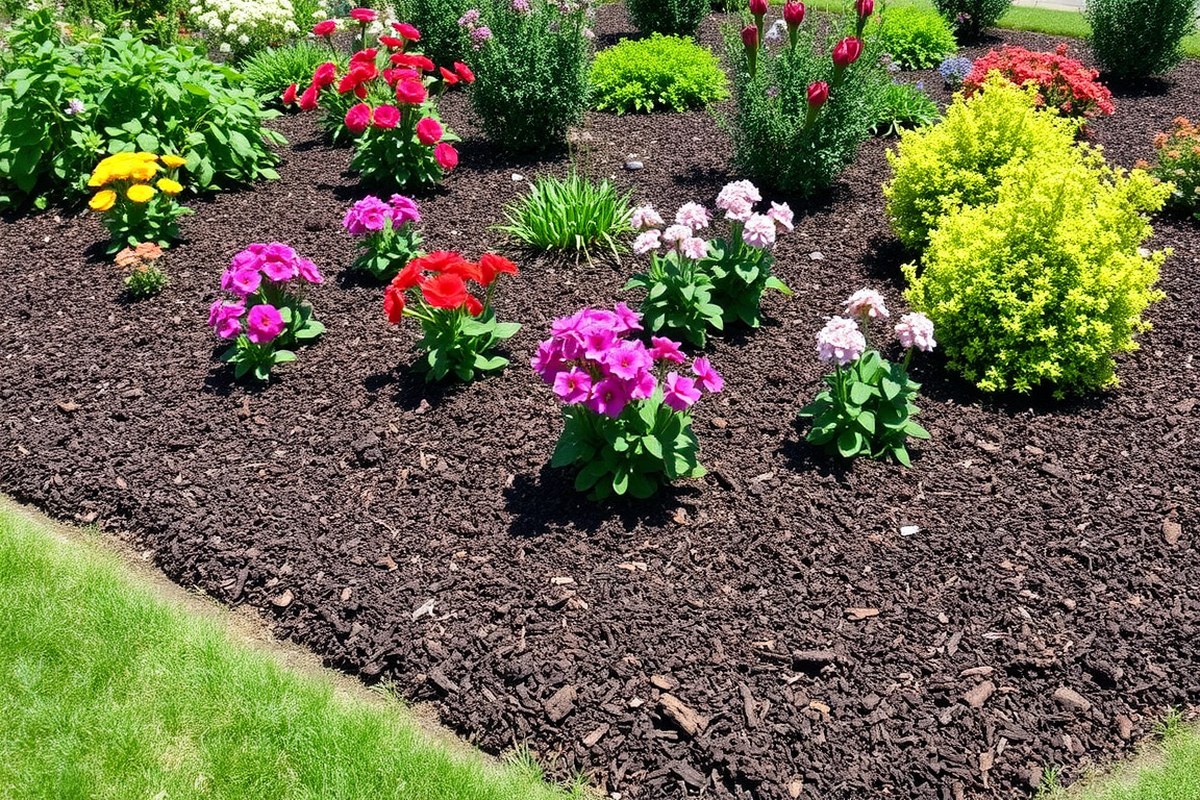
Most garden areas thrive with mulch depths between 2 and 4 inches. Mulch helps keep soil moist and controls weeds but spread it too thick. Water or air can’t reach roots.
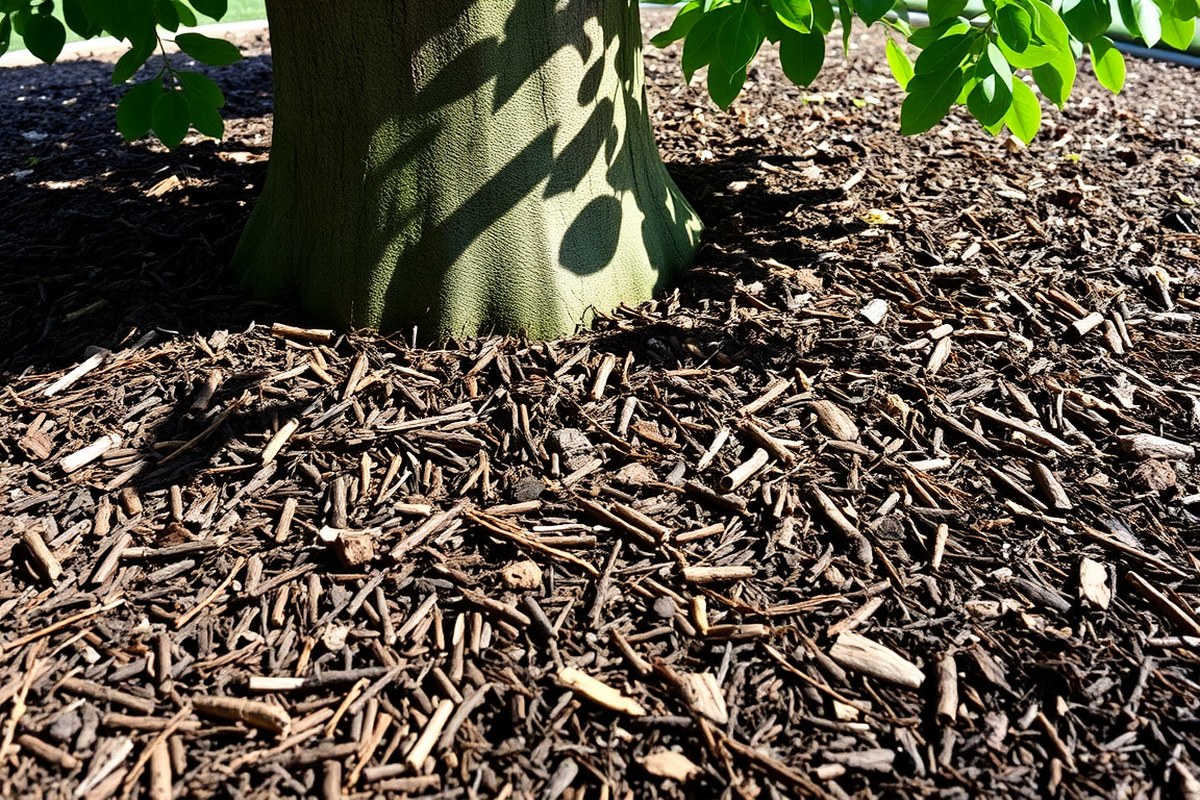
Pull mulch back a few inches from plant stems. This helps stop rot from building up. It also keeps pests away from trees.
Vegetable gardens need a lighter mulch layer, generally 1 to 2 inches. This thickness keeps soil cool and moist without smothering fragile seedlings.
Around trees, a 3 to 4 inch layer works best. But leave a 3-inch gap from the trunk to prevent mulch volcanoes that invite decay.
| Location | Recommended Depth | Notes |
|---|---|---|
| General garden beds | 2, 3 inches | Start with 3, 4 inches to allow settling |
| Around trees | 3, 4 inches | Keep 3 inches clear from trunk; extends to drip line |
| Flower beds | 2, 3 inches | Pull back 1 inch from stems and crowns |
| Vegetable gardens | 1, 2 inches | Use light mulch; avoid overheating roots |
| Pathways or decorative areas | 2 inches | Stone or gravel mulch preferred |
Starting with 3 inches of mulch in beds typically settles to a good 2-3 inch layer. Keep mulch thinner on clay soils to avoid waterlogging your plants.
On slopes needing erosion control, more mulch might help. But watch for any sign of moisture buildup.
Watch that mulch stays away from plant bases. For vegetable patches, adjust mulch thickness as seedlings grow to keep roots healthy.
A safe default depth in most gardens is about 3 inches. This balance keeps soil happy without risking root rot or pest problems.
How Mulch Depth Affects Weed Control and Moisture Retention
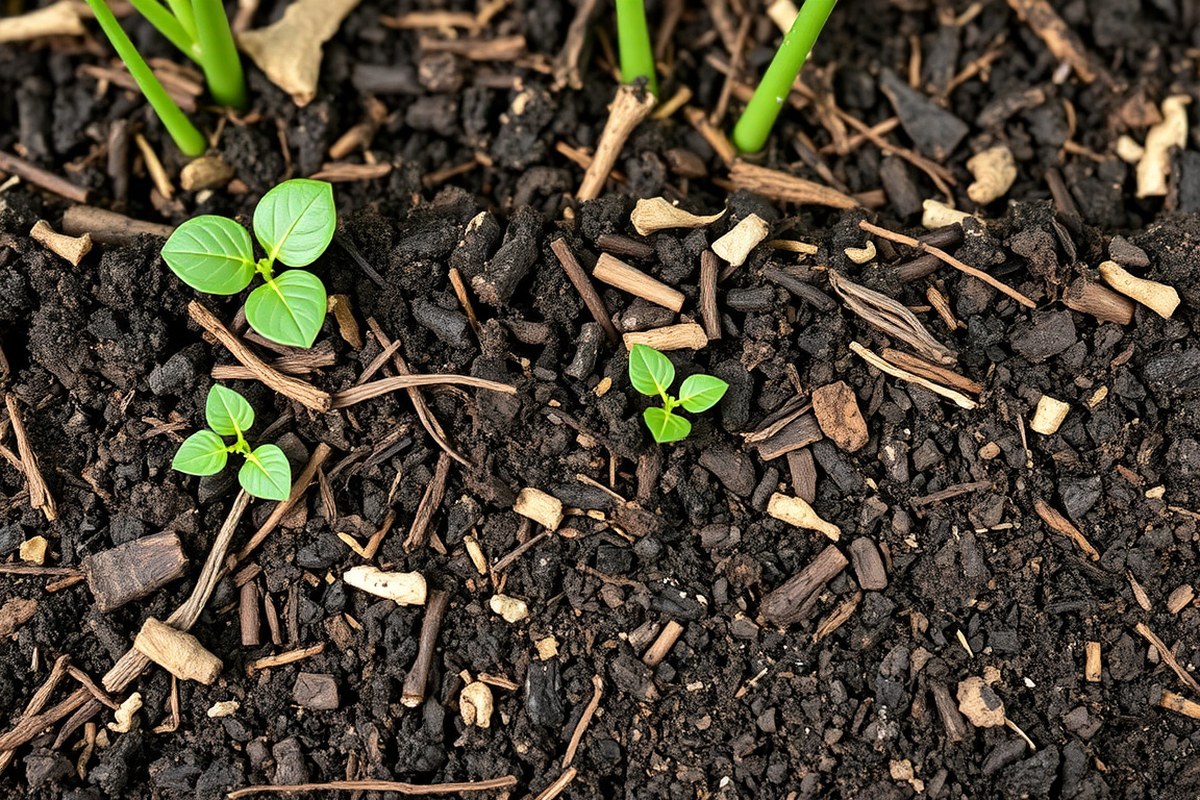
Mulch thickness directly affects how well it blocks weeds and keeps soil moist. You need at least 3 inches of thick, organic mulch. This stops most weed seeds from getting light.
Light is needed for them to sprout. Less than 2 inches won’t block light enough. So weeds still sprout and the soil dries out faster.
Thicker mulch layers slow water evaporation better than thin ones. A 3- to 4-inch layer holds soil moisture longer. This is helpful in dry or very hot weather.
The soil stays damp underneath the mulch. This steady moisture means watering is less often needed.
It helps plant roots stay healthy too. Roots like consistent dampness without sitting in water.
Mulch thicker than 4 inches doesn’t help much more with weeds or moisture. Too thick layers can cause problems for plants. Use no more than 4 inches.
Too-thick mulch traps moisture against plant stems and roots, leading to rot or disease. Stick to no more than 4 inches, especially around garden beds and new plants.
Dense mulch blocks sunlight to weed seeds, preventing them from germinating. You can use 2 inches in shaded areas because seeds struggle to sprout there anyway. In sunny spots where weeds grow fast, thicker mulch works better.
A 3 to 4 inch layer works best to keep weeds down. Thin mulch won’t block enough light there.
Dry climates or sandy soils benefit from more mulch. Closer to 4 inches helps hold extra moisture. Thin layers dry out too quickly in those places.
In cooler or shady gardens, thinner mulch can still help but won’t control weeds as well. Adjust the depth based on your garden’s sunlight and soil type for best results.
Don’t pile mulch against plant stems or tree trunks. Keep it 2 to 3 inches away to avoid rot.
How to Adjust Mulch Depth Based on Mulch Material and Soil Type
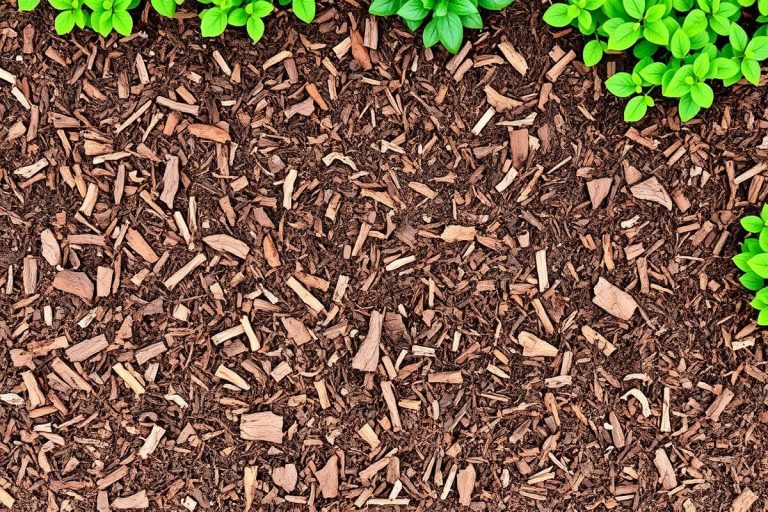
Coarse mulch like wood chips usually need to be deeper than fine mulch. You can start with a 3 to 4 inch layer because coarse materials settle over time. Fine mulch like grass clippings or shredded leaves stays best thin.
Aim for about 1 to 3 inches thick. Keep it light to help air and water reach roots. So it doesn’t mat down and block water.
Soil texture changes how deep mulch should be. Sandy soils drain quickly and benefit from thicker layers up to 4 inches to hold moisture.
Clay soils hold water longer. So a thinner mulch layer around 2 inches works better to avoid waterlogging.
| Mulch Type | Target Depth | Reason |
|---|---|---|
| Wood chips / shredded bark | 2, 4 inches | Settles, so start thicker and replenish yearly |
| Straw or hay | 3, 4 inches | Lightweight and blows away, so use a thicker layer |
| Grass clippings | 1, 2 inches | Compacts above 2 inches and blocks water |
| Shredded leaves | 2, 3 inches | Decomposes fast; needs regular topping |
| Pine needles | 2, 3 inches | Good for acid-loving plants; stays loose |
In heavy clay soil, keep layers thinner to avoid trapping too much moisture. Thin mulch speeds evaporation and prevents roots from staying too wet.
Sandy soil allows thicker layers to protect roots and slow drying. But don’t exceed 4 inches.
Mixing coarse and fine mulch can help you adjust depth. Use coarse as a base and a fine layer on top to fine-tune moisture control. On slopes, use thinner mulch, about 1 to 2 inches thick.
This helps keep mulch from sliding in the rain. Thin layers stick better on hillsides.
Common Mulching Mistakes Related to Depth and How to Fix Them
Mulch piled too thick, beyond 4 inches, can cause several problems. It traps moisture, blocks oxygen to roots, and leads to root and bark rot. This depth creates a great home for pests and fungi.
They especially thrive near the plant base. This can harm your plants over time.
Avoid “volcano mulching” with mulch piled in cones. This happens when mulch stacks against tree trunks. It can cause tree damage and other issues.
This practice looks neat but harms trees by trapping moisture around the bark. This wetness causes bark decay and invites rodents that can damage the tree.
Mulch touching tree trunks or plant stems invites moisture buildup and rotting. Always pull mulch 2 to 3 inches away from trunks and stems. This gap prevents harmful moisture buildup and pest problems, helping the plant stay healthy.
- Keep mulch depth between 2 and 4 inches for most garden beds
- Use 2 inches for fine wood chips around flowers
- Use 3 to 4 inches of coarse bark or wood chips on pathways
- Maintain a 2 to 3 inch gap from stems and tree trunks
- Avoid piling mulch directly against tree trunks (“volcano mulching”)
- Leave 1 inch gap around flower crowns and stems to prevent rot
- Stone mulches need only 2 inches depth, no deeper
These practices are easy to follow and don’t take long. Spreading mulch at the proper depth and spacing takes about an hour for a small garden.
Using the right depth and keeping mulch off stems protects plants from diseases and pests. You’ll see plants with healthier bark and fewer problems with decay or rodents.
When and How Often Should You Replenish Mulch to Maintain Proper Depth?
Check your mulch depth every season. Add fresh mulch once it drops below 2 inches.
You don’t need to remove old mulch unless it’s crusty, smelly, or compacted. Adding a fresh layer helps keep your mulch at the right depth for best results.
Checking Mulch Depth Regularly
Measure mulch depth in spring and fall, when plants need the most care. Use a ruler or tape measure to check how thick the mulch layer is around plants. Keep an eye on areas that get compacted by rain or foot traffic.
Add more mulch when the layer is under 2 inches thick. Maintaining this minimum protects soil moisture and controls weeds effectively. Some mulch types, like cocoa hulls, need deeper layers, up to 4 inches.
Steps to Add Mulch Without Removing Old Layers
Adding mulch on top of loose, old mulch saves time and adds organic matter. Avoid removing mulch unless it smells bad or repels water. Follow these steps to refresh your mulch properly:
- Check the mulch depth with a ruler or tape measure.
- Rake the old mulch to break up any clumps and even the surface.
- Pull back mulch slightly around the plant base to avoid stem rot.
- Remove any weeds by hand before adding fresh mulch.
- Add an inch or two of fresh mulch to reach your target depth.
- Spread the new mulch evenly, keeping it loose and fluffy.
- Keep mulch 1 to 2 inches away from tree or shrub trunks.
Do not pile mulch against plant stems; it can cause rotting and pest issues.
Best Seasons to Refresh Mulch
Fall and spring are the best times to top up mulch in your garden beds. Mulching in spring helps retain moisture and suppress weeds as plants grow. Fall mulch protects roots from winter cold and freezes.
Some mulch types need more frequent topping. Grass clippings may need adding every few weeks during the growing season. Other materials like gravel only need refreshing every 3 to 5 years for appearance.
How to Properly Apply Mulch to Achieve the Right Depth Every Time
Set mulch depth between 2 and 3 inches for most garden beds. Keep mulch at least 6 inches from tree trunks and 1 inch from plant stems. Follow these steps to spread mulch evenly without harming plants.
Preparation and Soil Conditioning
Clear the garden bed of weeds and debris before applying mulch. Loosen the soil lightly to help water and air reach roots. Measuring current mulch depth helps avoid adding too much.
Use a ruler or marked stick pushed through mulch to the soil. This shows how deep your existing layer is. Add only what you need to reach 2 to 3 inches total.
Spreading Mulch Evenly at Target Depth
Pour mulch in small piles rather than all at once. Use a rake or your hands to spread it evenly around plants. Aim for a uniform layer about 2 to 3 inches thick.
Keep the surface level without thick spots or bare patches. Thinner layers near plant bases help roots breathe and absorb moisture. Avoid mulch piles that smother your plants.
Keeping Mulch Away from Stems and Trunks
Leave a small gap between mulch and plant stems, about 1 inch. For trees, keep mulch at least 6 inches away from trunks to stop rot. Mulch touching stems or trunks traps moisture and causes disease.
Spread mulch outward, not upward, to create a flat bed. Avoid creating “mulch volcanoes” that look like cones around trees or shrubs. Those traps invite pests and harm roots.
Checking and Adjusting Depth After Settling
Wait a few days and check mulch depth again as it settles. Use your ruler to measure in several spots around plants. Add a light layer if mulch has compressed below 2 inches.
Remove excess mulch if piles exceed 3 inches near plants or 4 inches in walkways. Too-deep mulch blocks water and air, causing root damage. Keep the depth balanced for healthy soil.
Watering and Final Inspection
Water the mulch bed gently after spreading to help mulch settle. This also aids moisture reaching the soil below. Look for spots where mulch is too thick or touching stems and fix them.
Check mulch each season and replenish slightly as it breaks down. Proper depth helps hold soil moisture, reduces weeds, and protects roots. Keep an eye on layers to maintain garden health.
- Remove weeds and old mulch debris from the garden area.
- Lightly loosen soil to improve water and air flow.
- Use a ruler to check current mulch depth before adding more.
- Spread mulch evenly, aiming for 2 to 3 inches thickness.
- Keep mulch at least 1 inch from plants and 6 inches from tree trunks.
- Check depth after a few days and add or remove mulch as needed.
- Water gently to help mulch settle and inspect for problem spots.
Seasonal Adjustments to Mulch Depth for Optimal Benefits
Yes, mulch depth should change with the seasons for the best plant and soil health. Thinner layers in spring encourage soil warming.
Thicker layers in summer and winter protect roots and retain moisture. Adjusting mulch thickness prevents problems like root rot and helps plants thrive year-round.
Spring Mulching Guidelines
Apply 2 inches of mulch in spring to help soil warm up faster. Pull mulch away from bulbs and perennials until they grow 3 to 4 inches tall. Once plants grow tall, put mulch back to a 2-inch layer.
This helps roots grow well. It also keeps weeds down.
Lighter spring mulch also allows air to reach the soil, helping microbes wake up. Don’t pile mulch too thick now. Thick mulch keeps soil cold.
Cold soil slows new growth. Using a thinner layer kickstarts spring growth by balancing warmth and moisture.
Summer Maintenance and Moisture Conservation
Increase mulch depth to 3 to 4 inches in summer. A thicker mulch keeps soil moist in dry heat. It helps you water less often.
This is helpful for hot spells. One study found 3 inches of mulch cuts water needs by half.
This was during summer months. It works well to save water.
Check mulch regularly to keep it fluffy, not matted. Composting mulch or fresh chips can tie up nitrogen.
So use aged or balanced mulch in growing beds. Proper thickness keeps soil cooler and stops roots from drying out in heat.
Fall Mulch Layer for Winter Protection
Maintain a 3 to 4 inch mulch layer through fall to prepare plants for winter. Organic mulch decomposes slowly over cool months, feeding soil microbes. This breakdown improves soil structure and nutrient availability by spring.
Spread mulch evenly over plant roots and garden beds. But avoid piling too close to stems.
Fall mulch acts as a blanket, preventing soil temperature swings. This protects roots from harm during freeze-thaw cycles.
Winter Mulch Depth and Airflow Considerations
Keep mulch at 3 to 4 inches deep during winter to insulate roots from cold. This helps prevent freeze-thaw damage, which can cause root heaving and stress plants. Don’t go thicker than 4 inches, especially near trees and shrubs, to avoid root rot risks.
Make sure mulch stays loose to allow airflow. Compressed mulch traps moisture and reduces oxygen, which harms roots. After heavy snow or rain, check your mulch.
Loosen it gently if it’s packed down. This keeps soil healthy and breathing.
Special Mulching Considerations for Trees, Shrubs, and Sensitive Plants
For trees and large shrubs, mulch should be 3 to 4 inches deep. Spread mulch at least 3 to 4 feet from the trunk. This covers the root zone well.
It helps protect the tree. Mulching this wide helps keep soil moist and cool right where the roots feed.
Leave a 1-inch gap between the mulch and the trunk or stems. Mulch piled against the bark traps moisture and air, leading to rot and disease. This space keeps the base dry and lets the tree breathe.
Young or sensitive plants need shallower mulch. Use around 2 inches deep of fine shredded bark for them.
Extend just to the plant’s drip line. Thick mulch can smother tender roots or hold too much moisture for these plants to handle.
Choose mulch type and depth carefully by plant type. Fine wood chips work best in flower beds at 3 inches.
Coarser bark can go thicker, about 3 inches, for trees and shrubs. For delicate Mediterranean ground covers, skip mulch to avoid moisture buildup that invites rot.
Always keep mulch pulled back from the trunks to prevent stem rot and pest problems.
MULCHING large single trees or specimen shrubs to the canopy’s edge gives the best protection. This radius covers most feeding roots and reduces weed pressure. Applying mulch beyond the drip line won’t help much and might waste material.
Check mulch yearly and replenish as needed to maintain depth. Too thin mulch won’t hold moisture well or stop weeds. Too thick layers can cut off oxygen and create soggy soil.
Step-by-Step Action Plan for Proper Mulch Depth
Follow these steps to mulch your garden beds and plants correctly. You’ll see healthier plants and fewer weeds.
- Before you start: Clear the area of weeds and debris. This helps mulch work better and stops weed growth.
- Right before mulching: Check your soil type and choose the mulch material. Use coarser mulch on sandy soil, finer on clay.
- At mulch application: Spread mulch 2 to 4 inches deep for garden beds. 3 to 5 inches around trees. Make sure mulch is loose, not packed.
- After mulching: Keep mulch 2 to 4 inches away from stems. This helps prevent rot and stops pests.
- Week 4: Inspect mulch depth and plant health. Add more mulch if it’s less than 2 inches thick. This keeps soil moist and weeds down.
- Monthly throughout the growing season: Check mulch for settling or decay. Add mulch as needed to maintain proper depth.
- Fall: Put on 1 to 2 inches of fresh mulch. It shields roots from cold. Don’t pile it too thick.
- Spring: Take off old thick mulch layers. Add a thin fresh layer to prevent fungus.
Frequently Asked Questions
What Happens If Mulch Is Too Deep?
Mulch that’s too deep can suffocate roots and hold too much moisture. This may cause root rot and attract pests to your garden beds.
Can Mulch Depth Change with Weather Seasons?
Yes, you often add more mulch in winter to protect roots from frost. In summer, thinner layers help soil breathe and prevent overheating.
Does Mulch Depth Impact Soil Temperature?
Mulch keeps soil temperature steady by insulating it from hot or cold air. Thicker mulch layers provide better temperature control, especially in extreme weather.
Should Mulch Depth Vary for Annual Flowers vs. Perennials?
Yes, perennials benefit from thicker mulch layers since they grow back each year. Annuals may need thinner layers to avoid damp conditions that rot young plants.
Can Mulch Depth Affect Soil Insects and Worms?
Mulch at the right depth attracts beneficial worms and insects that improve soil health. Too thick mulch might block oxygen and reduce beneficial soil life.
Is It Ok to Pile Mulch Against Plant Stems or Tree Trunks?
No, mulch should stay about 3 to 6 inches away from stems and trunks. Piling mulch directly can cause stem rot and invite pests.
Key Points to Remember
Mulch depth matters for your plants’ health and weed control. Start with the right thickness for your plants and mulch type. Today, measure your mulch layer and adjust it if needed to help your garden thrive.