How Long Does It Take to Grow Peaches? A Complete Guide for Fast Fruiting
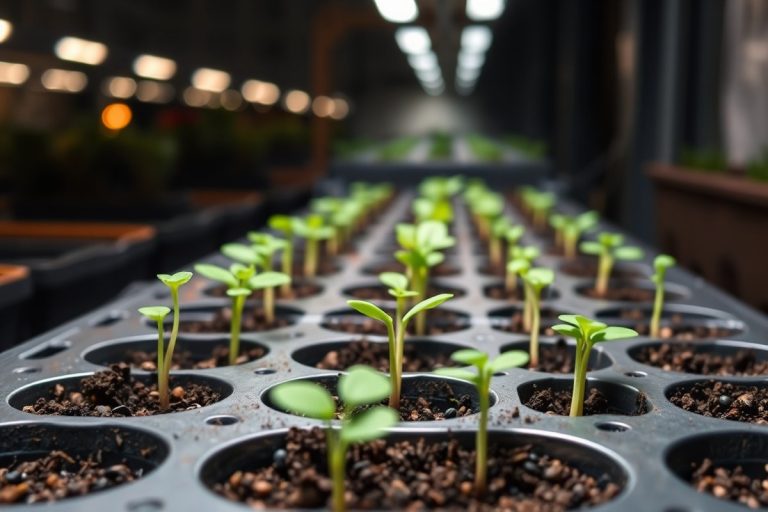
Wondering how long does it take to grow peaches? Usually, peach trees start bearing fruit around 3 years after planting. Full production usually comes between 5 to 7 years, depending on the variety and care.
Dwarf peach trees grow and fruit faster, often producing peaches within 2 to 3 years. Standard trees take longer but yield more fruit once mature. Plant your tree in full sun with well-drained soil for best growth.
Spacing matters. Keep standard trees 18 to 20 feet apart. Dwarf trees need about 5 feet between each.
Proper pruning and thinning help peaches grow faster and improve fruit size. Pay attention to watering and fertilizing during the growing season to support strong development.
Key Takeaways
- Peach trees typically fruit 3 years after planting.
- Expect full production around 5 to 7 years.
- Dwarf peaches bear fruit sooner than standard trees.
- Plant trees in full sun and well-drained soil.
- Space standard trees 18-20 feet apart, dwarfs 5 feet.
- Thin fruit 20-40 days after bloom to improve growth.
How Long Does It Take for Peach Trees to Produce Fruit?
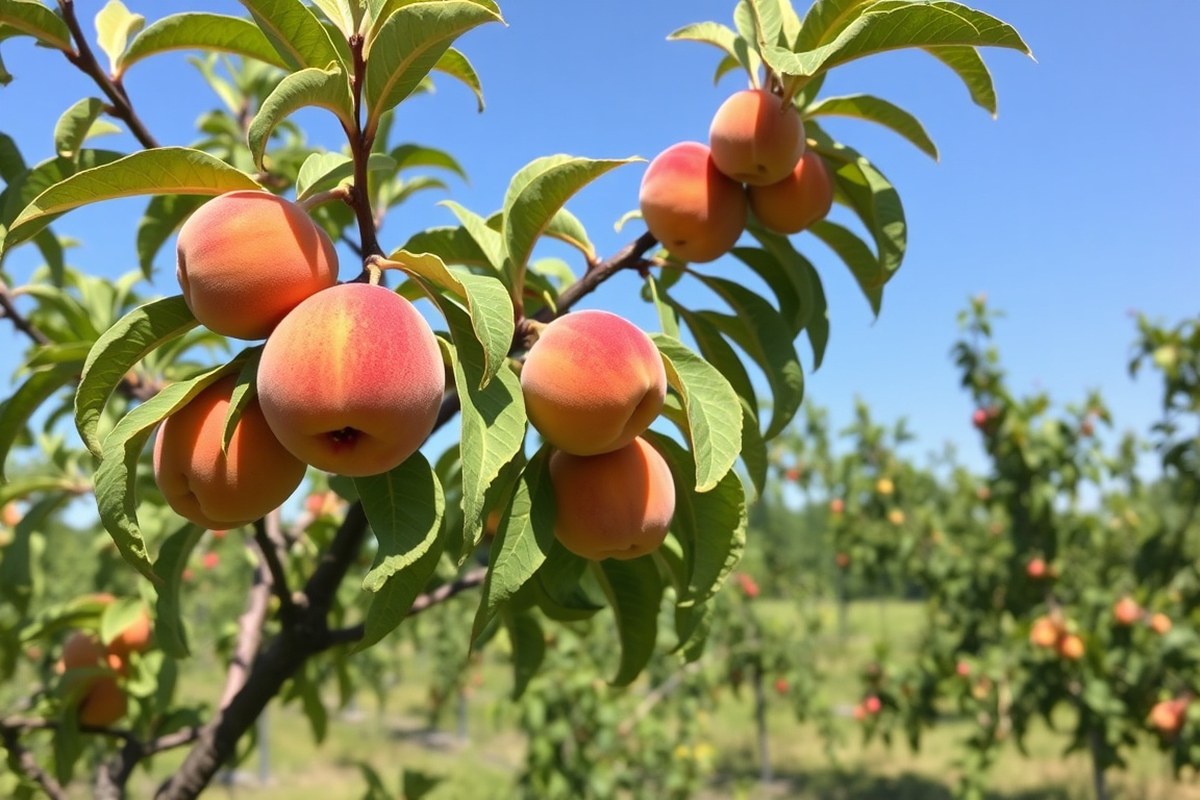
Peach trees usually start producing fruit about 2 to 4 years after planting. Dwarf types often bear fruit a bit sooner, around 3 to 4 years.
Full-size standard trees may take 4 to 5 years. Early-maturing varieties might produce their first peaches in as little as 2 to 3 years.
Reaching full production capacity typically takes 5 to 7 years from planting. Trees planted in spring or with poor pollination can take longer, sometimes 5 to 6 years. Dwarf trees grow faster and reach full production sooner.
They stay smaller, so fruit is easier to handle. This speed helps you start harvesting earlier.
Climate, soil quality, and variety affect fruiting time. Warmer springs or good irrigation can speed up fruit set. On the other hand, lack of chill hours or poor pollination slows down fruit development.
Choose a variety that fits your USDA zone for best results. Use sandy soil that drains well and place the tree in full sun. Proper soil and light help the tree grow strong.
Peach Tree Growth Stages: From Planting to Harvest
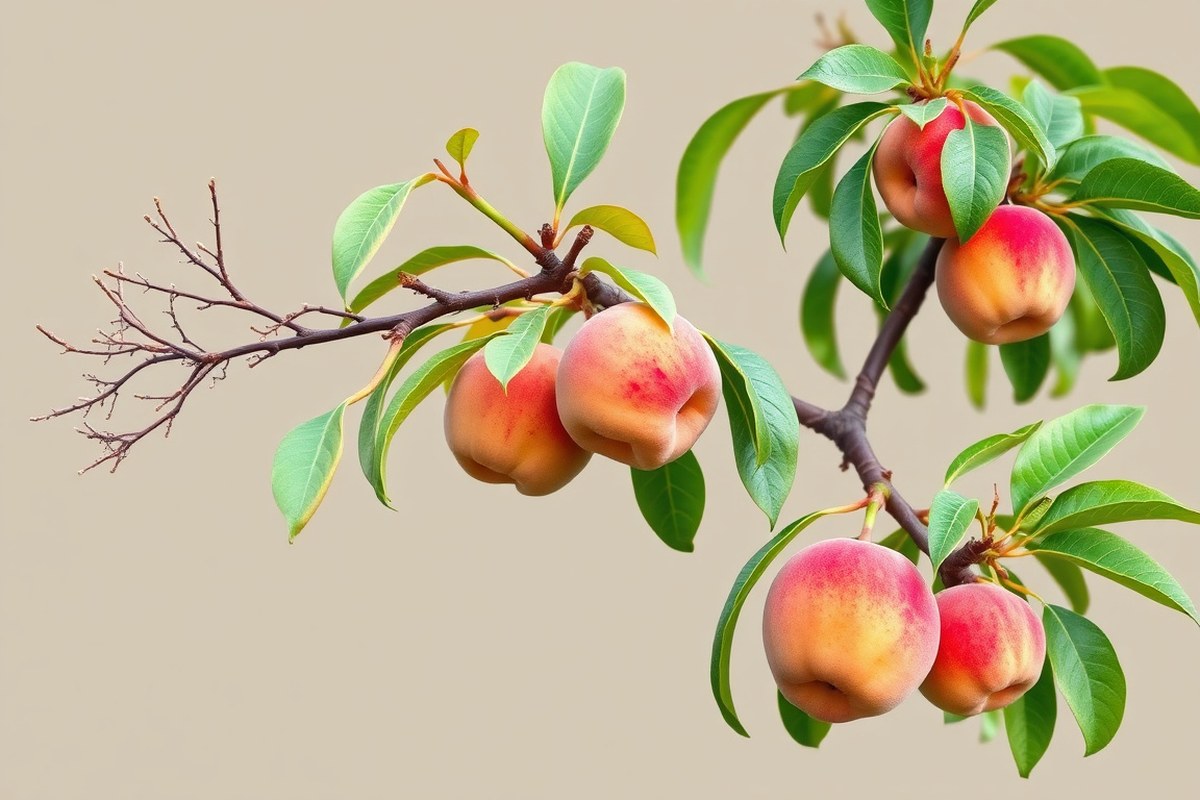
Peach trees grow through annual stages starting with winter dormancy and ending with fruit harvest. The full cycle from bud break to ripe fruit takes months. It usually lasts three to five months each year.
It can take several years before a young tree produces fruit. But each phase has important signs and care steps to follow.
Dormancy and Bud Break in Early Spring
Peach trees need winter chill hours below 45°F to end dormancy. Without enough chill, buds will break late or poorly. This delays flowering and weakens fruit set, pushing back harvest.
As temperatures rise in late winter or early spring, buds swell and break open. This marks the start of the new growth season. Trees put energy into shoots and leaves before flowering.
Flowering and Pollination Period
Pink blossoms appear in early spring, lasting about two weeks. Pollination happens now by bees or wind, which sets the stage for fruit growth. Proper pollination affects how many peaches develop.
Warm climates or early-season pollination speed up this phase. Cooler weather can delay it by up to a month. Keep pests off flowers to promote good fruit set.
Fruit Set and Development Timeline
Tiny green peaches form within one to two weeks after pollination. Fruit growth lasts three to four months, depending on variety and weather. Trees allocate resources, so uneven thinning can slow development.
During this phase, irrigate well and control pests. Steady water keeps fruit from dropping too early, which harms yield. Heavy fruit loads cause peaches to mature more slowly.
Ripening and Harvest Window
Peaches mature rapidly once fruit size peaks. The harvest period lasts two to four weeks in summer or early fall. Each peach variety has a typical harvest time that you can plan around.
Harvest when fruits feel slightly soft and have good color. Picking too early or late affects taste and storage life. Cooler climates usually mean later harvests by up to four weeks.
Each peach tree’s growth stages need timely care for best results. Use this checklist to guide your efforts throughout the season.
- Plant during dormancy in late winter or early spring.
- Monitor chill hours to ensure proper bud break.
- Protect blossoms from pests during flowering in early spring.
- Thin fruit to balance load about one month after fruit set.
- Maintain steady irrigation throughout fruit development.
- Watch fruit color and texture to time harvest.
- Harvest twice weekly during peak ripening to avoid overripe fruit.
Trim excess fruit early to prevent trees from overextending resources and delaying harvest.
Factors Affecting How Quickly Peaches Grow and Mature
Peach trees need about 600 chill hours at 45°F or lower to produce fruit well. Chill hours are important because the tree needs cold to break dormancy.
Your location might not get enough chill hours. Your peach tree will grow leaves but produce little or no fruit.
Knowing your local chill hours helps you pick the right peach variety. Some types suit warmer zones with fewer chill hours, while others need more cold. Check chill hour maps online.
You can also ask a local nursery. Choose peach trees that match your climate. This step can speed up fruiting by matching the tree to local conditions.
Peaches also need full sun for at least 6 hours daily to grow fast. Sunlight fuels photosynthesis, which builds fruit and wood. Your tree will grow slower with less sun.
You can expect smaller fruit harvests. Choose a spot with direct, unobstructed sunlight and avoid shade from buildings or large trees.
Soil quality shapes peach tree growth a lot. Peaches prefer well-drained, fertile soil with a pH around 6.0 to 7.0. Heavy clay or sandy soil can delay growth or stress the tree.
Test your soil with a kit to check pH and nutrients. You can improve it by adding compost or balanced fertilizer to feed the roots.
Keeping soil moist but not soaked helps peaches grow steadily. Water young trees about 1 inch per week during dry periods. Too little water slows growth and can drop fruit early.
Too much water makes roots rot and harms the tree. Mulching around the base keeps soil moisture steady and stops weeds from stealing water.
Temperature and humidity also affect peach growth. Ideal temperatures during the growing season hover between 75°F and 85°F. High humidity can increase disease risks but mild humidity supports fruit development. Your climate might be too hot or cold.
Try peach tree varieties made for heat or cold tolerance. This way, your peach tree grows and fruits on time.
Differences Between Dwarf and Standard Peach Trees in Growth and Fruiting
Growth Rate Comparison
Dwarf peach trees grow more slowly than standard trees, reaching about 6 to 10 feet tall. Standard peach trees typically grow between 10 and 15 feet tall.
Both types produce about 12 to 24 inches of growth each year. But dwarfs stay compact due to pruning and root control.
The smaller size of dwarf trees makes them easier to manage in tight spaces. They often suit container gardening, which impacts their growth rate due to limited soil volume. Standard trees need more room and can expand naturally, growing faster in open soil.
Time to First Fruit and Full Harvest
Both dwarf and standard peach trees usually start bearing fruit three to five years after planting. This timing depends more on the tree’s age and care than its size. Dwarf trees may fruit slightly sooner if grown in pots and started as young, live trees.
Once they begin, peaches take about 90 to 150 days from bloom to harvest. The total time from planting to eating your first peach is typically four to six years. Both trees reach peak fruit production between 10 and 15 years with proper care.
Space and Maintenance Needs
Spacing rules differ significantly. Plant dwarf peach trees 8 to 10 feet apart. Standard trees need 18 to 20 feet between them.
This spacing helps trees grow well. This spacing helps ensure enough sunlight, airflow, and room for healthy root growth.
Dwarf trees need pruning to control their size. They also need more frequent watering. This is true especially for container-grown trees.
Standard trees require more space to grow properly. They are less demanding on watering when in the ground. So, you water them less often.
Thin fruit 20 to 40 days after full bloom. This improves fruit size and quality. Both dwarf and standard trees benefit from this.
Here’s a side-by-side look at how dwarf and standard peach trees compare:
| Characteristic | Dwarf Peach Tree | Standard Peach Tree |
|---|---|---|
| Mature Height | 6 to 10 feet | 10 to 15 feet |
| Recommended Spacing | 8 to 10 feet | 18 to 20 feet |
| Annual Growth | 12 to 24 inches | 12 to 24 inches |
| Time to First Fruit | 3 to 5 years | 3 to 5 years |
| Fruit Development Time | 90 to 150 days | 90 to 150 days |
| Lifespan for Good Production | 10 to 15 years | 10 to 15 years (sometimes longer) |
| Container Suitability | Yes, 15-20 gallon pots | No, prefers ground planting |
Both tree types produce fruit on a similar schedule and timeline. Space and care vary mostly due to tree size and container use.
Choose dwarfs for smaller yards or pots. Standard trees for larger spaces where you want bigger harvests.
Pruning and Thinning Strategies to Speed Peach Growth and Improve Fruit Size
Pruning and thinning are key to quickening peach fruit growth and getting better peaches. Pruning opens up the tree, letting light reach more branches. Thinning cuts down crowded fruits, making those left grow larger and ripen faster.
Correct Timing for Pruning
Prune peach trees during late winter before buds swell, when the tree is still dormant. This timing avoids shock and reduces disease risk.
Summer pruning comes next. It keeps tree size manageable and shifts energy to fruit growth.
Remove dead, damaged, or crossing branches during winter pruning. Open the canopy so sunlight spreads inside the tree. Summer pruning focuses on cutting vigorous shoots that do not hold fruit.
Methods for Thinning Peach Fruits
Thin fruit 30 to 50 days after full bloom. Do this when small fruits are about 1 inch in diameter.
Space fruits 6 to 8 inches apart to prevent overcrowding. This spacing helps remaining fruits grow bigger and taste sweeter.
Pinch off small, weak fruits and leave the healthiest ones on the tree. Thinning also lowers branch stress and limits disease. Keep a steady hand; over-thinning reduces your total harvest.
- Identify clusters of young fruits that are closer than 6 inches.
- Use clean fingers or pruning scissors to remove extra fruits.
- Keep the biggest and healthiest fruits in each cluster.
- Remove any damaged or deformed fruits immediately.
- Discard thinned fruits away from the tree and garden.
- Repeat thinning if small fruits grow too close later.
- Monitor tree health and adjust thinning in following years.
Recommended Pruning Tools and Safety Tips
Choose sharp hand pruners for small branches and loppers for thicker limbs. Use a pruning saw for branches over 1 inch thick. Clean tools with rubbing alcohol before use to prevent disease spread.
Wear gloves and safety glasses to protect hands and eyes. Work on stable ground and use a ladder safely if reaching high branches. Dispose of cut branches to avoid pests and disease buildup.
Always sterilize pruning tools between cuts to stop disease transfer on your peach tree.
Watering, Fertilizing, and Soil Needs for Optimal Peach Tree Growth
Young peach trees need regular watering to keep soil moist but not soggy. Water them deeply once a week with 10 to 15 gallons each time. Don’t let the top 2 to 3 inches of soil dry out completely between waterings.
Mature trees need less frequent watering but still rely on moist soil. Water when the top 2 to 3 inches of soil feel dry. Adjust water amounts in hot, dry weather to prevent stress and support healthy fruit growth.
Peach trees grow best in sandy loam soil. This type balances moisture retention and drainage. It prevents roots from soaking in waterlogged conditions, which can slow growth and damage the tree.
The soil pH should be slightly acidic, roughly between 6.0 and 7.0. This range helps peach trees absorb nutrients efficiently. Test your soil and amend with sulfur or lime if needed to reach this level.
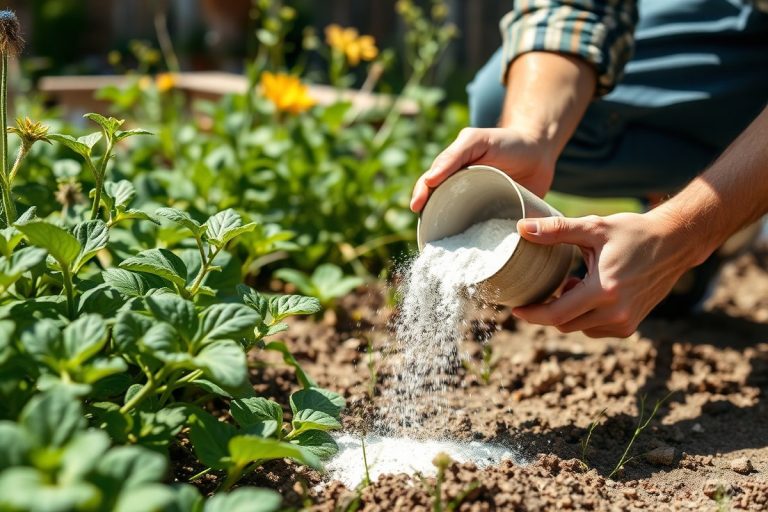
Fertilizer with high nitrogen content encourages quick growth and strong leaves. Use a complete fruit tree fertilizer formulated for peaches. Start with about one pound per new tree each year.
Increase the amount gradually as the tree grows. Mature trees need about 10 pounds of fertilizer annually.
When your tree reaches about 10 feet tall, switch to a balanced 10-10-10 fertilizer. Apply it in early spring before new growth starts. Avoid over-fertilizing, which can cause excessive leaf growth but fewer fruits.
Watch that the grafting union stays about 2 inches below the soil surface to protect it. Poor soil conditions or incorrect watering near this area can expose the graft and cause issues. Cover it with soil or mulch carefully.
Signs of good care include steady shoot growth and shiny green leaves. Fruit should develop evenly without shriveling or slow growth. Wilted leaves or brown edges often mean watering or nutrient problems.
Common Pests and Diseases That Delay Peach Tree Growth
Aphids and peach tree borers are common pests that stunt peach tree growth. Aphids cluster on new leaves and shoots, sucking sap and causing leaves to curl.
Peach tree borers bore into the trunk, weakening the tree and reducing fruit production. Japanese beetles feed on leaves and fruit, causing damage that delays ripening.
Diseases like peach leaf curl make leaves thicken and turn red or yellow. This reduces the tree’s ability to photosynthesize, slowing growth and fruit development.
Brown rot infects blossoms, twigs, and fruit, causing fruit to rot on the tree. Powdery mildew covers leaves and fruit with a white powder, affecting fruit quality and growth.
Start by choosing disease-resistant peach varieties. This reduces problems before they begin. For organic control, spray trees with copper-based fungicide in late winter.
Apply it before buds start to swell in early spring. This helps prevent fungus infections on your peach trees. Dormant oil sprays can control scales and aphids by smothering eggs and young insects.
Use insecticidal soaps for aphids and Japanese beetles during the growing season. To control peach tree borers, apply insecticides to the trunk base. Do this in late spring and early summer.
These times match when the larvae are active. Avoid spraying during bloom to protect beneficial insects like bees.
Cultural controls help too. Remove any fallen fruit or pruned branches immediately to stop disease spread.
Keep soil healthy and avoid overhead watering to reduce fungal diseases. Applying mulch and maintaining proper tree spacing improves air circulation, helping leaves dry faster.
Spot peach leaf curl? Prune the affected shoots right away. This helps stop the disease from spreading further.
For brown rot, pick off any rotting fruit and destroy it. Combinations of these methods generally work best.
Chemical controls can cost $15 to $30 per treatment. Organic sprays like copper fungicides usually range from $10 to $20 per bottle.
How Long from Flowering to Harvest: Peach Fruit Development Timeline
Peach fruit typically takes about 90 to 150 days to mature after the tree flowers. This timeline shifts based on variety, climate, and care.
Early varieties like ‘Flordaking’ can ripen in late April. Late types like ‘Jefferson’ may not be ready until late September.
Temperature and weather conditions during the growing season affect how fast fruit ripens. Warm, consistent temperatures speed up peach development. Cooler weather or drought stress can delay ripening and reduce sweetness.
| Variety | Harvest Timeframe | Tree Size | Notes |
|---|---|---|---|
| Flordaking | Late April to Early May | Standard or Dwarf | Early season, often first peaches in the area |
| Midseason Cultivars | June to August | Standard or Dwarf | Most common harvest period for backyard trees |
| Jefferson | Late August to September | Standard | Late season, larger tree, great for longer seasons |
You can tell peaches are ready to pick by their full color. They give slightly when you press them gently. Ripe fruit feels firm but not hard.
Peaches that are still hard or green need more days to ripen. Wait a few more days before harvesting.
Fruit thinning helps peaches grow larger and sweeter. Removing some young fruit allows the tree to focus nutrients on fewer peaches.
Thin peaches when they grow to about a dime size. Space them 6 to 8 inches apart on branches.
Don’t pick peaches too early; they won’t continue to ripen once harvested. Wait for color and feel before harvesting.
Step-by-Step Action Plan to Start Growing Peaches
Follow these steps from planting to harvest for your first successful peach crop. This plan helps you track progress and adjust care along the way.
- Before planting: Choose a peach variety suited for your climate and soil. Confirm it grows well locally by checking with a nursery.
- Day 1: Plant your peach tree in well-draining soil with full sun exposure. The soil should be slightly acidic, around 6.0 to 6.5 pH.
- Weeks 1-4: Water your tree deeply once a week or twice. Keep soil moist but avoid making it soggy. Check soil before watering again. Check soil moisture with your finger to avoid overwatering.
- Month 3: Apply a balanced fertilizer following the product label rate. Look for new leaf growth to confirm the feeding worked.
- Year 1, late winter: Prune your young peach tree carefully in late winter. Remove weak branches. Shape the tree to get good sunlight. Successful pruning helps buds develop healthy flowers next season.
- First growing season: Thin fruit clusters when they appear by removing smaller or damaged peaches. Proper thinning leads to larger, better-quality fruit.
- Spring in Year 2: Monitor for pests and diseases like peach leaf curl or borers. Use organic sprays or consult a pro if infestation is severe.
- Second growing season, summer: Harvest peaches when they smell sweet and yield slightly to gentle pressure. This means fruits have fully matured and are ripe.
Frequently Asked Questions
How Long Does It Take for Peach Trees to Start Producing Fruit?
Peach trees typically take 2 to 4 years to produce their first fruit. This depends on the tree type and growing conditions like climate and care.
What Factors Can Speed Up Peach Tree Growth?
Good sunlight, proper watering, and fertile soil help peaches grow faster. Avoid frost-prone spots and thin fruit early for better growth.
Does the Variety of Peach Tree Affect How Soon It Fruits?
Yes, dwarf peach trees generally fruit earlier than standard-size trees. Early-season peach varieties also ripen quicker than late-season ones.
How Do Pruning and Thinning Impact Peach Harvest Time?
Pruning shapes the tree and encourages quicker fruit development. Thinning fruit helps peaches grow larger and reduces harvest time.
What Is the Typical Time from Peach Flowering to Harvest?
Peaches usually take 90 to 150 days from flower bloom to ripe fruit. Early peaches mature faster, while late-season types take longer.
Can Climate Zones Affect How Long Peaches Take to Mature?
Peaches grow best in USDA zones 5a to 8a, where moderate temperatures help. Outside these zones, growth and fruiting may slow or be less reliable.
Wrapping Up
Growing peaches takes time, usually two to three years for fruit. Starting with proper planting and care helps speed up growth. Pick your first ripe peach when it smells sweet.
The peach should feel soft enough to eat fresh. Pick it gently to avoid damage.