How Long Does It Take for Peonies to Bloom? A Complete Guide for Gardeners
Curious about peony bloom timing? Peonies usually need 3 to 5 years to flower after planting. This delay happens because their roots must develop enough to support blooms.
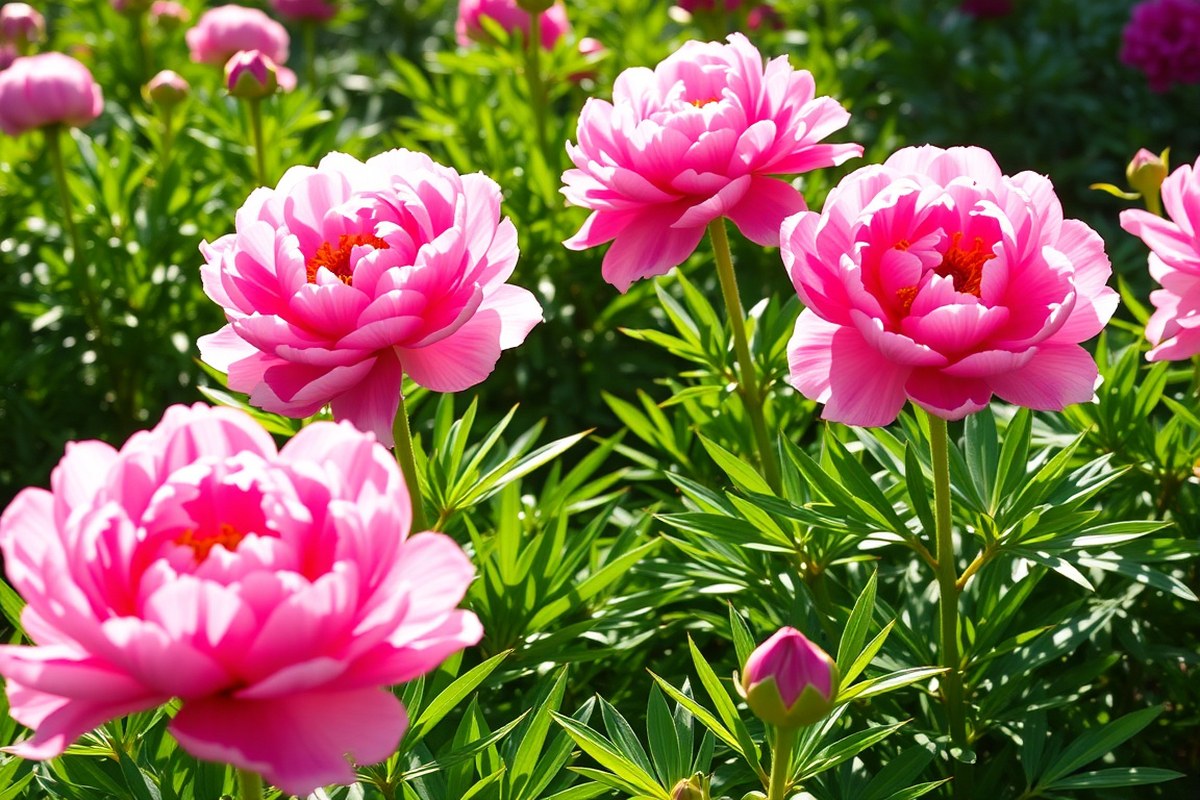
Peonies often bloom in late spring or early summer. Their flowering period lasts about 2 to 3 weeks, bringing vibrant color to your garden. Some varieties might bloom a little earlier or later depending on the climate.
Healthy roots are essential for earlier blooms. Plant peonies in well-drained soil with good air circulation. Giving them plenty of space, about 3 feet apart, helps the roots spread and thrive.
Sunlight and consistent watering also affect bloom time. Peonies need at least 6 hours of direct sun daily.
Too much shade or uneven moisture can slow growth and delay flowers. So water deeply but avoid soggy soil.
Key Takeaways
- Expect peonies to take 3 to 5 years before blooming after planting.
- Peonies usually bloom in late spring or early summer each year.
- Peony blooms typically last 2 to 3 weeks once they open.
- Proper soil drainage speeds up root establishment and blooming.
- Plant peonies with plenty of space for healthy growth.
- Patience is important; peonies become reliable bloomers after 2 to 3 years.
How Long Does It Take Peonies to Bloom After Planting?
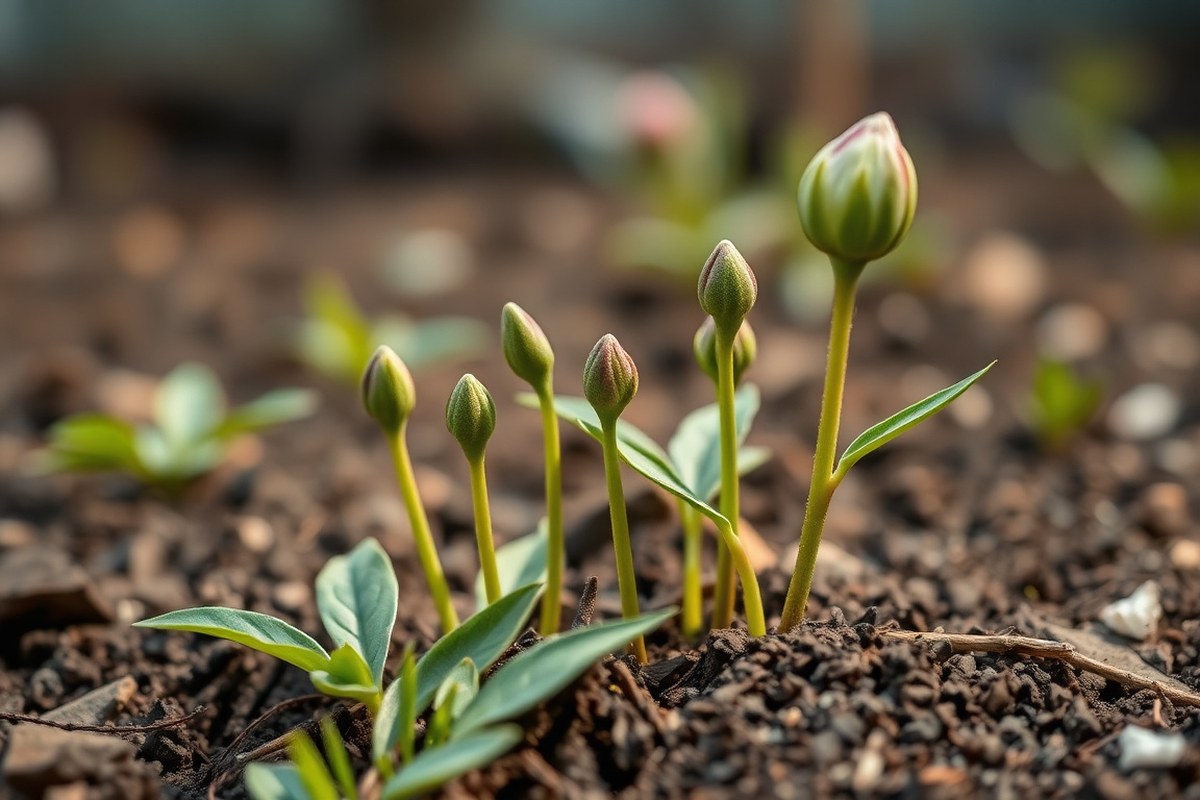
Peonies usually take two to three years to bloom after planting. This timeline holds true for both bare-root and potted plants. You can expect the first flowers to appear during this time.
They need good care and proper planting conditions. With the right help, blooms should show by then.
Before blooming, peonies need time to establish their roots and build strength. The first one or two years are mostly about root growth and foliage development.
The plant focuses on storing energy underground. So it can produce big, healthy blooms later.
Typically, bare-root peonies planted in fall begin flowering in their second or third spring. Potted peonies might bloom a little sooner, but often wait until the second year. Proper soil, watering, and full sun speed this up some.
Peonies don’t rush their first bloom much, though. They take their time even with good care.
When Do Peonies Usually Bloom During the Year?
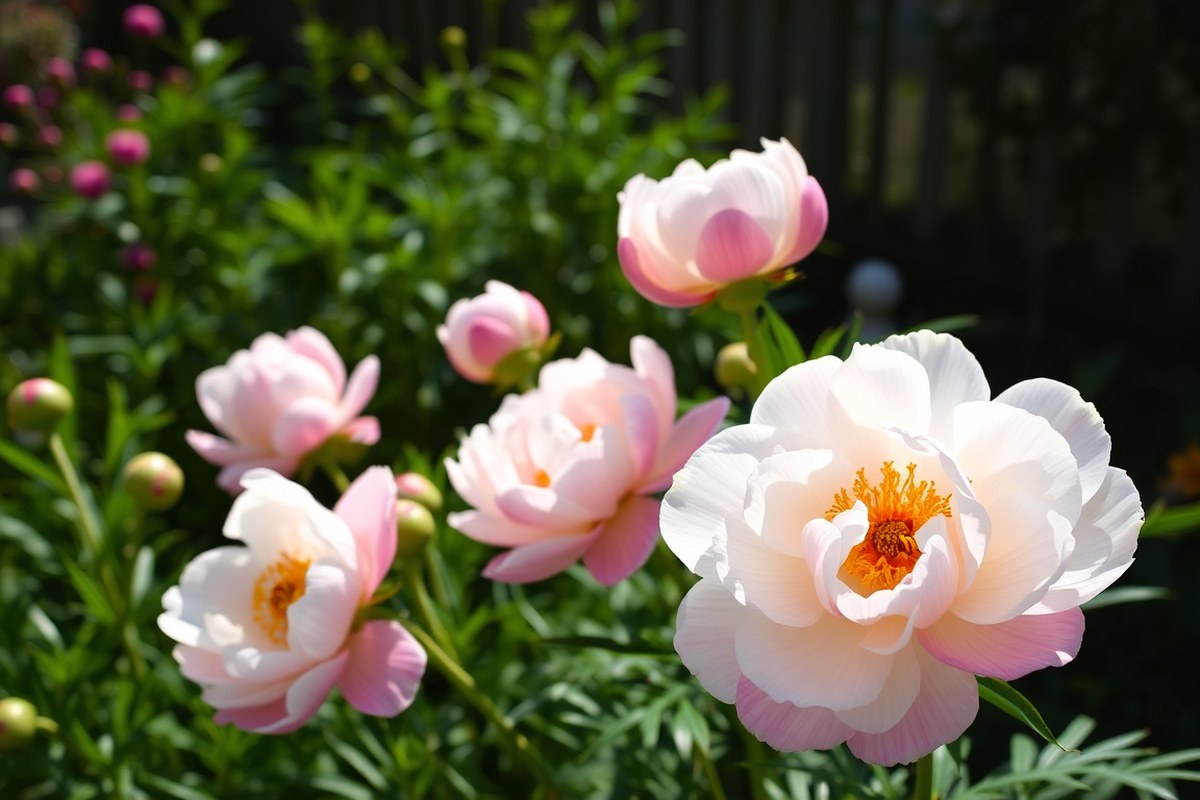
Peonies bloom in late spring or early summer. The season runs from late April to early July. This period covers several weeks of flowering.
The exact timing depends on your local climate zone and how warm spring temperatures become. Some blooms might start earlier on warm days. Others take longer if spring stays cool.
Each individual peony flower lasts around 5 to 7 days before it starts to fade. Peony blooms don’t last very long. Usually, the whole season lasts 4 to 6 weeks.
You can enjoy flowers for about a month or more. This happens because not all flowers on a peony plant open on the same day. So you get weeks of color.
Several factors influence when peonies bloom, including soil quality, weather, and variety. For example, large-flowered peonies produce bigger blooms but may have a shorter individual flower life. Tree peonies, with their woody stems, often take longer to bloom fully compared to other types.
Don’t expect peonies to bloom heavily in their first two years. Wait until year three for the best flower show.
Stages from Planting to Full Peony Bloom
Stages from Planting to Full Peony Bloom
Peonies usually take two to three years to bloom fully after planting. The first year focuses on root growth with little or no flowers.
Buds start forming in the second year, leading to early blooms. Full flowering happens from year three onward.
Year 1: Root Establishment and Minimal Blooms
During the first year, peonies direct energy to developing a strong root system. You might see small buds, but removing them helps roots grow better. Healthy roots set the foundation for strong blooms in later years.
Planting in fall helps the roots settle before winter. This timing supports stronger growth when spring comes. Avoid stressing the plant by cutting flowers or buds in this phase.
Year 2: Bud Formation and Early Flowers
In the second year, buds slowly develop and some early flowers may appear. Peonies still focus on root and leaf growth but bloom production ramps up. Removing weak buds can still help the plant grow stronger if early blooms are sparse.
Watch for bud swelling in early spring. This marks the start of flower development. Providing balanced fertilizer in early spring encourages flower growth without stressing roots.
Year 3 and Beyond: Peak Blooming Years
Peonies typically reach their full blooming potential by the third year. The plants have mature roots and sturdy stems to support many large flowers. Bloom timing depends on the variety but generally occurs from late spring to early summer.
After year three, peonies often expand in size and flower number. Well-established plants can bloom reliably for decades. Prune dead foliage after blooming to maintain vigor for the next season.
Follow these steps each year for best growth and flowering:
- Plant bare root peonies in fall for good root development.
- Remove any buds in the first year to help roots grow stronger.
- Apply a balanced, low-nitrogen fertilizer in early spring from year two onward.
- Watch for buds swelling in spring to anticipate flowering time.
- Allow peonies to bloom fully once buds appear after year two.
- Cut back dead foliage after blooming to support next season’s growth.
- Provide regular watering, especially during dry spells, but avoid soggy soil.
- Monitor for pests and diseases to keep plants healthy and flowering well.
How Different Peony Types Affect Bloom Timing
Tree peonies usually take longer to bloom than herbaceous types. Itoh peonies bloom faster than tree types but later than tree peonies. Each type also differs in bloom duration and size, which affects your garden’s look.
Herbaceous Peonies Bloom Timeline
Herbaceous peonies usually start blooming in their second or third year. They grow from the ground up each spring. These peonies bloom after tree peonies and last into mid-June.
The flowers are typically large, around 6 to 8 inches wide. The blooms last about 7 to 14 days before fading. You’ll see buds open mostly from late May to early June.
Tree Peonies Bloom Characteristics
Tree peonies are woody shrubs that take about three years to bloom. They often bloom a week or two before herbaceous types. Their flowers are big, often 8 to 10 inches across.
The bloom period is shorter, usually lasting about 7 to 10 days. These peonies can grow as tall as 8 feet in your garden. Tree peonies’ early bloom adds color before other types start.
Itoh (Intersectional) Peonies Bloom Facts
Itoh peonies are hybrids of tree and herbaceous types. They take about three to six years to bloom fully. Their flowers typically bloom after tree peonies but overlap with early herbaceous blooms.
These peonies produce large blooms like tree types but keep stems that die back like herbaceous. Their bloom duration lasts around 10 to 14 days. Itoh peonies combine size, bloom timing, and sturdiness.
Here is a comparison table showing how each type differs in bloom time, size, and duration.
| Peony Type | Time to Bloom | Bloom Start | Bloom Duration | Flower Size | Plant Height |
|---|---|---|---|---|---|
| Herbaceous | 2 to 3 years | Late May to Early June | 7 to 14 days | 6 to 8 inches | 2 to 4 feet |
| Tree | Up to 3 years | 1 to 2 weeks before herbaceous | 7 to 10 days | 8 to 10 inches | Up to 8 feet |
| Itoh (Intersectional) | 3 to 6 years | After tree, overlaps early herbaceous | 10 to 14 days | Large, similar to tree | 3 to 5 feet |
This table helps you plan which peonies suit your garden style and schedule. Knowing bloom timing and size prevents overlap or gaps in your flower display. The differences also guide your care plans, as some types take longer to reach full bloom.
Key Factors That Influence When Peonies Bloom
Peonies need plenty of sunlight to bloom well. At least 6 hours of direct sun daily works best. Less sun delays flowering and reduces flower size.
Planting depth matters for peonies. Set the eyes (buds) just 1 to 2 inches below the soil surface.
If you plant deeper, blooming can be delayed or stopped. Shallow planting lets shoots reach the surface faster.
Soil quality also affects bloom timing. Peonies do best in well-draining soil rich in organic matter.
A soil pH between 6.0 and 7.0 suits them well. Poor drainage or overly acidic soil slows growth and flowering.
Winter chill hours trigger peony buds to grow. These plants need a period of cold dormancy with nighttime temperatures below 40°F. This chilling lets buds develop properly and ensures a full bloom in spring.
- Plant eyes 1-2 inches deep, not deeper
- Space plants at least 3-4 feet apart for airflow
- Provide 6+ hours of sun daily, avoid shade
- Use well-draining soil with organic compost mixed in
- Maintain soil pH close to neutral, around 6.0 to 7.0
- Ensure winter cold below 40°F for at least a few weeks
- Water moderately, avoiding soggy soil that harms roots
Spreading peonies 3 to 4 feet apart helps airflow and reduces disease risks. Crowded plants bloom less and face more fungus. You don’t need to buy special soil; mixing garden soil with compost works well.
Don’t plant peony eyes deeper than 2 inches; deeper planting delays or prevents blooming.
How to Encourage Your Peonies to Bloom Sooner
Feed your peonies with a balanced fertilizer early in spring. Use a 10-10-10 or 5-10-5 formula to promote flowering. Apply about 1/2 cup per plant around the base, avoiding direct stem contact.
Water peonies deeply once a week during dry spells. Aim for about an inch of water each week. This keeps the soil moist.
Avoid making it soggy. Too much water can cause root rot and delay blooming.
Plant peony roots just 1 to 2 inches deep. Planting them too deep slows blooming because stems struggle to reach the surface. Shallow planting encourages faster growth and blooming the next season.
- Fertilize in early spring and again after blooming ends
- Water weekly with 1 inch of water during the growing season
- Plant peony roots 1 to 2 inches below soil surface
- Prune dead foliage in early spring before new growth begins
- Use mulch to retain soil moisture but keep mulch away from stems
Prune peonies in early spring before growth starts. Cut back last year’s dead leaves to let energy focus on new buds. Removing old foliage also helps prevent diseases that block bloom potential.
Mulching around your peonies helps keep soil moist and cool. Use about 2 to 3 inches of organic mulch like shredded bark. Keep mulch a few inches away from stems to avoid rot problems.
Common Reasons Peonies Don’t Bloom and How to Fix Them
Peonies often fail to bloom if planted too deep. The eyes, or buds, should sit no more than 2 inches below the soil. Planting deeper can cause the plant to grow leaves but no flowers.
Check your planting depth by gently digging near the stem. When your peony eyes are more than 2 inches deep, dig it up in fall and plant it shallower. This fix costs only your time and patience.
Peonies need a minimum of 6 hours of sunlight daily to bloom well. Excessive shade lowers flower growth but makes leaves thicker. Relocate your peonies to a sunnier spot if they lack sunlight.
Overfeeding with nitrogen-rich fertilizer encourages leaves, not blooms. Use a balanced fertilizer with lower nitrogen or compost instead. Apply this in early spring before growth starts for the best effect.
Peonies also suffer from diseases like botrytis, which can stunt flowering. Look for brown spots or wilted shoots and remove affected parts promptly. Good air flow around plants helps prevent disease buildup.
Your peony may not bloom after 2 to 3 years because of several common reasons to check. Recheck planting depth, sunlight exposure, and feeding routine before deciding on bigger changes. Patience matters, but these steps increase your chance of flowers.
How Long Will Peonies Bloom Each Season?
Peonies open their flowers for about 7 to 10 days. A single plant usually blooms for up to three weeks. You can stretch blooming to nearly six weeks by planting different types and careful care.
Individual Flower Lifespan
Each peony flower stays fresh and open for around a week to ten days. After this, petals start to fade and drop. The silky petals hold up well, letting you enjoy their shape and color during this time.
Some factors like weather affect how long the flowers last. Hot, sunny days may shorten their freshness. Cooler or overcast weather tends to keep flowers looking good longer.
Plant Bloom Period
A single peony plant produces blooms over a span of roughly two to three weeks. Multiple flower buds open one after another during this time. This staggered opening gives a longer visual display.
The total bloom period depends on the peony variety and local climate. Early bloomers start in late spring, while some last into early summer. Mature plants often have more flower buds, leading to a longer bloom time.
Methods to Extend Bloom Length
You can lengthen the overall bloom period in your garden through smart planning and care. Planting different peony varieties that bloom at spaced times spreads flowering out. Also, good care keeps plants healthy and flowers lasting longer.
Try these steps to enjoy peonies blooming longer in your garden:
- Select early, mid and late-blooming peony varieties for staggered flowers.
- Plant peonies in well-drained soil with full sun to encourage healthy buds.
- Water deeply but avoid soggy soil; consistent moisture helps blooms last.
- Deadhead spent flowers to focus energy on remaining buds.
- Mulch around plants to maintain steady soil temperature and moisture.
- Support tall stems with stakes to prevent flowers from bending or breaking.
- Fertilize in early spring with balanced fertilizer to promote strong growth.
Cutting away faded flowers prevents diseases and encourages more blooms.
Step-by-Step Action Plan for Faster Peony Blooms
Follow these steps to help your peonies bloom sooner and healthy. Each step includes a simple way to check your progress.
- Before you plant: Choose a sunny spot with well-drained soil. Your peonies will show good growth in a few weeks.
- Day 1: Plant peony roots 2 inches below the soil surface. Check if you planted at the right depth. Look for shoots above ground. This usually happens in 2 to 3 weeks.
- Week 2: Water deeply once a week if rain is low. Your soil should feel moist but not soggy.
- Month 1: Add a balanced fertilizer after shoots reach 2 inches tall. Look for stronger, greener leaves within 2 weeks.
- Before bloom season: Remove any weeds and mulch lightly. Notice less competition and soil staying moist.
- During bloom season: Support heavy flower stems with stakes to prevent drooping. You’ll see the stems stand upright until flowers fade.
- After bloom: Cut back old flower stems but leave leaves. Watch for new growth strengthening for next year.
- Fall: Clear dead leaves and add compost. Check the soil feels loose and healthy for winter.
Frequently Asked Questions
How Long Does It Take for Peonies to Bloom After Planting?
Peonies usually take 2 to 4 years to bloom after planting. Proper care speeds up this process and helps your peonies establish strong roots during this time.
When Do Peonies Usually Bloom During the Year?
Peonies typically bloom in late spring to early summer. The exact time depends on your climate and the peony variety you grow.
What Are the Stages from Planting to Full Peony Bloom?
It takes about 2 to 5 years to go from planting to full bloom for peonies. They first establish roots, then stems and buds appear, leading to flowers.
How Do Different Peony Types Affect Bloom Timing?
Herbaceous, tree, and intersectional peonies bloom at slightly different times. Herbaceous ones bloom earliest, tree peonies later in the season.
What Key Factors Influence When Peonies Bloom?
Sunlight, soil quality, watering, and temperature impact bloom timing. Good fertilizers and well-draining soil promote healthy, timely blooms.
How Can You Encourage Your Peonies to Bloom Sooner?
Feed peonies with quality fertilizer and plant them in full sun. Avoid heavy shade and water evenly to support faster blooming.
Before You Go
Peonies often take 2 to 3 years to bloom fully. Good care helps them bloom faster. Follow proper steps to speed this up.
Start by planting them in a sunny, well-drained spot. Watch your shoots grow and keep up steady watering and feeding to enjoy blooms sooner.