Is 56 Humidity High? Clear Answers and Simple Steps That Work
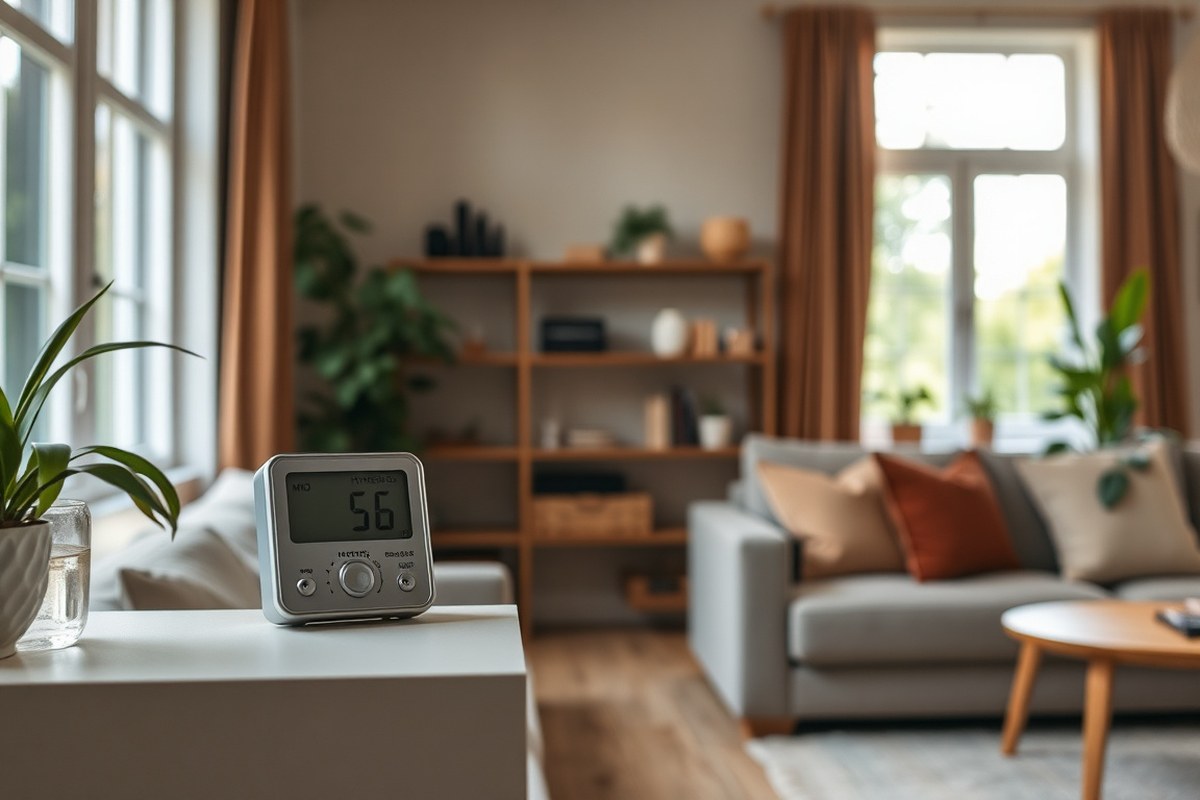
An indoor humidity of 56% is just above the best range, which is 30% to 50%. This level normally doesn’t create serious problems but might feel a little moist. Issues such as mold often develop once humidity rises above 60%.
At 56%, the air often feels comfortable when temperatures are near 70°F. Warmer air makes humidity feel muggy even at this level. Cooler air might lessen the damp feeling but won’t remove moisture.
Using a good hygrometer helps you check indoor humidity accurately. Levels can change during the day with weather and heating, so check regularly. Condensation on windows or sticky surfaces also shows high humidity.
If you notice dampness or musty smells, try reducing humidity soon. Use a dehumidifier, increase ventilation, or run exhaust fans to help. Keeping humidity near or below 50% protects your home and comfort.
Key Takeaways
- Indoor humidity between 30% and 50% is ideal for comfort and health.
- Relative humidity above 60% indoors increases risks of mold and dust mites.
- 56% humidity is slightly high but usually safe without lasting problems.
- Moderate temperatures make 56% humidity feel less sticky or uncomfortable.
- Use a quality hygrometer to track your indoor humidity accurately.
- Ventilate areas prone to moisture to prevent humidity spikes above 56%.
Is 56% Indoor Humidity Considered High or Comfortable?
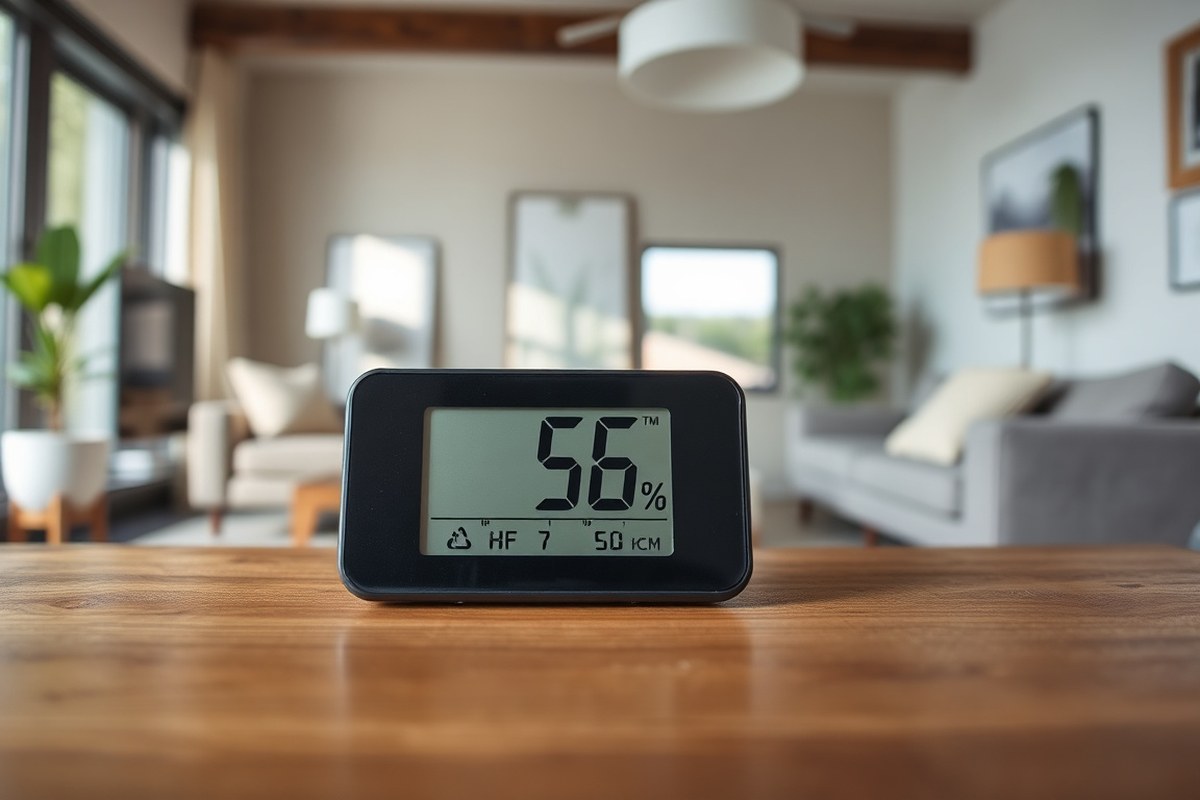
A relative humidity of 56% indoors is slightly above the ideal range. But it is not considered high. Experts generally say that indoor humidity stays comfortable and safe between 30% and 50%.
Humidity gets high once it stays above 60% for a long time. At this point, mold and dust mites can grow more easily.
This means 56% is in a caution zone. It may start to encourage condensation on windows or surfaces, especially if the temperature is low. People usually don’t feel uncomfortable with this humidity if temperatures stay between 68 and 74°F. Moderate room temperature helps keep things comfy.
Check for damp walls or a musty smell to see if 56% humidity is a problem. The EPA recommends indoor humidity between 30% and 50% to prevent damage. Use a humidifier or dehumidifier to keep humidity under 60% for comfort and safety.
What Indoor Humidity Levels Are Ideal and Why 60% Matters
Ideal Range for Indoor Humidity
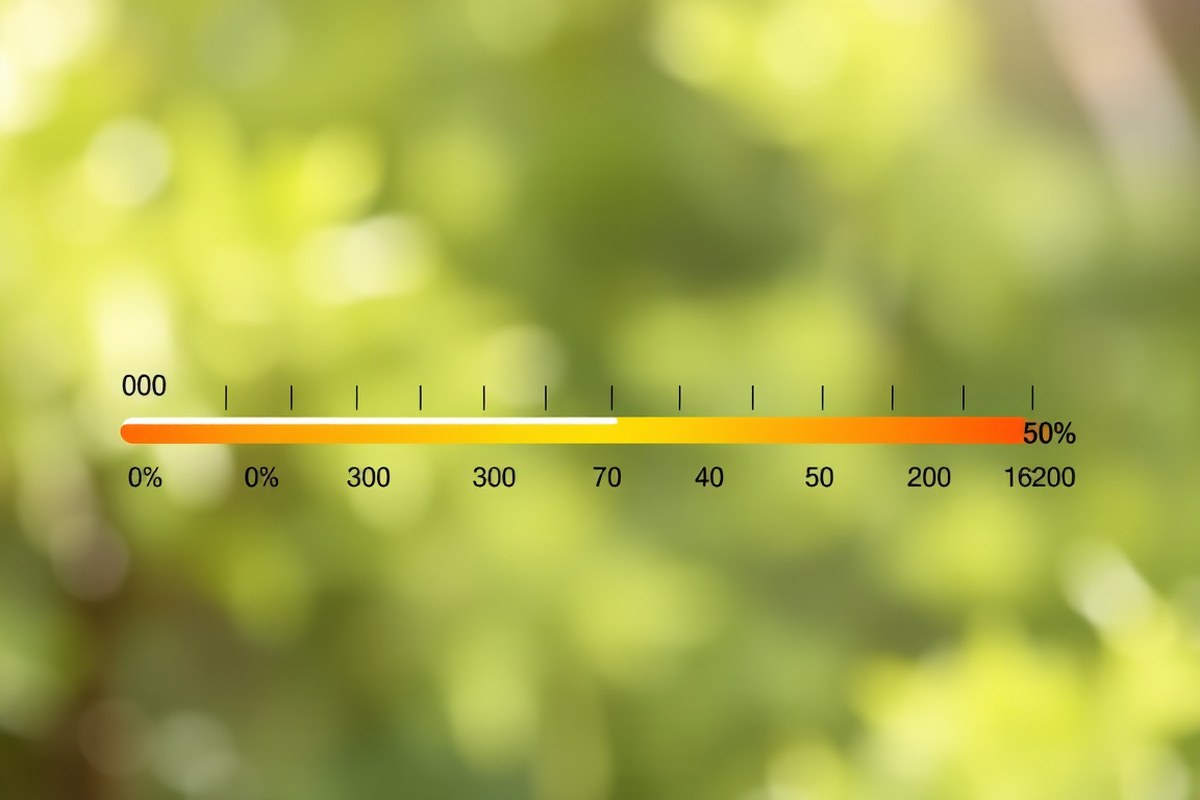
Most experts recommend keeping indoor relative humidity (RH) between 30% and 50%. This range feels comfortable and limits moisture problems year-round. It also helps protect your home’s structural materials and your health.
During winter, the ideal indoor humidity is around 30% to 40%. Cooler air holds less moisture, so controlling humidity prevents condensation on windows and walls. In warmer months, slightly higher levels, up to 50%, help maintain comfort without encouraging mold growth.
Why 60% Relative Humidity Is a Key Threshold
Relative humidity above 60% raises the risk of mold and mildew in your home. Moist air keeps surfaces like drywall and wood damp enough for mold spores to grow. That is why 60% is often cited as the upper limit for healthy indoor air.
The air’s moisture capacity changes with temperature. But 60% RH is a practical boundary that balances comfort with risk. When humidity goes above this level, dampness builds up.
Rooms start to feel muggy or stuffy. This also raises the chance of water damage.
Health Risks Linked to Humidity Above 60%
High indoor humidity encourages dust mites and mold, both common triggers for allergies and asthma. You may notice more sneezing, coughing, or irritation when moisture stays too high. These allergens thrive in damp conditions and spread easily in such environments.
Respiratory problems tend to worsen with prolonged exposure to humid air above 60%. Some studies say keeping humidity between 40% and 60% helps.
It might reduce how some viruses spread. Higher humidity might not be as safe.
Home Damage Caused by Excess Humidity
Keeping humidity over 60% for long stretches can harm your home’s structure. Moisture causes wood to warp and rot. Drywall and paint may peel or bubble because of trapped dampness.
High humidity invites pests like termites and mold that break down organic materials. Over time, this can lead to costly repairs in walls, floors, and ceilings. Fixing leaks and improving ventilation help avoid these problems.
How to Monitor and Manage Humidity Levels
Use a digital hygrometer, like the TempPro TempAir CORE TP50, to track indoor humidity. Place it in main living spaces away from direct sunlight or vents for accurate readings. Check levels regularly, especially during seasonal changes.
Notice readings above 60%? Run dehumidifiers or open windows more.
Sealing leaks and using exhaust fans in bathrooms and kitchens also reduce moisture. Targeting 30% to 50% RH prevents the risks linked with excess humidity.
Regularly measuring humidity with a reliable hygrometer is key to catching high moisture early.
How Temperature Changes Affect the Feeling of 56% Humidity
How hot or cool the air is changes how 56% humidity feels. At cooler temperatures, 56% humidity can be quite comfortable. When it’s warmer, the same humidity feels sticky.
The air feels harder to cool off from. This makes you feel hotter than usual.
Temperature’s Role in Humidity Perception
Relative humidity measures moisture in the air compared to its capacity at a specific temperature. Cooler air holds less moisture.
So 56% humidity means less actual water vapor than the same percentage at higher temperatures. This difference affects how sticky or comfortable the air feels indoors.
For example, 56% at 60°F feels much drier than 56% at 85°F. The cooler air allows your sweat to evaporate easily, which cools you down. At higher temps, sweat evaporates slower, making you feel hotter and more uncomfortable.
Dew Point and Air Moisture Content
The dew point shows the real moisture in the air. It tells the temperature when air gets full of water. This shows how much moisture is in the air.
It’s more useful than relative humidity for predicting comfort since it doesn’t change with temperature. A dew point below 55°F generally feels dry and comfortable inside.
When dew points rise above 65°F, air starts to feel heavy and oppressive. That’s why 56% humidity on a cold day feels different. It doesn’t feel as muggy as the same amount on a warm day.
Temperature changes this feeling a lot. Knowing the dew point helps predict how much moisture is really in your indoor air.
Comfort Scale: What 56% Feels Like at Different Temps
This table shows how dew point influences how humidity feels indoors. Your relative humidity at 56% can feel different with temperature.
Temperature shifts moisture levels and how comfortable you feel. This changes your comfort even if humidity stays the same.
| Dew Point (°F) | How It Feels | What to Expect |
|---|---|---|
| Below 55 | Dry and comfortable | Sweat evaporates easily; pleasant even on warm days |
| 55, 65 | Sticky, increasingly muggy | Noticeable humidity; muggy evenings indoors |
| Above 65 | Oppressive | Air feels heavy; slows sweat evaporation, feels hot |
At 70°F and 56% humidity, dew point is around 55°F. So the air stays fairly comfortable. But at 85°F, dew point rises near 66°F, making 56% feel muggy indoors. Adjusting indoor temperature closer to 62, 78°F can keep humidity feeling less sticky.
What Household Activities Cause Temporary Spikes Above 56% Humidity
Some household activities can quickly push humidity levels above 56%. Cooking, showering, and laundry add moisture to the air. These spikes usually last from 20 to 60 minutes, depending on how well you ventilate.
The bathroom is the main culprit. Hot showers create steam that raises humidity fast.
Running the exhaust fan during and 20 minutes after showering helps clear moisture. Without this, steam can settle, making surfaces damp and encouraging mold growth.
Kitchen activities like boiling water or simmering soups also boost humidity. To manage this, always turn on stove vents or open a window while cooking. Letting these run for at least 20 minutes after you cook assists in lowering moisture levels.
- Showering: run the exhaust fan during and 20 minutes afterward
- Cooking: use stove vents or open windows while cooking and for 20 minutes after
- Drying clothes indoors: use a vented dryer or open windows
- Washing dishes: run kitchen exhaust fan or open a window
- Houseplants: water in small amounts and avoid overwatering
Drying clothes indoors releases a lot of moisture. Using a vented dryer that pushes air outside is best.
If you hang clothes inside, open windows or use a dehumidifier to help. Otherwise, humidity can stay high for hours, creating a damp feeling.
Watering houseplants adds humidity too, but typically less so. Avoid overwatering to stop excess moisture buildup. Good airflow around plants helps keep humidity from spiking unexpectedly.
Handling short-term humidity increases usually means improving ventilation. Turning on exhaust fans or opening windows during and after moisture-producing activities clears the air faster.
Using portable dehumidifiers in problem rooms can also control spikes. Monitoring your indoor humidity with a hygrometer helps you see when levels return below 56%.
How to Measure and Monitor Indoor Humidity Accurately
To measure indoor humidity accurately, use a reliable hygrometer paired with a good thermometer. Check readings regularly to track changes. Proper sensor placement ensures the numbers reflect your home’s actual conditions.
Types of Hygrometers Compared
Hygrometers come in different styles: digital, analog, and combined thermometer-hygrometers. Digital models usually offer quick, precise readings for $15 to $30. Analog types cost less but can be less accurate or slower to respond.
Some devices show temperature and humidity together, helping you understand how both affect comfort. Such combos typically range from $20 to $40 and are suitable for most homes. Basic models work fine, but high-end versions may provide extra features like humidity alerts.
| Type | Accuracy | Average Cost | Features |
|---|---|---|---|
| Digital | ±2% | $15, $30 | Quick readings, easy to read |
| Analog | ±5% | $10, $20 | No power needed, slower response |
| Combo (Temp + Humidity) | ±2% | $20, $40 | Shows temperature, alerts |
Digital combo hygrometers offer the best mix of price and accurate results. They deliver reliable data to manage indoor climate well.
Optimal Placement for Measurement
Place the sensor away from kitchens, bathrooms, or vents to avoid skewed readings. These areas have humidity spikes that don’t represent your whole home. Find a central living space to monitor regularly.
Keep the device at eye level. Place it 3 to 5 feet high. Use a wall or shelf to set it up.
Avoid direct sunlight or drafty spots. Rooms like living rooms or bedrooms usually give consistent numbers.
Do not place humidity sensors near windows or heat sources to prevent false readings.
In different situations, use multiple sensors for large or multi-level homes. Tracking several rooms helps you spot problem areas before they worsen.
How to Read and Interpret Results
Check your device’s display for relative humidity percentages. Levels between 30% and 50% suit most homes, reducing mold risk and allergies. Numbers above 60% mean moisture is too high.
Look at temperature alongside humidity. A 56% humidity feels different at 65°F than at 80°F. Watch your readings throughout the day.
Note if they jump often. Track them at different times.
Record several readings over a week to understand your home’s baseline. Sudden spikes or drops might indicate ventilation or moisture problems needing attention.
Practical Steps to Lower Indoor Humidity from 56% to Ideal Levels
Lowering indoor humidity from 56% to the 30-50% range helps prevent mold, condensation, and musty smells. Start by increasing ventilation. Open windows when it’s dry outside.
Run exhaust fans in kitchens and bathrooms. Use them during and after cooking or showering.
Dehumidifiers work well to pull moisture directly from the air. Choose a unit sized for your room.
Small ones cost around $150, while whole-house systems can run over $1,000. Air conditioning also lowers humidity by cooling air and removing water vapor.
- Use dehumidifiers, especially in damp areas like basements
- Run bathroom and kitchen fans for at least 20 minutes after use
- Open windows when outside humidity is below 50%
- Seal leaks around windows and doors to stop humid air entry
- Fix plumbing leaks and dry wet spots quickly
- Limit indoor plants and use moisture absorbers like silica gel
- Set air conditioner to a comfortable temperature, avoiding too low settings
Quick fixes include running a portable dehumidifier or turning on fans during moisture-heavy activities. For long-term control, fix leaks, improve insulation, and regularly maintain HVAC systems. Check humidity levels every few days using a hygrometer to track progress.
Watch for signs like window condensation or peeling paint, which means humidity is still too high. Good results feel like less dampness and a fresher smell indoors. Avoid over-drying air below 30%, which can cause dry skin and respiratory irritation.
Common Mistakes in Managing Indoor Humidity Around 56%
Many homeowners struggle with keeping indoor humidity near 56% without causing other issues. One common mistake is ignoring ventilation.
Without proper airflow, moisture builds up and stays trapped, pushing humidity higher. Using exhaust fans in bathrooms and kitchens is important to remove damp air quickly.
Another error is relying only on portable dehumidifiers in large spaces. A small dehumidifier might help in one room but won’t lower humidity throughout a whole house. It’s better to focus on sealing moisture sources and balancing airflow between rooms.
Some people increase heating without realizing it affects humidity too. Warm air holds more moisture, which can feel sticky.
It can also raise moisture levels if windows stay shut. Balancing temperature control and ventilation is key.
- Not using exhaust fans during showers or cooking
- Sealing home tightly without adding fresh air
- Overusing portable dehumidifiers in big areas
- Ignoring leaks or water intrusion near the foundation
- Heating without ventilation, raising moisture capacity
- Wet clothes drying indoors without venting
- Skipping humidity checks in basements and crawl spaces
Many mistakes come from thinking more power or heat solves humidity. In reality, water leaks and damp materials are the main drivers.
Fix cracks in walls and around windows to block outside moisture. Use a hygrometer to track humidity in different rooms to find problem spots.
Tackling these issues takes some effort but avoids mold growth and odors later. In coastal or wet climates, this is more urgent because water vapor drifts inside easily.
Check for leaks often and dry wet spots right away. Use fans after wet tasks to control humidity.
When to Consult a Professional About Indoor Humidity Issues
Calling a professional becomes necessary when indoor humidity at or above 56% causes persistent problems. High moisture often causes mold, wood damage, or musty smells. These problems usually can’t be fixed by yourself.
You may need professional help to fix them. These signs mean hidden issues might exist, like leaks or poor ventilation.
You should also seek help if you notice condensation on windows, peeling paint, or warped flooring. These are serious red flags showing excess humidity harms your home’s structure. Trying to manage these with just a dehumidifier or fans might not solve the root cause.
Professionals provide thorough inspections to find moisture sources you might miss. They can check crawl spaces, attics, and HVAC systems to spot leaks or blockages. A common service includes adding or upgrading dehumidifiers in your home.
They may also improve ventilation systems or install vapor barriers. These help control humidity long-term.
- Persistent mold or mildew despite drying efforts
- Visible water damage on walls, ceilings, or floors
- Condensation on windows that lasts all day
- Musty smells that do not fade with cleaning
- Increased allergy or respiratory symptoms inside the home
- Structural changes like warped wood or peeling paint
- Humidity measurements consistently above 60% despite interventions
Before contacting a pro, try reducing humidity with exhaust fans in bathrooms and kitchens. Run a dehumidifier during humid months and seal any obvious leaks. Professionals usually charge $150 to $500 for an initial home consultation, depending on house size.
They inspect your home closely to see where moisture comes from. Then, they give you a detailed plan to fix the problem. This plan guides you on what steps to take.
Solutions can take days to weeks, involving repairs, new equipment, or insulation. A good result means stable humidity below 50%, no visible moisture issues, and improved comfort.
Don’t ignore ongoing signs of high indoor humidity. Acting early avoids costly repairs down the road.
Step-by-Step Action Plan to Manage 56% Humidity
Follow these steps to keep your indoor humidity comfortable and safe. Track the changes to see what works best for your home.
- Day 1: Check your current humidity using a reliable hygrometer. Note the levels over 24 hours to understand fluctuations.
- Week 1: Run a dehumidifier or ventilation fan during high moisture activities. Watch for a drop below 50% humidity.
- Week 2: Seal leaks around windows and doors to stop humid air from entering. Check if humidity stabilizes after a week.
- Week 3: Use air conditioning or fans to circulate air in humid rooms. Notice if the air feels less damp.
- After 1 Month: Recheck humidity levels. They should now be between 30% and 50%, making your home more comfortable.
- Ongoing: Avoid drying clothes indoors and vent bathrooms while showering. This prevents spikes above 56% humidity.
Frequently Asked Questions
Is 56% Humidity Too High for a Home?
A 56% indoor humidity level is slightly above ideal but not too high. The common limit for high indoor humidity is above 60%, which can cause moisture problems.
Can 56% Humidity Cause Mold Growth Indoors?
No, mold usually requires humidity above 60% to grow easily. Keeping it at 56% still reduces major mold risks but monitor for spikes.
Is 56% Humidity Uncomfortable for Sleeping?
56% humidity can feel a little damp but is generally comfortable for most people. Using a fan or dehumidifier might help if you feel sticky.
Does 56% Humidity Increase Dust Mites in the Home?
Dust mites thrive above 60% humidity. So 56% is less likely to boost their numbers. Still, controlling humidity helps reduce allergy triggers.
Can Indoor Humidity at 56% Damage Wood Furniture?
At 56%, indoor humidity is unlikely to harm wood furniture. Problems usually start above 60% where wood absorbs more moisture and may warp.
Is 56% Humidity Common in Coastal Homes?
Yes, coastal areas often have indoor humidity near or above 56%. The nearby water increases moisture in the air, making humidity harder to lower.
Key Points to Remember
Indoor humidity at 56% is slightly high but manageable with the right steps. Start monitoring your levels today for better comfort. Keeping humidity balanced helps protect your home and health.