Is Grass a Weed? Clear Answers and 8 Expert Ways to Identify and Manage
Is grass a weed? The short answer is no, grass itself is not a weed.
It’s a natural plant group used for lawns and gardens. But grass can be a weed if it grows where you don’t want it.
Weeds are simply plants growing in unwanted places. So, some grassy plants act like weeds when they invade flower beds or skip lawn boundaries. Knowing this helps spot when grass is harming your yard.
The first step is to learn which grassy plants belong in your lawn and which don’t. That way, you can target unwanted grasses without hurting the good ones. Watch for coarse leaves and taller growth, that often means grassy weeds.
Key Takeaways
- Grass isn’t a weed unless it grows where it’s unwanted.
- Weeds are plants growing in places they shouldn’t be.
- Identify grasses that look coarse or taller than your lawn grass.
- Apply pre-emergent herbicides early spring to stop weed seeds.
- Use post-emergent herbicide every 10 to 20 days for visible weeds.
- Water lawns 30-45 minutes a few times a week for healthy growth.
1. Is Grass a Weed? Understanding the Key Difference
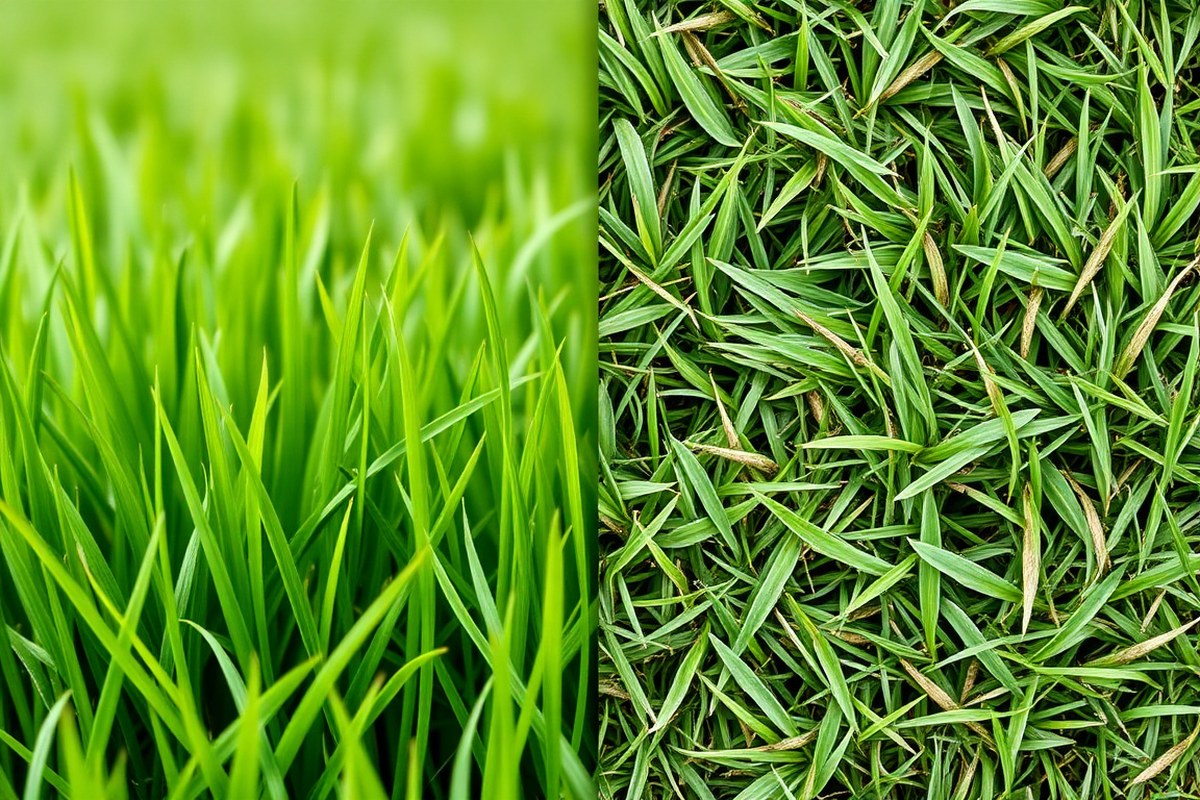
Grass is not called a weed. It belongs to the Poaceae family.
Weeds are simply plants that appear where you do not want them. So, grass turns into a weed only when it grows in places you consider unwanted.
You can have grass that is desirable in your lawn, garden, or sports field. Grass growing in flower beds or driveways is called a weed. It grows where you don’t want it.
The key difference lies in the purpose and location. Your intentions determine if grass is a welcome plant or a nuisance.
What makes a weed different from grass is mostly the context, not the plant itself. A weed is any unwanted plant, whether it is broadleaf or grassy. Crabgrass spreads quickly.
It’s a grassy weed. It competes with lawn grass. On the other hand, your lawn’s bluegrass or fescue is intentionally grown and maintained.
First, figure out which plants you planted on purpose. Then spot those that appeared by themselves. You want to encourage healthy grass growth by watering, mowing, and fertilizing the right types.
Remove or control plants you call weeds. This keeps your yard neat and healthy.
2. How to Identify Grassy Weeds vs Lawn Grass
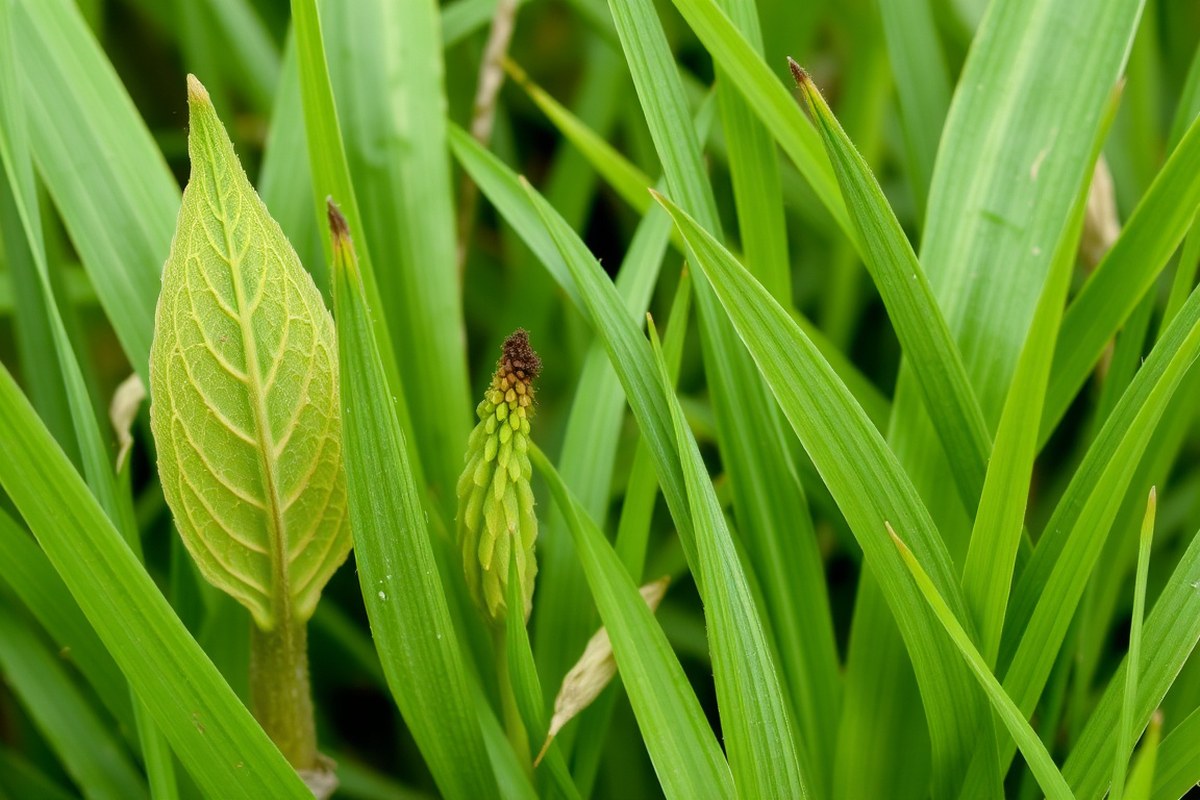
Distinguishing grassy weeds from your lawn grass starts by focusing on a few key features. Look closely at leaf shape, stem texture, growth patterns, root types, and seed heads. These traits help separate helpful turf from stubborn weeds.
Leaf and Vein Patterns
Lawn grass leaves are narrow, with smooth edges and parallel veins running lengthwise. They tend to feel soft and flexible. Grassy weeds’ leaves may be wider, rougher, or have irregular edges that catch your finger.
Also check if the leaf’s color stands out. Weeds can look brighter green than your lawn. They might even have a bluish tint.
Your lawn usually has an even color tone. Blade texture matters too, as lawn grass usually feels finer.
Stem Shape and Texture
Grass stems are typically round and hollow, giving them some flexibility. They stay close to the ground or sprawl evenly across your lawn. Conversely, grassy weeds often have thicker, tougher stems that grow rapidly and look coarse.
Feel the stems to sense the difference. Some grassy weeds have ridged or hairy stems, unlike the smoothness of grass. This texture helps them hold up against foot traffic and sprout faster.
Growth Habit and Clumping
Lawns form dense, uniform turf that spreads through rhizomes or stolons, creating a tight carpet. Grassy weeds grow in patches or bunches. These clumps look irregular and might tower over the lawn height.
Growth speed varies. Weeds often grow quicker, especially in summer heat, outpacing surrounding grass blades. You can spot weeds by their uneven, patchy clusters, disrupting typical turf patterns.
- Grass forms thick mats that feel even underfoot
- Weeds grow in loose, uneven clumps
- Grass spreads through underground runners
- Weeds often die off and regrow yearly
- Grass blades are uniform in height
- Weeds have uneven and erratic heights
Don’t try to identify during dormancy; wait for active growth to compare textures.
Root Systems to Observe
Grass has dense fibrous roots that hold soil firmly and run deep. This system supports steady growth and feeds the turf evenly. Grassy weeds often have shallow roots or quick taproots.
These roots don’t support your lawn’s health. They anchor fast but don’t help the grass.
You can dig up a patch or gently pull up the plant to see root differences. It lifts easily with thin roots, so it’s probably a weed.
Thick entangled roots indicate turfgrass. Root structure reveals what competes for nutrients below ground.
Seed Head and Flower Differences
Grass seed heads are usually tight and subtle, blending with blades. They stick out only slightly during seeding seasons. Weeds, however, produce prominent seed heads or small flowers that act like warning flags.
Seed heads on grassy weeds show as clusters or spikes. They may have greenish or purplish colors.
These seed heads stand out from regular grass. These stands rise above the lawn and help weeds spread rapidly by seed dispersal.
3. Common Grassy Weeds That Resemble Lawn Grass
Several grassy weeds closely resemble lawn grass, which makes spotting them tricky. Knowing which ones commonly invade lawns helps you identify and manage them quickly. Crabgrass, annual bluegrass, and quackgrass are among the most common grassy weeds homeowners face.
Crabgrass Characteristics and Growth
Crabgrass grows low and spreads quickly in clumps, often appearing in summer. It looks similar to tall fescue but has wider, coarser leaves. The stems spread out and root at the joints, creating a messy patch.
This weed thrives in hot weather and bare spots where grass is thin or damaged. Crabgrass can produce thousands of seeds that easily spread and take over a lawn by fall. Knowing where it prefers to grow helps spot it early for removal.
Annual Bluegrass Overview
Annual bluegrass, also called poa annua, grows in bright green patches. It has soft, pointed leaves all over the lawn. These patches stand out from other grasses.
Its leaf tip has a boat shape with a wrinkled midsection, different from Kentucky bluegrass. This weed often invades moist, shaded lawns.
This weed grows fast in spring and fall but dies off in hot summer months. It produces many seed heads, making it hard to control once established. You may notice it in patches that don’t match your other grass.
Features of Quackgrass
Quackgrass has long, narrow leaves with a bluish-green color and rough edges. It spreads through underground rhizomes that make it tough to remove completely. Quackgrass often invades lawns silently before patches become visible.
This grassy weed prefers cooler climates and can survive through cold winters. Its aggressive root systems can choke out desirable grass if left unchecked. Spotting early rhizomes helps prevent large infestations.
Other Notable Grassy Weeds
Along with crabgrass, annual bluegrass, and quackgrass, several other grassy weeds disturb lawns. Goosegrass looks a lot like Bermuda grass but grows in tight bunches. Nutsedge resembles early turfgrass but has a triangular stem that you can feel.
Foxtail resembles lawn grass seedlings and grows quickly in disturbed soil. Common Bermudagrass acts like a weed in cooler northern lawns.
People prefer it in southern yards because it handles heat well. Its behavior changes depending on the region.
- Goosegrass: grows flat and tight to soil; looks like Bermuda grass
- Nutsedge: triangular stems, different from flat grass blades
- Foxtail: grows in clusters, resembles young grass seedlings
- Common Bermudagrass: a warm-season grass, invasive in some lawns
These grassy weeds blend in with lawn grass, making visual identification challenging. Knowing their subtle differences improves your chances of catching them early. Using identification tips helps you decide the right control method.
| Weed | Commonly Mistaken For | Key Identifiers |
|---|---|---|
| Crabgrass | Tall Fescue | Spreads in clumps, coarser leaves, low growth |
| Annual Bluegrass | Kentucky Bluegrass | Bright green, boat-shaped leaf tips, wrinkled mid leaf |
| Goosegrass | Bermuda Grass | Flat, tight growth against soil, lighter color |
| Nutsedge | Young Turfgrass | Triangular stems, fast-growing, bright green |
| Foxtail | Lawn Grass Seedlings | Clustered growth, slender blades, quick emergence |
4. Differences Between Grass, Broadleaf Weeds, and Sedges
Grass, broadleaf weeds, and sedges differ in shape, leaf structure, and how they grow. Broadleaf weeds have wider leaves and often show colorful flowers. Grassy weeds look a lot like lawn grass.
They usually have a dull, matte finish. Turfgrass blades have a shinier surface than grassy weeds.
Sedges stand apart because of their triangular stems. You can feel this by rolling a sedge stem between your fingers.
It feels different from the round, hollow stems of grass. Sedges also grow in clumps and can spread quickly in moist soil.
| Characteristic | Grass | Broadleaf Weeds | Sedges |
|---|---|---|---|
| Leaf Shape | Narrow, blade-like | Wide, net-veined | Narrow, blade-like but rough |
| Leaf Finish | Glossy and smooth | Matte, often hairy | Dull, rough texture |
| Stem Cross-Section | Round and hollow | Solid, no distinct shape | Triangular and solid |
| Flowers | Small, inconspicuous | Often showy, colorful | Grasslike, spikelets |
| Growth Habit | Single blades or bunches | Varies, often sprawling | Clumpy, spreads quickly |
| Control Method | General lawn care | Broadleaf herbicides | Special sedge killers |
Choosing the right control method depends on identifying these traits first. Broadleaf herbicides target weeds like dandelions but won’t harm grass. Sedge control products use chemicals that don’t affect normal turfgrass.
By distinguishing these three types, you avoid killing grass by mistake. This saves time and money spent on unwanted chemical damage. Check leaf texture, stem shape, and flower presence to tell them apart in your lawn.
5. Seasonal Growth Patterns: When Weeds and Grass Thrive
Grass usually starts growing in early spring when soil temperatures reach around 55°F. Warm-season grasses pick up growth in late spring or early summer. Cool-season grasses thrive in early spring and fall. Grassy weeds often come up early in spring.
They grow faster than lawn grass. Controlling weeds early is very important.
Weeds grow fast in spring and summer. These seasons also suit your grass growth. You see active growth for both then.
This overlap means you must watch your lawn closely during these months. Dormant seasons like winter slow both grass and weed growth. But perennial grassy weeds can survive underground and return in spring.
Knowing the seasonal timeline helps you plan treatment. Herbicides work best on young, fast-growing weeds. Early spring or early fall are good times.
Target weeds when they grow actively. During hot summers, grass may slow. But weeds might still grow if moist conditions persist.
| Season | Grass Growth | Weed Growth | Care Tips |
|---|---|---|---|
| Spring | Cools season: starts early; Warm season: late | Grassy weeds emerge early, grow fast | Apply pre-emergent herbicides, mow higher |
| Summer | Warm-season grass peaks | Weeds grow aggressively if moisture exists | Deep water occasionally, watch weed spots |
| Fall | Cool-season grass grows well | Some weeds restart growth | Apply post-emergent herbicides, leave clippings |
| Winter | Grass mostly dormant | Weeds mostly dormant, but roots survive | Limit foot traffic, plan spring treatments |
Keeping your lawn thick and healthy blocks weed seeds from getting sunlight. Mowing taller lets grass shade out weeds better.
Deep watering once in a while helps grass stay strong. But overwatering encourages weed growth, so balance is key.
Spot-treat weeds early in spring before they spread widely; it saves effort later.
Watching your lawn in spring and summer helps. You can manage weeds better this way. Being alert each season pays off.
Lawn health supports weed resistance. So focus on mowing and watering to keep grass vigorous. Herbicide timing depends on weed type and growth stage, so check product labels carefully.
6. Effective Steps to Manage and Remove Grassy Weeds
Controlling grassy weeds needs a clear step-by-step approach. You can combine cultural practices with chemical treatments. Doing both helps keep your lawn healthy while removing those unwanted weeds.
Applying Pre-Emergent Herbicides Early
Pre-emergent herbicides stop weed seeds from growing before they sprout. Apply them in early spring, just as soil temperatures reach 55 degrees Fahrenheit. This timing blocks perennial grassy weeds from coming back yearly.
Use these products on your bare soil or lawn after raking to expose the area. This ensures the herbicide reaches weed seeds easily. You want full coverage without overlapping too much to avoid waste.
Follow these steps for applying pre-emergent herbicides correctly:
- Check soil temperature to confirm it’s around 55°F.
- Rake your lawn lightly to expose weed seeds.
- Measure the herbicide recommended rate on the label.
- Use a spreader to evenly distribute the product.
- Water your lawn lightly to activate the herbicide.
- Avoid disturbing the soil after application.
- Repeat application each spring for best results.
Using Post-Emergent Herbicides Safely
Post-emergent herbicides kill existing grassy weeds without harming lawn grass. They work best when weeds are young and actively growing. Spot treat problem areas instead of spraying the whole lawn.
Apply these herbicides on a dry, calm day to prevent drift onto desirable plants. Wear gloves and follow the product instructions closely. Overusing herbicides can hurt your grass and the environment.
Here’s how to use post-emergent herbicides properly:
- Identify the grassy weed species you want to target.
- Choose a selective herbicide safe for your grass type.
- Mix or load the herbicide as the label directs.
- Apply only on the weed leaves with a sprayer or spot applicator.
- Keep kids and pets off the lawn until dry.
- Repeat spot treatments every 2 to 4 weeks if needed.
Promoting Healthy Grass Growth
Thick, healthy grass chokes out weeds naturally by blocking sunlight. Mow often but never cut off more than one-third of the grass blade at once. Proper watering and fertilizing stimulate strong root systems.
Use a balanced fertilizer in early spring and fall to keep grass dense. Aerate compacted soil yearly to help roots breathe and absorb nutrients. These steps reduce space for weeds to take hold.
Consistent Lawn Maintenance Habits
Regular care is your best defense against grassy weeds returning. Stick to a mowing schedule, water deeply once or twice a week, and remove debris promptly. Weeds often thrive where grass is stressed or thinned out.
Spot-check your lawn monthly during the growing season for new weed growth. Pull small weeds by hand promptly to prevent seed spread. Combine cultural care with herbicide treatment for lasting control.
7. Common Mistakes When Dealing with Grassy Weeds and How to Fix Them
7. Common Mistakes When Dealing with Grassy Weeds and How to Fix Them
A frequent mistake is watering too often or too little. Overwatering creates soggy soil that weakens grass roots. Not watering enough stresses lawn grass, making it easy for weeds to spread.
Fix this by watering deeply but less often. Aim for about one inch of water per week.
Use a rain gauge to track watering during dry spells. Early morning watering lets grass dry quickly and avoids fungal problems.
Mowing errors also let grassy weeds grow unchecked. Cutting grass too short can stress it.
Letting it get too tall allows weeds to seed. Using dull mower blades tears grass and creates openings for weeds.
Set mower height to keep grass about 2.5 to 3 inches tall. Sharpen blades yearly or every 20 hours of use. Mow regularly, but never remove more than one-third of grass height at a time.
Homeowners often misuse chemical treatments by applying herbicides at the wrong time or rates. Using weed killers too early or too late reduces effectiveness. Applying too much chemicals can harm lawn grass and the environment.
For best results, apply selective herbicides in spring and fall for Northern U.S. Lawns. Follow label directions carefully on rates and timing. Spot treat where you see weeds rather than spraying entire lawn.
- Lawn stressed from poor watering invites grassy weeds.
- Mowing too low or irregular allows weeds to thrive.
- Dull mower blades increase lawn damage and weed patches.
- Applying herbicides outside recommended times weakens control.
- Using excessive chemicals causes lawn burn and pollution.
- Neglecting fertilizer reduces grass health and weed resistance.
Feeding your lawn regularly encourages dense turf that resists weed invasion. Fertilize based on your grass type and soil test results. Good fertilization supports thicker grass that can choke out weeds like clover and crabgrass.
Remember, grassy weeds take hold in weak spots. Fix your watering, mowing, chemical use, and fertilization to keep weeds off your lawn. The healthier your grass, the thicker it grows.
Thick grass makes it easier to stop grassy weeds. You can avoid harsh treatments this way.
8. When to Seek Professional Help for Weed Identification and Control
Consider professional help when weeds spread fast or home methods fail. Wait a few weeks to see if your efforts work. If the problem keeps growing, a pro may help more.
Pros can identify weeds exactly, which is really useful. Some grassy weeds look like lawn grass. These need special treatments to manage properly.
Mistakes like using the wrong herbicide can kill your grass. So experts ensure targeted control without harming your lawn.
Start by asking if you can clearly identify the weed species. You should get advice from extension services or local experts when unsure. Regular weed return is another reason to ask for help.
Professionals use custom herbicides and fertilizers that protect your lawn. These plans are tough to manage on your own. They help strengthen your grass while fighting weeds.
Check your lawn often to decide: Are weeds spreading fast? Look for weed growth covering new areas. Notice if the lawn looks weaker where weeds grow.
Has there been no improvement after two to three weeks of treatment? Do you spot different weeds you can’t identify? Are some weeds resistant to over-the-counter herbicides?
Answering yes to any sign means professional help might be best. Don’t delay because weeds can hurt your lawn more.
Professionals usually charge between $100 and $300 for a one-time treatment, depending on your lawn size. They also spot hidden issues like soil problems or improper watering patterns that let weeds thrive.
A healthy lawn, maintained with proper fertilization and mowing, is the best defense. But experts make sure your care routine fits your specific lawn needs.
Don’t pick an herbicide that kills both your lawn and the weed. It causes damage that takes months to fix.
Step-by-Step Action Plan to Manage Grassy Weeds in Your Lawn
Follow these steps to spot and control grassy weeds effectively. Each phase helps you check progress and improve your lawn.
- Day 1: Inspect your lawn closely for uneven grass growth or different blade shapes. Spotting differences means you found potential grassy weeds.
- Week 1: Use online guides or apps to identify grassy weeds. Look at leaf shape and how they grow to help you. Confirm your identification before starting treatment.
- Week 2: Apply a selective grassy weed herbicide designed for your lawn type. Watch for signs of weed stress, like yellowing or wilting leaves after one week.
- Weeks 3-4: Reseed thin areas with your preferred lawn grass to prevent weed return. Healthy grass growing in these spots means success.
- Month 2: Mow regularly at the recommended height for your grass type. This blocks weeds from getting sunlight and spreading seeds.
- Ongoing: Water and fertilize your lawn properly to keep grass strong. A dense, healthy lawn naturally crowds out weeds over time.
- Seasonal check: Before spring and fall, repeat inspections and spot treat any new grassy weeds. Early action stops weeds from thriving.
Frequently Asked Questions
Is Weed the Same as Grass?
No, weed and grass are not the same. Grass is a plant family. Weeds are plants growing where you don’t want them.
Some weeds look like grass. But they compete with your lawn for nutrients and water.
What Does Baking Soda Do for Grass?
Baking soda can kill certain grassy weeds like alexandergrass by burning them. Use it carefully to spot-treat weeds, then dig them up and replant with healthy grass. Avoid spreading baking soda on healthy lawn areas.
Is Grass Technically Alive?
Yes, grass is a living plant. It grows, produces seeds, and performs photosynthesis to stay alive. Healthy grass depends on sunlight, water, and nutrients from the soil.
What Are 10 Common Types of Weeds?
Common weeds include dandelions, clover, crabgrass, chickweed, plantain, knotweed, purslane, thistle, pigweed, and buttercup. Many weeds have broad leaves, unlike typical lawn grasses. Identifying these helps you choose the right control method.
Is Grass a Weed?
Grass is not a weed by itself. Sometimes grass species act like weeds. They invade lawns or gardens.
This happens where you don’t want them. The key is whether the grass is desirable or unwanted in that spot.
Can Grass Grow Back After Weed Control?
Yes, grass often grows back if you treat weeds carefully. Avoid killing your lawn by using targeted herbicides that only affect weeds. Proper lawn care supports grass regrowth after weed removal.
Before You Go
Grass isn’t a weed unless it grows where you don’t want it. Recognizing grassy weeds helps you keep your lawn healthy and neat. Start by learning to identify them, then take simple steps to manage your lawn well.