What Does Fertilizers Mean: A Complete Guide to Types, Uses, and Safe Application
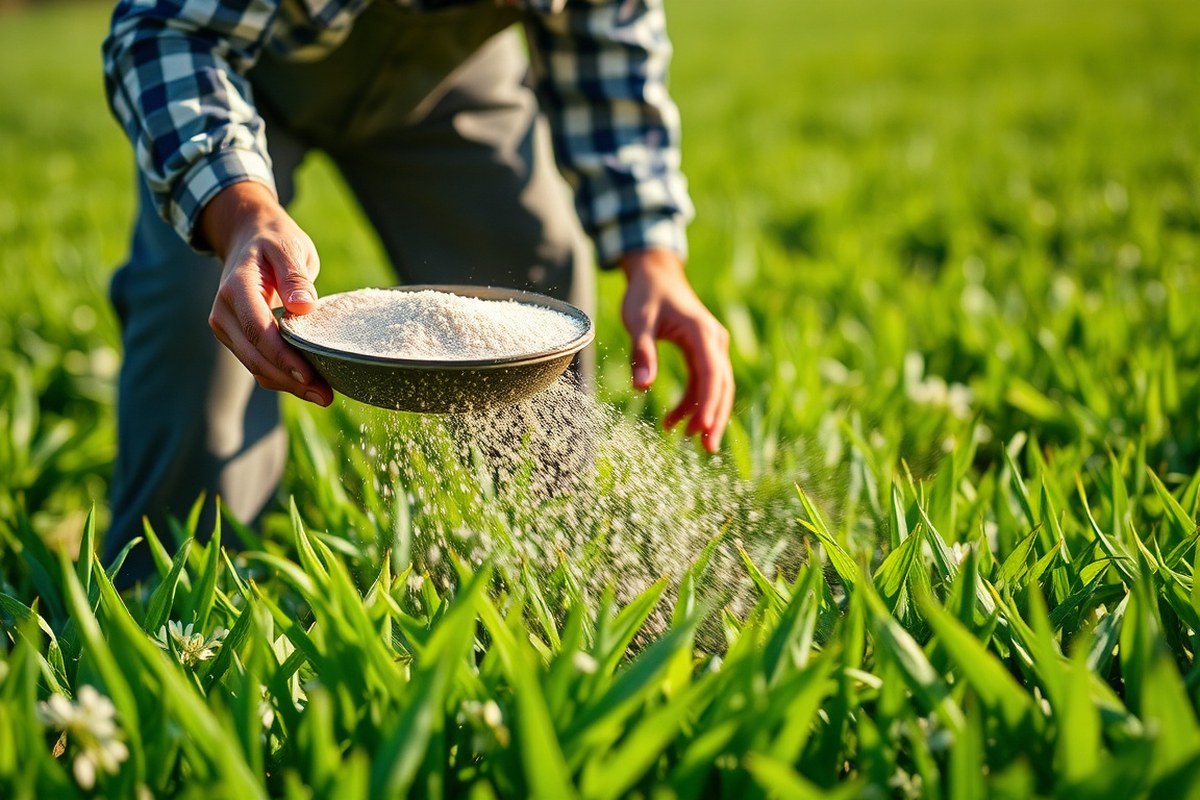
What does fertilizers mean? Fertilizers are substances added to soil or plants to supply essential nutrients.
They help plants grow better by providing nutrients plants may lack. Without fertilizers, plants often struggle to get enough food from the soil alone.
Fertilizers contain key nutrients such as nitrogen, phosphorus, and potassium. These nutrients support growth, root development, and fruit production.
Some fertilizers also include secondary nutrients like calcium and magnesium, which benefit plant health. Knowing what fertilizers mean lets you choose the best type for your plants.
Start by understanding the nutrient needs of your garden or crops. Watch for fertilizer labels that show nutrient percentages to get the right balance.
Organic and synthetic options exist; each works differently and affects soil health over time. Using fertilizers correctly helps plants thrive and prevents wasting money or harming the environment.
Key Takeaways
- Fertilizers supply essential nutrients missing from the soil to plants.
- Nitrogen, phosphorus, and potassium are the main nutrients fertilizers provide.
- Check fertilizer labels for N-P-K percentages before buying any product.
- Choose fertilizer types that match your plants’ specific nutrient needs.
- Applying fertilizers properly improves plant growth and crop yields.
- Start with a soil test to avoid overusing or underusing fertilizers.
What Does Fertilizers Mean and Why They Matter
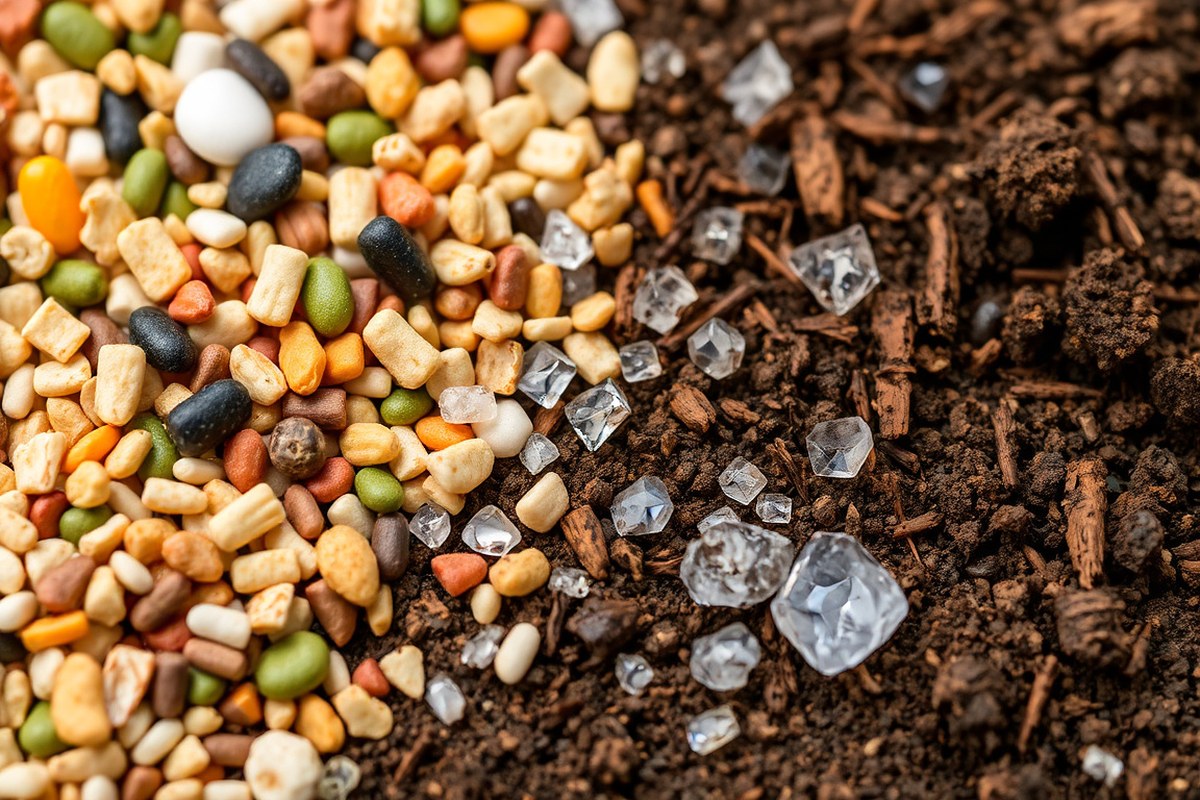
Fertilizers give soil and plants the nutrients they often lack. They add important elements plants can’t get from just air or water. These can be natural options like manure or synthetic blends that help plants grow.
Plants need 17 key nutrients to grow well, including nitrogen, phosphorus, and potassium. These nutrients help plants develop healthy roots, strong stems, and abundant flowers or fruits. Without enough nutrients, plants grow poorly and produce less food or flowers.
Adding fertilizers helps replace nutrients that plants remove from soil during growth. Gardeners and farmers spread fertilizers on fields or around plants to keep the soil fertile. This feeding supports bigger yields and keeps your garden or farm productive year after year.
What Nutrients Do Fertilizers Provide Plants?
Plants need several nutrients to grow well. The main ones are macronutrients and micronutrients. Macronutrients, like nitrogen, phosphorus and potassium, are needed in larger amounts.
These three macronutrients support important plant functions. Nitrogen helps build proteins and chlorophyll for green leaves.
Phosphorus aids energy transfer and root development. Potassium strengthens resistance to disease and stress.
Besides N, P, and K, plants also need calcium, magnesium and sulfur as secondary macronutrients. They improve cell structure, enzyme functions and nutrient uptake. Micronutrients like iron, zinc and manganese are needed in tiny amounts but still important.
| Nutrient | Source | Form of Uptake | Mode of Uptake | Main Functions in Plants |
|---|---|---|---|---|
| Nitrogen (N) | Air/Soil | Nitrate, Ammonium ions | Mass flow | Builds proteins and chlorophyll |
| Phosphorus (P) | Soil minerals/Fertilizer | Phosphate ions | Diffusion | Energy transfer, root growth |
| Potassium (K) | Soil minerals/Fertilizer | Potassium ions | Mass flow and diffusion | Disease resistance, water regulation |
| Calcium (Ca) | Soil/Fertilizers | Calcium ions | Diffusion | Cell wall stability, root development |
| Magnesium (Mg) | Soil/Fertilizers | Magnesium ions | Diffusion | Chlorophyll formation, enzyme activation |
| Sulfur (S) | Soil/Fertilizers | Sulfate ions | Mass flow | Protein synthesis, enzyme function |
| Iron (Fe) | Soil | Iron ions | Active transport | Chlorophyll synthesis, respiration |
Most fertilizers clearly indicate nitrogen, phosphorus, and potassium percentages on the label. Organic fertilizers release these nutrients slower but improve soil health. Synthetic fertilizers often provide fast, concentrated nutrients.
Plants absorb nutrients through roots mainly by diffusion and mass flow. Adequate watering helps dissolve nutrients for uptake. Balanced fertilization avoids nutrient waste and supports healthy growth.
Too much nitrogen can cause lush leaves but weak roots, so balance is key.
Which Types of Fertilizers Exist and How Do They Differ?
Fertilizers come in several types: synthetic, organic, biofertilizers, and slow-release. Each type works differently and suits different gardening or farming needs. Knowing these differences helps you pick the right one for your plants.
Synthetic Fertilizers: Fast and Precise
Synthetic fertilizers are made from chemical compounds like urea and DAP. They release nutrients quickly, which helps plants grow fast. You can find precise nutrient mixes tailored for specific plants or soil needs.
These fertilizers dissolve easily in water, making nutrients readily available to roots. They work well if you want quick results or have nutrient-deficient soil. However, repeated use may harm soil health and cause nutrient runoff if not applied right.
They use a lot of energy to make. This makes them cost more in environmental impact.
They weigh more than natural choices in this way. Still, they remain popular for high-yield crops and intensive gardening.
Organic Fertilizers: Natural and Soil-Friendly
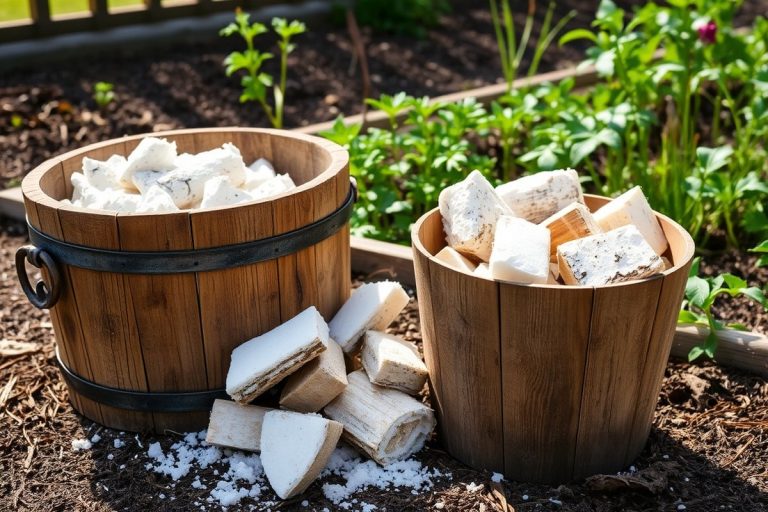
Organic fertilizers come from natural sources like animal manure, compost, and plant residues. They release nutrients slowly and improve soil health over time. This supports beneficial microbes and improves soil structure.
They don’t burn plants easily and reduce chemical buildup in the soil. Organic types are ideal for home gardens and sustainable farms where soil quality matters most. Nutrient content varies, so testing soil often helps avoid under- or overfeeding.
Organic fertilizers generally cost less but require more frequent application and preparation. Composting and manure management take time and space but pay off with healthier soil over years.
Biofertilizers: Microbial Helpers for Nutrient Uptake
Biofertilizers contain living microbes like Rhizobium and Azotobacter. These microbes boost natural soil fertility by fixing nitrogen or releasing phosphorus. They create a healthier environment that helps plants absorb nutrients better.
They don’t add nutrients directly but improve nutrient cycling and plant resilience. Biofertilizers are eco-friendly and reduce chemical fertilizer needs. They suit organic gardening and can be used alongside other fertilizers.
Application usually involves coating seeds or mixing with soil before planting. Results depend on soil conditions and may take longer to show. Here’s a table that sums up how these fertilizer types compare:
| Fertilizer Type | Examples | Main Features |
|---|---|---|
| Chemical/Synthetic | Urea, DAP, NPK mixtures | Fast nutrient release, precise composition, high solubility |
| Organic/Natural | FYM, Compost, Vermicompost | Improves soil health, slow-release nutrients, supports microbes |
| Biofertilizers | Rhizobium, Azotobacter | Microorganisms enrich soil naturally, eco-friendly |
| Slow-Release | Polymer-coated urea, sulfur-coated urea | Gradual nutrient release, reduces leaching, sustained growth |
Slow-release fertilizers are a special type that can be synthetic or organic. They release nutrients gradually, often using coatings or capsules. This gives plants steady food for weeks or months.
It lowers nutrient loss from rain or watering. The plants get nutrients more evenly with this method.
Use slow-release fertilizers when you want to reduce how often you feed plants. They are good for long-season crops or container gardening. The trade-off is that slow-release types cost more upfront but can save labor time.
How Do Fertilizers Work to Boost Plant Growth?
Fertilizers boost plant growth by supplying important nutrients that plants easily absorb. These nutrients enter the roots and trigger chemical and biological actions needed for healthy development. This process increases the plants’ ability to produce leaves, flowers, and fruits efficiently.
Nutrient Absorption by Plant Roots
Fertilizers add minerals like nitrogen, phosphorus, and potassium to the soil. Plant roots absorb these nutrients dissolved in soil moisture through tiny root hairs. The nutrients then travel upward in the plant’s vascular system to support various growth functions.
Applying liquid fertilizers via fertigation systems can deliver nutrients directly to roots. For example, drip irrigation sends precise nutrient doses to targeted zones, reducing waste. This approach helps plants get nutrients quickly and improves overall nutrient use efficiency.
Stimulating Key Biological Processes
Nitrogen from fertilizers helps produce green leafy tissue by supporting chlorophyll formation. Phosphorus supports root development and energy transfer inside the plant. Potassium regulates water movement and enzyme activation, improving stress resistance and overall health.
Fertilizers also stimulate photosynthesis and protein synthesis, which are essential for growth. Supplying these nutrients correctly helps plants grow stronger and larger. It speeds up cell division and elongation.
This makes the plant grow faster overall. During critical growth phases, quick-release fertilizers give an immediate nutrient boost.
Improving Nutrient Availability in Soil
Some fertilizers improve nutrient availability by changing soil chemistry. Specialized additives unlock phosphorus in acidic or alkaline soils. This phosphorus becomes accessible for roots to absorb.
It helps plants take up nutrients better. Microorganisms in fertilizer products can also improve nutrient absorption by breaking down organic matter.
This improved availability allows plants to absorb a balanced mix of nutrients efficiently. It supports continuous growth and reduces risks of deficiencies that stunt plant development. Better nutrient access also means plants use water and sunlight more effectively.
How Fertilizers Increase Crop Yields
By providing essential nutrients, fertilizers ensure plants grow faster with healthier leaves and roots. Larger, stable plants produce more flowers and fruits, leading directly to higher yields. The steady nutrient supply supports continuous growth cycles during a crop season.
Using fertilizers responsibly can avoid nutrient imbalances that harm crops or the environment. Quick access to nutrients during key growth stages prevents yield losses from poor nutrition. Applying fertilizers correctly grows stronger plants, delivering more food from each harvest.
Options for Nutrient Delivery
Liquid fertilizers can be sprayed on leaves for rapid nutrient absorption during shortages. This foliar feeding bypasses soil issues and provides immediate growth benefits. Solid fertilizers release nutrients more slowly, feeding plants over time and improving long-term soil fertility.
Choosing the right fertilizer type and application method depends on plant needs and soil conditions. Combining soil supplements with foliar sprays can correct deficiencies swiftly. Using fertigation helps manage nutrient timing closely with plant demand during irrigation.
How to Read Fertilizer Labels and Understand N-P-K Ratios
Look at fertilizer packaging to find three numbers separated by dashes, like 10-20-10. These numbers give the N-P-K ratio. It shows the amount of nitrogen, phosphorus, and potassium.
They are measured by weight in the fertilizer. Nitrogen helps leaves grow, phosphorus supports roots and flowers, and potassium strengthens overall plant health.
Use the N-P-K numbers to pick fertilizer for your garden’s needs. Start by testing your soil or knowing what your plants need most.
For example, leafy greens need more nitrogen, so choose higher first numbers like 15-5-10. Root crops need more phosphorus, so pick something like 10-20-10 instead.
Fertilizer labels show common chemicals for each nutrient. Nitrogen often comes as urea, which contains about 46% nitrogen. Phosphorus shows up as phosphate compounds.
Potassium usually appears as potassium chloride or sulfate. These names help you know the fertilizer source and how fast nutrients release into the soil.
Follow this step-by-step to read the label: First, find the three numbers on the front. Second, identify the nutrients for your plants by matching those numbers to your soil needs.
Third, check the chemical names on the back to understand nutrient sources. Fourth, apply the fertilizer at rates suggested for the crop or lawn size to avoid overfeeding.
Choosing the right fertilizer ratio avoids nutrient imbalances that hurt plants and prevent waste. Too much nitrogen causes leafy growth but weak roots.
Too little potassium can make plants more prone to disease. Staying within recommended amounts, based on soil test results, saves money and protects the environment.
Always check the soil test before buying fertilizer to avoid wasting money on unneeded nutrients.
What Are Effective Fertilizer Application Methods?
Fertilizers can be applied in several ways to get nutrients to plants effectively. Soil application, foliar spraying, and fertigation are common methods. Each method suits different crops, soil types, and growth stages.
Soil Application Techniques
Soil application adds fertilizer directly to the ground where plant roots grow. It can be spread on the surface or mixed into the soil to prevent nutrient loss. This method suits most crops since roots absorb nutrients over time.
Here’s how to apply fertilizer to soil safely and effectively:
- Test your soil to find nutrient deficiencies and needs.
- Choose a fertilizer type that matches your soil test results.
- Apply fertilizer evenly across the planting area using a spreader or by hand.
- Incorporate fertilizer into the top 4 to 6 inches of soil with a hoe or tiller.
- Water the area to help nutrients reach the root zone fast.
- Avoid applying fertilizer during heavy rain to prevent runoff.
- Repeat applications based on crop growth stages and soil nutrient tests.
Surface spreading is faster but risks nutrient wash-off. Mixing fertilizer into the soil reduces this risk and improves uptake. Timing matters: apply before planting or during early growth for best results.
Foliar Application Explained
Foliar feeding means spraying liquid fertilizers directly onto plant leaves. It delivers micronutrients quickly when plants show deficiency symptoms. This method is great for correcting nutrient shortages fast, especially during stress.
Foliar sprays typically use dissolved fertilizer mixed in water. Spray during cooler times, early morning, or late afternoon, to avoid leaf burn. Repeat every 7 to 14 days if needed.
Foliar feeding doesn’t replace soil fertilization but supports plants during critical growth moments. It works best for nutrients like iron, zinc, or manganese that plants need in small amounts.
Fertigation Systems Overview
Fertigation mixes liquid fertilizer into your irrigation water to feed plants through their roots. It saves time by combining watering and fertilizing in a single step. Fertigation suits crops with frequent irrigation such as vegetables and fruits.
To fertigate successfully, use a dosing injector attached to your irrigation system. This controls nutrient delivery precisely. It also helps reduce fertilizer loss compared to traditional soil application.
Fertigation is flexible. You can adjust amounts depending on crop growth stage or weather conditions. It requires clean irrigation systems to avoid blockages and regular monitoring for nutrient balance.
What Environmental and Safety Considerations Are Important?
Fertilizers carry risks like pollution and health hazards if used carelessly. Excess nutrients can run off into water sources, causing algae blooms and harming aquatic life. Using fertilizer only as needed helps keep water clean and ecosystems safe.
Avoid excess by testing your soil first to know what nutrients it needs. Apply fertilizer closer to plant roots to reduce runoff after rain.
Avoid fertilizing right before heavy rainfall to prevent nutrients washing away. Sticking to recommended amounts saves money and protects the environment.
Handle fertilizers with care to avoid health issues. Wear gloves and a mask if working with powders or strong liquids.
Store fertilizers in a dry, cool place away from children and pets. Rinse your tools and hands thoroughly after application to prevent contamination.
Fertilizer runoff can be minimized by creating buffer zones with grass or mulch near water bodies. These natural barriers slow water flow and trap nutrients before they reach rivers or lakes. Cover crops planted between seasons also absorb leftover nutrients, reducing pollution risks.
Keep fertilizer use safe by testing soil every two to three years. Apply fertilizer only when the weather is calm. Choose slow-release or organic fertilizers whenever you can.
These steps help you grow strong plants. They also protect water quality. They keep your soil healthy over time.
What Factors Affect Fertilizer Effectiveness and Timing?
Soil type changes how fertilizers work. Sandy soils drain fast, so nutrients can wash away quickly. Clay soils hold nutrients well.
They may block nutrients if too dense. Plants can’t get needed nutrients easily then. Testing your soil before fertilizing helps you pick the right type and amount.
If a soil test shows low nitrogen, add fertilizer high in nitrogen. Change the amount depending on the soil texture. Use less fertilizer with sandy soil and more with clay soil.
Weather affects fertilizer results a lot. Rain right after application can wash nutrients deep or away. On dry days, plants can’t absorb nutrients well because the soil is too hard or dry.
Cool weather slows plant growth, so they use nutrients less quickly. Timing fertilizer with rainy seasons or regular watering can improve uptake.
Plants take up nutrients best during active growth. Apply fertilizer when plants have lots of leaves or are flowering. Young seedlings need less fertilizer because too much can burn them.
For mature plants, split fertilizing into several doses over weeks. This matches nutrient release with plant needs and avoids waste.
Using controlled-release fertilizers works well in many setups. They send out nutrients slowly over time.
This keeps plants fed steadily without frequent applications. These products cost a bit more upfront, but may save money by reducing waste.
Always water right after fertilizing to help nutrients reach roots without washing away. Avoid fertilizing before heavy rain to prevent nutrient loss.
Step-by-Step Action Plan for Using Fertilizers
Follow these steps to boost your plants’ growth safely and effectively. Watch how your plants respond after each step.
- Before planting: Test your soil to know its nutrient levels. Add fertilizer based on the soil’s needs for best results.
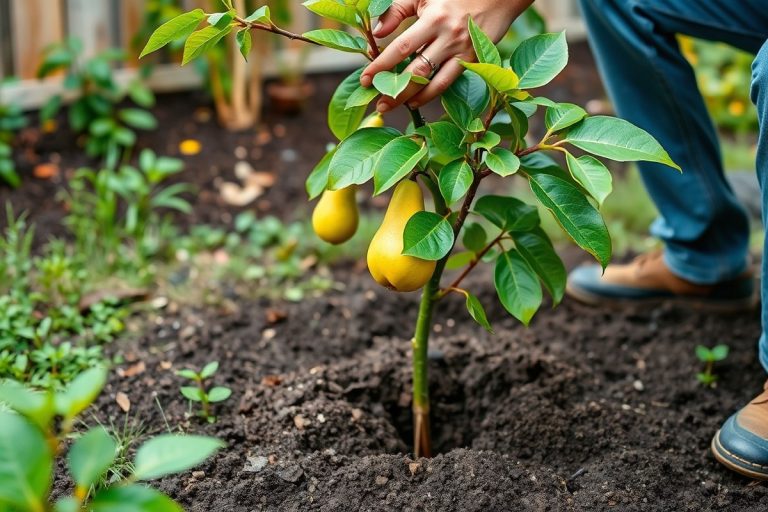
- At planting time: Mix starter fertilizer into the soil around your plants. Check that seedlings look healthy and green within two weeks.
- Two weeks after planting: Use a balanced fertilizer. Make sure it has the right N-P-K ratio for your plants. Watch for steady new growth and strong leaves.
- During growth: Water plants well after applying fertilizer to help nutrients soak into the roots. Avoid fertilizing in dry conditions to prevent burning.
- Mid-season: Use a slow-release fertilizer if your soil drains quickly or plants need longer feeding. Notice improved flowering or fruiting in a few weeks.
- End of season: Add compost or organic fertilizer to rebuild soil health for next season. Check that soil texture and smell improve over time.
- After heavy rain: Reapply light fertilizer if nutrients washed away, but avoid overfeeding. Your plants should bounce back with renewed color.
- Ongoing: Monitor plants regularly for signs of nutrient imbalance like yellow leaves or stunted growth. Adjust fertilizer types or amounts as needed.
Frequently Asked Questions
What Does the Term ‘Fertilizers’ Mean in Agriculture?
Fertilizers are substances added to soil or plants to supply nutrients. They help plants grow better by providing elements like nitrogen, phosphorus, and potassium.
What Are Common Nutrient Components of Fertilizers?
Fertilizers mainly supply nitrogen (N), phosphorus (P), and potassium (K). These nutrients are essential for plant growth and development.
What Forms Do Fertilizers Come in for Use?
Fertilizers can be solid granules or liquids applied directly to soil or plants. Granulated forms are common for bulk field use.
How Do Fertilizer Labels Indicate Nutrient Content?
Labels show the percentage of N, P (as P2O5), and K (as K2O) nutrients. This helps you choose the correct fertilizer ratio for your plants.
Why Is Timing Important When Applying Fertilizers?
Proper timing ensures nutrients are available when plants need them most. It prevents waste and environmental damage from over-application.
What Environmental Risks Can Result from Fertilizer Misuse?
Excessive use can cause nutrient runoff and release greenhouse gases like nitrous oxide. Responsible use minimizes pollution and supports sustainable growth.
The Bottom Line
Fertilizers give your plants the food they need to grow strong. Start by testing your soil to pick the right products. Start by getting a soil test kit.
Check your garden’s nutrient levels. This shows what your soil needs.