Does Burning Weeds Kill the Roots? What Actually Works for Full Control
Does burning weeds kill the roots or just the leaves? Burning mostly kills leaves and stems without reaching roots. The heat damages above-ground parts briefly, causing them to wilt fast.
Most weeds die above 160°F (71°C), but roots stay underground where flames rarely reach. Burning sometimes weakens roots but often doesn’t kill mature perennial weeds fully. Repeating treatments is necessary to stop strong-rooted plants from growing back.
Weeds with shallow, soft roots respond better to burning than deep-rooted ones. Use a propane weed torch held 4 to 6 inches above the plant for quick leaf heating. Be careful to avoid burning near wanted plants or dry soil to prevent accidental fires and damage.
Flaming works best as part of a broader weed control plan, not alone. Combine burning with other methods like hand-pulling or mulching for lasting results. This approach reduces reliance on chemicals and lessens weed recovery chances.
Key Takeaways
- Burning kills weed leaves with short, intense heat above 160°F.
- Roots often survive because flames don’t reach deep enough.
- Perennial weeds need repeated burning for full control.
- Annual weeds with shallow roots die easier from burning.
- Hold the torch 4-6 inches above the weeds for best effect.
- Keep burning at least 5-10 feet away from other plants.
Does Burning Weeds Kill the Roots or Just the Leaves?
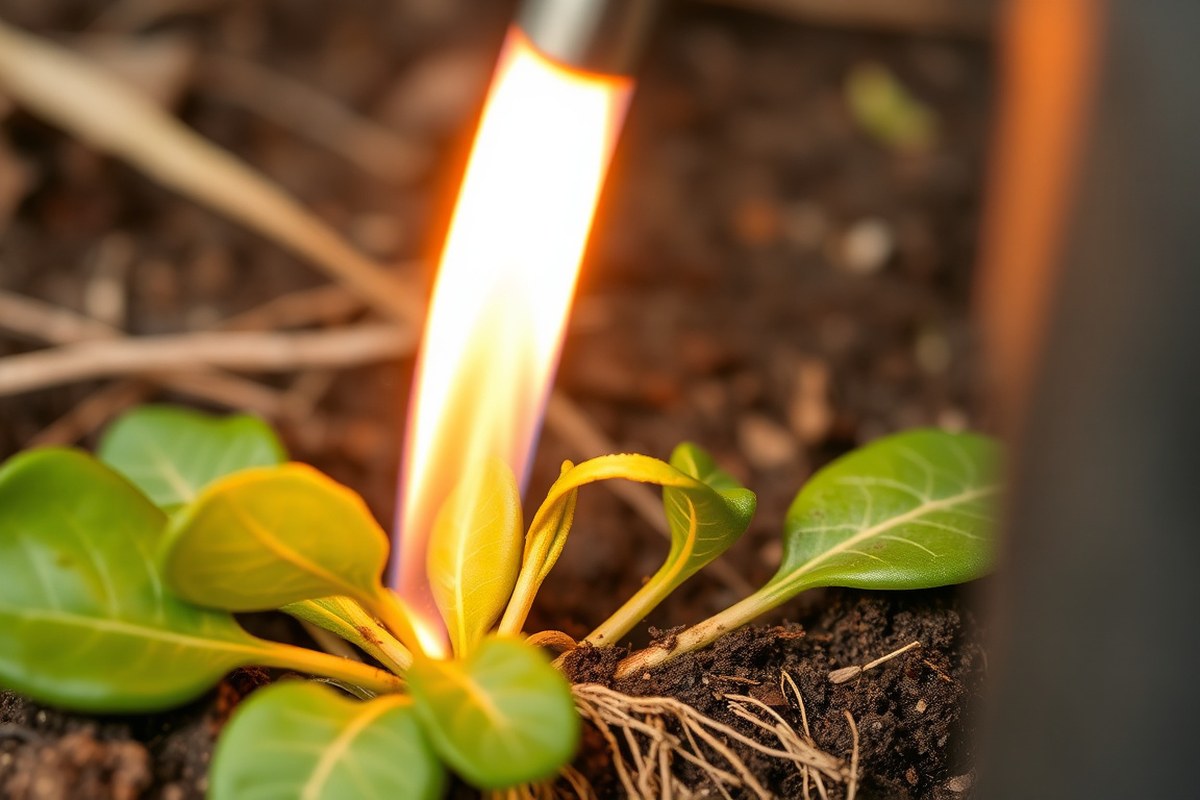
Burning weeds usually kills the leaves and stems, not the roots. The heat from a quick flame pass reaches about 140°F (60°C).
This temperature can damage surface tissues very fast. This causes the weed to wilt and look dead at first.
Roots, especially on mature perennial weeds, are often deeper and better protected. They survive because soil acts like an insulator.
It keeps root temperatures below the lethal threshold. Even intense flame weeding rarely heats the soil enough to kill roots.
Killing roots requires longer, hotter exposure than what typical flame weeding provides. Industrial sterilization methods reach higher heat levels deeper in the soil.
But home burning cannot do this safely or effectively. Because roots store energy, they often regrow after just one burning.
For quick control, sweep the flame over weeds until the tops blacken and curl. This stops leafy growth but doesn’t kill the entire plant. You must burn repeatedly over weeks to slowly drain root reserves and prevent regrowth.
The difference between leaf and root damage depends on the temperature and exposure time. Leaves die at 140°F within seconds.
But roots need prolonged heat at this level or hotter to die. Soil temperature rarely rises enough during flame weeding to kill roots deep down.
You can expect burning to clear soft-stemmed weeds with shallow roots nearly fully. Perennials with rhizomes or thick crowns usually survive. Patience and multiple sessions make burning more effective at exhausting roots over time.
Which Weeds Are Killed by Burning and Which Survive?
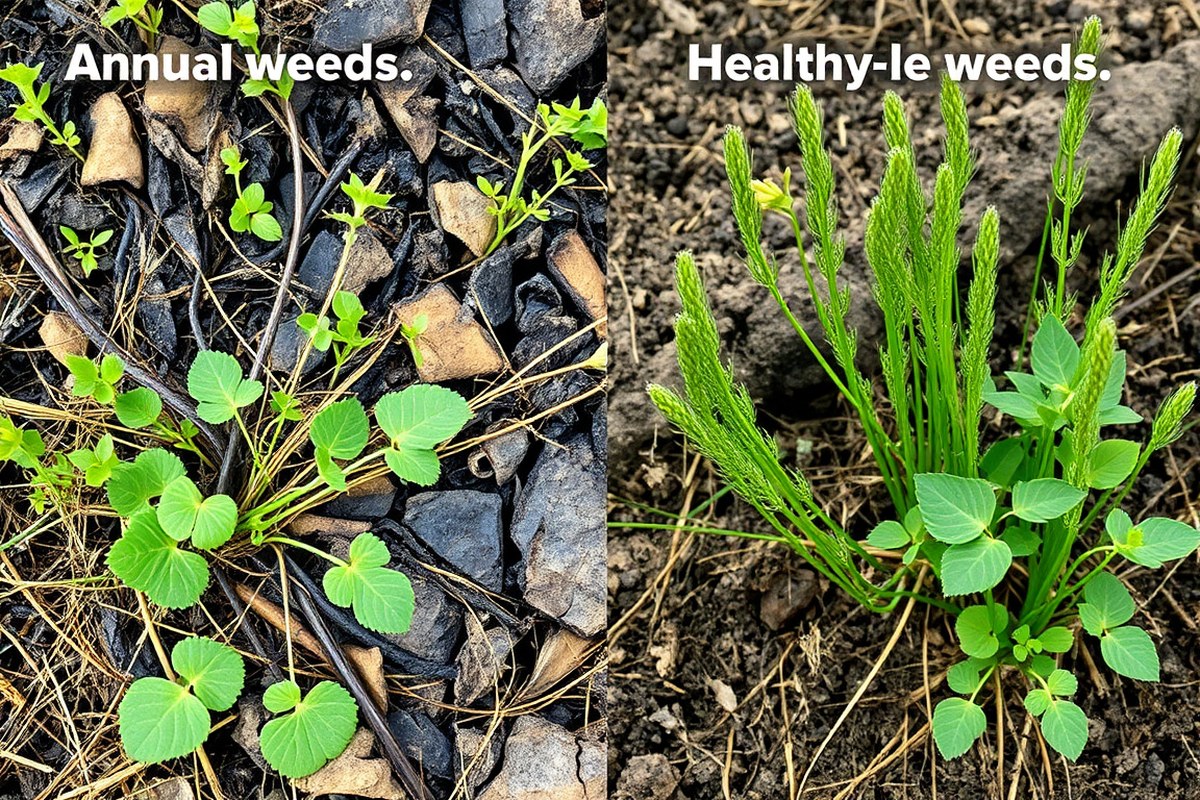
Burning weeds mostly kills their aboveground parts but often leaves roots alive. Annual weeds with shallow roots respond best. Perennials and weeds with rhizomes usually survive because of their roots.
Their roots run deeper in the ground. They also store energy underground.
Annual Weeds and Shallow Roots
Annual weeds have shallow and simple root systems. Burning their leaves quickly stresses these roots, stopping regrowth. This method works best before they develop seeds or heavy root stores.
Targeting small annual weeds, 2 to 3 inches tall, with a low-intensity flame works well. The heat kills their aboveground parts and weak root systems fast. You’ll often see no new shoots after burning if timed right.
Perennial Weeds and Deep Roots
Perennial weeds grow deep taproots that survive leaf burning. You might kill their leaves, but roots stay intact. This lets new shoots grow again within days after burning.
Repeating burn sessions gradually weakens these roots but doesn’t guarantee permanent control. Established perennials like dandelions store energy underground, making single burns ineffective for full eradication. Use burning to set back growth rather than eliminate these weeds.
Rhizomes and Tubers Resilience
Rhizomes and tubers act like underground survival hubs. Flames only char the surface, leaving these underground parts safe. They store nutrients that help weeds bounce back strong.
Weeds with these root types, such as couch grass or bindweed, spread quickly after burning. Breaking or digging out these roots helps, but burning alone won’t stop them. Combine heat with other removal methods for best results.
| Weed Category | Root Strategy | Response to Torching | Likely Outcome |
|---|---|---|---|
| Annuals | Shallow/Simple | Rapid cellular collapse | High success (if pre-seed) |
| Perennials | Deep Taproots | Foliage death, root survival | Regrowth from base |
| Rhizomatous | Spreading Networks | Surface charring only | Spreading and resilience |
Burning quickly kills young annual weeds but only slows established perennials. Rhizomatous and tuberous weeds need more than fire to control them. Knowing which type you face helps plan your weed control better.
Burning tough perennial weeds once won’t kill roots. Repeated sessions or other methods are necessary.
How to Use Burning Effectively Without Harming Soil or Plants
Burning weeds means using a flame carefully. Target weeds without harming nearby plants. Avoid damaging the soil under or around them.
Hold the flame near the weeds to kill their tissue. Move the flame quickly.
This prevents damage to soil or starting fires. Timing, distance, and technique matter most for safe and effective weed burning.
Safe Distance and Timing
Keep the flame at least 6 to 12 inches away from plants you want to keep. This helps protect them from heat damage.
Closer flames risk scorching leaves or stems of your desirable plants. Avoid burning on windy or dry days to prevent fires and wider heat damage.
Burn weeds early in the morning or late afternoon. Humidity is higher then, which reduces fire risk. Choose days with little or no wind.
Do not burn when soil or mulch is dry. Dry conditions increase the chance of accidental fires.
Wait for moister conditions to burn safely. Flame weeding during moist conditions protects soil life and helps control weed sprouts effectively.
Choosing and Using the Right Equipment
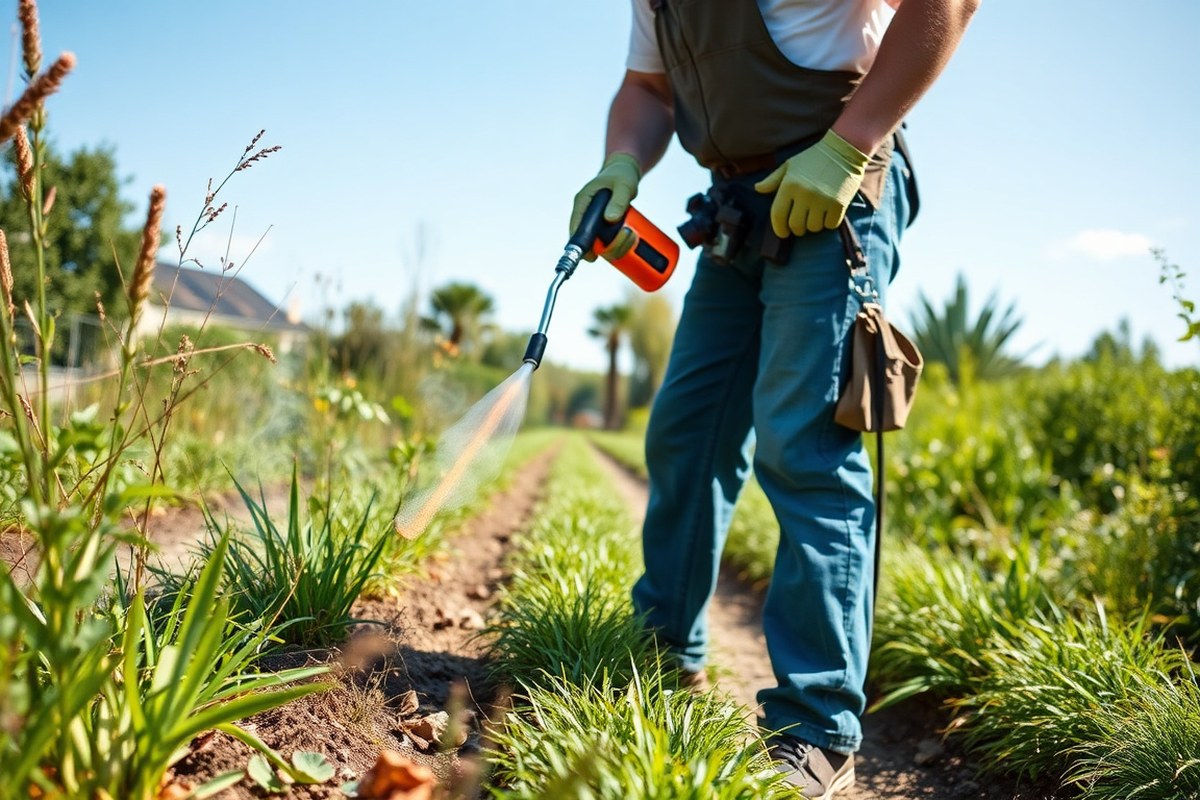
Use a handheld propane torch designed for flame weeding. It lets you control the flame size and heat direction easily. Avoid large or uncontrolled flames that heat the soil too long or spread fire unintentionally.
Move the torch slowly over weeds, just a few seconds in each spot. Sear the plant tissue without setting mulch or grass on fire.
Hold the flame 2 to 4 inches from weed leaves for best results. Don’t aim to burn the whole plant, just enough heat to cause cell damage.
- Wear fire-resistant gloves and clothing for protection
- Carry a water source or fire extinguisher nearby
- Check local fire regulations before using flame tools
- Test flame on a small weed patch to confirm heat level
- Use steady, slow passes for even heat exposure
- Avoid flame weeding in windy or very dry conditions
- Keep propane tank away from heat and in stable position
Using the right tools and method reduces risks. This improves the chances of killing weeds on the first try.
Protecting Soil and Nearby Plants
Too much heat or long exposure can kill helpful soil microbes. Protect the soil by limiting flame intensity and duration.
Keep the flame moving to limit heat buildup in the soil. This helps preserve soil health and lets good microbes rebuild quickly.
Use flame weeding on young, small weeds. Larger weeds need longer heat that may hurt nearby soil and roots.
Avoid burning where mulch or organic matter is thick. It can ignite and reduce soil nutrients.
After burning, water the area lightly to cool the soil and support microbial recovery. Plant desirable plants quickly after burning. They fill empty spots to stop new weeds from growing large.
Why Multiple Burning Sessions Are Needed to Kill Roots
Burning weeds kills the leaves fast, but roots take longer to weaken. The heat damages green parts immediately, but root systems store energy. This stored energy fuels regrowth after a single burn, so one treatment often fails.
Roots lie underground, protected from direct heat by soil. A single torch pass heats only the surface for a few seconds.
This short heat exposure is not enough to kill deep roots. It takes repeated burns over weeks to drain and weaken the root’s food reserves.
This strategy is called the cycle of attrition. You burn young weeds often.
This makes the plant waste energy regrowing leaves each time. Eventually, roots lose enough energy and weaken, reducing regrowth chances.
Follow these steps for effective root killing through burning:
- Start burning after rain to reduce fire risk and improve heat effect.
- Burn small weeds lightly, just long enough to wilt leaves.
- Repeat burns every 7 to 10 days, targeting fresh growth each time.
- Continue for 3 to 6 weeks, depending on weed type and root strength.
- Watch for fewer new sprouts and weaker growth as signs of success.
- Resume treatment in following growing seasons if weeds return.
This approach needs patience and regular work rather than a quick fix. Some tough perennial roots can last through repeated burns and may need longer or additional methods. Using a tarp to smother plants between burns can help exhaust root energy faster.
Expect to spend time monitoring and burning small patches regularly. Home gardeners often spend 15 to 30 minutes per session on moderate weed patches.
The reward shows when roots weaken and weeds do not grow back. This reduces long-term weed problems.
Safety Precautions and Risks When Burning Weeds
Burning weeds can lead to uncontrolled fires if you’re not careful. A small flame can spread fast to dry grass or mulch. Hot, windy days make it worse.
Keep flames away from these areas. Don’t burn weeds during dry spells.
Avoid burning if winds are over 5 mph. These steps lower fire risks.
Before you start, wear thick gloves and safety glasses to protect against sparks and heat. Keep a water source close by, like a garden hose. A bucket of water works too.
Use it if flames spread. Remove dry leaves, twigs, and flammable material around weeds.
This stops the fire from spreading. Keep the area clear.
- Check local laws and fire regulations before burning weeds.
- Never burn weeds near dry grass, mulch, or flammable materials.
- Choose cool, calm mornings or evenings for burning.
- Keep water or fire extinguishers on hand during the burn.
- Use spot burning to control fire size and location.
- Avoid burning weeds in flower beds or near desirable plants.
- Wear protective gear to guard against heat and embers.
Some locations like concrete or asphalt have a lower fire risk, making burning safer there. Avoid gravel paths if dry debris is present. Never burn weeds in or near flower beds.
These spots can harm beneficial soil life or cause accidental fires. Following these rules helps prevent dangerous flare-ups and damage to your garden.
Burning weeds can help but very hot fires harm soil microbes. Very hot fires also increase wildfire risk. Use moderate heat levels.
Light flame weeding only wilts the plants without turning soil black or ashy. Burn weeds early or late when it’s cooler outside.
Lower temperatures reduce fire danger. Heat control is easier then.
Never leave burning weeds alone. Watch the fire until it’s completely out. This prevents fires from spreading.
How Heat Penetrates Plants and Affects Root Biology
Plant cells die when exposed to temperatures around 160°F (71°C). At this point, cell proteins and membranes begin to break down. Leaves show damage quickly because they are thin and directly hit by flames.
Roots sit underground where soil acts as insulation. Heat takes longer to reach roots than to kill leaves. Soil moisture and density also reduce how much heat gets through to roots.
Roots have thicker protective layers and less airflow than leaves. These features slow heat penetration and protect important root cells. Roots also store energy, helping them survive brief heat exposure.
To kill weed roots, you need repeated or prolonged heat. You can sweep a flame over the plant leaves until they wilt. Then repeat the application several days in a row to transfer enough heat below ground.
Burning only the leaves often leaves roots intact. They can regrow if temperatures underground don’t reach the damage threshold. Keeping flames too far also limits how much heat the roots receive.
Successful root-killing heat will cause the root’s cells to collapse too. That means heat must stay hot enough long enough to overcome soil cooling. This can take multiple burning sessions depending on soil and weed type.
Comparison of Burning with Other Root-Killing Methods
Burning weeds mainly kills the leaves and upper stems quickly. It usually doesn’t destroy the roots unless the soil gets very hot.
That makes burning less effective alone when the goal is to stop weeds from growing back. You often need to combine burning with other methods.
Herbicides target roots better but can harm nearby plants or leave chemical residues. Mechanical methods like hoeing or pulling uproot weeds and stop regrowth without chemicals or fire risks.
Solarization uses plastic sheets to trap heat and kill roots by raising soil temperature. But it takes weeks and works best on sunny days.
The next table compares burning, chemical, mechanical, and solarization methods. It explains how each method works, costs, and affects soil.
It also covers weed root control. This should help you pick the right approach for your garden.
| Method | How It Works | Root Control | Soil Impact | Time & Cost |
|---|---|---|---|---|
| Burning | Direct heat kills upper parts of plants | Partial, roots often survive if soil stays cool | Minimal if done carefully; risk of soil drying or damage if overheated | Fast action; low cost (tool and fuel) |
| Chemical Herbicides | Chemicals absorbed, kill roots and shoots | Good root kill depending on herbicide used | Can harm soil organisms and nearby plants | Quick results; moderate cost, plus safety gear |
| Mechanical | Physical removal by hoeing, pulling, tilling | Effective at removing roots directly | Can disturb soil structure if overdone | Labor intensive; usually low cost |
| Solarization | Plastic traps sun heat, kills roots over weeks | Effective root kill on surface layer | Improve soil health by killing pathogens | Takes 4-6 weeks of sunny weather; low-cost plastic cover |
Burning works best for quick clearing before planting, especially when you want to avoid chemicals. Using a flame weeder or propane torch briefly heats the leaves to at least 130°F. Avoid long flame contact to protect soil microbes. Follow the flames with hand-pulling or herbicide on regrowing shoots for full removal.
Chemicals often kill tough weeds better but require careful application to avoid damage. Mechanical digging can uproot weeds completely but is hard on your back. Solarization is slow but improves soil while controlling annual weed roots near the surface.
Your choice depends on garden size and weed type. You should also think about safety. Soil health matters too in your decision.
Common Burning Mistakes and How to Avoid Regrowth
You often see weeds coming back after burning because the roots weren’t fully killed. Mistakes like burning too fast give weeds chance to grow again. Not repeating the treatment also lets weeds come back.
You need to burn carefully and more than once. Knowing what to watch for and how to fix these errors makes burning more effective.
Burning Too Quickly or Lightly
Bumping a propane weed burner over plants too fast cooks only the leaves. The heat needs time to reach the roots, which are usually deeper in the soil. Quick passes crisp foliage but don’t transfer enough heat below ground to kill roots.
Using a heat gun only crisps the surface, not burning away the weed fully. Propane burners create hotter flames that can kill roots if held steady. Keep the burner flame close to the weed’s base.
Hold it there for 3 to 5 seconds. This helps kill the weed effectively. This heats the crown and root zone to about 140°F for root damage.
Ignoring Repeat Treatments
One session rarely nails all the roots. Some roots survive and send out new shoots after the plant tries to recover. Plan for at least two or three burning sessions.
Space them about 7 to 14 days apart. This repeat helps stop weeds from growing back. This timing hits the new growth while it’s tender and weak.
Skipping follow-up burns makes regrowth worse, as fire can change soil conditions. This often favors stubborn, fast-spreading weeds, causing more work later. Tracking what you burn and scheduling repeat sessions improves your success.
Burning in Unsafe Conditions
Windy days can spread flames beyond your target, causing hazards. Burning when plants are wet or after rain won’t work. The fire will die out too fast then.
Wait for dry conditions to burn weeds. Calm, dry days allow you to control the flame and deliver steady heat.
Local rules may restrict open flame burning due to fire risk. Always check with your city and fire department first. Also, clear weed areas of debris and dry grass to prevent the fire from jumping.
- Hold propane flame near weed base for at least 3 seconds
- Repeat burning treatments 7 to 14 days apart
- Burn only on calm, dry days with low wind
- Use propane burners instead of heat guns for deeper heat
- Clear surrounding dry vegetation before burning
- Check local fire regulations before starting
- Wear protective gloves and keep a water source nearby
Don’t rush burning, consistent, steady heat is needed to reach roots. Always plan multiple burns to stop weeds from bouncing back.
Step-by-Step Action Plan for Killing Weed Roots by Burning
Follow these steps carefully to use burning effectively. Check your progress after each step to see if weeds are dying back.
- Before you start: Clear dry debris around the weeds. This helps burn only the weeds and not the soil.
- Day 1: Light short flames over the weed leaves. Watch for leaves to wilt or blacken quickly.
- Day 3: Check the weeds for new growth. When green shoots appear, schedule a second burn to control them.
- Week 2: Burn again to heat the roots beneath the soil. Use slow, even passes for better heat penetration.
- Week 3: Inspect the weeds’ base for soft or dead roots. Stiff green roots mean more treatments may be needed.
- After 4 weeks: Pull up the weeds. When roots resist, repeat burning or consider another control method.
- Maintenance: Spot-treat new sprouts quickly. This stops regrowth from surviving roots.
Frequently Asked Questions
Can Burning Weeds Cause Soil Damage?
Yes, burning can harm beneficial soil microbes that support plants. Overusing heat may reduce soil fertility and disrupt your garden’s natural balance.
Is It Safe to Burn Weeds Near Wooden Structures?
No, burning near buildings can start fires or cause smoke damage quickly. Keep flames away from houses or decks for safety.
How Often Should I Burn Weeds to Control Them?
For tough weeds, burn several times over weeks to weaken their roots. Persistence exhausts their energy and helps prevent regrowth effectively.
Can Burning Weeds Spread Their Seeds?
Burning can release some weed seeds into the air, potentially spreading them. Avoid burning plants that have gone to seed to limit this risk.
Does Burning Work Better in Dry or Wet Conditions?
Dry conditions help burning kill weeds more effectively by allowing hotter flames. Wet plants resist burning and may survive the heat.
Are There Better Eco-Friendly Methods Than Burning Weeds?
Hand-pulling or mulch can control weeds without harming soil life. These methods also reduce risks linked to fire and chemical use.
Key Points to Remember
Burning can kill weed roots, but it needs careful, repeated steps to work well. Always watch new growth to decide when to burn again.
Start your first burn when the weeds are dry. Focus on quick, controlled flames to protect your soil.