Do Calibrachoa Come Back Every Year? What Actually Works for Survival
Do calibrachoa come back every year? Generally, no.
These plants are not frost hardy and usually die once temperatures drop below freezing. They thrive as annuals in most climates because cold can damage or kill them.
In warmer zones, like 9 through 11, calibrachoa might survive year after year outdoors. However, in colder climates, you need to protect them from frost.
Bring them indoors or into a warm room before freezing weather. This helps your plants survive the winter season without damage.
Start by watching local frost dates and move your plants inside before temperatures fall below 32°F. Watch your watering closely and water only when the soil’s top 2 inches are dry. This avoids overwatering while the plant rests. This care can keep your calibrachoa alive until spring.
Key Takeaways
- Calibrachoa plants die if exposed to temperatures below 32°F (0°C).
- In zones 9-11, calibrachoa can survive outdoors year-round.
- Bring plants inside before frost to overwinter in colder zones.
- Water only when the top 2 inches of soil feel dry.
- Use an unheated, frost-free space with some light if overwintering indoors.
- Prune back stems to 4-6 inches to encourage healthy regrowth.
Can Calibrachoa Come Back Every Year? Climate and Survival Basics
Calibrachoa plants are usually treated as annuals because they rarely survive cold winters. They belong to a group that doesn’t handle frost well.
So they often die when temperatures drop below freezing. However, in warm climates, they can survive year after year, acting like perennials.
In USDA hardiness zones 9 through 11, calibrachoa often survive outdoors through winter. These areas stay above about 25°F (−4°C), preventing frost damage to the plants’ crowns and roots. Living in these zones lets your calibrachoa come back each spring.
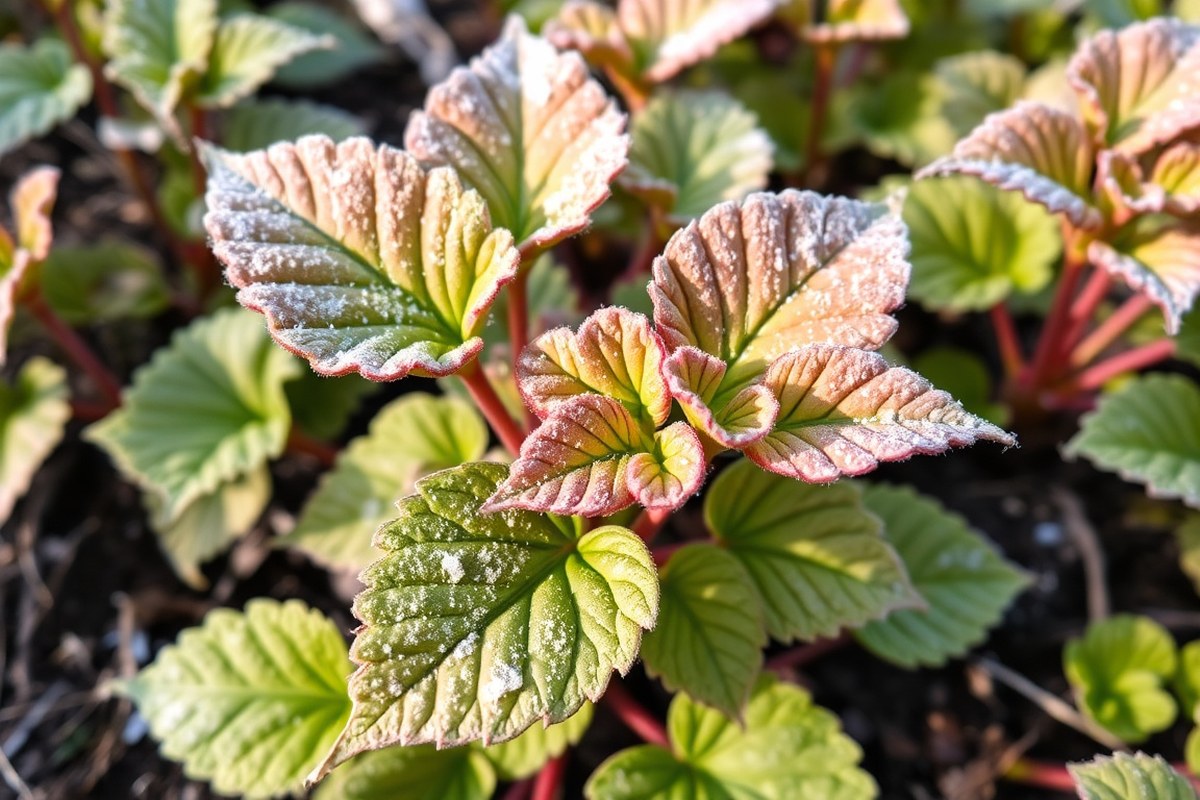
Below zone 9, frost usually kills calibrachoa’s above-ground parts. For example, even light frost slightly below freezing can cause the foliage to die back.
Moderate to hard frost, especially below 25°F (−4°C), often kills the plant entirely. Soil freezing can damage roots, making outdoor survival unlikely.
Calibrachoa are frost-sensitive. Their return depends on winter lows. This varies by your region’s coldest temperatures.
The key rule is the local minimum temperature. Your plants might survive outside if it stays above 25°F (−4°C). Winter colder than that means your plants need indoor protection.
Microclimates can help. South-facing walls or heavy mulch can reduce cold damage in borderline zones 9 and 10. Even with care, your plants may not survive the winter.
In colder zones, treating calibrachoa strictly as annuals is simpler and safer. Most gardeners expect to replant each spring unless they provide winter care inside.
How to Overwinter Calibrachoa Indoors Successfully
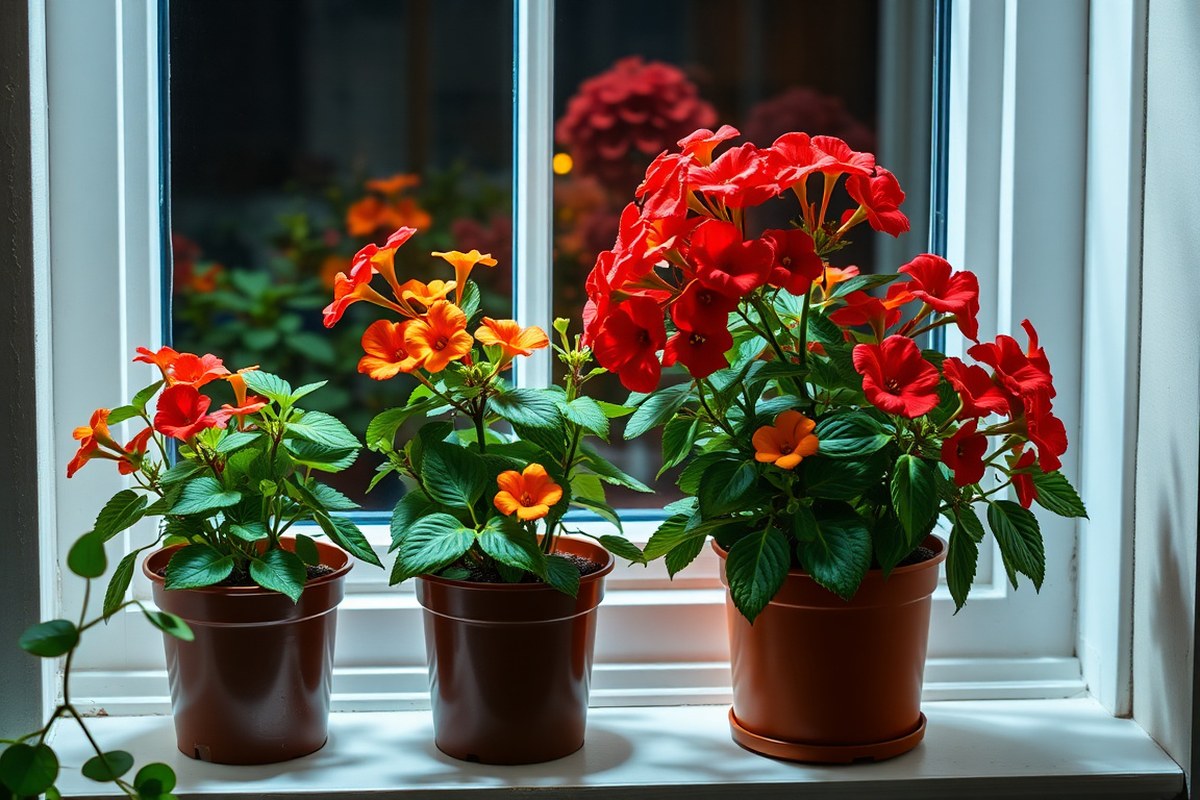
Bring calibrachoa indoors before the first hard frost hits. Keep them in a bright, cool spot with temperatures between 50 and 57°F (10 to 14°C).
Water lightly only when the soil’s top 2 inches feel dry. This usually happens about once every 3 to 4 weeks.
Choosing the Right Indoor Location
Select a spot near a south- or west-facing window for the best light. Calibrachoa need at least 6 hours of direct sunlight daily to stay healthy indoors. Avoid places near heating vents or drafty windows to stop sudden temperature shifts.
Before moving plants indoors, prune stems to about 4 inches. This helps reduce stress and keeps the plants manageable through winter.
Empty excess soil from baskets when the soil feels soggy or heavy. This helps improve air circulation around the roots.
Managing Light and Temperature Indoors
Keep calibrachoa in a location that stays between 50 and 57°F (10, 14°C). Cooler temperatures like this help slow growth and reduce water needs during dormancy. Ensure the site gets bright light for several hours daily, preferably direct sunlight.
Use a grow light for 6 hours per day when natural light is limited. Position it about 6 to 12 inches above the plants for best effect. Avoid warmer spots to prevent the plant from growing too fast or using too much water.
Watering Schedule and Soil Moisture Control
Water calibrachoa only when the top 2 inches of soil are dry. This usually means watering every 3 to 4 weeks during winter. The soil should feel like a damp sponge, moist but not soaked.
Don’t let the soil dry out completely, or the plant may suffer root damage. Avoid overwatering too; soggy soil can cause root rot. Use pots with drainage holes to keep moisture balanced.
Check soil moisture by sticking your finger into the soil to avoid watering mistakes.
Using Unheated Garages or Sheds
An unheated garage or shed can overwinter calibrachoa if temperatures stay above 40°F (4°C). The space should get some indirect light or occasional sun to keep the plant healthy. Too cold or dark spots will cause the plant to die back completely.
Place plants away from cold doors or drafts inside these spaces. Check soil moisture more often to prevent drying out. Keep plants indoors with stable conditions during severe winter weather.
- Identify the first expected frost date in your area.
- Prune calibrachoa stems to 4 inches before bringing them inside.
- Remove excess soil if pots are heavy or soggy.
- Place plants near bright south- or west-facing windows.
- Maintain indoor temperatures between 50 and 57°F (10, 14°C).
- Water only when the top 2 inches of soil are dry, about every 3, 4 weeks.
- Avoid placing plants near heat sources or cold drafts.
- Supplement with a grow light for 6 hours daily if light is insufficient.
Best Overwintering Methods Compared by Success Rate
Calibrachoa overwintering uses three main ways. One is indoor dormant storage. Another is growing actively inside.
The last is propagation from cuttings. Among these, propagation generally has the highest success rate, often 75% or more. Each way has its pros and cons depending on your space, time, and patience.
Indoor Dormant Storage Method
This method means keeping your Calibrachoa plants dry and cool but not frozen during winter months. Temperatures around 40°F (4°C) work well without growth, saving energy for spring. Cut the plant back to 4 to 6 inches.
Then, put it in a cool spot. Make sure the area has low light.
Dormant plants need less water during this phase. Too much water or heat causes rot or drying out. Be careful to avoid these problems.
Plants stay inactive, so there’s no new growth until warmer days arrive. Thin mulch and wind barriers outdoors sometimes tip survival chances in mild zones above freezing.
Active Indoor Growing Method
This method grows plants indoors under bright light. Keep the temperature near 65 to 70°F (18 to 21°C). It keeps the plants active during winter.
You’ll need grow lamps or sunny windows, watering regularly but not overdoing it. Pinching back leggy stems every 10, 14 days helps new branches form.
It requires more daily care but keeps blooming almost year-round when done right. Pests are more likely indoors, so watch for bugs and disease. This method may cost a bit more in electricity and time compared to dormant storage.
Propagation from Cuttings Method
Propagation from cuttings gives the best success rate. It reaches about 75% or higher. You get new healthy plants every spring this way.
Before frost, take 2 or 3 cuttings from good stems. Then root them indoors in water or moist soil.
This helps start new plants for next season. They grow fresh roots within 10, 14 days under 65°F to 75°F (18°C to 24°C) warmth.
Propagation avoids the risk of old plants failing to revive. It takes less space and lets you multiply your collection.
You lose the original older plant. But the cuttings often flower sooner and stronger the next season.
Here’s a simple comparison table of these overwintering methods:
| Method | Survival Rate | Key Care Requirements | Costs & Risks |
|---|---|---|---|
| Indoor Dormant Storage | 40%, 60% | Cool 40°F spot, low light, minimal water | Risk of drying or rot; minimal energy cost |
| Active Indoor Growing | 50%, 70% | Bright light, 65, 70°F, regular watering & pinching | More daily care; possible pest problems; higher energy use |
| Propagation from Cuttings | 75% or higher | Take 2, 3 cuttings; root indoors at 65, 75°F; moist medium | Time to root; loss of original plant; space saving |
Each method fits different gardeners’ needs. Dormant storage needs the least work but risks plant loss without careful control of moisture.
Active growing keeps warmth and growth but takes effort daily. Propagation gets you new plants with a good chance of blooming strong next season.
Pruning and Watering Tips to Maximize Overwintering Success
Pruning calibrachoa before winter helps the plant rest and grow back strong. Avoid cutting the plant after a hard freeze.
Doing so can cause frost damage and weaken the roots. Instead, prune while temperatures are above 40°F to reduce stress.
Follow these steps for effective pruning before winter sets in.
- Check your plant for dead or damaged stems. Remove those first to prevent disease.
- Cut back long branches by about one-third. Leave some green growth to protect buds.
- Use clean, sharp pruning shears to make smooth cuts. This helps prevent infection.
- Aim to finish pruning about two weeks before the first expected frost. This gives the plant time to heal.
- Dispose of clippings away from your garden to reduce pest risks.
Watering overwintered calibrachoa requires balance. Overwatering can cause root rot, while underwatering stresses roots. Check soil moisture before watering to avoid problems.
Follow this watering checklist to keep roots healthy during cold months:
- Water only when the top inch of soil feels dry.
- Use room-temperature water to avoid shocking the roots.
- Water deeply but infrequently to encourage strong root growth.
- Ensure containers or soil have good drainage to prevent standing water.
- Reduce watering frequency as temperatures drop below 45°F since roots need less moisture.
Root rot becomes a risk when water pools or stays too long near roots. Mushy, dark roots with a bad smell are clear warning signs. Keep soil evenly moist, avoid soggy conditions, and watch for these symptoms.
Proper pruning limits disease entry points. Careful watering prevents rot, helping your calibrachoa survive winter better.
Soil, Containers, and Microclimate Factors That Affect Overwintering
Calibrachoa plants need a well-draining, porous soil mix to stay healthy through winter. Use a mix of 50% potting soil, 30% perlite, and 20% compost. This blend prevents waterlogging while keeping enough moisture for the roots.
Repotting every year isn’t always necessary unless the soil gets compacted or depleted. Fresh soil boosts nutrient levels and improves drainage, which helps roots stay strong. When repotting, choose a container slightly larger but keep in mind root confinement can limit growth.
Drainage holes are important to avoid soggy roots that cause rot during winter. Containers that hold too much water can freeze, damaging the roots.
Larger pots retain moisture longer but dry slower. So choose container size based on whether you’ll move the plant indoors or leave it outside.
Microclimates can make a big difference outdoors. A spot shielded from wind and frost, like near a south-facing wall, can keep plants warmer. Cold drafts or sitting in a low spot where frost settles can quickly kill overwintering calibrachoa.
If you live in colder areas, bring container plants indoors before temperatures drop below 40°F. Indoors, plants dry faster. So water carefully to keep soil moist but not wet.
Outdoor beds offer natural insulation but don’t move. So protect plants with mulch or covers there.
Always check for good drainage before winter; frozen, soggy soil kills calibrachoa roots fast.
Propagation Techniques to Preserve Calibrachoa Year After Year
You can keep calibrachoa plants year after year by propagating them. Taking cuttings is more reliable than starting from seeds. You get faster results and keep the parent plant’s traits intact.
Preparing Cuttings for Rooting
Cuttings give you clones of your plant, so each new plant looks the same. Choose healthy stems without flowers. Remove any leaves on the lower part to prevent rot and focus energy on rooting.
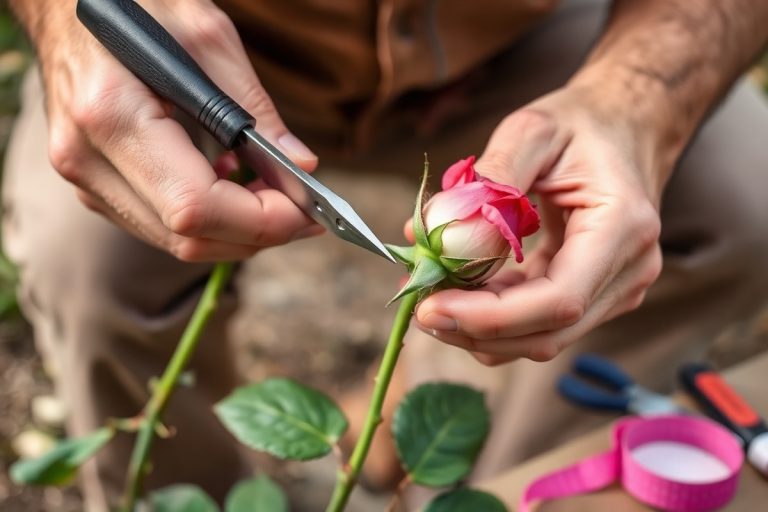
Use sharp scissors or pruners for cutting. Cut 3- to 4-inch stems. Make the cut just below a leaf node.
Strip off the bottom leaves, leaving two or three leaves at the top. Don’t take cuttings from woody or older stems.
They root slower. Sometimes, they won’t root at all.
Best Rooting Media and Hormones
Calibrachoa cuttings root best in a light, well-draining rooting medium. Use peat moss mixed with perlite or vermiculite. This mix holds moisture.
It also lets air circulate. Avoid heavy soils that stay too wet and cause rot.
Dip the cut end of each cutting in a 0.1% indole-3-butyric acid (IBA) rooting hormone gel. The gel form encourages faster rooting and cuts failure rates compared to powders. Applying rooting hormone boosts root growth and helps cuttings recover faster.
Timing and Environmental Conditions
Start your cuttings in early spring or late summer for best success. The growing conditions should be warm, around 65°F to 75°F (18°C to 24°C) with indirect light. Temperatures below 60°F slow rooting, and direct sun can dry out cuttings too fast.
Keep the rooting medium moist, but not waterlogged. Mist it often. You can also cover cuttings with plastic.
Remove the cover periodically to let fresh air in and prevent mold growth. Roots usually form within 2 to 3 weeks under ideal conditions.
Follow these steps to propagate calibrachoa from cuttings:
- Cut 3- to 4-inch healthy, non-flowering stems just below a leaf node.
- Remove leaves from the bottom 1 to 2 inches to prevent rot.
- Dip the cut end into 0.1% IBA rooting hormone gel.
- Plant cuttings 1 to 2 inches deep in moist peat and perlite mix.
- Cover with a plastic dome or bag to keep humidity high.
- Place in indirect light with temperatures between 65°F and 75°F.
- Check moisture daily, mist if medium begins to dry out.
- Remove the dome occasionally to allow fresh air and reduce mold risk.
Signs Your Calibrachoa Is Successfully Overwintering
Signs your calibrachoa is coming back start with tiny shoots appearing after dormancy. Expect these first new growths anywhere from 10 to 21 days after temperatures rise above 50°F. The plant’s woody base may look dry but still stay firm.
If it feels soft or blackened, the plant likely did not survive winter. Check the base’s texture to know if it’s alive.
Watch for swelling buds along stems, usually near the cut points made before frost. These buds will start to open, showing green leaves within two weeks of the first shoots.
This stage is important. So avoid heavy watering, which can rot roots during early regrowth.
To help your plant bounce back, gently prune dead or brittle twigs as new growth begins. Applying a balanced fertilizer like fish emulsion (5-1-1) at this time supports leaf and flower development. Keep calibrachoa in a spot with morning sun and some afternoon shade for the best results.
- First shoots visible 10-21 days after consistent 50°F+ temperatures
- Woody stems should be firm, not soft or blackened
- Swollen buds appear near pruning points before leaf growth
- Prune dead branches to encourage fresh shoots
- Apply fish emulsion fertilizer when new leaves show
- Provide morning sun with afternoon shade for regrowth
- Avoid overwatering before active growth starts
Gardeners in colder zones sometimes see slower regrowth or fewer shoots. Those in warmer zones, like zone 9, might notice quicker leaf development, especially in sheltered spots. Your plant shows no growth after three weeks of warm weather.
You might need to replace it now. Act if you see no signs of life.
Common Overwintering Mistakes and How to Fix Them
Overwatering is a common mistake that often kills overwintered calibrachoa. These plants do better when soil dries slightly between waterings. Check soil moisture weekly during winter to avoid soggy roots, which cause rot.
Poor lighting can also weaken your overwintered calibrachoa. They need bright, indirect sunlight for at least 6 hours a day indoors. Move your plant closer to a south-facing window or add a grow light when you see thin, leggy growth or faded flowers.
Late frost exposure after new growth emerges is another killer. Tender shoots don’t tolerate freezing temperatures.
So protect your plant by bringing it indoors or covering it on cold nights. Avoid pruning too early since new shoots can be frost sensitive.
- Avoid watering more than once a week during dormant months.
- Keep calibrachoa near bright windows or use supplemental LED grow lights.
- Check daily for signs of frost damage like blackened tips and pinch off damaged growth promptly.
- Prune only after hard frost risk is over to encourage a strong start.
- Ensure well-draining soil and containers to prevent standing water around roots.
- Watch for pests hiding in dense stems and remove to improve airflow.
You can revive a dying overwintered plant by adjusting care quickly. Cut back any dead or mushy stems to healthy wood.
Repot in fresh, well-draining soil if roots look slimy or smell bad. Reduce watering to let roots dry and recover.
Increase light gradually and avoid fertilizing until new growth appears. Taking these steps lets your calibrachoa bounce back without stressing it further. Keep checking soil moisture during the plant’s recovery.
Also, watch the temperature closely. This helps your plant grow well.
Check daily for frost risks and bring your plant indoors whenever temperatures dip below 32°F.
Step-by-Step Action Plan to Overwinter Calibrachoa
Follow these steps to help your calibrachoa survive winter and come back next year. Each step shows you how to check if your plant is doing well.
- Before the First Frost: Trim back the plant by one-third to reduce stress. Healthy new growth means the plant is ready for winter.
- Just After Frost Starts: Bring your calibrachoa indoors or move it to a frost-free spot. Leaves should stay green and firm after a week inside.
- First Week Indoors: Place the plant in a bright window but out of direct sun. Watch for wilting or yellow leaves, adjust light if needed.
- Week Two: Water only when the soil feels dry about an inch down. Overwatering causes root rot, so soil should not stay soggy.
- Month One: Check the plant weekly for pests and damaged leaves. Remove anything unhealthy to keep the plant strong.
- Before Spring Arrives: Gradually move your calibrachoa back outside on sunny days. If new growth appears, it means the plant is waking up.
- Early Spring: Repot with fresh soil if roots look crowded. Healthy roots are white and firm, not mushy or brown.
- After New Growth Starts: Resume normal watering and feeding to help the plant thrive. Your calibrachoa is ready to bloom again soon.
Frequently Asked Questions
Do Calibrachoa Plants Come Back Every Year in All Climates?
No, calibrachoa only comes back in zones 9-11 or with proper overwintering. It dies in frost-prone areas and needs indoor care to survive winter in colder climates.
Can You Grow Calibrachoa as a Perennial in a Pot Indoors?
Yes, you can keep calibrachoa as a perennial plant indoors. It needs enough light and careful watering. This helps it survive year after year in pots.
Calibrachoa needs bright indirect light to grow well. Water only when the top 2 inches of soil are dry. This prevents overwatering and root problems.
How Long Does It Take for Calibrachoa to Bloom After Winter Care?
Calibrachoa typically blooms again about 6 to 8 weeks after coming out of dormancy. Proper pruning and steady light boost faster flowering once spring arrives.
Will Calibrachoa Survive a Mild Winter Without Protection?
In mild winters without frost, calibrachoa can survive outdoors and come back in spring. The plant is sensitive to temperatures below 1-5°C, so frost harms it.
Should You Fertilize Calibrachoa During Overwintering?
Light feeding during winter helps maintain healthy growth but avoid heavy fertilizing. Use a diluted balanced fertilizer once a month to support the plant without forcing growth.
Does Calibrachoa Lose Hardiness If Overwintered Incorrectly?
Yes, poor overwintering weakens calibrachoa and can kill it by early spring. Consistent care with controlled temperature, pruning, and watering prevents stress and loss of viability.
The Bottom Line
Calibrachoa usually don’t come back outdoors every year unless you protect them from cold. Start by preparing your plant properly for winter indoors. Then watch for steady growth to know your efforts worked.