How to Trellis Tomatoes for Best Growth: 8 Effective Methods and Pro Tips
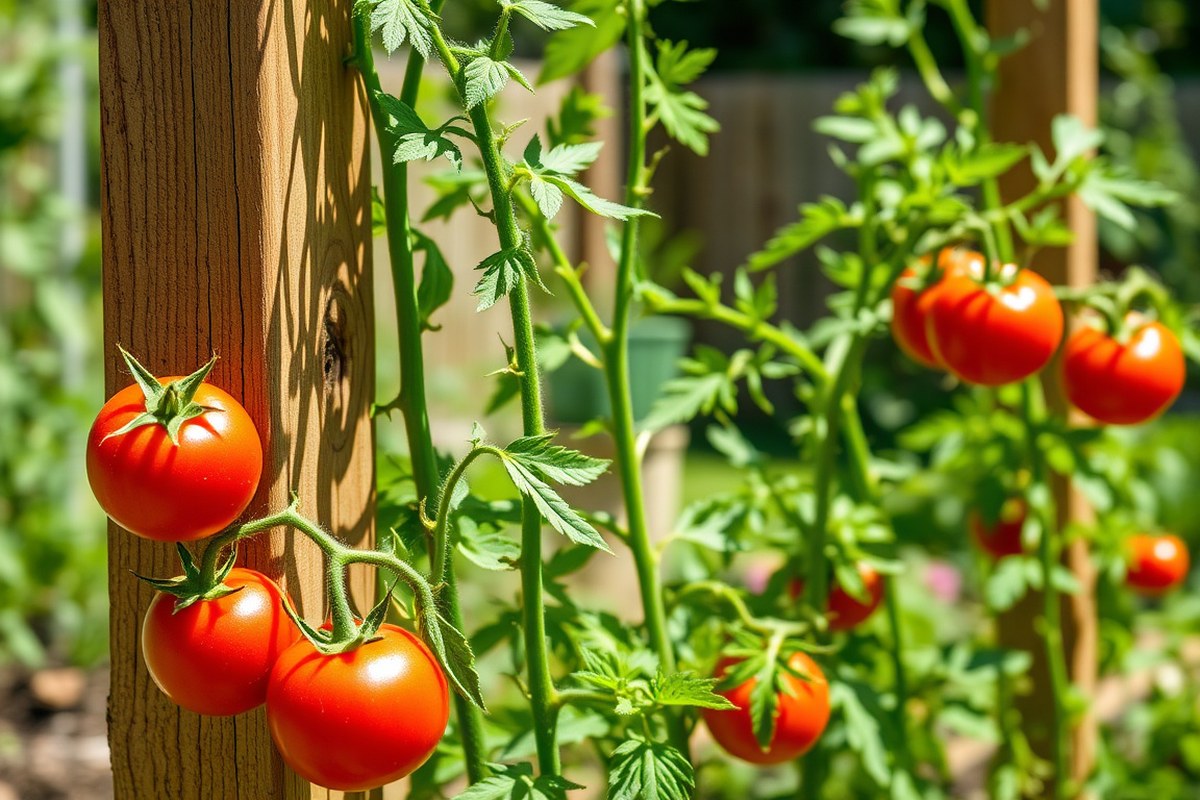
Learning how to trellis tomatoes can boost your garden’s yield and grow healthier plants. The easiest way is to support plants as they grow, preventing fallen branches and fruit rot. Start trellising when tomato plants reach about 12 to 18 inches tall for the best results.
Use sturdy materials like wooden stakes, T-posts, or cage panels to hold up your tomatoes. Space your tomatoes well, usually 18 to 24 inches apart.
So each plant has room to grow. Choose a sunny spot where tomatoes get at least 6 to 8 hours of sunlight daily.
Keeping your trellis stable means pushing it about 8 inches into the soil, which stops wobbling. For taller, indeterminate tomatoes, your trellis should reach at least 6 feet to support long growth. Watch your plants closely as they grow.
This helps you spot sagging early. Fix problems before fruiting starts.
Key Takeaways
- Begin trellising when tomato plants reach 12 to 18 inches tall.
- Space determinate tomatoes 18 to 24 inches apart along the trellis.
- Use support poles placed every 12 feet for long rows of tomatoes.
- Push stakes or panels about 8 inches into the soil for stability.
- Choose trellis height based on tomato type: about 3-4 feet for determinate.
- Indeterminate tomatoes need trellises at least 6 feet tall for tall growth.
1. How to Trellis Tomatoes Step-by-Step
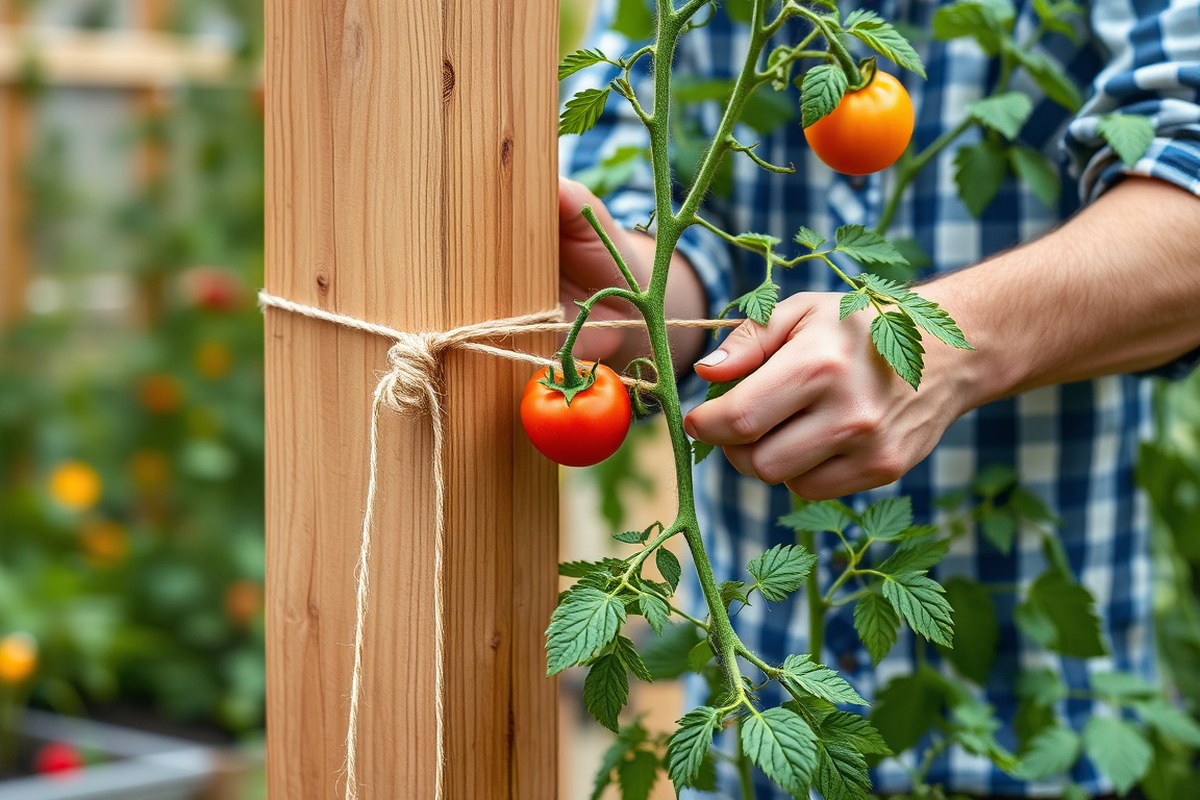
Start trellising your tomato plants when they grow about 12 to 18 inches tall. Set up strong supports early for your tomato plants. Tie the vines loosely every 6 to 12 inches.
Make sure the ties allow room for growth as they climb. Prune your tomato plants often by removing suckers and lower leaves.
This helps the plant focus on growing fruit. It also prevents the plants from getting too crowded.
Installing Trellis Supports Early
Set up your stakes or posts before or right when you plant your tomatoes. Use supports that are 6 to 8 feet tall for your tomatoes. This size handles growth well, especially for tall indeterminate types.
Taller supports keep the plants steady. Drive stakes 12 to 18 inches deep into the soil for strength.
Place them about 3 to 4 inches from the plant’s base. This setup gives strong support to your tomatoes.
Choose the right number of posts depending on your planting area and the trellis style. For rows, space strong posts about 12 feet apart with heavy wire in between. This helps keep vines upright and improves air circulation.
Properly Tying Tomato Vines
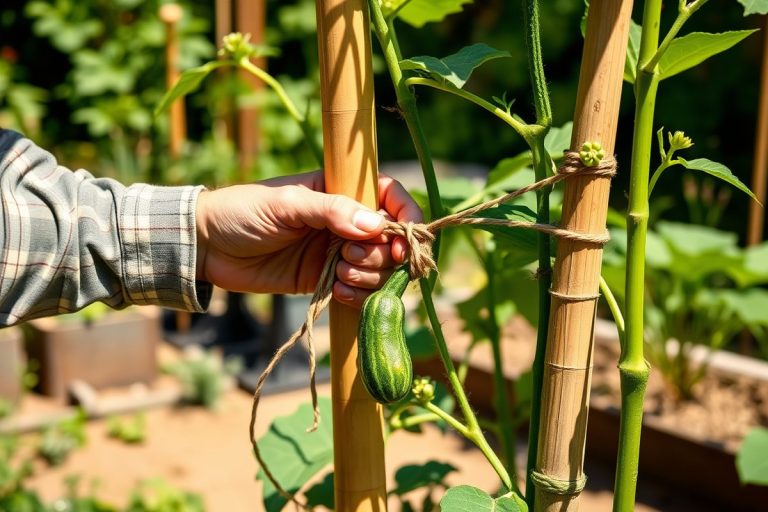
Tie your tomato vines loosely to the supports as they grow taller. Use soft twine or cloth strips to avoid cutting into the stems. Attach ties every 6 to 12 inches along the tomato vine.
This keeps the vine from sagging under heavy fruit. Proper tying helps avoid damage to the plant.
Make loose knots that hold the vine but still allow movement and growth. Adding new ties regularly helps support the plant’s weight and directs growth upward. Avoid tight ties, which can bruise the plant and slow growth.
When and How to Prune
Prune your tomato plants early and regularly to keep them healthy and productive. Start by removing suckers, small shoots between the main stem and branches. This focus the plant’s energy on fruit rather than extra leafy growth.
Also, trim lower leaves that touch the soil to reduce disease risks and improve airflow. Pruning is especially important for indeterminate tomatoes because they grow tall and bear fruit all season. Determinate varieties need less pruning but can still benefit from it.
- Drive a 6-8 foot stake about 12-18 inches deep near each plant at planting time.
- Use soft twine or cloth to tie the tomato stem loosely. Do this every 6 to 12 inches as the plant grows. Loose ties protect the stem and allow movement.
- Check ties regularly and add new ones to prevent sagging or bruising.
- Remove suckers growing between the main stem and branches to focus fruit production.
- Prune lower leaves that rub the ground to prevent disease.
- Support vines vertically using stakes or trellis wires to improve airflow and light.
- Adjust or replace ties and supports as the tomato plant gets larger and heavier with fruit.
2. Choosing the Right Trellis Method for Your Tomato Variety
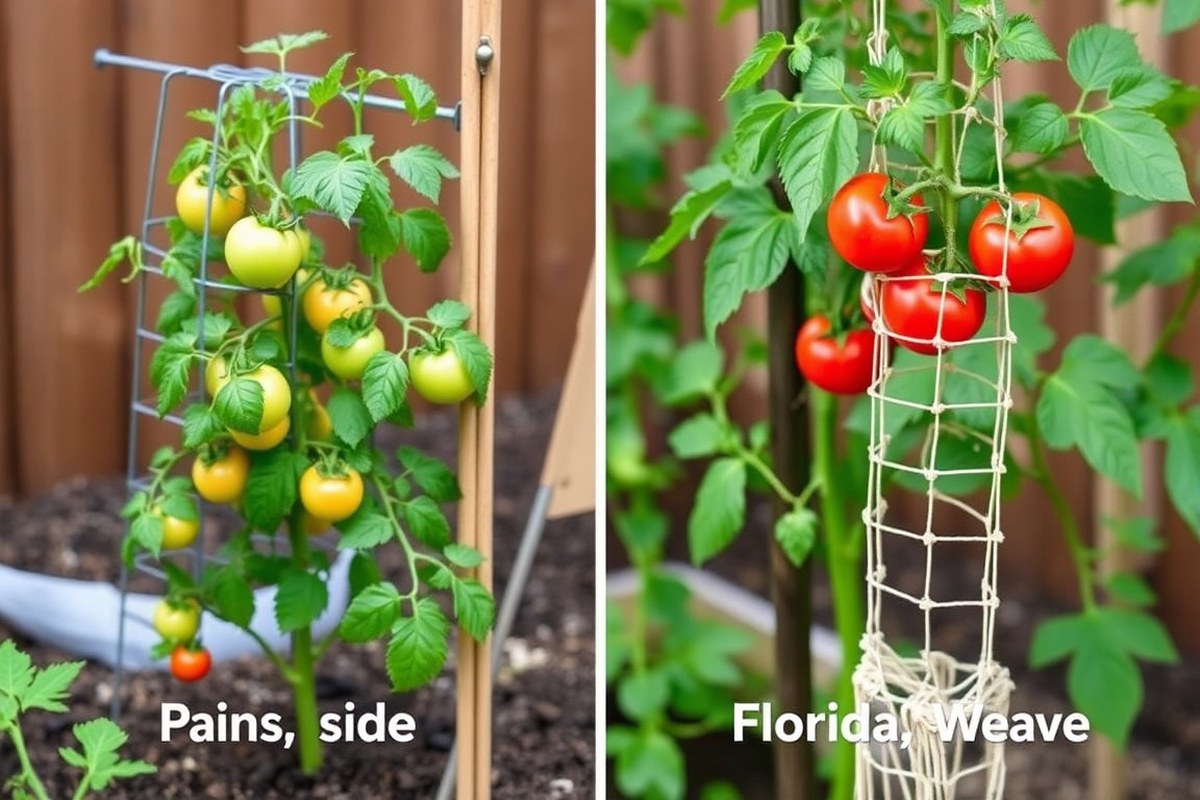
Choosing the right trellis method depends on your tomato type and garden setup. Determinate tomatoes prefer cages or the Florida weave for bushy growth. Indeterminate tomatoes need taller, sturdier support like string trellises or stakes.
Tomato Cage Benefits and Drawbacks
Cages are best for determinate tomatoes because they grow smaller and bushier. They keep plants contained and make harvesting easier in small spaces. However, pre-made cages often don’t support the tall, heavy vines of indeterminate types well.
Some larger cages can hold indeterminate plants if tall enough. But flimsy cages may collapse.
Determinate plants don’t need heavy-duty cages which keeps your cost and effort down. Cages work well in containers or tight spots where tall trellises aren’t practical.
Florida Weave for Long Rows
The Florida weave suits long rows of determinate or semi-determinate tomatoes that grow bushy. It uses stakes placed every 3 to 4 feet in a row. Strong twine weaves around the plants in a figure 8 shape.
This support method keeps plants sturdy and upright. This technique holds up multiple plants while giving airflow and easy access.
It also supports heavier fruit by distributing weight across twine lines. The Florida weave demands some twine replacement midseason but keeps stakes upright without big structures. This makes it an affordable choice for larger gardens growing many tomato plants in rows.
String and Stake Systems
String trellises excel with tall indeterminate tomatoes that vine upward all season. You tie individual plants to vertical strings secured above and below. This approach lets vines grow tall while keeping fruit off the ground for better health.
Single stakes with string are good if you have just a few plants and limited space. Stakes should be 6 to 8 feet tall for indeterminate types. String trellises cost less than cages and can be adjusted as plants grow.
Use this table to pick your trellis method based on tomato type and available space:
| Trellis Method | Best Tomato Type | Garden Layout | Support Strength | Typical Cost |
|---|---|---|---|---|
| Cage | Determinate, some Indeterminate | Small containers or limited space | Low to Moderate | $10 to $25 per cage |
| Florida Weave | Determinate, Semi-determinate | Long rows in-ground | Moderate to High | Under $10 for stakes and twine |
| String Trellis | Indeterminate | Vertical garden or trellis frame | High | Minimal, mostly twine and stakes |
| Single Stake | Determinate, few Indeterminate plants | Small spaces, few plants | Moderate | About $5 per sturdy stake |
Pick your method by matching tomato type with space and support needs first. Don’t use small cages on tall, heavy vines; they will fall.
For rows, the Florida weave is strong and tidy. For few indeterminate plants, string and stakes help you keep height and fruit off dirt.
Put cages or stakes in place when planting to avoid damaging roots later.
3. Materials Needed to Build a Strong Tomato Trellis
You’ll need sturdy stakes or posts 6 to 8 feet tall for tomato trellising. Use soft twine or cloth strips to tie plants without damage. Choose durable metal panels or wood supports based on cost and reusability.
Types of Stakes and Posts
Wooden stakes measuring 1″x1″ or 2″x2″ work well for tomatoes. Drive them 12 to 18 inches deep to keep them stable in normal garden soil. Metal T-posts offer greater strength and can last many years.
Cattle panels made from metal mesh provide strong vertical and horizontal support. They attach easily to posts and hold heavy tomato vines without sagging. Wooden stakes may only last two seasons, while metal panels can last decades.
Twine and Tying Materials
Use soft garden twine like jute or baling twine to tie tomato stems gently. These options are affordable, customizable, and won’t cut into stems or branches. Cloth strips or biodegradable tomato clips make good plant-friendly ties too.
Avoid uncoated wire, fishing line, or nylon zip ties. They can hurt plants or rust over time. Twine rolls can last several seasons, making them cost-effective and eco-friendly for ongoing use.
- Jute or baling twine for reusable and soft tying
- Cut fabric strips for biodegradable, gentle ties
- Soft plant clips for easy attachment and adjustment
- Avoid sharp wire or plastic ties that damage plants
Regular tying as plants grow supports the stems and prevents breakage. Use several ties per plant if needed, especially for heavy fruit branches.
Additional Hardware and Tools
Hammer or mallet is essential to drive stakes deeply into the soil. Wire cutters or scissors help trim twine and remove old ties quickly. Gloves protect your hands from splinters and scratches while working.
Use zip ties or wire to attach metal panels to posts in three or four places. You’ll need help for this, two people make it easier. Optional supports such as PVC pipes add strength to trellises.
- Hammer or mallet for driving stakes
- Wire cutters or scissors for trimming twine
- Gloves to protect hands
- Zip ties or wire for fastening panels to posts
- Optional PVC or rebar for extra support
4. How to Space and Plant Tomatoes for Trellising Success
Determinate tomatoes stop growing once they reach a certain height. Space each plant 18 to 24 inches apart. This gives them enough room to grow well.
They usually do well in a single row or a simple trellis setup. Indeterminate tomatoes keep growing taller, sometimes 5 to 8 feet. Give tomato plants about 24 to 30 inches between each one.
This spacing helps them spread out and grow upward. It also makes training the vines easier.
Put stakes about 2 inches from each tomato plant’s stem. Place the stakes right next to the plant base. This keeps the roots safe from damage.
This spot lets you easily tie stems as they grow without bending or breaking them. For tomato panels, plant tomatoes in double rows 2 feet apart.
The vines at the ends can then be trained around the panels. This gives even support to all vines.
Good spacing improves airflow around plants, which helps reduce fungal diseases like blight. With better circulation, leaves dry faster after rain or watering, lowering disease risk.
Proper spacing also means your trellises won’t be overcrowded with leaves and fruit. So you can easily harvest and prune without damaging plants.
- Plant determinate tomatoes 18 to 24 inches apart in single rows.
- Space indeterminate tomatoes 24 to 30 inches apart for vertical growth.
- Use double rows 2 feet apart for panel trellising setups.
- Set stakes about 2 inches from plant bases to protect roots.
- Train indeterminate varieties carefully to prevent sprawling.
- Good airflow helps fight early and late blight disease.
- Avoid overcrowding to make harvesting and pruning easier.
Spacing depends on your tomato variety and trellis style. Double rows work well for panel trellises with indeterminate tomatoes.
Determinate types don’t need as much room because they stay compact. Overcrowding can cause weak plants and lower yields, especially if airflow suffers and disease takes hold.
5. Common Trellising Mistakes and How to Fix Them
Tying tomato plants too tightly can cause serious damage. It restricts stem growth and cuts off nutrients. Use soft ties like cloth strips or bungee cords.
Leave about a half-inch space for growth. This helps avoid damaging the plant stems.
Weak supports often buckle under heavy fruit loads. Thin stakes or flimsy cages can’t hold up large tomatoes like beefsteak varieties. Choose thicker stakes or build an A-frame trellis.
Use pallet sides tied securely for extra strength. It will stand strong against wind and weight.
Starting trellising too late means vines might already sprawl on the ground. This raises disease risk and makes later tying harder.
Prune straggly branches, gently lift vines, and begin tying at the nearest support points. Then keep training new growth upward to tidy the plant quickly.
- Don’t use wire or string ties without padding to prevent stem damage.
- Check trellis stability early and add braces if it leans or wobbles.
- Train tomato vines every week during the growing season to avoid tangles.
- Space ties at 8-12 inch intervals along the main stem for even support.
- Use heavier stakes or multiple supports for tall indeterminate varieties.
- Remove fallen leaves promptly to reduce fungal spores on soil.
- Start trellising seedlings once first true leaves appear for best control.
Tight ties can cut stems and stunt growth; always keep some slack.
Without proper support, tomato vines collapse, hurting yield and fruit quality. Trellising early and regularly helps keep fruit clean from soil and improves air circulation. It requires little time weekly but pays off with larger harvests and fewer sick plants.
6. Maintaining and Adjusting Tomato Trellises Through the Season
- Add new ties or layers of twine every 6 to 10 inches as plants grow. This keeps stems supported without cutting off circulation.
- Check plants weekly for loose ties or sagging branches. Replace or add ties to hold heavy stems upright.
- Prune suckers regularly in the single-stem method to prevent overcrowding. This helps air flow and reduces disease risks.
- Reinforce trellis supports once the plants reach about 3 feet tall. Use extra stakes or secure cages for tall, heavy plants.
- Use tomato trellis clips for quick tying. They hold strings gently but securely around stems without damaging them.
- Pinch off top growth when plants get taller than your trellis height. This slows growth and keeps plants manageable.
- For very tall indeterminate tomatoes, build cages from concrete mesh. Use strong rebar shaped into circles for support. This keeps plants standing tall and stable.
Tomato plants need steady support and pruning through the growing season. Add new twine layers every 6 to 10 inches as plants grow. This helps hold branches upright.
It supports heavier tomato loads better. This prevents broken stems and makes harvesting easier.
Tie loosely so the stems don’t get strangled or damaged. Check the ties weekly and replace or add more when needed.
Heavy tomato plants often need extra support around midseason. Add stakes or braces to avoid trellis collapse.
Pruning off suckers lets you focus the plant’s energy on fruit, keeping it tidy. When plants are tall or heavy, cut back the tips to control size.
For big indeterminate tomatoes, sturdy circular cages made from mesh or rebar work best. These hold the whole plant securely and make pruning simple.
7. Safety Tips for Building and Using Tomato Trellises
Drive stakes at least 1 to 2 feet deep for solid support. Stakes should stand 5 to 6 feet above ground, tall enough for your tomato variety. Stick to wood, metal, or bamboo stakes that won’t bend or break under weight or wind.
Place posts 6 to 8 inches away from tomato bases to protect roots. Use a mallet or hammer and wear gloves to avoid injury.
Make sure stakes go straight down without twisting. So they don’t damage your plants or nearby irrigation.
Use soft ties like garden twine, strips of old cloth, or specially made plant tape. Tie loosely around stems to avoid pinching or bruising as plants grow. Fasten each tie in a figure-eight shape, supporting the stem without cutting into it.
- Wear gloves and eye protection when hammering stakes into the soil
- Check for underground pipes or wires before installing posts
- Use a sturdy hammer or mallet, driving stakes straight down
- Keep ties loose to allow stem growth and prevent damage
- Avoid metal wire directly on plants; wrap it in soft material
- Install stakes early, before plants develop heavy vines or fruit
- Re-tie stems every 1 to 2 weeks as your plants grow
Sharp tools need careful handling to avoid cuts or scrapes. Always cut ties cleanly to prevent fraying and tangling around stems. Check trellis stability often.
Fix any loose stakes right away. This keeps your tomatoes safely supported all season.
8. How to Choose Trellis Height and Strength for Your Garden
Determinate tomatoes grow short and bushy. So stake or cage them about 4 to 5 feet tall.
Indeterminate types need taller supports, at least 6 feet high, to handle their long vines. Choose stakes or cages higher than the expected plant height to avoid cutoffs during growth.
Strong, durable materials hold up better under heavy fruit weight. Heavy-gauge steel cages, coated to resist rust, work well and last multiple seasons.
Wooden stakes can support plants but often rot or break. So use hardwood or pressure-treated wood if you prefer wood supports.
To future-proof your trellis, pick sturdy materials and extra height. Steel cages 6 feet or taller help strong plants grow well. They support vigorous tomato varieties with many branches.
You get bigger, healthier plants this way. You want a trellis that holds heavy fruit and strong winds.
It should not bend or break under pressure. Choose trellises built for strength.
Use ties that do not cut into tomato stems. Check supports often as plants grow heavier. Replace or fix loose ties right away.
Buy cages or stakes with wire at least 1/4 inch thick. Solid wood stakes also work well. Thin metal bends too easily under fruit weight.
For large gardens, systems with multiple strong vertical posts and horizontal supports keep clustered tomatoes upright. Avoid light, flimsy cages that fall apart under the plant’s weight.
Remember, indeterminate tomatoes keep growing and fruiting all season. Make your trellis tall enough to support months of growth. Ensure the frame can hold heavy branches and fruit.
Strong and tall works best. Determinate types set most fruit at once. So they need less height but equally strong support during fruiting.
Step-by-Step Action Plan for Trellising Tomatoes
Follow this plan to make a strong tomato trellis. It will help your plants stay healthy. You’ll get better harvests with the right support.
- Before planting: Choose your tomato variety and pick a suitable trellis method. Confirm you have sturdy materials ready.
- Planting day: Space your tomato plants 18 to 24 inches apart. Check soil moisture and loosen soil around each spot.
- Week 1: Install the trellis system right after planting. Make sure posts are deep and stable in the ground.
- Weeks 2-4: Start tying tomato stems gently to the trellis with soft ties. Adjust ties weekly as plants grow.
- Month 2: Prune lower leaves and suckers to prevent crowding. Look for healthy airflow between branches.
- Mid-season: Check trellis strength and tighten any loose strings or supports. Replace any broken ties immediately.
- Harvest time: Support heavy fruit clusters by adding extra ties below their weight. Watch for any branches pulling away.
- End of season: Remove all ties and trellis parts before frost. Compost healthy plant material and clean tools for next year.
Frequently Asked Questions
When Should I Start Trellising Tomato Plants?
Start trellising when tomato plants reach 12 to 18 inches tall. This height gives the plants enough strength to hold the trellis ties without damage.
Can I Trellis Tomatoes Grown in Containers?
Yes, you can trellis container-grown tomatoes using smaller stakes or cages. Make sure the container is stable enough to support the trellis.
How Often Should I Tie Tomato Stems to the Trellis?
Tie stems to the trellis every 6 to 8 inches along the main stem. Use soft ties to avoid cutting into the plant.
What Type of String Is Best for Tomato Trellises?
Use soft, stretchy twine or garden tape to avoid damaging plants. Avoid rough materials that may cut stems.
Can I Reuse Trellis Materials from Last Season?
Yes, you can reuse trellis materials if they’re clean and sturdy. Inspect metal or wood for rust or rot before reuse.
How Do I Keep Tomato Plants from Sprawling on the Ground?
Trellising with stakes, cages, or strings lifts plants off the ground. This improves airflow and reduces disease risk.
The Bottom Line
Trellising tomatoes correctly helps keep your plants healthy and makes harvesting easier. Pick a trellis method that suits your space and tomato type. Start your setup early this season so your plants can grow strong and well supported.