Do Marigolds Spread? What to Expect and Control Growth
Do marigolds spread after you plant them in your garden? Yes, marigolds can spread, but mostly by self-seeding rather than by runners. You’ll often find new plants popping up nearby from dropped seeds where flowers matured.
Most marigold varieties don’t aggressively creep into garden beds. They grow outward only within a limited space, usually a foot or so wide. Knowing this helps you plan their spot without worrying about taking over.
Marigolds do not produce runners like some ground covers. Instead, they renew each year by dropping seeds that sprout nearby. This way, new plants appear where old flowers once stood.
Watching for seedlings in the soil around them gives you control. To encourage spreading, let flowers fully mature and drop seeds. To keep them contained, pull unwanted sprouts before they grow big.
Key Takeaways
- Marigolds mainly spread through self-seeding, not by root runners.
- French and Signet marigolds spread about 6 to 14 inches wide.
- African marigolds can spread 12 to 18 inches and grow taller than others.
- Spacing marigolds 8 to 18 inches helps avoid overcrowding and supports healthy growth.
- Marigold seedlings appear quickly within 5 to 10 days after planting seeds.
- Let marigold flowers mature for seeds if you want natural spread.
Do Marigolds Spread and How?
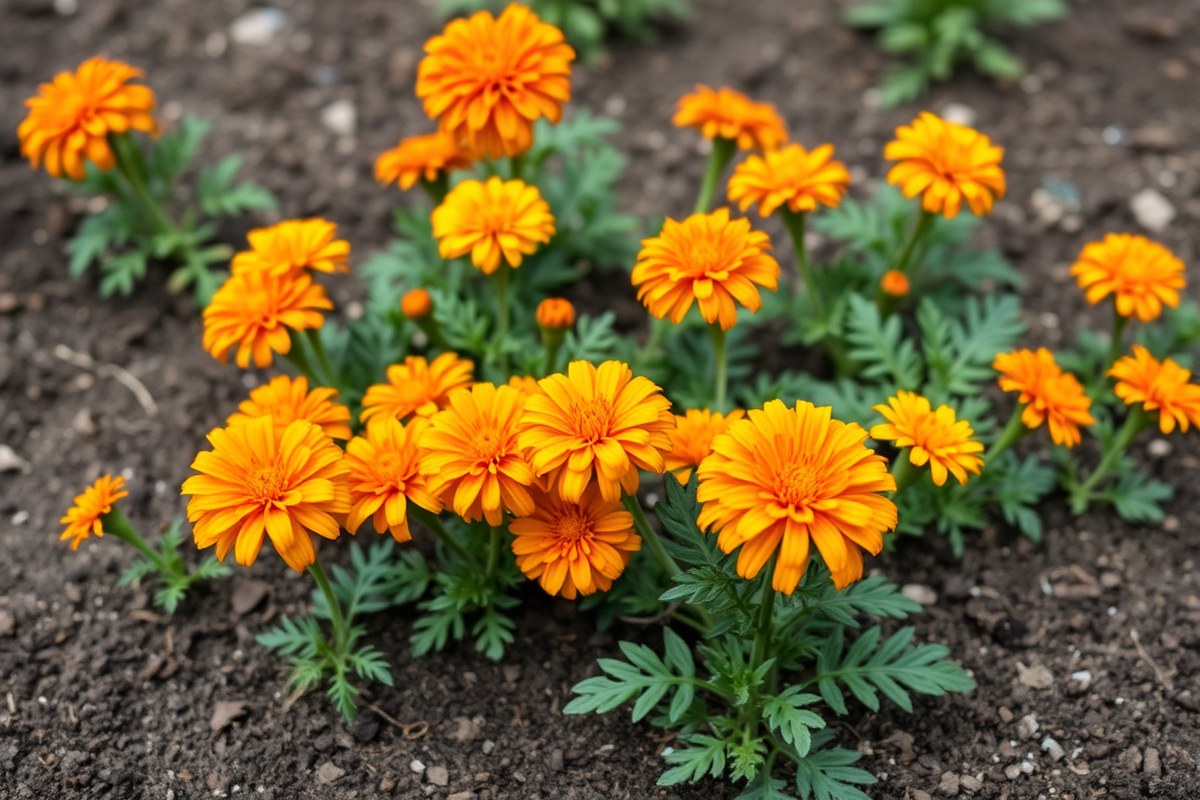
Marigolds spread in gardens mainly through seeds and rhizomes. They produce plenty of seeds that easily drop and grow new plants nearby. This seed spread quickly fills empty garden spots with bright blooms.
Besides seeds, marigolds also spread underground using rhizomes. These are horizontal stems that grow beneath the soil. New shoots pop up along rhizomes, creating clumps that slowly expand outward.
Seed spreading happens faster and covers larger areas each season. Rhizome growth is slower but helps marigolds fill tight spaces more densely. Both methods work together to give you a nice, full bed of flowers.
Knowing these spreading habits helps you plan your garden layout better. You can let marigolds take over smaller gaps using seed spread. Or rely on rhizomes for a steady, slow spread in perennial spots.
Soil quality and climate affect how well seeds or rhizomes develop. Warm, sunny locations get the best results for both types of spread. If you want marigolds to spread steadily, keep soil moist and well-drained but avoid soggy conditions.
Typical Lateral Spread of Popular Marigold Varieties
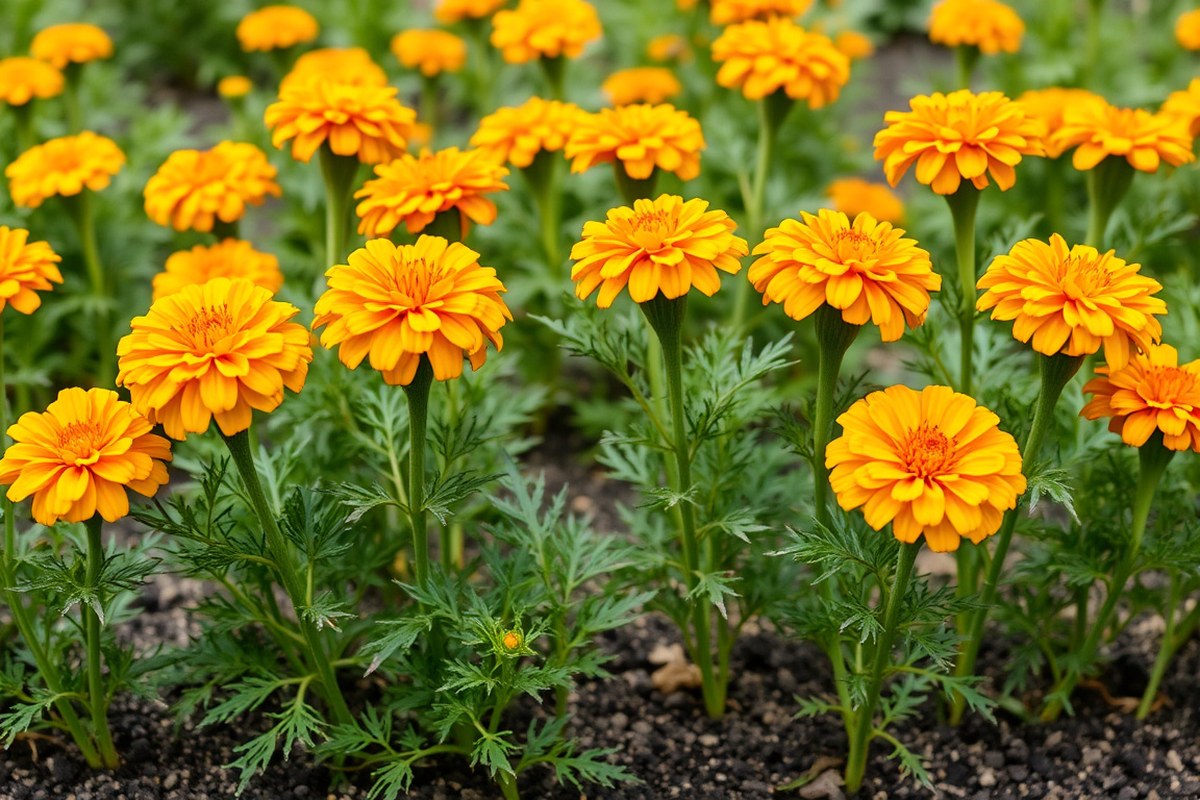
Marigold varieties differ a lot in how wide they spread. French marigolds are usually the most compact. They tend to spread between 6 and 12 inches wide.
In contrast, taller African marigolds can spread up to 18 inches. Knowing these sizes helps you plant them with enough space so they don’t crowd each other.
Planting these flowers with the right space lets them fill out nicely and bloom fully. Tall heirloom marigolds like ‘Crackerjack’ grow tall and wide. They reach 24 to 36 inches in height.
They need more room than compact types. The signet marigold is less common, but also spreads moderately. Starting marigolds from seed helps you explore different sizes and shapes.
| Marigold Variety | Average Height | Typical Width (Lateral Spread) |
|---|---|---|
| French Marigold (Tagetes patula) | 6 to 12 inches | 6 to 12 inches |
| African Marigold (Tagetes erecta) | 24 to 36 inches | 12 to 18 inches |
| Heirloom Tall (e.g. ‘Crackerjack’) | 24 to 36 inches | 12 to 18 inches |
| Signet Marigold (Tagetes tenuifolia) | 6 to 18 inches | 8 to 12 inches |
Matching your planting area to the marigold’s mature size keeps your garden tidy. Start seeds indoors 4 to 6 weeks before the last frost. This gives you a good head start.
Pots should be at least 10 to 12 inches wide for most kinds. African marigolds may need bigger pots to spread comfortably. Compact French marigolds fit well in smaller spaces without crowding.
Give taller marigolds at least 10 to 12 inches between plants to avoid overcrowding.
Knowing each variety’s spread helps you avoid planting too close. This allows the plants to get full and bushy with plenty of blooms.
It also reduces the chance of disease spread that happens when plants are too tight. Spacing for spread is as important as height when planning your marigold patch.
Can Marigolds Self-Seed and Return Year After Year?
Marigolds can self-seed and often return in the same spot year after year. They drop seeds that sprout quickly under the right conditions. Whether they come back depends on your climate and how the seeds survive winter.
Seed Germination Timing
Marigold seeds usually sprout within 5 to 7 days if soil stays warm and moist. The ideal soil temperature is between 70 and 75 degrees Fahrenheit. Seeds need sunlight to germinate, so plant them on or near the soil surface.
Most gardeners skip soaking seeds because marigolds germinate easily without it. Make sure to keep the soil damp but not soggy, or the seeds may rot. Remove any plastic cover daily if used to maintain fresh air and correct temperature.
Seedling Growth to Maturity
Once germinated, seedlings grow quickly and start to bloom in about 45 to 60 days. The young plants need plenty of sunlight and regular watering to thrive. Cutting back any leggy growth helps keep the plants compact and healthy.
You can recognize self-seeded marigolds by their smaller size and random placement compared to planted ones. The seeds drop from the spent flowers, making flower clusters a good place to check. Seedlings that appear near older marigold plants in spring are often self-seeded.
Climate Impact on Self-Seeding
In warmer areas like USDA Zones 9 through 11, marigolds may grow like short-lived perennials. The ground rarely freezes here, allowing seeds to sprout quickly and plants to survive mild winters. These conditions let marigolds return year after year without being replanted.
Colder climates usually kill off marigold seeds and seedlings during winter frost. In these regions, marigolds behave as true annuals and must be replanted each year. Mulching or covering the soil won’t help seeds survive deep freezes.
Follow these steps to identify and encourage marigold self-seeding in your garden:
- Watch for small marigold sprouts near last season’s plants in early spring.
- Check seed heads after flowers dry to see if seeds have dropped.
- Keep soil moist and warm, ideally between 70-75°F, to encourage germination.
- Ensure seeds get sunlight by lightly pressing them on the soil surface.
- Remove competing weeds that might shade seedlings.
- Water seedlings gently to avoid washing away seeds or young plants.
- Thin out crowded seedlings to give space for healthy growth.
- Trim back leggy seedlings to promote sturdier plants.
Factors That Influence How Much Marigolds Spread
Marigold spread depends a lot on the environment and how you tend them. Full sun helps marigolds grow greener and expand wider. Without enough sunlight, marigolds stay smaller and struggle to cover much ground.
Marigolds grow best in soil that drains well and has a pH of 6.0 to 7.0. Soil that’s heavy and stays wet, like clay, can stunt their growth and lead to fungal issues. To encourage spreading, keep the soil moist but not soggy, because overwatering can weaken plants and prevent side shoots from forming.
Climate affects marigolds a lot too. In hot, dry areas, they tend to survive but don’t spread as fast without regular watering.
In humid, wet climates, marigolds might grow quickly but face powdery mildew or root diseases. Balancing watering and airflow stops those issues and helps them spread out smoothly.
- Plant marigolds in full sun for wider, healthier spread
- Use well-drained soil with a pH near 6.5 for best lateral growth
- Water moderately to keep soil moist but not waterlogged
- Avoid heavy clay soil or improve it with sand or compost
- Space African and French marigolds properly to avoid overcrowding
- Pinch young plants to promote bushier growth and spread
- Apply balanced fertilizer, avoiding excess nitrogen that stunts blooms
Marigolds give off chemicals that fight nematodes in soil. This protects roots and helps plants grow better. Healthy roots lead to more spreading.
Overwatering or poor spacing can cause fungal diseases that limit this advantage. Choose marigold types that suit your local climate and soil. This lets the plants spread as they naturally would.
When matched right, they can fill your garden well. Taking good care helps marigolds fill space nicely.
They block weeds and stay colorful all season. Proper care makes your garden look full and bright.
Managing Marigold Spread: Control and Encouragement Techniques
You can control marigold spread by pruning, deadheading, mulching, and managing spacing. These steps prevent overgrowth and help you decide where marigolds thrive. You can also encourage self-seeding by collecting seeds and preparing the soil properly.
Pruning and Deadheading Strategies
Pruning keeps marigolds bushy and healthy. Pinch off the tips of main stems when plants reach 4 inches tall. Deadheading removes spent flowers and promotes new blooms.
Dividing crowded marigolds every few years reduces invasive growth. Combined, these steps help manage both spread and plant vigor.
- Pinch main stem tips when about 4 inches tall to promote bushiness.
- Regularly cut off faded flowers by snipping the stem below the bloom.
- Prune back any overly long or leggy stems to encourage compact growth.
- Divide crowded plants by digging up and separating clumps every 2-3 years.
- Dispose of cuttings to avoid unwanted reseeding around the garden.
Deadheading regularly ensures your marigolds bloom longer and don’t self-seed excessively.
Using Mulch to Control Spread
Mulch blocks marigold seeds from reaching the soil and slows spread. Apply a 2-3 inch layer of organic mulch, like shredded bark or straw, around plants. Mulch also retains moisture and reduces weeds.
A void placing mulch directly on plant stems to prevent rot. Mulching works best when combined with pruning and deadheading to limit seed production.
- Clear weeds and debris around marigold bases before mulching.
- Spread 2 to 3 inches of organic mulch evenly around plants. Keep mulch 1 inch away from plant stems.
- Replenish mulch twice during the growing season to maintain coverage.
- Remove mulch in fall if you want to collect seeds or encourage self-seeding next year.
Mulch prevents many marigold seeds from sprouting, reducing unwanted seedlings.
Spacing and Soil Preparation
Space marigolds 8 to 18 inches apart per variety to limit overcrowding. Proper spacing improves airflow and reduces disease risk. Well-prepared soil encourages healthy root growth and balanced spread.
Before planting, loosen soil to at least 6 inches deep and mix in compost. This improves drainage and nutrient availability, helping marigolds thrive without becoming invasive.
- Choose spacing based on marigold variety height and width (8, 18 inches apart).
- Prepare planting beds by loosening soil to 6 inches depth.
- Incorporate 1-2 inches of compost or well-rotted organic matter into soil.
- Plant marigolds at the proper spacing to allow room for growth and air circulation.
- Water well after planting and maintain consistent moisture during the growing season.
- Collect seeds from selected flowers if you want to encourage self-seeding.
Overcrowding marigolds leads to poor airflow and can encourage mildew or rot.
Are Marigolds Invasive or Problematic When They Spread?
Marigolds don’t count as invasive plants in most parts of the U.S. Or worldwide. They lack underground runners or other aggressive ways to spread beyond garden beds. They can become a persistent volunteer in your garden.
They pop up year after year. This happens if you don’t deadhead spent blooms.
Some marigold species might naturalize in warmer climates, especially where winters don’t kill off seeds. In those cases, they can crowd out native plants by growing in large patches.
This happens mainly in mild regions with little frost and plenty of sun. But marigolds usually don’t spread fast enough to disrupt the ecosystem deeply like true invasive species.
In your garden, marigolds can take up space if you give them room and no competition. They’ll grow wider and self-seed easily, which means you might see them every year without replanting.
A few scattered marigolds usually won’t overwhelm neighbors. But large clusters left unchecked can overshadow smaller, nearby flowers and seedlings.
Uncontrolled spreading mainly costs space and crowds other plants. One species dominating can reduce flower variety in your garden. It also lowers your garden’s overall health.
You might also spend extra time pulling seedlings or pruning to keep marigolds from taking over. Careful garden design helps keep marigolds in check.
Regular deadheading also controls their spread. You keep their color and pest-repelling benefits.
For gardeners in colder zones, winter usually stops marigolds from spreading year to year. You’ll just need to restart with fresh seed or seedlings annually. Warm-weather gardeners need more vigilant deadheading.
They also need to remove seedlings often. This stops patches from expanding on their own. This way, marigolds stay cheerful companions, not aggressive invaders, in your beds and borders.
How to Space Marigolds for Optimal Growth and Spread
Spacing marigold plants right helps them grow healthy and spread well. You can control or encourage their spread by adjusting how far apart you plant them.
Larger varieties need more space for their full width. Smaller ones do fine closer together.
African marigolds usually need 15 to 18 inches between plants. This range lets them fill in without crowding.
Smaller French types do well spaced closer, around 6 to 8 inches apart. Giving each plant room also improves air flow, reducing disease risk.
| Series Name | Height (inches) | Spread (inches) | Flower Color | Flower Size (inches) |
|---|---|---|---|---|
| Antigua | 10-12 | 10-12 | Primrose, yellow, gold, orange | 3 |
| Marvel II | 16-18 | 10-12 | Yellow, gold, orange | 3 |
| Taishan | 10-12 | 8-10 | Yellow, gold, orange | |
| Inca II | 12-14 | 12-14 | Primrose, yellow, gold, orange | 4 |
| Crackerjack | 24-30 | 8-12 | Primrose, gold, orange | 4 |
| Vanilla | 16-18 | 10-12 | Creamy white | 5 |
| Orange Hawaii | 30-36 | 8-12 | Orange | 5 |
Plant bigger types like Crackerjack and Orange Hawaii with at least 12-inch spacing. Slightly wider spacing, 15 to 18 inches, fits will for tallest marigolds.
Smaller types like Antigua or Taishan can have 10 to 12 inches apart. French marigolds that grow 6 to 8 inches wide need even closer spacing.
Thinning seedlings is also key for good spread. Pick the strongest plant and pull out weaker ones when seedlings have two sets of leaves.
This keeps the healthiest marigolds and prevents crowding early on. You’ll spend extra minutes upfront but avoid cramped growth later.
Starting Marigolds from Seed for Best Spreading Results
Start marigold seeds indoors 6 to 8 weeks before your last frost date. Choose well-drained soil and keep it moist until seedlings grow. Transplant seedlings once outdoor conditions are warm to encourage good spreading.
Seed Starting Indoors and Direct Sowing
Seeds can be started inside or sown directly outdoors after frost danger passes. Indoor starting helps get a jump on the season in cooler climates. Direct sow when soil temperature reaches about 60°F or higher.
For indoor sowing, use seed trays or small pots with moist, well-draining potting mix. Sow seeds shallowly, about a quarter inch deep, and cover lightly. Seedlings usually appear within 5 to 7 days under warm conditions.
- Prepare containers with fresh seed-starting mix.
- Sow marigold seeds about 0.25 inch deep.
- Water the soil gently to moisten without flooding.
- Place containers where temperatures stay between 70°F and 75°F.
- Keep soil moist but never soggy until sprouts emerge.
- Thin seedlings by snipping weaker ones to 1, 2 inches apart once they sprout.
- Harden off seedlings 1 to 2 weeks before moving them outdoors. Start by putting them outside for short periods. Gradually increase their time in outdoor conditions daily.
- Transplant into garden beds after all frost risk ends and soil is warm.
Don’t let the soil dry out before seedlings become well established. This can stunt growth early on.
Watering and Solar Requirements
Marigolds need regular watering when young to support root development. Water deeply to moisten the root zone instead of quick, shallow watering. Avoid soggy soil that leads to root problems.
These flowers do best in full sun. They need at least 6 hours of sun each day. This helps them bloom well and spread out.
Too little sun makes plants leggy and reduces flower production. Morning sun with some afternoon shade works if summers are very hot.
Thinning and Transplanting
Once seedlings reach 2 to 3 inches tall, thin to prevent overcrowding. Snip smaller seedlings to give remaining ones space to spread their roots. Ideal spacing is 8 to 12 inches apart depending on variety size.
Transplant outside after hardening off and when soil temperature stays around 60°F or more. Dig holes a bit bigger than seedling root balls. Place seedlings in holes at the same soil depth as indoors.
Cover roots gently with soil and press down lightly. Water immediately and keep moist during the first week.
Step-by-Step Action Plan for Managing Marigold Spread
Follow these steps to control or encourage marigold growth effectively in your garden. Watch for signs that each step works before moving to the next.
- Before Planting: Choose marigold varieties based on desired spread size. Check seed packets or plant tags for spread info.
- Planting Day: Space seedlings or seeds according to the variety’s typical spread. Use at least 8 to 12 inches apart to avoid overcrowding.
- Week 2-3: Water regularly but avoid overwatering. Healthy growth indicates proper watering and soil conditions.
- Week 4: Remove wilted or dead flowers to prevent excessive self-seeding. Look for new seedlings before they crowd your garden.
- Month 2: Thin out any unwanted seedlings that sprout around plants. Healthy plants with enough space will stay vigorous.
- End of Season: Collect seeds from flower heads if you want marigolds to return next year. Dry them thoroughly before storing.
- Following Spring: Sow saved seeds in prepared beds for new plants. Starting indoors 6-8 weeks before the last frost helps cold areas.
- Ongoing: Monitor for any signs of marigolds behaving aggressively. Adjust your garden plan if they outcompete other plants.
Frequently Asked Questions
How Far Can Marigolds Spread Laterally in a Garden?
Marigolds typically spread about 10 to 14 inches wide, depending on the variety. Giving them enough space with minimal competition helps them expand fully.
Do Marigolds Spread Through Roots as Well as Seeds?
Yes, marigolds spread both by seeds and rhizomes, which are underground stems. These rhizomes grow sideways and create new shoots nearby, helping the plant spread naturally.
Can Marigolds Return Year After Year Without Replanting?
They can if conditions allow the seeds to drop and grow again. You might find new plants appearing near last year’s spots if they self-seed well.
What Garden Conditions Encourage Marigolds to Spread More?
Full sun, loose well-drained soil, and enough room without crowded neighbors boost spread. Healthy soil and good water access also support their growth outward.
Are Marigolds Considered Invasive When They Spread in Gardens?
No, marigolds aren’t invasive. Their spread is easy to predict and control.
Gardeners use this to fill empty spots. Marigolds also help keep pests away.
How Should Marigolds Be Spaced to Manage Their Spread Effectively?
Space depends on height, from 12 inches to 4 feet tall varieties. Taller marigolds need more space to avoid overcrowding and ensure healthy growth.
Wrapping Up
Marigolds spread mainly by self-seeding, with lateral growth depending on variety and care. Space them thoughtfully and remove excess seedlings to control spread. Try collecting seeds this fall to grow marigolds again easily next season.