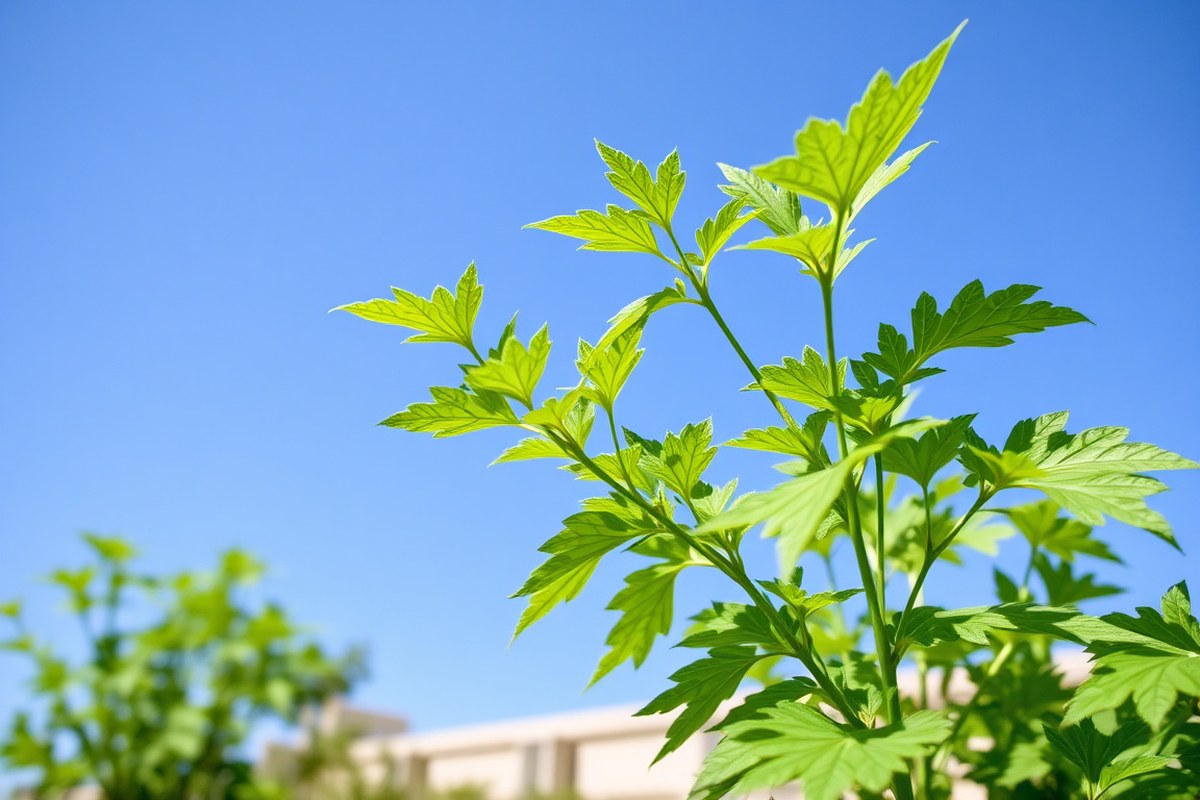
Are Citronella Plants Perennial? A Complete Guide for Growing Year-Round
Citronella plants grow year after year in warm places without frost. They stay green all the time in these climates. Cold zones cause the plants to live only one season before dying.
These plants thrive best in USDA zones 9 through 11 outdoors. In those zones, winters rarely fall below 20°F. So citronella can survive without much help. You can treat them as annuals or move them indoors each winter.
Citronella plants need plenty of sunlight and space to grow well. Plant each one with 18 to 24 inches between to allow enough space. This prevents crowding and keeps your citronella healthy all season long.
In colder areas, bring citronella inside before frost hits. Place them in bright spots by windows to keep growing. Prune dead leaves in late fall to encourage fresh spring growth.
Key Takeaways
- Citronella plants are perennial in USDA zones 9 to 11 only.
- In colder zones, treat citronella as an annual or bring it indoors.
- Keep outdoor citronella plants spaced 18 to 24 inches to avoid crowding.
- Keep indoor citronella in bright sunlight with six hours daily.
- Citronella favors temperatures between 50°F and 80°F for best growth.
- Bring potted plants inside before outdoor temps drop below 45°F.
Are Citronella Plants Perennial or Annual?
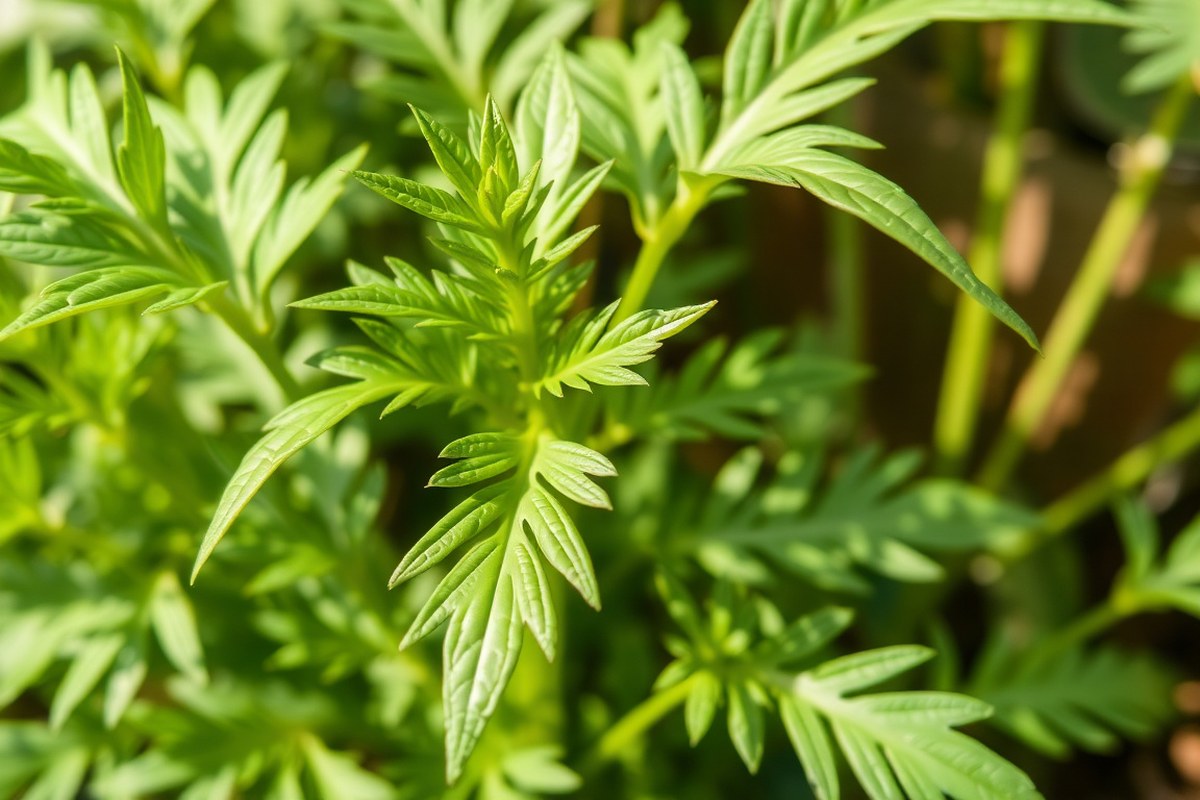
Citronella plants are technically perennial, meaning they can live and grow back year after year. This applies mainly in warm climates where temperatures rarely dip below freezing. In USDA Zones 9 through 11, citronella plants stay outside year-round.
They often grow as evergreen shrubs. These plants come back every spring.
Colder climates change things. When temperatures drop below freezing, citronella won’t survive outdoors through winter. In these zones, you treat them as annuals, planting new ones each spring.
Their roots freeze during cold months. So the plants don’t come back the following year without protection.
To decide if your citronella is perennial or annual, check your local climate first. Living in warm zones like 9 or above lets you plant once. Your citronella will return each year.
Winters with regular frost need citronella moved inside or replaced. Do this before cold weather arrives. You’ll still enjoy their fragrance and mosquito-repelling qualities during the growing season.
How USDA Hardiness Zones Affect Citronella’s Perennial Growth
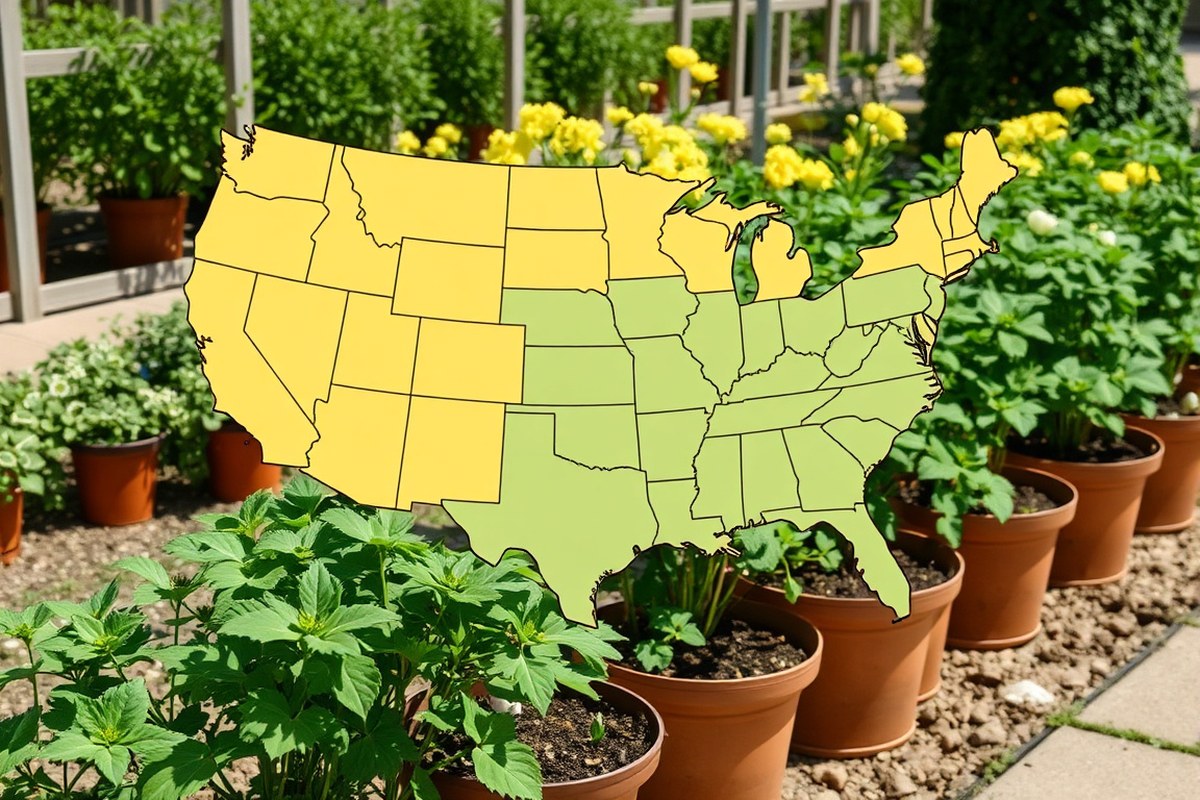
The USDA hardiness zone defines whether citronella plants can survive outside year-round. Citronella thrives as a perennial in zones 9b to 11, where winters are mild. Below zone 9, cold kills citronella plants.
You must grow it as an annual. Or bring it indoors during winter months.
Citronella plants dislike frost and temperatures below 20°F (, 6°C). They handle brief drops to near freezing but can’t survive long periods of frost. Knowing your zone’s average winter lows helps decide if you can leave citronella outdoors all year.
Use the table below to compare how citronella behaves in warmer zones versus colder ones. This will help you plan your gardening strategy to protect or move your plants as needed.
| USDA Zone | Average Winter Low | Citronella Survival Outlook |
|---|---|---|
| 9 (9b+) | The plant cannot survive temperatures between 20°F and 30°F. This range equals about -6°C to -1°C. It struggles during these cold conditions. | Survives and thrives as perennial outdoors |
| 10 | Citronella may suffer damage at 30°F to 40°F. This range is roughly -1°C to 4°C. It can slow growth and weaken the plant. | Survives and thrives as perennial outdoors |
| 11 | Above 40°F (above 4°C) | Best perennial survival, minimal frost risk |
| Below 9b | Below 20°F (below, 6°C) | Cannot survive freezes; treat as annual or overwinter indoors |
To identify your zone, check the USDA map online or ask a local garden center. Your citronella will survive outside if winter lows stay above 20°F. This temperature equals about -6°C. It’s safer to keep it outdoors then. Otherwise, consider growing it in pots and moving indoors before frost hits.
You can help citronella persist by planting after the last frost. Use shade or plant cover if your area’s sun is harsh. This protects the plant and improves its overall health during warm months.
Bring container citronella indoors before temperatures dip below 45°F to avoid frost damage.
Difference Between Citronella Grass and Citronella Geranium
Two plants often called citronella differ a lot in size, scent, and how they grow. Citronella grass belongs to the genus Cymbopogon and is the true source of citronella oil. It grows as a tall, perennial grass that can reach six feet tall in warm climates.
The citronella plant is also called citronella geranium. Its scientific name is Pelargonium citrosum. It has lacy leaves and a nice smell.
You mostly see it sold as an annual plant. It lasts one season unless the climate is warm.
In warm areas, it can survive all year. It has a much weaker citronella scent compared to citronella grass.
| Feature | Citronella Grass (Cymbopogon) | Citronella Geranium (Pelargonium citrosum) |
|---|---|---|
| Type | Perennial grass | Annual (perennial in warm zones) |
| Height | Up to 6 feet tall | 1 to 3 feet tall |
| Citronellal oil content | About 14% | About 0.09% |
| Hardiness | Thrives in USDA zones 9-11 | Often grown as annual; perennial in zones 10-11 |
| Root system | Deep, substantial root system | Shallow roots, potted easily |
| Common uses | Oil extraction, mosquito-repellent candles | Ornamental, patio and container plant |
| Growth habit | Tufted grass; grows upright | Lacy leaves; bushy plant |
Large citronella grass produces much more citronella oil than the geranium. Its tall stalks and wide spread make it fit for oil extraction. The geranium’s charm lies in its scent and appearance, used mainly in containers or garden borders.
Knowing which plant you have matters because their care and hardiness differ. Citronella grass survives winters in warm zones but may die in colder ones. The citronella geranium often acts as an annual unless kept indoors or in mild climates.
How to Overwinter Citronella Plants in Cold Climates
Bring citronella plants indoors before night temperatures drop below 45°F. Protect outdoor plants from frost using mulch and frost cloth. Use proper pruning and watering to help plants survive the winter.
Timing the Move Indoors and Outdoors
You should move citronella indoors as soon as night temperatures approach 45°F. Waiting too long exposes the plants to cold stress. In spring, move the plant outside after the last frost date.
Make sure nights stay above 45°F all the time. This helps the plant adjust to outdoor conditions.
Moving plants indoors gradually helps reduce shock. Put the plant in a shaded spot outdoors for a few hours daily. Do this before moving it completely inside.
This helps the plant get used to the change. This hardening off process takes about a week.
Care Tips for Indoor Overwintering
Keep your citronella plant in a bright spot with plenty of indirect sunlight. Water only when the top inch of soil feels dry to the touch. Overwatering can cause root rot during winter.
Citronella prefers humid conditions; dry indoor air may brown its leaf tips. Mist leaves every few days or use a humidity tray to keep moisture levels stable. Check plants regularly for pests like spider mites.
Winter Protection for Outdoor Plants
In milder climates, citronella can stay outside with frost protection. Use a frost cloth or blanket when temperatures drop to 28°F or above. This traps heat radiating from the soil and plant.
Set up a windbreak barrier in exposed locations to reduce chilling winds. Cold frames or hoop houses also create mini-greenhouses that extend the growing season outdoors. Apply these before frost hits.
Mulching and Pruning Before Frost
Prune the citronella plant lightly before bringing it indoors or winterizing outside. Trim dead or weak branches to encourage healthy growth next season. Avoid heavy pruning late in the season.
Apply a 4 to 6 inch layer of mulch around the base of outdoor plants. Mulch insulates the root zone and keeps soil temperatures stable. Combine mulching with frost cloth for best protection.
Follow these steps to overwinter your citronella plants successfully:
- Start pruning lightly a few weeks before the first expected frost.
- Reduce watering gradually in fall to keep soil slightly dry.
- Apply a thick mulch layer around outdoor plants to protect roots.
- Cover outdoor plants with frost cloth or use a mini-greenhouse setup.
- Move container-grown plants indoors when nighttime temps drop to 45°F.
- Place indoor plants in bright, indirect light and maintain humidity.
- Water indoor plants only when the top inch of soil is dry.
- Bring plants back outside after the last frost date and above 45°F nights.
Essential Care Tips to Sustain Perennial Citronella Plants
Citronella plants thrive with the right balance of sunlight, water, fertilizer, and soil. They prefer bright light but need some afternoon shade to avoid leaf burn.
Water only when the soil starts drying out. Feed with a balanced fertilizer every 4 to 6 weeks for strong, healthy growth.
Sunlight and Placement
Place your citronella plant where it gets bright light but not harsh afternoon sun. Morning sunlight with filtered afternoon rays works best. Too much direct sun can scorch the leaves, turning them yellow and limp.
Indoors, a south or east-facing window is ideal. Outdoors, pick a spot with dappled shade or partial sun. This setup supports vigorous leaf growth and keeps the plant smelling fresh.
Watering Routine
Check the soil moisture regularly by feeling the top two inches before watering. Your plant needs water when the soil feels dry to touch. For pots, let the top inch dry before watering deeply until water drains from the bottom.
Outdoor citronella plants need a deeper soak when the top two inches are dry. Avoid waterlogging, which invites root rot and weak growth. Consistent, moderate watering keeps perennial plants thriving year-round.
Fertilizing for Growth
Feed citronella plants every 4 to 6 weeks with balanced, water-soluble fertilizer. Use it only during active growth periods to support health. Pick a fertilizer designed for herbs or leafy greens.
Fertilizer supports leaf density and the lemony scent. Skip or reduce feeding during slower growing months in cooler weather to avoid overstimulating the plant.
Soil Quality and Spacing
Citronella grows best in well-draining, good quality potting soil with added organic matter. This mix retains enough moisture without staying soggy. Space citronella plants 18 to 24 inches apart in the garden.
This gap helps air flow around each plant. It also gives them room to grow well.
Good soil and spacing reduce disease risk and encourage bigger, bushier plants. They also make pruning easier to maintain a healthy shape.
- Place plants where they get bright morning sun and filtered afternoon light
- Water pots deeply when the top inch of soil feels dry
- Give garden citronella plants water once the top two inches dry out. Check the soil with your finger to decide when to water.
- Feed every 4 to 6 weeks with balanced water-soluble fertilizer
- Use well-draining potting soil rich in organic matter
- Space plants 18 to 24 inches apart for proper airflow
- Prune regularly to keep plants healthy and bushy
Don’t overwater your citronella; soggy soil leads to root rot and decline.
Effective Methods to Propagate Citronella Plants
You can grow citronella plants from seeds or stem cuttings. Cuttings work faster and have a higher success rate. Seeds take longer and need more care during germination.
Propagating Citronella from Seeds
Starting citronella from seed helps you grow many plants at once. Use fresh seeds and a seed-starting mix to improve germination.
Keep the seed tray warm and moist to help seeds sprout. Germination can take 10 to 21 days, depending on temperature and seed freshness.
Once seedlings show true leaves, transplant them into pots. Water regularly and keep the soil evenly moist.
- Fill a tray with seed-starting mix and moisten it lightly.
- Plant seeds about 1/4 inch deep and cover them with soil.
- Place tray in a warm spot, ideally between 70°F and 75°F.
- Keep soil moist but not soggy by misting daily.
- Wait 10 to 21 days for seeds to sprout and grow.
- Move seedlings to individual pots when they have 2 sets of true leaves.
- Water seedlings regularly and give them bright, indirect light.
Using Softwood Cuttings to Root Plants
Cuttings are the quickest way to multiply citronella plants. Softwood stems 3 to 5 inches long root well in water or moist soil.
Take cuttings in late summer or early fall for best results. This gives new plants time to establish before winter.
Rooting cuttings usually takes 14 to 21 days. After roots form, pot up plants to continue growing.
- Choose healthy, softwood stems 3 to 5 inches long.
- Cut just below a leaf node with a clean knife or scissors.
- Remove lower leaves, leaving 2 to 3 on top.
- Place cuttings in a glass of water or moistened potting mix.
- Keep cuttings in bright but indirect sunlight.
- Change water every few days or keep soil moist but not wet.
- Wait 14 to 21 days for roots to appear.
- Pot rooted cuttings into individual containers with well-draining soil.
Comparing Speed and Success Rates
| Propagation Method | Time to Root or Germinate | Success Rate | Notes |
|---|---|---|---|
| Seeds | 10 to 21 days | Moderate | Needs warm soil and constant moisture |
| Softwood Cuttings | 14 to 21 days | High | Faster start and more reliable growth |
Cuttings root fast and reliably, making them the best option. Seeds take longer and can be less certain. Buying small plants and rooting cuttings often saves time and effort.
Pruning and Maintenance Throughout the Year for Perennials
Pruning citronella plants keeps them healthy and looking good. Cut back stems by one-third in early spring to encourage new growth. Use clean, sharp scissors or pruning shears for neat cuts.
Light trimming throughout the growing season helps maintain shape. Snip any dead or yellow leaves as you see them. This stops disease and keeps your plant tidy year-round.
- Early spring: prune stems back by one-third
- Summer: trim stray or yellow leaves regularly
- Late fall: remove dead foliage before winter
- Water weekly, more during hot weather
- Fertilize monthly with balanced fertilizer in growing season
- Check closely for pests or disease signs
- Provide good air circulation around the plant
Staying on top of watering and feeding supports evergreen growth. Keep soil moist but not soggy. Overwatering can cause root rot while underwatering stresses the plant.
Watch for signs your citronella needs care. If leaves brown or droop, you likely need to adjust water. Slow growth or sparse leaves means it might need fertilizer or pruning.
Common Growing Mistakes and How to Fix Them
Citronella plants often die back or act like annuals when stressed. Overwatering is a top cause, especially indoors during winter.
The roots can rot if the soil stays soggy for too long. Another mistake is placing the plant in low light, which weakens growth and reduces leaf scent.
Frost can seriously damage citronella plants. When you notice blackened leaves or mushy stems after a freeze, cut those parts off.
This helps prevent disease and encourages new shoots when warmer weather returns. For borderline zones, use pots to move plants indoors during cold snaps.
To fix common growing problems, check these points and adjust your care:
- Water only when soil feels dry 1, 2 inches deep
- Keep plants in bright, indirect sunlight for 6+ hours daily
- Ensure pots have drainage holes to avoid soggy soil
- Trim frost-damaged parts immediately to reduce stress
- Move plants indoors before freezing temperatures hit
- Space plants to prevent dense, wet conditions that cause rot
Too much water during winter can quietly kill your citronella plant. Let soil dry out first.
When your plant seems weak or shriveled after winter, try repotting with fresh soil. Use well-draining potting mix and cut off dead roots.
Repotting costs about $5, 10 for soil and a container. Watch for healthy new growth within a few weeks as a sign of recovery.
Plants left outside in zones below their cold tolerance rarely survive. It’s better to plan for indoor winters or treat them as annuals. Protecting roots from freezing with mulch or frost cloth can also help in mildly cold areas.
Step-by-Step Action Plan for Growing Perennial Citronella Plants
Follow these steps to successfully grow and maintain your citronella plant year-round. Adjust based on your climate and plant type.
- Before planting: Choose a sunny spot with well-draining soil. Check your USDA zone to confirm perennial growth.
- Week 1: Plant citronella grass or geranium in spring after the last frost. Look for steady new growth as a sign it’s settled.
- Month 1: Water deeply once or twice a week. The soil should stay moist but not soggy.
- Month 2: Begin light pruning to shape plant and encourage bushiness. New shoots indicate good pruning response.
- Seasonal care: Apply a balanced fertilizer every 6 weeks during growing months. Leaves should remain bright green.
- Late summer: Monitor for pests like spider mites. Use mild soap spray if spots or webbing appear.
- Fall (if in cold zone): Bring pots indoors or mulch heavily outdoors to protect overwintering roots.
- Spring next year: Start pruning back any dead growth early. Fresh green foliage shows plants survived winter well.
Frequently Asked Questions
Can Citronella Plants Survive Harsh Winters Outside USDA Zones 9-11?
No, citronella plants usually won’t survive harsh winters outside Zones 9-11. You should bring them indoors for the winter if you live in colder zones.
Do Citronella Plants Need Full Sun or Partial Shade to Thrive?
Citronella plants need full sun with at least six hours daily. Too little sun weakens growth and lowers their natural insect-repelling scent.
How Quickly Do Citronella Plants Grow in Optimal Conditions?
Citronella plants can grow rapidly, reaching several feet tall in one season. Regular watering and warmth speed up this growth.
Can You Grow Citronella Plants Successfully in Containers Year-Round?
Yes, but they need bright light and humidity indoors to survive year-round. Repotting yearly helps maintain healthy roots.
Do Citronella Plants Attract Pollinators Like Bees and Butterflies?
Yes, citronella plants do attract pollinators despite their insect-repelling scent. These include bees, which help with garden health.
Is It Safe to Crush Citronella Leaves for Natural Insect Repellent?
Yes, crushing the leaves releases oils that repel insects naturally. Avoid applying directly on skin without testing for allergies.
Wrapping Up
Citronella plants can be perennial in warm zones but need care in colder areas. You can grow them year-round by following the right steps. Start by picking the right plant and spot for your climate today.