What Causes Humidity: A Complete Guide to Understanding and Managing It
What causes humidity mostly comes down to how much water vapor is in the air. Humidity happens when water evaporates from surfaces like lakes, soil, or plants. Warm air can hold more moisture, so humidity gets higher as temperatures rise.
Inside your home, humidity comes from everyday activities like cooking, showering, and even breathing. Moisture builds up when your house doesn’t get enough fresh air or proper ventilation. Controlling humidity means managing these water sources and air flow.
Relative humidity tells how much water vapor the air holds. It compares this to the max amount the air could hold at that temperature. It changes with temperature and humidity levels.
Checking this helps you know when humidity might cause discomfort or damage in your home. Aim to keep it between 30 and 50 percent for comfort and health.
Key Takeaways
- Water evaporation into air causes humidity, increasing with warmer temperatures.
- Indoor sources like cooking and showers add moisture to your home’s air.
- Poor ventilation lets humidity build up inside, raising moisture levels.
- Relative humidity compares current moisture to max moisture air can hold.
- High indoor humidity starts above 60 percent and can breed mold quickly.
- Keep indoor humidity between 30 and 50 percent for comfort and health.
What Causes Humidity in the Air?

Humidity happens when water evaporates into the air. Evaporation turns liquid water into water vapor, a gas found in the atmosphere. This water vapor mixes with the air, creating humidity.
How much water vapor air holds depends on its temperature. Warm air can carry much more water vapor compared to cold air. For instance, air at 30°C can hold almost three times more water vapor than air at 10°C.
This relationship explains why humidity usually rises during the day. As the sun warms the ground, more water evaporates, and warm air takes in more vapor.
At night or early morning, cooler temperatures reduce how much vapor the air holds. So humidity often feels higher just before dawn when the temperature is lowest.
The water cycle drives humidity outdoors and indoors. Water from oceans, lakes, and soil evaporates into the air.
Later, it cools and condenses to form dew, rain, or snow. This constant cycle moves moisture around and changes humidity levels regularly.
Humidity varies by location too. Near large water bodies, more evaporation adds moisture to the air, making humidity higher.
Inland or dry regions get less evaporation, so they feel less humid. Local weather patterns and wind also shift humidity throughout the day.
Air can only hold a limited amount of water vapor at any temperature. Relative humidity shows how close the air is to that limit. Relative humidity shows how full the air is with water vapor.
If air holds half the water vapor it can, the humidity is 50%. This means the air is halfway to being fully saturated. This makes relative humidity a useful way to understand how sticky or dry the air feels.
How Relative Humidity Works and Is Measured
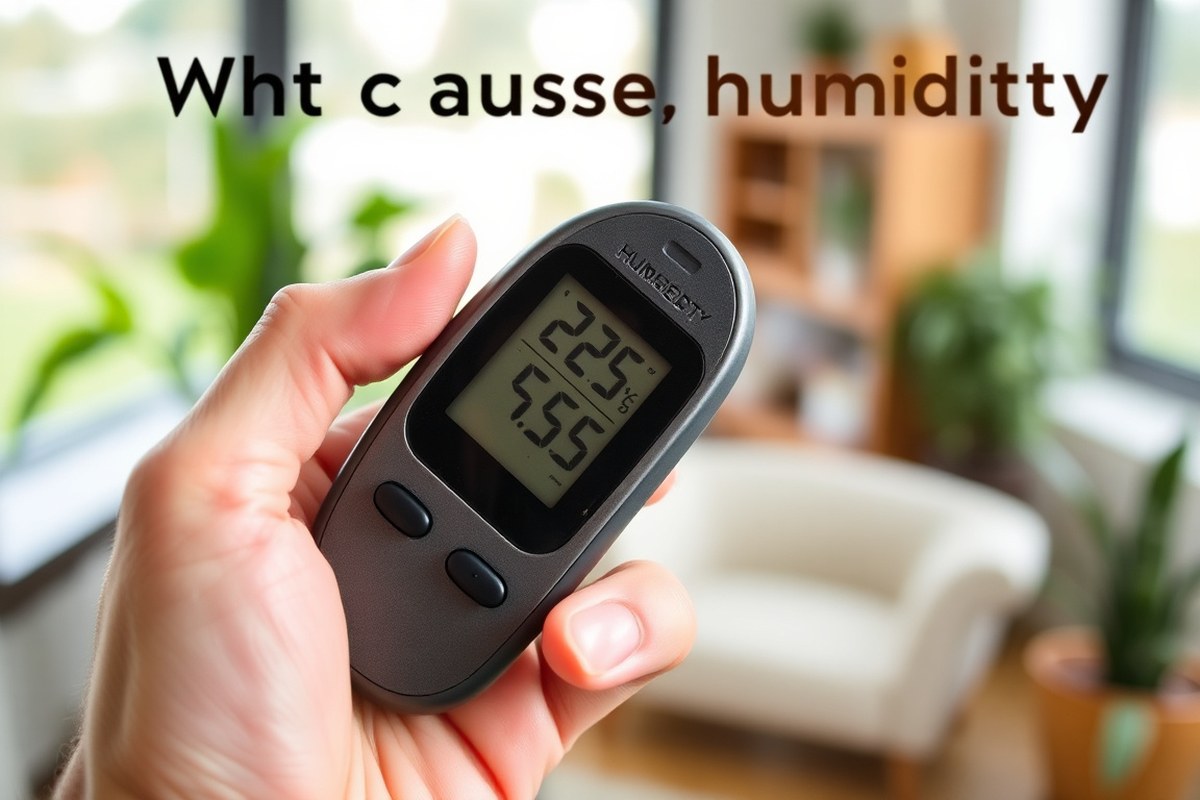
Relative humidity is the amount of water vapor the air holds now. It compares this to the most water the air can hold at that temperature. Warm air holds more moisture, so relative humidity changes with temperature.
You can find relative humidity if you know two values. These are the water vapor present and the air’s maximum capacity at that temperature. Use this formula: Relative Humidity (RH) = (Actual Vapor Content ÷ Maximum Vapor Capacity) × 100%.
Suppose the air contains 10 grams of water vapor for every cubic meter. At that temperature, it can hold up to 20 grams. The RH = (10 ÷ 20) × 100% = 50%.
To measure relative humidity accurately, devices called hygrometers or humidity sensors are used. These devices typically cost between $10 and $30 at hardware stores. Many devices show temperature and RH on a digital screen.
This makes the readings simple for homeowners to check and use. Some advanced devices can send alerts if humidity is too high. This is usually above 50% relative humidity inside the house.
Digital hygrometers often combine temperature readings with moisture sensors to give precise humidity levels. You should check your home’s RH regularly because moisture trapped indoors raises humidity.
High indoor RH creates discomfort and can promote mold growth. Ideally, keeping indoor humidity between 30% and 50% balances comfort and health.
Dew point temperature measures moisture differently. It shows the temperature where air holds as much moisture as possible. Meteorologists prefer dew point measurements for weather.
But relative humidity helps you understand indoor comfort better. Humidity and temperature affect how air feels. For example, 80°F air with 70% RH feels hotter than dry air at the same temperature.
Keep a digital hygrometer in your main rooms. This helps you watch indoor humidity and catch problems early.
Common Sources of Indoor Humidity and How They Add Moisture
Indoor humidity mainly comes from daily activities and certain home features. Cooking, showering, and laundry add moisture to the air. Some house areas and even plants keep releasing water vapor indoors.
Everyday Activities That Produce Moisture
Cooking often boils water or steams food, releasing a lot of moisture. Showering adds warm, humid air that spreads through your rooms. Drying clothes inside keeps water evaporating for hours, raising humidity.
- Boiling water or steaming food during cooking
- Taking hot showers or baths
- Drying wet laundry indoors without ventilation
- Dishwashing by hand with hot water
- Using humidifiers without controls
- Indoor smoking or candle burning
These activities can push indoor humidity beyond the ideal 30-50% range. Without good air flow or exhaust fans, moisture keeps building up. That can make your home feel stuffy or damp.
Building and Structural Sources of Humidity
Leaks in plumbing or roof cause water to seep into walls and air. Poor ventilation traps normal moisture from daily life inside the house. Weather also influences humidity, especially if you live where outdoor air is moist.
Materials like concrete and plaster absorb and slowly release moisture indoors. Crawl spaces and basements without proper moisture barriers often add to indoor humidity too. HVAC systems that don’t remove moisture well allow humidity to climb.
- Leaking pipes or faucets
- Roof or window leaks during rain
- Inadequate or blocked ventilation systems
- Moisture coming from damp basements or crawl spaces
- Building materials that hold water vapor
- Air conditioners that don’t effectively control humidity
Checking for and fixing water leaks is important. Increasing airflow and maintaining HVAC also help keep moisture balanced. Otherwise, trapped humidity can damage walls and increase allergy risks.
Role of Indoor Plants and Pets
Indoor plants release moisture through a process called transpiration. A few small plants only raise humidity slightly. Large collections or tropical plants, especially with high watering, add noticeable moisture.
Pets contribute humidity too by breathing and from their water bowls. They don’t add much compared to cooking or showers but can boost indoor moisture a bit. Keeping pets’ water away from areas where air won’t circulate helps.
- Number and size of indoor plants
- Frequency and amount of watering plants
- Type of plants (tropical types release more moisture)
- Pets’ respiration and moisture from water dishes
- Ventilation near plants and pets
To control humidity from plants, limit watering and avoid crowding them in closed rooms. Opening windows or using fans moves moist air out. These actions keep indoor humidity in a comfortable range.
How HVAC and Ventilation Affect Indoor Humidity Levels
HVAC and ventilation systems play a key role in controlling indoor humidity. Air conditioners remove moisture from the air, while heating can dry it out. Proper ventilation moves moist air outside, helping to balance indoor humidity levels.
How Air Conditioners Remove Humidity
Air conditioners cool your home by passing warm indoor air over cold evaporator coils. These coils condense water vapor, removing moisture from the air. The collected water drains away, so the air feels cooler and less humid.
If your air conditioner runs too short or is too big for your home, it might not remove enough moisture. It cools the air quickly but shuts off before pulling much humidity out. A longer cooling cycle helps lower humidity better.
Common HVAC Problems Causing High Humidity
High indoor humidity can happen if your HVAC system does not work properly. Dirty air filters or blocked vents reduce airflow.
So the system can’t remove moisture efficiently. Leaks in ducts can bring moist air inside, too.
Heating systems dry air by increasing temperature, which helps lower humidity. But when combined with cold outdoor air and poor insulation, surfaces can collect condensation. That moisture eventually raises indoor humidity.
- Air conditioner is oversized, causing short cycles
- Clogged or dirty air filters restricting airflow
- Leaky or unsealed ductwork bringing in moist air
- Poorly insulated walls or windows causing condensation
- Heating systems that increase evaporation but not ventilation
Checking these issues can improve moisture control and indoor comfort. Regular maintenance keeps your HVAC running well and helps control humidity.
Improving Ventilation to Manage Moisture
Ventilation spreads fresh air and removes moist indoor air. You can improve ventilation by using exhaust fans in kitchens and bathrooms. These fans push humid air outside quickly.
In homes without mechanical ventilation, opening windows helps air exchange. However, this works best in dry outdoor conditions. For humid climates, consider a whole-house ventilation system with heat recovery.
- Use exhaust fans during cooking and showers
- Open windows when outdoor humidity is low
- Install a heat recovery ventilator (HRV) or energy recovery ventilator (ERV)
- Seal leaks around doors and windows to control inflow
- Use smart humidity sensors to trigger ventilation automatically
Good ventilation reduces moisture buildup and improves air quality. Aim for steady air exchange rather than large bursts of fresh air.
Why Humidity Feels Different: Temperature, Dew Point, and Perception
Humidity feels different depending on temperature and dew point. The dew point is the temperature where air is fully saturated with water vapor.
When air cools to the dew point, water starts to form. This water creates dew, fog, or moisture on surfaces.
The closer the dew point is to the air temperature, the higher the relative humidity. This means the air holds nearly as much moisture as possible.
When dew point and air temperature are close, the air feels sticky. This muggy air makes hot days feel hotter.
Humidity affects how your body cools down. Normally, sweat evaporates from your skin and cools you off.
High humidity slows evaporation. So sweat stays on your skin, making you feel hotter and uncomfortable.
High humidity on hot days raises the wet bulb temperature. This shows how hard your body works to cool itself.
The wet bulb effect means discomfort and potentially dangerous heat stress. This makes controlling indoor humidity important for comfort and safety.
Your comfort level often depends on keeping indoor humidity between 30% and 50%. Humidity above 60% feels oppressive. It helps mold and dust mites grow.
It also damages wood and paint. HVAC systems or heat pumps that remove excess moisture help maintain this balance.
Low humidity, especially in winter, dries out your skin and respiratory system. So both extremes of humidity can cause discomfort, just in different ways. Watching the dew point and inside humidity helps you avoid that sticky, unpleasant feeling.
Keep the indoor humidity around 40% to reduce discomfort and protect your home from moisture damage.
Effects of Excessive Indoor Humidity on Health and Home
High indoor humidity invites mold and mildew growth. These fungi damage walls, ceilings, and floors over time. You might notice musty smells, especially in corners or bathrooms.
Mold spores also affect your breathing. They can cause allergies, asthma flare-ups, and worsen other respiratory issues. For sensitive individuals, even short exposure can lead to coughing or headaches.
Humidity above 60% allows dust mites, tiny pests that live in soft fabrics, to thrive. These pests trigger allergic reactions and disturb sleep. They multiply in bedding, carpets, and upholstered furniture.
Excess moisture warps wood in furniture and floors. Over time, wood swells, cracks, or starts to rot. Paint may peel or bubble on walls, making surfaces look damaged and costing you repairs.
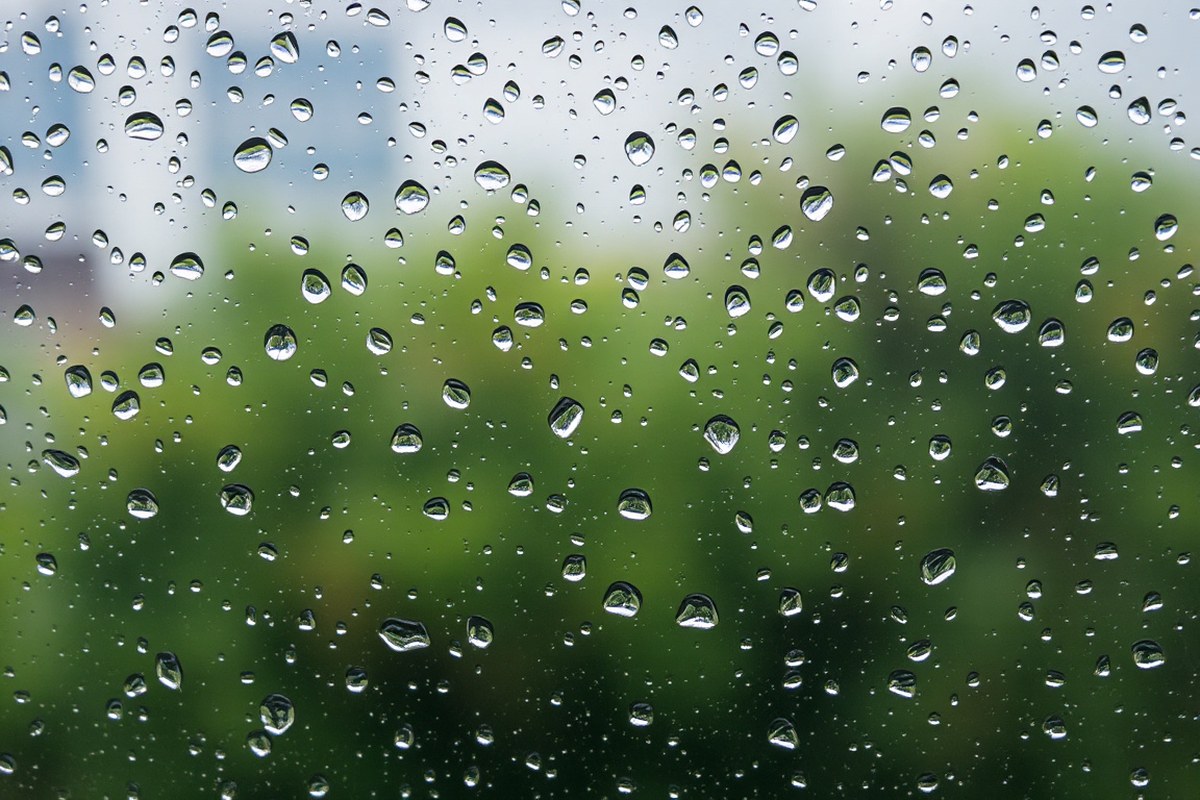
Condensation forms on cooler surfaces like windows and pipes. It looks like water droplets and encourages mold behind walls and under floors. This hidden moisture can cause structural decay without obvious signs.
High humidity can damage electronics and encourage rust on metal tools. It also weakens insulation and drywall, reducing your home’s overall durability. Fixing these issues might cost hundreds or thousands of dollars.
Controlling humidity requires good ventilation and moisture control. Use bathroom and kitchen fans during activities like cooking and showering. Opening windows when outdoor humidity is lower can also help air out your rooms.
Dehumidifiers remove excess moisture from the air effectively. A typical unit costs $200 to $300.
You’ll want one sized right for your space. Small units can’t keep up in larger rooms.
Setting your thermostat properly helps, too. Oversized air conditioners cool air quickly but shut off before removing enough moisture. This leaves humidity levels high despite cooler temperatures.
How to Detect and Diagnose High Humidity Problems
Look for visible signs like condensation on windows and damp spots on walls. These often show rooms with too much moisture. Musty smells or mold growth in corners also point to high humidity problems.
Use a hygrometer to measure relative humidity in each room. This small device costs around $15 to $30 and gives a clear reading in percent. Aim for indoor humidity levels between 30% and 50% to keep air comfortable and avoid damage.
Check areas where moisture builds up most, like bathrooms, kitchens, and basements. These rooms usually have higher humidity because of water use and poor ventilation. Testing each room helps spot problem zones and decide which spots need attention.
- Look for condensation on windows and pipes
- Notice musty or damp smells in closets or basements
- Use a hygrometer to record humidity in each room
- Inspect walls and ceilings for peeling paint or mold
- Check for water stains or discoloration
- Count the number of indoor plants, which add moisture
- Review HVAC system for proper airflow and venting
Consider your home’s HVAC system and whether it removes moisture effectively. A running air conditioner lowers humidity but a malfunctioning system may cause issues. Too many houseplants can also increase humidity by releasing moisture into the air.
Call a professional if mold covers big areas. Persistent excess moisture often signals hidden leaks or ventilation faults. Experts can test for hidden mold and recommend fixes that work long term.
Practical Steps to Manage and Reduce Indoor Humidity
Controlling indoor humidity means improving airflow, using devices wisely, and adjusting habits. You want to keep moisture steady around 30 to 50 percent. This level feels comfortable and helps avoid mold, dust mites, and damage.
Ventilation and Airflow Improvements
Good ventilation keeps moist air moving outside your home. Use exhaust fans in kitchens and bathrooms every time you cook or shower. Open windows when weather is dry and mild to bring fresh air in.
Blocked vents or dirty air filters reduce airflow and raise humidity. Change filters every three months or more often if dusty. Check vents and clear any debris to keep air flowing freely.
- Run bathroom and kitchen exhaust fans for 20-30 minutes after use
- Open windows on dry days for 10-15 minutes to air out rooms
- Keep furniture away from vents to avoid blocking airflow
- Clean air filters in your HVAC system every 1-3 months
- Inspect and remove debris from air vents and ducts annually
Remember, poor ventilation traps moisture and makes humidity problems worse.
Using Dehumidifiers and Humidifiers Correctly
Dehumidifiers remove excess moisture from the air efficiently after cooking or rain. Place them in damp rooms like basements and run them until humidity hits 30-50 percent. Models cost around $200 to $300 for a mid-sized unit.
Humidifiers add moisture when the air is dry, mainly in winter. Avoid using them when outdoor humidity is already high, or they can make problems worse indoors. Turn them off or lower humidity setpoints in spring and summer.
Routine Maintenance and Seasonal Considerations
Your HVAC system needs checks to maintain humidity control. Dirty coils or restricted airflow reduce its ability to remove moisture. Schedule professional HVAC maintenance yearly to clean parts and adjust settings.
Seasonal humidity changes require some switches. Use dehumidifiers more in summer.
Limit humidifier use in winter but stop in spring as outdoor humidity rises. Adjust window openings based on the weather’s dryness.
Lifestyle Changes to Limit Moisture Buildup
Simple habits can stop indoor air from getting too humid. Dry clothes outside or in a well-ventilated room. Use lids on pots when cooking to reduce steam release.
Limit indoor plants if humidity climbs. Each plant releases water vapor, adding to indoor moisture. Check for leaks around sinks and fix them quickly to stop water from raising humidity.
- Dry laundry outside or use a vented dryer indoors
- Keep pot lids on while cooking to trap steam
- Reduce indoor plants in humid months
- Fix leaks and dripping faucets within a week
- Avoid long hot showers or ventilate well afterwards
Small lifestyle steps can cut moisture by half during humid seasons.
Step-by-Step Action Plan to Control Indoor Humidity
Take these clear steps to manage humidity in your home. Follow them in order and watch for dryer, healthier air.
- Day 1: Check your home’s humidity with a hygrometer. Aim for 30-50% humidity.
- Week 1: Use exhaust fans in kitchens and bathrooms. Notice less moisture buildup on windows.
- After 2 Weeks: Inspect and fix leaks or water sources inside your home. You’ll stop damp spots or odors.
- Week 3: Run a dehumidifier in areas that stay damp. Watch the unit collect water over a few days.
- Week 4: Open windows on dry days for ventilation. Feel fresher air and less stickiness indoors.
- Monthly: Clean HVAC filters and ducts. You’ll improve airflow and reduce moisture traps.
- Ongoing: Avoid drying clothes indoors and cover fish tanks. This lowers extra moisture sources.
Frequently Asked Questions
What Weather Patterns Increase Outdoor Humidity Levels?
Warm air and stagnant conditions raise humidity outside. Hot, still days hold more moisture, causing muggy weather.
Can Household Plants Raise Indoor Humidity Significantly?
Yes, they release moisture through transpiration. More plants generally mean higher indoor humidity.
Does Cooking Affect Indoor Humidity More Than Showering?
Cooking adds more moisture, especially boiling or steaming food. Steam from cooking lingers and raises indoor humidity noticeably.
How Does Sealing a Home Influence Indoor Humidity?
Tight sealing stops outside air but can trap moisture inside. Proper ventilation is needed to keep indoor humidity balanced.
Can Humidity Affect the Lifespan of Wooden Furniture?
High humidity can cause wood to swell and warp. Keeping indoor humidity stable protects your wood items longer.
Why Does Humidity Feel Higher Inside Than Outside Sometimes?
Indoor air might be warmer and less ventilated than outdoors. This traps more moisture, making the humidity feel worse inside.
Wrapping Up
Humidity happens when water vapor builds up in the air. It affects comfort and can harm your health. Start by measuring your home’s humidity and take steps to keep it balanced.