Is 90 Humidity High? Clear Answers and How It Affects You
Is 90 humidity high? Yes, 90 percent humidity is very high by any standard.
This level means the air holds almost all the moisture it can. It makes the weather or a room feel sticky and uncomfortable.
Humidity above 60 percent is generally considered high indoors or outdoors. At 90 percent, sweat won’t evaporate well.
So your body feels hotter than the real temperature. This can stress your body and cause discomfort quickly.
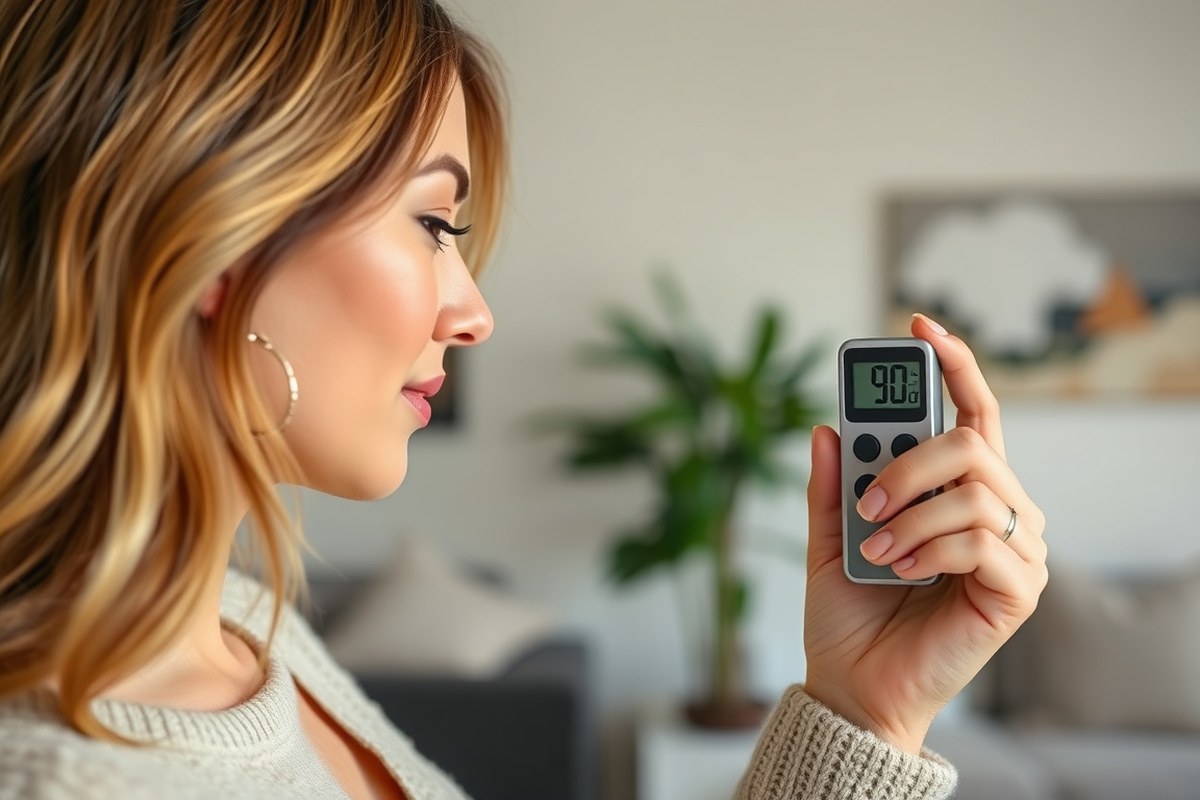
Start by checking a reliable hygrometer to see indoor humidity levels. Watch for damp spots in your home. They often show excess moisture.
Musty smells are another sign of high moisture levels. Controlling indoor humidity helps avoid problems like mold and bad odors.
Key Takeaways
- Relative humidity over 60% is considered high whether inside or outside.
- 90% humidity means the air is nearly saturated with water vapor.
- High humidity makes temperatures feel hotter than they really are.
- Your body cools less effectively when humidity reaches 90%.
- Indoor humidity above 60% encourages mold growth and smells.
- Use a hygrometer to monitor humidity levels in your home.
Is 90% Humidity Considered Extremely High?
Relative humidity shows how much moisture is in the air. It compares moisture to the maximum air can hold at that temperature. Ninety percent relative humidity means the air holds 90% of its max moisture.
At this point, water starts to condense. At 90%, the air is almost full of moisture. It feels damp and sticky outside or inside.
Outdoors, humidity over 60% already feels quite high, and 90% is extreme. Such high humidity outdoors often follows heavy rain or happens in tropical climates. Sweat won’t evaporate easily at 90% humidity.
This makes you feel hotter than the actual temperature. For example, on a 85°F day, 90% humidity can make it feel much hotter.
Indoors, typical comfort levels range from 30% to 50% relative humidity. Going above 60% indoors is considered too high. 90% is not common without a serious problem like water leaks or very poor ventilation.
At this level, condensation on windows and surfaces becomes likely. Mold and mildew can grow in just a day or two indoors. High humidity near 90% allows their growth.
Maintaining indoor humidity between 30% and 50% reduces risks of moisture damage and health issues. Running a dehumidifier or improving ventilation helps lower humidity if it climbs above 60%. When humidity hits 90%, you need strong actions to fix moisture.
This brings humidity down to safer levels. Costs for a good dehumidifier start around $200 and go up based on size and capacity.
Comfort depends on many factors, but 90% humidity is very high. Few people find it comfortable at this level. This humidity level means the air has almost all it can hold.
It makes physical work harder outside and causes moisture inside. Checking a reliable hygrometer can confirm your home’s humidity and help you know when to act.
How 90% Humidity Changes Temperature and Comfort

When humidity hits 90%, it feels much hotter than the actual temperature. That’s because your body cools itself by sweating and letting that sweat evaporate.
High humidity means the air is already full of water vapor. So sweat can’t evaporate easily.
Your body struggles to cool down as evaporation slows. The sweat just sits on your skin, making you feel sticky and overheated.
Even if the thermostat reads 85°F, 90% humidity changes how you feel. The heat index says it can feel like over 100°F. The National Weather Service explains this difference.
This effect makes the air feel heavy and uncomfortable. Your skin might feel clammy because sweat pools instead of drying. High humidity at 90% feels heavy and stifling outside.
You notice this right away no matter the temperature. This is why the air feels so hard to breathe.
High humidity indoors causes similar discomfort. At 90%, your bedding and clothes absorb moisture quickly. The air can feel stagnant and damp, making it hard to feel cool or dry inside.
Because your natural cooling system slows down, you end up sweating more but feel less relief. Hot, humid days can cause dehydration and overheating if you do not drink water. Your body struggles to cool down in these conditions.
Find shade or AC to stay safe. Fans or air conditioners help lower indoor humidity.
Lower humidity lets your body cool more easily. This can stop heat stress indoors.
Dehumidifiers or AC units keep indoor humidity below 60%. This level makes you feel more comfortable. It also helps your cooling systems work better.
Health Risks of Being in 90% Humidity Conditions
Breathing can feel harder when humidity hits 90 percent. The air holds a lot of moisture, which makes it feel heavier and denser. This effect can worsen asthma or other breathing problems.
High humidity often causes discomfort and sweating, even if the temperature isn’t very high. Your body struggles to cool down because sweat doesn’t evaporate quickly. This can lead to heat exhaustion or, in extreme cases, heatstroke, especially if you’re active outdoors.
People with heart or lung problems face higher risks from humidity. Older adults and children are also more vulnerable. They need extra caution on humid days.
Heat and humidity together increase the chance of strokes. This is shown by heat index research.
Stay cool and hydrated to reduce risk. The risk is about 40 percent higher at a heat index of 100°F than at 80°F.
High humidity at 90 percent can cause tiredness and headaches. Dizziness or shortness of breath may also happen. Watch for these signs carefully.
You might also notice your skin feels clammy or that sweating doesn’t cool you down. Paying attention to these signs helps you act before serious problems arise.
Indoors, 90 percent humidity lets mold grow easily. Dust mites thrive too, making allergies worse. This can increase breathing problems.
You might notice a musty smell, condensation on windows, or peeling paint. These are clues your indoor air quality suffers and your health could too.
To protect your health, reduce indoor humidity by using dehumidifiers or air conditioners. Ventilating bathrooms and kitchens also helps. A hygrometer usually costs between $10 and $30.
This small cost helps you check your air quality. It’s worth having for safer air.
Outside, avoid strenuous activity when humidity is very high, especially in warm weather. Drink water often and rest in shaded or air-conditioned spaces. This keeps your body from overheating and lowers health risks linked to 90 percent humidity.
What Happens to Mold, Allergens, and Indoor Air at 90% Humidity?
Indoor humidity can reach 90%, especially during hot weather or poor ventilation. When humidity climbs past 60%, moisture starts to linger on surfaces like walls and windows. This moisture encourages mold and mildew to grow, damaging your home and hurting indoor air quality.
Mold grows rapidly when the air feels damp and sticky, or you see condensation on windows. High humidity helps dust mites thrive. These tiny creatures live in dust.
They can trigger allergies. At 90% humidity, dust mite populations explode, making breathing harder for anyone sensitive to them.
Moist air at this level causes musty smells. It can warp wood floors. Paint and wallpaper may peel too.
These problems happen because excess moisture fosters bacteria, fungi, and allergens. To keep your home safe, experts say keep indoor humidity below 60% to limit these risks.
Stopping moisture problems starts with good ventilation and using a dehumidifier. Aim to lower humidity into the 40-50% range, where mold and dust mites have trouble growing. Vent fans in bathrooms and kitchens help.
A machine to remove dampness costs about $150 to $300. It runs quietly. It pulls moisture from the air.
Failing to control this moisture leads to musty odors, visible mold patches, and worsening allergies. Dust mites may cause sneezing, coughing, or asthma flare-ups if humidity stays near 90%. Checking your hygrometer daily during humid months helps catch problems early.
How Dew Point Explains the Feeling of 90% Humidity
The dew point helps explain how 90% humidity actually feels to you. It shows the temperature at which air becomes fully saturated with moisture.
That tells you if the air feels muggy or just damp. It helps you understand high humidity’s effect better.
Relative Humidity vs. Absolute Humidity
Relative humidity shows how much water vapor is in the air. It compares this to the air’s maximum at that temperature. So, 90% relative humidity means the air holds most of its moisture.
It holds 90% of the moisture it can now. Absolute humidity, on the other hand, tells you the total water vapor content without considering temperature.
Absolute humidity is often expressed as the dew point temperature, which shows the actual moisture level. While relative humidity changes with temperature, absolute humidity stays fixed. This difference makes absolute humidity a better indicator of how muggy or wet the air feels.
What Dew Point Means for Comfort
The dew point temperature directly measures how much moisture is in the air. People usually start feeling muggy around a dew point of 60°F. At 90% humidity, if the dew point is above this, the air will feel very uncomfortable.
Dew point affects your body’s ability to cool off by evaporation. Higher dew points mean sweat evaporates slower, making you feel hotter.
That’s why 90% humidity feels worse on some days than others. Temperature and conditions also change how it feels.
Why Dew Point Can Be More Important Than Humidity
Relative humidity depends on air temperature, so it can be misleading about comfort. For example, 90% humidity in cool weather feels different than in hot weather. The dew point gives a constant measure of moisture, better predicting discomfort.
Use the dew point to decide how to dress and stay hydrated. It also helps you adjust indoor humidity. When dew point passes 65°F during outdoor work, take more breaks.
Watch your body carefully during exercise in this heat. This is often safer than relying on relative humidity alone.
Look at dew point, not just humidity, to know how sticky air feels. Dew point shows when air really feels muggy.
Practical Ways to Monitor and Reduce Indoor Humidity Near 90%
Measuring indoor humidity accurately helps you spot problems early. When humidity reaches 90%, taking clear steps to reduce it protects your comfort and health. Using the right tools can fix your home’s humidity fast.
Use simple methods to get humidity to a safe range. Act quickly to avoid damage and discomfort.
Tools to Measure Indoor Humidity
The most reliable way to check indoor humidity is a digital hygrometer. Devices like the TempPro TempAir CORE TP50 measure temperature and humidity with good accuracy. You can find these for about $15 to $25 at hardware stores or online.
Place the hygrometer at eye level in a commonly used room away from windows or vents. Check the reading several times a day since humidity can change quickly. Aim to keep indoor humidity between 30% and 60% for comfort and health.
Effective Methods to Reduce Humidity
First, stop extra moisture from entering your home. Fix leaks and dry wet areas quickly. Improving ventilation also helps air out damp areas and lowers humidity fast.
Open windows when outside humidity is lower than indoors. Use exhaust fans in kitchens and bathrooms to pull moisture outside. Running your air conditioner also removes humidity from indoor air.
- Fix plumbing leaks or seepage points
- Use exhaust fans during cooking and showering
- Open windows for fresh air when it’s dry outside
- Dry wet clothes outside or in a vented dryer
- Keep houseplants to a minimum; they add moisture
- Seal crawl spaces and basements against moisture
- Clean gutters to prevent water buildup near your home
Checking these regularly helps control moisture before it builds up to 90%. Using multiple strategies together produces better results.
When to Use a Dehumidifier or HVAC System
Ventilation and fixing leaks may not always lower humidity enough. A dehumidifier works well when other methods don’t. Use it to keep humidity at safer levels.
It pulls water vapor from the air and collects it in a tank. Small units cost about $150 to $250 and use little energy.
Homes in humid climates, or those near water, often need dehumidifiers year-round. Running your air conditioner regularly also reduces indoor humidity while cooling. Keep your HVAC system well-maintained with clean filters and ducts.
Use a hygrometer along with these tools to monitor how well they work. Keep indoor humidity under 60% to avoid discomfort and health risks. Adjust settings or add equipment if humidity stays too high.
How Seasonal Changes Affect the Impact of High Humidity
High humidity at 90% feels quite different in summer than in winter. Summer air is warmer, so 90% humidity makes you feel sticky and sweaty quickly.
In winter, air is colder. So the same humidity level can make rooms feel damp but not as hot or sticky.
Heat and humidity together raise health risks in summer. High humidity stops sweat from evaporating, which cools your body. High humidity at 90% raises your heat exhaustion risk.
Temperatures over 80°F make heat stroke more likely too. Watch your time outdoors in this weather. Winter risks focus more on mold growth and breathing trouble.
Cold air holds less moisture than warm air. This dryness can make indoor air uncomfortable.
Here’s a table comparing 90% humidity effects by season and why it matters:
| Season | Typical Temperature Range | How 90% Humidity Feels | Main Health Risks | Comfort Level |
|---|---|---|---|---|
| Summer | 80°F to 95°F (27°C to 35°C) | Very sticky and hot; sweat doesn’t evaporate | Heat exhaustion, dehydration, breathing trouble | Uncomfortable, often oppressive |
| Winter | 35°F to 50°F (2°C to 10°C) | Damp and chilly; less sticky than summer | Mold growth, respiratory irritation | Unpleasant, often damp and cold |
Managing high humidity depends on the season. In summer, use air conditioning and dehumidifiers. A dehumidifier usually costs between $200 and $400.
It reduces humidity below 60%, which is more comfortable. Using one can improve your home’s air quality. Running a fan won’t reduce humidity but helps sweat evaporate, easing discomfort.
Keep indoor humidity between 30% and 50% during winter months. Use exhaust fans in kitchens and bathrooms to cut moisture.
Open windows briefly to let fresh air in without causing dampness. A hygrometer costs about $10 to $20 and checks your home’s humidity.
Cold air with 90% humidity boosts mold risk indoors. It also causes more respiratory problems, not heat issues.
Be aware of moisture buildup in these conditions. No matter the season, controlling humidity keeps your home comfy and your health safer.
Recognizing Danger Signs and When to Call a Professional
High humidity near 90% can harm your health and home quickly. Watch for warning signs like breathing trouble or visible mold. Call a professional if symptoms persist or damage spreads in your home.
Common Symptoms Linked to High Humidity
You may notice increased sweating and difficulty cooling down even at rest. High humidity makes your body work harder to regulate temperature. Breathing issues such as wheezing or coughing can get worse in damp air.
Skin irritation and fatigue often accompany exposure to humid conditions. Allergens and dust mites thrive in moist air, affecting respiratory health. Those with asthma or allergies should be especially cautious when humidity reaches 90% or more.
Short-term exposure can cause discomfort. But ongoing contact may lead to dehydration or heat exhaustion.
Staying hydrated and finding cooler, dryer spaces helps reduce risks. When symptoms like dizziness or severe shortness of breath happen, seek medical help right away.
Home Damage Warning Signs
High indoor humidity promotes mold and mildew growth, which can damage walls and furniture. You might see stains, peeling paint, or a musty odor in humid areas. Wooden surfaces may swell or warp over time from trapped moisture.
Look for condensation on windows or pipes, which indicates excess moisture. Flooring that feels damp or sticky also signals a humidity problem. Persistent damp spots behind appliances or under sinks suggest leaks or poor ventilation.
Here’s a checklist for home warning signs of harmful humidity:
- Visible mold or mildew patches on walls or ceilings
- A musty or damp smell indoors
- Condensation buildup on windows or pipes
- Warped wood or peeling wallpaper
- Damp or sticky floors
- Increased presence of dust mites or allergens
- Rust forming on metal parts or fixtures
Ignoring these signs risks costly repairs and worsened health issues over time. Reducing indoor humidity below 60% helps protect your home and health effectively.
Finding the Right Professional Help
Call a specialist when you notice mold, damage, or health issues from humidity. A licensed home inspector or HVAC technician can identify moisture sources and faulty ventilation. They also recommend dehumidifiers or repairs that fit your budget and needs.
For health concerns, a doctor or allergist can help treat symptoms caused by humidity exposure. Seek urgent medical help right away when signs of heat illness show. Ongoing breathing problems from damp air may require specialized treatment.
Regular inspections by professionals can catch humidity problems before they worsen.
Step-by-Step Action Plan to Manage 90% Humidity
Keep your home safe and comfortable by controlling high humidity levels. Follow these easy steps to lower indoor moisture and feel better soon.
- Day 1: Check indoor humidity with a digital hygrometer. Aim for readings below 60% to avoid mold.
- Week 1: Use exhaust fans in bathrooms and kitchen during and after activities. Notice less condensation on windows.
- Week 2: Run a dehumidifier in damp rooms for several hours daily. You should see humidity drop closer to 50%.
- After 2 weeks: Fix leaks or water damage you find. Dry spots should stay dry and free of musty smells.
- Month 1: Keep windows closed on high-humidity days. Check that your AC filters are clean to help remove moisture.
- Ongoing: Monitor humidity weekly and adjust your dehumidifier or ventilation as needed. Comfort and air quality should improve steadily.
Frequently Asked Questions
Is It Hard to Breathe in 90% Humidity?
Yes, breathing can feel difficult at 90% humidity because the air holds a lot of moisture. Sweat can’t evaporate easily, which normally cools your body.
This causes your body to feel hotter. You end up feeling more uncomfortable.
Is 90% Humidity Uncomfortable?
Definitely, 90% humidity feels very uncomfortable since the air is saturated with moisture. It makes temperatures feel hotter and can leave you feeling sticky and sweaty even when resting.
Does 90% Humidity Make You Sweat?
Yes, your body sweats more in 90% humidity but the sweat doesn’t evaporate quickly. This makes you feel hotter as your natural cooling system slows down.
What Is Worse, Humidity or Dew Point?
Dew point is usually a better measure of discomfort outdoors than humidity alone. It tells you the actual moisture content and how muggy it feels regardless of temperature.
Can 90% Humidity Damage Home Furniture?
High humidity like 90% can warp wood and cause paint to peel. Keeping indoor humidity below 60% helps protect your furniture.
Does 90% Humidity Affect Electronics?
Yes, it can cause moisture buildup inside electronics, risking damage. Use a dehumidifier or air conditioner to keep humidity lower indoors.
Key Points to Remember
Yes, 90% humidity is very high and affects comfort, health, and your home. Taking simple steps to reduce it protects you and your space. Start by measuring your indoor humidity today to see where you stand.