What Does Potassium Do for Plants? A Complete Guide with Proven Tips
What does potassium do for plants? It helps regulate water use and nutrient movement inside. Potassium also boosts plants’ ability to resist diseases and survive stress.
This makes your plants stronger and more productive. It plays a key role in maintaining cell turgor, which keeps plants upright and hydrated.
Potassium supports key processes like photosynthesis and enzyme activation. It helps plants grow steady roots and firm stems.
Without enough potassium, plants often wilt or produce smaller fruits. It also improves the color and taste of fruits and flowers by aiding sugar transport.
Start by testing your soil to check potassium levels before adding fertilizer. Too little potassium slows growth, but too much can block other nutrients.
Applying the right amount helps balance nutrient uptake and prevents deficiencies. Use soil tests every few years to keep potassium in the optimal range.
Key Takeaways
- Potassium improves plant water retention and nutrient transport efficiency.
- It strengthens resistance to pests, diseases, and environmental stress.
- Potassium aids important processes like photosynthesis and root development.
- Test soil potassium before fertilizing to apply the right amount.
- Most plants need about 1 to 2 pounds of potassium annually for every 1,000 square feet.
- Potassium deficiency shows as wilting, leaf curling, and poor fruit size.
How Potassium Supports Plant Growth and Health
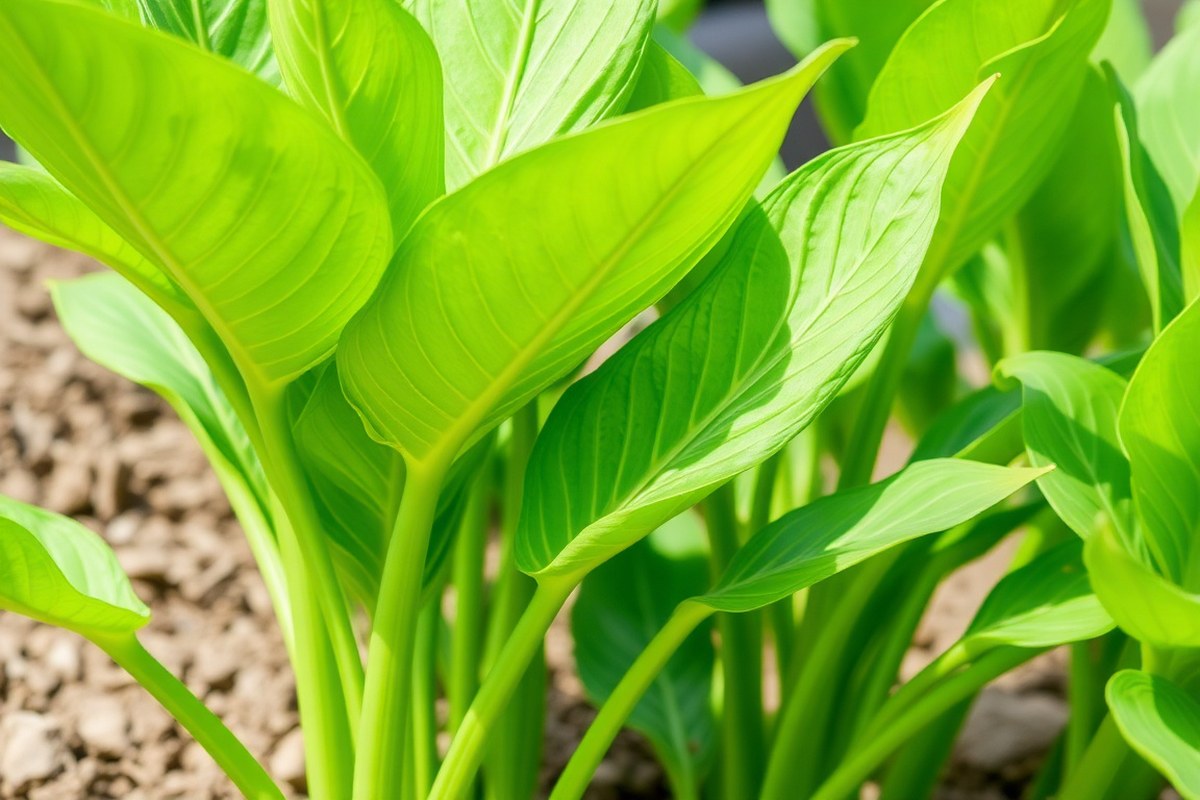
Potassium activates over 60 enzymes important for plant metabolism. These enzymes help build proteins, create starches, and carry out photosynthesis. This energy fuels growth and reproduction, making potassium essential for healthy plants.
It also controls stomata, tiny cells on leaves that open and close to regulate water. By managing stomata, potassium helps plants use water efficiently and resist drought stress. Plants with enough potassium keep better water balance and stay healthier during dry spells.
Potassium moves sugars from leaves to fruits through phloem transport. This boosts fruit development and overall crop quality. It also supports root growth, which helps plants absorb more water and nutrients from soil.
By maintaining ionic balance, potassium improves a plant’s ability to handle cold, heat, and diseases. Low potassium weakens stress resistance, making plants vulnerable to environmental changes. Proper potassium intake strengthens plant tissues for better survival in tough conditions.
Recognizing Potassium Deficiency Symptoms in Plants
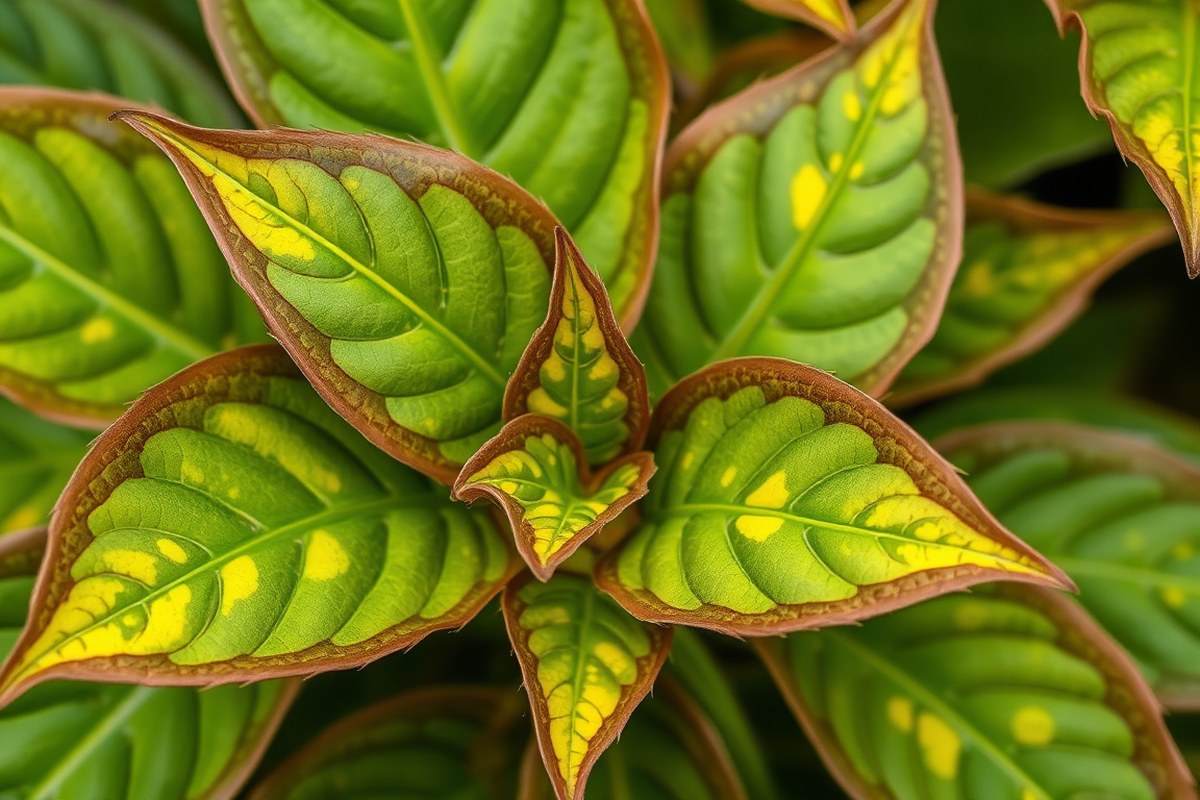
Potassium deficiency usually shows first on the older leaves of your plants. Potassium moves from older to younger leaves. This causes the lower leaves to turn yellow.
Sometimes these leaves also show brown edges. You might also see small white or yellow spots near leaf margins early on.
These symptoms often look like drought stress or other nutrient shortages, but there are differences. Drought-harmed leaves also wilt and scorch.
But potassium-deficient plants lag in overall growth and develop thin stems. Check if soil moisture is adequate to help narrow down the cause.
Older leaves show potassium deficiency first because of potassium’s mobility. Younger leaves stay green longer since the plant prioritizes them.
As potassium runs lower, the yellowing spreads upward. Root crops and fast-growing vegetables often reveal symptoms sooner during active growth.
- Yellowing or browning at edges on older leaves first
- Small white or yellow dots around leaf edges on older leaves
- Stunted growth with thinner stems visible
- Wilting and leaf scorch without obvious drought
- Symptoms start on older leaves and move upward
- Often appears during high heat or windy weather
Recognize potassium deficiency by spotting these signs before plants suffer more. Leaf scorch or yellow margins during warm, dry days may hint at low potassium. Roots may also grow poorly, leading to weaker plants.
Test soil and leaves to confirm potassium deficiency before treating to avoid misdiagnosis.
See potassium deficiency? Apply potassium fertilizer right away. Change soil pH if it’s too acidic or too alkaline.
Extreme pH stops roots from getting potassium. This adjustment helps plants absorb nutrients better. Plants with adequate potassium resist drought, diseases, and heat much better.
How Plants Absorb Potassium from Soil and Factors That Affect It
Plant roots absorb potassium ions mainly through active transport and diffusion. Roots pull K⁺ from soil using energy. They move ions against the gradient.
This process happens actively. Potassium also moves passively by diffusion.
It goes to roots if soil concentration is higher. This happens at the root surface.
Soil moisture greatly affects potassium availability. Moist soils help dissolve potassium salts, releasing K⁺ ions plants can absorb.
Dry or poorly aerated soils slow this process, limiting potassium movement and uptake. Keeping soil evenly moist supports better potassium absorption and overall plant health.
Potassium exists in soil in several forms. But only a small portion is readily available to plants. About 0.About 1 to 2 percent of soil potassium dissolves in water.
It also sticks loosely to clay and organic matter. The rest is fixed within soil mineral structures or in unavailable forms.
Plants use the K⁺ ions in soil solution and exchange sites. So maintaining these pools is critical.
Soil pH also plays a big role in potassium uptake. Above pH 7.5 to 8.0, calcium and magnesium levels rise and compete with potassium at root absorption sites.
This competition can cut potassium uptake even if soil tests show enough potassium. In alkaline soils, managing pH and calcium levels helps improve potassium availability.
Temperature and competing nutrients affect absorption too. Cooler soil temperatures slow root activity and potassium transport. Warm soils between 65°F and 85°F typically improve potassium uptake.
Excess amounts of other cations like calcium, magnesium, and ammonium reduce potassium ions plants absorb. Careful nutrient balancing prevents this problem.
Different potassium fertilizers dissolve in soil moisture and release K⁺ ions for roots. Fertilizer forms like potassium chloride, sulfate, or phosphate work by adding soluble potassium. Choosing the right fertilizer depends on soil conditions and crop needs.
For example, potassium sulfate suits sulfur-deficient soils and sensitive crops. Potassium chloride is a common, cost-effective option for many gardeners.
Maintaining good soil structure, moisture, and nutrient balance supports potassium uptake. Avoid compacted or waterlogged soil, which restricts root growth and air exchange.
Regular soil testing helps track potassium availability and guides any needed fertilizer additions. This way, you help roots pull enough potassium for healthy growth, hydration, and nutrient use.
Common Potassium Fertilizer Types and How to Choose
Common potassium fertilizers vary in potassium content and chloride levels. You can choose based on your crop’s sensitivity and growing system. Knowing these differences helps you pick the best fertilizer and avoid crop issues.
Potassium Sulfate Characteristics
Potassium sulfate contains 53% potassium oxide (K₂O) and 17% sulfur. It’s chloride-free, making it good for crops sensitive to chloride ions. Hydroponic systems also benefit from its lack of chloride, which can build up and harm roots.
This fertilizer supports fruit crops well, supplying extra sulfur alongside potassium. Using potassium sulfate reduces the risk of chloride toxicity symptoms like leaf burning.
Its potassium level is moderate. You might need more by weight than potassium chloride.
Potassium Chloride Advantages and Drawbacks
Potassium chloride offers the highest potassium content at 62% K₂O, making it a cost-effective choice. It contains chloride, which some field crops and grains tolerate well. This fertilizer suits large-scale farms growing chloride-tolerant plants.
However, it’s not recommended for chloride-sensitive crops like certain fruits or for hydroponic setups. Chloride levels can cause leaf damage and reduce yield in those plants. Always check your crop’s chloride tolerance before using potassium chloride.
Specialty Potassium Fertilizers and Uses
Some fertilizers combine potassium with other nutrients, like monopotassium phosphate and K-Mag. Monopotassium phosphate contains 34% potassium oxide and 52% phosphate.
It’s good when plants need both nutrients without extra nitrogen. It suits vegetable gardens and transplant starters well.
K-Mag contains 22% potassium oxide, plus 11% magnesium and 22% sulfur, mined naturally as langbeinite. It works best for crops needing magnesium along with potassium, such as potatoes and leafy greens. This option helps address multiple nutrient needs in one application.
Here’s a quick comparison of common potassium fertilizers to help you decide:
| Product | K₂O % | Accompanying Ion / Nutrient | Best For |
|---|---|---|---|
| Potassium Sulfate | 53% | 17% Sulfur | Fruit crops, chloride-sensitive plants, hydroponics |
| Potassium Chloride | 62% | Chloride | Chloride-tolerant field crops and grains |
| Monopotassium Phosphate | 34% | 52% Phosphate (P₂O₅) | Crops needing phosphate and potassium without nitrogen |
| K-Mag | 22% | 11% Magnesium, 22% Sulfur | Crops needing potassium and magnesium |
Your choice depends on crop type and growing system. Chloride-free options like potassium sulfate suit hydroponics and sensitive crops.
Potassium chloride fits large fields with tolerant plants and tight budgets. Specialty fertilizers help when other nutrients are needed too.
Effective Potassium Fertilizer Application Methods and Timing
You usually need around 0.75 to 1 pound of potassium product per 100 square feet for maintenance. Apply potassium before planting for fruiting crops, then side-dress or foliar feed during growth. Place fertilizer carefully near roots but not touching seeds to prevent injury.
Calculating and Splitting Application Rates
Start by testing your soil to know potassium levels and needs. Low potassium soils need correcting. Use 1 to 2 pounds of 0-0-53 fertilizer per 100 square feet.
This boosts potassium levels effectively. Medium levels need maintenance doses around 0.75 to 1 pound per 100 square feet.
Split potassium applications to match plant needs better and reduce risks. Apply half at planting and the rest during flowering or early fruiting. This boosts uptake and supports critical growth stages without overloading the roots.
- Test your soil potassium levels before planting.
- Calculate required potassium based on soil test.
- Divide total recommended amount into two or three portions.
- Apply the first portion pre-plant or at planting.
- Side-dress the rest during flowering or fruit set.
Avoid applying all potassium at once near seeds to prevent root burn.
Applying Potassium in Soil and Raised Beds
Band placement is safer and more efficient at low application rates. Place potassium fertilizer about 3 inches beside and 2 inches below seeds or seedlings. This prevents fertilizer injury and keeps roots healthy.
For raised beds and containers, mix potassium well with potting or garden mix before planting. Avoid direct contact with roots. In sandy soils or high rain areas, split doses can reduce leaching.
- Measure and mix potassium fertilizer into soil for raised beds.
- In open soil, band potassium 3 inches beside and 2 inches below seeds.
- Water in after applying to help potassium dissolve.
- Side-dress if additional potassium is needed during plant growth.
Never pile potassium fertilizer directly on seeds or roots to avoid chemical burn.
Foliar Feeding and Hydroponic Potassium Delivery
Foliar feeding complements soil fertilizer, especially during rapid fruit development. Use potassium sulfate solutions at recommended rates (around 1 to 3 teaspoons per gallon). Spray early morning or late afternoon to avoid leaf burn.
Hydroponics requires careful potassium dosing with solution-grade potassium sulfate. Maintain concentration based on crop stage and water temperature, as cold water reduces solubility. Monitor electrical conductivity to balance nutrients.
- Prepare potassium sulfate solution at safe concentration for foliar spray.
- Spray leaves during cooler parts of the day.
- Apply foliar feeds weekly during flowering and fruit set.
- For hydroponics, adjust potassium levels based on crop growth.
- Check solubility and water temperature regularly.
Overdoing foliar potassium can cause leaf damage, so stick to recommended rates.
Soil Testing and Monitoring Potassium Levels for Optimal Uptake
Start by collecting soil samples from your garden or farm. Take small soil samples from different spots. Dig about 6 to 8 inches deep.
Mix all samples in a clean bucket. Send the mixed soil to a local lab or university extension. They will test the exchangeable potassium level in your soil.
Soil testing usually costs between $10 and $30, depending on your location and lab. Test results will show potassium levels measured in parts per million (ppm) or milligrams per kilogram.
Levels below 100 ppm often signal a deficiency that needs correction. 100 to 200 ppm generally show sufficiency.
Keep an eye on potassium every 1 to 3 years, especially before planting new crops. Check more often if your soil conditions change or if plants show deficiency signs. Testing helps you avoid over- or under-applying potassium fertilizers.
Apply potassium fertilizer if test results are low. Broadcast it evenly and consider tillage; conventional tillage mixes potassium throughout the topsoil.
Minimal tillage leaves it near the surface. Soil temperature also matters: potassium uptake works best between 60 and 80 degrees Fahrenheit.
Potassium problems that stay after 2 to 3 weeks need more checking. Send plant photos and your soil test report to your local extension office.
They offer free advice and can help pinpoint the issue. Consulting a soil expert is smart if you face ongoing nutrient problems or unclear symptoms.
How Potassium Influences Fruit Quality and Crop Yield
Potassium shapes how fruits grow, impacting their size, taste, and texture. It helps move sugars from leaves into fruit, making them sweeter and firmer. Fruiting trees like figs and citrus grow bigger fruit with potassium.
It also helps fruit stay fresh longer. Potassium is important during fruit development.
Potassium helps prevent fruit problems such as blossom-end rot. A University of California study found it raised melon yields by 30%. It builds strong cell walls and controls water in fruit.
Strong potassium nutrition improves overall crop productivity. Plants with enough potassium grow strong stems and roots. They fight diseases better and make more fruit.
Potassium helps plants stay healthy overall. Your tomatoes can nearly double their resistance to fungal diseases with consistent potassium feeding.
Potassium helps plants fight diseases by tightening cell walls and managing openings where pathogens enter. It supports defensive chemicals to boost resilience against pests and bacteria. Most plants do best with potassium levels between 1.0 and 2.0 meq/L in soil or nutrient solutions.
Good potassium supply often means bigger harvests with better quality. That includes brighter skin color, improved shape, and firm texture in fruits and vegetables. Gardeners can add potassium-rich compost or balanced fertilizer.
This is useful when plants grow slowly or fruit looks poor. It helps plants get the potassium they need.
Avoiding Common Potassium Mistakes and Misdiagnosis
Many gardeners apply potassium fertilizers incorrectly or confuse potassium problems with other stresses. Identifying the right cause helps you avoid wasted effort and supports plant health efficiently.
Potassium issues can look like drought or other nutrient shortages. So careful observation and testing matter.
Misdiagnosing Symptoms: Potassium vs Drought
Potassium deficiency often causes leaf edge browning, but drought can cause similar symptoms. Look closely at leaf curling and overall plant wilting to tell the difference.
In drought, leaves feel dry and brittle. Potassium-deficient leaves may stay somewhat flexible at first.
Check soil moisture levels before adding potassium fertilizer. Water soil first to check for drought stress when it is dry.
Potassium helps plants regulate water use. But it can’t replace missing irrigation or fix dry soil.
Test soil moisture and nutrient levels before treating plants for potassium deficiency.
Over-Application Risks and Symptoms
Too much potassium fertilizer raises salt levels in the soil. This is harmful to roots. It is worse in containers or soil that drains poorly.
Excess potassium can interfere with magnesium and calcium uptake, causing new deficiencies. Watch for yellowing between leaf veins or stunted growth after heavy potassium use.
Use no more than 1 to 2 pounds of potassium chloride per 100 square feet. Apply it all at once, not more.
Space applications at least four weeks apart to avoid buildup. Using liquid potassium fertilizers can speed nutrient use but check rates carefully to prevent overdose.
Correcting Potassium Deficiency Safely
Start by testing your soil to know actual potassium levels. Use a balanced fertilizer blend if multiple nutrients are low.
Apply sulfate of potash if soil test says potassium is low. Follow test instructions for best results.
Spread granular fertilizers evenly around the root zone and water them in well. For faster response, use liquid potassium sprays every 7 to 14 days.
But avoid overuse to prevent leaf burn. Watch plants for improvement within two to four weeks after treatment.
- Test soil before fertilizer application
- Water plants adequately before and after fertilizing
- Use recommended potassium rates specific to your crop
- Choose potassium sulfate over potassium chloride if chloride is a concern
- Apply in split doses rather than all at once
- Monitor plants regularly for changes in leaf color and vigor
- Avoid assuming potassium fixes all leaf-edge damage or wilting
Step-by-Step Action Plan to Boost Plant Potassium
Follow these steps to improve your plants’ potassium and see better growth.
- Before planting: Test your soil for potassium levels using a home kit or lab. This shows if your soil needs potassium.
- At planting: Add a potassium fertilizer like potassium sulfate if the test shows low levels. Check seedling growth for signs of improvement.
- Week 2: Water plants well to help potassium reach the roots. Watch for stronger stems and greener leaves.
- Week 4: Inspect plants for any potassium deficiency signs. If symptoms persist, apply foliar potassium spray for a quick boost.
- Mid-season: Repeat soil testing to track potassium uptake. Adjust fertilizer type or amount based on results and plant health.
- Before harvest: Use potassium-rich fertilizer again to improve fruit quality and crop yield. Look for fuller, tastier produce.
- After harvest: Mulch with potassium-rich compost to maintain soil health for next season. Notice better soil texture and moisture retention.
Frequently Asked Questions
How Much Potassium Should I Add to My Garden Annually?
Plants usually require 1 to 2 pounds of potassium per 1,000 square feet each year. You should change the amount depending on your soil tests for best results.
Can Potassium Deficiency Affect Soil Microbes?
Soil microorganisms are less sensitive to potassium deficiency than crop plants. Still, low potassium may indirectly affect soil health over time.
Why Do Plants Struggle to Absorb Potassium in Alkaline Soil?
High soil pH above 7.5 reduces potassium uptake due to calcium and magnesium competition at roots. Adjust soil pH or use potassium fertilizers suited for alkaline soils.
Is Potassium the Same in Compost and Commercial Fertilizers?
Compost potassium is water-soluble and quickly used by plants but can leach away fast. Commercial fertilizers often have more stable potassium forms for longer availability.
How Does Potassium Help Plants Handle Drought and Cold?
Potassium improves drought and cold tolerance by regulating water movement through stomata. Strong potassium nutrition helps plants manage environmental stresses better.
Does Potassium Affect the Size and Taste of Fruits?
Potassium moves sugars to fruits, improving size and flavor. Proper potassium helps boost crop yield and overall fruit quality.
Key Points to Remember
Potassium is key for healthy, strong plants and better fruit. Start with a simple soil test to know your potassium needs. Then fix any lack with the right fertilizer to see real growth results.