What Is Diatomaceous Earth? Complete Guide to Uses, Safety, and Pest Control
What is diatomaceous earth? It’s a natural powder made from fossilized remains of tiny aquatic plants called diatoms. These plants had skeletons made mostly of silica, a common element in rock and sand.
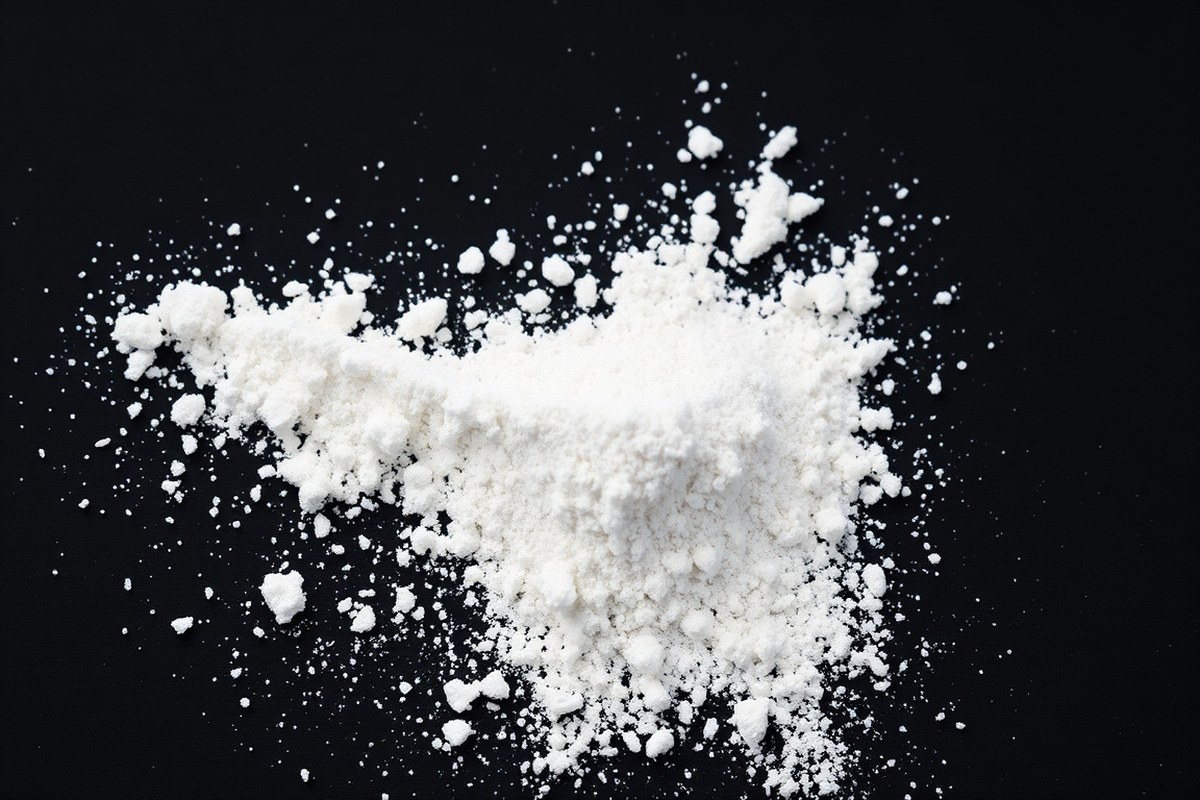
Diatomaceous earth looks like fine, soft dust. It forms over thousands of years as diatoms settle at the bottom of lakes and oceans.
Mining and drying this sediment turns it into usable powder. You can use it at home or in your garden.
This powder works well for controlling pests because its tiny sharp particles damage insect exoskeletons. It’s safe when used properly and often comes in food grade, meaning it’s natural and unaltered. Start with the right grade for your use and keep it dry for best results.
Key Takeaways
- Diatomaceous earth is made from crushed fossilized aquatic plants called diatoms.
- It mainly contains silica, a natural material found in most rocks and sand.
- Food grade diatomaceous earth is safe and unaltered for use around people and pets.
- Its sharp particles kill insects by damaging their outer shell.
- Keep diatomaceous earth dry to maintain its insect-killing power.
- Pick the right type for your task. Use food grade inside and around pets. Industrial grade fits other uses.
What Is Diatomaceous Earth Made of and How Is It Formed?
Diatomaceous earth is a natural powder made from fossilized remains of tiny aquatic organisms called diatoms. These diatoms lived millions of years ago in lakes, rivers, and oceans. Their skeletons, made mostly of silica, settled on the bottom and formed thick deposits over time.
Most of diatomaceous earth is silica. Silica also makes up about 26% of the Earth’s crust. Commercial diatomaceous earth has about 87% to 94% silica.
It also contains trace minerals. Small amounts of iron oxide are present too. This composition gives it a chalk-like texture and a light off-white color.
It forms naturally as layers of diatom skeletons compress and harden into sedimentary rock. Later, this rock is mined and ground into a fine powder for use.
Pure food grade diatomaceous earth is unaltered, just cleaned and packaged after mining. Its natural origin makes it safe for many uses around homes and gardens.
What Are the Different Types and Grades of Diatomaceous Earth?
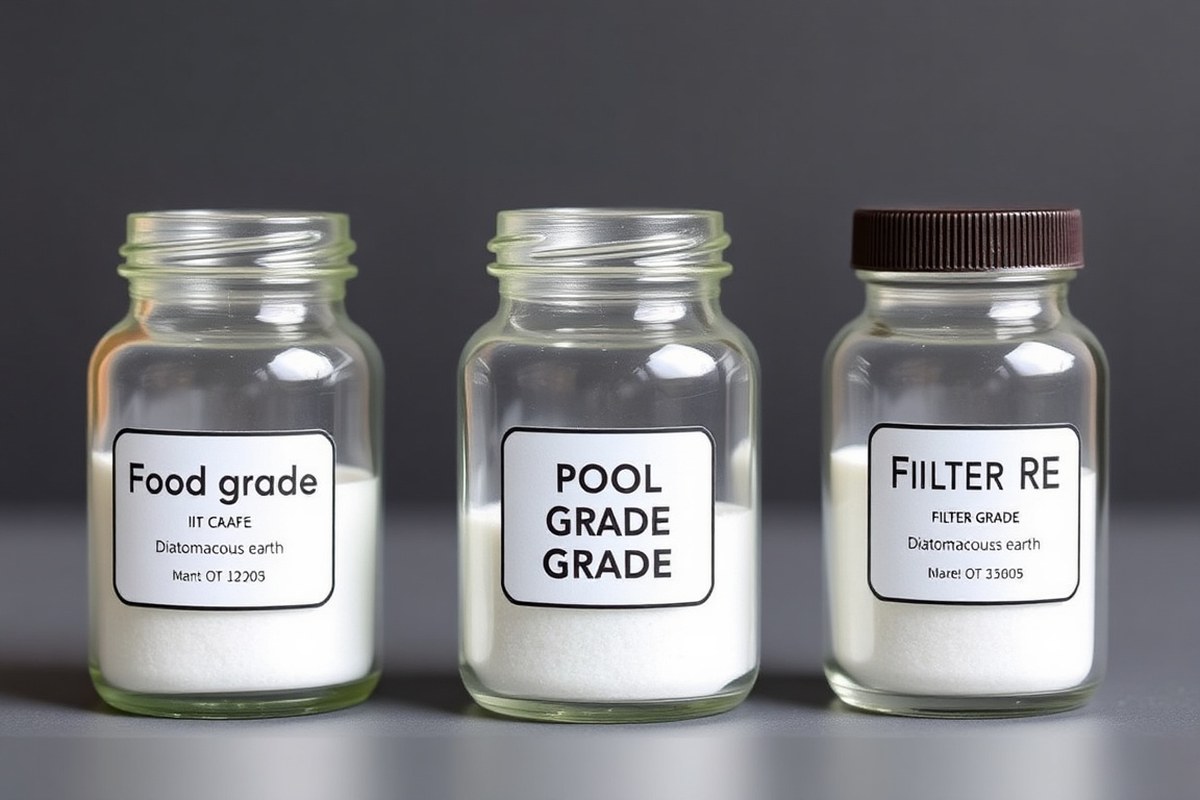
Diatomaceous earth comes mainly in two grades: food grade and pool grade. Food-grade DE is safe around pets, gardens, and humans. You can use it in small amounts for eating.
It is gentle enough for many home uses. Pool-grade DE is heated at high temperatures.
This creates harmful crystalline silica. It’s only safe for swimming pool filters.
The biggest difference between these grades is their silica content and safety. Food-grade DE has less harmful crystalline silica. It has more amorphous silica, which is safer.
This means less risk if accidentally inhaled or eaten. Pool-grade DE has a high amount of crystalline silica.
This chemical harms lungs. Never use it for pest control or health.
Food-grade diatomaceous earth is often called freshwater DE. It’s mined from dry lake beds and ground into a fine powder. It feels soft but contains sharp silica particles that kill insects by damaging their outer coating.
Many gardeners use food-grade DE for natural pest control. It’s safe to dust on pet bedding or around the home when used properly.
| Feature | Food-Grade DE | Pool-Grade DE | Filter-Grade DE |
|---|---|---|---|
| Silica Type | Mostly amorphous silica (lower crystalline silica) | High crystalline silica | High crystalline silica |
| Safety for Humans & Pets | Safe if used properly | Not safe; inhalation risks | Not safe; inhalation & ingestion risks |
| Typical Use | Natural pest control, dietary supplement | Swimming pool filtration only | Swimming pool filtration only |
| Silica Content % | Over 80% amorphous silica | Varies, mostly crystalline silica | Varies, mostly crystalline silica |
| Appearance | Fine, soft powder | Fine powder but more abrasive | Fine powder but more abrasive |
Food-grade DE can be mixed with water for pets or sprinkled dry on plants and soil. Apply it in dry areas for best effect because moisture reduces its pest-killing ability.
It’s important to avoid inhaling any form of DE during application. Use a mask, especially with pool-grade, which is hazardous to breathe.
Only use food-grade diatomaceous earth for gardening, pets, or supplements to stay safe.
Pool-grade DE is treated with heat to improve filtration but creates harmful dust particles. Inhaling these particles can cause serious lung problems. Don’t use them inside homes or on animals.
They pose a real health risk. Always read the label before buying DE.
Keep pool-grade DE far from pets and children. Safety depends on careful storage and use.
How Does Diatomaceous Earth Kill Insects and Which Pests Does It Affect?
Diatomaceous earth kills insects by physically damaging their protective outer layer. It scrapes and dries their exoskeleton, causing dehydration and death. This method works on many crawling insects but not all pests or beneficial insects.
How Diatomaceous Earth Damages Insects
The tiny, sharp particles stick to insects’ legs and bodies. They cut through the waxy outer layer that holds moisture inside the insect’s body. Without this layer, insects lose water fast.
They die from dehydration. This can take one to a few days.
Diatomaceous earth works best in dry conditions. When it gets wet, it forms clumps. Then, it stops sticking to pests.
Use it only where surfaces stay dry, like cracks or dry soil. Wet or damp places make the dust ineffective because it won’t damage insect skins.
Pests That Diatomaceous Earth Controls
This powder targets many common pests that crawl or move close to the ground. It kills fleas, bed bugs, cockroaches, ants, ticks, and centipedes. Garden pests like mealybugs die if you apply dust directly.
Some ants can also be vulnerable. This works best when the dust contacts them.
Sprinkle or puff it where you know pests hide or travel. It sticks to their bodies when they walk through it.
Over time, it cuts their protective coating, leading to death. You will see results in days, depending on pest size and population density.
Pests Diatomaceous Earth Does Not Affect
Diatomaceous earth doesn’t work on flying insects like flies or mosquitoes. It can’t kill pests without an exoskeleton.
Also, pests with hard, waterproof shells survive. Soft-bodied insects that stay wet, or those in moist environments, can avoid damage.
For pests that live mostly in water or wet soil, diatomaceous earth is ineffective. It also does not kill internal parasites or insects protected inside plants or underground tunnels. For these pests, other control methods are necessary.
Effects on Beneficial Insects
Diatomaceous earth can harm beneficial crawling insects if they walk through it. However, it does not selectively target pests only.
It kills any insect with a vulnerable exoskeleton. To protect beneficial bugs, apply it carefully in targeted, dry areas only.
Avoid covering flowers or plants heavily where bees, ladybugs, or other helpful insects visit. Use spot treatments along baseboards or soil where pests hide. This way, the risk to beneficial insects stays low while pests are controlled.
How to Apply Diatomaceous Earth Safely and Effectively Indoors, Outdoors, and on Pets
Applying diatomaceous earth correctly means spreading it lightly where pests hide. Use food-grade diatomaceous earth indoors, outdoors, and on pets to stay safe and effective. Avoid breathing in the dust.
Reapply every 7 to 10 days. Do it again after outdoor rain.
Indoor Application Steps and Tips
Dust a thin layer of food-grade diatomaceous earth along baseboards, under furniture, and around pet bedding. Keep it away from open wounds and damp areas because wetness stops it from working. Use a mask to avoid breathing in the fine dust.
Check the treated spots weekly and reapply after vacuuming or cleaning. Small bags of diatomaceous earth last several months when used sparingly. Avoid piling it up, as thick layers do not add effectiveness and create dust clouds.
- Choose food-grade diatomaceous earth labeled for indoor use.
- Wear a dust mask and gloves before application.
- Use a duster or squeeze bottle to spread a fine layer on pest-prone spots.
- Focus on cracks, crevices, under sinks, and near pet areas.
- Allow dust to sit undisturbed for up to two weeks.
- Vacuum treated spots after 10 to 14 days.
- Reapply as needed or after vacuuming and cleaning.
Garden and Outdoor Application Methods
Scatter diatomaceous earth lightly on the soil surface and around plant bases. This blocks pests like slugs, ants, and beetles without harming your vegetables. Reapply after rain or heavy dew to maintain its pest control properties.
Spread a thin, even dusting and avoid thick piles that waste product and wash off easily. Use a hand duster or shaker bottle for better coverage and less dust in the air. Avoid windy days to prevent inhaling the powder.
- Choose food-grade diatomaceous earth suitable for outdoor use.
- Wear protective gear like a dust mask and goggles.
- Apply a light dust across the garden soil and plant stems.
- Target pest entry points like anthills and slug trails.
- Reapply after heavy rain or every 7 to 10 days during heavy infestations.
- Store diatomaceous earth in a dry, cool place away from sunlight.
Using Diatomaceous Earth Safely on Pets
Only use food-grade diatomaceous earth for pets and avoid the pool-grade type. Lightly dust your pet’s fur, focusing on areas fleas hide, like the neck and tail base. Brush the powder through the coat to spread it evenly without clumping.
Prevent dust inhalation by keeping pets calm and avoiding their eyes and nose. Apply weekly during flea season or as instructed by your vet. Always store diatomaceous earth in a sealed container, out of pet reach.
How Long Does Diatomaceous Earth Take to Work and What Affects Its Effectiveness?
Diatomaceous earth usually takes a few days to kill pests after application. Insects must touch the powder directly for it to work. They need to stay in contact for 48 to 72 hours.
This exposure time kills most bugs effectively. Some pests, like bed bugs, require keeping the powder in place longer to catch new hatchlings.
Moisture is the biggest factor that reduces effectiveness. Diatomaceous earth works by scratching and drying out an insect’s waxy shell.
Wet conditions clog the powder’s sharp edges, stopping it from damaging insect skins. After rain or watering, you should let the treated area dry fully before expecting results.
Different insects may respond slower or faster depending on their type and size. Soft-bodied pests usually die quicker, while tougher bugs take longer. Keep a thin, even layer of powder on surfaces.
This helps insects walk through it easily. The powder sticks to their bodies better this way. You can repeat applications every few days if the powder gets disturbed or wet.
For indoor use, leave diatomaceous earth down for at least a week. That ensures both visible adults and any newly hatched pests contact it.
After pests disappear, vacuum or sweep up excess powder. Some homeowners leave a light film down as prevention, especially in cracks or pet areas.
Reapply diatomaceous earth after cleaning or rain to keep it effective and dry.
Outdoor applications require checking often because rain and dew wash away the powder. You may spend a few dollars on multiple small bags each month to maintain coverage.
Applying powder on a dry day with low wind helps it stick and avoid blowing away. Monitoring pest presence helps decide when another round is needed.
Is Diatomaceous Earth Safe for Humans, Pets, and Beneficial Insects?
Diatomaceous earth is safe for humans when it’s food grade. This grade is often used in water filtration and some skin care products. So it’s generally harmless on your skin and okay to eat in small amounts.
Avoid breathing in the dust. It can irritate your lungs. This may cause coughing or sneezing.
Keep kids and pets out of the area while you apply diatomaceous earth. After applying, wait 30 to 60 minutes. Let the dust settle first.
Then let them back in. Wear a dust mask and gloves during application.
This prevents irritation. It’s important indoors or in tight spaces.
Food-grade diatomaceous earth won’t harm beneficial insects like bees and ladybugs when used carefully outside. Don’t pile the dust thick on plants. It can harm helpful bugs.
It may dry them out. Apply the dust sparingly.
Focus on places pests hide, like soil or plant bases. This protects other bugs.
Since diatomaceous earth works by drying out insects, moisture reduces its effectiveness. Always keep the treated areas dry, and reapply after rain or heavy watering. This also helps keep the dust from blowing around and getting into your eyes or lungs.
Some people try eating diatomaceous earth as a health supplement. But the FDA doesn’t regulate its safety. There’s limited research, so be cautious and talk to your doctor before trying it.
Using it outside the garden has fewer risks. Follow safety steps carefully. This keeps pest control safer.
Avoid using non-food grade diatomaceous earth because it often contains harmful chemicals. Always check the package label before use. Confirm the grade is right.
This helps safe use in home or garden. Food grade tends to cost more but is much safer for all around use.
Can Diatomaceous Earth Be Taken as a Dietary Supplement? What Does Research Say?
Some people use food-grade diatomaceous earth as a dietary supplement. It often comes as powder. A common dose is about one teaspoon.
Stir it into water daily. However, scientific research on this use is very limited, and no official dosage recommendations exist.
Only one small human study has looked at diatomaceous earth for health benefits. The results were inconclusive. Some marketers claim it can detox the body by removing toxins or lower bad cholesterol.
But clinical evidence to support these claims is lacking. Mainstream medicine does not back up these supposed benefits.
Taking food-grade diatomaceous earth internally carries risks. It can irritate the digestive tract and lungs if inhaled during handling. Talk to a doctor before using it this way.
This is important if you have health issues. Also consult if you take medications.
Common Mistakes with Diatomaceous Earth and How to Avoid Them
Diatomaceous earth works best when you use food-grade powder and apply it dry. Avoid common errors like using pool-grade DE or applying it when wet. Following simple steps helps keep your pest control safe and effective.
Mistake: Using Pool-Grade DE Instead of Food-Grade
Pool-grade diatomaceous earth contains impurities that can harm plants, pets, and people. It often has added chemicals and silica dust that pose health risks when inhaled. Always choose food-grade DE for gardening, pest control, or pet use since it’s safe and pure.
Food-grade diatomaceous earth comes from freshwater sources and is free from harmful contaminants. You can buy it at farm stores or online.
It costs about $10 to $25 for a 5-pound bag. Using the wrong grade not only risks safety but also wastes your money and effort.
Mistake: Applying DE in Wet or Humid Conditions
Diatomaceous earth needs to stay dry to kill insects by damaging their exoskeletons. When wet, it clumps and loses its abrasive power.
Don’t apply DE before rain or watering. High humidity makes the powder stick and fail.
After rain or watering, wait 24 to 48 hours until plants and soil dry completely. You can reapply diatomaceous earth after this drying period for best results. Keep the powder light and loose, not clumped or crusty, to keep it effective.
Identifying Ineffective Application and When to Escalate
Pests that stay after 7 to 10 days mean the treatment might not work. Check the powder’s dryness and coverage. Look for signs like shiny, intact soil versus dusty, dry powder where pests roam.
Some infestations can grow too large for diatomaceous earth to handle alone. For heavy pest problems, especially with bees, wasps, or termites, call a professional pest control service. Professionals can use stronger, targeted methods safely.
- Make sure you use food-grade diatomaceous earth.
- Apply DE only when soil and plants are dry.
- Check powder regularly and reapply after rain or watering.
- Look for fewer pest sightings over 7 to 10 days.
- Watch for powder clumping, it means reapplication is needed.
- Use DE as part of an integrated pest control plan.
- Call a pro for heavy or dangerous infestations.
Keep diatomaceous earth away from moisture to preserve its pest-killing ability.
Your Step-by-Step Plan to Use Diatomaceous Earth Safely and Well
Follow these steps to start using diatomaceous earth (DE) for pest control or health. Check results at each phase to adjust your approach as needed.
- Before you start: Choose food-grade DE if using on pets or for health. Pick pest control grade only for garden or home use. Safety depends on the right grade.
- Day 1: Clean the area where you’ll apply DE. Dust a thin, even layer where pests appear. Check the treated spot daily for any new bugs.
- Week 1: Reapply DE after heavy rain or sprinkler use outside. Indoors, dust carpets and pet bedding again if pests persist. Monitor pest activity to see improvement.
- Week 2: If using on pets, sprinkle a small amount on their fur. Brush it through so it’s evenly spread. Watch your pet for any signs of irritation.
- Ongoing: Keep areas dry since moisture cuts DE’s effectiveness. For lasting results outdoors, apply after the ground dries. Check every week and reapply if pest signs return.
- After 4 weeks: Assess pest control success. If pests remain, double-check application thickness and dryness. Adjust timing or consult a professional if problems continue.
Frequently Asked Questions
Can Diatomaceous Earth Be Reused After Getting Wet?
No, wet diatomaceous earth loses its sharpness and won’t kill insects effectively. Let it dry completely before reapplying for best results indoors or outdoors.
How Should Diatomaceous Earth Be Stored to Keep It Effective?
Keep diatomaceous earth in a dry, cool place in a sealed container. Moisture can clump it and reduce its insect-killing power. Avoid storing near damp areas.
Does Diatomaceous Earth Harm Soil Health When Used in Gardens?
Diatomaceous earth is safe for soil and won’t harm beneficial microbes. Use it within recommended amounts to avoid altering soil texture or water retention too much.
Can Diatomaceous Earth Cause Respiratory Issues During Application?
Yes, inhaling fine dust can irritate your lungs. Always wear a mask and apply in well-ventilated areas to protect your breathing.
Is Diatomaceous Earth Effective Against Bed Bugs?
Yes, diatomaceous earth can kill bed bugs by damaging their outer layer. Apply in cracks, crevices, and mattresses. But combine with other pest control for best results.
How Long Does Diatomaceous Earth Remain Active in Soil After Application?
It can stay effective for several weeks as long as it stays dry. Rain or watering can reduce its activity, so reapply as needed during wet seasons.
Key Points to Remember
Diatomaceous earth works by physically damaging insect shells, not chemicals. Using it right means steady, dry conditions and repeated applications. Start with food-grade DE and careful handling to get the best results safely.