How to Grow Strawberries in Containers: Simple Steps for Bountiful Fruit
Wondering how to grow strawberries in containers? The key is picking the right container and soil. Choose one that’s 8 to 12 inches deep with good drainage to prevent waterlogging.
Use a quality potting mix rich in organic matter for healthy growth. Avoid garden soil, which can compact and limit root development.
Strawberries need plenty of sunlight, at least 6 to 8 hours a day. Place your container in a bright spot to get sweet, juicy berries.
Start planting after the last frost, when soil temperatures reach 50°F or higher. Plant your strawberries about 10 to 12 inches apart to give roots room to grow strong.
Key Takeaways
- Pick containers 8 to 12 inches deep for healthy root growth.
- Use well-draining organic soil for best strawberry growth.
- Plant strawberries 10 to 12 inches apart in containers.
- Set containers in spots with 6 to 8 hours of direct sunlight daily.
- Plant only when soil temperature stays above 50°F.
- Soak bare-root plants in water for 30 minutes before planting.
What Container Works Best for Growing Strawberries
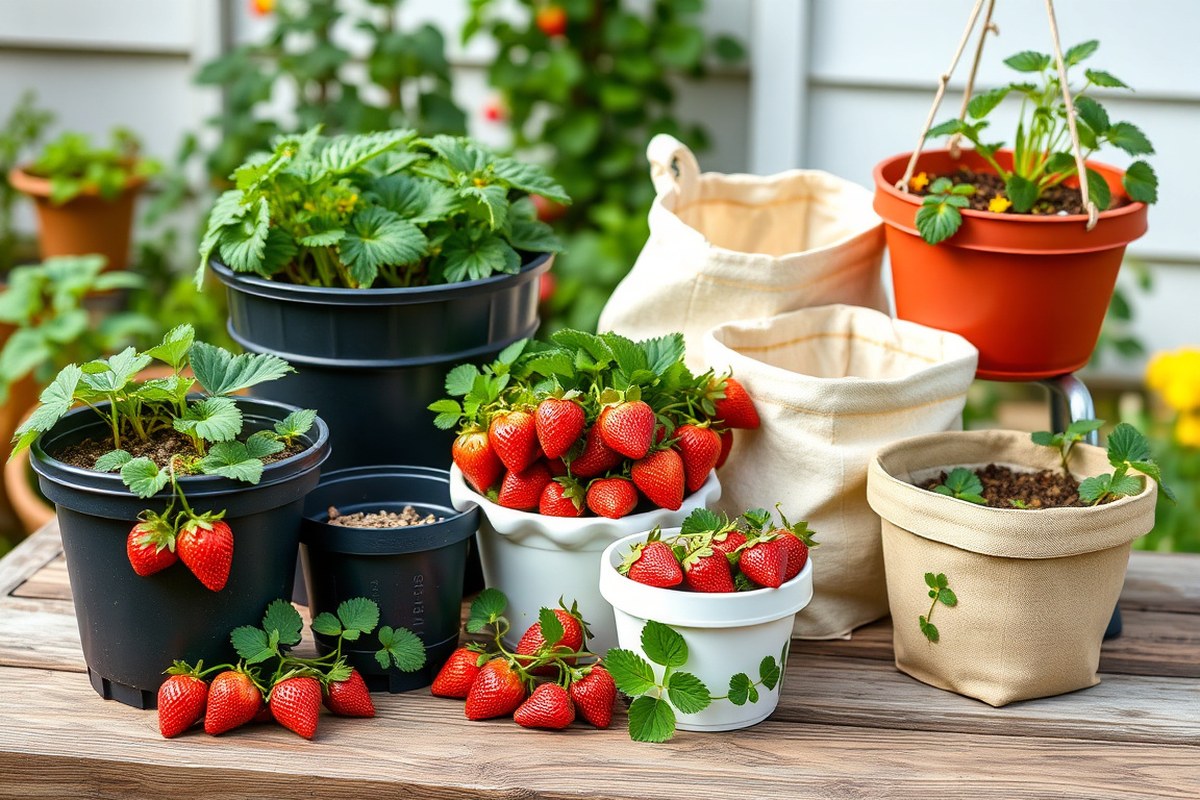
Pick a container that is 10 to 12 inches wide and 8 inches deep. This size holds enough soil for roots to spread about 6 to 12 inches. It equals about a 3- to 5-gallon pot size.
This is big enough to keep soil from drying out. It’s also still easy to move and manage.
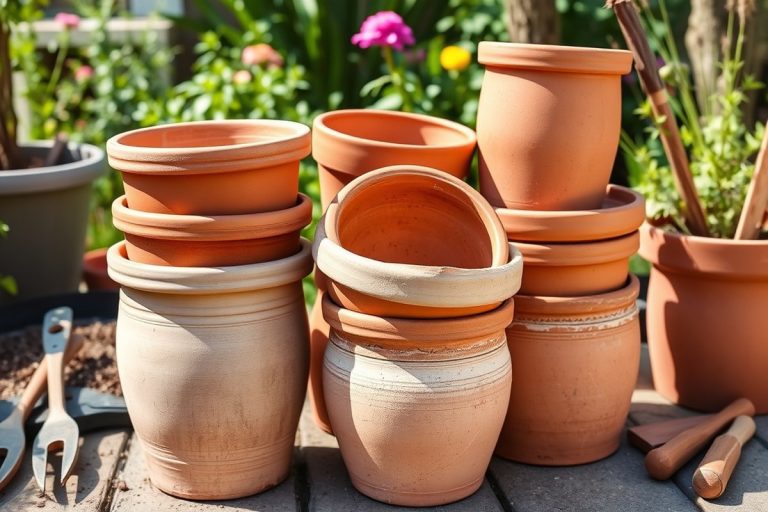
Choose containers made from plastic, terracotta, fabric, or traditional strawberry pots. The material affects how the soil dries and how heavy the container feels. Plastic pots stay moist longer and weigh less but offer less breathability than terracotta.
Fabric grow bags drain very well and are lighter. But they dry out faster and need more frequent watering.
Check that your container has drainage holes. Good drainage stops roots from sitting in soggy soil, which can cause root rot.
Make sure the pot has holes in the bottom. Drill or punch holes before you plant if needed.
| Container Type | Size (width × depth) | Drainage | Weight and Portability | Water Retention | Notes |
|---|---|---|---|---|---|
| Plastic Pot | 10-12 in × 8 in | Drainage holes needed | Lightweight, easy to move | Retains moisture well | Less breathable, prone to overheating |
| Terracotta Pot | 10-12 in × 8 in | Usually has holes | Heavier, harder to move when full | Dries out quickly | Good breathability, needs regular watering |
| Fabric Grow Bag | 10-14 in × 8-10 in | Excellent natural drainage | Very lightweight | Dries out faster | Needs frequent watering, portable |
| Hanging Basket | 12-14 in diameter, 8-10 in deep | Drainage holes essential | Varies by material | Depends on size and material | Good for vertical space, monitor watering |
| Strawberry Pot (multi-pocket) | 12-14 in diameter, 10 in deep | Usually pre-drilled | Medium weight | Good moisture balance | Allows many plants, good airflow |
Grab a fabric grow bag to keep your container light. These bags make moving plants easier. They are also easy to store.
You will water more often because fabric breathes well. Terracotta pots cool roots but dry faster, so check soil daily. Plastic pots hold moisture longer and weight less but can overheat on hot patios.
Hanging baskets work well when you want to save space and grow vertically. Confirm they drain well to avoid soggy roots. Strawberry pots with pockets let you plant many plants.
They keep strawberries close but allow airflow around them. This helps avoid disease and keeps plants healthy.
Which Strawberry Varieties Thrive in Containers
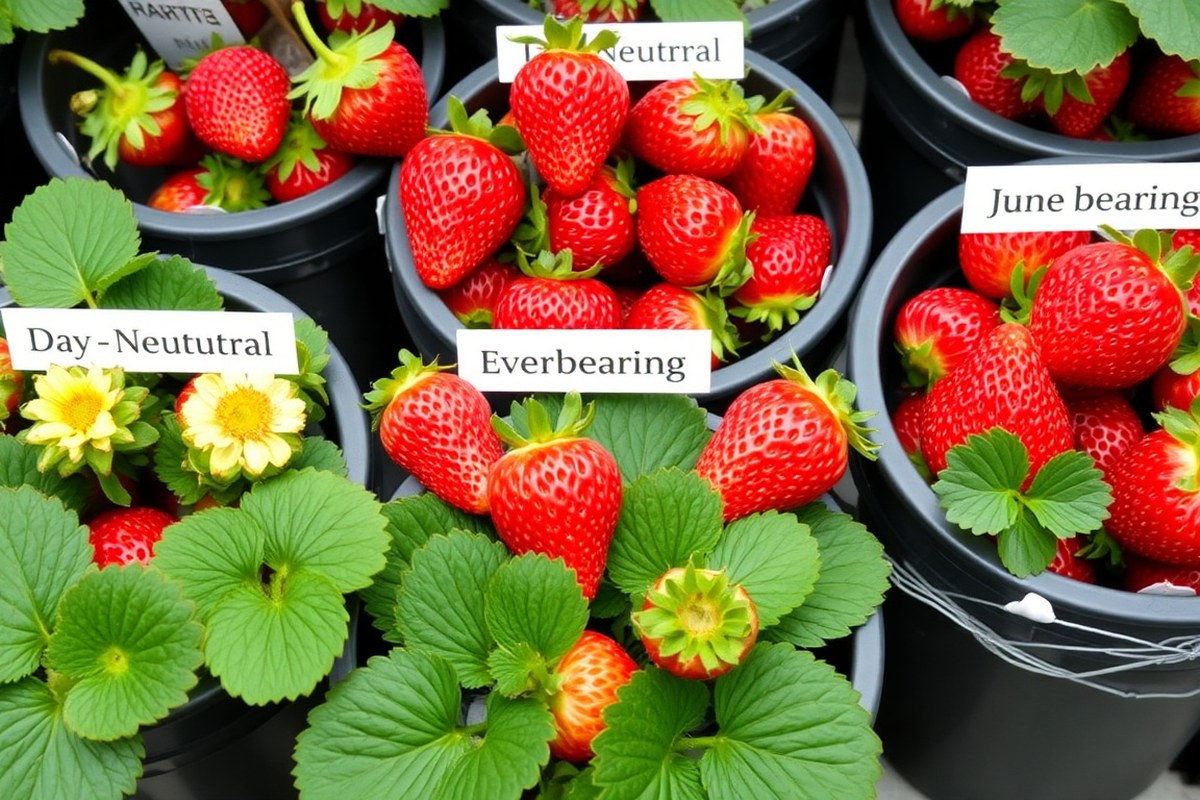
Day-neutral and everbearing strawberry varieties thrive best in containers because they produce fruit over long periods. Choosing these types lets you enjoy fresh strawberries from spring through fall with less fuss. Your choice affects how often you harvest and what care your plants need.
Day-Neutral Varieties for Container Growth
Day-neutral strawberries produce fruit consistently all season long, making them great for container growing. They don’t rely on day length to start flowering, so you get steady harvests. These plants tend to be compact, which suits small pots or balcony containers.
Popular cultivars include Albion, which produces large, sweet berries with excellent flavor. Seascape adapts well to coastal and inland climates and is a reliable fruit producer. Tristar offers smaller berries but packs great taste in a compact plant, perfect for limited space.
- Albion: large berries, all-season fruiting
- Seascape: adaptable, steady producer
- Tristar: smaller berries, flavorful, compact
- Ideal for continuous harvests
- Compact growth works well in small containers
Don’t overcrowd containers with day-neutral types; space helps fruit size and airflow.
Day-neutral varieties also respond well to light feeding every three or four weeks during fruiting. Keeping soil moist but not soggy supports continuous bloom and berry growth.
Everbearing Varieties and Their Benefits
Everbearing strawberries produce two main harvests, usually in spring and fall, which suits some container setups. They give fewer fruits at one time.
Still, you get sweet berries twice a year. This type can work well where space is limited and long, steady production is less important.
Ozark Beauty is a common everbearing variety known for tasty berries with solid production peaks. It’s widely available and easy to care for.
These plants grow well in cooler places. They like regular watering and feeding during growth.
- Ozark Beauty: two harvest peaks, good flavor
- Simple to manage in smaller pots
- Offers predictable fruit timing
- Less continuous harvest than day-neutral types
- Suited for cooler growing regions
Avoid overfeeding everbearing plants; too much fertilizer can reduce berry quality.
Because everbearing types have clear fruiting times, you can adjust care accordingly. Give them a break from heavy feeding outside these periods.
June-Bearing Types and Their Limitations
June-bearing strawberries produce one large crop each year, usually in late spring or early summer. While they can grow in containers, they aren’t the best fit for limited spaces. Their short harvest period means no fresh strawberries the rest of the season.
The large single crop requires more space and nutrients to support heavy fruiting. Containers may limit the total yield compared to ground planting. These types need more careful pruning and renovation after harvest to prepare for next year.
- Single harvest per year limits fresh fruit availability
- Require more space and nutrients for big crops
- Less suited for small container setups
- Need pruning and renovation each season
- Best for gardeners with more container space
June-bearers in small containers often produce fewer, smaller berries than expected.
Choosing day-neutral or everbearing types generally gives better results in containers. June-bearing plants work best when you want one big harvest and have room for bigger pots.
Preparing Soil and Planting Strawberries in Containers
Start by using quality potting mix with good drainage and proper nutrients. Check the soil pH; strawberries prefer slightly acidic soil near 6.0 to 6.5.
Soak bare-root plants in water for 20 to 30 minutes. This helps hydrate their roots well before planting.
Choosing and Mixing the Right Potting Soil
Use a well-draining potting mix rather than garden soil to avoid waterlogging. Adding organic matter like compost helps provide nutrients and improves soil texture.
Soil pH between 6.0 and 6.5 supports strawberry growth and nutrient availability. You can measure pH with inexpensive home kits or digital meters.
Mix peat moss or coconut coir with compost and perlite or vermiculite for aeration. This blend holds moisture but drains excess water fast, preventing root rot.
Steps to Planting Strawberry Seedlings or Bare Roots
Planting requires care to avoid damaging roots or covering the crown. The crown is the thick part where leaves grow. It must stay just above soil level.
Follow these steps when planting your strawberries in containers:
- Fill your container with prepared potting mix, leaving about 1 inch below the rim.
- Soak bare-root plants in water for 20 to 30 minutes if needed.
- Spread bare roots downward in the soil, avoiding bending or bunching them.
- Position the plant so the crown rests slightly above the soil surface.
- Cover roots gently with soil while keeping the crown exposed.
- Press the soil lightly to remove air pockets but do not compact it tightly.
- Water thoroughly to settle the soil around the roots.
Recommended Spacing for Container Plants
Plant strawberries about 4 to 6 inches apart in a container at least 12 inches wide. This spacing prevents crowding and gives each plant room to grow.
Larger containers allow more plants and root room but keep spacing consistent. Overcrowding leads to poor air circulation and higher disease risks.
Containers around 12 to 15 inches deep support healthy root development. Make sure pots have drainage holes to prevent water buildup around roots.
How to Water, Feed, and Care for Container Strawberries
Water container strawberries when the top inch of soil feels dry. Usually, that means about 1 to 1.5 inches of water weekly. Containers dry faster than garden soil.
So check often, especially in hot or windy weather. Water deeply until it runs out the drainage holes. Avoid letting water pool on the soil surface, which can invite rot.
Feed your strawberries every two weeks with a balanced liquid fertilizer. Container strawberries lose nutrients faster because water flushes them away. Use a fertilizer with equal parts nitrogen, phosphorus, and potassium, labeled for fruits or vegetables.
Follow the package directions for amounts. You can choose organic feeding using fish emulsion or seaweed extract mixed with water at the same intervals.
Strawberries thrive on 6 to 8 hours of direct sun daily. More sun means larger, sweeter fruits and healthier plants. Place your container where it gets the strongest sunlight.
Rotate the pot often to spread sun exposure evenly. Without enough sun, plants stretch out, bloom less, and bear fewer berries.
Prune runners regularly to keep the plant’s energy focused on fruit production. Runners are long, thin stems that try to root and create new plants. Snip them off close to the base unless you want to grow new plants.
Removing runners helps your main strawberry plants look fuller and produce more berries. Check for runners every week during the growing season.
Keep strawberries in temperatures between 60 and 80 degrees Fahrenheit during the day. Night temperatures can safely drop as low as 50 degrees. When temperatures rise above 85 degrees during the day, increase watering and shield plants from the hottest sunlight.
Cold snaps below 32 degrees can harm the plants. Bring containers indoors or use frost covers to protect them.
Harvesting Strawberries from Containers Successfully
Strawberries are ready to pick when they turn fully red and firm. Avoid picking berries that are still white or soft. Unripe strawberries won’t taste as sweet.
They can drain the plant’s energy. This stops it from growing better fruit.
Pick your strawberries every two to three days during harvest. Frequent harvesting encourages more fruit production and keeps the berries from rotting. Gently pinch the berry with your fingers.
Or cut the stem close using scissors. Handle the berry carefully to avoid damage.
To get the best flavor and yield, only harvest in the morning when temperatures are cooler. Strawberries picked then hold their sweetness better. It’s best to avoid harvesting after heavy rain or watering to prevent mold on the fruit.
- Look for berries that are fully red with no green or white spots.
- Ensure the berry feels firm, not soft or mushy.
- Pick early in the morning for best taste and shelf life.
- Check your plants every 2, 3 days to grab ripe berries.
- Use clean hands or scissors to keep berries from bruising.
- Avoid picking if berries are wet to reduce mold risk.
- Leave a small stem on the strawberry for longer freshness.
Harvesting this way keeps your container strawberries clean and pest-free. Proper picking also helps the plants put energy into producing more berries. Leaving berries too long can attract pests.
They might also start rotting. This can harm the whole plant.
Never pull strawberries; snip or pinch them gently to avoid damaging the plant.
Strawberries that you wait to ripen fully will taste sweeter and last longer once picked. You’ll see your harvest increase if you stick to a regular picking schedule. Keep a small container or bowl nearby.
Use it to pick berries easily. Check your plants often while you do this.
Overwintering Strawberries in Containers for Year-Round Success
Strawberries need a cold dormancy period to fruit well each year. Cold temperatures trigger flowering for the next season. Growing strawberries in containers means you can decide how to protect them from freeze and overwinter.
In places below 20°F, bring containers inside during winter. Add extra insulation if kept outside to protect roots. Outdoor pots need a safe spot to survive winter.
Wrap them with burlap or straw for extra warmth. You can also bury containers partially in the ground and mulch around them for added warmth.
Indoor overwintering means bringing pots into a cool, well-lit space. Avoid warm rooms since too much heat breaks dormancy.
A basement or unheated garage with temperatures around 35 to 45°F is ideal. This method keeps roots from freezing and prevents plants from waking too early.
Come spring, your plants might look tired or have dead leaves. Refresh containers by trimming old leaves and feeding plants with a balanced fertilizer. Repotting every two or three years helps avoid nutrient loss and root crowding.
Follow these steps to overwinter your container strawberries:
- Choose your method: indoor cool spot or outdoor protected area.
- Move pots outdoors to a spot where wind won’t blow. Cover with burlap and add straw under the wrap.
- Alternatively, set pots in the ground with mulch piled around sides for insulation.
- Keep containers inside a basement or garage during cold. Make sure temperatures stay between 35 and 45°F.
- Remove any dead or dying leaves before cold sets in to reduce disease risk.
- Check soil moisture regularly; keep lightly moist but not soggy through winter.
- In early spring, prune old leaves and lightly fertilize to support new growth.
- Refresh soil or repot if roots look crowded or soil quality is poor.
Taking these steps helps your strawberries survive cold months and produce fruit again. Overwintering can cost very little, mainly time and simple materials like straw or burlap. Skipping this care often leads to weak plants or no fruit in the second year.
Troubleshooting Common Problems Growing Strawberries in Containers
Strawberries in containers often face water-related issues. Overwatering can cause root rot, while underwatering leads to dry, wilted leaves. Check drainage holes to ensure water drains freely.
Use a moisture meter or stick your finger about an inch into the soil. Water only when the top inch feels dry.
Pests like aphids, spider mites, and slugs commonly attack strawberry plants. Aphids cluster on new growth and leave sticky residue. Spider mites cause tiny yellow spots on leaves and fine webbing.
Slugs leave slimy trails and chew holes in fruit and leaves. Remove pests by spraying plants with water.
Use insecticidal soap every seven to ten days. Keep spraying until pests disappear.
Diseases can spread quickly in containers if you don’t remove infected leaves. Powdery mildew shows as a white powdery coating on leaves. Gray mold causes soft, brown, furry spots on fruit.
To prevent these issues, prune dead leaves and avoid overhead watering. Use a fungicide if powdery mildew or mold appears, following the label instructions strictly.
Nutrient deficiencies show clear symptoms on foliage. Yellowing leaves with green veins usually mean a lack of iron. Pale leaves with brown edges indicate potassium shortages.
Add a balanced fertilizer formulated for fruiting plants every four to six weeks. Follow package directions carefully to avoid overfeeding, which can burn roots and harm plants.
Adjust watering during hot weather by checking soil moisture daily. Strawberries dislike sitting in wet soil, but dry soil also stresses them. Water deeply once or twice a week.
Adjust based on heat and container size. This helps keep soil moist but not soggy. Smaller containers dry out faster and might need watering more often, sometimes daily in summer.
Keep an eye on leaf color and plant health as early signs of problems. Remove damaged or diseased leaves promptly to avoid spreading.
Repot the plants every couple of years using fresh soil to prevent nutrient buildup and disease. This refresh helps keep plants healthy and producing fruit longer.
Growing Strawberries Indoors and in Special Container Setups
You can grow strawberries indoors successfully with bright light and the right containers. They need about 6 hours of direct light or good grow lights. Choosing containers like window boxes or tiered planters helps you fit several plants in small spaces.
Lighting Needs and Grow Light Options
Strawberries need at least 6 hours of direct sunlight daily. This helps them produce sweet berries. It also keeps the plants compact.
Indoors, windows facing south or west work best for natural light. When sunlight is limited, use LED grow lights with a full spectrum to replace natural light.
Set a lighting schedule of 12, 16 hours a day to mimic outdoor conditions. Use timers to keep light consistent. Place grow lights 6 to 12 inches above plants, adjusting height as they grow.
- Use full-spectrum LED grow lights for best results
- Keep lights 6, 12 inches above plants
- Set light timer for 12, 16 hours daily
- Rotate plants weekly under lights
- Check for leggy growth and increase light if needed
Using this routine helps strawberries flower well and avoid weak stems.
Best Containers for Indoor Strawberry Growing
Window boxes and tiered planters work great indoors. Window boxes fit tight spots on sills and allow easy watering. Tiered planters hold 8, 12 plants in less floor space with several pockets or pots stacked.
Terracotta pots, grow bags, and hanging baskets are other options with good drainage. Strawberry pots or jars with side pockets let you grow extra plants in one container. Watering needs more care with tiered planters to keep moisture even on all levels.
- Window boxes fit on sunny sills or shelves
- Tiered planters hold many plants in a small footprint
- Hanging baskets save space and offer airflow
- Terracotta pots provide good soil breathing
- Strawberry jars have pockets for extra plants around sides
Choose containers with drainage holes to prevent water buildup.
Maintaining Humidity and Air Circulation Indoors
Strawberries prefer humidity between 40% and 60%. Dry indoor air can cause leaves to dry out or the plant to stress. Use a small humidifier or place a tray filled with water nearby to boost humidity.
A fan on low speed helps prevent mold and strengthens stems by improving air movement. Good airflow also lowers the risk of diseases common in indoor setups.
- Keep humidity around 40% to 60%
- Use a humidifier or water tray if air is dry
- Place a small fan on low to circulate air
- Avoid overcrowding plants to improve airflow
- Check for condensation and wipe if needed
Watch leaves for spots or rot, indicating poor air circulation or high humidity.
Tips for Even Growth and Preventing Leggy Plants
Rotate your plants weekly so all sides get equal light. This stops them from leaning toward a window or light source. For tiered planters, turn the whole unit or rotate individual pots if possible.
Keep plants about 6 to 12 inches apart indoors to avoid shadowing. Pinch off runners early to focus the plant’s energy on fruit production. Leggy growth means the plant stretches too much for light and looks weak.
Rotate plants every 7 days to avoid uneven sun exposure and leggy growth.
Increase light hours or bring plants closer to the light if they start stretching. Consistent watering and feeding also keep plants healthy and compact.
Step-by-Step Action Plan for Growing Strawberries in Containers
Follow these steps to get your container strawberries growing strong. Each step helps you check your progress easily.
- Before You Start: Choose a container with good drainage and fill it with well-draining soil. You’ll see water soak through quickly when you test it.
- Day 1: Plant your strawberry crowns about 6 inches apart, with the roots spread out. The crown should sit just above the soil line.
- Week 1: Water your plants deeply but avoid soggy soil. The soil should stay moist but not wet to the touch.
- Week 3: Begin feeding with a balanced, liquid fertilizer every two weeks. Watch for steady leaf growth to confirm it’s working.
- Month 2: Place containers in full sun (at least 6 hours a day). Leaves should remain green and not stretch tall or pale.
- Harvest Time: Pick ripe berries regularly to encourage new fruit. You’ll see more flowers and berries develop after harvesting.
- Fall: Trim leaves and move containers to a shaded, cool area or indoors for overwintering. The plants should appear dormant by late fall.
- Next Spring: Start watering and feeding again to wake your strawberries up. Look for fresh green growth to know they’re waking.
Frequently Asked Questions
How Often Should I Repot My Strawberry Plants in Containers?
Repot strawberries every 2 to 3 years to refresh the soil and avoid root crowding. This helps maintain healthy plants and better fruit production.
Can I Grow Strawberries in Hanging Baskets Effectively?
Yes, hanging baskets work well for strawberries if they have good drainage and get full sun. They save space and allow easy access for picking berries.
Do Strawberry Plants Need Pruning When Grown in Containers?
Yes, pruning helps remove dead leaves and runners, focusing the plant’s energy on fruit. Trim runners to prevent overcrowding and reduce disease risk.
What Is the Best Way to Protect Container Strawberries from Pests?
Use physical barriers like netting or sticky traps to deter birds and insects. Organic sprays are safe and effective, but read labels carefully before use.
Can I Grow Strawberries in Containers Year-Round Indoors?
Growing strawberries indoors year-round needs bright light, 10 to 12 hours daily, and consistent watering. Supplemental grow lights help if natural sunlight is limited.
How Do I Tell When Container-Grown Strawberries Are Ripe for Picking?
Ripe strawberries turn fully red with no white or green spots. They should feel firm but slightly soft to the touch before harvesting.
Wrapping Up
Growing strawberries in containers is rewarding when you pick the right setup and care steps. Get your container ready today, and plant your first strawberry crowns soon. Watch your berries grow as you water and feed them carefully.