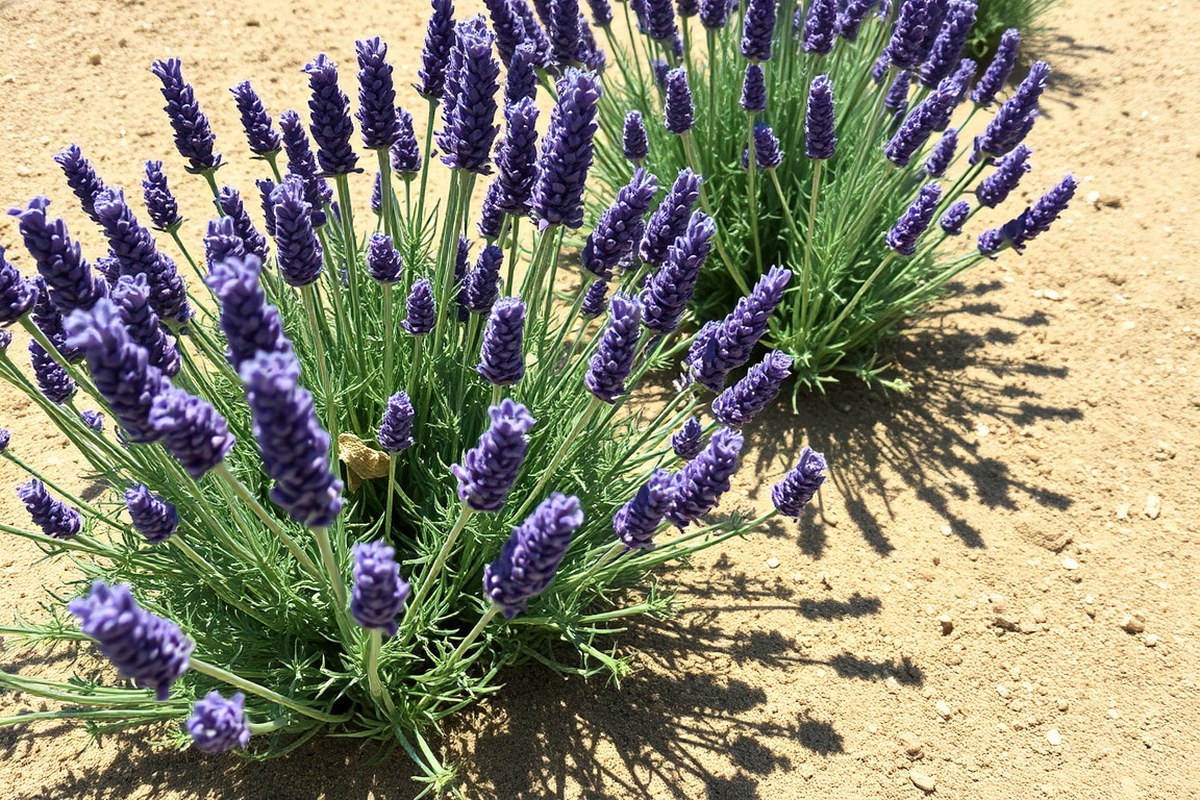
What Kind of Soil Does Lavender Like? A Complete Guide for Healthy Growth
What kind of soil does lavender like? Lavender prefers well-drained, sandy or gritty soil.
It needs soil that is slightly alkaline and low in organic matter to thrive. Aim for a pH between 6.5 and 7.5 for the best results.
Clay soil is often too dense and holds too much water for lavender roots. You should avoid planting lavender directly in heavy clay or amend it heavily before planting. Adding grit or sand helps water drain quickly and prevents root rot.
Start by testing your soil drainage. Dig a hole about a foot deep. Fill it with water.
Watch how fast it drains. Water should drain within a few hours. Otherwise, improve your soil before planting lavender.
Key Takeaways
- Lavender grows best in well-drained soil with a pH near 6.5 to 7.5.
- Mix around 30% grit into clay soil to improve drainage for lavender.
- Build at least a 12-inch raised bed when dealing with dense clay soil.
- Use a 1:1:1 blend of sand, topsoil, and compost for clay soil amendments.
- Test drainage by filling a foot-deep hole with water and timing drainage.
- Layer 2 inches of grit at the planting hole bottom to prevent root rot.
What Type of Soil Does Lavender Prefer?
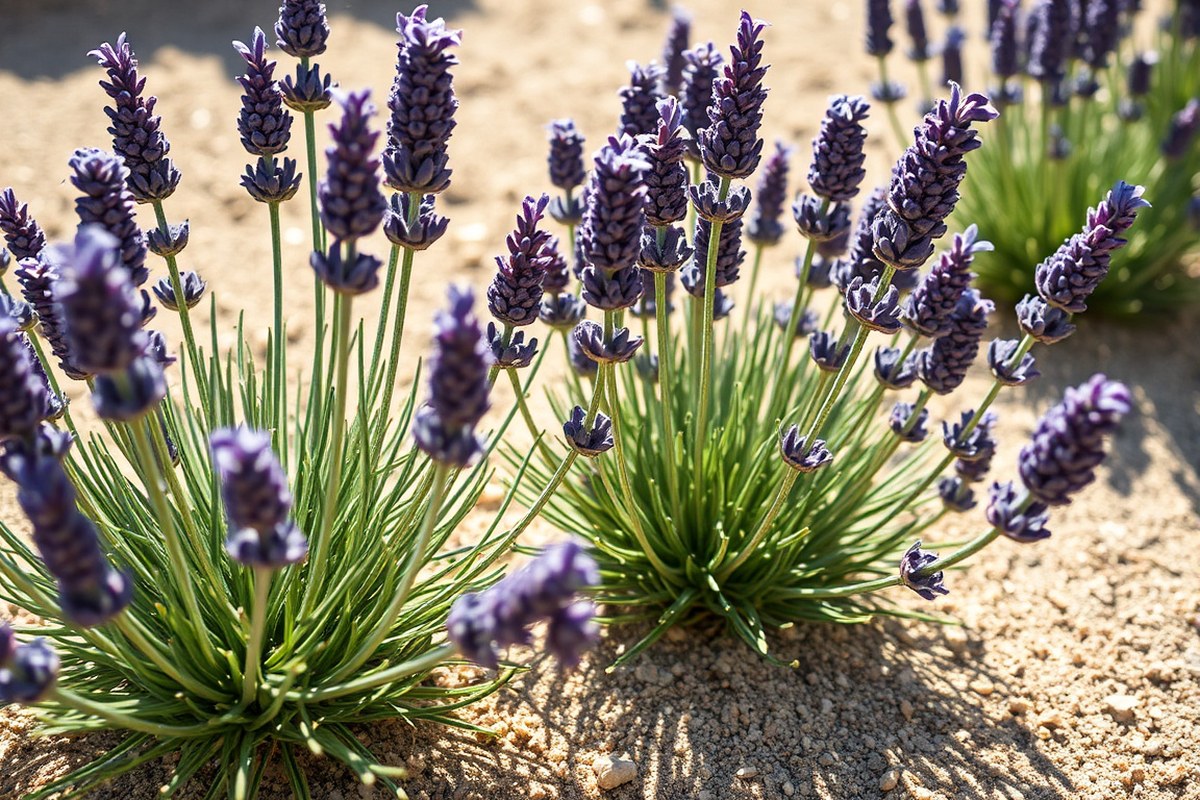
Lavender grows best in sandy loam soil. This soil is a mix of sand, silt, and a small amount of clay.
You want soil that feels loose and crumbly, not dense or sticky. Sandy or gravelly soil works well too, as long as it isn’t packed tight.
Good drainage is important because lavender hates sitting in wet soil. Waterlogged roots can rot quickly and kill the plant.
To keep soil draining well, add grit, perlite, or coarse sand. Use these especially with heavy clay soil.
The ideal pH for lavender is between 6.5 and 7.5, slightly alkaline but not too high. This pH range helps the roots absorb nutrients and supports strong flower growth. Your soil might be too acidic.
You can raise the pH with garden lime. A bit of peat moss or sulfur will lower it if needed. But lowering pH is rarely necessary for lavender.
How to Test and Assess Soil Drainage for Lavender
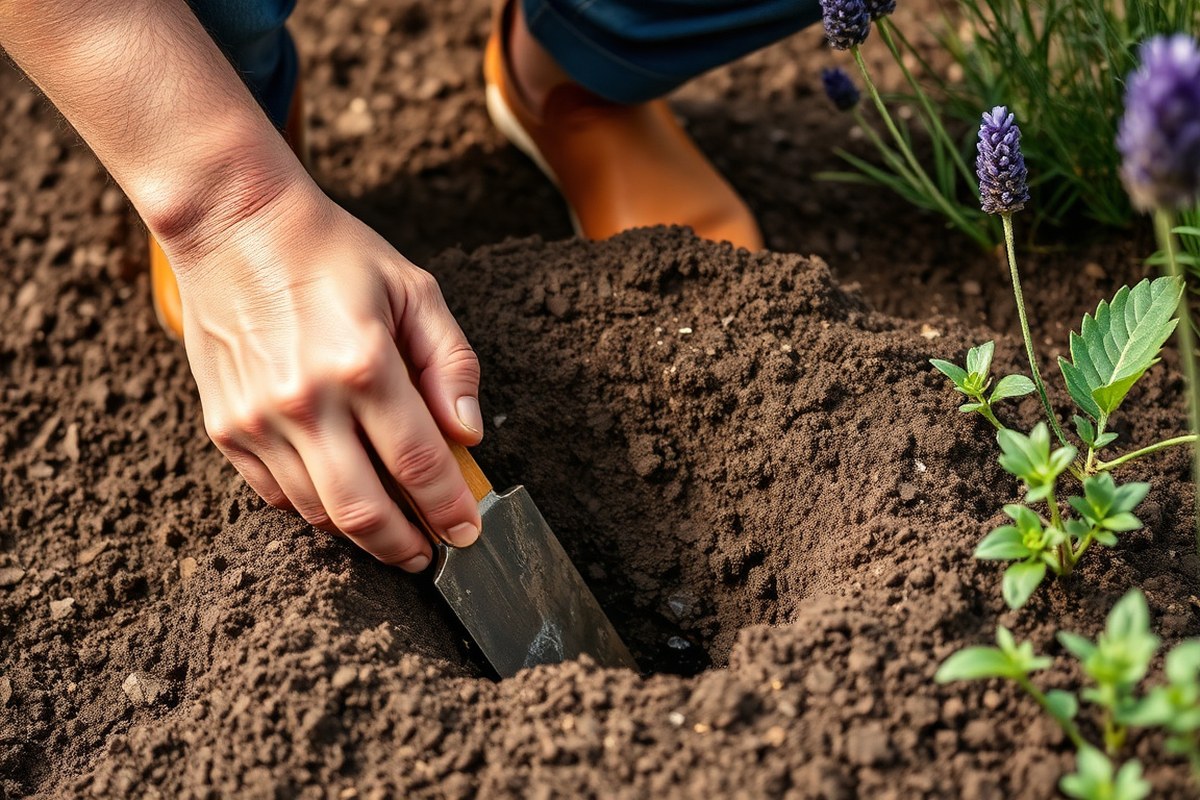
Testing soil drainage before planting lavender ensures the roots won’t sit in water. Poor drainage causes root rot and weak plants. A simple hole test shows how fast water drains and if your soil suits lavender.
Why Soil Drainage Matters for Lavender
Lavender prefers fast-draining soil to prevent excess moisture around roots. Waterlogged soil encourages fungal diseases that kill lavender quickly. Ensuring quick drainage helps the plant stay healthy and bloom well.
Slow drainage means water stays too long, which lavender dislikes. Adjusting the soil improves air space and stops root suffocation. Good drainage is important, especially during wet or winter months.
Steps to Perform a Soil Drainage Test
Test your soil drainage by digging a hole and timing how fast it empties. Use a spot with full sun and no tree shade for accurate results. Follow these steps to get a clear picture.
- Dig a 12-inch deep hole about 6 inches wide in the planting area.
- Fill the hole with water and let it soak in completely.
- After the water drains, fill the hole with water again, filling to the top.
- Start timing how long the water takes to drain completely.
- Check the hole every 15 minutes until the water level is gone.
Drainage that empties in under 30 minutes is ideal for growing lavender.
Interpreting Drainage Test Results
The hole empties in under 30 minutes, showing good soil drainage for lavender. This means water moves fast enough to keep roots dry. Your soil likely has enough sand or grit already.
Drainage taking over 30 minutes but less than 1 hour shows moderate drainage. You might amend the soil with more grit or sand. This improves root aeration but avoid heavy clay or compacted soil.
Water that stays over an hour means poor drainage. Lavender will struggle here unless you fix the soil before planting. This is typical of dense clay or heavy soil that traps moisture.
Fixing Slow Drainage for Lavender Planting
Add coarse sand, small gravel, or organic matter like compost to clay soil. Mix these well into the top 12 inches to improve water flow and prevent pooling. Adding about one-third sand to your existing soil helps most.
Raised beds or mounded rows also aid drainage by letting water run off roots. When amending fails, build a raised bed 8 to 12 inches tall with gritty soil. This keeps roots from sitting in wet soil.
Test drainage again after amending before planting. It’s better to spend an afternoon fixing soil than lose plants later. Well-prepared soil saves time and reduces frustration.
How to Amend Heavy Clay Soil for Growing Lavender
Lavender won’t thrive in heavy clay soil unless you take steps to improve drainage. Clay holds water and can cause root rot, which kills lavender plants. Creating a raised bed or amending the clay can solve this problem.
Raised beds at least 12 inches deep work best for clay soil. This lifts roots away from soggy areas. Planting in the ground means mixing in coarse sand and organic matter deeply to improve drainage and texture.
Amending means you mix in materials into the soil. This adds air and space for water to drain. It helps the soil breathe and drains better.
Use a 1:1:1 mix of coarse sand, topsoil, and compost. Avoid fine sand or too much organic material. Keep organic matter under 20% by volume to prevent moisture retention.
- Clear the planting area of weeds and debris to prepare for amendments.
- Dig the soil at least 12 inches deep. Make the hole about 16 inches wide. This gives space to work and grow roots.
- Mix equal parts coarse sand, good-quality topsoil, and compost in a wheelbarrow or on a tarp.
- Blend this mixture thoroughly with the native heavy clay soil in the planting area.
- Form the soil into a raised bed or mound about 12 inches high. This shape helps keep water from pooling. It improves drainage for healthier roots.
- Water the bed lightly to settle the mixture, then let it dry before planting lavender.
- Space plants about 12 to 18 inches apart to allow airflow and reduce moisture build-up.
- Mulch lightly with gravel or grit, not organic mulch, to keep soil from staying wet.
Wet winters or very dense clay make raised beds or containers safer. These options keep plants from sitting in too much water. They help prevent root problems.
Raised beds cost more time and soil but prevent waterlogging better. Amending in place suits lighter clay and dryer regions.
Good results mean lavender roots sit in light, gritty, well-drained soil. Roots should not feel wet or stuck in clay lumps. Soil that stays soggy or holds water after rain can cause rot.
Good drainage is needed to keep roots healthy. Otherwise, plants may suffer from root rot.
Avoid digging just a small hole of amended soil inside clay. The whole planted area must drain well for lavender to thrive.
Choosing and Preparing Sandy, Loamy, or Gritty Soil for Lavender
Lavender thrives best in sandy, loamy, or gritty soils because these types drain fast. Sandy soil holds minimal organic matter, typically less than 5%, which prevents waterlogging. Loamy soil holds more moisture and nutrients.
Sometimes it needs grit. Add coarse sand for better drainage.
Pure beach sand drains too quickly and offers no nutrients. So avoid using it alone. Sandy loams or gravelly sands with some organic content suit lavender well without extra amendment.
Your soil may be loamy but still dense or sticky. Add up to 30-40% coarse sand, horticultural grit, or sharp gravel.
This lets air in and prevents soggy roots. Grit keeps the soil loose and stable, which pure sand alone can fail to do.
The amounts of amendments depend on the lavender variety and your native soil. Mediterranean types, like English or Grosso lavender, need grittier, coarser mixes. Use equal parts coarse sand and horticultural grit or gravel.
This blend provides fast drainage. Lavender plants like soils that drain well. You can blend regular garden soil with these mineral aggregates in containers or beds.
Compost helps sandy soil by adding some organic matter. But keep it light to avoid water retention.
| Lavender Variety | Soil Adjustment Focus |
|---|---|
| English (Lavandula angustifolia) | Increase the share of coarse sand or crushed stone to 30-40%. This helps soil drain faster and avoids sogginess. |
| French (Lavandula stoechas) | Add a thin layer of fine compost or well-rotted leaf mold |
| Grosso (Lavandula × grosso) | Use a gritty mix with about half mineral aggregate. Avoid adding too much organic stuff to keep soil light. |
| Spanish (Lavandula latifolia) | Adding a small amount of lime brings up soil alkalinity slightly. This helps lavender prefer the right pH. |
| Intermedia (Lavandula × intermedia) | Blend equal parts sand and grit; limit organic inputs |
Add a little organic matter to sandy soil to keep water better. Don’t add too much or soil gets heavy. Around 5-10% compost or well-rotted manure works.
Soil that is too rich or heavy makes plants grow leaves. This reduces flower blooms. Heavy soil also holds too much water.
Squeeze some wet soil to test its feel. If it stays sticky or clumps, add sand or grit by 10-20%. Keep adding until soil feels crumbly and drains well.
For small fixes, mix a shovel of sharp sand or grit. Work it into each square foot of soil near lavender in beds. This takes minutes and costs around $10 to $20 for a 20-pound bag of horticultural grit.
In pots, replace part of the potting mix with sand and perlite to keep soil loose. Watch how long water takes to drain. Fast drainage without water pooling shows you got it right.
Adjusting Soil pH: Raising Alkalinity or Correcting Acidity
Lavender grows best in soil with a pH from 6.5 to 7.5. Testing soil pH tells you if you should make changes.
Using lime or wood ash can increase pH. Sulfur can lower it, but these changes happen slowly.
Ideal pH Range for Lavender
Lavender prefers soil pH from 6.5 to 7.5, which is neutral to mildly alkaline. Soil below 6.5 is too acidic and can hurt lavender’s growth. Soils above 7.5 are usually fine but avoid pushing pH too high.
Testing pH is simple with a home soil test kit or a digital pH meter. Collect soil from several places in your garden. Mix these samples together.
Test this mixed sample for a good pH reading. Early testing every few years helps track gradual soil changes.
Raising pH with Lime or Wood Ash
Your soil pH below 6 means it’s too acidic.5, add garden lime to raise it slowly and safely. Use dolomitic or calcitic lime to fix acidic soil. Each 5-pound bag costs about $5 to $10.
Both types are effective for raising pH. Spread around 5 pounds of lime per 100 square feet.
Work lime into the top 6 inches of soil. This helps it mix well and act faster.
Wood ash also raises pH because it contains about 25% calcium carbonate. But use it only if your soil is acidic. Avoid ash on neutral or alkaline soil, or it could increase pH too much.
Spread wood ash thinly and mix into the soil. Too much ash can hurt plants or imbalance nutrients. Use ash carefully to avoid damage.
Only add lime or wood ash if your soil test shows acidity below pH 6.5 to avoid harming lavender.
Lowering pH with Sulfur or Peat
Lowering pH is trickier because lavender likes alkaline soil. Use elemental sulfur sparingly if your soil is above 7.5 and too alkaline. Sulfur slowly reacts with soil to create mild acidity over several months, so don’t overapply.
Another option to lower pH is adding peat moss, which is naturally acidic. While this can help slightly acidify soil, peat also holds moisture, and lavender prefers well-drained soil. So, use peat carefully and avoid heavy application that traps water.
Lowering soil pH takes time. Add sulfur gradually and retest soil after a few months.
Preparing the Best Potting Soil Mix for Container-Grown Lavender
For container-grown lavender, use a potting soil mix that drains well but holds some moisture. Combine standard potting soil with coarse sand and pumice or perlite. This creates air pockets to prevent waterlogging while keeping roots moist enough.
Base Mix Ingredients for Lavender Pots
Standard potting soil forms the mix’s foundation for nutrients and moisture retention. Use about three parts potting soil to one part pumice or perlite. These ingredients keep the soil light and airy without drying it out too fast.
Adding coarse sand improves drainage dramatically. It opens the mix’s texture so water flows through quickly. A basic ratio is three parts potting soil.
Add one part pumice and one part coarse sand. This mix helps improve drainage and structure.
Adding Grit and Drainage Amendments
Pumice, perlite, and coarse sand add essential air pockets to the mix. These help prevent roots from sitting in water, which lavender dislikes. You can adjust drainage by increasing these ingredients if the soil feels too wet.
Here is a simple table showing common drainage materials and where to find them:
| Soil Component | Purpose | Where to Find It |
|---|---|---|
| Coarse sand (builder’s sand) | Opens pore space for drainage | Hardware stores, landscape supply yards |
| Horticultural sand | Same function, finer grade | Garden centers, online |
| Pea gravel or fine gravel | Permanent drainage layer | Home centers, aquarium supply shops |
| Cactus/succulent potting mix | Pre-mixed drainage base | Garden centers, big-box stores |
| Pumice or perlite | Creates air pockets in mixes | Garden centers, hydroponic shops |
Using a coarse layer at the bottom of the pot can mimic Mediterranean drainage. Combine this with a porous, lightweight mix on top to avoid waterlogging.
Use cactus mix if you have plastic pots. Add perlite or sand for better airflow.
Keeping Organic Matter Low
Lavender prefers low organic matter to avoid overly rich, soggy soil. Aim for about one-third organic material like compost, avoiding manure. This provides some nutrients but keeps soil light.
Your mix can have one-third potting soil or compost. Add one-third coarse sand. Include one-third topsoil or fine gravel.
This balance lets moisture drain fast but still supports root growth. Avoid moisture-control potting soils because they hold too much water for lavender.
One mix example is two parts cactus or succulent mix. Add one part perlite and one part coarse sand. This blend drains well yet holds enough moisture for container lavender to thrive.
Common Soil Mistakes Gardeners Make with Lavender and How to Fix Them
Adding too much organic matter is a common mistake with lavender soil. Keeping organic matter under 10% helps prevent water retention that leads to root rot. Poor drainage lets water pool and suffocates the roots, which lavender cannot handle.
Roots in soggy soil get brown and mushy at the tips. This tells you the roots are rotting. Watch for soggy soil to prevent root rot.
Flush the soil well with water when you spot this. Repot your lavender using fresh, fast-draining soil next. Always make sure the plant’s container or garden bed has good drainage holes or channels.
- Avoid heavy clay or compacted soil to reduce waterlogging.
- Limit organic matter to less than 10% to avoid trapping moisture.
- Use gritty, sandy soil or add coarse sand or small gravel to improve drainage.
- Flush waterlogged soil with plenty of water to remove excess salts and toxins.
- Repot lavender in fresh, well-aerated soil after root rot symptoms appear.
- Avoid organic mulches that hold moisture near the crown, like bark chips or straw.
- Ensure containers and garden beds have adequate drainage holes or raised beds.
Waterlogged soil is a top cause of lavender death, according to the University of Maine Extension. Roots need air, not wet feet, to thrive. Raised beds or pots with drainage holes help keep roots warm and dry.
Too-rich soil holds moisture and promotes fungal diseases. Check soil drainage when lavender looks dull or grows slow.
Also, cut back on organic matter in the soil. It’s better to keep the soil lean and gritty rather than rich and heavy.
How Soil Quality Influences Lavender Health, Scent, and Lifespan
Soil quality has a strong impact on lavender’s health, scent, and lifespan. Lavender needs soil rich in calcium and magnesium for the best fragrance and vigor. A lack of these minerals in soil makes lavender produce less essential oil, which weakens its scent.
Lavender grows best in soil with pH from 6.5 to 7.5. Soil acidity under 6 damages or quickly kills it.
Poor pH stops lavender from taking in nutrients, leading to yellow leaves and fewer flowers. This stress reduces the plant’s lifespan.
Maintaining nutrient balance is important for steady flower quality. Healthy lavender blooms look full, vibrant, and smell strong. Poor soil lowers flower count and dulls their color.
Regularly adding lime can keep pH stable. Adding balanced fertilizer once or twice per year supports nutrient needs but avoid overfeeding.
Consistent soil drainage helps prevent root rot and supports longevity. Compacted or soggy soil stresses lavender and reduces essential oils. Improve drainage with sand or gravel layers if needed.
Testing soil every few years can catch changes before plants suffer. Mulching lightly also keeps soil healthy without holding excess moisture.
Test your soil’s pH every two years to catch shifts early and avoid plant stress.
Step-by-Step Action Plan for Perfect Lavender Soil
Follow these steps to get your soil ready for healthy lavender plants. Each step builds on the last for the best results.
- Before you start: Dig a 12-inch hole to test drainage. Fill the hole with water. Watch how long it takes to drain. It drains within 30 minutes, then your soil drains well.
- Day 1: Check your soil texture. You have heavy clay if the soil feels sticky and dense. Add coarse sand or small gravel to improve drainage.
- Day 2: Measure your soil pH with a test kit. Aim for 6.7 to 7.3 for lavender. Add lime to raise pH or sulfur to lower it.
- Week 1: Mix soil amendments well into the top 12 inches. Add organic matter like compost, but use it sparingly. This keeps the soil light.
- Week 2: Prepare your planting beds or pots. Use a potting mix with sand, perlite, and peat moss if growing lavender in containers.
- Week 3: Plant your lavender in sunny spots with well-prepared soil. Water lightly and check soil drains well after rain or watering.
- After 4 weeks: Monitor plant health and soil moisture. Adjust watering if soil stays too wet or dry to keep roots healthy.
Frequently Asked Questions
Can Lavender Grow Well in Soil with High Organic Matter?
Lavender prefers lean soil with low organic matter. Too much organic material can hold moisture and harm roots. Keep the soil gritty and well-draining for better growth.
Does Adding Compost Improve Soil for Lavender Plants?
Compost isn’t ideal for lavender soil because it’s rich and retains moisture. This can cause root rot. Use grit or sand instead to improve drainage.
Can Lavender Grow in Acidic Soil?
Lavender does not like acidic soil below 6.5 pH. Acidic soil locks up nutrients like calcium and magnesium. These nutrients are essential for lavender’s health.
Is It Okay to Plant Lavender Directly in Garden Soil?
Planting directly works if soil is lean, sandy, and drains fast. Heavy or clay soil needs amending with grit or sand first. This keeps roots from staying wet.
How Does Soil Texture Affect Lavender’s Essential Oil Quality?
Soil texture impacts lavender scent and oil production. Loose, sandy soil helps roots absorb nutrients well. Better nutrient uptake improves essential oil quality.
Should I Fertilize Soil When Planting Lavender?
Fertilizing is usually unnecessary as lavender prefers lean soil. Rich soil encourages excess leaf growth over flowers. Minimal or no fertilizer works best.
Final Thoughts
Lavender thrives in well-draining, neutral to slightly alkaline soil with a light texture. Start by testing drainage and adjusting soil texture first. That simple step sets you up for better lavender growth and lasting plants.
3 Comments