When Do Marigold Flowers Bloom? Complete Guide to Timing and Extended Blooms
When do marigold flowers bloom? They usually start flowering when soil hits 70 degrees Fahrenheit.
This happens around mid to late spring in most places. Expect blooms between 45 and 60 days after planting seeds directly in the garden.
Different types of marigolds bloom at different speeds. For example, signet marigolds can flower as quickly as six weeks after sowing.
French marigolds take about 50 to 60 days. African marigolds bloom later and grow taller.
To get your marigolds blooming on time, start indoors. Plant seeds about 8 weeks before the last frost date. This helps your marigolds grow strong before outdoor planting.
Soil temperature matters, cooler soil slows germination and delays blooms. Using proper soil mix and fertiliser also helps plants flower continuously once they start.
Key Takeaways
- Marigolds begin blooming when soil temperature reaches 70°F (21°C).
- Signet marigolds flower fastest, often in about 6 weeks after sowing.
- French marigolds bloom within 50 to 60 days from seed planting.
- Start seeds indoors 8 weeks before final frost for earlier blooming.
- Balanced fertiliser every 4, 6 weeks encourages longer flowering periods.
- Marigold bloom times vary by variety, lasting 2 to 3.5 months.
When Do Marigold Flowers Typically Bloom?
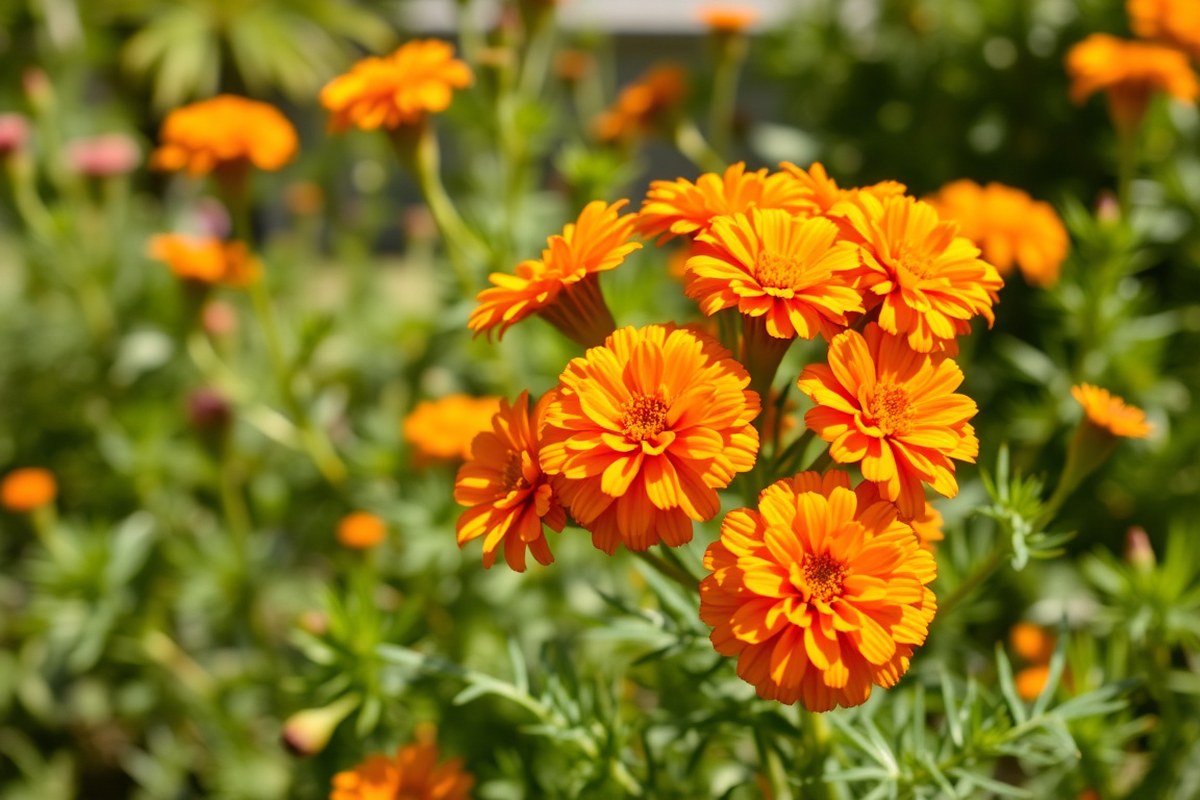
Marigold flowers usually start blooming about six to ten weeks after sowing the seeds outdoors. The timing depends on the variety and growing conditions.
French marigolds often bloom faster, typically in 50 to 60 days. Larger African marigolds may take up to 70 to 80 days to show their first flowers.
Soil temperature plays a big role in when marigolds begin to bloom. They need the soil to be consistently around 70 degrees Fahrenheit to start flowering.
At this temperature, seeds will also germinate faster, usually within 7 to 14 days. Cooler soil can delay this process and the first blooms.
Flowers usually appear around mid to late spring. Plant after the last frost. Wait for the soil to warm properly first.
Start marigolds indoors six to eight weeks before the last frost. This helps you get blooms earlier. Transplant seedlings when soil hits 70 degrees.
This method shortens bloom time by 3 to 4 weeks. It’s faster than planting seeds directly in your garden.
How Marigold Varieties Differ in Bloom Time
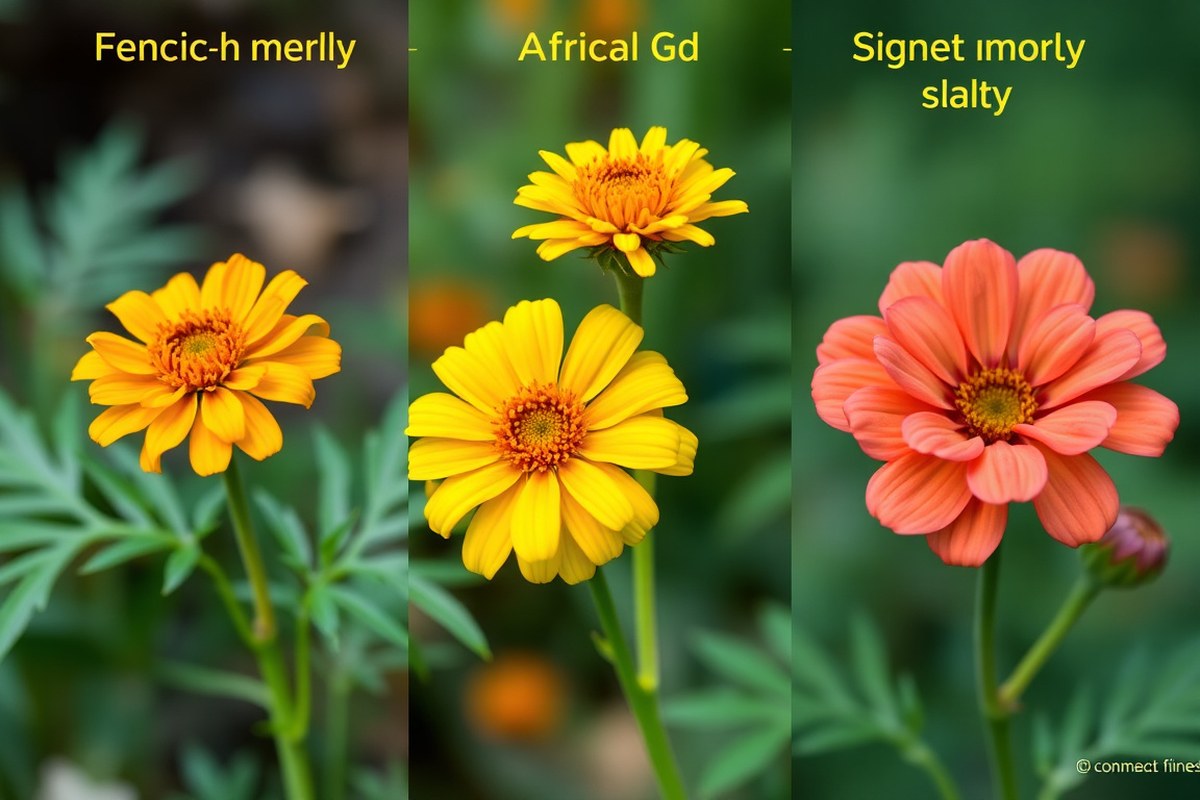
Marigold varieties bloom at different speeds mainly due to their size and genetics. French marigolds usually flower faster and last longer.
African types take more time because of their larger blooms. Signet marigolds take the longest to bloom, often requiring about 100 days.
French Marigolds Blooming Characteristics
French marigolds start flowering around 75 days after planting. They are shorter plants, growing about 8 to 12 inches tall, which helps them bloom quicker.
Their flowers are smaller. But the plants hold hundreds of blooms at once for a dense display.
These marigolds bloom from early summer and often last through hard frost in mild climates. They bloom for 5 to 6 months. This makes them great for color all season.
You’ll enjoy their long-lasting blooms. Space French marigolds 8 to 10 inches apart to help air circulation and stimulate growth.
African Marigolds Growth and Bloom Time
African marigolds bloom around 75 days after planting, similar to French types. However, they grow much taller, often reaching 36 inches in height. This extra growth means they build more biomass before flowering, especially to support their large blooms.
African marigolds have big flowers, about 2 1/2 inches wide. They come in colors like orange, red, and yellow. These bright flowers stand out in any garden.
Their bloom time can speed up if they get more daily light. So placing them in full sun helps. Their tall stature sometimes requires staking or spacing them farther apart to prevent crowding.
Signet Marigolds Fastest Flowering Traits
Signet marigolds, including triploid hybrids, take about 100 days to flower. They bloom later than both French and African marigolds due to their genetics and smaller size. These plants grow roughly 12 inches tall with 2 1/2 inch wide blooms.
Triploid varieties bloom from late spring into fall and don’t produce seeds, allowing longer bloom periods. Because they bloom slowly, patience is needed. However, they can add continuous color for months once they start flowering.
This compares the main marigold types by height, bloom size, and flowering time. Each type has different growth traits. It helps you pick the right one.
| Variety | Days to Flower | Height | Bloom Size | Bloom Duration |
|---|---|---|---|---|
| French Marigold | ~75 | 8, 12 inches | Small, many blooms | 5, 6 months |
| African Marigold | ~75 | Up to 36 inches | Large, 2 1/2 inches | Shorter than French |
| Signet (Triploid) | ~100 | ~12 inches | 2 1/2 inches | Late spring to fall |
Make sure you plant marigolds in full sun to reduce bloom time and maximize flower size.
Factors That Affect Marigold Blooming Time and Duration
Marigolds need at least 6 to 8 hours of direct sunlight daily. This much sun helps them bloom faster and produce vibrant flowers. Without enough sunlight, flowering slows and buds may drop prematurely.
The soil should be well-drained and rich in organic matter for quicker blooms. A good mix includes equal parts garden soil, coco peat, and vermicompost. This blend retains moisture but stops water from pooling, which could rot roots.
Watering regularly matters but avoid overdoing it. Marigolds like consistent moisture, especially when buds start forming.
Too much water stresses the plant and cuts blooming time short. Too little causes flowers to wilt or drop.
- Provide 6, 8 hours of full sun daily
- Use soil mixed with equal parts garden soil, coco peat, and vermicompost
- Keep soil moist but not soggy, water when top inch dries out
- Plant after soil temps reach about 70°F for best growth
- Maintain air temperatures between 70°F and 85°F during bloom
Marigolds start blooming when soil temperatures hit around 70°F, usually in mid to late spring. Ideal air temperatures during bloom range from 70°F to 85°F. Nights that grow colder can slow blooms or cause them to drop. Hotter temps above 90°F can stress the plant and reduce flower size.
Watch soil moisture closely as drought or soaked soil harms blooms. Use mulch to hold moisture evenly and lessen watering frequency.
Marigolds bloom best when light, soil, and temperature fit well. In mild climates, blooms last 100 to 150 days.
Starting Marigolds from Seed for Earliest Blooms
Start marigold seeds indoors about 6 to 8 weeks before your last frost date. You’ll get blooms sooner since seedlings grow in controlled conditions. For outdoor planting, wait until soil temperatures reach at least 65°F.
Preparing Seed-Starting Mix and Containers
Use a light, well-draining seed-starting mix for marigolds. Avoid garden soil; it’s too dense and can hold too much water. Choose shallow containers with drainage holes to prevent waterlogging.
Keep the mix moist but not soggy. Wet soil can rot seeds, while dry soil stops germination.
Indoors Seed Starting Timeline and Care
Begin seeds 6 to 8 weeks before the last frost date. This timing helps plants flower early in the season. Keep soil temperature between 70°F and 75°F to speed up germination.
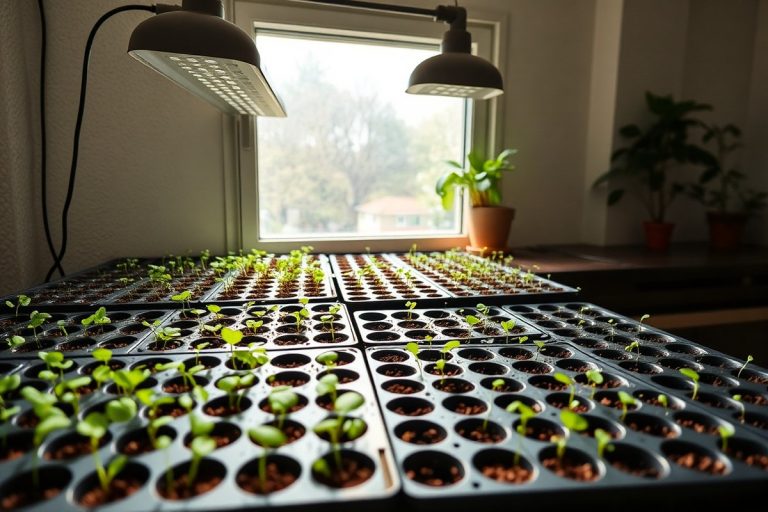
Seeds usually sprout in 10 to 12 days. After sprouting, move seedlings to a sunny window or under grow lights. Water gently to keep soil moist but not too wet.
Harden off plants a week before transplanting outside by placing them outdoors during the day. Bring them inside overnight until fully acclimated.
Direct Sowing Guidelines and Timing
Plant seeds outdoors once soil temperature stays near 65°F. This often happens about two weeks before your last frost date. Soil warmth boosts germination and growth speed.
Scatter seeds on loosened soil and cover lightly, about 1/4 inch deep. Water the area gently but keep it moist for best results. Plants from direct sowing usually bloom about eight weeks after germination.
Avoid planting too early in cold or wet soil. Seeds may rot or take longer to sprout.
- Fill containers with moist seed-starting mix.
- Plant one or two seeds per cell about 1/4 inch deep.
- Keep containers at 70°F to 75°F for best germination.
- Place containers where seedlings get 12, 16 hours of light daily.
- Water lightly to keep soil moist but not soaked.
- Thin to one seedling per cell after sprouting.
- Harden off seedlings outdoors for 7 days before transplanting.
- Plant marigolds outdoors after the last frost date. If started indoors, transplant then. For direct sowing, wait until the soil feels warm.
Encouraging Longer Bloom Periods in Marigolds
Deadheading marigolds helps keep flowers coming by removing spent blooms. This redirects the plant’s energy from seed production to new flowers. Check your marigolds every 5 to 7 days.
Pinch off faded blooms above the first healthy leaves. Doing this keeps the plant looking fresh and encourages new buds.
Marigolds need full sun to bloom best, which means at least six hours daily. Lack of sunlight can reduce flower production. Grow marigolds indoors near a bright window.
Use grow lights for at least six hours daily. This helps marigolds get enough light to thrive.
Fertilize marigolds with a balanced fertilizer every four to six weeks during the growing season. Avoid high nitrogen formulas, since they encourage leaf growth instead of flowers. Use about 1 tablespoon of balanced fertilizer per plant.
Mix it lightly into the soil near the plant base. This feeds the plant without overwhelming it.
- Deadhead spent flowers weekly to encourage continuous blooms.
- Provide 6+ hours of direct sunlight daily.
- Apply balanced fertilizer every 4 to 6 weeks, 1 tablespoon per plant.
- Prune leggy stems by trimming back 1/3 in mid-season to promote bushier growth.
- Water consistently at the base without wetting leaves.
- Use a light mulch layer to keep soil moist and cool.
Pruning marigolds can increase flower production by encouraging bushier plants. Trim back leggy stems by about one-third once mid-season arrives.
This prompts new growth and more flower buds. Avoid cutting too late in the season, which might reduce bloom time.
Make sure to water at the base to avoid fungal diseases caused by wet foliage.
These care steps help marigolds produce blooms longer through warm months. Regular deadheading paired with consistent fertilizer and bright light keeps flowers coming.
Mulch slows moisture loss and lowers heat stress, supporting the plant’s energy for blooms. Well-timed pruning keeps growth compact and productive.
Common Reasons Why Marigolds Don’t Bloom Yet
Marigolds may not bloom if they get too little sunlight. These plants need at least six hours of full sun daily. Without enough light, they focus on leaves instead of flowers.
Watering mistakes also delay blooms. Marigolds like soil that drains well and dries between waterings.
Overwatering can cause root rot, while underwatering stresses the plant and stops flower growth. Water deeply once or twice a week, depending on weather.
Pests and diseases can harm buds and block blooms. Aphids, spider mites, and fungus gnats suck plant juices and weaken flowers.
Look for tiny insects, sticky spots, or webbing. Diseases like powdery mildew make leaves white and reduce blooms.
- Remove faded flowers every 5 to 7 days to stop seed formation
- Check for insects on stems and undersides of leaves
- Improve air circulation by spacing plants about 8 to 10 inches apart
- Use insecticidal soap or neem oil safely as directed to fight pests
- Water at the base, avoiding wetting leaves to prevent fungal diseases
- Test soil drainage by digging a small hole and filling it with water. If water stays longer than 30 minutes, soil drains poorly
- Add compost or sand to improve poor soil drainage
Not deadheading spent flowers lets marigolds go to seed and stop blooming early. Removing these flowers causes the plant to put energy into new buds. Do this every week during growing season.
Sometimes marigolds that sprout from last year’s seeds pop up. They may bloom differently or late.
Keep an eye on plant health and sun exposure. Fixing these common issues helps bring flowers back fast.
Can Marigolds Bloom Year-Round or Overwinter?
Marigolds do not bloom in winter outdoors because cold stops their growth. They usually die after the first frost in colder zones. In warmer areas like USDA zone 11, marigolds might bloom nearly year-round due to mild winters.
To enjoy marigolds blooming for more time, bring them inside during winter. Carefully dig up healthy plants before the first frost arrives. Cut back around one-third of their stems and leaves to help them cope.
Plant these trimmed marigolds in pots with soil that drains well. Place the pots in a spot with plenty of sunlight, such as near a window. Ensure they receive a minimum of 6 hours of direct light daily.
Keep the indoor temperature between 60°F and 70°F for best results. Water sparingly to avoid soggy soil but don’t let the soil dry out completely.
Fertilize once a month with a balanced fertilizer to support growth. Watch out for pests like spider mites and treat quickly if spotted.
Marigolds grown indoors might bloom less often but can survive until spring. Once outdoor temperatures stay above 50°F, you can move them back outside. This extends your blooming season but requires some extra care and patience.
Marigolds also self-seed naturally when left in the garden. Collecting seeds at the end of the season lets you save them to plant next year.
Harvest seeds from dry flower heads by breaking them open. Store seeds in a cool and dry place.
Letting marigolds self-seed in your garden is cheaper and easier. But the new plants might differ from the parent.
Starting new plants from saved seeds lets you control variety and growth better. Either way helps you enjoy marigolds year after year without buying new plants each season.
How to Choose and Plant Marigolds for Best Bloom Results
Plant marigolds with proper spacing, soil prep, and timing to get many bright blooms. They do best in sunny spots with well-drained soil and enough room to spread. Plant at the right time in your zone to avoid cold stress and delays.
Ideal Plant Spacing by Variety
Different marigold types need different amounts of space for healthy growth. African marigolds are larger, so they need more room than smaller French types. Give plants enough space to avoid crowded roots and reduced flowering.
| Marigold Variety | Typical Height | Recommended Spacing |
|---|---|---|
| African Marigold | Up to 2 feet | 12 to 18 inches apart |
| French Marigold | 6 to 12 inches | 8 to 12 inches apart |
| Signet Marigold | 12 to 18 inches | 10 to 14 inches apart |
Planting with these distances helps flowers get enough air and sunlight. Crowded plants can stunt growth and reduce how many blooms you get.
Soil pH and Preparation Steps
Marigolds thrive in soil with a pH between 6.0 and 7.0, a slightly acidic to neutral range. Well-draining soil prevents water-logged roots that stop blooms. Add compost or organic matter to improve soil texture and nutrients.
Apply a balanced fertilizer once or twice per season to keep blooms coming. Avoid heavy nitrogen fertilizers; they grow leaves but fewer flowers. Loosen soil before planting to about 8 inches deep for good root growth.
Planting in soil that’s too wet or cold delays bloom and weakens plants.
Regional Planting Schedule for Early Blooms
Plant marigolds after the last frost when soil warms to at least 60°F. In USDA zones 9-11, you can start planting as early as March. Cooler zones 3-8 should wait until late April or May to avoid cold stress.
| USDA Zone | Best Planting Time | Notes |
|---|---|---|
| 3 to 5 | Late April to May | Wait until after last frost, soil above 60°F |
| 6 to 8 | Early to Mid-April | Plant outdoors once frost risk passes |
| 9 to 11 | March | Early planting possible; watch for cold snaps |
Planting at the right time sets marigolds up for faster blooming. Planting too early in cool soil slows growth and flowers.
Step-by-Step Action Plan for Blooming Marigolds
Follow these steps to get your marigolds blooming strong and healthy. Each step helps you move closer to flowers.
- Before Planting: Choose a marigold variety that matches your bloom timing goals. Look for tags or seed packets that mention flowering times.
- Week 1: Start seeds indoors about 6 to 8 weeks before the last frost date. Check for sprouting within 7 to 10 days.
- Week 3: Harden off seedlings by moving them outside for a few hours daily. They should look sturdy and ready for transplanting.
- After Last Frost: Plant marigolds in well-drained, sunny spots. Look for healthy growth in the first week after planting.
- Weeks 4 to 8: Water regularly but avoid soggy soil. You’ll see the first flower buds forming between weeks 4 and 6.
- Throughout the Season: Deadhead spent flowers to encourage more blooms. Watch for fresh flowers within a week after deadheading.
- Mid to Late Season: Apply a balanced, low-nitrogen fertilizer every 4 weeks. Look for fuller plants with ongoing blossoms.
- End of Season: Remove any plants showing disease or fading blooms. Note the total bloom length for next year’s planning.
Frequently Asked Questions
How Soon After Planting Do Marigolds Start to Bloom?
Marigolds usually bloom 45 to 60 days after planting. Signet marigolds can bloom as early as 6 weeks. Starting seeds indoors can speed up blooming.
Can the Amount of Sunlight Affect Marigold Blooming Time?
Yes, marigolds need full sun for best bloom timing. Less sun can delay their flowering. Aim for at least 6 hours of direct sun daily.
Does the Soil Type Change When Marigolds Begin to Bloom?
Marigolds prefer well-drained soil to bloom on time. Heavy or wet soil can slow flowering. Good drainage helps avoid root problems and supports blooms.
How Does Deadheading Influence When Marigolds Bloom?
Deadheading, or removing spent flowers, encourages more blooms. Without deadheading, the plant shifts energy to seed production. Regular deadheading extends the blooming period significantly.
Can Temperature Swings Cause Marigolds to Stop Blooming?
Yes, cold snaps or extreme heat can pause blooming. Marigolds prefer steady warm temperatures between 70°F and 85°F. Protect plants during cold or very hot weather for continuous blooms.
Do Marigold Bloom Times Vary by USDA Hardiness Zone?
Yes, bloom timing can change by zone climate. Warmer zones may see earlier and longer blooming seasons. Check your zone’s frost dates to time planting for best bloom.
Key Points to Remember
Marigolds usually start blooming about 8 weeks after planting. You can boost blooms by choosing the right variety and caring properly. Now, plant your seeds early to enjoy beautiful flowers sooner.