What Is Normal House Humidity Level? A Complete Guide for Healthy, Comfortable Homes
What is normal house humidity level? The ideal indoor range is between 30% and 50% relative humidity. Keeping humidity in this zone helps you stay comfortable and protects your home from damage.
This range controls moisture without making the air too dry or sticky. Humidity below 30% can dry out your skin and airways. Above 50%, moisture builds up, inviting mold and dust mites that affect health.
Too much moisture can also damage wooden furniture and floors. It may cause paint to peel or wallpaper to bubble. Maintaining normal humidity helps your home last longer and stay safe.
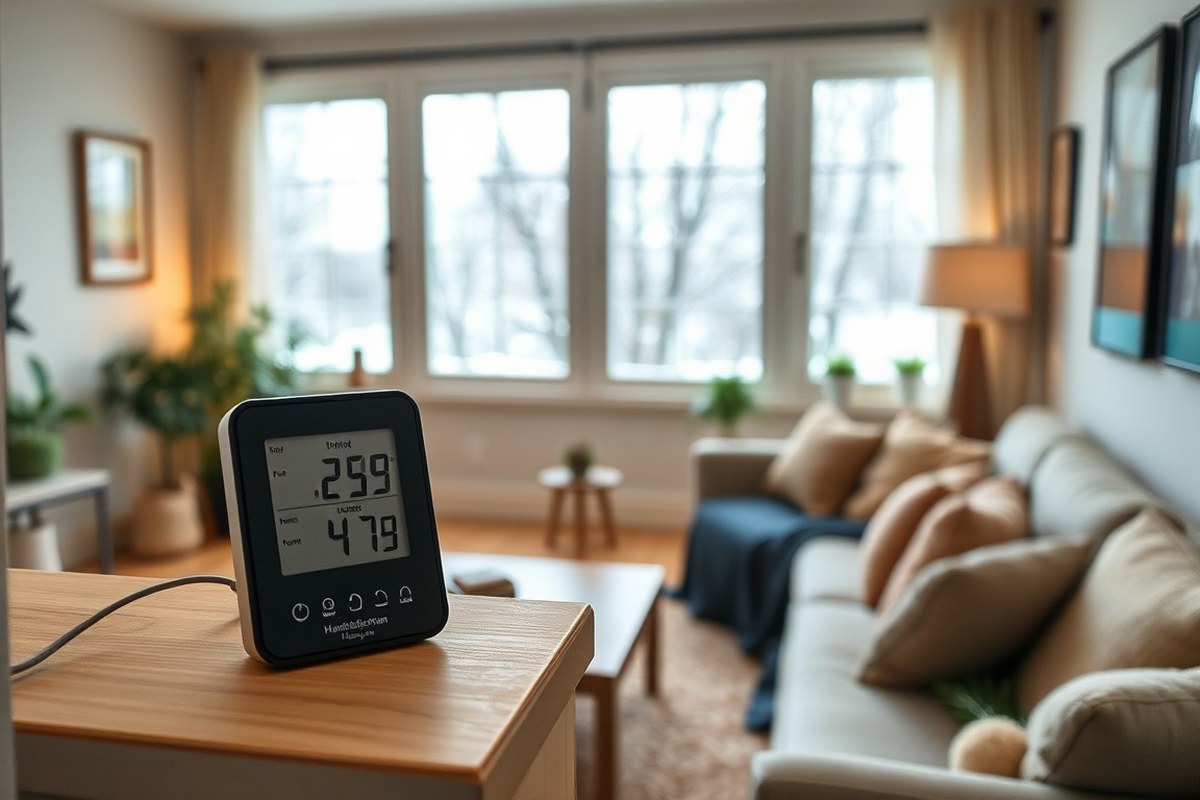
Start by checking your home’s humidity with a digital hygrometer. Place one in bedrooms and the basement to get accurate readings close to 1 or 2% error. Watch for sudden spikes or drops to fix issues fast.
Key Takeaways
- Keep indoor humidity between 30% and 50% for health and comfort.
- Use digital hygrometers in key rooms for real-time humidity tracking.
- Humidity under 30% causes dry skin and respiratory discomfort.
- Humidity above 50% risks mold growth and dust mite infestations.
- Ventilate bathrooms and kitchens promptly to prevent humidity spikes.
- Winter months often bring humidity below 40%; use humidifiers if needed.
What Is the Ideal Indoor Humidity Level and Why It Matters
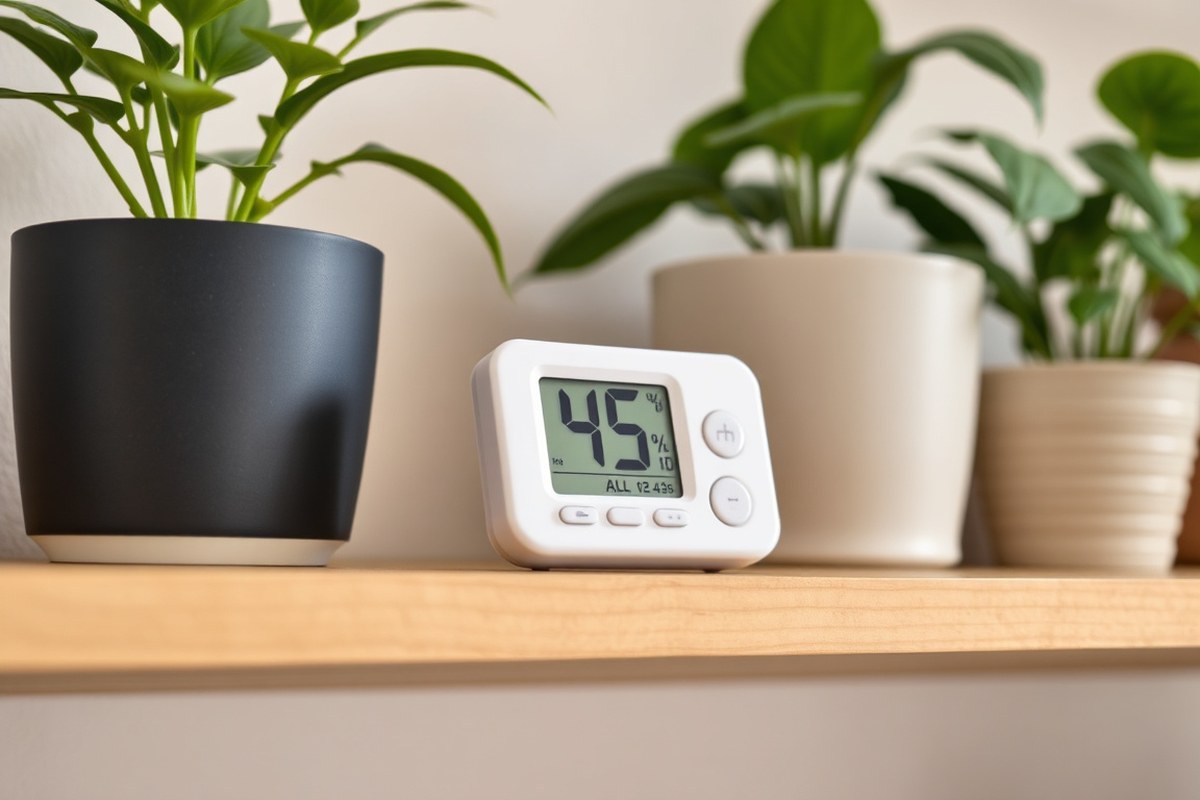
Ideal indoor humidity levels range from 30% to 50%, according to the EPA. This range balances comfort and health while protecting your home from moisture problems. Keeping it below 60% prevents mold and dust mites.
Humidity below 30% feels too dry. It causes dry skin, itchy eyes, and irritated airways. Wood furniture and floors can crack or warp when dryness lasts too long.
Between 30% and 50%, you get comfortable air without dryness or excess moisture. This range reduces asthma and allergy issues. It also stops condensation that can rot walls or ruin paint.
Humidity above 60% leads to damp air where mold thrives. Mold spores worsen lung issues and cause musty smells. High humidity also attracts dust mites, which trigger allergies.
This ideal range keeps your home’s structure safe. Wood stays stable and electronics avoid moisture damage. Proper humidity protects flooring, cabinetry, and keeps your belongings in good shape.
How do you maintain this range? Use a humidifier or dehumidifier depending on the season and climate.
Winter often requires humidifiers as heating dries indoor air below 30%. In summer or humid climates, dehumidifiers reduce moisture above 50%.
Check current humidity using an inexpensive digital hygrometer. Adjust devices until your home stays in that 30% to 50% range all year. Levels near 40% often feel best in winter without causing window condensation.
Following this range avoids health issues and costly home repairs over time. Without control, dry air or excess moisture can lead to discomfort, illness, and damaged materials. Keeping steady humidity protects your family and your home’s value.
How to Accurately Measure Your Home’s Humidity Levels
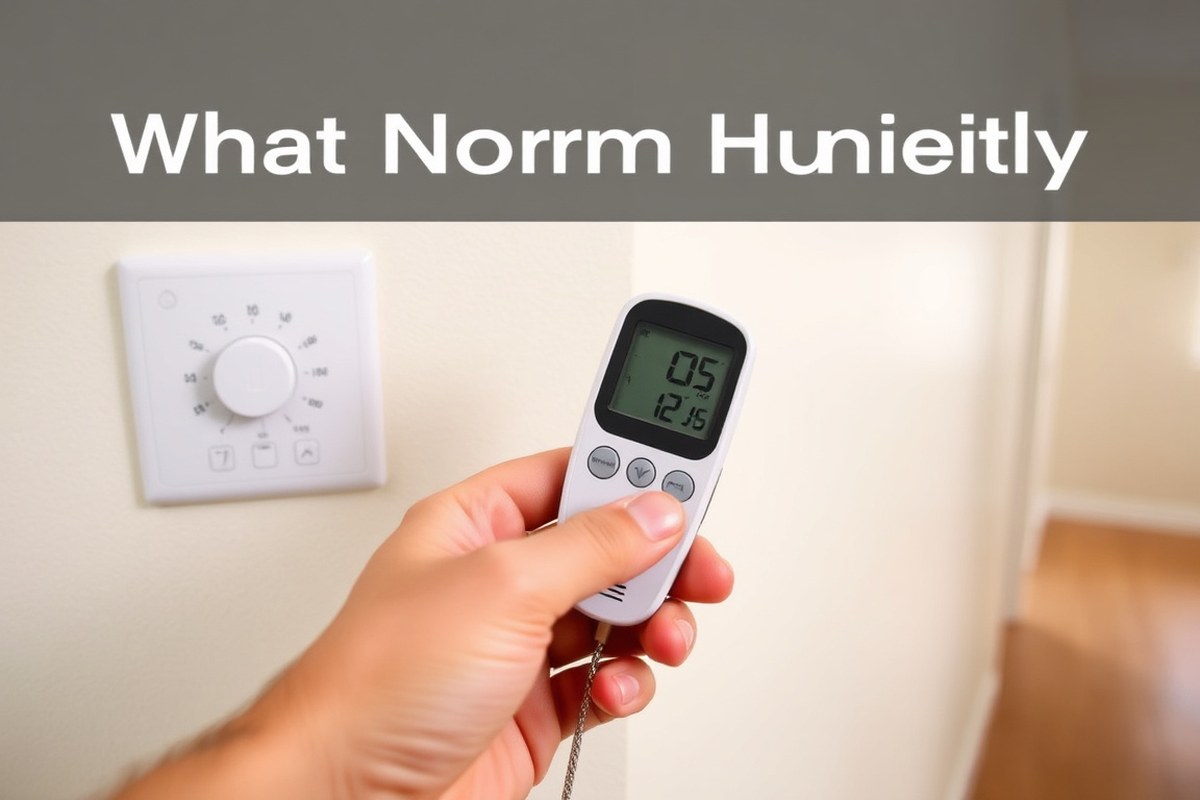
You can measure your home’s humidity accurately with a hygrometer. This device shows real-time moisture levels in the air. You should use digital models for easier reading and better precision.
Types of Humidity Measurement Devices
A hygrometer is the best tool to measure indoor humidity. Digital hygrometers give readings within 1 to 2 percent of actual humidity. Some thermostats also show humidity but might be less precise than dedicated devices.
Basic models cost around $10 to $15. You can find advanced models with humidity and temperature sensors, which store historical data. Pick a digital hygrometer for easy reading and reliable results.
Best Placement Locations for Accurate Readings
Place hygrometers in key spots like bedrooms, living rooms, and basements. These areas often have different humidity levels. Basements tend to be more humid due to cooler temperatures and foundation moisture.
Keep the sensor away from direct sunlight, vents, and windows. These sources can skew the readings. For best results, hang or place the device 4 to 6 feet high.
Choose a central spot for the device. This will help your device work better.
How to Calibrate and Maintain Your Hygrometer
Calibrating your hygrometer keeps its readings accurate over time. You only need to check it every few months. Recalibrate or replace the batteries for digital models when readings seem off.
Follow these steps to calibrate a digital hygrometer using the salt test:
- Fill a small container with table salt. Add a few drops of water to keep it wet but not dissolved.
- Place the salt container and the hygrometer inside a sealed plastic bag or container.
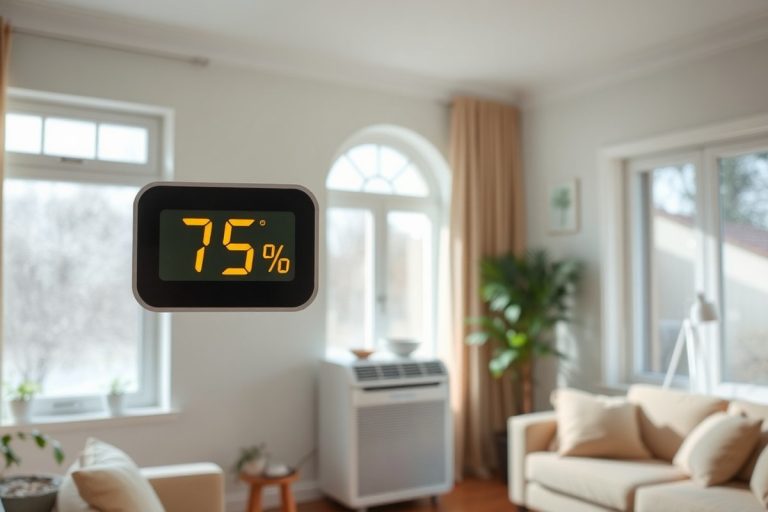
- Wait at least 8 hours for the air to stabilize at 75% relative humidity.
- Check the hygrometer’s reading; it should be close to 75%.
- Adjust the device if possible when it’s off. Otherwise, note the difference to correct future readings.
- Remove the setup and let the hygrometer return to room conditions before using again.
Place hygrometers away from heating or cooling vents to avoid inaccurate humidity readings.
Why Indoor Humidity Levels Fluctuate and What Affects Them
Indoor humidity changes because of several factors, inside and outside your home. Outdoor temperature and humidity influence indoor moisture through air leaks. When it’s cold outside, indoor humidity should stay low to avoid window condensation and mold growth.
Seasonal changes cause big swings in indoor humidity. In winter, dry outdoor air can drop indoor humidity below 30%. Summer air often holds more moisture, pushing indoor humidity above 50%.
Your home’s heating and cooling systems affect these changes. But they don’t control humidity levels by themselves.
Activities inside your home add or remove moisture from the air. Cooking without lids releases steam, raising humidity quickly.
Showers add moisture unless the bathroom has good ventilation. Laundry drying indoors also increases humidity unless you use a vented dryer or dehumidifier.
Ventilation plays a key role in moderating moisture levels. Exhaust fans in kitchens and bathrooms can lower humidity by removing moist air outside.
Opening windows helps if outdoor humidity is low. However, during very humid weather, keeping windows closed prevents moisture gain.
Building materials and construction affect how moisture moves indoors. Older homes often leak air more, which can bring in humid or dry air faster.
Newer, tightly sealed homes may trap moisture inside unless mechanical ventilation or dehumidifiers are used. Houseplants can slightly increase humidity too, depending on their size and number.
Because indoor humidity above 60% can cause mold and allergens, controlling these factors matters a lot. Using exhaust fans during showers and cooking keeps humidity lower.
Adding a humidifier during dry winters raises humidity to comfortable levels near 30-50%. Adjusting these habits and systems based on season and weather helps maintain healthy indoor air.
Common Signs Your Home’s Humidity Is Too High or Too Low
Signs of too much or too little humidity can show up in your home quickly. You might notice condensation on windows or walls, which signals high humidity. Over time, moisture can cause mold growth within 24 to 48 hours.
Mold starts growing if moisture levels stay above 65%. This happens quickly in damp indoor spaces.
Low humidity has its own problems. Dry air can cause wood to crack or paint to peel.
It also makes your skin itchy and irritates respiratory systems. Moisture damage often shows up as blistering paint or peeling wallpaper when humidity is too high.
- Condensation on windows or walls
- Musty or damp odors in rooms
- Visible black or green mold spots on surfaces
- Peeling paint, blistered wallpaper, or warped wood
- Dry, itchy skin and irritated throat or nose
- Air feels stuffy, sticky, or clammy
- Increased allergy or asthma symptoms
You might also notice discomfort in your home. High humidity makes the air feel sticky and warmer than it really is.
That forces your air conditioner to work harder, cutting energy efficiency. At the other extreme, air too dry can feel colder and less comfortable.
Humidity problems can affect your health as much as your home. Mold spores cause allergic reactions and worsen asthma.
Dust mites multiply rapidly in moist conditions above 50% humidity, triggering allergies too. On the flip side, dry air worsens respiratory symptoms and irritates your skin and eyes.
Take prompt action if you see persistent mold, wet spots, or notice musty smells. These signs mean you must control humidity soon to prevent damage and health risks. Fixing the problem early protects your home’s structure and keeps your family healthier.
How to Safely Raise Your Home’s Indoor Humidity
To raise indoor humidity safely, use a humidifier at home. You can also add moisture with simple daily habits. These steps help keep your air comfortable and healthy.
Place humidifiers where air circulates freely for best coverage. Avoid over-humidifying by monitoring levels regularly and adjusting as needed.
Types of Humidifiers and How They Work
Humidifiers add moisture by releasing water vapor or mist into the air. Common humidifiers include cool mist, warm mist, and ultrasonic types.
Each one works differently to add humidity to the air. Choose the type that fits your needs best.
Cool mist humidifiers use a fan to spread a fine water mist. Warm mist models boil water first, producing steam that warms a room slightly.
Ultrasonic humidifiers vibrate water into a fine mist quietly. Choose a model that suits your space size and noise preference for better comfort.
Daily Habits to Boost Indoor Humidity
Besides using a humidifier, simple daily steps add moisture safely. Cooking with pots uncovered and letting bathroom fans run less often keeps more humidity inside.
Indoor plants release moisture via transpiration. Group several plants for a noticeable effect. Also, drying clothes indoors on racks raises humidity gently.
Try placing water basins near heating vents. Warm air passing over the water helps spread humidity around rooms.
Safety Tips to Avoid Over-Humidifying
Keep humidity between 30% and 50% to avoid mold and dust mite growth. Use a hygrometer to check levels frequently, especially during winter when indoor air dries out.
Clean humidifiers weekly to stop bacteria and mold build-up. Change filters as the manufacturer suggests to maintain safe operation.
Don’t place humidifiers too close to walls or furniture. This may cause condensation and damage surfaces. Use this checklist to raise indoor humidity safely:
- Choose a humidifier type that fits your room size and noise preference.
- Place the humidifier on a flat surface away from walls and furniture.
- Set the humidifier to keep humidity between 30% and 50% using a built-in or separate hygrometer.
- Run the humidifier during dry periods, especially in winter or when heating is on.
- Cook meals with lids off to release steam into your home’s air.
- Place water basins near heating vents to spread moisture.
- Group indoor plants to help add humidity naturally.
- Clean the humidifier weekly and replace filters as needed.
Regularly check humidity levels to catch over-humidifying before it causes mold or damage.
Effective Ways to Lower Excess Humidity Indoors
Lowering high indoor humidity means choosing the right tools and habits to keep moisture under control. Use ventilation or dehumidifiers based on where you live, your home’s layout, and humidity sources. Combine exhaust fans with regular checks and maintenance to stop damp spots from growing.
Using Dehumidifiers and Ventilation Systems
Dehumidifiers pull moisture from the air. They work well in damp spaces. They help where airflow is poor.
Ventilation moves humid air outside. It works best in moisture-heavy rooms.
Kitchens and bathrooms need it most. You can use both methods for steady control, especially if outdoor humidity is low.
Here’s how to pick and apply these solutions:
- Check your home’s average humidity with a hygrometer over several days.
- Use an exhaust fan or window ventilation in moist rooms during and after activities.
- Place a portable dehumidifier in damp basements or rooms with poor airflow.
- Choose a dehumidifier sized for your room’s square footage for best effect.
- Run HVAC or whole-home ventilation systems that include moisture sensors.
- Turn off exhaust fans if outdoor humidity exceeds indoor levels to avoid adding moisture.
- Clean filters every 1 to 3 months. This keeps ventilation and dehumidifiers working well. Regular cleaning prevents buildup and clogs.
Exhaust Fans and Airflow Management
Exhaust fans quickly remove excess humid air, especially when cooking or showering. Fans with humidity sensors turn on automatically. They control moisture without you touching anything.
Use them in bathrooms and laundry rooms. Positioning fans near moisture sources helps stop humidity from spreading.
Improving airflow is also critical. Open windows when outdoor humidity is below indoor levels.
Fix gaps in seals or weatherstripping to limit unwanted air leaks. Proper air exchange helps keep humidity stable without overworking your cooling system.
Preventive Maintenance to Reduce Moisture
Fixing leaks and sealing cracks keeps unwanted water out and lowers indoor humidity naturally. Check around windows, pipes, and the roof yearly to catch problems early. Clean gutters to ensure rainwater drains away from your home’s foundation.
Use moisture-resistant paints and flooring in damp rooms to prevent water buildup. Use dehumidifiers or ventilation regularly in wet seasons. This helps control mold and dust mites.
It keeps indoor air healthier. Watch for signs like lingering damp smells or condensation and act quickly to find the cause.
How Outdoor Temperature Dictates Indoor Humidity Targets
Indoor humidity targets need to adjust based on outdoor temperatures to prevent condensation. Cold outdoor air lowers the surface temperature of your home’s walls and windows.
When indoor humidity is high, water vapor condenses on cold surfaces. This can cause damage like mold and rot.
Lowering indoor humidity during winter helps avoid this. For example, when outdoor temperatures fall below freezing, humidity needs control. Keep your indoor humidity between 30% and 40%.
Extremely cold outside temperatures around -20°F need even lower humidity. Drop it below 15% in these conditions.
In summer, the goal shifts higher to 45%, 50%. Warmer outdoor air reduces condensation risks, so your home can handle more moisture.
The table below shows how to adjust indoor humidity according to the outdoor temperature. Use these targets to keep your home comfortable and safe.
| Outdoor Temperature | Recommended Indoor Humidity Level | Reason |
|---|---|---|
| Above 60°F | 45% to 60% | Minimizes moisture discomfort, no condensation risk |
| 32°F to 60°F | 40% to 50% | Balances comfort and mild condensation risk |
| 0°F to 32°F | 30% to 40% | Prevents condensation on windows and walls |
| -20°F to 0°F | 15% to 30% | Reduces condensation risks on very cold surfaces |
| Below -20°F | Below 15% | Minimizes severe condensation and frost damage |
To avoid window fogging and mold, keep humidity in range based on the table. When humidity is too high, moisture condenses on glass and cold walls. That can lead to mold growth on window frames or paint peeling.
Use a hygrometer to check indoor humidity regularly. Set your humidifier or dehumidifier to maintain the recommended range for your current outdoor temperature. This simple step protects your home from damage and keeps air comfortable.
Choosing the Right Humidity Equipment for Your Home
Choosing between portable and whole-house humidity equipment depends mainly on your home’s size and your needs. Portable units usually serve single rooms or small areas. They are easy to move, require no installation, and cost less upfront.
Whole-house humidifiers or dehumidifiers connect to your home’s HVAC system. They work to balance humidity across all rooms. Although more expensive and complex to install, they offer consistent control and less daily maintenance.
Portable dehumidifiers often sit in damp areas like basements or bathrooms. Set them to about 45% relative humidity to keep moisture in check. You’ll have to empty the water reservoir every day.
Or attach a drain hose for nonstop operation. This keeps the dehumidifier working properly.
| Type | Coverage | Cost Range | Installation | Maintenance |
|---|---|---|---|---|
| Portable Humidifier/Dehumidifier | One room or small space | $50 – $300 | No installation | Empty reservoir or refill water regularly |
| Whole-house Humidifier | Entire home via HVAC | $900 – $3,600 | Professional installation required | Periodic cleaning and filter change |
| Whole-house Dehumidifier | Entire home via HVAC | $2,250 (average) | Professional installation required | Drains humid air outside, little daily upkeep |
Look at your home’s size and your budget to decide. A small apartment usually fits a portable unit or two. Larger homes or places with widespread moisture problems benefit from whole-house systems.
Professional installation is best for whole-house options. It ensures proper connection to your HVAC system and correct setup of controls like humidistats. This setup maintains a steady humidistat reading and avoids sudden swings in humidity.
Check if your home’s HVAC system can handle a whole-house unit before buying one.
Keep in mind that whole-house humidifiers add moisture. Dehumidifiers remove it using refrigerant cycles.
Portable models handle localized needs but need more hands-on care. Choose equipment based on coverage, upfront costs, and ease of upkeep.
Step-by-Step Action Plan to Balance Your Home’s Humidity
Follow these clear steps to get your humidity right and keep your home comfy and safe.
- Day 1: Use a reliable hygrometer to measure your home’s humidity. Aim for 30-50% for comfort and health.
- Week 1: Adjust your humidifier or dehumidifier based on the readings. Check daily; your levels should stabilize.
- Week 2: Run ventilation fans during showers and cooking to cut moisture spikes. Watch if humidity drops noticeably.
- After 2 weeks: Inspect windows and doors for drafts or leaks. Seal if you spot moisture or condensation signs.
- Month 1: Monitor outdoor weather changes to predict indoor humidity shifts. Adjust your devices seasonally.
- Month 2: Keep indoor plants in check; some add humidity. Remove excess if levels creep above 50%.
- Ongoing: Keep checking your hygrometer weekly. Tweak your settings to keep humidity stable year-round.
Frequently Asked Questions
What Is the Normal Range for Indoor Humidity in Most Homes?
The normal indoor humidity level usually stays between 30% and 50%. This range helps prevent mold growth inside your home. It also avoids dry air that could hurt your health or damage furniture.
Can Indoor Humidity Levels Change with the Seasons?
Yes, humidity often falls below 40% during winter, making air dry. You may need humidifiers to keep comfort and prevent dry skin or respiratory problems.
How Quickly Should Indoor Humidity Return to Normal After Cooking or Showering?
Humidity should drop below 60% within a short time after activities like cooking. Using exhaust fans or opening windows helps clear excess moisture fast.
Why Is Humidity Above 60% Considered Too High for Homes?
Above 60%, moisture can cause mold and dust mites to grow. High humidity also feels sticky and can damage wooden furniture or cause condensation on windows.
What Happens If Your Home’s Humidity Falls Below 25%?
Humidity under 25% is dangerously dry and can crack nasal passages. This dryness harms your respiratory system’s ability to fight germs effectively.
Does a Humidity Monitor Need Placement in Specific Rooms?
Place digital hygrometers in bedrooms and basements for accurate readings. These rooms often vary in moisture, so multiple monitors give a clearer humidity picture.
Before You Go
Maintaining the right humidity keeps your home healthy and your stuff protected. Start with measuring your indoor moisture levels today. Then, take one small step to adjust and watch your home’s comfort improve.