How to Grow a Peach Tree: Complete Steps for Healthy Fruit and Varieties
How to grow a peach tree depends on a few key steps that ensure healthy fruit. You start by picking the right variety that fits your climate and soil. Plant the tree with the graft union just below the soil line for strong, lasting growth.
Next, space your tree properly: standard peach trees need about 18 to 20 feet apart. Mulch around the base with 2 to 3 inches to keep moisture in and weeds out. Water regularly but avoid soggy soil to protect roots as it settles in.
Pruning is essential to shape the tree and boost fruit production each year. You’ll usually get fruit in 3 to 4 years.
Mature trees can produce up to 150 pounds each year. Taking these steps makes growing peaches easier and more rewarding.
Key Takeaways
- Choose peach varieties suited to your chill hour availability.
- Plant grafted trees with the graft union 2 inches below soil level.
- Space standard peach trees 18 to 20 feet apart for good air flow.
- Apply 2 to 3 inches of mulch around the tree base to retain moisture.
- Water peach trees deeply but avoid waterlogged soil conditions.
- Prune annually to remove weak branches and encourage healthy growth.
How to Plant and Establish a Peach Tree
Pick a spot with full sun and good air flow. The soil should drain well and have a pH between 6.0 and 7.0. Avoid low areas where water pools after rain to protect roots from rot.
Space peach trees about 18 to 20 feet apart for standard trees. Dwarf varieties only need 5 to 10 feet of room. This keeps them healthy and gives fruit plenty of sunlight.
Preparing the soil before planting helps your tree start strong. Dig the soil deeply.
Mix in aged compost or organic matter. This helps the soil texture and adds nutrients.
Plant peach trees in late fall when the soil stays warm. You may also plant them from November to March. Put bare root trees in the ground quickly after you get them.
Follow these steps to plant your peach tree correctly:
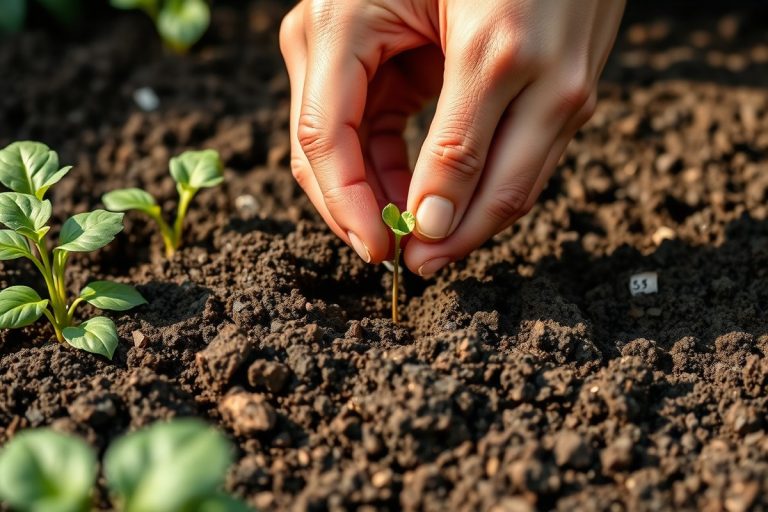
- Dig a hole twice as wide and as deep as the tree’s root system. This gives roots room to spread out easily.
- Loosen the soil at the sides and bottom of the hole to prevent root binding. Add organic matter if your soil is heavy or poor.
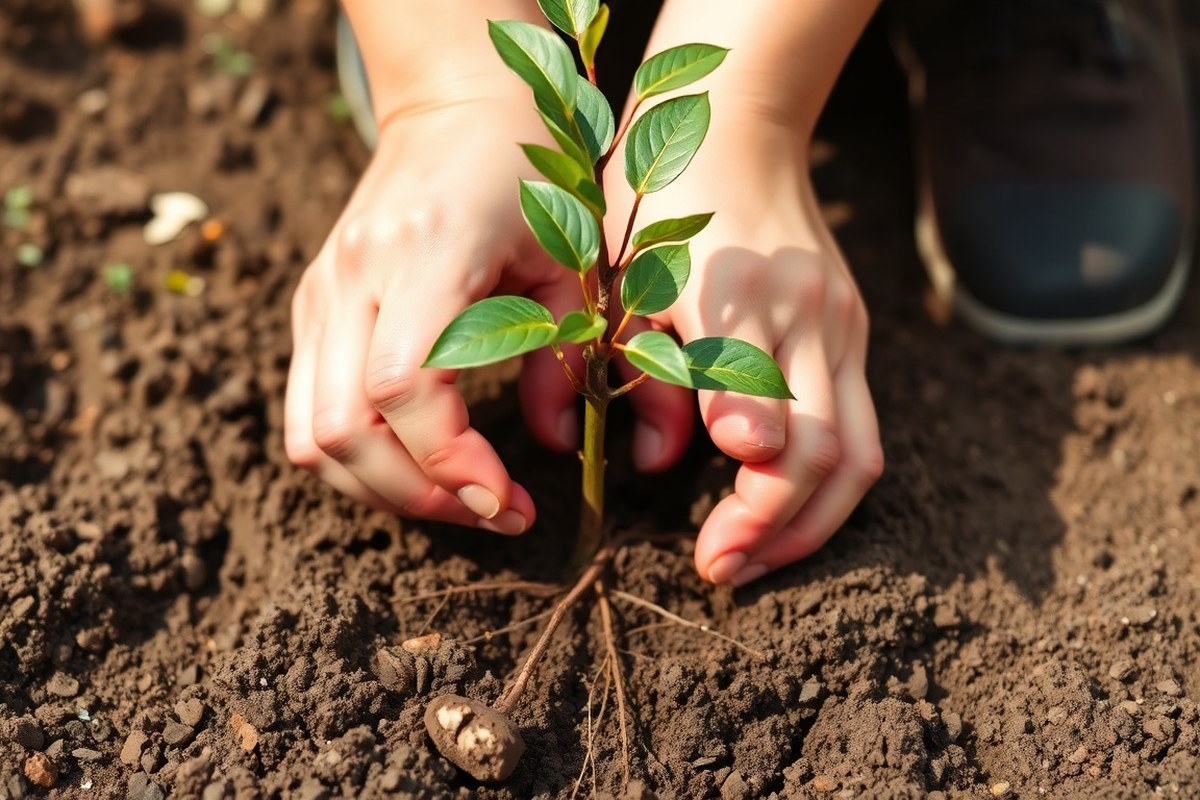
- Position the tree so the graft union sits about 2 inches below ground level. This helps protect the delicate graft from damage.
- Set bare root trees with roots spread out naturally. For container trees, carefully remove the pot and loosen roots if they circle tightly.
- Fill the hole gently with soil. Press it lightly with your hands. This removes air pockets but does not compact the soil hard.
- Water the tree deeply right after planting. This settles the soil and starts root hydration.
- Spread 2 to 4 inches of organic mulch around the tree base. Keep the mulch a few inches away from the trunk. This protects the tree and keeps moisture. This keeps moisture in and weeds out.
Take your time planting. Poorly planted trees often struggle with root growth or die back early. Pick the right site and prepare the soil well.
Plant the tree at the correct depth. This sets your peach tree up for strong, healthy growth.
Choosing the Right Peach Tree Variety for Your Climate
Peach trees need a certain number of chill hours to produce fruit. Chill hours count the time when temperatures stay between 32°F and 45°F during winter dormancy. You want your tree’s chill hour needs to fit your local winter.
Matching them helps your tree fruit reliably each year. This means knowing your area’s chill hours.
Cold-hardy peach varieties tolerate lower temperatures and fit USDA zones as low as 4. Standard peaches usually grow well in zones 5 through 8.
In milder climates like zones 9 and 10, choose heat-tolerant types with lower chill hour needs. Humid climates benefit from peach types resistant to fungal diseases, which thrive in wet weather.
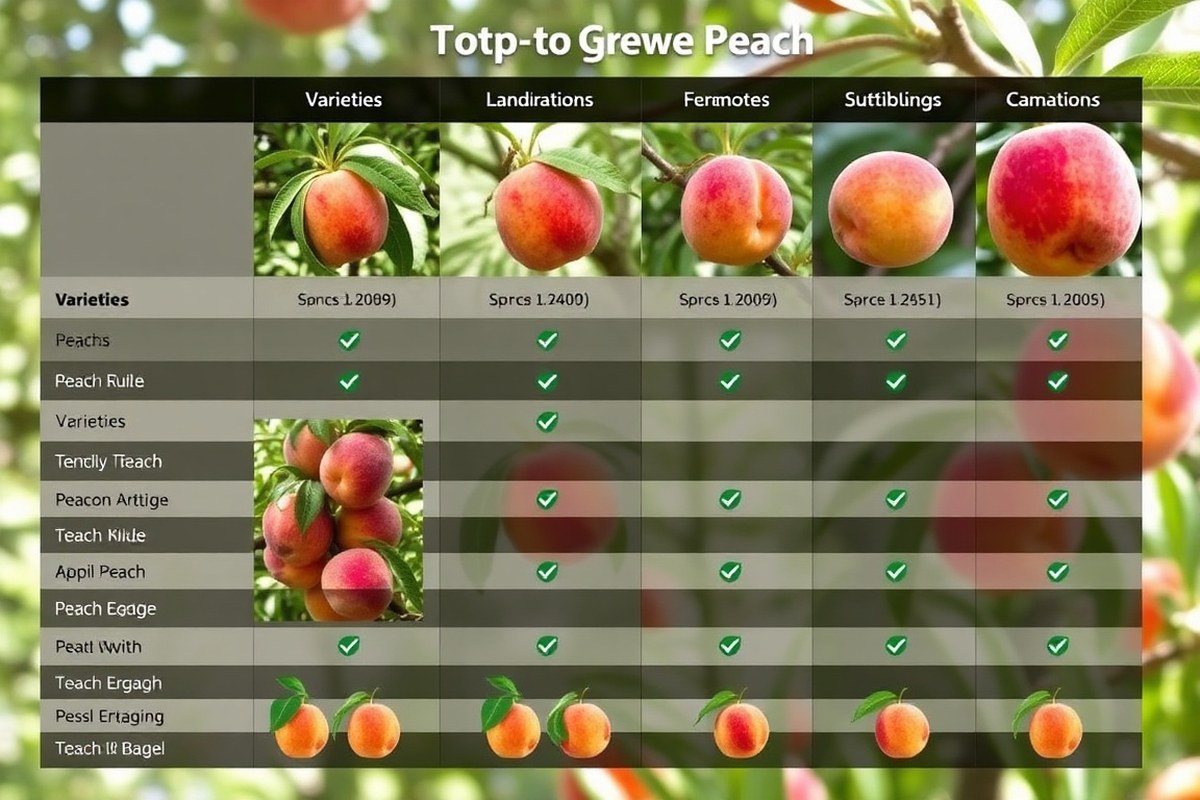
| Variety | Chill Hours | Stone Type | Ripening Time | Hardiness Zones | Notes |
|---|---|---|---|---|---|
| Early Redhaven | 950 | Semicling | Early | 5-8 | Ripens 10-14 days before Redhaven |
| Redhaven | 950 | Freestone | Early-mid | 5-8 | Standard variety with good flavor |
| Reliance | 1000 | Freestone | Early-mid | 4-7 | Cold-hardy, suits colder zones |
| Veteran | 900 | Freestone | Mid-late | 4-7 | Cold-hardy, late ripening |
| Mediterranean | 400 | Freestone | Mid | 5-9 | Low chill, heat tolerant |
Dwarf and ornamental peaches exist for limited space or decorative use. Dwarf trees often graft onto rootstocks that keep their height under 8 feet. These work great in containers and small gardens.
Some dwarf types fit well in pots for home gardens. You can move them indoors during frost or harsh winter. Wrapping pots helps protect the roots from freezing weather.
Cold-hardy varieties need more winter cold but resist frost damage better than standard peaches. They handle zone 4 winters.
These trees often ripen fruit later compared to mild climate varieties. Pay close attention to your zone’s typical chill hours and frost dates before picking your tree.
Keep container peach trees safe in winter by moving them to shelter. Wrap the pots with insulating material for better root protection. This prevents damage from freezing temperatures.
Watering, Fertilizing, and Soil Care for Peach Trees
Peach trees need about 30 inches of water each growing season. Water young trees weekly to keep the soil moist but not soaked. Established trees need deep watering every 7 to 14 days.
How often depends on your soil type. Weather heat also affects watering needs.
Water should soak 18 to 24 inches deep to reach the roots. Sandy soils drain fast and need watering closer to every week.
Loam or clay holds water longer. So stretch watering closer to two weeks apart in cooler weather.
Fertilize peach trees early in spring before leaves appear. For trees under three years, apply ½ cup of 20-0-0 fertilizer around the root zone.
Water it in well to help nutrients absorb. Older or struggling trees benefit from a general-purpose organic fertilizer applied this time too.
Testing your soil every 3 to 4 years helps spot nutrient issues before growth slows. Adding well-rotted compost in late winter or early spring improves soil texture and adds nutrients. Avoid heavy, water-logged soils by mixing in sand or organic matter to improve drainage.
- Apply 2 to 3 inches of mulch around the tree base
- Keep mulch a few inches away from the trunk to prevent rot
- Mulch helps retain moisture and controls weeds that compete for nutrients
- Replace mulch yearly or when it thins out
- Limit weed growth especially near young trees to avoid stunting
- Water newly planted trees more often than mature ones
- Adjust fertilizing based on tree size and vigor
Mulching insulates roots from heat and cold, conserving moisture. You can use wood chips, straw, or shredded bark.
Keep the mulch 2 to 3 inches thick but don’t pile it against the trunk. Mulch helps control weeds that might steal your tree’s water and nutrients.
As peach trees grow larger, they need more water and nutrients. Apply fertilizer early spring for steady fruit and branch growth.
Late summer watering slows as the tree prepares for dormancy. Watch your tree’s leaves and fruit for signs of stress to adjust care as needed.
Pruning and Thinning to Promote Healthy Growth and Fruit
Pruning and thinning peach trees boost fruit quality, improve tree health, and increase yield. Prune in early spring before buds swell, and thin fruit during early summer. Use the open-center pruning system and remove crowded or dead branches carefully.
Open-Center Pruning Basics
Open-center pruning shapes the tree like a bowl with no center branches. Select 4 to 5 main branches about 18 to 24 inches above the ground. These form the scaffold branches spaced evenly around the trunk.
Cut the tree back to about 3 feet tall. Remove side branches. This helps light reach the inside of the tree.
This open shape lets air move through the branches, which reduces disease. Trim older fruiting wood back up to a quarter to encourage new growth.
Timing for Pruning and Thinning
Prune peach trees in late winter or early spring before buds open. Avoid pruning in fall because it can invite diseases. Remove dead, dying, or crossing branches anytime during the year for better tree health.
Thin fruit when peaches reach the size of a quarter. This usually happens 6 to 8 weeks after blooming.
Thinning at this stage helps remaining fruit grow larger and prevents branch breakage. Avoid thinning too late, which can stress new fruit buds.
Thinning Fruit: Spacing and Technique
Thin peaches by spacing fruits 6 to 8 inches apart along branches. This spacing lets each peach get enough nutrients to grow big and tasty. Remove smaller or misshapen fruit, keeping the healthiest ones.
Start thinning by gently twisting and pulling off unwanted fruit. Use clean pruning shears for tight clusters.
Only thin when fruit is small to avoid damaging branches. This step also reduces split or bruised peaches at harvest time.
- Look for fruit clusters and assess spacing between peaches.
- Remove smaller, damaged, or undersized fruits to keep healthy ones spaced 6 to 8 inches apart.
- Twist off unwanted fruit gently or cut them with clean shears.
- Dispose of removed fruit to avoid attracting pests or spreading disease.
- Check branches for crowding and remove extra shoots or sprouts.
- Watch for signs of branch stress and support heavy limbs if needed.
Common Pruning Mistakes to Avoid
Don’t remove more than 25% of the tree in a single prune. Over-pruning stresses the tree and can lower fruit production. Avoid cutting large branches late in summer because wounds heal poorly then.
Don’t let branches crowd the center. This limits airflow and invites pests and disease. Remove suckers and sprouts growing from the base to focus energy on fruit production.
Recognizing and Managing Common Peach Tree Pests and Diseases
Peach trees face common pests like aphids, scales, and peach tree borers. Aphids cluster on new leaves, curling them and leaving sticky residue. Scales look like small bumps on branches and can weaken the tree.
Peach tree borers do most damage by eating into the trunk. This leads to wilting. It also causes dieback.
Diseases like peach leaf curl are easy to spot. You just need to know their signs. Brown rot is also simple to identify.
Peach leaf curl shows up as reddish, puckered leaves early in spring. Brown rot creates soft, brown spots on fruit. The spots quickly turn mushy.
Gray spores cover the mushy areas. Other diseases include bacterial spot and peach scab.
Bacterial spot makes dark lesions on leaves and fruit. Peach scab forms dark pits on peaches.
Controlling pests and diseases starts with good prevention. Prune your tree in spring or summer to reduce infection risks. Keep the area around your tree clean.
Remove fallen leaves and fruit. This helps stop spores from spreading. Water your tree carefully; avoid wetting leaves too much because moisture encourages fungal growth.
- Apply neem oil or insecticidal soap for aphids and scales early in the season.
- Use trunk wraps or insecticides targeted for peach tree borers during egg hatch in late spring.
- Spray copper-based fungicides before leaves emerge to prevent peach leaf curl.
- Pick and destroy rotted fruit immediately to manage brown rot spread.
- Ensure good air circulation by thinning branches to reduce fungal diseases.
- Rotate organic and chemical treatments to avoid pest resistance.
- Check local extension services for timing and approved products.
Organic methods are gentler and safer for bees and kids. They may need more frequent applications though. Chemical options can work faster and last longer but follow label instructions exactly to avoid harm.
Your tree shows severe damage or disease on many branches. A professional arborist can help save it. Or they can remove it safely.
Apply fungicides before spring buds open for the best prevention of peach leaf curl. Late applications are usually ineffective.
Harvesting Peaches and Extending Your Fruit Season
Peaches are ripe when their color turns deep and rich. They feel a bit soft when you squeeze gently. This softness shows they are ready to pick.
The fruit should come off the branch with a light twist and pull without much effort. Picking too early leads to hard, sour fruit. Waiting too long risks overripeness and bruising.
Peaches usually ripen three to four months after flowering. This timing depends on the kind and the weather. Growing conditions affect how fast they ripen.
Planting different peach varieties lets you spread your harvest from late July through September. This practice means fresh peaches for a longer stretch without buying from the store.
- Look for rich color and a slight softness on the fruit’s surface
Good handling means peaches keep for days without bruising or soft spots. Place them in shallow boxes or crates with soft padding, not in heavy piles. Light pruning after harvest clears old wood and encourages healthy new growth without cutting fruiting branches.
To extend the fruit season, avoid planting only one variety. Choose from early-season types like ‘June Gold’ or late-season ones like ‘Redhaven.’
This mix stretches when your peaches ripen. Proper pruning helps keep trees productive and healthy longer but won’t drastically change the fruiting window.
How to Grow Peach Trees in Containers Successfully
Growing peach trees in containers works well if you pick smaller varieties and provide proper care. Choose dwarf types and large pots to help trees thrive. Adjust watering, feeding, and pruning methods for container life to get decent fruit production.
Choosing Dwarf and Patio Varieties
Dwarf peach trees are best for pots because they stay small. They usually grow between 6 and 10 feet tall. These trees make pruning and moving easier and still grow full-sized peaches.
Bonanza is a popular dwarf variety. It grows about six feet tall. It also produces good fruit.
Patio peach trees are bred specifically for pots and smaller spaces. They tend to bear fruit earlier than larger trees. These types are easier to manage on balconies or patios where space is tight.
Container Size and Soil Recommendations
Choose a container that’s at least 15 to 20 gallons in size. Bigger pots provide enough room for roots and prevent quick drying. Pick containers with drainage holes to avoid waterlogging and root rot.
Well-draining soil is key. Use a mix meant for fruit trees or make your own.
Mix equal parts potting soil, compost, and perlite. This keeps moisture balanced and feeds the tree well.
- Minimum 15 to 20-gallon container size
- Clay, plastic, or wood containers with drainage holes
- Loose, well-draining potting mix blended with compost and perlite
- Check soil moisture regularly to avoid drying out
- Repot every 2 to 3 years to refresh soil and prevent root crowding
Container-Specific Watering and Fertilizer Tips
Container peach trees dry out faster than those in the ground. Water deeply as soon as the top inch of soil feels dry. Usually, this means watering every 2 to 3 days during hot weather.
Feed your tree every month when it’s growing. Use a balanced fertilizer with more nitrogen like 10-10-10. Follow label directions carefully to avoid overfeeding, which can damage roots in a small container.
Mulching the surface with organic material helps retain moisture and keep roots cool.
Managing Root and Crown Health in Pots
Prune peach trees regularly to keep size manageable and air flowing. This helps reduce disease risk and encourages fruit production. Cut back branches that grow too long or cross each other.
Root health is important. Watch for signs of root rot like yellow leaves or slow growth. When roots fill the pot, get a bigger container or prune roots gently while repotting.
During winter, bring container peaches indoors if temperatures drop below 20°F to prevent damage. A cool, bright spot is best until spring returns.
Propagating Peach Trees from Seed and Cuttings
You can grow peach trees from seed or cuttings. But both methods need extra care. Growing from seed requires cold stratification to get the seed ready.
Cuttings take root with the right treatment. Grafting is another way to grow peaches. But it is more complex and often done by experts.
Preparing and Stratifying Peach Seeds
Peach seeds need cold stratification to break dormancy. This means you must simulate winter cold before planting. Without it, the seed won’t sprout.
Here’s how to prepare and stratify peach seeds:
- Remove the seed pit from the peach fruit and clean off all flesh.
- Let the pit dry for a few days at room temperature.
- Crack the hard outer shell gently with a nutcracker to expose the inner seed.
- Place the seed inside a plastic bag with moist peat moss or paper towels.
- Seal the bag. Refrigerate it at about 33 to 41°F (1 to 5°C). Keep it there for 8 to 12 weeks.
- Check regularly to keep the moss or towels moist, but not soaked.
- After stratification, plant the seed in a pot. Use well-draining soil. Plant it 1 to 2 inches deep.
- Keep the soil moist and warm (around 70°F) for sprouting, which can take several weeks.
The seed shell is very hard; cracking it helps water reach inside for germination.
Rooting Cuttings Effectively
Cuttings come from healthy young peach tree branches. They root better from semi-hardwood wood taken in late summer. Cut 6 to 8 inches long pieces with a sharp blade.
Follow these steps to root cuttings:
- Remove the leaves from the lower half of each cutting.
- Dip the cut end in rooting hormone powder to encourage roots.
- Plant cuttings into pots with a mixture of sand and peat for good drainage.
- Water the soil so it’s moist but not soggy.
- Cover the cuttings with a plastic bag or dome to keep humidity high.
- Place the pots in indirect sunlight with temperatures around 70°F.
- Check moisture daily and water as needed to avoid drying out.
- Expect roots within 4 to 8 weeks; gently tug the cutting to feel resistance.
Too much water can cause cuttings to rot. Keep the soil moist but not wet.
Grafting Basics and Advantages
Grafting attaches a peach tree variety (scion) onto a rootstock. It keeps the fruit quality true to the scion. Most commercial peach trees are grafted to speed fruiting and resist diseases.
Here’s a simple grafting overview:
- Choose a healthy rootstock one year old with a diameter similar to the scion.
- Cut the scion as a straight piece with several buds, about 6 inches long.
- Make matching angled cuts on both rootstock and scion to fit tightly.
- Join the cut surfaces firmly and wrap with grafting tape or a rubber band.
- Seal the graft union with grafting wax to keep moisture in.
- Keep the grafted plant in a shaded, protected spot and water regularly.
- Remove any shoots that grow from the rootstock below the graft.
Grafting needs practice. A clean cut and good alignment are keys to success.
Caring for Young Propagated Trees
Young peach trees from seed, cuttings, or grafts need gentle care. They require steady moisture without standing water. Too much water can damage roots and stunt growth.
Protect young trees from extreme temperatures and strong winds. Use a light fertilizer after they grow several leaves.
Check regularly for signs of disease or pests. Support the young trunk if it leans or bends.
Step-by-Step Action Plan for Growing Your Peach Tree
Follow these steps to start your peach tree strong. You can keep it healthy by doing this.
Keep up with these tips regularly. Check each step to see if your tree is thriving.
- Before planting: Choose a peach tree variety suited for your climate. Check local nursery labels or online guides for your zone.
- Day 1: Plant your tree in well-draining soil with full sun exposure. The soil should drain water quickly when tested.
- Week 1: Water your tree thoroughly but avoid overwatering. Soil should stay moist but not soggy around the roots.
- Month 1: Apply a balanced fertilizer once the tree shows new leaf growth. Look for healthy, vibrant green leaves as a sign.
- After 6 weeks: Prune your peach tree to shape it and remove weak branches. The tree should show strong, evenly spaced branches.
- Months 2-3: Thin developing fruits by removing small, crowded peaches. Remaining fruit should be spaced at least six inches apart.
- Spring and fall: Check for pests and diseases weekly. Use recommended treatments quickly if you spot leaf spots, insects, or deformed fruit.
- Harvest time: Pick peaches when they are fully colored and slightly soft. Ripe peaches will smell sweet and come off the tree easily.
Frequently Asked Questions
How Long Does It Take for a Peach Tree to Bear Fruit?
A peach tree usually starts producing fruit within 3 to 4 years. This depends on the variety and how well you care for it.
Can Peach Trees Survive in USDA Hardiness Zone 5?
Yes, peach trees can survive in USDA zones 5 through 8 with proper care. Some varieties handle cold better, so choose one suited for your zone.
What Is the Best Way to Protect Peach Tree Roots in Winter?
For container-grown trees, wrap pots in burlap or bubble wrap for winter. Move the container to a sheltered spot outside during cold months.
How Often Should I Replace a Peach Tree in My Garden?
You can expect to replace a peach tree every 5 or 6 years. Older trees may produce less fruit and become more prone to disease.
Where Is the Grafting Union on a Standard Peach Tree?
The grafting union is a lumpy spot about 2 inches below the soil surface. This is where the rootstock joins the fruiting variety.
What Advantage Do Dwarf Peach Tree Varieties Offer?
Dwarf varieties stay smaller, making them great for container growing. They are easier to prune, harvest, and move indoors if needed.
Before You Go
Growing a peach tree takes attention to watering, pruning, and pest control. Start by picking the right variety for your climate to avoid most problems. Now, plant your tree and watch it grow strong this season.