What Do Marigold Leaves Look Like? A Complete Guide with Key Identification Tips
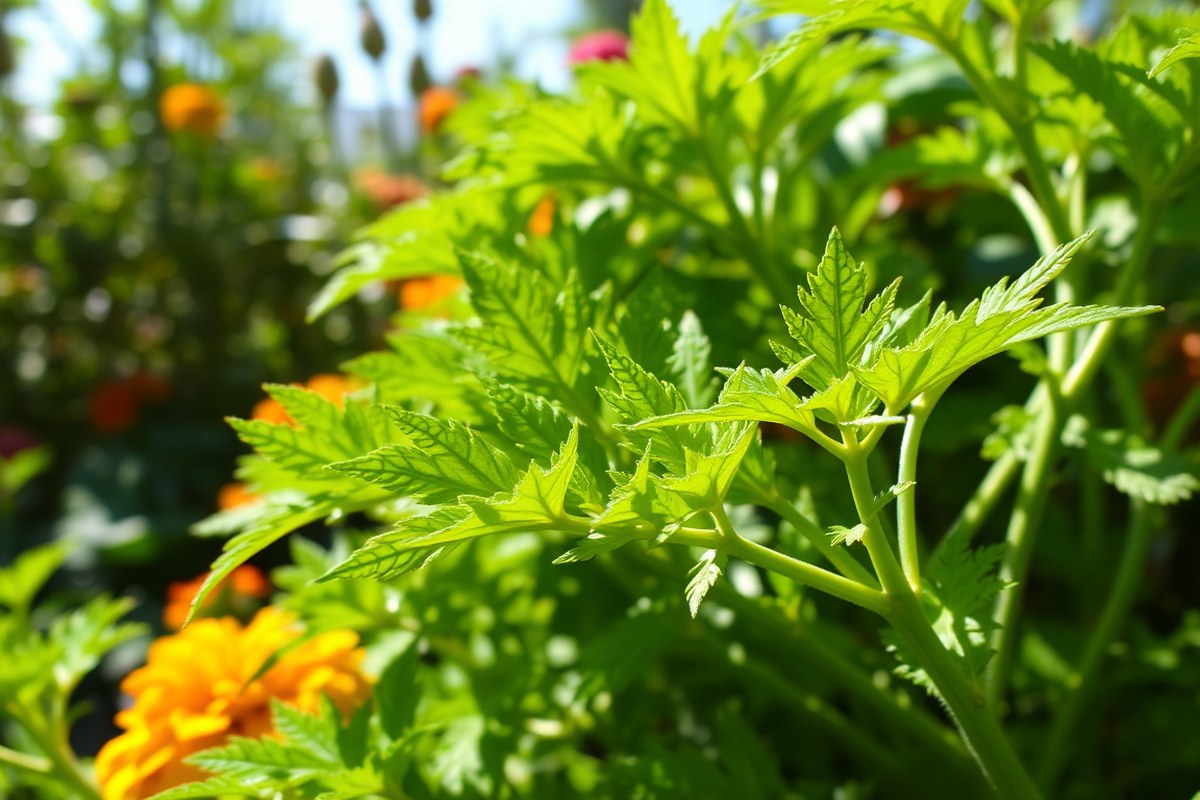
What do marigold leaves look like? They are broad and oval, often with fine hairs covering them.
This gives the leaf a slightly sticky or rough texture when touched. The edges of marigold leaves usually have mild serrations or small teeth, not very deep but noticeable.
Marigold leaves typically grow between 1 and 3 inches in length. Their shape can be lance-like or slightly jagged, making them easy to recognize. These leaves are arranged opposite each other along the lower stems, which is a useful clue to spot them in a garden.
Healthy marigold leaves are a rich green color and feel firm. If leaves look pale or stems seem long and leggy, the plant might lack enough sunlight.
Marigolds need about six hours of direct sun each day to stay strong and full. Enough sunlight makes the leaves grow vibrant and the plant bushy.
Key Takeaways
- Marigold leaves are broad, hairy, and sticky without leaf division.
- Typically, mature marigold leaves measure 1, 3 inches long with slight serrations.
- Leaves arrange oppositely on lower stems, helping you identify them early.
- Leggy, pale green stems with sparse leaves often mean low light conditions.
- Strong, unpleasant scents hint at African marigolds, while French have milder scents.
- New leaves grow visibly every 3-5 days during active growth periods.
What Do Marigold Leaves Look Like? Key Visual Features
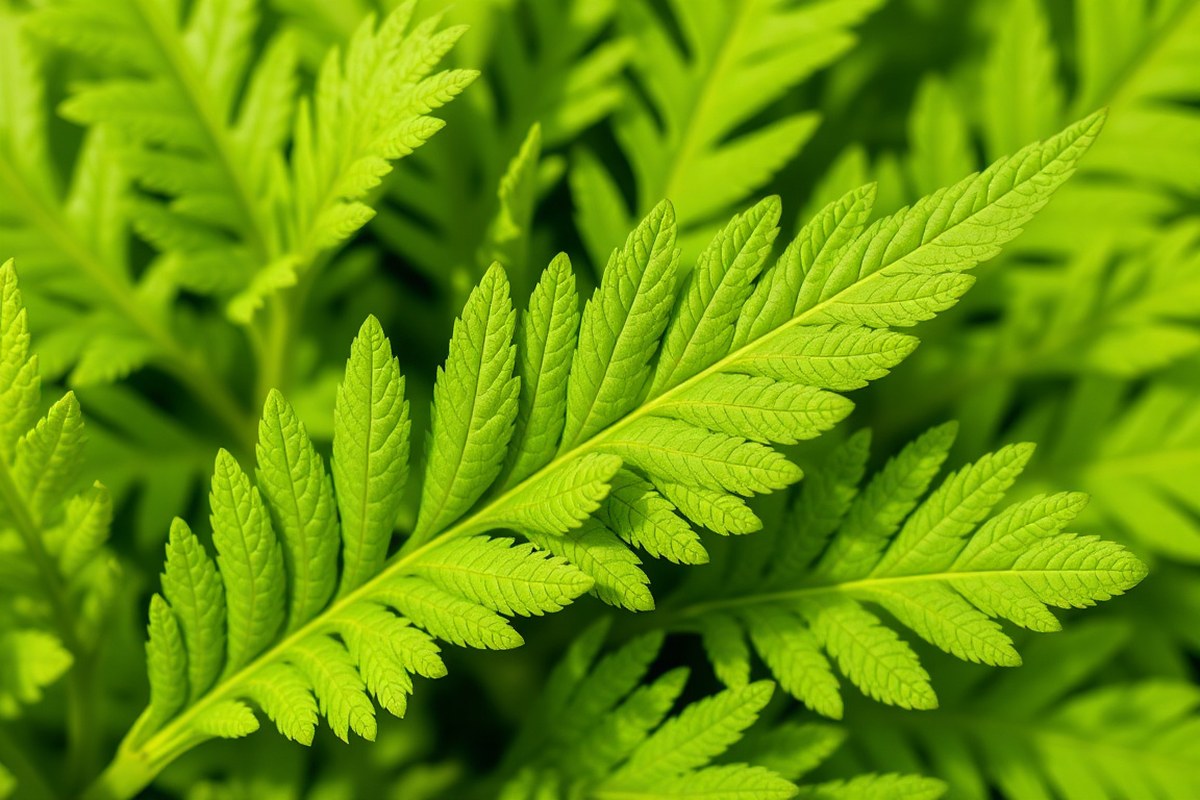
Marigold leaves look like tiny green feathers on stems. They have a lance shape or split into narrow, pointed parts. These leaflets range from 1 to 3 inches, giving leaves a fine, feathery style once you know the signs.
The green on healthy marigold leaves ranges from bright to deep emerald. New growth often shows a lighter green. Mature leaves have a darker, velvety tone.
The undersides of marigold leaves are a bit lighter. They have no spots or odd marks. This helps you spot healthy plants quickly.
Texture-wise, marigold leaves vary a little depending on the type. French marigolds have delicate, lace-like leaflets. African marigolds feature broader, sturdier, and coarser leaves.
Their edges are jagged, not smooth. This sharp edge helps protect them. It also gives marigolds their classic look.
Leaves grow one by one on either side of the stem. They do not grow opposite each other. This pattern creates an alternating leaf layout.
This creates a thick and layered leaf look. The effect is clearer with good sunlight.
Pruning also helps the plant look fuller. Low light or crowding, by contrast, makes stems leggy with sparse leaf spacing.
Leaf clusters can be small and fine on compact plants. They get bigger and looser on taller marigolds. Different types show different cluster sizes.
Knowing these features helps you spot true marigold leaves. It also stops you from confusing them with garden weeds. Look for deeply split leaves with jagged edges.
Healthy leaves should show a rich green color. These clues help identify marigolds.
Differences Between French and African Marigold Leaves
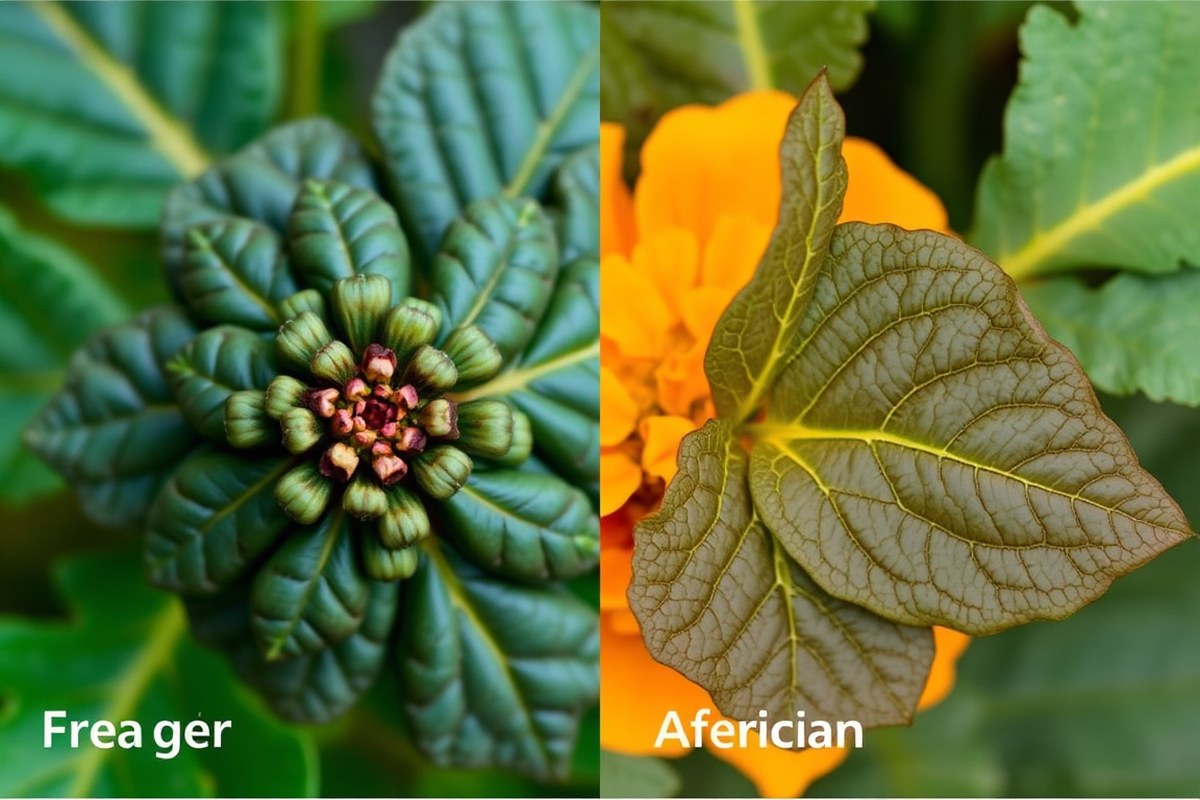
French and African marigold leaves differ in size, texture, and growth habits. French marigold leaves are finer and smaller with a softer feel. African marigolds have broader, coarser leaves that match their bigger plant size and stronger stems.
French Marigold Leaf Characteristics
French marigold leaves look delicate and finely divided. They have narrow leaflets with slightly toothed edges, giving a feathery look. The texture feels firm but less rough compared to African varieties.
These leaves grow on shorter, bushier plants, often under 2 feet tall. Their stems are thinner and less rigid. Because they grow densely, the leaf clusters appear compact and soft.
The color is usually a medium green shade, not too dark or light. French marigold leaves produce a mild, pungent smell when crushed. This variety’s refined leaf structure helps you spot it quickly in a mixed garden bed.
African Marigold Leaf Characteristics
African marigold leaves are broader and larger than French ones. The leaflets have a coarser, rougher texture when you touch them. Their divisions are deeper, making the leaves look chunkier and less delicate.
These plants can grow up to 6 feet tall with a rangy structure. Thick, rigid stems support the heavy foliage.
Leaves tend to space out more along the stems. So the plant looks less dense overall.
Their green shade is darker, often with a stronger and unpleasant odor when crushed. This toughness in both leaves and stems matches the plant’s vigorous growth. The bold leaf shape helps you tell African marigolds apart from finer-leaved types.
Quick Comparison Summary
This table lays out the key leaf differences between French and African marigolds. It includes texture, size, growth habit, and leaf color. Use it to quickly identify which marigold you have by checking the leaves against these traits.
| Feature | French Marigold | African Marigold |
|---|---|---|
| Leaf Texture | Finer, less rough | Broader, coarser, rougher |
| Leaf Size | Smaller, narrow leaflets | Larger, broad leaflets |
| Growth Habit | Shorter, bushier (under 2 ft) | Taller, rangy (up to 6 ft) |
| Stem Rigidity | Thin, less rigid | Thick, rigid |
| Leaf Color | Medium green | Darker green |
| Leaf Scent When Crushed | Mild pungent | Strong, unpleasant odor |
French marigold leaves’ finer texture suits smaller beds and tight spaces. African marigolds fit large garden areas due to their height and broad leaves.
Both leaf types have natural antibacterial and antifungal traits. But differences in shape help you care for each variety properly.
Check several leaves from different parts of the plant to avoid confusion. A single leaf rarely tells the full story.
How to Identify Marigold Leaves Before Flowers Appear
Spotting marigold leaves early helps avoid pulling them mistakenly as weeds. Focus on leaf shape, size, and texture before flowers bloom. Watching how the leaves divide and grow reveals their true identity.
Seedling Leaf Shape and Size
Marigold seedlings have small, needle-like leaves that divide into thin segments. The first leaves are simple, but true leaves develop quickly with a feathery look. These leaflets often have jagged or toothed edges, unlike smooth leaves of many weeds.
Look closely for a slight stickiness or faint scent when you crush young marigold leaves. This feature helps confirm what you see.
Seedlings begin tiny, about ¼ to ½ inch for first leaves. They grow bigger every few days.
Distinguishing Marigold Leaves from Similar Weeds
Some quick-growing weeds and plants like cosmos have leaves that look like marigold leaves at first. Cosmos leaves are finely divided but tend to be thinner and less stiff. Weeds such as dill or fennel have similar shapes but feel softer and smell different.
Use this checklist to separate marigold seedlings from look-alikes:
- Check leaf texture: marigold leaves feel slightly hairy and sticky
- Smell the leaves: marigolds have a pungent, distinct scent when crushed
- Observe leaf division: marigolds’ leaflets are jagged and needle-like
- Look for growth speed: marigolds add noticeable leaf length every 3-5 days
- Note the stem: marigold stems are often sturdier and less flexible than weeds
Combine these features to avoid mistakes. Wait until more true leaves appear to see the seedling clearly.
Timing of Leaf Development
True marigold leaves start appearing about 10 to 14 days after seed germination. You’ll see the characteristic divided shape emerge soon after the first round of simple leaves. Growth is steady and noticeable, especially in warm spring weather.
By three to four weeks, marigold seedlings show several sets of true leaves. These leaves will resemble mature ones but smaller. This timing matches planting marigolds indoors early or direct sowing in the garden.
Why Are My Marigold Leaves Yellow, Brown, or Curled? Common Causes
Yellow marigold leaves usually mean the plant is stressed by water or nutrients. Overwatering is the top cause, especially if your soil drains poorly. Check soil moisture by feeling it just below the surface.
When marigold soil is soggy, water less and add organic matter. Improve drainage by planting in raised beds to prevent root problems.
Brown spots often point to fungal infections or physical damage from pests. Brown edges or curling leaves may signal underwatering or high heat stress. White or fuzzy patches on brown spots show a fungal disease.
You should treat it with fungicide. This helps save the plant. Avoid overhead watering to keep leaves dry and healthy.
Leaf curling can come from drought, too much sun, or insect attacks. Examine the top and underside of leaves for tiny pests, such as aphids or spider mites. Insects cause irregular curling or holes, which can quickly spread.
Spray with insecticidal soap or rinse leaves with water to remove pests. Repeat treatments every 7 to 10 days until bugs disappear.
Use the checklist below to figure out what’s wrong with your marigolds:
- Yellow, soft leaves + soggy soil = Overwatering; reduce watering
- Yellow, pale leaves + dry soil = Nutrient deficiency; add balanced fertilizer
- Brown, dry leaf edges + dry soil = Underwatering; water deeply
- Brown spots with fuzz = Fungal disease; apply fungicide, improve airflow
- Leaves curled or holey + visible insects = Pest infestation; use insecticidal soap
- Leaf curling + bright sun = Sun stress; provide afternoon shade
Keeping sunlight steady helps prevent leaf curl caused by sudden heat or shade changes. Marigolds do best in full sun, about 6 hours daily.
Water early in the day to let leaves dry before nightfall, cutting fungal risks. Adjust watering based on the weather and soil dryness rather than a fixed schedule.
Watch your marigold leaves often to catch signs early. Healthy marigold leaves stay green with sharp vein patterns and jagged edges. Act at the first yellowing or spots to keep your plants blooming strong and long.
Texture, Color, and Scent Variations in Marigold Leaves
Marigold leaves feel firm with a slightly rough texture when healthy. You can run your fingers across them to notice fine hairiness, especially on the undersides. This light fuzz protects leaves from insects.
It also prevents moisture loss. This helps in hot garden spots.
The leaves show shades from pale green in young growth to deep emerald in mature leaves. These colors can shift subtly depending on sunlight and soil nutrients. Watching for strong, consistent green tones helps you tell healthy plants from those under stress.
Marigold leaves have a mild scent when crushed, often described as slightly spicy or musky. This scent is faint, not as strong as flowers.
It helps you confirm a plant’s identity. The fragrance comes from oils that also discourage pests.
Look closely at leaf texture to spot differences between species. For example, French marigold leaves feel finer and more divided, like delicate feathers.
African marigold leaves are larger and coarser. Touching leaves can quickly guide you to the right kind if flowers aren’t out yet.
Always check multiple leaves to confirm texture and color, since one damaged leaf might mislead you.
Marigold Leaf Arrangement and Growth Habit Patterns
Marigold leaves are mostly arranged alternately along their stems. Near the bottom, the leaves often appear opposite each other. As the plant grows taller, the leaf arrangement shifts to alternate placement.
This alternating pattern helps marigolds develop a bushy look. The stems produce branches at intervals, each with leaves spreading out along them. This branching creates compact clusters that can fill out to about 18 inches tall or more.
Sunlight affects how dense marigold foliage gets. Plants in full sun typically grow sturdier stems with tightly packed leaves. This interlocking leaf growth supports flowers better and creates a fuller green backdrop in the garden.
Growth habits also shape leaf cluster appearances. Younger plants may show simpler branching. As marigolds mature, their stems branch more, increasing leaf and flower density.
Look at how the leaves and stems work together to spot marigolds. The mix of opposite and alternate leaf arrangements helps set them apart. The sturdy, bushy growth with densely packed leaves is another clear sign.
Key growth pattern traits:
- Leaf arrangement starts opposite at the base, shifts to alternate higher up
- Branches develop along stems with leaves spaced at intervals
- Plants grow bushy, reaching about 18 inches or taller depending on type
- Full sun encourages dense foliage that supports flower clusters
- Leaf clusters become fuller as the plant matures and branches increase
Keeping Marigold Leaves Healthy and Green: Best Practices
Marigolds thrive when you water them deeply but not too often. Aim to soak the soil once or twice a week, depending on weather.
Overwatering can cause roots to rot and turn leaves yellow. Underwatering makes leaves droop and brown.
Place your marigolds where they get full sun, about six hours each day. Bright sunlight keeps the leaves firm and lively green. Too much shade leads to weak stems and dull leaves that can get spotting or mold.
Spacing between plants helps leaves stay healthy by ensuring good air flow. Plant marigolds 8 to 12 inches apart to avoid overcrowding. Crowded plants trap moisture and encourage leaf diseases that make leaves drop prematurely.
- Water deeply at the base, avoiding wetting the leaves
- Provide at least six hours of direct sunlight daily
- Space plants 8 to 12 inches apart for good air circulation
- Pinch off older yellow or brown leaves near the base
- Trim back leggy stems to promote bushier growth
- Check soil moisture before watering to avoid overwatering
Light pruning helps maintain strong foliage. Remove old leaves that turn yellow or brown to direct energy to new growth. Snipping leggy stems back by one-third encourages bushier plants with more healthy leaves.
Keep your soil well-drained. Marigolds do best in loose soil that dries a bit between watering. Heavy or compacted soil delays drying and harms roots, leading to soft or discolored leaves.
Good growth means firm leaves that are a rich green color. The underside of the leaves should be clean and free of dust. Leaves naturally angle about 45 degrees from the stems.
Distinguishing Marigold Leaves from Similar Garden Plants and Weeds
Marigold leaves can look similar to some common weeds, which might confuse gardeners. Mugwort and bishop’s weed are two examples that share a leaf shape resembling young marigold foliage.
Knowing subtle leaf traits helps you avoid pulling out seedlings. It also confirms you have the real marigold.
Look-Alike Weed Profiles
Mugwort is an invasive weed with deeply lobed leaves that can fool gardeners. It often grows in clumps and has a strong, bitter scent when crushed.
Bishop’s weed, also called goutweed, has shiny leaflets with teeth. The stems spread close to the ground.
Both weeds pop up early in the season, just like marigold seedlings. They may start from seed or root fragments in soil. Learning their growth habits helps you spot them before they take over your flower beds.
Key Leaf Differences
Marigold true leaves are finely divided and have a soft, feathery texture. They grow alternately and show a deeper cut pattern than most weeds. Mugwort leaves are dull with jagged edges and a rough feel.
Meanwhile, bishop’s weed leaves are broader and often glossier, with a more rounded shape. Marigold leaves lack the waxy coating bishop’s weed has, making them less shiny. The fragrance is a subtle but powerful clue since marigolds smell citrusy, unlike the other two.
| Plant | Leaf Shape | Texture | Leaf Arrangement | Scent | Growth Habit |
|---|---|---|---|---|---|
| Marigold | Deeply lobed, feathery, finely divided | Soft, somewhat hairy | Alternate after first pair of opposite true leaves | Mild citrusy aroma when crushed | Upright, bushy |
| Mugwort | Deeply lobed, jagged edges | Rough, dull | Alternate | Bitter, pungent scent | Clumping, spreading |
| Bishop’s Weed | Broader leaflets, toothed edges | Glossy, waxy | Opposite | No strong scent | Spreads low, runners |
Checking these traits closely helps you nail down the correct plant early. The table guides you by highlighting clear visual and tactile differences.
This is key when seedlings are just 7 to 10 days old. At that time, the first complex leaves form.
Identification Tips to Avoid Misidentification
Look for the first true leaves after the seed leaves drop, usually within 10 days. Marigold true leaves have a specific, finely divided pattern. You won’t see it on mugwort or bishop’s weed.
Use smell as a test. Gently rubbing marigold leaves releases a mild citrus aroma.
The smell helps identify the plant. Bitter or no smell usually means it’s a weed.
Check the leaf edges and scent before pulling young plants. This saves your marigold seedlings.
Observe leaf arrangement too. Marigold leaves switch from opposite to alternate, unlike bishop’s weed that stays opposite. Spend a few seconds confirming these traits and you avoid pulling out the wrong plants.
Step-by-Step Action Plan to Identify and Care for Marigold Leaves
Follow these steps to recognize marigold leaves and keep them healthy in your garden.
- Before planting: Learn to spot marigold leaves by their jagged edges and strong scent. This helps you identify seedlings early.
- Week 1: Check leaf shape frequently. French marigolds have smaller, finer leaves; African types have larger, broader ones. Notice this to tell them apart.
- Week 2: Monitor leaf color. Healthy marigold leaves are bright green. If yellowing or browning starts, review your watering and soil conditions.
- After 3 weeks: Feel the leaves’ texture. Marigold leaves feel slightly rough or hairy. Use this to confirm identification before flowers bloom.
- Month 1: Observe leaf arrangement. Marigolds grow in an opposite or alternate pattern on the stem. Recognizing this helps with accurate ID.
- Ongoing: Remove weeds that look like marigold leaves to avoid confusion. Compare leaf margins and scent regularly.
- Throughout the season: Keep leaves healthy by watering moderately and using organic mulch. Healthy leaves mean stronger plants with better blooms.
Frequently Asked Questions
How Can You Tell Marigold Leaves Apart from Similar Garden Plants?
Marigold leaves have many small leaflets on a central stem. This feathery pattern helps you spot them among similar foliage like ragweed or cosmos. Look closely for jagged edges and deep lobes typical of marigold leaves.
Do Marigold Leaves Change Appearance as the Plant Grows?
Yes, marigold leaves grow more complex and larger as the plant matures. Early leaves look simpler and smaller. Mature leaves are 1 to 3 inches long.
They have serrated edges. Watch for these changes as your plant develops.
Are Marigold Leaves the Same on French and African Types?
No, French and African marigold leaves differ quite a bit. African marigolds have broader, stickier leaves without divisions.
French marigolds have narrow, deeply lobed leaves. Knowing these traits helps you identify your marigold variety easier.
Can You Use Marigold Leaves in Cooking or Teas?
Yes, especially Tagetes species are edible and used in some salads or teas. The leaves add a mild, herbal hint.
Know the type before eating. Not all marigolds are common for cooking.
Why Do Some Marigold Leaves Have a Sticky Feel?
That stickiness usually comes from fine hairs or glandular trichomes. African marigolds often have broad, hairy, sticky leaves. This texture helps protect the plant from pests and weather.
How Do Marigold Leaves Support the Plant’s Height?
Marigold leaves have a strong architecture to support tall stems. Large African marigolds grow tough leaves. These leaves help anchor the plant.
The plant can grow several feet tall. Their structure also helps shade the soil.
Final Thoughts
Marigold leaves stand out with their jagged edges and strong scent. Learning to spot them helps you grow and care for these bright garden plants. Start by checking a few leaves closely in your yard today.