How to Exterminate Powder Post Beetles: 8 Essential Steps for Complete Control
How to exterminate powder post beetles starts by identifying the infestation early. These beetles live inside wood and leave tiny holes full of fine dust. Your best bet is to lower the wood’s moisture below 20%.
Dry wood stops the beetles’ life cycle. This helps control the infestation.
Powder post beetles thrive in wood with more than 20% moisture. Drying it out starves them.
First, check for small exit holes and powdery dust on wood surfaces. Treating wood moisture and using precise insecticides or heat treatments will finish the job.
Moisture control is key because beetles need moist, starchy wood to reproduce. Beetles live about 1 to 2 years.
Waiting allows all beetles inside to emerge before you act. Keep these points in mind to get full control over the infestation.
Key Takeaways
- Look for fine powder and small holes to spot beetle infestations early.
- Lower wood moisture to below 20% to stop beetle development quickly.
- Female beetles lay 20-60 eggs in tiny cracks and old holes in wood.
- Wood with under 3% starch stops female beetles from laying eggs.
- Dry wood below 10% moisture slows larvae growth but might not kill them.
- Heat wood to 120-135°F for up to 24 hours to kill beetles thoroughly.
1. How to Identify and Confirm a Powderpost Beetle Infestation
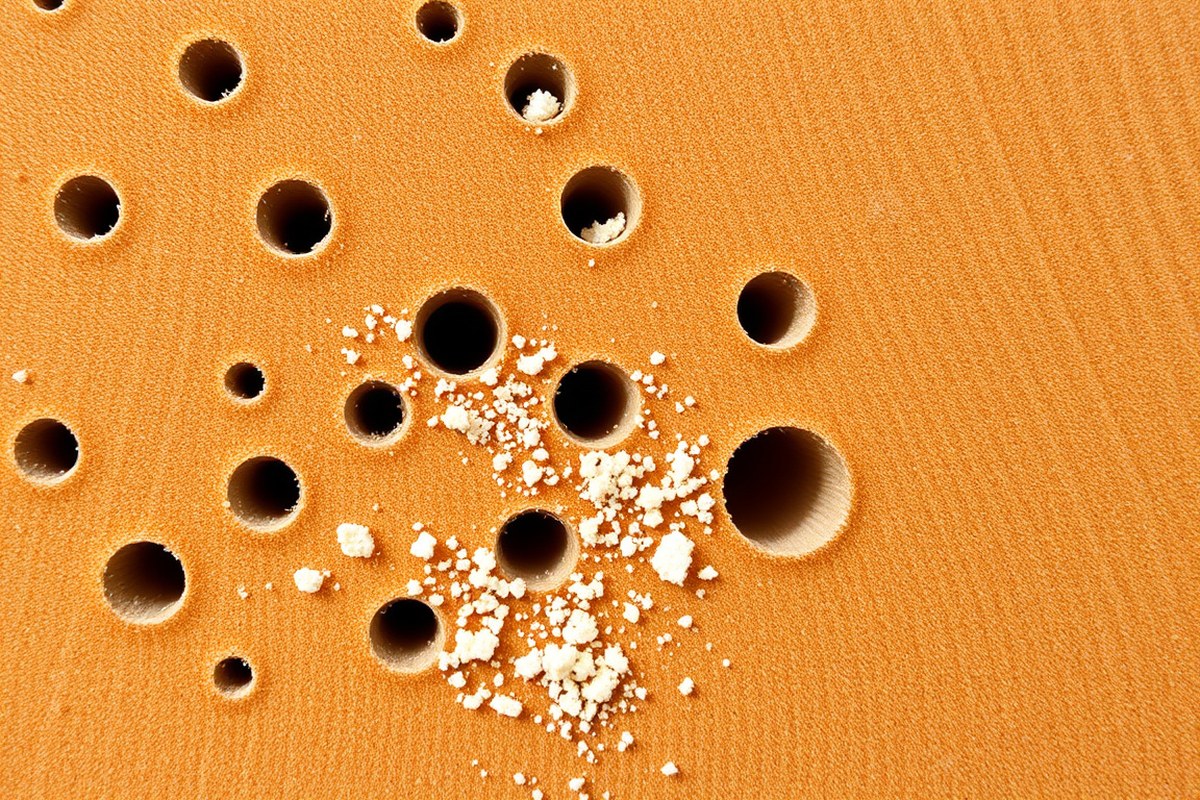
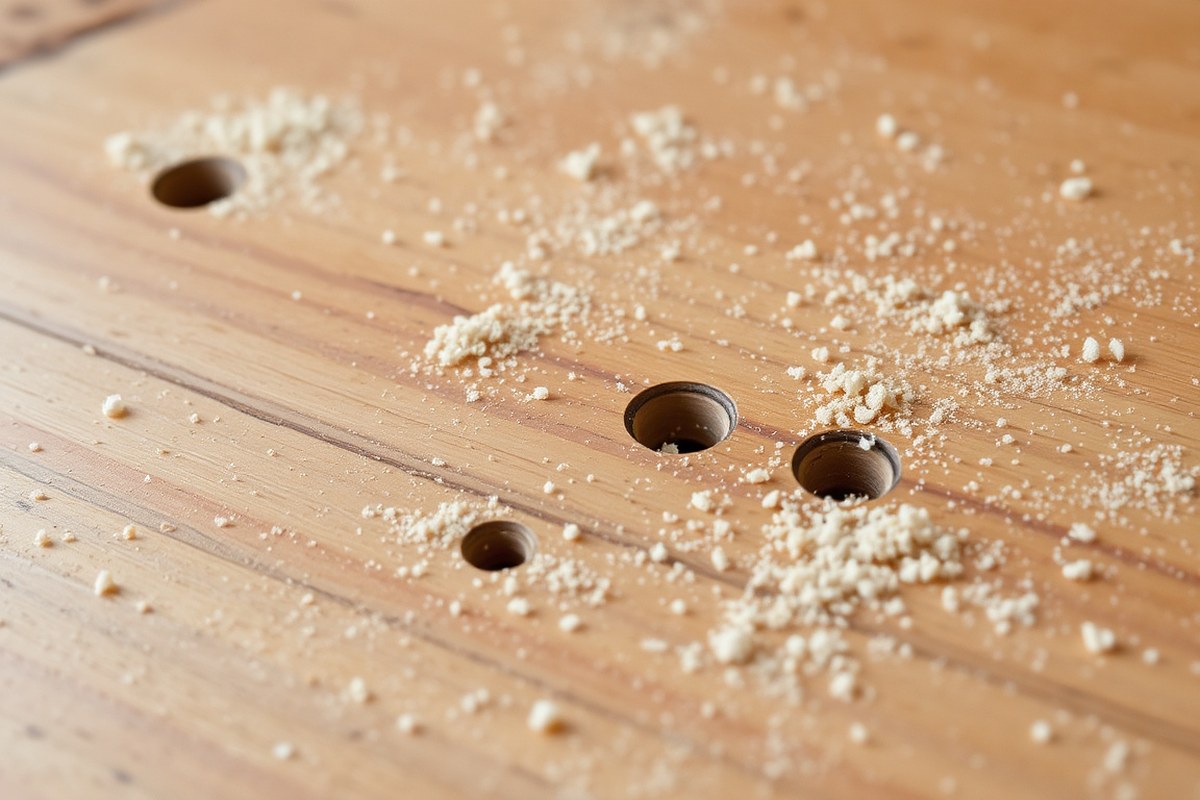
Powder post beetle damage shows as tiny round holes in wood. These holes range from 1/32 to 1/16 inch wide.
Very fine sawdust, or powder, often falls from these holes. This powder looks like flour or fine dust, which signals an active beetle infestation.
These beetles mainly infest hardwoods, such as oak, ash, and hickory. Softwoods like pine or fir are generally not affected.
The holes and sawdust appear on wood surfaces like flooring, furniture, or exposed beams. You likely have powder post beetles if you see fine powder.
To confirm infestation, look carefully for new exit holes. They are round and range from the size of a pencil lead to slightly larger. Powderpost beetle damage causes these characteristic “shot holes.”
Other wood problems, like decay or termite damage, don’t produce fine powder falling out. Termites leave tunnels and mud tubes but not powdery dust at holes.
- Check wood surfaces for round exit holes about 1/32 to 1/16 inch wide
- Look under wood pieces for fine, flour-like sawdust
- Focus on hardwoods like oak, maple, or furniture woods
- Mark or seal existing holes and sweep up all powder
- Recheck the wood in a few weeks for new holes or fresh powder
Marking or sealing holes helps spot fresh beetle activity later. Vacuuming prevents old powder from hiding new dust. Powder post beetles have a life cycle of 12-18 months inside the wood.
You might see beetles emerge over several months, even after treatment. Wait 1 to 2 months after the first signs appear.
This helps you see how bad the infestation is. Then you can treat it properly.
Confirming an active infestation this way avoids unnecessary treatments. Some holes and damage come from old, inactive infestations.
Fresh powder and new holes prove the beetles are still living in the wood. Searching for sawdust and exit holes on the proper hardwood type makes identifying powderpost beetles clearer.
2. Understanding Powder Post Beetle Biology and Life Cycle
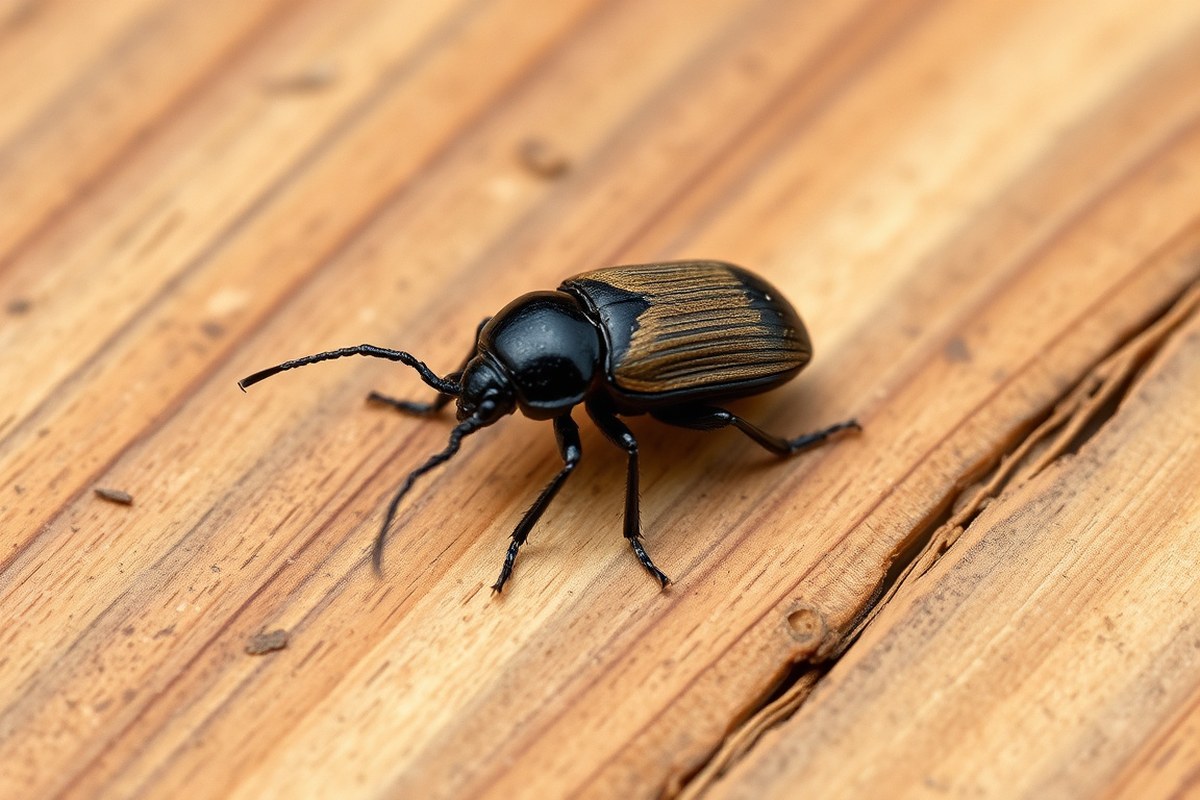
Powder post beetles go through four life stages: egg, larva, pupa, and adult. Their indoor life cycle can last from two to five years. This slow development affects when and how you should treat infested wood.
Species Most Common in Homes
The term “powder post beetle” covers several species of wood-infesting beetles. Most indoor infestations involve lyctid powder post beetles, which prefer hardwood flooring and furniture. These beetles are small, around 1/8 inch long, and are dark brown to nearly black.
Another species is the deathwatch beetle, which is larger and gray-brown. It prefers older or weathered wood.
It’s less common indoors than lyctid beetles. Knowing the species helps focus treatment on the right wood types.
Egg to Adult Development Timeline
Powder post beetles lay eggs inside wood pores. The eggs hatch into larvae, the stage when most wood damage happens. Larvae tunnel inside the wood for months or even years before becoming pupae and then adults.
Inside homes, the full life cycle can last up to five years. This is much longer than the one year seen outdoors.
Adults chew tiny exit holes about 1/16 to 1/8 inch wide to leave the wood. Emergence usually happens in warmer months, but timing varies by species and wood age.
Because larvae don’t break the wood surface, infestations can go unnoticed for years. You need treatments that kill young larvae when they begin feeding. Eggs, pupae, and adults often resist many insecticides.
Preferred Wood Types and Conditions
Powder post beetles prefer hardwoods with a starch content they need to feed on as larvae. Fresh hardwood such as oak, maple, and ash are common targets. Softwoods in typical home framing rarely support infestations.
Wood moisture content plays a big role. They need wood moisture between 6% and 30%.
Wood that is too wet risks rotting, which beetles avoid. Drying wood below 15% moisture can slow or stop beetle development.
Older wood with declining starch slows larval growth. That’s why some beetles stay inside wood for years before emerging. This long cycle means infestations may reappear long after initial treatment.
Watch for new exit holes during warm months to spot adult emergence and plan follow-up treatment.
3. Reducing Wood Moisture to Prevent and Limit Beetle Survival
Keeping wood moisture low helps slow or stop powder post beetles from growing. You want to get wood moisture below 20%, with under 15% being best. Measuring moisture and lowering it take a few steps but can protect your home.
Optimal Moisture Levels Against Beetles
Powder post beetle larvae need wood moisture between 13% and 30% to develop. Lowering it below 20% slows their growth, and under 15% stops most activity. Moisture below 6% is ideal to keep beetles from even attacking the wood.
Dry wood in air-conditioned homes often stays near 10%, which usually won’t support beetle development. Wood with too much moisture stays soft and full of starch that larvae eat. Dropping moisture levels reduces these food sources and makes the wood less attractive for beetles.
Tools to Measure Wood Moisture
You can measure moisture with a wood moisture meter, a tool used by pest professionals. This device probes or touches the wood surface and shows a percentage reading of moisture content. It helps you track if drying is working.
It shows if wood is safe. You can check for pest infestations this way.
To get a clear picture, check different wood spots, especially near crawl spaces or basements. Recording these numbers over time shows whether humidity or leaks are raising moisture. Buy a reliable meter online or at hardware stores for about $30 to $100.
Techniques for Moisture Reduction
Reducing moisture in wood involves several steps to dry the area and keep it dry. Improving air flow and fixing water leaks can lower moisture quickly. Drainage around the house and foundation vents in crawl spaces help keep wood dry over time.
Using a dehumidifier inside affected rooms can speed moisture removal. Keeping indoor humidity under 50% helps maintain wood moisture below 20%. Maintaining dryness for several months breaks the beetle lifecycle because larvae won’t survive the harsh conditions.
Follow these steps to measure and reduce wood moisture:
- Buy or borrow a wood moisture meter for accurate readings.
- Test wood at multiple locations, especially near visible damage.
- Fix any leaks in plumbing, roofs, or outside gutters immediately.
- Increase ventilation by opening windows or adding foundation vents.
- Use a dehumidifier in basements, crawl spaces, and damp rooms.
- Improve outdoor drainage so rainwater flows away from the house.
- Monitor moisture levels weekly to ensure they stay below 20%.
- Maintain these conditions for at least 6 months to break beetle eggs and larvae.
4. Chemical Treatments: Using Borate and Other Insecticides Safely and Effectively
Borate insecticides kill powder post beetle larvae inside wood. You apply them as liquid or powder to wood surfaces. Reapply treatments every week if fresh beetle activity shows up.
Borate Treatment Application
Borates soak into wood fibers and stop larvae from growing. Usually, you mix borate powder with water to make a spray or brush-on liquid. The chemical penetrates 1/8 to 1/4 inch deep, reaching larvae tunnels near the surface.
Here’s how to apply borate treatment correctly to hardwood floors or wood framing:
- Clear the area and vacuum wood surfaces to remove dust and powder.
- Mix the borate insecticide with water according to label directions.
- Use a sprayer, brush, or roller to cover all exposed wood evenly.
- Pay special attention to holes and exit points where beetles emerge.
- Let the treated wood dry completely, usually 24 to 48 hours.
- Repeat treatment weekly if fresh powder post beetle activity appears.
- Mark treated areas and keep them dry to help borates stay effective.
Reapplication is key because borate residues get less effective over time. Expect to treat for 3 to 6 weeks for deep infestations.
Limitations of Fumigation
Fumigants with sulfuryl fluoride kill adult beetles but barely affect larvae in wood. They penetrate wood less than an eighth of an inch. Methyl bromide, once popular, no longer sells due to regulations.
Fumigation is best for large infestations or finished wood too thick for borates. It usually costs $1,000 or more for a whole house. You must vacate during treatment and aerate well afterward.
Fumigation won’t fix new infestations if any untreated wood remains. Use borate treatments on smaller pieces or inaccessible wood instead.
Safety Guidelines for Insecticide Use
Wear gloves, goggles, and a long-sleeved shirt when handling borate insecticides. Avoid inhaling spray mist or powder dust. Keep children and pets away from treated wood until dry.
Follow label instructions closely for mixing rates and application methods. Store unused insecticide in a cool, dry place away from food and drink. Dispose of empty containers and leftover solution per local rules.
Schedule treatments on dry days and ventilate the area well during and after spraying. If you choose fumigation, hire a licensed professional to handle chemicals and safety precautions.
5. Heat and Freezing Methods for Killing Beetles in Furniture and Small Wood Items
Heat and freezing can kill all powder post beetle stages inside wood. For heat, raising wood temperature to 150°F for 4 hours works best. Freezing small wood items at 0°F for 3 to 7 days also eliminates infestations.
Smaller furniture like picture frames respond well to freezing. Larger furniture needs heat chambers to evenly warm wood. Both methods avoid chemicals but require care to stop damage.
| Method | Temperature | Exposure Time | Suitable Items | Pros | Limitations |
|---|---|---|---|---|---|
| Heat | 150°F | 4 hours | Furniture, large wooden items | Kills all beetle stages quickly, no chemicals | May damage delicate wood, requires heat chamber |
| Freezing | 0°F | 3-7 days | Small wood carvings, picture frames | Safe for most wood, easy to do at home | Takes longer, not for large or built-in items |
Choose heat for big furniture or heavy infestations. Use freezing when items fit in a freezer and wood is sturdy. Avoid sudden temperature changes; wood can crack or warp.
Heat chambers must keep wood dry and evenly warm. Long freezer stays need checking to keep items cold without moisture build-up. Test small, hidden wood spots first to catch damage early.
Never apply heat faster than 10°F per hour to avoid wood cracking or splitting.
6. Common Treatment Mistakes and How to Avoid Them
Treatments for powder post beetles can fail often. This happens because eggs or larvae hidden inside wood get missed. The female beetles lay 20 to 60 eggs in cracks and old holes.
These hatch in six to ten days. Larvae eat deep inside the wood, making surface treatments ineffective alone.
Some common treatments kill adults but don’t reach eggs or larvae. For example, spraying only the surface leaves many larvae untouched. Timing matters.
You need to treat when adults emerge or before they lay eggs. Moisture control also helps because larvae need moist wood with starch and sugars to survive.
Check for new small exit holes to detect infestations. Fresh powder near wood surfaces shows beetles are still active. Look for tiny holes like “Swiss cheese” spots inside infested areas.
Regularly inspect wood after treatment for at least six months. This helps catch any survivors before they lay more eggs.
- Missed larvae inside wood, drill and inject insecticide deeply
- Treating only after adults appear, apply preventive treatment before season
- Ignoring moisture control, use central heating or vapor barrier to dry wood
- Using spray only, combine surface treatment with borate powder for deeper effect
- Skipping follow-up inspections, check monthly for new holes or powder
Treating wood can cost $100 to $300 for DIY insecticides and equipment. Drilling and injecting may take extra time but improves results. A well-dried wood environment reduces beetle survival chances and avoids repeated costly treatments.
Common mistakes happen when treatments ignore wood moisture and larva locations. Injecting insecticide into cracks ensures you reach hidden larvae.
Drying wood helps because larvae cannot feed well in dry conditions. Don’t stop inspections too soon, as beetles hatch and start eggs multiple times per year.
7. Monitoring, Follow-Up, and Knowing When Treatment Is Successful
After treating wood for powder post beetles, watch for signs of new activity. Wait about 3 months before the first inspection. The treatment, like Bora-Care®, works through the wood.
It kills beetles at all life stages. This stops the infestation from spreading further. Tracking progress shows when the infestation is gone.
It also tells if you need repeat treatments. You can fix problems before they get worse.
Look for fresh exit holes in the wood. Check for fine powdery dust around the holes. Watch for white cottony growth on the surface.
These signs mean beetles are still present. Keep good records of your observations and treatment dates.
So you can spot patterns over time. Without careful monitoring, you might miss continuing beetles that need another treatment.
Here’s a step-by-step list to help you track and confirm success after treatment:
- Wait 3 months after the initial treatment before inspecting the wood for new beetle activity.
- Inspect wood surfaces for exit holes often. Look for fine powder and white cottony growth too. Do these checks every three months.
- Note the size of new holes. Structural beetles range from 1/8 to 1/4 inch long.
- Keep a log of all inspections and any signs of fresh infestation or changes.
- Apply a repeat treatment if new exit holes or frass appear during any follow-up check.
- Continue quarterly inspections for at least one year after the last treatment.
- Consider using a flashlight and magnifying glass to see fine powder and small holes clearly.
- Document treatment dates, product type, and any environmental changes like wood moisture levels.
Following this timeline helps catch beetles before they spread or cause more damage. Repeat treatments commonly cost $50 to $150, depending on how much wood needs treating.
Potent products like Bora-Care® saturate the wood. So treating thoroughly reduces the chance of a persistent infestation.
Sometimes, beetles appear inactive for months, then new holes show up. This “wait and see” method avoids unnecessary chemicals but requires patience and detail in tracking. Keep detailed records and check the wood regularly.
This helps you know when the infestation is finished. It also warns you if more treatment is needed.
8. When and Why to Call a Professional Exterminator
Call a professional when the infestation covers large areas or spreads beyond furniture. You need expert help if you spot beetle holes in wood. Also, call a pro if previous treatments failed or if moisture damage and mold are present.
Professionals use specialized fumigation or heat treatments to reach wood deep inside structures. These methods kill insects at all life stages, including hidden larvae.
Pros have tools that inject insecticides into hard-to-reach wood. You usually can’t do this safely on your own.
Choosing a qualified exterminator means checking credentials and experience with wood-boring beetles. Ask for references and proof of proper licensing.
Get detailed quotes that include treatment scope, follow-up visits, and warranties. Costs typically range from $500 to over $3,000 depending on infestation size and treatment type.
Expect the professional to inspect your home thoroughly, often using moisture meters and moisture readings. Treatment plans include protective measures for your belongings and instructions for preparing the home. Some services guarantee success with follow-up visits to catch any survivors within a year.
Call a professional fast if beetles return after your DIY effort. Also call if the wood damage hurts your home’s structure.
The best time for professional treatment is early, before damage worsens. Fumigation requires tenting the home and vacating for several days.
Heat treatments need controlled temperatures, usually between 120°F and 140°F, for several hours. Professionals manage these safely, reducing risks from chemicals and heat damage.
DIY methods often fail with widespread infestations or hidden beetles deep in wood. Professionals also help with proper cleanup and advice on preventing reinfestation.
Severe wood damage might require replacing some wood parts. Pros spot this during their inspection.
Step-by-Step Action Plan to Get Rid of Powder Post Beetles
Follow these steps to tackle powder post beetles in your home and check your progress.
- Day 1: Identify affected wood by looking for tiny holes and fine powder. Confirm the infestation before treatment.
- Day 2: Lower moisture near infested wood. Use a dehumidifier or fix leaks to starve beetles.
- Day 3: Apply a borate-based insecticide to untouched wood around the affected area. This prevents spread.
- Within 1 week: Treat small furniture with heat or freezing methods based on size. This kills beetles inside.
- After 2 weeks: Inspect treated wood for fresh holes or powder. No signs mean treatment is working.
- After 1 month: Repeat insecticide application if new activity appears. Watch for reinfestation carefully.
- Ongoing: Keep wood dry and monitor regularly. Address any water issues immediately to avoid future problems.
- If unsure anytime: Call a licensed pest control expert. They can assess and fix tough infestations safely.
Frequently Asked Questions
What Kills Powder Post Beetles Naturally?
Heat and freezing methods can kill powder post beetles naturally. For example, heat infested wood to 120-135°F for up to 24 hours.
Freezing small items at 0°F for 3-7 days also kills them. These methods avoid using chemicals.
Are Powder Post Beetles Hard to Get Rid Of?
Yes, they can be hard to get rid of because they live inside wood. Treatments usually take months to kill all beetles.
Eggs and larvae hide deep inside the wood. This protection makes quick kill hard.
How Did I Get Powder Post Beetles?
Powder post beetles usually come from untreated hardwood used in your home. Powder post beetles enter through infested hardwood floors or furniture.
These items weren’t dried or treated properly. Beetles get inside via this wood.
What Time of Year Do Powder Post Beetles Come Out?
Adult powder post beetles typically emerge in late spring through summer. This period depends on temperature and humidity, which trigger their emergence from the wood.
Can I Use Household Insect Spray to Kill Powder Post Beetles?
Household sprays usually don’t work because beetles live inside the wood. You need targeted insecticides that penetrate the wood or professional fumigation for best results.
Will Powder Post Beetle Holes Go Away on Their Own?
No, the holes and powdery frass stay once beetles exit the wood. These signs will remain until you repair or replace the damaged wood.
Key Points to Remember
Powder post beetles can ruin wood, but timely action stops them. Start by lowering moisture and using safe treatments. Check your wood regularly and call a pro if problems continue.