Is Sand Dirt – Clear Differences, Uses, and How to Tell Them Apart
Is sand dirt? The short answer is no.
Sand and dirt are different materials that often get mixed up. Dirt usually means soil, which has organic matter, minerals, air, and water.
Sand is made of tiny rock and mineral particles, mostly quartz. It feels gritty and drains water fast but holds few nutrients. Dirt, or soil, feels softer and supports plant life well because it retains water and nutrients.
Sand particles are larger than soil particles and don’t stick together well. This creates large spaces, letting water flow through quickly. Dirt contains clay, silt, and organic bits that hold moisture and nutrients around plant roots.
Knowing the difference helps you choose the right material for gardening or landscaping. Test your soil texture first by feeling it with your fingers. That way, you avoid planting problems or drainage issues down the line.
Key Takeaways
- Sand is made mainly of quartz particles sized 0.05 to 2 millimeters.
- Dirt or soil contains a mix of sand, silt, clay, and organic matter.
- Sandy soil drains water quickly but holds fewer nutrients for plants.
- Loam soil, with balanced sand, silt, and clay, works best for most plants.
- Soils with more than 70% sand are poor topsoil choices.
- Testing soil by feel helps identify sand or dirt for your needs.
Is Sand Actually Dirt? Explaining the Difference
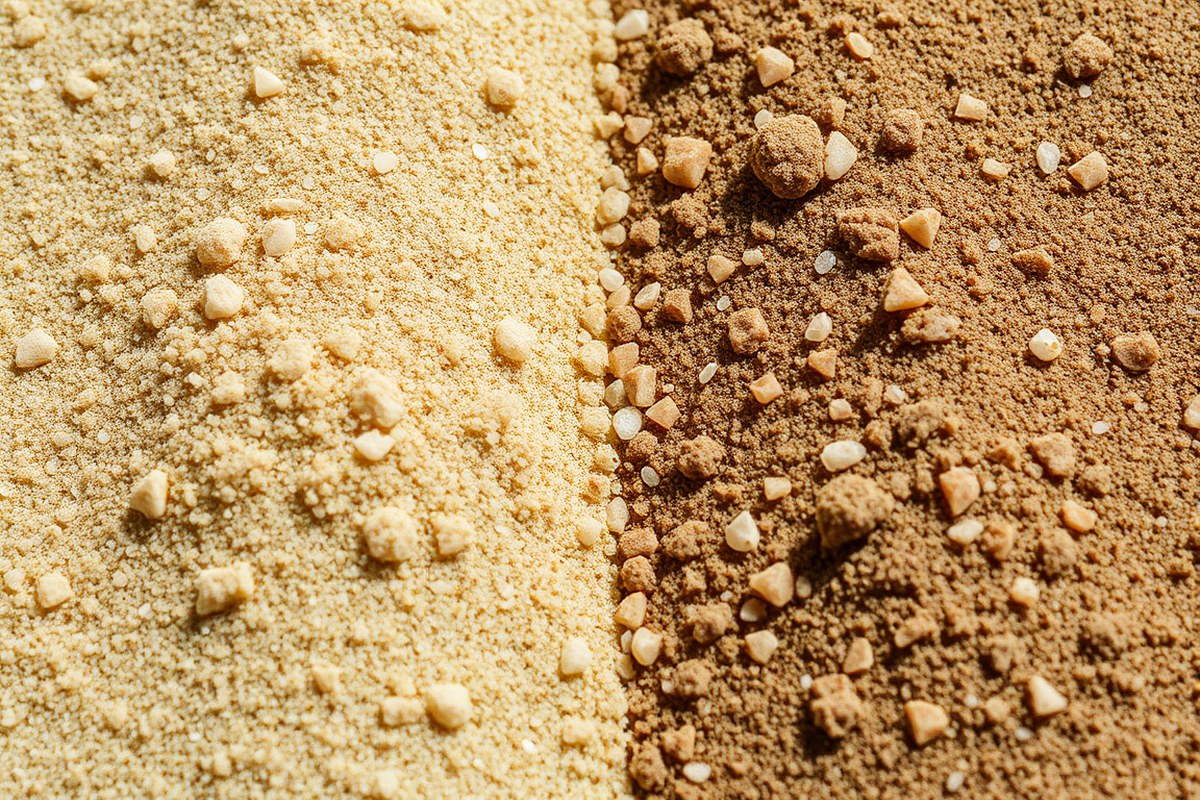
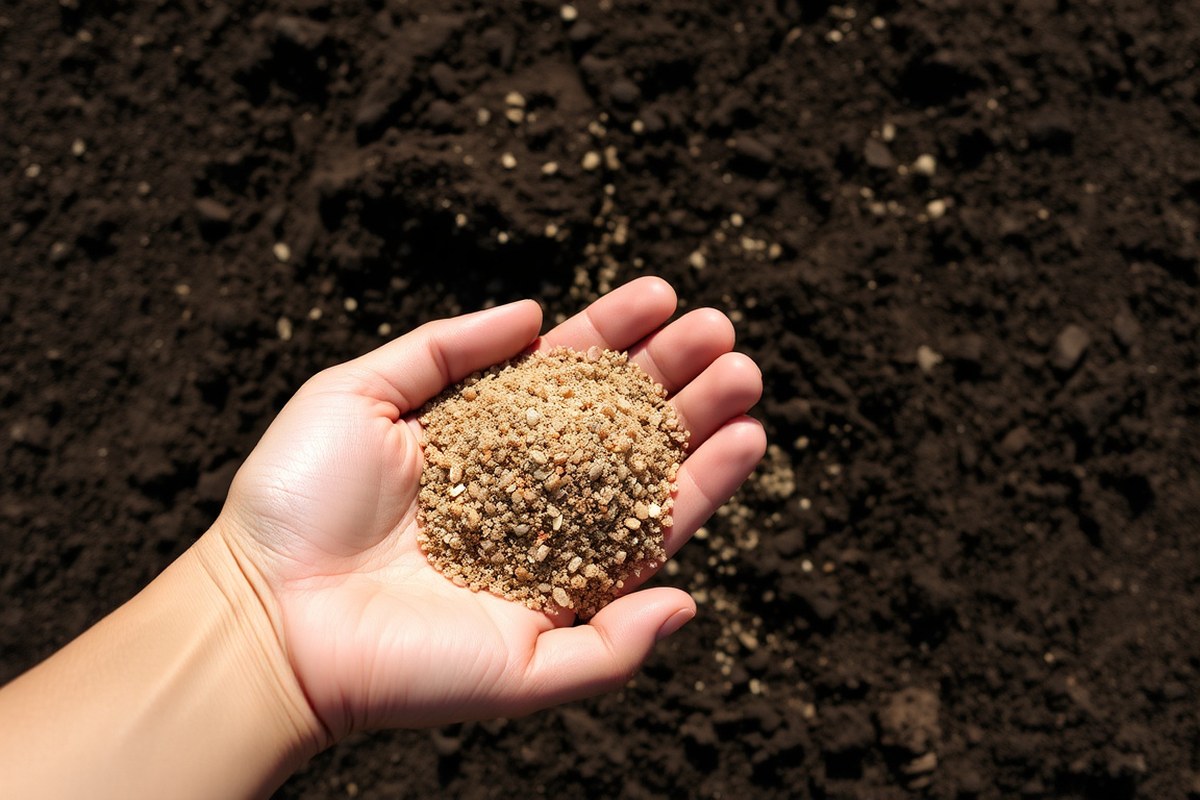
Sand is made mostly of tiny rock and mineral particles. Its texture is soft and granular, usually light brown or tan.
Dirt, scientifically known as soil, holds more than just particles. It has organic matter like decayed plants and animals mixed with minerals and water.
Sand comes from broken-down rocks through erosion. It often appears in beaches or deserts.
Dirt forms in places where life is or was, containing nutrients plants need. Soil’s complex mix gives it more functions than plain sand, including supporting plant growth.
You can find sand inside soil, but it is never the whole soil. Soil is a living system. It has about 40% sand, 40% silt, and 20% clay.
This mix supports plants best. Soil with more than 70% sand often can’t hold water well.
It also loses nutrients fast. This makes it poor for gardening.
How Sand and Soil Are Formed and Composed
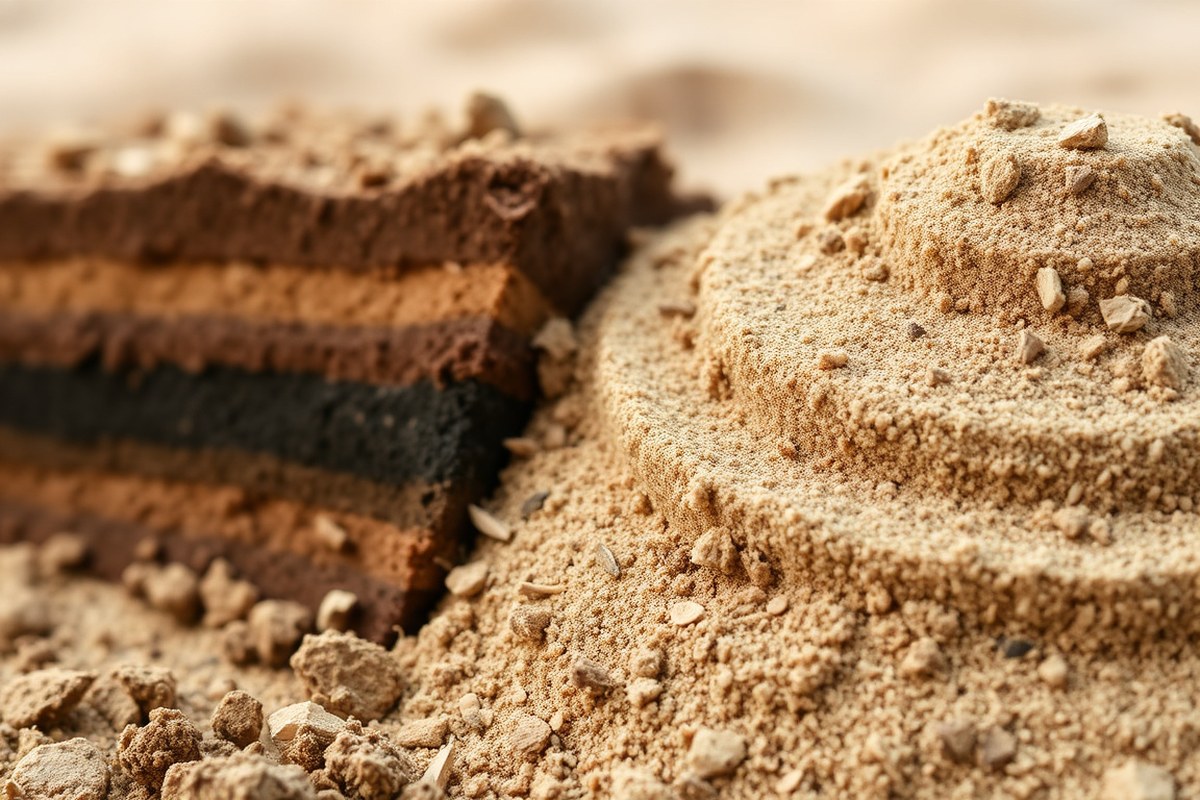
Soil forms from a mix of organic matter, minerals, and other materials. Sand mostly consists of tiny rock and mineral particles, usually inorganic. Both develop through natural processes but differ in how and how long they form.
Processes Behind Soil Formation
Soil starts with the weathering of rocks into smaller mineral particles. Microorganisms like bacteria and fungi help break down dead plants and animals. This creates organic matter that blends with minerals, air, and water in the soil.
Soil develops layers called horizons as organic and mineral materials mix. This layering improves soil structure and nutrient content needed to support plants. Natural forces like rain, wind, and temperature changes shape this process.
Origins of Sand Particles
Sand forms mainly from the breakdown of rocks like quartz through weathering. These mineral grains are usually gritty and range about 0.05 to 2 millimeters wide. Unlike soil, sand lacks organic matter and nutrients.
Sand can accumulate in places like beaches and deserts by wind or water. The process breaks rocks into coarse grains over time but doesn’t add biological materials. Sand is mostly inorganic from mineral fragments rather than living organisms.
Timeline Comparison of Formation
Soil formation takes hundreds to thousands of years, depending on climate and local conditions. It needs time for organic matter to build up and microorganisms to develop. This slow process results in fertile soil for plant growth.
Sand forms faster than soil as rocks break down directly into mineral grains. This mechanical weathering can take decades to centuries. However, sand does not gain nutrients or organic matter over time like soil.
Look for organic smell and dark color to spot real soil, not just sand.
Physical and Chemical Properties of Sand Versus Dirt
Sand and dirt differ mostly in particle size and texture. Sand particles range from 0.05 to 2 millimeters. They feel gritty and loose.
Dirt has smaller particles mixed with organic material. It looks richer and darker because of this.
This mix makes dirt hold water better. Sand lets water pass quickly due to its coarse texture.
Organic matter is the decomposed remains of plants and animals. Dirt usually contains a good amount of organic matter. Sand generally lacks this because it comes from mineral particles only.
Without organic matter, sand cannot hold nutrients well. Dirt’s organic material helps plants get the nutrients they need.
Sand’s nutrient content is and stays low. It doesn’t usually support plants on its own. However, you can improve sand for gardening by adding compost or manure.
These boost nutrients and help water stay longer. Dirt naturally holds more nutrients because of its mix of silt, clay, and organic materials.
| Characteristic | Sand | Dirt (Soil) |
|---|---|---|
| Particle Size | 0.05 to 2 mm (gritty) | Varies; mix of sand, silt, and clay |
| Texture | Coarse, loose | Varies; often fine to crumbly |
| Permeability | High; drains quickly | Moderate; retains moisture better |
| Organic Matter | Very low or none | Significant amount; darker color |
| Nutrient Content | Low; poor for plants | Higher; supports plant growth |
Sand’s high permeability makes it great for drainage but poor for growing plants. Dirt’s mix of particles and organic matter absorbs water, keeping roots happy. Adding organic matter to sandy soil can mimic dirt’s benefits.
Compost is especially useful since it has nutrients and improves soil texture. Gardening in pure sand means extra care with watering and feeding plants.
The exact look of sand or dirt depends on where you find it. Sand may show colors from white to reddish depending on minerals. Dirt often looks black to brown from all the organic decay.
Knowing these properties helps you choose the right material for gardening or landscaping tasks. It also guides how you care for your plants and soil health.
Practical Uses of Sand and Dirt in Gardening and Construction
Sand and dirt serve different roles in gardening and construction. Dirt, or soil, supports plants by supplying nutrients and holding moisture. Sand drains well but lacks nutrients and holds little water.
You can improve sandy soil for gardening by adding organic matter. Compost or peat moss helps sandy soil hold water and nutrients better. Adding fertilizer regularly also helps plants grow in sandy soil because it drains fast.
Mixing sand into clay soil can improve drainage and reduce compaction. But add no more than about 50% sand to clay.
Too much sand with clay makes the soil hard and unsuitable for plants. Balance is key for good texture and water flow.
- Use sandy soil for drainage around pathways or gardens prone to waterlogging.
- Apply compost or manure to sandy soil to boost fertility and moisture.
- Add sand to clay soil cautiously to improve drainage and aeration.
- Choose dirt with organic matter for vegetable gardens and lawns.
- Use sand as a base layer in construction for stability and drainage.
- In filtration systems, sand traps impurities while allowing water flow.
In landscaping, sand’s permeability makes it good for drainage beds or walkways. Dirt, rich in organic matter, builds healthy garden beds that sustain plants. Construction projects use sand for stable bases under concrete or pavers.
Gardening with sandy soil needs extra care, like frequent watering and feeding. Plants grow best in soil with a mix of sand, silt, and clay. Soil tests help you decide how to amend your garden soil for the plants you want.
Testing and Identifying Sand or Dirt at Home
You can test if your sample is sand or dirt using a simple jar test. This method sorts soil particles by size and weight. It helps you see sand, silt, and clay amounts.
Look closely at your sample first. Then compare it to a soil texture chart. This helps you identify the type.
Jar Test Procedure
This test uses water and a clear jar to sort soil particles by size. Sand settles first, followed by silt, then clay floats on top. After 24 hours, you can measure the layers and estimate the sample’s texture.
- Fill a clear jar one-third full with your soil sample.
- Add water until the jar is two-thirds full.
- Put the lid on tightly and shake it hard for about 2 minutes.
- Set the jar down on a flat surface and leave it untouched.
- Wait 24 hours for the particles to settle into layers.
- Check the jar for clear layers. Sand stays at the bottom. Silt is in the middle, clay sits on top.
- Use a ruler to measure each layer’s height and compare their ratios.
Don’t disturb the jar during the 24-hour settling period, or your results will be off.
Visual Inspection Tips
Check the soil dry and moist to spot differences. Sand feels gritty and does not clump together when wet. Soil often feels softer.
It sticks together in clumps. This happens because of fine particles and organic matter.
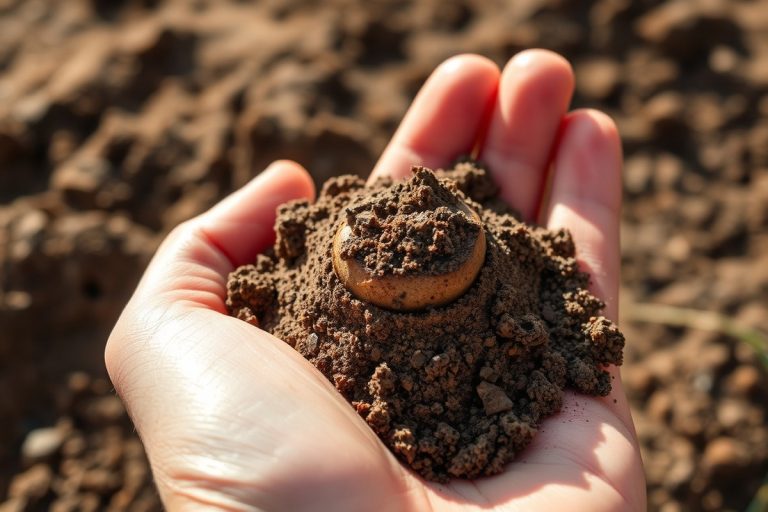
Look for color and organic bits. Dirt usually has darker patches and plant materials mixed in. Sand appears lighter and cleaner, with visible grains like tiny glass pieces.
Using a Soil Texture Chart
Match your jar layers to a soil texture chart. This shows you the soil mix better.
The USDA soil texture triangle divides soils like sand, silt, clay, and their combinations. This helps decide if the sample is mostly sand or more like dirt with finer parts.
Find the percentage of each layer from your jar and mark them on the chart. For example, if 70% of the sample is sand, the chart calls it sandy soil.
Clay and silt higher means the soil is more dirt-like. It has different properties.
Common Misconceptions and Mistakes When Working with Sand and Dirt
Many people confuse sand and dirt, which leads to gardening mistakes. One common myth is that adding sand to clay soil improves drainage. Using sand incorrectly can create harder soil or cause drainage problems in your garden.
Myth: Sand Improves Clay Soil Drainage
Adding sand to clay soil doesn’t always make it better. When you mix sand directly with clay, it can turn into a dense, concrete-like mixture. This makes the soil harder to work with and stops roots from growing well.
The key is to add organic matter like compost rather than just sand. Organic matter breaks up clay, making soil looser and easier to drain. Sand alone won’t fix heavy clay soil and can make the problem worse.
Mistake: Using Pure Sand for Plant Growth
Pure sand drains so fast that plants don’t get enough water or nutrients. Gardens with only sand need more frequent watering, costing water and time. Also, sandy soil holds very little nutrients, so plants can struggle to grow healthy.
Some gardeners try to plant directly in sand, hoping it will reduce waterlogging. Instead, sandy soil can dry out quickly and leave plants thirsty. The soil texture becomes too loose for good root support, causing plants to become unstable.
Fixes for Sandy Soil Problems
To improve sandy soil, add rich organic matter or topsoil. This helps hold moisture and nutrients, making the soil better for plant roots.
You can add silt or clay to balance your soil. This mix is called sandy loam.
Having a better soil mix reduces watering needs and supports strong plant growth. Here are some fixes you can try:
- Spread 2 to 4 inches of quality topsoil over sandy soil
- Incorporate 25% to 50% organic compost into the top 6 inches
- Add small amounts of clay or silt to help retain water
- Mulch regularly to keep moisture in and protect roots
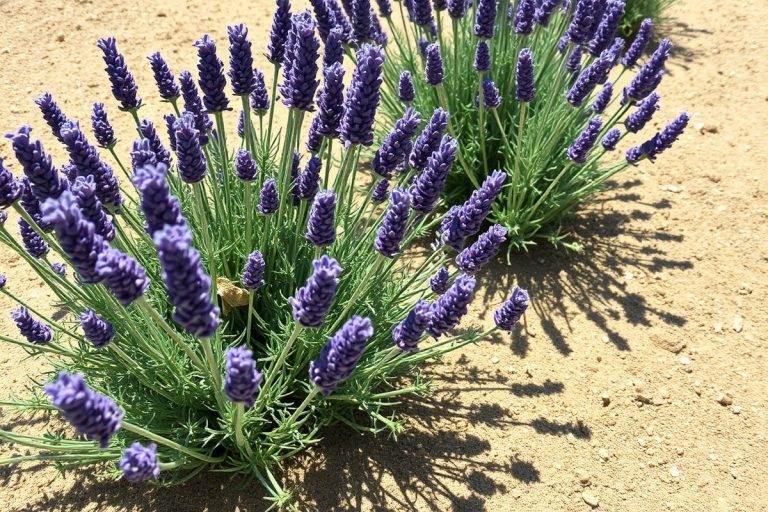
- Use plants suited for sandy soil, like lavender or succulents
Check your soil texture after mixing by feeling it. Good sandy loam feels slightly gritty but holds together when squeezed. Avoid adding too much sand or clay alone to keep soil workable and healthy.
Environmental Impact of Sand vs Soil
| Environmental Impact | Soil | Sand |
|---|---|---|
| Nutrient Cycling | Supports nutrient cycling and availability | No significant contribution to nutrient cycling |
| Water Filtration | Filters contaminants and purifies water | No significant contribution to water filtration |
| Carbon Storage | Stores carbon and helps mitigate climate change | No significant contribution to carbon storage |
| Coastal Erosion | N/A | Influences coastal erosion |
| Habitat Loss | N/A | Disrupts coastal habitats |
Soil plays a big role in the environment. It cycles nutrients and stores carbon, which helps slow climate change. Soil also filters water, making it cleaner for plants and animals.
These good effects come from soil’s organic matter and living organisms. They break down plant material and recycle nutrients. The rich nutrients and water retention in soil support nearly all land plants.
Sand, on the other hand, doesn’t do much for nutrient cycling or carbon storage. It is mostly made of mineral particles and lacks organic material. Sand lets water pass through quickly and doesn’t clean it much.
But sand matters a lot along coasts, where it shapes landscapes and erosion. Waves and wind can move sand around, causing coastal erosion if too much is lost. This erosion can damage habitats for animals and plants near beaches and dunes.
Managing soil and sand in your yard helps stop erosion. It also keeps nutrients in the ground. This prevents garden problems.
Use mulch or ground cover on soil to keep it from washing away. Avoid removing too much sand from coastal areas, since that can speed erosion and harm habitats.
Soil’s ability to hold water and nutrients means it supports plant roots and keeps landscapes healthy. Sand’s role is more about the shape of land than supporting plant life.
When and How to Seek Professional Help for Sand or Soil Issues
It makes sense to get professional help with poor plant growth. Soil or sand problems often cause drainage issues. A pro can diagnose these problems clearly.
In construction, call an expert if the ground shifts, settles, or won’t compact properly. Landscape projects need an expert’s eye for erosion.
Uneven surfaces that raking can’t fix need help. A pro can offer the right solution.
Professionals use tools like soil pH meters, moisture probes, and particle size analyzers. Lab tests can determine nutrient levels, contaminant presence, or organic matter content. Pros test soil texture by measuring sand, silt, and clay.
These tests guide how to treat your soil. They use this info for better plans.
Preparing for soil analysis requires you to collect samples carefully. Take small samples from several spots about 6 inches deep. Mix them in a clean container to form a composite sample, avoiding surface debris.
Label your soil sample with the location and date. Keep the sample cool and dry before sending it. Good storage helps get accurate lab results.
- Notice persistent plant wilting or yellowing despite watering.
- Found unexpected soil color changes or foul smells.
- Observe ground subsidence affecting foundations or patios.
- Experience drainage pooling or water runoff problems.
- Spot unusual soil compaction or hardness.
- See sand blowing away easily or washing out during rain.
- Need advice on soil amendment or correcting pH.
Costs for professional soil testing vary from $15 to $50 per sample. Specialized tests for contaminants or heavy metals cost more.
Turnaround time usually takes between one to two weeks. Good test results give clear action steps like adding lime, compost, or better drainage techniques.
Always follow sample instructions from the lab exactly to avoid inaccurate results.
Experts may recommend retesting after treatment to track improvement. Avoid digging or adding amendments too soon, as it can skew results. In landscaping or construction, expert advice helps prevent costly repairs and supports plant health long-term.
Step-by-Step Action Plan for Handling Sand and Dirt in Your Garden
Start by understanding what you have in your garden spot. This helps you choose the right approach to improve your soil or sand.
- Day 1: Take a small sample from your garden. Check if it feels gritty or smooth to tell sand from dirt.
- Day 3: Wet the sample and roll it between your fingers. You likely have more soil than sand when it makes a ball.
- Week 1: Test drainage by digging a small hole and filling it with water. Fast drainage means more sand; slow means more soil.
- Week 2: Add organic matter like compost if you find sandy soil. This improves water and nutrient retention for plants.
- Week 3: Plant a few hardy flowers or vegetables suited for your soil type. Watch their growth to see if your soil is workable.
- Week 4: Adjust watering based on your soil’s needs. Sandy soil needs more frequent watering than dirt.
- After 6 weeks: Check for any changes. Add compost or sand if needed to balance the soil.
Frequently Asked Questions
Is Sand Considered a Type of Soil?
Sand is a component of soil but not soil itself. Soil contains organic matter and minerals, while sand is mainly rock particles.
Can You Grow Plants Directly in Sand?
Most plants struggle to grow in pure sand because it drains water quickly. Adding organic matter can help retain moisture for plants.
Does Sand Have Nutrients That Plants Need?
Sand has very few nutrients compared to soil. To support plants, you need to add fertilizers or organic material to sandy areas.
Why Does Sand Feel Gritty but Soil Can Feel Sticky?
Sand particles are larger and feel granular. Soil has clay and organic matter causing stickiness. This affects water drainage and root growth.
Is Beach Sand the Same as Desert Sand?
No, beach sand is usually round and smooth while desert sand grains are angular and rough. This difference affects how they pack and drain.
How Does Sand Affect Water Drainage in Gardens?
Sand improves drainage because it has large particles and spaces between them. However, too much sand can cause water to drain too fast.
The Bottom Line
Sand is not dirt because dirt, or soil, has organic matter and nutrients. Learning these differences helps you care well for your garden. Start by testing your soil or sand to know what it really is.