Do Pergolas Have Roofs? Complete Guide to Types, Costs & Installation
Do pergolas have roofs? The simple answer is yes, but not always. Some pergolas come with solid or adjustable roofs.
Others stay open as frameworks. It depends on how much shade or weather protection you want.
Many pergolas start open to let sunlight in, which is great for gardens or patios. Adding a roof improve comfort by blocking sun, rain, or snow. This change can make your outdoor space usable year-round.
Choosing the right roof also depends on local weather conditions. Roof materials and designs must handle wind, rain, or snow well. Proper selection helps keep your pergola safe and extends its life.
Materials vary from wood slats to metal panels or fabric canopies. Each option offers a different look and level of protection. Weigh your needs and budget before picking your pergola’s roof type.
Key Takeaways
- Most pergolas come open but can have solid or adjustable roofs added.
- Adding a roof gives better sun and rain protection for outdoor living.
- Choose roof types based on your climate’s wind, rain, and snow conditions.
- Open pergolas suit mild weather; roofs work well for more coverage.
- Check local codes before adding a roof to ensure legal compliance.
- Roof options include polycarbonate, fabric, louvered slats, or solid materials.
Do Pergolas Have Roofs or Are They Always Open?
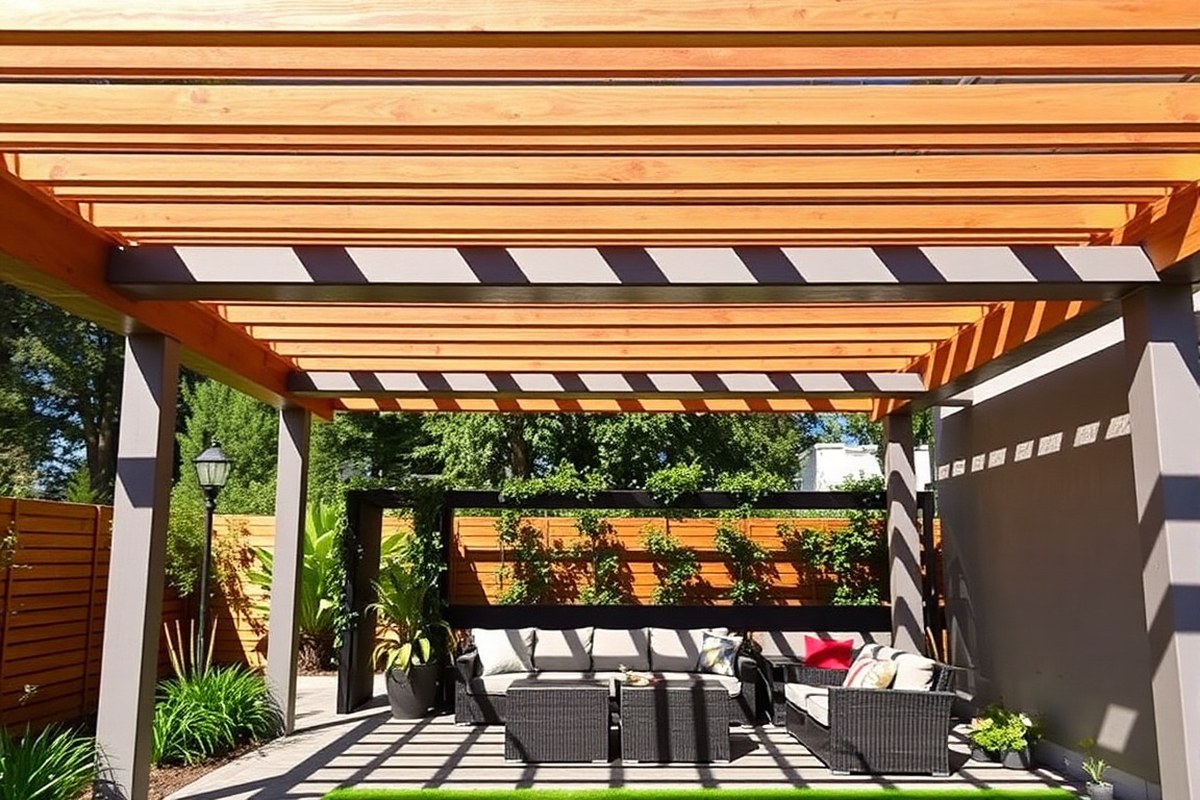
Pergolas are traditionally defined by having open roofs made of cross beams or lattice. These open roofs provide partial shade but keep the space airy and bright. They are not solid like other structures.
That’s why they mix indoor and outdoor comfort. They offer a blend of shelter and open air.
You can add roofs to pergolas later. These roofs give more shelter from rain or sun. This update improves your outdoor space.
Many homeowners pick fixed roofs made of aluminum or polycarbonate. Some choose adjustable louvered roofs that open and close. These options add flexibility and shelter.
Adding a roof often needs professional installation. This ensures local building codes are met. It also helps handle wind loads of 110 to 140 mph.
Pergolas differ from pavilions and gazebos mainly in roof type and shape. Pergolas usually have rectangular shapes and either open or adjustable roofs. Pavilions have fixed, solid roofs made of shingles or metal and are also rectangular.
Gazebos have solid, peaked roofs often shaped round, hexagonal, or octagonal. Gazebo sides tend to be open or partially enclosed.
Pergolas and pavilions usually stay open. Unlike pergolas, pavilions and gazebos provide full shade and stronger weather protection at all times.
This difference is important because pergolas keep an open feel. Slatted or louvered roofs control sun but allow airflow. They don’t fully block air movement.
Meanwhile, pergolas with fully solid roofs start moving closer to pavilion territory. Fabric roofs also fit some pergolas. They last around 20 to 30 years.
These add shade but don’t fully enclose the space. Pergolas are flexible for various outdoor needs.
They can give light shade or full weather cover. Your style and location shape the best choice.
Common Pergola Roof Types and Their Features
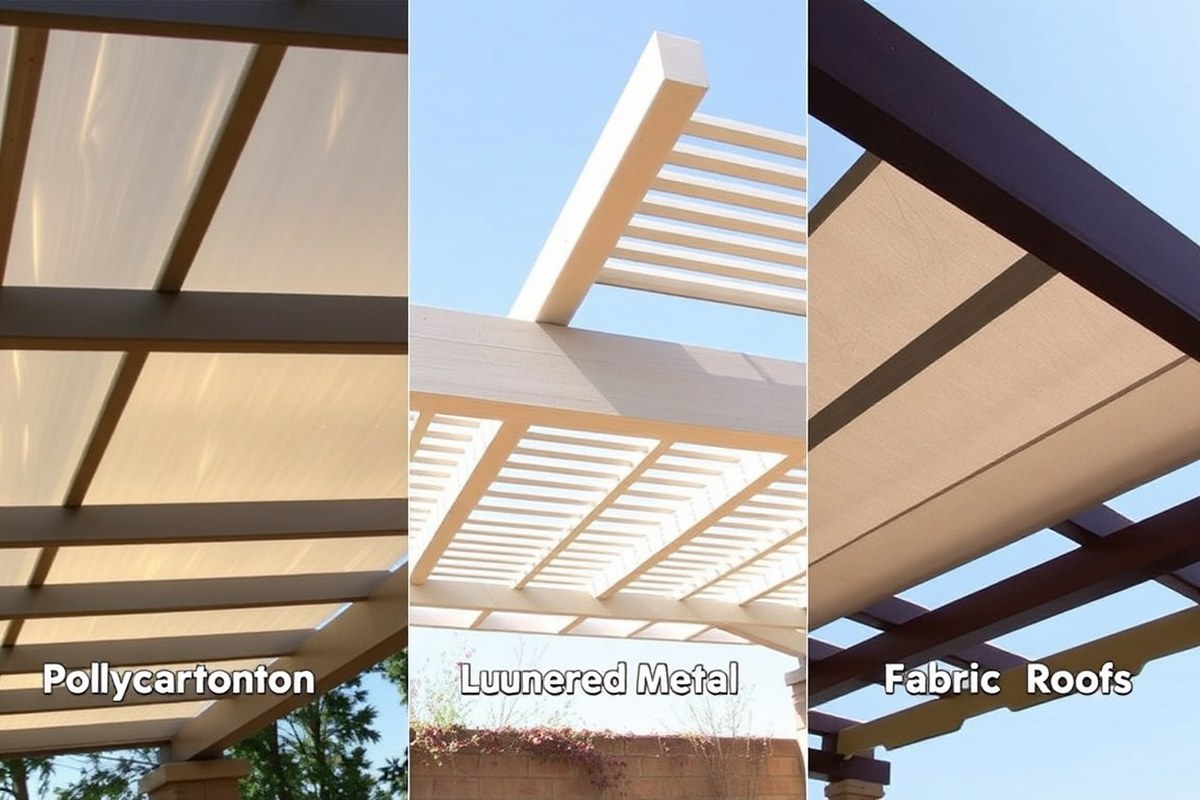
Pergolas can have different roof types, from fixed panels to adjustable louvers and fabric canopies. Each roof offers varying levels of shade and weather protection. Choosing the right one depends on how much sun, rain, or wind protection you want.
Fixed Solid Roofs (Metal, Polycarbonate, Wood Panels)
Fixed solid roofs use metal, polycarbonate, or wood panels to fully cover the pergola. They block sun and rain completely, making them a good choice for all-weather protection. These roofs require low maintenance and give a clean, permanent look.
Metal and polycarbonate roofs last for years with little upkeep. Polycarbonate costs less but wears faster and handles less wind and snow. Wood panels add style but may need more upkeep to avoid weather damage.
Adjustable Louvered Roof Systems
Louvered roofs have slats that turn open or closed, providing adjustable shade and airflow. You can close them for rain protection or open them to enjoy sun and breeze.
Manual models cost less but need hand operation. Motorized ones offer easy control with a remote.
These roofs provide full rain protection when closed. They handle heavy snow and strong winds better than fabric options. Maintenance varies but many only need occasional cleaning.
Retractable Fabric and Canopy Roofs
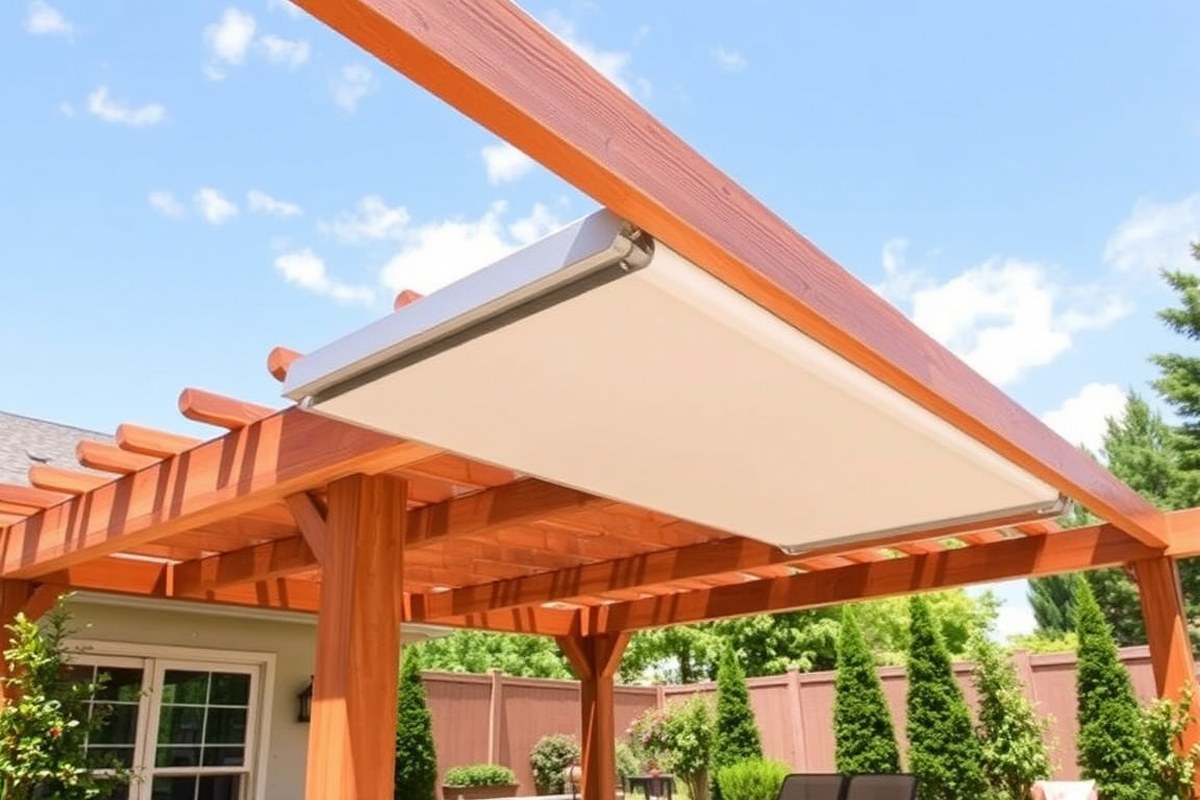
Fabric roofs slide open or closed on tracks, offering shade when needed and open air otherwise. They provide moderate rain protection but aren’t great in heavy storms or snow. These roofs let you change coverage quickly but need more care to prevent wear.
Retractable fabric roofs cost less upfront but have shorter lifespans. They require periodic cleaning and maybe replacement every few years. They work well if you want flexible shade without full weather coverage.
Shade Cloth and Open Slatted Roofs
Open slatted roofs use wooden or metal beams spaced apart for partial shade. They let sun and air through but offer little rain protection. Shade cloths are an option to cover the slats, adding light shade but no rain shelter.
This style fits gardeners who want sunlight for plants under their pergola. It’s low-cost and low-maintenance but won’t protect you from storms. It keeps spaces airy and bright, ideal for warm climates.
Below is a comparison table showing key features of popular pergola roof types. It helps you match your needs with the right roof.
| Roof Type | Adjustable | Weather Protection | Maintenance | Ideal For |
|---|---|---|---|---|
| Fixed Solid (Metal, Polycarbonate, Wood) | No | High (full rain, sun) | Low | All-weather coverage |
| Fixed Louvers | No | Medium (sun, some rain) | Very low | Stylish shade and airflow |
| Manual Louvered Roof | Yes (by hand) | High (sun, rain when closed) | Moderate | Sun and rain control on a budget |
| Motorized Louvered Roof | Yes (motorized) | High (sun, rain when closed) | Low | Tech-improve, all-season comfort |
| Retractable Fabric Canopy | Yes | Moderate (shade, light rain) | Moderate | Flexible shade on demand |
| Open Slatted / Shade Cloth | No | Low (shade only, no rain) | Low | Airy, garden-friendly shade |
Knowing this table helps you pick a roof that fits your outdoor style and weather needs. Solid roofs offer the best rain resistance, while louvers add airflow with strong protection.
Make sure your chosen roof matches local weather loads like snow and wind for lasting safety.
How Much Does a Pergola Roof Cost to Add or Build?
Adding a roof to your pergola changes the cost quite a bit. Expect to spend between $2,000 and $8,000 for installation, depending on the roof type and materials. Maintenance costs also add up over time, especially with materials like wood that need regular upkeep.
Material choice affects both upfront and long-term expenses. Aluminum louvered roofs cost $30 to $60 per square foot. They last up to 30 years.
Maintenance is minimal. Polycarbonate panels cost $25 to $55 per square foot. They need replacing in 10 to 20 years.
Wood roofs start at $25 per square foot but require sealing and repairs more often. So maintenance costs can add up.
The roof must fit your climate and snow load conditions too. Heavy snow areas call for louvered roofs because they shed snow better. Solid roofs cost more and may need permits but block sunlight fully.
Fabric roofs are cheaper but can’t handle snow and wear out faster. Your specific environment influences total costs and roof lifespan.
| Roof Type | Cost per Sq Ft | Snow Load Rating (psf) | Lifespan (years) | Maintenance Notes |
|---|---|---|---|---|
| Aluminum Louvered | $30 – $60 | Up to 65 | 15 – 30+ | Minimal maintenance needed |
| Solid Roof | $25 – $45 | 20 – 40 | Depends on material | Requires permits, higher cost |
| Polycarbonate | $25 – $55 | 10 – 20 | 10 – 20 | Can crack under heavy snow |
| Retractable Fabric | Varies (usually lower) | 0 (must retract snow) | Shorter lifespan | Needs regular replacement |
| Wood | $25 – $45 | Varies | Depends on care | High maintenance, sealing needed |
Look beyond initial costs and consider how often you’ll maintain the roof. Aluminum needs less work and lasts longer, reducing total expenses over years.
Wood looks great but may double your lifetime costs because of repairs and finishes. Polycarbonate has a moderate price but breaks down faster if snow builds up.
Compare installation prices, durability, and upkeep carefully. Pick a pergola roof that suits your budget. Think long term.
A cheaper roof now might cost more later if it doesn’t hold up in your climate. Let your local weather and maintenance tolerance guide your choice closely.
Structural and Safety Requirements for Pergola Roofs
Pergola roofs must meet key engineering standards for safety. They need to handle roof weight, people, weather, and local rules. Getting the permits and checking load limits keeps the structure safe and legal.
Dead Loads and Live Loads Explained
Dead loads mean the roof’s own weight and materials that don’t move. Live loads refer to temporary pressures like snow, rain, or maintenance workers on the roof. For pergolas, live load safety typically covers 20 pounds per square foot.
Calculating these loads ensures the frame and supports hold up under stress. Solid roofs especially add a lot of dead load compared to open pergola tops. Use stronger beams or columns if you add heavier roofing like shingles or metal.
Wind and Snow Load Considerations
Wind forces can reach between 110 and 140 miles per hour in many regions. Pergola roofs often need designs that resist winds up to 130 mph for safety.
Snow load ratings usually cover about 40 pounds per square foot. This is enough to support several inches of snow.
Considering local weather patterns helps pick the right materials and roof pitch. Too little support risks collapse or damage during storms. Also, proper water drainage is important to avoid pool buildup and extra weight.
Typical Permit Requirements by Location
Building permits are often required when you add a solid pergola roof. Local agencies want to confirm your structure meets safety codes and setback rules. Some cities allow open roofs without permits, but closed roofs change the classification.
Permits usually check wind and snow load compliance, height limits, and distance from property lines. Homeowners associations may add approval steps beyond city permits. Calling your city’s building department or checking online is the fastest way to confirm.
- Confirm local wind and snow load standards
- Check height and property line setback rules
- Find out if your HOA requires approval
- Determine if a building permit is needed
- Prepare engineering plans or structural drawings
- Schedule any required inspections after installation
Following these steps reduces delays and costly fixes. Professional installers usually handle permit paperwork to keep everything code-compliant. DIY builders should budget time and money for permits before starting.
Installation Options: DIY vs. Hiring a Professional
Installing a pergola roof yourself can work with a simple kit. You could also add a roof to an existing pergola. These options make the job easier to handle.
You’ll need basic carpentry skills and some specific tools, especially for polycarbonate panels or fabric roofs. Complex setups like motorized louvered roofs often require professional installation due to wiring and precise adjustments.
Here’s what you’ll likely need to install a pergola roof:
- Drill and various drill bits for wood and metal fasteners
- Measuring tape and level for precise alignment
- Safety glasses and gloves for protection
- Screwdrivers or impact drivers to secure panels or slats
- Ladder tall enough to reach the roof frame safely
- Caulk and waterproof sealant if installing water-resistant panels
- Optional: electrical tools if dealing with motorized louvers or lighting
Common problems during DIY installation include misaligned panels, inadequate sealing against rain, and loose fasteners. For example, if you don’t seal polycarbonate sheets correctly, rain can leak through and cause damage. Working too fast can cause uneven roof slats.
This misaligns the look and hurts the function. Take your time to avoid these issues.
Measure twice before drilling and always wear safety gear when working on roofs.
Choosing DIY or hiring a pro depends on your tool skills. Also consider the roof type’s complexity. Both affect how well the job turns out.
Simple kits usually snap or screw together. Installing them yourself costs less and takes one or two days.
These kits suit beginners well. More advanced roofing systems could need electricians or specialized installers, raising your costs but reducing errors.
Check your skills honestly: can you safely use ladders and power tools? Do you feel confident following detailed instructions? You should hire a pro if you hesitate.
This helps avoid costly repairs or a weak roof. It’s safer and more reliable. Pros handle permits and check snow load safety.
This keeps your pergola strong for many years. They protect your investment well.
Maintenance and Longevity of Different Pergola Roof Types
Maintenance for pergola roofs varies by material and design. Wood roofs need sealing or staining every 1 to 2 years. This protects the wood from moisture and pests.
It helps the roof last longer. Without sealing, wood can rot or warp in 5 to 15 years.
This happens more in wet or humid climates. You risk costly repairs if you skip it.
Vinyl roofs require less upkeep. Just wash them with soap and water twice yearly to avoid dirt buildup. They typically last 20 to 30 years because vinyl doesn’t rot or rust.
Metal roofs, like aluminum, benefit from yearly inspections for scratches or rust spots. A fresh coat of paint or sealant every 5 years helps them last over 30 years.
Polycarbonate panels need periodic cleaning to keep them clear and sealed. Worn seals can let water in, causing leaks and shortening lifespan to around 10 years. Retractable fabric roofs last 5 to 10 years on average.
They need hands-on care like clearing debris often. You should also retract the roof in heavy wind or rain to avoid damage.
| Roof Material | Maintenance Frequency | Typical Lifespan |
|---|---|---|
| Wood | Seal or stain every 1-2 years | 5-15 years (depends on climate and upkeep) |
| Vinyl | Clean twice a year | 20-30 years |
| Aluminum/Metal | Inspect yearly; repaint or reseal every 5 years | 30+ years |
| Polycarbonate | Wash and check seals yearly | ~10 years |
| Retractable Fabric | Clean often; retract during storms | 5-10 years |
During spring and fall, clear debris off your pergola roof to prevent mold and blockages. Check seals on polycarbonate panels after winter and replace worn strips quickly to avoid leaks.
For wood pergolas, inspect for cracks or rot and touch up stains as needed. Aluminum roofs benefit from checking for surface scratches and applying rust-inhibitor paint to those spots.
Fabric roofs should be stored or fully retracted before storms hit. This prevents damage from pooling water or strong winds. Regular maintenance keeps your pergola roof safe and looking good.
It extends the roof’s life and saves money. Skipping it leads to expensive repairs later.
Choosing Pergola Roofs Based on Climate and Weather Needs
Matching your pergola roof to your local weather helps protect your outdoor space fully. Rain, sun, snow, and wind each call for different materials and designs. Choosing right keeps the roof strong and your space comfy year-round.
Roofs for Rainy and Snowy Regions
Pergola roofs in wet or snowy areas must stop water from pooling. They also need to hold up under heavy snow weight. Proper design helps prevent damage from moisture and weight.
Metal roofs, like aluminum or steel, shed water fast and handle snow loads well. A sloped design helps snow slide off, reducing stress on the roof frame.
Wood roofs won’t last as well here because they soak up moisture and require much upkeep. Steel roofs with protective coatings resist rust in damp climates. These choices also reduce leaks and damage from ice buildup during winter.
Options for Hot and Sunny Climates
Sun-soaked areas need roofs that block UV rays while letting you enjoy light and air. Polycarbonate roofs let in natural light and resist UV damage.
But they scratch more easily. Adjustable louver roofs add big perks by opening for cool breezes and closing out harsh sun.
Motorized screens add shade and bug protection without closing you off. Wood offers a warm, classic look many homeowners like. It can fade and crack without regular sun protection.
Treating wood helps keep its color and strength longer. Aluminum roofs reflect heat well and stay cool but can be noisy in heavy rain.
High Wind and Coastal Area Considerations
Strong wind zones need roofs that resist uplift and won’t get damaged by flying debris. Steel roofs offer excellent strength and stability, making them popular for windy areas. Aluminum also performs well and won’t rust near salty coastal air.
Flexible, retractable roofs can close quickly to avoid wind damage during storms. Integrating sensors that detect high wind can automatically close roofs for safety. Anchoring the pergola frame properly helps the structure resist strong gusts.
Here’s a quick comparison to help pick the right pergola roof for your climate:
| Material | Pros | Cons | Best For |
|---|---|---|---|
| Wood | Natural look, customizable, classic | Needs regular maintenance, poor in wet areas | Rustic or traditional outdoor spaces |
| Aluminum | Lightweight, rust-proof, low maintenance | Can be noisy, less organic look | Modern homes, coastal or rainy climates |
| Steel | Extremely strong, weather-tough | Heavier, may rust if untreated | High-wind areas, heavy snow loads |
| Polycarbonate | UV-resistant, lets in light, durable | Prone to scratches, less privacy | Hot, sunny areas needing light control |
Think about your local weather and roof upkeep before choosing. Strong rain and snow call for metal and sloped roofs. Sunny spots benefit from UV-blocking and adjustable designs.
Windy zones demand strong, well-anchored materials. Sensors and automation can add smart weather protection in any region.
Permits and Legal Considerations for Pergola Roofs
Adding a roof to your pergola usually needs a building permit. Most U.S. Cities require permits if your pergola attaches to your house. They also require permits for pergolas taller than 8 to 10 feet.
Check local rules before building. Roof coverage also affects this. Solid roofs or coverings over 120 to 200 square feet often trigger permit rules.
Skipping permits might cause fines or force you to remove the roof. It can also create problems later if you sell your home. Always get permits to avoid trouble.
Permits make sure your pergola roof meets safety and local building codes. You can avoid delays or costs by checking early with your city or county building department.
To decide if you need a permit, check whether your pergola has:
- Attachment to your primary residence
- Height above 8 to 10 feet
- Solid roof or roofing over 120 to 200 square feet
- Location within HOA or neighborhood restrictions
- Setback from property lines as required
Once you know a permit is needed, here’s a simple permit application checklist to follow:
- Contact your local building department for specific rules and applications.
- Prepare detailed plans of your pergola, showing height, size, and roof type.
- Include site plan showing setbacks from property lines and structures.
- Submit your paperwork with any required fee (usually $50 to $300).
- Wait for plan review and possible inspection approval.
- Schedule inspections as required during and after installation.
Building codes get strict if your pergola roof is solid or heavy. Louvered roofs sometimes have fewer restrictions because they offer adjustable coverage.
Still, always confirm local regulations. Permitting takes time, so start early to avoid project delays.
Always apply for permits before building. Unpermitted structures can cause costly legal issues and delays.
Design Tips to Maintain Pergola Aesthetic with a Roof
Choose louvered panels or slatted wood for a pergola roof. They keep the open-air feel. These materials let air and light flow freely.
These let in dappled sunlight and breeze. They also avoid the closed-in look of solid roofs while adding weather protection.
Matching the roof material to your pergola style helps preserve its charm. Wood roofs naturally fit traditional designs.
Sleek metal or black aluminum works better for modern or minimalist pergolas. Outdoor fabrics with retractable frames add color and flexibility without bulk.
You can blend greenery with roofed pergolas by growing vines on the posts or beams. Choose plants like wisteria or jasmine that climb easily and add fragrance. Greenery softens the structure and keeps it connected to your garden’s look.
- Choose louvered roofs for flexible shade and ventilation.
- Match wood roofs to classic or rustic pergolas for a natural look.
- Pick metal or black aluminum roofs for modern, clean designs.
- Use retractable outdoor fabric roofs for added color and adjustability.
- Add climbing plants to posts or sides to keep a green feel.
- Install sloped roofs with integrated drainage to avoid water issues.
- Coordinate roof style with surrounding materials like stone or hardwood.
For example, a slatted wood roof with wisteria vines blends well with a backyard garden space. Alternatively, a black metal louvered roof suits patios with stainless steel furniture and stone floors. Both keep outdoor rooms inviting and stylish while protecting you from sun and rain.
Adding a pergola roof that fits your style and landscape improves your home’s outdoor appeal. It creates shaded zones without losing the fresh air and view. Just pick materials, shapes, and plants that balance openness and shelter for your specific outdoor space.
Common Mistakes When Adding a Pergola Roof and How to Avoid Them
Common mistakes happen when you add a roof to your pergola without planning the structure. Many forget to install proper drainage, which causes water pooling and leaks. You need to design the roof with a slope.
Usually, use a 1/4 inch per foot pitch. This helps rainwater drain off easily.
Not anchoring the roof securely leads to safety risks. Ensure the roof frame attaches strong enough to support weight from rain, snow, and wind. Using brackets and bolts rated for outdoor use gives you more strength than nails alone.
Your area might get heavy snow. Size the supports to hold 20-30 pounds per square foot. This keeps the pergola safe.
- Forgetting to check local permits before adding a solid roof
- Choosing a roof type that doesn’t suit your climate, like solid glass in hot areas
- Skipping screen or seal work around roof edges, leading to pest problems
- Installing a flat roof without a slight slope causes drainage issues
- Using light, cheap materials that wear out fast under sun and rain
- Neglecting gutters or downspouts, causing water damage to posts or nearby areas
- Ignoring regular cleaning and maintenance, which shortens roof life
Pick a roof style that fits your weather. Corrugated metal works well for rain and sun protection. You can pick lighter polycarbonate panels.
They work well but beware of UV exposure. Protect them for longer use. Maintain your roof by cleaning out debris and checking seals each year.
Repair any cracks or loose fasteners immediately to avoid bigger damage. These simple checks can stretch your roof’s lifetime and keep your pergola safer and drier.
Step-by-Step Action Plan for Adding or Upgrading Your Pergola Roof
Follow these steps to choose and install the best roof for your pergola. Each step helps you move closer to a secure and stylish outdoor space.
- Before You Start: Check local permits and HOA rules for pergola roofs. Knowing this stops problems later.
- Week 1: Measure your pergola and decide on roof type based on climate. Confirm it fits your budget and needs.
- Week 2: Order materials or find a professional installer. Check reviews and quotes to pick the right help.
- Week 3: Prepare your pergola structure by inspecting and fixing any weak spots. It must safely hold the new roof.
- Week 4: Install the chosen roof type, following manufacturer’s guides or hired professional’s schedule. Make sure it’s secure and level.
- After Installation: Test for leaks and check stability during the first rain or wind. Fix any issues immediately.
- Monthly: Clean and inspect the roof, especially if you use wood or fabric. Early care extends roof life.
Frequently Asked Questions
Can I Add a Roof to an Existing Open Pergola?
Yes, you can add a roof to an open pergola. Just make sure your existing structure can handle the added weight and check local permit rules.
Do Pergola Roofs Affect Home Insurance or Property Value?
Pergola roofs might affect insurance and value as permanent structures. Confirm with your insurance agent and consider how it improve your home’s outdoor space.
Are Retractable Roofs More Expensive Than Fixed Pergola Roofs?
Retractable roofs usually cost more due to their mechanical parts. They offer great flexibility by adjusting shade and weather protection anytime you want.
Will a Solid Pergola Roof Keep Pests Like Birds and Insects Out?
A solid roof helps keep birds and insects out better than open lattice roofs. However, seal any gaps to prevent small insects from getting inside.
Can I Use a Pergola Roof to Support Solar Panels?
Yes, some pergola roofs can support solar panels if properly designed. It needs strong framing and professional installation to handle the weight safely.
Does Adding a Roof to a Pergola Require Different Maintenance?
Yes, roofs need more upkeep than open pergolas. Clean gutters and check for leaks regularly to keep your roof in good shape.
The Bottom Line
Pergolas definitely can have roofs, and many types fit different needs. Start by picking a roof that works for your climate and style. Next, check your local rules before buying materials or calling a pro.