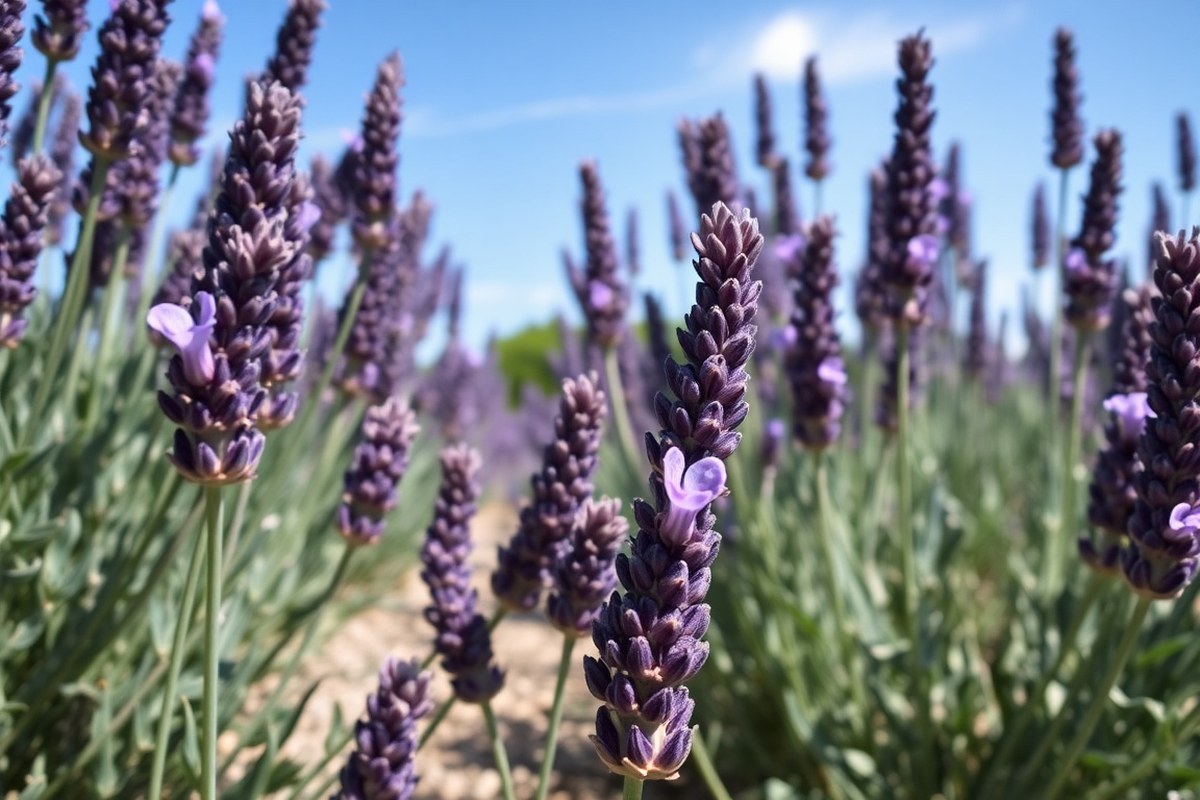
Does Lavender Come Back Each Year? What Actually Works to Keep It Growing
Does lavender come back each year? Yes, most lavender plants are perennials. They can live and regrow for 10 to 15 years or more under the right conditions.
Lavender is a semi-woody shrub. So it survives winters by pulling energy into its roots. When soils warm above 50°F, the plant pushes new growth back up.
Plant lavender where it gets plenty of sun daily. It needs 6 to 8 hours of direct sunlight.
Sunshine helps it grow strong and healthy. Also, use sandy, well-draining soil to avoid root rot. Lavender won’t come back if the winters are too cold, especially below -10°F. In those cases, it often grows as an annual or needs winter protection.
Key Takeaways
- Choose lavender varieties suited to your local winter temperatures for best survival.
- Plant lavender in full sun to boost yearly regrowth and flowering.
- Improve heavy clay soils with sand and gravel for proper drainage.
- Expect weaker regrowth if winter temperatures drop below -10°F without protection.
- Healthy lavender can live 10 to 15 years with correct care and conditions.
- Trim woody stems back to six inches in spring to encourage fresh shoots.
Does Lavender Come Back Every Year Naturally?
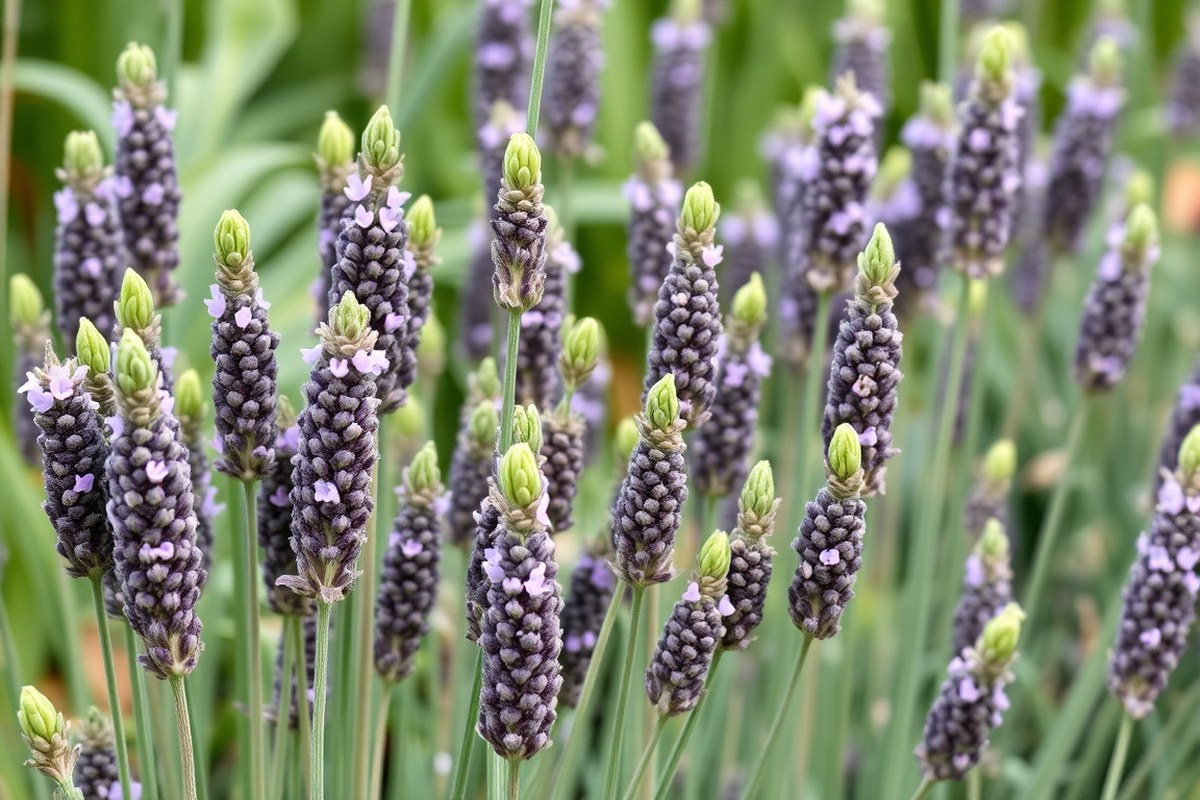
Lavender is a perennial plant, which means it can live and come back every year. Most common varieties, like English lavender, grow back yearly if they survive the winter.
Being perennial means lavender lives for several years, not just one. It grows back each season after winter ends.
Your lavender plant can live around 5 to 7 years with good care. As a perennial, the plant goes through a rest period during colder months. Lavender has tough stems and a woody base.
These parts help it survive winter. It grows again when spring warms up.
Lavender’s woody stems are key to its perennial growth. The plant stores energy in these stems, allowing new shoots to sprout each year.
When stems die back too much, plants may struggle to grow again. So some light pruning helps.
The plant’s life cycle fits its perennial nature. It grows leaves and flowers in spring and summer, then slows growth in fall.
Lavender rests in winter but stays alive underground and in wood. It regrows when the weather gets warmer again.
Extreme cold can damage some lavender varieties, causing them not to come back. Hardy types like English lavender tolerate cold better.
Others might need protection or indoor care. In milder climates, lavender returns reliably year after year without extra help.
Keeping lavender healthy during its life cycle supports its perennial trait. Well-draining soil, full sun, and moderate watering keep the plant strong. When cared for properly, lavender can be a lasting addition to your garden with yearly blooms.
How Lavender Varieties and Climate Affect Yearly Return
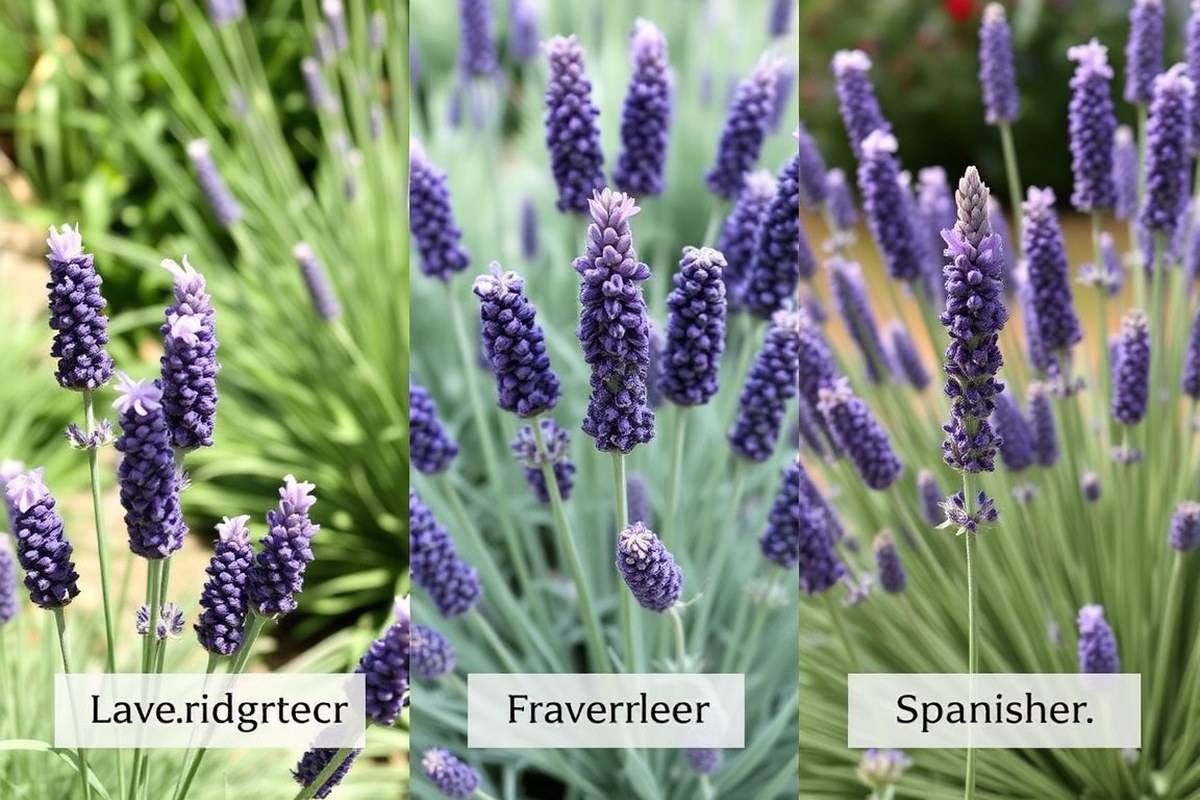
Lavender can come back every year, but it depends on the variety and climate. English lavender is the hardiest and handles cold winters well. French and Spanish lavenders prefer mild winters and may not survive below USDA zone 7.
English Lavender Hardiness and Lifespan
English lavender grows well in USDA zones 5 to 8. It can survive cold winters. A little protection helps it grow through the cold season.
It stands up well to frost and harsh weather compared to other types. Its lifespan is usually 10 to 15 years long.
This makes it a strong choice. It lasts well in colder climates.
Many gardeners say English lavender comes back after harsh winters. They use gravel mulch or light cover. This helps the plant stay alive.
It tolerates moderate pruning and regrows reliably in spring. English lavender is the safest option in zones 5 or 6.
It blooms every year there. This makes it reliable for cold areas.
French and Spanish Lavenders in Warmer Zones
French (Lavandula dentata) and Spanish lavender (Lavandula stoechas) prefer USDA zones 7 through 10. They cannot handle cold winters well. So they often fail to return in colder zones.
These lavender types live about 5 to 7 years. They need extra winter care. Mulching and covering help them survive cold weather.
In zones 7 and 8, French and Spanish lavenders live if you protect them. Use a light straw layer for cold. This keeps the plants safe in winter.
Without protection, cold snaps can kill them. These lavenders often act like annuals in colder spots because of their tender nature.
Choosing Lavender for Your USDA Zone
Picking the right lavender variety depends on your zone and how much winter protection you use. Here’s a quick guide showing zone ranges, winter care tips, and how well lavender survives.
| Zone Range | Winter Protection | Survival Rate |
|---|---|---|
| 5-6 | Gravel mulch + burlap | High |
| 7-8 | Light straw layer | Moderate |
| 9+ | No cover needed | Low (heat stress) |
English lavender outperforms French and Spanish types in colder zones. Plants in zone 9+ might struggle more from heat than cold.
So no cover is needed. For colder zones, adding mulch or covering lavender with burlap can boost survival during freezing weather.
Protect French and Spanish lavender with mulch during cold months. Or put them in pots and bring them indoors. This is best for harsher winters.
Soil and Sun Requirements for Lavender to Regrow
Lavender grows best in soil that drains quickly to avoid root rot. Clay soil holds water and can harm the plant. So mix in 60 percent sand or gravel to improve drainage.
The ideal pH for lavender is between 6.5 and 7.5, which is slightly alkaline to neutral. This kind of soil mimics the dry, rocky ground lavender favors in its native Mediterranean environment.
Sunlight is just as important as soil for your lavender to come back each year. It needs at least six to eight hours of direct sun daily to grow strong. Without enough sun, lavender becomes weak and may not survive the winter or return in spring.
Good drainage is key during winter, when moisture tends to increase. Constant wetness can cause the roots to rot, which stops lavender from regrowing.
To prevent this, plant lavender on a raised bed. Use a slope if your garden soil feels heavy or soggy.
- Plant in full sun for 6 to 8 hours daily.
- Use well-draining soil with 60% sand or gravel mixed in.
- Keep soil pH between 6.5 and 7.5 for best growth.
- Place lavender on slopes or raised beds to improve drainage.
- Avoid heavy clay or soggy soil that traps water.
- Water sparingly between seasons to keep soil on the drier side.
Preparing soil properly takes some effort but costs little beyond sand or gravel material. Check soil drainage by digging a hole and filling it with water. Good lavender soil drains within two hours.
You can test it yourself easily. Watch for soggy spots and amend soil before planting to help your lavender return every year.
When and How to Prune Lavender for Best Regrowth
Prune lavender in spring after new growth begins, not too early. Light pruning encourages fresh shoots without hurting old stems. Avoid heavy cutting into woody parts, or the plant may not grow back next year.
Ideal Timing for Pruning Lavender
Start pruning when the weather warms and buds show new green shoots. This usually happens in late March or early April in most US zones. Pruning then helps the plant focus on strong new growth for the coming season.
Wait until after the last hard frost to avoid damaging young shoots. Pruning too early risks cold injury. Try a light trim by mid-summer if you miss spring pruning.
Pruning Techniques by Plant Age and Variety
For young lavender plants under two years old, trim about one-third of last year’s growth. This encourages bushy, healthy growth. Avoid cutting into the woody base because young plants need time to build strength.
Older or overgrown plants require gentler pruning. Cut back only the leafy parts above the old wood. In year two or later, watch for new green shoots.
Cut old stems where new growth appears. Trim old wood to match the fresh growth. Never cut deep into bare woody stems, since these won’t sprout new growth.
Deadheading vs. Hard Pruning: What Works?
Deadheading helps your lavender produce more flowers during the growing season. Pinch off faded blooms regularly to encourage continued blooming. Deadheading doesn’t improve the plant’s overall regrowth or health.
Hard pruning means cutting deeply into older wood, but this can kill your lavender. Avoid severe cuts that reach woody stems. Instead, prune lightly to keep the plant lively and prevent it from becoming woody and unproductive.
Follow these steps to prune your lavender for best results:
- Wait for new green shoots in spring, around late March or early April.
- Use clean, sharp shears to avoid damaging stems.
- Trim about one-third of the current season’s growth on young plants.
- For mature plants, cut just above the new green shoots, staying clear of woody stems.
- Remove dead or damaged branches to improve air circulation.
- Pinch off spent flower spikes throughout the summer to promote more blooms.
- Do not cut into old woody stems, especially on plants older than two years.
- Repeat light pruning in late summer if needed, but avoid heavy cuts.
Preparing Lavender for Winter to Ensure It Returns
Protecting lavender from frost and excess moisture helps it survive winter. Start by choosing a sunny, well-drained site, since wet soil during cold months causes root damage. Avoid planting lavender where water pools after rain.
Too much water causes soggy soil. Soggy soil can kill the roots.
Applying mulch blocks frost and keeps the soil temperature steady. Use coarse mulch like straw or gravel, about 2 to 3 inches thick.
This layer also prevents soil from staying soggy, which reduces root rot risk. Avoid thick, dense mulch that traps moisture around the base.
Wrapping lavender plants is helpful if you live where temperatures drop below 20°F for extended periods. Use breathable frost cloth or garden fabric, not plastic.
Secure it loosely around the entire plant but allow airflow to stop mold growth. Remove wrapping after the last frost passes in spring.
- Cut back lavender stems by about one-third in early fall, avoiding old wood
- Clear extra debris from the base to prevent moisture buildup
- Mulch with 2, 3 inches of coarse material such as straw or gravel
- Wrap plants with breathable frost cloth if temperatures drop below 20°F
- Choose a site with full sun and excellent drainage
Keeping soil dry is often the most important step. You can also use raised beds or amend soil with sand or grit to help drainage. Don’t prune lavender too late in fall.
Cutting old woody stems then may stop spring regrowth. Be careful with timing. Early pruning encourages healthy new shoots that survive winter better.
Too much mulch or wrapping with plastic can cause rot. So keep materials light and breathable.
Lavender growing in very harsh winters may struggle even with care. So opt for tough varieties like English lavender when planting in colder zones. Checking stems in early spring helps spot damage.
Healthy stems bend without snapping and the crown stays firm with hints of green. Dry, brittle wood and soft bases signal the plant might not return.
Signs to Identify If Lavender Will Come Back After Winter
Check for green shoots on your lavender to see if it returns. Look for tender buds and stems that still bend. These signs show new growth after winter.
These signs show the plant still has life and is ready to grow. Checking these details takes a minute and helps decide if pruning or extra care is needed.
Performing the Stem Flex Test
Grab a stem close to the base and gently bend it. Living stems feel flexible and slightly springy, not stiff or brittle. The stems snap easily.
That wood might be dead. That branch won’t regrow.
Check several stems around the plant to get a good idea of overall health. Sometimes only older branches die off while new ones stay alive.
Checking for New Buds at the Base
Look for small green buds or shoots near the ground around the lavender’s base. These buds show the plant is gearing up to send out new growth. Buds might be tiny at first, so don’t miss them by looking too fast.
Wait until late spring before assuming the plant won’t recover. Sometimes growth starts slowly and shows once the weather warms. Prune dead wood to keep lavender healthy.
Leave healthy stems to support new shoots. This helps the plant grow strong.
- Check at soil level for fresh green buds
- Use a gentle touch to avoid breaking tender growth
- Inspect multiple sides of the plant
- Note any shriveled or dry leaf patches
- Mark where buds appear to track growth
Remove any dead or brittle wood carefully, so live shoots get room to expand. Healthy buds and firm roots usually mean your lavender will bounce back.
Timing of First Spring Growth
Lavender often starts showing new shoots between March and April in mild climates. These new leaves come after the plant senses longer daylight and warmer soil. The exact start depends on your location’s temperature and sun exposure.
By late April, no movement may mean trouble. Look carefully for stem flexibility. Also, check for any buds on the stems.
Some lavender varieties may need more warmth than others to break dormancy. Patience during this time pays off because early pruning is better done after spring growth begins.
Lavender Care in Containers: Will Potted Plants Return?
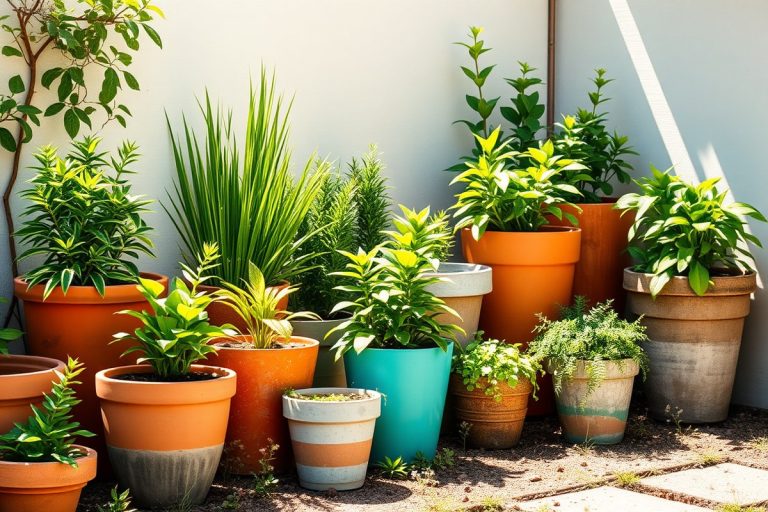
Lavender grown in pots can survive winters with proper attention and care. Pots dry out quicker and freeze more than plants in the ground. Placing your lavender pot in a protected area like a garage or near a wall helps keep it warmer.
Overwintering container lavender also means managing moisture carefully. Too much water in cold weather can rot roots.
But too little dries the plant out. Keep the soil barely moist during winter and avoid watering when temperatures stay below 40°F. Check moisture weekly and water only if the top inch feels dry.
Pruning container lavender should happen just like ground plants but with some caution. Trim faded flowers and lightly shape bushes by late summer. A heavy prune late in the season can stress container plants.
So hold off until spring if you want stronger growth. Spring pruning encourages fresh shoots and keeps the plant dense.
- Move pots to sheltered, cool but frost-free spots for winter
- Water sparingly in winter, only when soil is dry to the touch
- Use well-draining soil to prevent root rot in containers
- Lightly trim spent flowers in late summer, heavy prune in spring
- Consider using pot feet or adding mulch below pots to prevent freezing
- Bring pots indoors during extreme cold spells if possible
With consistent attention to location and watering, container lavender can thrive through many winters. Expect slower growth the first spring after winter indoors.
Watch carefully for signs of rot or dehydration to adjust care. Being proactive with shelter and pruning helps you enjoy the same fragrance and flowers each year.
Common Problems That Prevent Lavender from Returning
Root rot is one of the main problems that can keep lavender from coming back. This happens when the soil stays soggy and cold, causing the roots to decay. Lavender needs well-drained soil.
Water deeply only when the topsoil is dry. This helps prevent common problems.
Frost damage can kill lavender permanently if the plant is not strong enough. Plants planted late in fall don’t grow enough roots. They miss the chance to survive harsh cold.
Mulch protects young plants from frost. Plant at a time that lets roots grow well. This reduces frost injury.
Excess moisture is dangerous for lavender because it thrives in dry conditions once established. Overwatering encourages fungal growth around the roots and leads to decline. Water deeply but only when the soil has dried out to keep your lavender healthy.
Improper pruning can also stop lavender from coming back each year. Cutting into old woody stems without green leaves leaves the plant no chance to regrow. Prune just above fresh growth and avoid cutting plants back hard into bare wood.
Give lavender space to air out and avoid heavy watering to prevent root rot.
Step-by-Step Action Plan to Grow Lavender Year After Year
Get your lavender off to a strong start with these simple steps. Follow this timeline for the best chance it returns each year.
- Before Planting: Choose a well-drained spot with full sun exposure. Healthy soil boosts lavender’s chance to regrow every year.
- Planting Week: Plant lavender in sandy, slightly alkaline soil. Check that water drains quickly after watering.
- Month 1: Water lavender deeply but only when top inch of soil feels dry. Overwatering often kills it during winter.
- End of Summer: Prune lavender by trimming about one-third off the top. This encourages fresh growth and a woody base for next season.
- Before Winter: Clear fallen leaves from around your lavender plant. Add a thin straw or pine needles layer as mulch. This helps protect the roots during cold months. This protects roots without trapping too much moisture.
- Early Spring: Check for new buds and gently clean dead wood from plants. This signals your lavender will come back.
- Spring Start: Fertilize sparingly with a low-nitrogen, balanced fertilizer. Too much food can weaken the plant over time.
- Seasonal Check: Watch for any pests or root rot signs. Address these early to keep your lavender healthy each year.
Frequently Asked Questions
Does Lavender Come Back Every Year in Cold Climates?
Lavender can return yearly in cold climates if you protect it from severe freezes. Covering the plant with mulch helps shield roots during harsh winters.
Can Lavender Survive Without Pruning Each Year?
Lavender usually grows weak or woody without yearly pruning. Pruning keeps the plant bushy and encourages fresh growth and flowers.
Is Lavender Hardy in USDA Zones 7 To 9?
Lavender generally thrives and regrows annually in USDA zones 7 to 9. Warm summers and mild winters in these zones favor its survival.
How Long Does It Take for New Lavender to Return the First Year?
Lavender will return but may take 6 to 12 months to fully regrow. Patience and steady care help young plants settle and multiply.
Can Lavender Survive If the Soil Stays Wet During Winter?
Lavender struggles in wet soil over winter and may not return. Good drainage is important to prevent root rot and ensure regrowth.
Does Lavender Need Fertilizing to Come Back Each Year?
Fertilizing isn’t necessary but light feeding in early spring boosts growth. Overfertilizing can cause weak stems and fewer blooms.
Final Thoughts
Lavender usually comes back each year if you care for it right. Focus on pruning, sun, and soil to help it thrive. Start your spring by checking for new growth and enjoy your recurring lavender blooms.