How Often Can I Fertilize My Lawn: Complete Guide with Practical Schedules
You can fertilize your lawn every 4 to 6 weeks using quick-release fertilizers. Slow-release types only need applying every 8 to 12 weeks. Make sure your soil temperature is at least 55 degrees Fahrenheit before feeding your lawn.
Most cool and warm-season grasses do well with feeding every 35 to 42 days. Apply fertilizer from spring through fall during the growing season. Use fast-release fertilizer only when temperatures are below 85 degrees to avoid burning your grass.
High heat makes fertilizer burn your lawn quickly. Check the weather before applying and skip if it’s been less than 6 to 8 weeks since the last feeding. The amount to apply depends on the nitrogen percentage in your fertilizer.
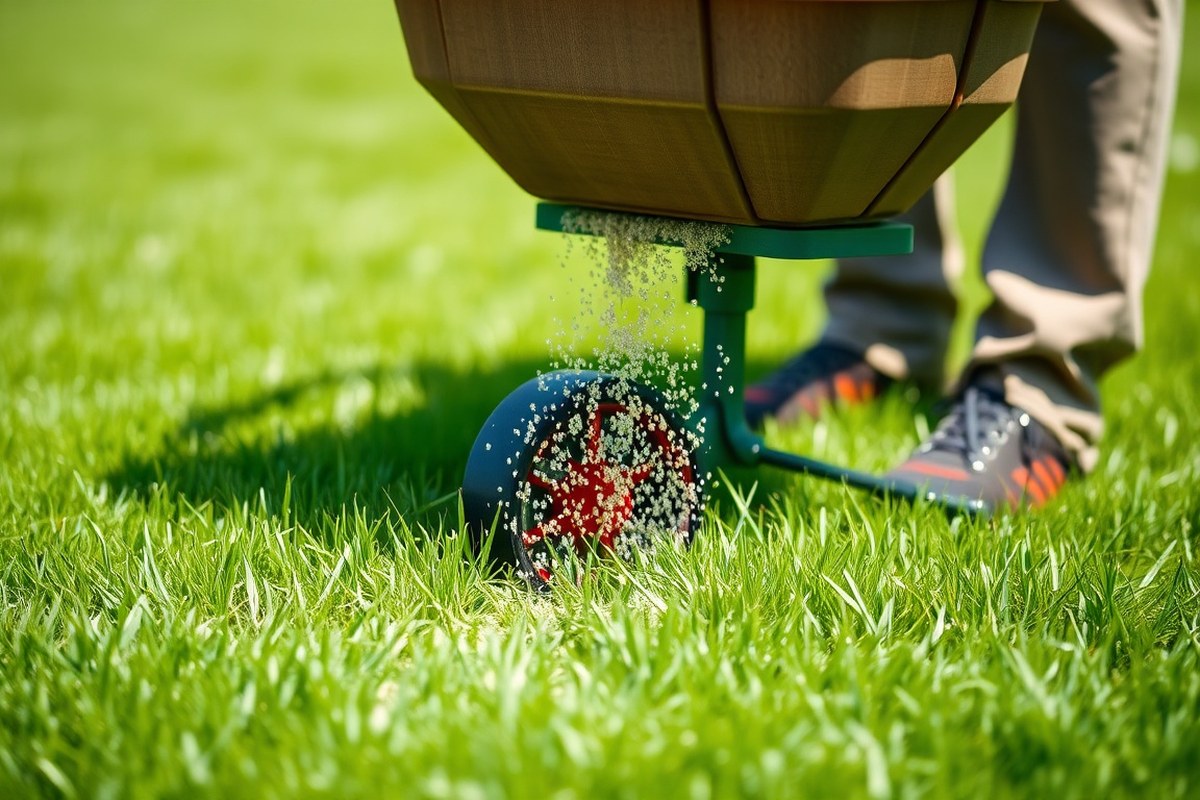
A 10-10-10 fertilizer contains 10% nitrogen. Applying 10 pounds covers 1,000 square feet with 1 pound of nitrogen. Use a good spreader for even coverage and less waste.
Key Takeaways
- Start fertilizing when soil temperature reaches 55 degrees Fahrenheit.
- Use quick-release fertilizers every 4 to 6 weeks for fast results.
- Slow-release fertilizers deliver nutrients every 8 to 12 weeks.
- Avoid fast-release fertilizer if temperatures rise above 85 degrees.
- Wait 6 to 8 weeks between fertilizer applications to protect grass.
- Calculate fertilizer amounts based on nitrogen percentage for accuracy.
How Often Can I Safely Fertilize My Lawn?
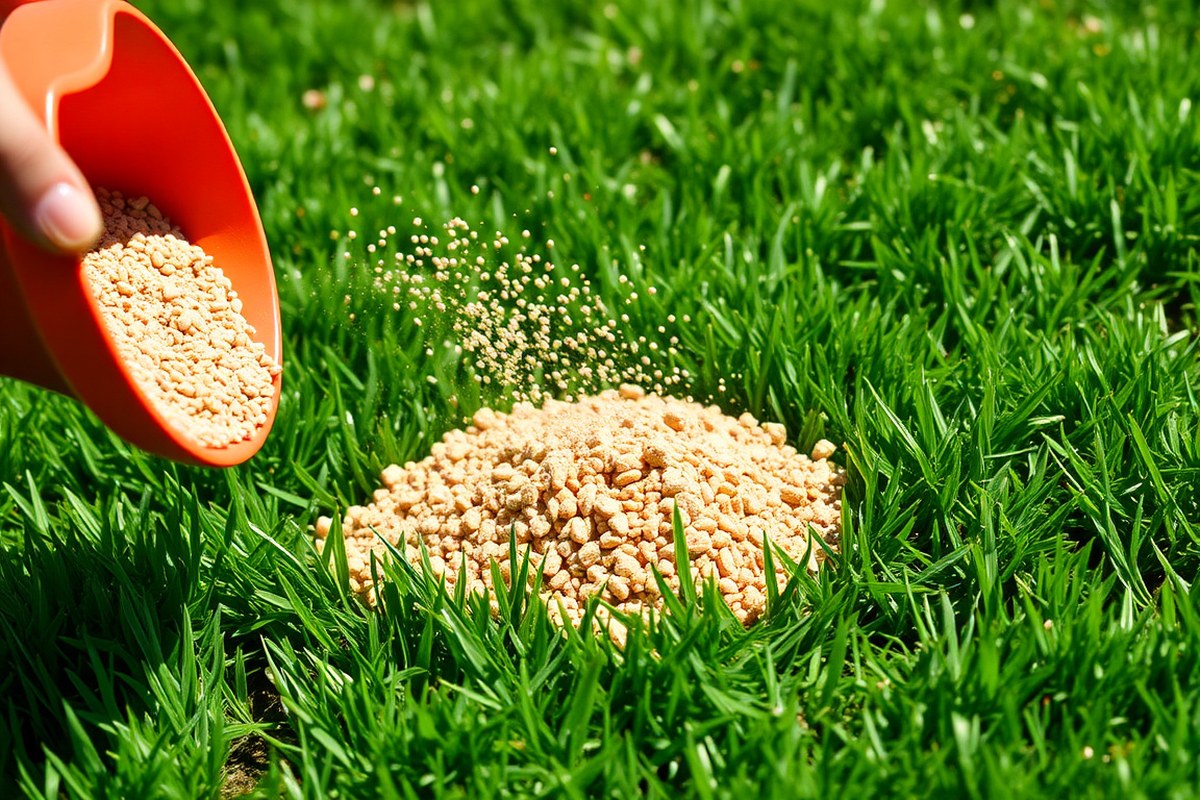
You can fertilize your lawn safely about three to four times a year. This frequency matches the main growth seasons and avoids nutrient overload that stresses grass. Slow-release fertilizers feed your grass slowly over time.
They usually need only two to three applications each year. This means fewer treatments and steady feeding.
Quick-release fertilizers offer nutrients immediately but require more frequent use, about every four to six weeks. That’s risky if you apply too often, causing leaf burn or weak roots. Follow the label instructions carefully.
Wait at least four weeks between treatments. This timing helps fast-acting fertilizers work well.
Grass health affects how often you should fertilize. Your lawn looks patchy or yellow. Space out feedings and use slow-release fertilizers.
This helps recovery without forcing quick growth. Don’t fertilize grass when it’s dormant or stressed. Wait until soil temperature hits 55°F. Start fertilizing once the grass grows actively again.
Keep an eye on your grass’s color and strength as a guide. Healthy grass needs less frequent feeding, maintaining deep green color and resilience. Plan fertilizing around growth spurts in spring and fall.
Be careful about fertilizing in summer. Only do it if your lawn really needs feeding.
How Grass Type Influences Your Fertilization Schedule
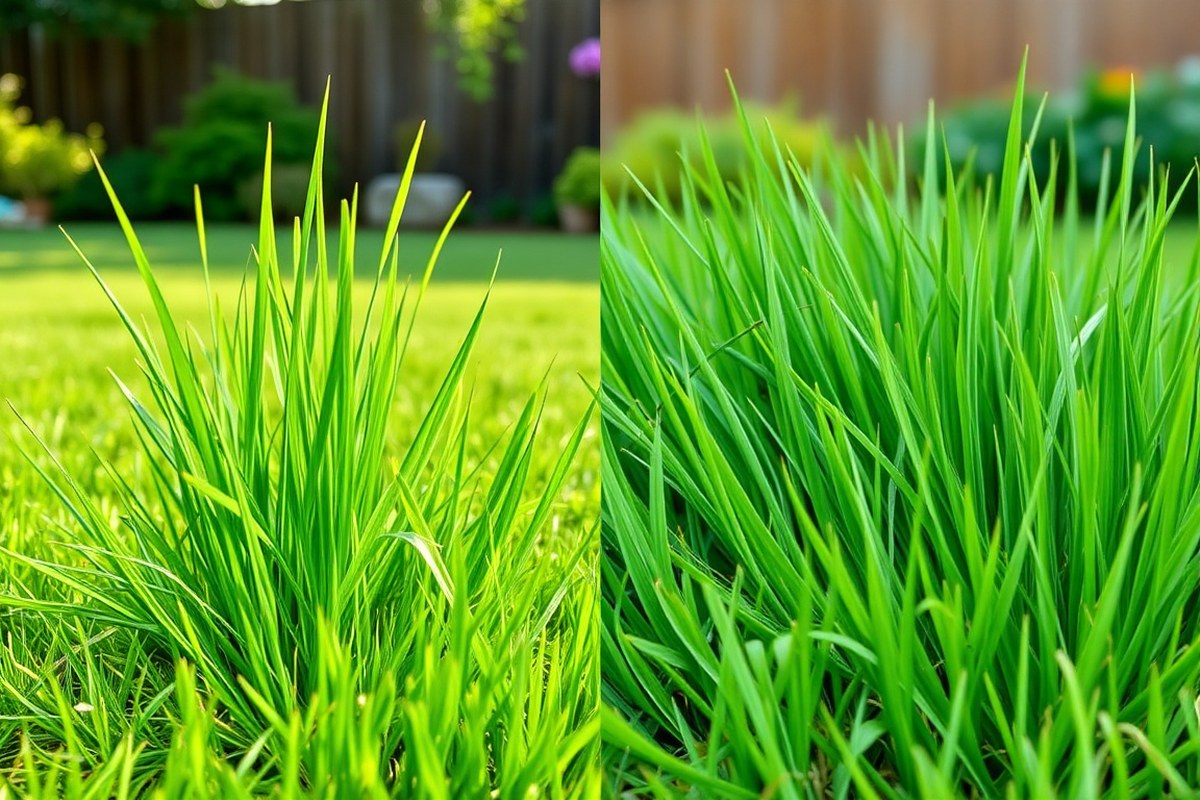
Cool-season grasses thrive in autumn and benefit from feeding then. Apply about 1 pound of nitrogen per 1,000 square feet each time you fertilize. These lawns usually receive fertilizer three to four times a year.
Warm-season grasses grow fastest in spring. You want to fertilize at that time to match their growth surge.
This mostly happens when the soil temperature reaches 55º Fahrenheit. These grasses need fewer feedings than cool-season types.
Native or native-like grasses usually require less fertilizer overall. Often, 1 to 2 applications yearly are enough. These grasses are adapted to their environment and don’t need as much extra food.
| Grass Type | Peak Fertilizing Season | Fertilizer Frequency per Year | Nitrogen Amount per Application |
|---|---|---|---|
| Cool-season | Fall | 3 to 4 times | ~1 lb per 1,000 sq ft |
| Warm-season | Spring | 2 to 3 times | Varies; less frequent |
| Native/native-like grasses | Varies | 1 to 2 times | Less than others |
Adjust fertilizing based on the type of grass you have in your transitional zone. Know your grass type and its growing season to avoid waste. Too much fertilizer just makes your mower run more often.
Match fertilizer timing to your grass’s peak growth season to avoid wasted effort and cost.
How Climate and Soil Affect How Often You Fertilize
Local climate and soil conditions shape how often you fertilize your lawn. Soil temperature and moisture control when nutrients work best. Testing soil health helps decide timing and avoid overfeeding.
Soil Temperature Thresholds for Fertilizing
Start fertilizing once the soil hits about 55º Fahrenheit. This temperature signals grass roots begin growing actively. Most regions reach this in mid- to late-April depending on your climate.
Use a simple soil thermometer or check with your local extension office. You can also watch local plants like lilacs bloom as a natural sign. Applying fertilizer before this temperature can waste nutrients and stress the lawn.
The soil’s warmth activates microbes that release nitrogen gradually. Cooler soil slows this process, so timing saves fertilizer and keeps grass healthy. Plan your first feeding around this soil temperature rule.
Weather Patterns and Rainfall Impact
Fertilize a day after light rain when the soil is moist but not soggy. Moisture helps dissolve fertilizer, letting nutrients reach roots quickly. Dry soil hinders absorption and weakens fertilizer’s effect.
Your climate affects how often grass needs feeding. In cooler northern areas, one or two feedings per growing season usually suffice. Warmer southern climates might require up to four applications spread through spring to fall.
A lawn typically needs about an inch of water weekly, including rainfall. Too much rain washes nutrients away, and drought limits grass growth, reducing fertilizer demand. Adjust your schedule based on recent weather.
Soil Testing Kits and Interpreting Results
Testing soil shows nutrient levels and pH, guiding exactly when and what to fertilize. You can buy easy kits online or at garden stores for $10 to $30. Follow the instructions carefully and send samples if required.
Results tell you if soil lacks nitrogen, phosphorus, or potassium, the main nutrients. A low level means fertilize sooner or with a stronger dose. Balanced soil may need less frequent or lighter feeding.
Healthy soil helps grass use fertilizer efficiently and stay strong. A test every two to three years is enough. This stops you from overspending or harming the environment with excess nutrients.
Comparing Slow-Release and Quick-Release Fertilizers
Slow-release fertilizers gradually feed your lawn nutrients over weeks. They often contain coated granules that break down slowly in the soil.
This steady supply cuts fertilizing to every 8 to 12 weeks. Sometimes you may need to fertilize less often.
Quick-release fertilizers act fast by dissolving immediately when applied. They are usually liquid or soluble granules. Because nutrients are used quickly, you must fertilize more often, about every 4 to 6 weeks.
| Feature | Slow-Release Fertilizer | Quick-Release Fertilizer |
|---|---|---|
| Nutrient Release | Gradual over 8, 12 weeks | Immediate |
| Application Frequency | Fewer times, about 3, 4 times per growing season | More often, 6, 8 times per growing season |
| Application Type | Granular fertilizer applies directly on the lawn surface. | Liquid spray or soluble granules |
| Cost | Typically higher upfront cost | Usually lower upfront cost |
| Ease of Use | Simple, needs spreading only a few times | Requires more frequent mixing and spraying |
Choose slow-release if you want less work and steady lawn health. This fits homeowners who prefer to fertilize just a few times each season. It lowers the risk of burning your lawn because nutrients don’t overload quickly.
Quick-release fits if you like fast results or must correct nutrient shortages quickly. Professionals often use it with specialized equipment for quick lawn feeding. Keep in mind, frequent applications take more time and care to avoid overfeeding.
For example, start fertilizing in mid-April. Use slow-release every 8 to 10 weeks. Continue this through early fall.
This means about three or four applications per season. Switch to quick-release if grass yellows and needs a boost.
Apply every 4 to 6 weeks. Watch lawn response carefully.
Slow-release fertilizers cost 20% to 50% more up front. The price is higher per bag or nutrient pound. But fewer applications can save time and decrease waste.
Quick-release costs less per treatment but needs more applications. Total expenses add up over the season.
Calculating Fertilizer Amounts and Timing Intervals
To maintain a healthy lawn, apply about 1 pound of nitrogen per 1,000 square feet. Check your fertilizer’s NPK values to figure out the correct amount. This stops you from overfeeding or underfeeding your grass.
Understanding NPK Ratios
NPK represents nitrogen (N), phosphorus (P), and potassium (K) in fertilizers. The numbers tell you the percentage of each nutrient by weight.
For example, a 16-4-8 fertilizer means 16% nitrogen, 4% phosphorus, and 8% potassium. The amount of actual nitrogen is the key for your lawn’s feeding.
Calculation Example by Lawn Size
To calculate how much fertilizer to use, you need your lawn size and the NPK ratio. For 1 pound of nitrogen, divide that by your fertilizer’s nitrogen percentage. Here’s how to do it:
- Measure your lawn’s square footage (e.g., 5,000 sq ft).
- Decide the nitrogen rate: 1 pound per 1,000 sq ft.
- Calculate total nitrogen needed: 5 (thousands) × 1 = 5 pounds nitrogen.
- Check fertilizer nitrogen percentage, e.g., 16% (0.16 as decimal).
- Divide needed nitrogen by fertilizer percentage: 5 ÷ 0.16 = 31.25 pounds fertilizer.
- Spread about 31 pounds of fertilizer evenly over the lawn.
Using a granular spreader helps apply this amount evenly and avoids burning.
Spacing Applications over Weeks
Don’t apply nitrogen all at once. Spread it out with 6-8 weeks between feedings for best results.
For example, for a 3-application schedule, apply 1 pound nitrogen per 1,000 sq ft each time. This prevents stress and gives steady growth.
Use these intervals: early spring, late spring, and summer. This approach keeps your lawn green without overfeeding or washout risks.
Seasonal Fertilization Schedules for Different Grasses
Cool-season grasses need fertilizing mostly in spring and fall. Start early spring with a light feeding as growth resumes. Then feed every 35 to 42 days through fall to boost roots and recover after heat.
Warm-season grasses should only get fertilizer after they fully green up in late spring. Continue feeding every 6 to 8 weeks through summer when growth is strongest. Skip fertilization in winter when the grass goes dormant.
Winter feedings aren’t needed except in mild climates where some growth occurs. Focus your effort on the growing months for best health and less waste. Fall feeding helps cool-season grass store energy before winter.
Here’s a basic seasonal fertilization calendar you can follow:
| Season | Months | Recommended Fertilizer | Key Purpose | Notes |
|---|---|---|---|---|
| Early Spring | March – April (Cool-season) | Light balanced (e.g., 10-10-10) | Wake up lawn, start root growth | Light feeding to recover from dormancy |
| Late Spring | May – June (Warm-season) | Balanced or higher nitrogen (10-10-10 or 25-5-10) | Encourage active growth and roots | Wait until grass is green and growing |
| Summer | June – August (Both) | Higher nitrogen, slow release | Maintain strong growth and color | Feed every 6-8 weeks, water well after |
| Early Fall | September – October (Cool-season) | Slow-release nitrogen | Boost root growth, prep for winter | Most critical feeding for cool grasses |
| Late Fall | October – November (Cool-season) | Low nitrogen, balanced | Store energy for winter | Apply 6-8 weeks after summer feeding |
Feed your cool-season lawn lightly in early spring to avoid overfeeding. Focus heavier fertilizing on fall to build strong roots before winter. Warm-season lawns need feeding only after they green fully in late spring.
Feed warm-season lawns through summer every 6 to 8 weeks to keep grass thick and healthy. Avoid fall and winter feedings for warm grasses as it can hurt them during dormancy. Always water after fertilizing in hot months.
How to Avoid Common Fertilizing Mistakes
Applying fertilizer too often can seriously damage your lawn. Too much fertilizer causes grass burn, which looks like yellow, dead patches. Fertilizer salts pull moisture from grass blades during hot weather.
This happens more if you apply fertilizer on wet grass. Heat over 85 degrees makes it worse.
To avoid grass burn, never fertilize a wet lawn. Wait until the grass is dry after dew or rain. Also, avoid fertilizing right before or after heavy rainfall.
Applying fertilizer correctly keeps nutrients from washing away. It also stops nutrients from getting trapped in wet soil. Grass can’t take in nutrients well in very wet soil.
Uneven spreading is another common mistake. Missing spots or piling fertilizer unequally creates patchy lawn growth. Your grass will have uneven color and growth.
Use a broadcast spreader or drop spreader set at the right rate. Walk at a steady pace to make sure coverage stays uniform across your lawn.
- Fertilize only during active growing seasons for your grass type.
- Use slow-release fertilizer for steady feeding and less risk of burn.
- Apply fast-release fertilizer only when temperatures are below 85°F.
- Do not exceed recommended fertilizer rates on the package label.
- Water your lawn lightly after fertilizing to help nutrients soak in.
- Check your spreader calibration to avoid over- or under-application.
- Look for signs like pale color or thin patches before fertilizing.
Timing mistakes can also waste fertilizer or harm your lawn. You want to feed your grass when it grows actively.
Feeding dormant grass does little good and may cause problems. For example, feeding warm-season grasses early in spring or late fall can stress them.
Over-fertilizing shows as fast growth with weak blades. You’ll see a white crust on the soil too. Yellow dead patches might appear as well.
Under-fertilized lawns stay light green, grow slow, and suffer under stress like heat or foot traffic. Adjust your fertilizer timing and amount if you see those signs.
Practical Steps to Build Your Personal Fertilization Plan
Creating your fertilization plan means picking the right fertilizer. Set a clear schedule. Check your lawn regularly.
These steps keep your grass healthy and prevent overfeeding. A simple plan helps you stay on track and fix problems early.
Choosing the Right Fertilizer and Equipment
Select fertilizer that matches your grass type and soil needs. Nitrogen is key.
But also look for fertilizers with phosphorus and potassium for root strength. Slow-release formulas feed your lawn over time and reduce risk of burning.
Essential equipment includes a spreader to apply fertilizer evenly and gloves to protect your hands. A broadcast or drop spreader works well for most lawns. You can find these tools for $20 to $50 at garden centers.
Prepare your spreader by calibrating it based on the fertilizer’s package instructions. This prevents putting down too much or too little fertilizer.
Setting Up a Calendar and Reminders
Write your planned fertilizing dates on a calendar. Note the type and amount of fertilizer you will use each time. Follow intervals that suit your grass and climate.
Usually, fertilize every 6 to 8 weeks during the growing season. Plan extra feedings if you overseed or repair damaged spots.
Use digital reminders on your phone or a lawn care app. They notify you before each treatment.
Reminders help avoid skipping or doubling up on applications. Mark watering and mowing days too to keep your lawn care balanced.
Write down each application date immediately after you fertilize. This log helps you track patterns and adjust future plans.
Tracking Lawn Health and Adjusting Frequency
Watch your lawn closely for signs of stress or overfeeding. Yellow tips or brown patches may mean too much fertilizer. Thin or patchy grass could need more feeding or other care.
Monitor growth speed and color changes after fertilizer runs. Healthy grass grows steadily with a deep green color.
Your lawn may slow down or look poor after feeding. Cut back on fertilizer and check your watering habits.
Adjust your calendar if weather shifts or you change lawn care routines. Flexibility keeps your plan effective without wasting product or risking damage.
- Test your soil or check grass type to pick a suitable fertilizer
- Buy a spreader and gloves for safe, even application
- Mark your fertilization dates on a calendar and include reminders
- Apply fertilizer according to package instructions and spreader settings
- Note each application date and product used in a lawn log
- Observe lawn health weekly for discoloration or growth changes
- Adjust fertilizer amount or frequency based on lawn response
- Update your schedule for seasonal conditions or overseeding needs
Don’t apply fertilizer before heavy rain, it can wash away and harm plants.
Step-by-Step Action Plan for Fertilizing Your Lawn
Follow these steps to fertilize your lawn effectively. Adjust your timing and amounts based on your grass and climate.
- Before you start: Test your soil’s pH and nutrient levels. This shows what fertilizer your lawn needs.
- Early spring: Apply a slow-release fertilizer if your grass is cool-season type. Watch for greener, thicker grass in 2-3 weeks.
- Mid-spring: For warm-season grasses, start fertilizing after the grass fully green ups. Check that growth speeds up.
- Late spring to early summer: Avoid fertilizing during heat waves or droughts. Notice if the grass stays healthy without stress signs.
- Mid to late summer: Use a quick-release fertilizer sparingly if the lawn looks pale. Be careful to not use too much at once.
- Early fall: Apply fertilizer one last time for cool-season grasses. Look for deep root growth and strong color.
- Late fall to winter: Stop fertilizing warm-season grasses when they go dormant. Let cool-season grasses rest for a month before winter.
- After fertilizing: Water your lawn lightly to help the nutrients soak in. The grass should not dry out quickly.
Frequently Asked Questions
How Often Can I Fertilize My Lawn Without Harming It?
You can typically fertilize your lawn 3 to 4 times a year safely. Doing it too often or with too much fertilizer risks burning the grass and causing damage.
Is It Okay to Fertilize My Lawn During a Drought?
It’s best to avoid fertilizing during droughts because grass grows slower. Fertilizer can stress your lawn more when water is scarce. So wait for rain or watering.
Can Fertilizing My Lawn Improve Its Resistance to Pests and Diseases?
Fertilizing helps strengthen grass, which can reduce pest damage and disease. Healthy lawns resist problems better but don’t depend on fertilizer alone for protection.
Should I Water My Lawn Right After Fertilizing?
Yes, watering your lawn after fertilizing helps nutrients soak into the soil. Watering prevents fertilizer burn and ensures grass roots absorb the food properly.
Does the Age of My Lawn Affect How Often I Should Fertilize?
New lawns need a gentler and less frequent fertilizing approach than established ones. Over-fertilizing young grass can cause stress, so follow starter lawn guidelines.
How Do I Know If My Lawn Needs More or Less Fertilizing?
Look for grass color and growth speed to judge feeding needs. Pale or thin grass usually needs more fertilizer. Overly lush growth means cut back.
Final Thoughts
You can safely fertilize your lawn by matching your plan to your grass type and climate. Start with your soil test to pick the right fertilizer. Next, schedule your first feeding for when your grass really needs it.