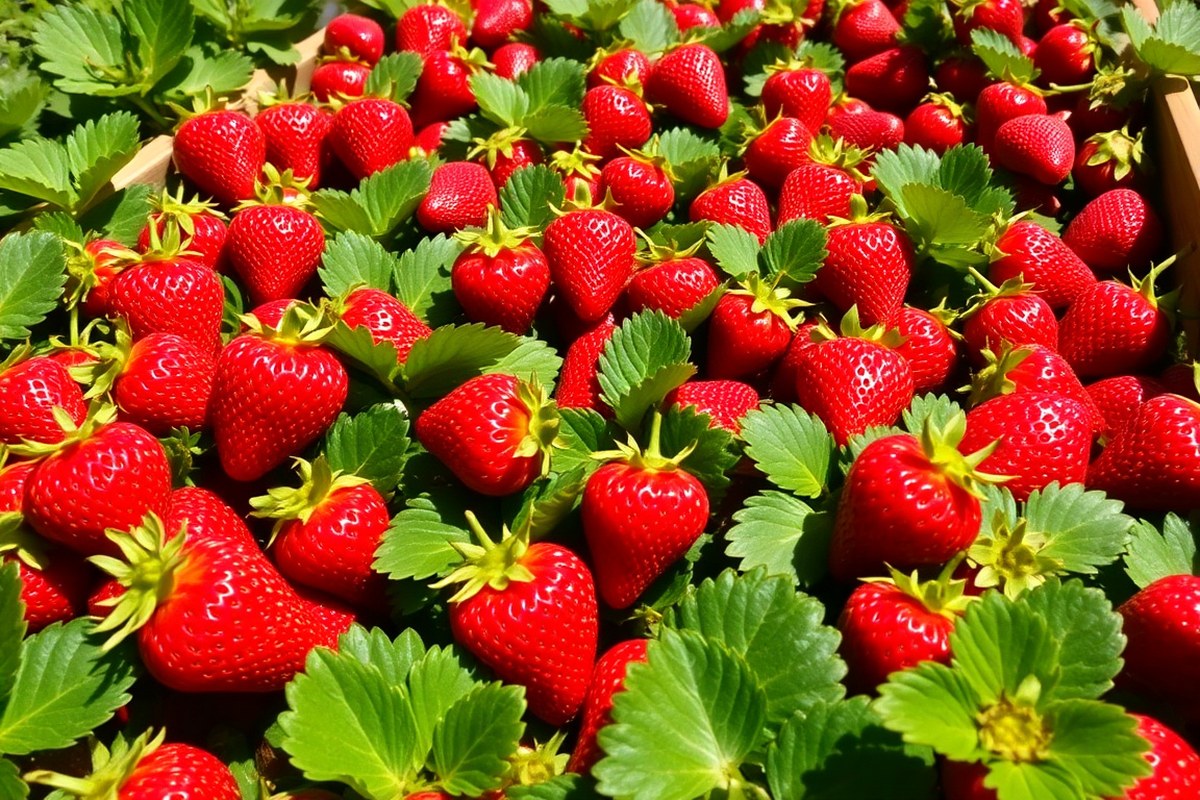
How to Grow Strawberries in Raised Garden Beds: A Complete Guide for Best Yields
Learning how to grow strawberries in raised garden beds makes a big difference. Raised beds improve drainage and warm soil quicker in spring.
You’ll get bigger yields and healthier plants when you grow strawberries this way. These beds also reduce weed growth, which lets strawberries focus on growing strong.
Start with a sunny spot that gets at least 6 to 8 hours of light daily. Strawberries need that much sun to sweeten and ripen well.
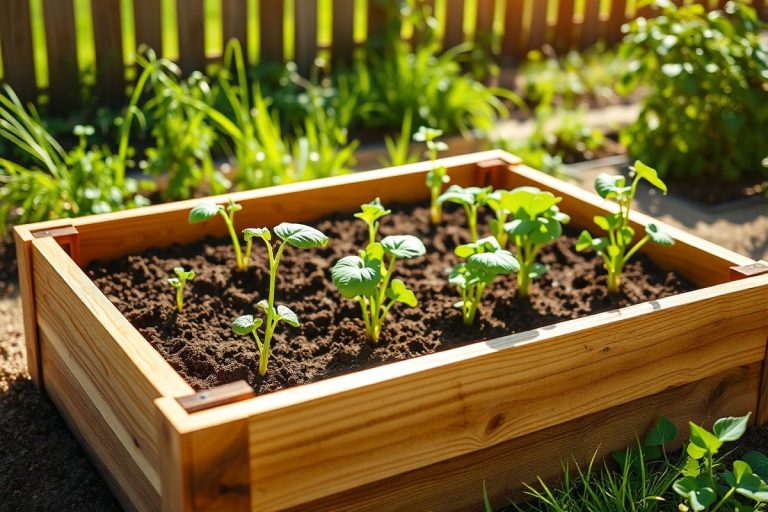
Build your bed about 8 to 12 inches deep using untreated cedar for long-lasting support. Make sure the bed is wide enough for easy picking and watering.
Mix topsoil, compost, and coarse sand or perlite in equal amounts. Clay or packed soils trap water, causing poor drainage problems.
Add fertilizer a couple of weeks before planting to feed roots well. Use a balanced slow-release fertilizer to keep feeding your plants over time.
Key Takeaways
- Choose a raised bed location with full sun for best strawberry growth.
- Build your garden bed 8 to 12 inches deep using untreated cedar wood.
- Mix topsoil, finished compost, and coarse sand evenly for ideal drainage.
- Fertilize the soil with slow-release fertilizer two weeks before planting.
- Wait to plant strawberries until soil temperature reaches 60°F after last frost.
- Raised beds warm faster than ground soil, allowing earlier planting.
How to Grow Strawberries Successfully in Raised Garden Beds
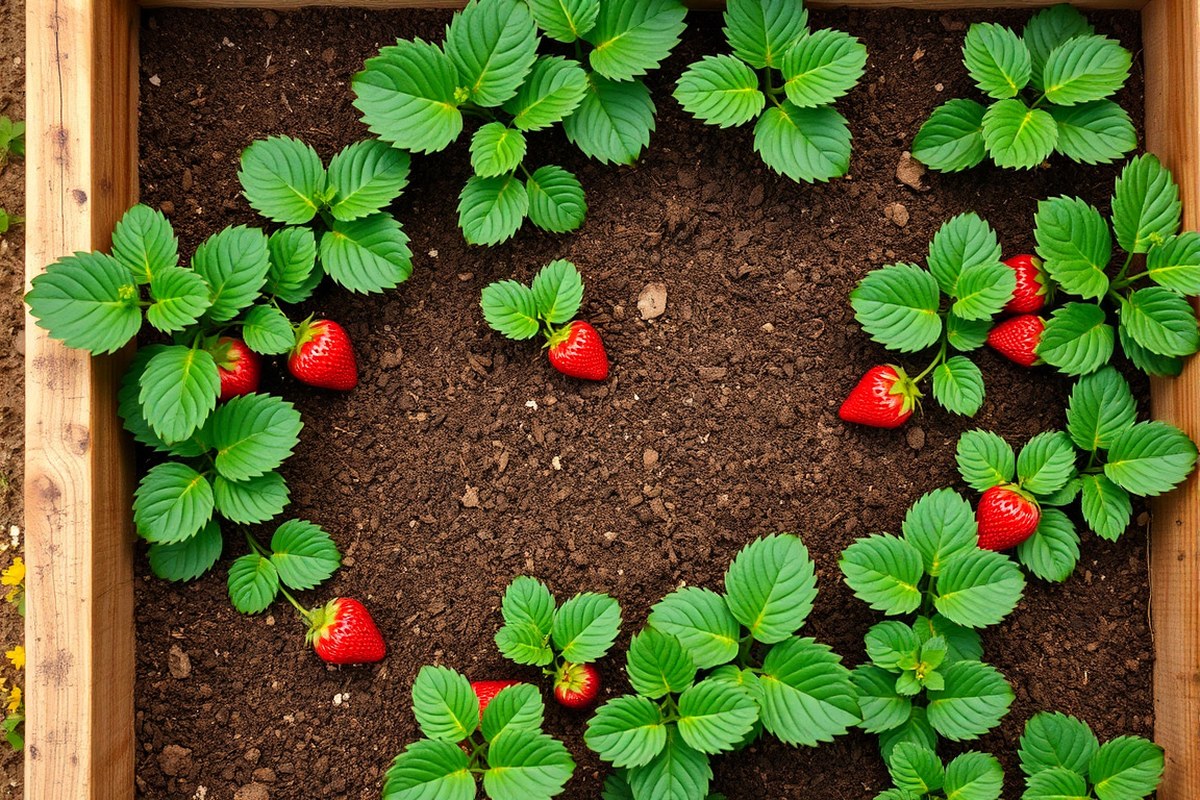
Growing strawberries in raised garden beds helps you control soil, drainage, and plant spacing. Using the right soil mix and care routine lets your plants thrive and produce more berries. You need good soil with organic matter, steady watering, and proper spacing for the best results.
Use a raised bed soil mix that retains moisture but drains well. The soil should be 6 to 12 inches deep because strawberry roots grow about that far. Add compost or organic fertilizer two weeks before planting to prepare the soil.
- Fill the raised bed with a loose soil mix to about 12 inches below the top. This gives roots enough room to spread and keeps soil from spilling out.
- Plan your rows and spacing. Leave about 12 inches between each strawberry plant. Space rows around 18 inches apart. This keeps air flowing and prevents crowding.
- Plant strawberries so the crown sits just above soil level. Avoid burying the crown to stop rot. Press soil firmly around the roots to remove air pockets.
- Water deeply after planting. Keep soil moist but not soggy. Let the top 2 inches dry out. Water again after the soil feels dry at the surface. Usually, watering every 2 to 3 days works during warm weather.
- Mulch around plants with straw or pine needles. This helps hold moisture and control weeds. It also keeps fruit off the soil.
- Fertilize lightly once a month with a balanced, slow-release fertilizer or organic compost. Avoid overfeeding, which can cause leaf growth over fruit production.
- Remove runners when plants focus energy on fruiting, unless you want to expand your patch. This helps bigger berries and a better harvest.
Raised beds usually fit 16 to 24 strawberry plants based on your spacing choices. Keep plants spaced well to reduce disease risk and improve berry size. Overcrowding leads to poor air flow and smaller, fewer berries.
Adopt care schedules based on your USDA zone. Strawberries in warmer climates may need less watering than those in dry zones. Watch the plants for signs of water stress like wilting or dry soil.
Choosing the Right Strawberry Varieties for Raised Beds
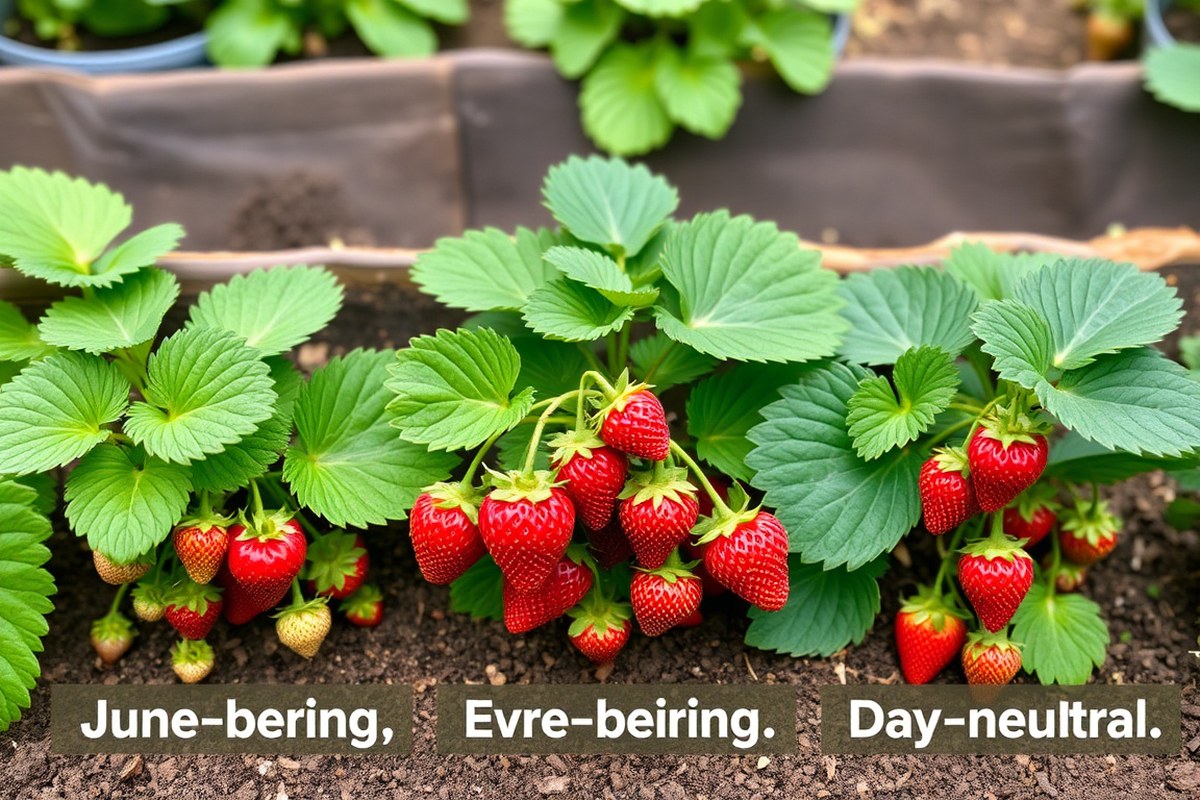
Choose the right strawberry variety based on your climate and harvest goals. June-bearing plants produce one large crop yearly.
Everbearing and day-neutral types yield multiple smaller harvests. Your space and care routine also affect which variety works best in raised beds.
June-Bearing Strawberries Overview
June-bearing strawberries produce a big harvest mostly in late spring or early summer. These varieties need a cold dormant period, so they do well in cooler climates. Space the plants about 18 inches apart in raised beds.
This gives each plant enough room to grow well. Good spacing also helps with air circulation.
They require managing runners and foliage carefully after harvest to prepare for next year’s crop. This variety works if you want one big batch of berries for jams or freezing. Watch for signs of overgrowth as dense plants reduce fruit quality.
Ever-Bearing Strawberries Overview
Ever-bearing strawberries produce two main harvests: one in early summer and another in early fall. These plants suit milder climates where winters are not harsh. Space the plants 12 to 18 inches apart in raised beds.
This spacing keeps air flowing to the plants. It also makes it easier to care for them.
They do not need as much runner pruning as June-bearers but benefit from light trimming. This type fits gardeners who want fresh berries twice a year without heavy work. Raised beds help avoid water issues that can harm these plants.
Day-Neutral Strawberries Overview
Day-neutral strawberries produce fruit steadily from late spring until fall, offering continuous harvests. These varieties work well in many climates because they don’t rely on day length or cold. Space day-neutral plants 12 to 18 inches apart for best growth in raised beds.
They need regular watering and feeding to keep producing all season. Day-neutral is ideal if you want berries for fresh eating over many months. Keep soil moist but not soggy to avoid root problems.
Here’s a quick comparison showing how these varieties fit different needs and conditions:
| Strawberry Type | Harvest Season | Climate Preference | Spacing in Raised Beds | Harvest Frequency |
|---|---|---|---|---|
| June-Bearing | Late spring/early summer | Cool to cold winters | 18 inches apart | One large crop |
| Ever-Bearing | Early summer and early fall | Mild winters | 12 to 18 inches apart | Two smaller crops |
| Day-Neutral | Late spring through fall | Varies, tolerates warmer areas | 12 to 18 inches apart | Continuous harvest |
Match your choice with the climate in your area and how often you want strawberries. Raised beds make it easier to control soil and water for any variety. They also help prevent common problems like waterlogging and soil pests.
Plant strawberry crowns level with soil and keep 12-18 inch spacing for healthy growth.
Preparing and Building Raised Beds for Optimal Strawberry Growth
Build your raised bed between 8 and 12 inches deep to support strawberry roots. Choose untreated cedar or similar weather-resistant wood for your frame. Fill the bed with equal amounts of topsoil, finished compost, and coarse sand or perlite for drainage.
Ideal Bed Dimensions and Depth
Your raised bed should be about 8 to 12 inches deep for proper root growth. Strawberries have shallow roots that need loose soil and good drainage. Keeping the depth in this range prevents waterlogging and encourages healthy plants.
A width of 3 to 4 feet lets you reach the center easily without stepping inside. The bed’s length depends on your space. Keep it narrow enough to water easily.
Also, make sure you can harvest without trouble. This size also helps keep weeds and pests under control.
Best Materials for Raised Beds
Untreated cedar wood is a popular choice because it resists rot without chemicals. Avoid pressure-treated wood to keep strawberries safe from toxins. Composite boards and concrete blocks also work well for durable raised beds.
Concrete blocks can be stacked to add height and create pockets for extra plants. Choose materials that last several seasons and don’t leach harmful substances. You want sturdy walls to hold the soil mix without warping or breaking.
Soil Composition and Preparation
Use equal parts of topsoil, finished compost, and coarse sand or perlite for soil. This mix drains water well and holds moisture and nutrients. Clay soil alone traps too much water and risks root rot.
- Use high-quality topsoil free of contaminants
- Add mature compost for nutrients and organic matter
- Mix in coarse sand or perlite for drainage and aeration
- Remove large rocks, roots, and debris before planting
- Loosen the soil to about 8 to 12 inches deep before filling
Fill your raised bed with this soil blend and level it well. Avoid compacting soil during planting to keep roots loose and healthy. Check soil pH if possible; strawberries prefer slightly acidic soil around 5.5 to 6.5.
Optimal Planting Time and Location for Raised Bed Strawberries
Plant strawberries in your raised bed after the last frost date in your area. Wait until the soil temperature reaches about 60°F (15°C). This usually means early spring.
But check local frost calendars to pick the exact day. Starting too early risks frost damage, which stunts young plants and reduces yield.
Choose a spot that gets at least 6 to 8 hours of full sun daily. Strawberries need plenty of sunlight to develop sweet, juicy berries. If your raised bed sits in the shade for part of the day, move it or prune nearby plants to increase sunlight exposure.
The soil should stay moist but not soggy, ideally between 65-75°F (18-24°C) for healthy root growth. Raised beds warm faster than in-ground soil, so they encourage early root development. Use well-draining soil with plenty of organic matter to maintain this balance and avoid root rot.
Managing Strawberry Plants: Pruning, Runners, and Spacing Tips
Pruning strawberry plants, managing runners, and maintaining correct spacing help keep plants healthy. Proper care stops diseases and helps plants grow well in raised beds. You do these tasks at specific times and follow simple steps to keep strawberries productive.
Pruning for June-Bearing Varieties
Prune June-bearing strawberries after fruiting ends, around mid-July. Cut plants back to 1-2 inches above soil level. This gets rid of old leaves and grows new buds.
Avoid pruning too early or too late, or the plants may not recover well. Clean tools before use to reduce the risk of disease spread.
- Wait until fruiting ends, typically mid-July.
- Use sharp garden scissors to cut leaves down to 1-2 inches above soil.
- Remove any damaged or dead leaves entirely.
- Clear away cut leaves and debris from raised bed to prevent pests.
Pruning too late can reduce next year’s fruit crop, so time it carefully.
Managing Runners: When to Keep or Remove
Runners are stems that grow out from the main plant to form new plants. You can keep runners to increase plants or remove them to focus energy on fruiting. Choose based on your goals and available space in the raised bed.
Let runners root in small pots inside the raised bed. Wait until roots form before you cut runners from the parent plant. This helps propagation.
Runners that crowd plants should be cut back. This prevents disease and lowers competition among plants.
- Decide if you want new plants or better fruit production.
- Pin runners to soil or pots to root if propagating.
- After rooting, sever runners from parent plant carefully.
- Remove extra or weak runners to maintain airflow and spacing.
Too many runners can overcrowd plants and increase disease risk.
Plant and Row Spacing Guidelines
Space strawberry plants 12 to 18 inches apart to allow air circulation and sunlight. Rows should be 2 to 3 feet apart for walking and maintenance access. Proper spacing reduces disease and helps plants thrive in raised beds.
Grow strawberries that produce many runners about 20 inches apart. This wider spacing reduces crowding and keeps plants healthy. Runnerless or low-runner varieties can be planted closer together.
Aim for about 4 plants in each square foot. This allows space for growth without crowding.
- Measure raised bed area and plan rows 2 to 3 feet apart.
- Plant strawberry crowns spaced 12 to 18 inches within each row.
- Adjust spacing to about 20 inches for runner-producing varieties.
- Leave enough room to reach plants easily for harvest and care.
Crowding plants can block airflow and increase fungal diseases in wet weather.
Common Pests and Diseases in Raised Bed Strawberries and How to Prevent Them
Strawberries in raised beds face pests like aphids, spider mites, and slugs. These pests damage leaves and fruit, reducing your harvest. Keep an eye out and act fast to avoid heavy infestations.
Fungal infections such as powdery mildew, gray mold, and verticillium wilt frequently affect strawberry plants. Powdery mildew shows up as a white, dusty coating on the leaves. This condition slows down growth and lowers the quality of the berries.
Prevent disease by keeping your strawberry plants well spaced for air circulation. Avoid overhead watering that leaves leaves wet for too long. Raised beds drain better, which helps prevent root rot and fungal problems.
- Remove any diseased leaves or fruit promptly to limit spread
- Apply organic fungicides like neem oil or sulfur if mildew appears
- Handpick slugs and use iron phosphate pellets to control them safely
- Use insecticidal soap sprays for aphids and spider mites
- Mulch with straw or pine needles to keep soil moisture steady and deter weeds
- Rotate your strawberry plants every 3 years to avoid soil diseases
For organic pest control, insecticidal soaps work well on soft pests like aphids. Spray early in the morning or late evening when pollinators are less active.
Neem oil also helps treat fungal and insect problems. But apply it carefully per label directions.
Good hygiene keeps your raised bed healthy. Clear away dead plant matter each season.
This cuts down hiding places for pests and disease spores. Healthy plants spend energy on growth and fruit, not fighting sickness.
Harvesting Strawberries from Raised Beds: Timing and Techniques
Strawberries are ready when fully red. No white or green spots remain. Harvest at this stage for best flavor.
The berries should be plump, shiny, and about 1 to 1.5 inches across depending on the variety. Pick them in the morning when the air is cool to keep the fruit fresh longer.
Hold the berry gently between your fingers. Twist or pinch to pull it off. Keep the stem attached to protect the plant.
Avoid pulling on the leaves or stems directly to prevent damage to the plant. Shallow raised beds give you easy access to fruit.
You don’t have to step on plants. They also reduce the need to bend over much.
Day-neutral strawberry varieties extend harvest in raised beds. These berries fruit all summer if temperatures stay under 85°F. This lets you pick fresh strawberries longer. Raised beds warm soil quicker in spring.
So you can start harvesting earlier than in the ground. Pick ripe strawberries every two to three days to encourage more fruit to develop.
Harvesting often also helps you spot any signs of pests or disease early. You can slow fruit overripening by providing mulch like straw to keep berries off the soil. Locate your raised bed where it can get afternoon shade.
Shade helps stop heat stress in warmer spots. Heat stress lowers fruit production.
When strawberries get overripe on the plant, they taste less sweet and are prone to mold. Aim to pick before they become soft or start leaking juice. Place strawberries in a single layer to avoid bruising.
Handle them gently as you pick. Store berries in the fridge if not eating immediately.
In cooler climates or shaded raised beds, harvest may stretch from late spring into early fall. Warm areas shorten the strawberry peak season. You’ll need extra pruning and runner control.
This keeps the plants healthy and productive. Adjust picking frequency based on your plants’ fruit load and weather changes for best results.
Avoiding Common Mistakes That Reduce Strawberry Yields in Raised Beds
Strawberries in raised beds often suffer from overcrowding, poor watering, and soil problems. Overcrowded plants struggle to get enough air and nutrients. You can spot this by looking for thin, weak leaves and fewer berries.
Fix overcrowding by thinning plants to about 12 inches apart. This space helps each plant thrive and reduces disease risk.
Poor watering practices hurt strawberry growth. Too much water causes root rot, while too little makes berries small and dry. Water deeply once or twice a week, depending on weather, to keep the soil evenly moist.
Avoid watering leaves directly to lower disease chances. A hose with a gentle spray or drip irrigation works best.
- Use well-draining soil, avoiding sandy or clay-heavy mixes.
- Fill raised beds with a mix of garden soil, compost, and peat moss.
- Check soil pH; strawberries prefer 5.5 to 6.5 for best growth.
- Space plants about 12 inches apart to prevent crowding.
- Water deeply, focusing on the soil, not the leaves.
- Remove dead leaves and runners to focus energy on fruit development.
- Keep mulch to help retain moisture and control weeds.
Soil drainage matters a lot. Raised beds must drain well to stop water from pooling. Use soil that feels loose and crumbly, not heavy or packed.
Add organic matter like compost to improve drainage. Mulch can also prevent surface crusting and keep moisture steady.
Keep checking plants during the season for signs of stress. Yellowing leaves or stunted growth means something’s off.
Adjust watering and remove any sick or crowded plants quickly. Keeping the bed tidy helps strawberries stay healthy and produce more fruit throughout the season.
Overwatering is a common mistake, water in the early morning to let leaves dry fast.
Step-by-Step Action Plan for Growing Strawberries in Raised Beds
Follow these steps to start growing strawberries successfully in your raised garden beds.
- Before Planting: Choose strawberry varieties suited for raised beds in your climate. Check plant tags or seed catalogues for “day-neutral” or “everbearing” if you want longer harvests.
- Week 1: Build or prepare your raised bed with well-drained, fertile soil mixed with compost. Test soil drainage by digging a hole and filling it with water. It should drain within an hour.
- Week 2: Plant strawberries after your last frost date. Space plants 12 inches apart. Ensure crowns sit just above soil level to prevent rot.
- Weeks 3-4: Water newly planted strawberries deeply but avoid soggy soil. Check soil moisture daily; it should stay moist, not wet.
- After 6 Weeks: Start mulching with straw to keep soil moist and reduce weeds. Soil temperature will stay stable, helping fruit develop better.
- Month 2 and Onwards: Remove runners if you want bigger berries instead of more plants. Pinch off runners near their base every 1-2 weeks.
- Throughout Growing Season: Check for pests like slugs or aphids. Treat early with safe, natural methods. Look for holes in leaves or sticky spots on plants.
- Harvest Time: Pick strawberries when fully red and slightly soft. Taste test a few berries every few days to know peak ripeness.
Frequently Asked Questions
Can I Reuse Soil from My Old Raised Bed to Grow Strawberries?
You can reuse soil if it is healthy and well-drained. Improve it by mixing in fresh compost to add nutrients and reduce disease risks. Avoid soil that previously grew infected plants or weeds.
How Often Should I Water Strawberries in Raised Beds?
Water strawberries deeply about once or twice a week. Keep soil moist but not soggy to prevent root rot. Increase watering during dry spells or when berries start to ripen.
Can I Grow Strawberries in Raised Beds If I Have Limited Space?
Yes, raised beds are great for small spaces and container gardening. You can grow strawberries vertically or use hanging baskets attached to raised beds. This helps maximize the space you have.
Do Strawberries Need Fertilizer in Raised Garden Beds?
Yes, strawberries benefit from balanced fertilizer in early spring and after harvest. Use a fertilizer higher in phosphorus to promote blooms. Avoid too much nitrogen; it encourages leaves over fruit.
How Do I Protect Raised Bed Strawberries from Birds?
Birds are a common problem for ripe strawberries. Use bird netting over your raised bed to keep them out. You can also add motion-activated devices or scare tape as extra deterrents.
Can I Grow Strawberries Alongside Other Plants in Raised Beds?
Strawberries grow well with herbs and some veggies like spinach or lettuce. Avoid planting near brassicas and nightshades, which can compete for nutrients or spread disease. Companion plants can help repel pests too.
Key Points to Remember
Growing strawberries in raised beds lets you control soil and drainage for better plants. Start with good soil and proper spacing so your plants can thrive. Next, plant your chosen strawberry variety right after frost risk ends this season.