What Does a Snake Plant Look Like? A Complete Visual Guide for Beginners
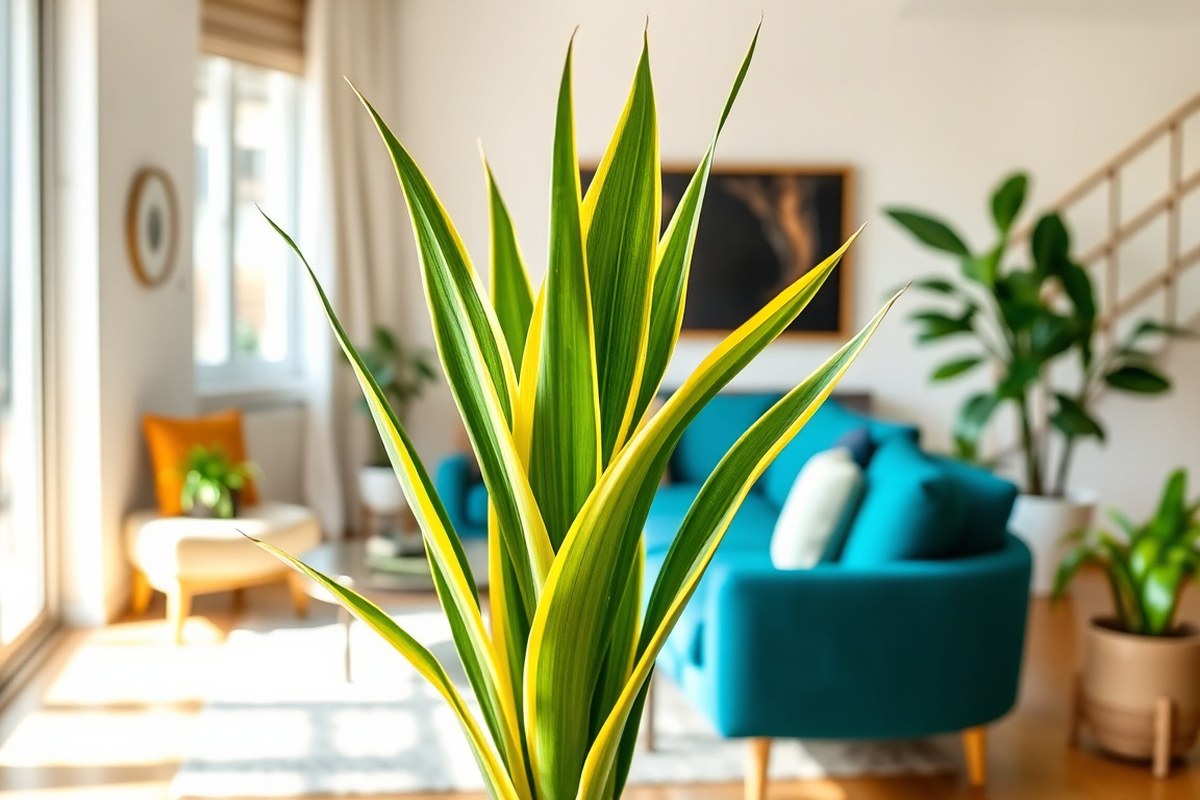
What does a snake plant look like really depends on its variety. Most have long, upright leaves that are pointed and smooth. The leaves often show green stripes or bands in different shades.
These plants come in many sizes. Some have leaves just a few inches long. Others grow tall, reaching 3 feet or more.
The leaves feel thick and leathery, which helps the plant hold water. This is why snake plants can survive dry spots well.
Knowing their basic look helps spot problems early. Look for changes like curling or bending leaves, which hint at care needs. Use good light and let soil dry between waterings.
This keeps the plants healthy. It’s the best way to care for them.
Key Takeaways
- Snake plants have upright, pointed leaves with green stripes or bands.
- Leaf length ranges from 6 inches to over 3 feet, depending on variety.
- The leaves are thick and leathery, helping the plant retain water.
- Leaf curling or bending often signals watering issues or light stress.
- Bright light and dry soil between waterings keep snake plants healthy.
- Small varieties like ‘Hahnii’ grow compact, rosette-shaped leaves.
What Does a Snake Plant Look Like: Key Visual Features
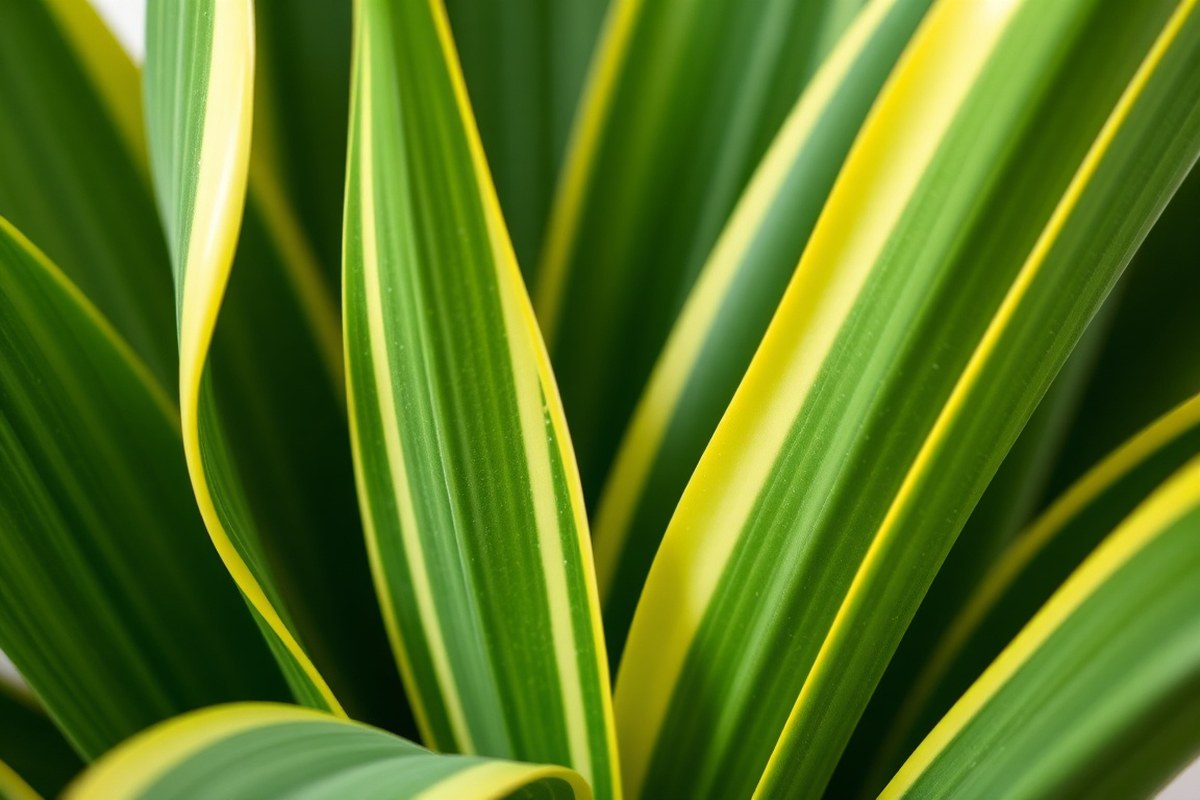
Snake plants feature long, stiff, sword-shaped leaves that grow straight up. Their leaves usually range from 6 inches to 2 feet tall indoors. Some types reach up to 4 feet, though most stay compact for indoor spaces.
The leaves show colors that vary widely, most often dark green with lighter green horizontal bands. Many have yellow or light green edges, adding contrast to their look. Variegations like cream or silver stripes occur, giving each plant a unique pattern.
Leaves usually grow straight up from the soil in a fan shape. This makes the plant look tall and tidy.
Some varieties have flat, broad leaves, while others feature cylindrical leaves. These cylindrical types grow upright but look round and spear-like, creating a different silhouette.
The upright leaf structure helps snake plants save space and fit well on shelves or corners. Their tough, leathery texture feels almost scaly, which protects them in dry indoor air. This growth habit also pulls water upward efficiently, keeping the plant healthy with minimal watering.
Compact types, like the bird’s nest snake plant, have short leaves. These leaves are about 6 to 8 inches long. They grow close together in a tight bunch.
Larger types, like the ‘Laurentii,’ have leaves edged in yellow that stand tall and straight. The African spear variety rises with cylindrical leaves forming a graceful fan.
Common Snake Plant Varieties and Their Distinct Appearances
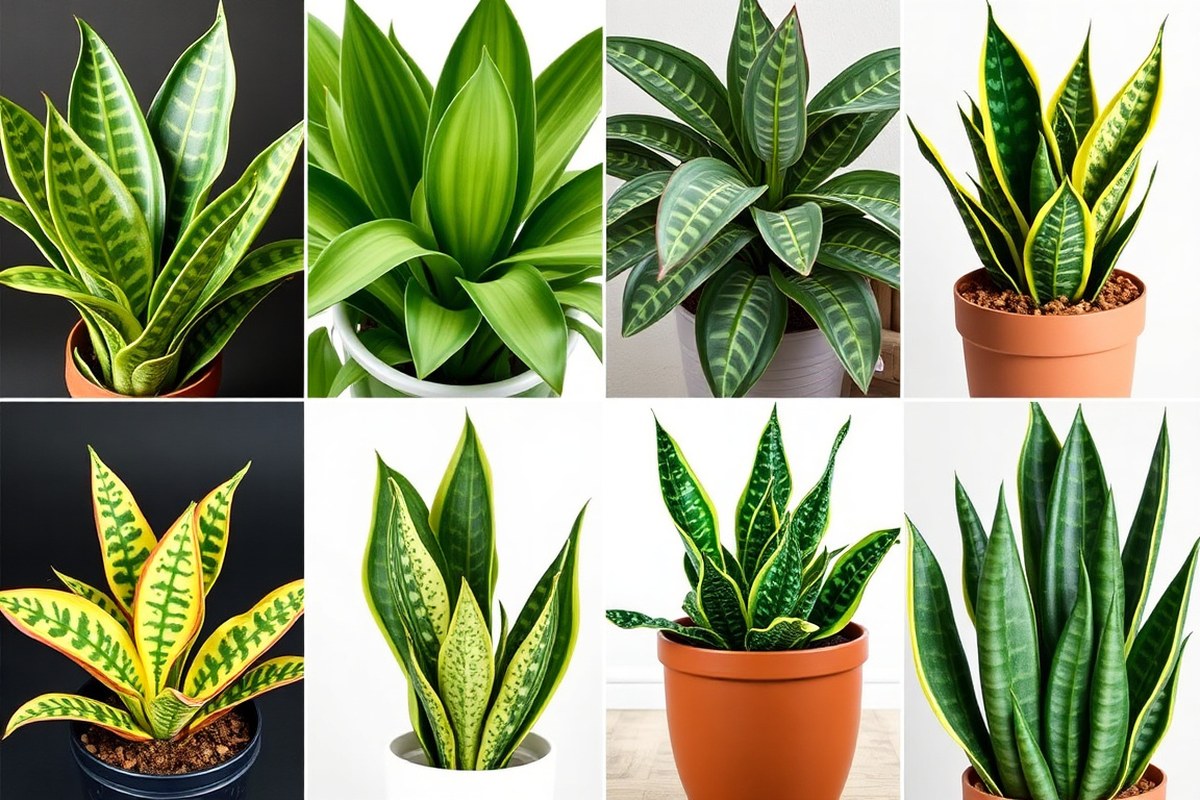
Snake plants come in many varieties that differ in size, leaf color, and shape. Knowing these differences can help you pick the right look for your space. Here’s a look at eight popular types and how to tell them apart visually.
Sansevieria Trifasciata ‘Laurentii’
This is the classic snake plant people often recognize. It grows tall, between 30 and 42 inches, with wide, upright leaves. The leaves have a dark green center bordered by bright yellow edges.
The yellow margins make ‘Laurentii’ stand out compared to other varieties. It also spreads about 12 to 18 inches wide as it grows. It prefers low to bright indirect light and grows 6 to 10 inches per year.
Sansevieria ‘Moonshine’
‘Moonshine’ has a very different look with silvery-gray leaves. These leaves are shorter, usually 18 to 24 inches tall.
But wider and more horizontal compared to ‘Laurentii’. It usually spreads about 12 inches wide.
This variety likes medium to bright indirect light. It grows slower than ‘Laurentii’.
Expect about 4 to 6 inches of growth each year. The silvery color gives a calmer, softer vibe in a room.
Sansevieria ‘Hahnii’
Unlike tall snake plants, ‘Hahnii’ is a dwarf variety. It grows to about 6 to 8 inches tall.
The plant can spread 8 to 10 inches wide. The leaves grow in a tight rosette, giving it a compact shape.
The leaves have a green base with subtle horizontal striping, lacking any yellow edges. It prefers low to medium light and grows slowly, about 2 to 4 inches per year.
Sansevieria Cylindrica
This variety is unique with round, cylindrical leaves unlike the usual flat leaves. They can grow very tall, from 36 to 60 inches.
The leaves often fan out in an open cluster. They can spread as wide as 24 inches.
‘Cylindrica’ likes low to bright indirect light and grows quickly, up to 12 inches each year. The unusual round leaf shape adds texture and interest to any plant collection.
| Variety | Average Height (inches) | Width/Spread (inches) | Growth Rate (inches/year) | Light Preference |
|---|---|---|---|---|
| Sansevieria trifasciata ‘Laurentii’ | 30, 42 | 12, 18 | 6, 10 | Low to Bright Indirect |
| Sansevieria ‘Moonshine’ | 18, 24 | 12 | 4, 6 | Medium to Bright Indirect |
| Sansevieria ‘Hahnii’ | 6, 8 | 8, 10 | 2, 4 | Low to Medium |
| Sansevieria Cylindrica | 36, 60 | 12, 24 | 8, 12 | Low to Bright Indirect |
The table above lays out the size and light needs for four common snake plant types. It shows how much space each variety may need as it grows. Choosing a snake plant that fits your space is easier when you know these numbers.
Tip: Don’t overwater snake plants with thick or round leaves. It helps prevent root rot. This keeps the leaves firm.
Leaf Shape and Texture Differences You Should Know
Snake plant leaves feel firm and have a thick, waxy texture. They don’t have a rough or fuzzy surface.
But instead feel smooth when you touch them. These leaves are succulent, which means they hold water inside to survive dry conditions.
Some snake plants have flat leaves that look like long blades with pointed tips. Others, like the Cylindrica variety, have cylindrical leaves that are round and tube-shaped. Cylindrical leaves feel more solid than flat ones.
Their shape and thickness make them denser. They often seem firmer to the touch.
Knowing how to tell these differences can help you identify your snake plant’s type or health. Here’s what to look for when checking leaf shape and texture:
- Flat leaves: rigid and fibrous with smooth edges, feeling firm but not hard
- Cylindrical leaves: round, smooth, and thick, often standing upright in clusters
- Waxy surface on all leaves that helps reduce water loss
- Leaves may feel cool to the touch due to their water storage
- Single-leaf plants like Whale Fin feel solid and dense without side leaves
These textures matter because they show how your snake plant deals with its environment. Thick, waxy leaves shut water inside and help the plant last longer without watering.
Flat leaves expose more surface area for light. Cylindrical ones minimize water loss in dry air.
Touching your plant gently can tell you if the leaves feel healthy or damaged. Soft, mushy leaves often mean too much water, while shriveled ones mean dryness. Healthy snake plants feel firm and plump.
This shows they store water well. They handle dry homes better this way.
How Size and Growth Patterns Vary Among Snake Plants
Snake plants usually grow between 1 and 3 feet tall indoors. Their height depends on the variety and care they receive. Dwarf types stay shorter, while full-sized ones reach taller heights under good conditions.
Growth rates can be slow but steady. Most snake plants grow less than a foot each year. They take several years before they reach their full size.
Snake plants grow slowly compared to many other houseplants. Container size and light levels influence how big they get.
The table below shows different snake plant sizes and their typical growth traits. This helps you pick the right plant size for your space and patience level.
| Variety Type | Mature Height Indoors | Typical Width | Growth Rate |
|---|---|---|---|
| Dwarf Snake Plants | 10 to 20 inches (0.8 to 1.7 ft) | 6 to 12 inches | Slow |
| Standard Indoor Varieties | 2 to 3 feet | 12 to 18 inches | Moderate |
| Container-grown (small pots) | Up to 2 feet | 8 to 14 inches | Slow to moderate |
| Large Indoor Plants | 3 to 4 feet | 12 to 24 inches | Moderate |
Dwarf snake plants suit small shelves or desks because they rarely grow above 2 feet. Larger varieties fit well in floor pots but need room not to crowd each other. Growth speed affects how long it takes to get your desired plant size.
Slow growth means snake plants require patience but fewer trims. A faster-growing plant fills space quickly.
You might need to repot or trim it more often. Bright light and proper watering promote moderate growth, while low light slows size increase.
How Light and Water Affect Snake Plant Appearance
Light and water change how snake plant leaves look. Bright light sharpens colors and patterns, while low light softens them. Water affects leaf firmness and colour, so watering right keeps your plant looking good.
Effects of Bright Light on Leaves
Bright, indirect light makes snake plant leaves more upright. It also highlights variegation, making leaf edges and patterns stand out. In bright light, growth speeds up a bit, giving you fuller, healthier-looking leaves.
Under strong indirect light, the yellow or white stripes become vivid. The deep green parts stay rich and dark, which contrasts nicely with lighter margins. These clear patterns are part of what makes snake plants attractive in home decor.
To get these effects:
- Place your snake plant near a bright window without direct hot sun.
- Rotate it now and then so all sides get light evenly.
- Use sheer curtains if the sun is too harsh, to avoid leaf burn.
- Expect growth to speed up slightly, showing new leaf shoots in weeks.
- Notice sharper leaf edges and stronger upright growth in bright light.
Impact of Low Light Conditions
Snake plants tolerate low light but change their look in dimmer spots. Leaves grow slower and become less upright, sometimes leaning toward the light source. The variegation fades, making leaves appear duller and darker overall.
In low light, the green shade can deepen, often making the leaves look almost black. This deep colour contrasts less with leaf edges, so patterns blur. Growth slows down, and the plant uses less water.
Here’s what to watch for when light is low:
- Leaves stretching or bending toward windows.
- Darker green, less visible variegation, especially in patterned varieties.
- Minimal new leaf growth over months.
- Plant needing less frequent watering due to slower growth.
- A generally smaller and less full leaf cluster.
Watering Habits and Leaf Health
Leaf firmness and colour respond clearly to watering habits. Overwatering causes soft, mushy leaves that may turn yellow or brown. Root rot can set in, leading to leaf collapse if watering stays too heavy.
Underwatering leads to wrinkled, dry leaves that curl or bend prematurely. These leaves lose their vibrancy and may show dry brown tips. Snake plants store water well but still need moisture every few weeks.
To keep leaves healthy, follow these steps:
- Water only when the top 1 to 2 inches of soil feel dry.
- Use a well-draining potting mix made for succulents.
- Empty extra water from saucers to prevent soggy soil.
- Reduce watering in winter when growth slows.
- Check leaves regularly for soft spots or dry edges.
Too much water can ruin your snake plant faster than not enough. Always let soil dry out between waterings.
How to Identify Your Snake Plant Variety by Leaf Characteristics
To identify your snake plant variety, focus on key leaf traits like shape, color, and texture. These features tell you which species or cultivar you have. Here’s a step-by-step way to check those traits and match them to common or rare types.
Step 1: Examine Leaf Shape and Growth Pattern
The first thing to look at is whether the leaves grow straight up or curl. Cylindrical leaves stand out because they are round and tube-like, unlike the flat, sword-shaped leaves. Check if the leaves form a rosette, which is a cluster.
The leaves might also form a fan shape that spreads outward. Look closely to spot the difference.
Sharp, pointed leaves usually indicate common varieties like mother-in-law’s tongue. Rounded tips or unusual shapes often belong to dwarf or rare varieties. This helps you narrow down which snake plant you’re dealing with.
Step 2: Observe Leaf Color and Variegation
Look closely at the leaf colors and markings. Many snake plants have green leaves with bands or spots in lighter shades.
Variegation means the leaf has multiple colors, like yellow edges or white stripes. The rare Bantel’s Sensation, for example, has thin vertical white stripes on narrow leaves.
Cylindrical leaf types tend to have consistent green tones. Flat leaves often display the most variegation. Identifying color patterns takes a steady eye so you can spot subtle markings accurately.
Step 3: Feel the Leaf Texture
Touch the leaves to feel the texture. Some snake plants have smooth, waxy leaves, while others feel rough or leathery.
For instance, Sansevieria trifasciata leaves are usually thick and firm to the touch. Leaves with a tough texture indicate better resistance to pests and damage.
The texture can also reveal the plant’s age and health. Rough or dry leaves may mean the plant experienced stress. Handling the leaf gently helps you tell if it’s flexible or brittle without harming it.
Step 4: Compare with Common Variety Profiles
Once you have the leaf details, compare them to known profiles. The classic snake plant has flat, upright leaves with green and yellow variegation.
The Bird’s Nest forms a tight rosette with shorter, wavy-edged leaves. For star-shaped, wide leaves tapering to points, look for patterns of light markings.
Checking photos and descriptions online can confirm your guess. Remember that rare types often have thin, upright leaves with special stripes. Dwarfs stay small and compact with dense leaf clusters.
- Look at the leaf shape: cylindrical or flat, straight or rosette-forming.
- Note leaf size and whether the tip is pointed or rounded.
- Examine colors: solid green, variegated, or striped patterns.
- Feel the leaf surface: smooth, waxy, rough, or leathery texture.
- Identify any unique striping or edges like white vertical lines.
- Compare your findings with pictures of popular snake plant varieties.
- Spot rare or dwarf types by their small size and unusual patterns.
- Take photos and check again over time as the plant grows.
Why Snake Plant Leaves May Curl, Bend, or Change Shape
Leaves of snake plants can curl or bend for a few reasons. Pests, poor care, or environmental stress often cause this problem. Each factor affects the leaves differently.
Thrips are tiny pests that often cause leaf curling by feeding on the plant. Snake plants resist many pests because of their waxy leaves.
Thrips can still appear and cause damage. Watch your plant for signs of these bugs.
Other causes include underwatering, overwatering, or too much direct sunlight. These issues stress the plant and make leaves bend or deform.
For example, underwatered plants get dry, brittle leaves that curl inward. Overwatered plants develop mushy leaves that may bend or flop.
Dealing with leaf curling involves pinpointing the cause and acting accordingly. First, check the leaves carefully for tiny pests or sticky residue. Wipe leaves weekly with a damp cloth to keep dust and pests away.
- Spray insecticidal soap or neem oil if you find thrips or pests
- Water the plant only when soil is dry 1 to 2 inches deep
- Keep the snake plant in indirect sunlight or low-light spots
- Remove any badly curled or damaged leaves with clean scissors
- Check drainage to prevent root rot from overwatering
Fixing care problems usually means adjusting water and light habits. For underwatering, water the plant once a week or whenever soil dries out.
Let the soil dry if you overwatered your snake plant. Cut back on watering to help it recover.
Normal leaf shape returns gradually. Healthy snake plants grow firm, upright leaves with smooth edges. Deformed leaves won’t fully recover, so it’s best to trim them.
Check your snake plant regularly to prevent leaf curling or bending. Good care keeps it healthy and looking great.
Environmental Stress and Its Visual Effects on Snake Plants
Temperature extremes cause clear changes in snake plant leaves. Cold drafts make leaves droop or turn brown at the edges. Heat stress often results in yellowing or dry, crispy tips that look burned.
Improper watering is another major cause of leaf problems. Overwatering makes the soil soggy and causes root rot. This rot makes leaves soft.
Leaves can get dark, spotted patches. Underwatering causes dry, curling leaves that feel brittle and unhappy.
Your snake plant will suffer if it faces drafts near windows or doors. Moving it away from cold airflow can stop leaf damage over time. Warm, steady temperatures around 65 to 80 degrees Fahrenheit keep it healthy and looking fresh.
To fix leaf discoloration or spotting from watering, check the soil moisture first. Wait until the soil dries completely before watering again. Water the top 6 inches of soil.
This keeps the watering balanced. Watering too often costs more water and harms the plant’s roots.
Leaves looking dry from heat or lack of water need attention. Give the plant a deep soak. Water the soil until it drains from the pot’s bottom.
Then wait for the soil to dry again. This stops overwatering. Leaves usually bounce back within one to two weeks if the roots recover well.
Sometimes environmental stress shows as veins on the leaves becoming more visible or larger. This happens because the plant is trying to handle tougher conditions by moving more water internally. Improving care usually reduces this stress sign and brightens leaf colors.
Keep your snake plant away from drafty spots. Don’t let soil stay wet for days. These steps protect leaves from damage.
Step-by-Step Action Plan for Identifying Your Snake Plant and Caring for It
Use this plan to recognize your snake plant’s variety and keep it healthy indoors.
- Day 1: Examine the leaves closely. Look at their shape, size, color, and texture.
- Day 2: Note any leaf curling, bending, or spotting. Check if it matches known stress signs.
- Week 1: Compare your leaf details with common snake plant varieties online or in books.
- Week 2: Adjust the plant’s light and water based on your findings. For example, move it if leaves are pale.
- Week 3: Observe new growth. Healthy growth means your care changes worked well.
- Month 1: Re-examine leaf texture and shape for signs of improvement or new issues.
- Ongoing: Keep records of any changes. It will help you identify patterns for future care.
Frequently Asked Questions
What Colors Are Common in Snake Plant Leaves?
Snake plant leaves are usually green with yellow or white edges. Some varieties show silvery or dark green bands on their leaves, adding to their unique look.
Can Snake Plants Have Different Leaf Edges?
Yes, some snake plants have smooth edges while others show wavy or slightly serrated edges. This feature helps identify specific varieties like ‘Laurentii’ or ‘Silver Blue’.
Do Snake Plants Flowers Affect Their Look?
Snake plants can produce tall flower spikes with small, sweet-smelling white or greenish flowers. However, flowering is rare indoors and doesn’t change their usual leaf appearance.
Does Leaf Size Vary Within the Same Snake Plant?
Leaf size can differ depending on variety and age. Some have compact leaves like ‘Hahnii,’ while others grow tall leaves up to 3 feet.
Can Snake Plant Leaves Change Color with Age?
Older leaves can turn yellow or brown at the tips. This is natural or caused by minor stress.
It usually isn’t a big issue. Removing these keeps the plant looking healthy.
How Does a Snake Plant Look Right After Repotting?
It may look slightly droopy or less vibrant initially. This happens while the roots adjust, but it recovers within a week.
Key Points to Remember
Snake plants vary a lot, but their leaf traits offer clues to their type. Watching their leaves closely reveals their health. Start by checking your plant’s leaves today to know what care it needs most.