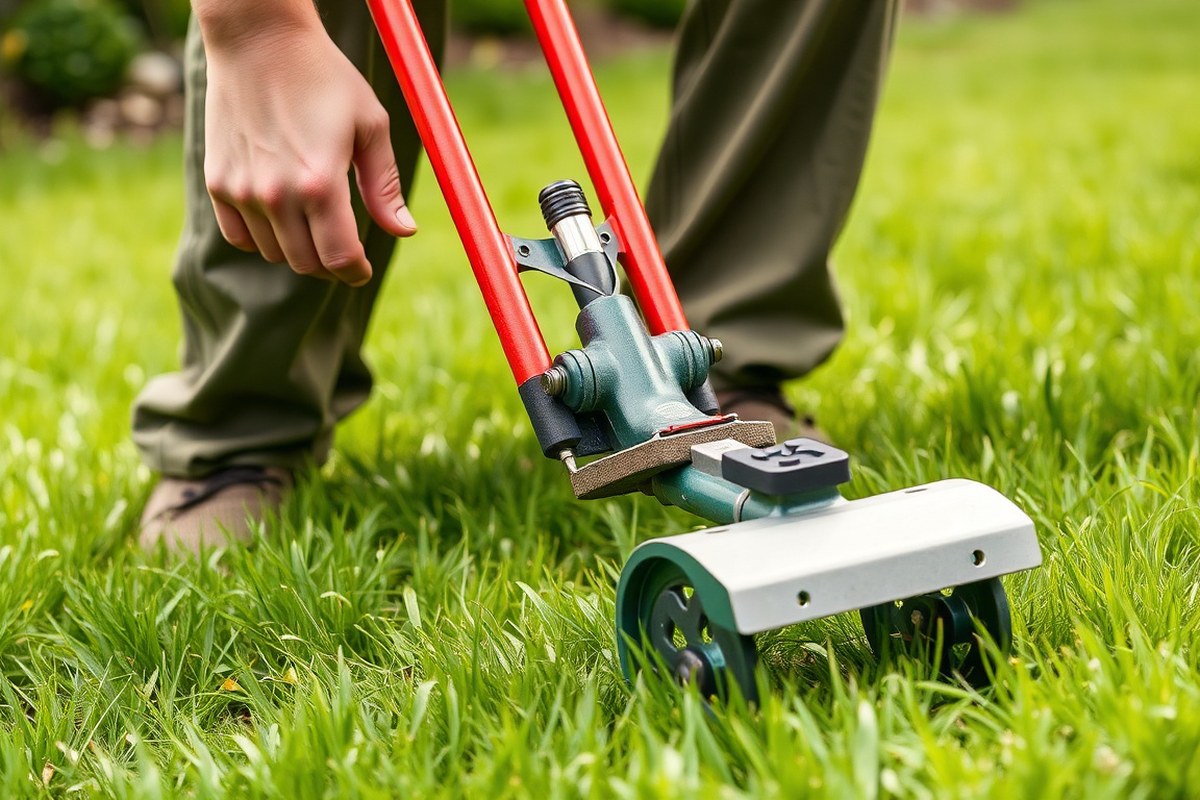
How to Aerate Your Yard: Complete Steps, Best Tools & Timing Explained
How to aerate your yard means loosening compacted soil so grass roots breathe better. The best way is to remove soil plugs 2 to 3 inches deep. Use a core aerator for this job.
It helps improve your lawn’s health. This lets air, water, and nutrients reach roots, improving lawn health and growth.
Start by watering your lawn a day before aerating to soften the soil. Make passes in straight rows, overlapping about 2 to 3 inches to cover every inch. Check holes are spaced about 3 inches apart for good penetration and aeration efficiency.
Without aerating, compacted soil can prevent water and nutrients from reaching roots. Poking holes with a spike aerator isn’t enough because it doesn’t remove soil plugs. Core aeration physically lifts plugs, fixing compaction and helping your grass grow stronger and greener.
Key Takeaways
- Water your lawn a day before aerating to soften the soil well.
- Use a core aerator to remove plugs 2 to 3 inches deep.
- Cover your yard in straight rows with 2 to 3 inch overlaps.
- Space aeration holes about 3 inches apart for even coverage.
- Spike aerators only poke holes and often fail to reach deep roots.
- Aerate once every 1 to 5 years depending on your soil condition.
How to Aerate Your Yard Step-by-Step
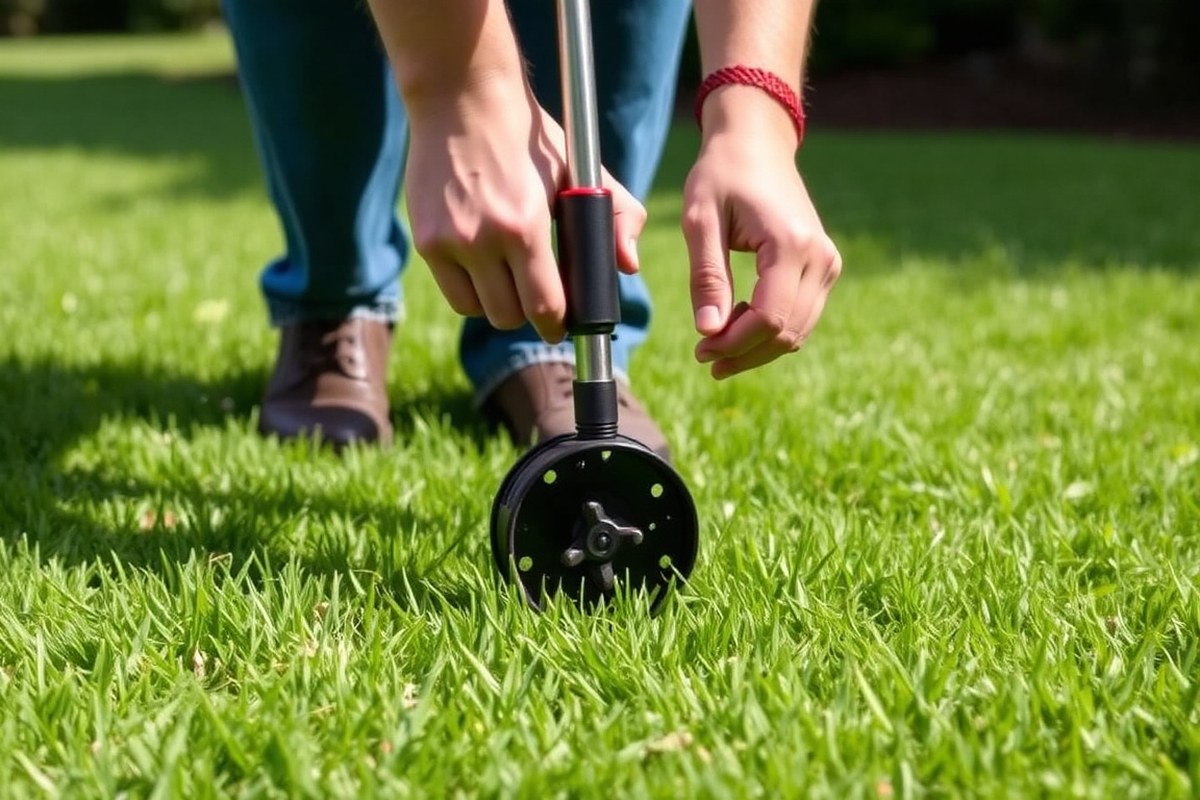
Aerate your yard by making small holes 2 to 3 inches deep. Use a core aerator when possible to remove soil plugs and reduce compaction. Follow these steps to prepare your lawn for aeration.
Learn how to use the aerator correctly. Then, care for your lawn right after aeration.
Preparing Your Lawn for Aeration
Mow your grass shorter than usual so the aerator can reach the soil easily. Mark any underground utilities or sprinkler heads to avoid damage when aerating.
Water your lawn deeply about a day before aeration. Soften the soil but avoid making it muddy or soggy.
Hard or dry soil makes aeration tough. Wet soil can clog tools and cause uneven holes. Plan to aerate after light rain or irrigation to get a slightly damp surface.
Using Aeration Tools Correctly
Choose your tool based on lawn size and soil type. Core aerators pull out plugs 2 to 3 inches deep.
They work best on clay or hard, compacted soil. Manual core aerators work for small lawns, while rental machines suit larger yards.
Operate the aerator in a consistent grid pattern. Space holes about 2 to 3 inches apart to cover the entire lawn.
Avoid spike aerators on heavy soil, as they may cause more compaction. Pull plugs up and leave them on the surface.
Post-Aeration Immediate Actions
Leave soil plugs on your lawn. They break down naturally in 1 to 2 weeks.
Avoid heavy foot or machine traffic for a few days to keep holes open. Water your lawn to help roots absorb nutrients through the new holes.
Don’t remove soil cores; they return nutrients and improve soil structure. Plan to mow after the plugs crumble but avoid mowing immediately after aeration. This lets your lawn recover and take full advantage of better soil air flow.
- Mow your lawn shorter than usual.
- Mark underground utilities and sprinkler heads.
- Water your lawn the day before aerating.
- Choose a core aerator for best results.
- Operate aerator in a grid to space holes evenly.
- Leave soil plugs on the surface post-aeration.
- Avoid heavy traffic on the lawn for a few days.
- Water your lawn soon after aerating.
When Is the Best Time to Aerate Your Lawn?
The right time to aerate your lawn depends on grass type in your yard. Warm-season grasses benefit from aeration in late spring to early summer.
Cool-season grasses should be aerated during early spring or early fall. Aerating during your grass’s growing period helps it recover and thicken faster.
Timing for Warm-Season Grasses
Warm-season grasses like Bermuda, zoysia, and centipede thrive during hot months. Aerate these lawns in late spring or early summer when they start growing fast. Aerating too early or late can stress the grass or slow down healing.
Moist soil works best for aeration. Check the soil by squeezing a handful; it should be damp but not muddy. This makes pulling soil cores easier and less damaging.
Timing for Cool-Season Grasses
Cool-season grasses like Kentucky bluegrass, fescue, and ryegrass grow actively in cooler temperatures. Aerate them either in early spring or early fall. Fall is usually better because it supports quicker recovery before winter dormancy.
Plan to aerate during the best time to overseed your lawn. Match the aeration with when you spread new grass seed.
This timing improves seed-to-soil contact for better grass growth. This helps new seeds settle into the aerated soil and improves germination.
How Soil Type Affects Aeration Frequency
Different soils need aeration at different intervals. Clay soils should be aerated once or twice a year because they compact easily. Loam soils do well with annual aeration, usually in fall.
Sandy soils only need aeration every 2 to 3 years. These soils drain well and don’t compact easily.
That reduces how often you must aerate. Mixed or varied soils should be judged based on the dominant type.
Aerate Only When the Grass Is Growing
It helps to aerate only while the grass is actively growing. Aerating when grass is dormant can harm its roots and slow recovery. Strong growth means the grass quickly fills in aeration holes.
Check soil moisture before you start. Soil should be moist enough to pull clean cores, which improves aeration’s effectiveness.
How Often Should You Aerate?
Aerating your lawn every 1 to 5 years prevents soil from becoming too compact. It improves water and nutrient flow for thicker grass. Avoid aerating too often without signs of compaction, as it may stress your lawn.
Use the following decision rule to decide your aeration schedule:
| Soil Type | Aeration Frequency |
|---|---|
| Clay soil | Once or twice a year |
| Loam soil | Once a year, usually fall |
| Sandy soil | Every 2 to 3 years, as needed |
| Compact soil (all types) | Twice a year or as needed |
| Mixed soil | Assess based on dominant soil type |
Only aerate when your soil is moist enough to pull clean cores. Dry or overly wet soil will reduce aeration benefits.
Signs Your Lawn Needs Aeration Now
Your lawn shows clear signs when it needs aeration. Compact soil prevents water, air, and nutrients from reaching grass roots. This can cause uneven growth and patchy, discoloured grass.
Lawn compaction often results from kids and pets running outside. It squeezes soil particles tightly, stopping roots from spreading deep. Over time, this weakens your lawn, makes watering less effective, and invites weeds.
Aeration also helps if your lawn feels waterlogged after rain. Compacted soil drains poorly, so water pools and suffocates grass roots. Piercing holes relieves this by improving drainage and oxygen flow.
- Grass looks patchy, thin, or uneven across the yard
- Hard soil that’s tough to push a screwdriver or aerator into
- A thick layer of thatch over a half-inch deep blocking nutrients
- Puddles or soggy spots that drain slowly after rain
- Discoloured grass, yellow-ish or dull green, showing stress
- Footprints or pet tracks that remain sunken or slow to bounce back
Thatch is a natural layer of old grass. But when it gets thicker than half an inch, your lawn needs aeration.
Aeration breaks up thatch and stops it from blocking important nutrients. Combining core aeration with spreading sand after can help fix soil prone to staying soggy.
Costs vary if you hire a pro, especially for large yards or heavy clay soil. Doing it yourself by hand works too, but it takes more effort.
After aerating, watering your lawn helps grass absorb water and nutrients through the new holes. Healthy soil improves root growth, making your lawn greener and thicker over time.
Comparing Aeration Methods and Tools
The best way to aerate your yard depends on your soil, lawn size, and budget. Core aerators pull plugs of soil, creating bigger gaps that help grass roots breathe.
Spike aerators puncture holes but don’t remove soil. So they work in some cases but might compact the ground.
Core Aeration Details
Core aerators pull out 2 to 3-inch soil plugs. These plugs are spaced 2 to 4 inches apart. This helps loosen soil and improves air flow.
These holes improve air, water, and nutrient flow better than spike aerators. Expect some mess as soil plugs scatter on your yard. Just let them break down naturally or rake lightly.
Using a core aerator machine requires soft ground for good results. Run it over the lawn in two directions like mowing to cover the area evenly. Rental machines or manual core aerators cost about $30.
They are a good buy if you aerate yearly. You save money over time compared to hiring help.
Spike Aeration Overview
Spike aerators use a solid metal spike to poke holes into the soil without removing plugs. They work well on lawns that are less compacted and need some ventilation. They’re less effective on heavy or clay soils because they can compact the soil more.
These aerators come as manual or small walk-behind models. They are affordable and quick to use for small yards. Perfect for homeowners who want to do it themselves.
Use them when core aeration is not possible. But avoid if soil is hard or very compacted. Spike aerators leave less mess and no plugs on the lawn.
Liquid Aeration Explanation
Liquid aeration uses a sprayed solution containing acids that break down compacted soil over time. You can apply it easily with a garden sprayer. It works well on slightly compacted lawns or small patch jobs.
It helps improve soil and water penetration there. The effects take weeks and don’t create holes as core or spike aerators do.
This method suits homeowners who want low-effort aeration or have trouble using tools. It costs less than renting a machine but won’t replace core aeration when heavy compaction exists. Applying liquid aeration in early spring or fall maximizes soil absorption.
Manual Tools and Their Use Cases
Manual aerators include spike tools, hand-held core aerators, and garden forks. They cost around $30 and are a solid choice for small areas or spot fixes. A manual core aerator removes plugs like machines but requires more effort and time.
Manual spike aerators only poke holes and don’t remove soil plugs. So they’re less effective on compacted lawns. You can use a garden fork to poke holes for aeration.
It’s best for tiny spots or lightly compacted soil. For bigger areas, a core aerator works better. Use manual tools when your yard isn’t large enough for machines or rental costs are high.
Ensure the soil is soft before using any manual tool. Follow the directions on how deep to aerate, usually 2 to 4 inches.
This depth helps without hurting your grass roots. Correct depth improves the lawn’s health after aeration.
| Aeration Method | How It Works | Best Use Cases | Approximate Cost | What to Expect |
|---|---|---|---|---|
| Core Aeration | Removes soil plugs 2-3 inches deep | Compact soils; large and small lawns | Rent machine ~$50/day; manual $30 | Soil plugs left on lawn; improves air/water |
| Spike Aeration | Punctures holes without removing soil | Light compaction; small yards | Manual $20-$30; small machines rental $40 | No plugs; less air flow improvement |
| Liquid Aeration | Sprayed solution breaks down soil chemistry | Light compaction; spot treatment | $15-$30 per treatment | No holes; slow results |
| Manual Tools (Fork, Hand Aerator) | Pokes or pulls small holes in soil | Small areas; spot fixes | About $30 for core aerator | Time-consuming; requires effort |
Check your aerator type if it doesn’t pull plugs well. Make sure it is a core aerator made for plug removal. This helps give your lawn the right aeration.
Make sure soil is moist but not soggy, dry soil makes plug removal hard. Also, inspect the tines for damage or dirt buildup that might block soil removal.
Choosing the right aeration method depends on your lawn’s size, soil, and how compacted it is. Core aeration gives the best overall results.
Spike and manual tools are good for lighter compaction or small areas. Liquid aeration can help but won’t replace physical aeration methods when soil is very compacted.
How Often Should You Aerate Based on Soil and Lawn
Your lawn’s soil type and use decide how often to aerate. Lawns with heavy foot traffic get compacted soil quicker and usually need annual aeration. Sandy soil drains well.
You only need to aerate every two or three years. This type of soil stays loose naturally.
Not every lawn must be aerated every year. Soil that feels dense or blocky benefits from more frequent aeration. You should aim for moist soil when aerating.
Water your lawn well the day before or aerate soon after rain. That softens the ground and makes the job easier.
| Soil Type or Lawn Condition | Aeration Frequency |
|---|---|
| Clay or compacted soil with heavy foot traffic | Once every year |
| Sandy soil with good drainage | Once every 2 to 3 years |
| Normal soil with light foot traffic | Every 1 to 2 years, or as needed |
| Lawn with new grass or overseeding planned | Before overseeding, along with watering every few days for 2 weeks |
Aerating lets water soak past the surface and reach roots better. You can fertilize or add soil amendments right after aeration when the holes are open. This helps nutrients get deeper into the soil.
Your lawn is dry and hard. Avoid aerating because it won’t work well. It can also damage your tools.
Water your lawn with about an inch the day before aeration to soften the soil.
Count on aerating more often if your yard gets lots of use. Otherwise, check your soil and grass health each year to decide if aeration’s needed. After aerating, keep watering regularly for about two weeks to help recovery.
You need to know the right time to aerate. Check your soil type first. This helps you avoid wasting effort or damaging dry soil.
Best Practices After Aerating Your Lawn
Aerating your lawn opens the soil, letting air, water, and nutrients reach the grass roots. Right after aeration, watering is key. Water the lawn deeply but lightly within 24 hours.
This helps the soil settle well. It also feeds the roots properly.
Avoid soaking the lawn too much. Aim for about 1 inch of water over several sessions per week.
Fertilizing after aeration promotes healthy growth. Use a light layer of fertilizer that matches your grass type. This step encourages roots to grow deeper.
For patchy lawns, overseeding right after aerating improves density. The holes help seeds make good contact with soil, boosting germination.
- Water the lawn moderately right after aerating, then every 2, 3 days.
- Fertilize lightly with a slow-release formula suited for your grass.
- Overseed immediately if your lawn shows bare spots.
- Mow only when grass reaches about 3 inches tall after aeration.
- Keep heavy traffic off the lawn for a few days to allow recovery.
Start watering a day or two before aeration if there’s no rain forecast. This softens the soil for easier aeration without making it soggy. After aerating, watering helps grass stay hydrated and supports seed growth if you overseed.
Resist mowing for a few days until grass stabilizes. Heavy fertilizing or overseeding means your lawn may need more water.
Good lawn care after aeration supports your investment. Light fertilizing avoids burning new roots. Overseeding increases grass coverage especially in thinner lawns.
Watering enough but not too much avoids root rot or drought stress. Check your lawn for new growth over two weeks. Adjust watering or mowing as needed.
Common Aeration Mistakes and How to Fix Them
A common mistake is aerating when the soil is too dry or too wet. Dry soil causes the aerator tines to bounce, doing little good. Wet soil can lead to compaction and ruts, crushing the benefits of aeration.
Overusing spike aerators can also damage your lawn. These tools have solid tines that jab the ground without removing plugs. Use spike aerators only on loose or soft soil.
This avoids packing soil more. Save spike aerators for light aeration jobs only.
Some aerators don’t remove plugs but just poke holes. Core aerators remove plugs, creating bigger openings for air and water.
Your machine may just poke holes and not pull plugs. That won’t work well on heavy clay or hard soil.
- Don’t aerate if the soil is bone dry or soaked. Wait for moist but firm ground
- Use a core aerator for heavy clay or thick lawns. Spike aerators suit light cases
- Allow soil plugs to dry fully after aerating, then break them up for a tidy yard
- Limit spike aerator use to avoid soil compaction and stress on grass roots
- Plan aeration during growing seasons to help your lawn recover faster
Aerating dry or wet soil won’t give you good results, so check moisture first. Water the lawn a day before if dry or wait a few days after rain. Look for soil that feels like a damp sponge, not muddy or rock-hard.
Your aerator should pull out plugs. Otherwise, rent or buy a core aerator. Renting these devices costs $70 to $150 daily.
Buying new ones costs $200 to $400. These prices help you decide what fits your budget. They make holes deeper and wider, improving soil oxygen and drainage.
After aeration, soil plugs should dry for a few days. Break up the plugs using a rake or a lawn mower with a bagger attachment. This step lets nutrients reach roots evenly and keeps your lawn looking neat.
When to Hire a Professional for Lawn Aeration
Call a professional for lawn aeration if your yard is very large or has tough soil. Professionals use heavy-duty machines that dig deeper and cover more ground faster than DIY tools.
You have compacted soil, thick thatch, or lots of weeds. A pro can reach harder spots and give better results.
Decide to hire help if you lack the right equipment or time. Renting an aerator costs between $50 and $150 per day.
Professionals usually charge $75 to $200 to aerate an average-sized lawn. You save time and effort, but weigh that against the cost before booking service.
Here’s a quick checklist: your lawn is over half an acre. The soil feels hard or crusty. You notice water pooling after rain.
Previous aeration left holes uneven. Also, call before digging to mark underground cables by dialing 811. Professionals know this step but you should confirm it’s done.
Professional aeration differs from DIY mainly in machine power and expertise. Pros often use core aerators that remove plugs of soil, helping roots breathe better. Manual aerators poke holes without removing soil.
They work for minor compaction but not heavy clay. They are not good for large lawns.
Good results show healthy, green grass that grows evenly with fewer dry patches. Boundaries look clear, and water soaks in quickly.
Poor results show as patchy grass and muddy or dry spots. Water sits on the surface and doesn’t drain well.
Wear sturdy shoes and avoid aerating wet soil to prevent damage to your lawn and aerator.
Step-by-Step Action Plan for Aerating Your Lawn
Follow these clear steps to aerate your yard right and see improvement fast.
- Before You Start: Check if your lawn shows compaction signs. Look for water pooling or thin grass areas.
- Day 1: Mow your lawn short to make aeration easier. Remove any debris for clear access.
- Day 2: Water your lawn lightly the day before aeration. Moist soil is easier to pierce.
- Day 3: Choose your aeration tool based on soil type. Use a core aerator for compacted soil.
- Day 3: Aerate across the yard in overlapping passes. Ensure you cover the whole lawn.
- After Aeration: Leave soil plugs to break down naturally for better soil health.
- Within One Week: Fertilize and water your lawn to help grass recover and grow.
- Weeks 2 to 4: Watch for signs of greener, thicker grass. Spot aerate again if needed.
Frequently Asked Questions
Can I Aerate My Yard If the Soil Is Dry?
No, dry soil is too hard for aeration. Water your lawn a day before so the soil softens well.
Is It Better to Aerate Before or After Fertilizing?
Aerate first to help nutrients reach the roots. Fertilize right after for best absorption and greener grass.
Can I Aerate Just Part of My Lawn Instead of the Whole Yard?
It’s best to aerate the entire lawn evenly. Aerate in straight rows with some overlap to cover all areas well.
Does Using a Spike Aerator or a Core Aerator Work Better?
Core aerators pull out soil plugs, which improves air and water flow more. Spike aerators just poke holes without removing soil.
Can Aeration Damage My Lawn If Done Too Often?
Yes, frequent aeration can stress grass blades and roots. Aerate every 1 to 5 years depending on your lawn’s soil type.
What Should I Do with the Soil Plugs Left on My Lawn?
Leave the plugs on the surface; they break down naturally. This returns nutrients back to your lawn as they decompose.
Key Points to Remember
Aerating your yard brings air, water, and nutrients back to your soil. It helps grass grow stronger and healthier. Try the first step today by checking your lawn’s condition closely.