What Does a Money Tree Look Like? Key Features and Visual Guide
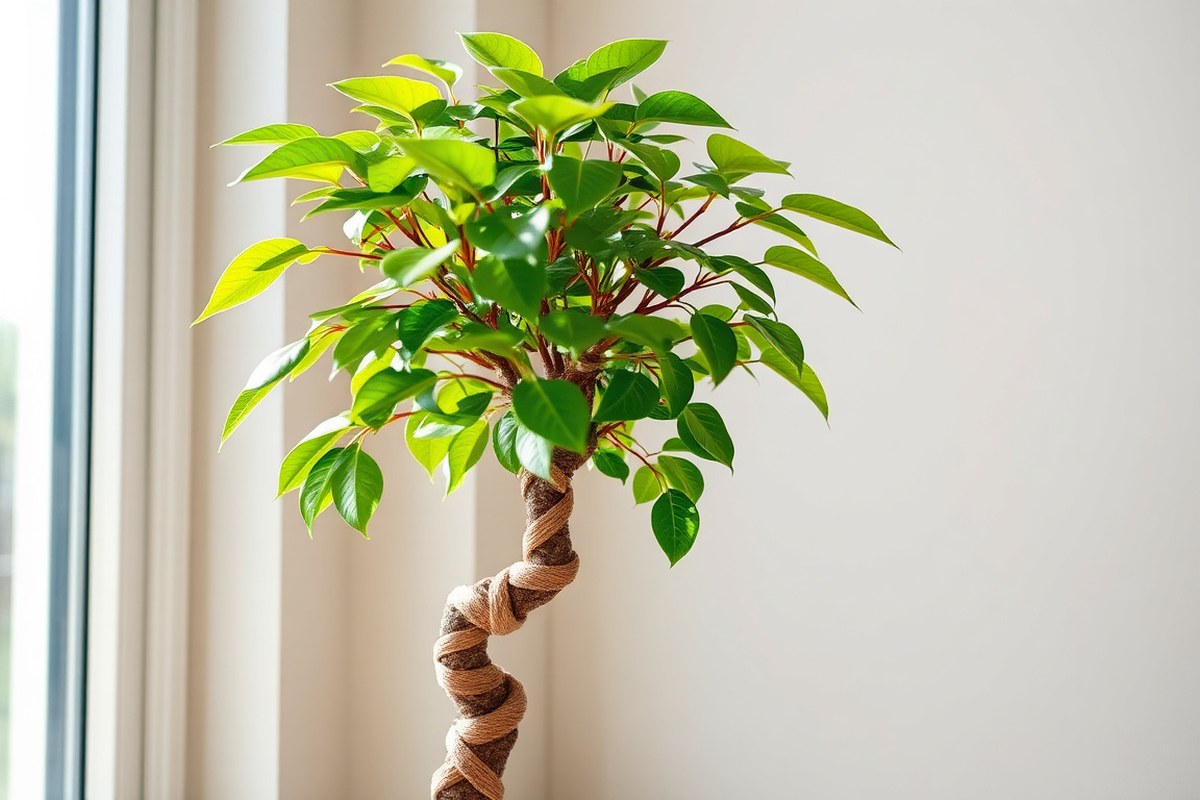
What does a money tree look like? This tropical plant has a unique braided trunk and glossy green leaves. Indoors, it grows 1 to 6 feet tall.
Its shiny leaves look like palms. They come in groups of five.
Money trees often have a thick, woody stem that you might see braided together. This feature not only looks cool but also helps support the plant as it grows upward. You’ll notice its leaves have smooth edges and a bright green color that signals health.
Place your money tree where it gets 4 to 8 hours of indirect sunlight. This helps it thrive. Avoid direct sunlight.
Brown or dropping leaves mean your plant needs changes. Check its light and watering. Adjust as needed to help it recover.
Key Takeaways
- Money tree leaves grow in groups of five with smooth, shiny surfaces.
- The braided trunk adds support and is a common indoor money tree feature.
- Indoor money trees can reach up to six feet tall with proper care.
- Provide 4 to 8 hours of indirect sunlight for a healthy appearance.
- Brown or dropping leaves usually indicate a problem with light or water.
- Humidity between 50-60% helps money trees look their best indoors.
What Does a Money Tree Look Like Indoors and Outdoors?
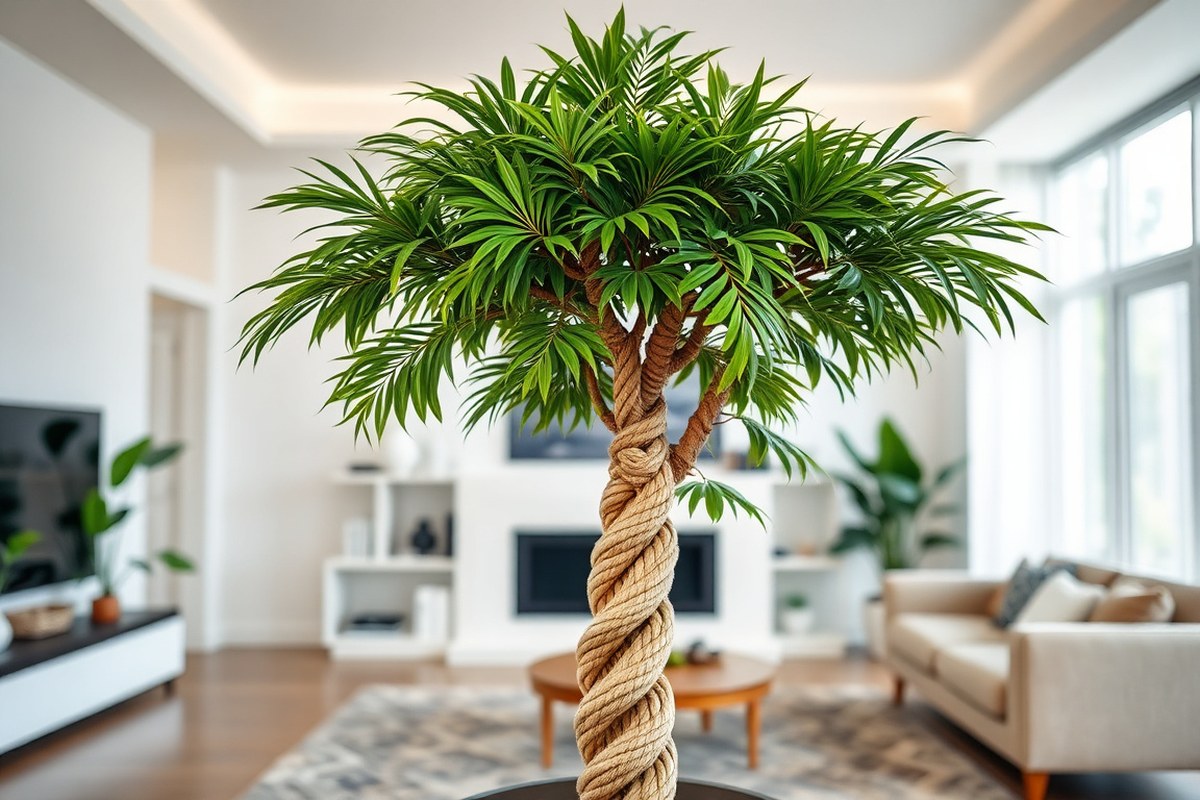
The money tree has a unique look you can spot quickly. Indoors, it usually stands 3 to 6 feet tall. Its trunk often shows the familiar braided pattern made from several young stems woven together.
The leaves are shiny, bright green, and palm-shaped. Each leaf consists of five to seven smaller leaflets spreading out like fingers. This gives the plant a tropical, lush appearance that’s very appealing inside homes.
Outdoors, Money trees can grow tall. They reach 30 to 60 feet. This happens in their native habitat.
Their trunk is thicker and may be single or multi-stemmed, not braided like indoor versions. The leaves usually have five to nine leaflets.
These leaflets have a larger surface area. The size is bigger than indoor plants.
Outdoor money trees may bloom, producing yellow flowers with red stamens. They also develop woody capsules containing edible seeds. Indoor plants rarely flower or bear fruit because of their limited size and reduced light.
Growing conditions affect size indoors. Good light, a proper container, and occasional pruning let the money tree reach about 6 feet.
Growth is slow, about 6 to 12 inches per year. So it may take a few years to reach full indoor size.
Young money trees you find in stores often stand just 6 to 12 inches tall. They have a flexible green stem ready for shaping. You can prune these to encourage the classic braided trunk or let them grow straight.
How to Identify a Money Tree by Its Leaves and Leaflets
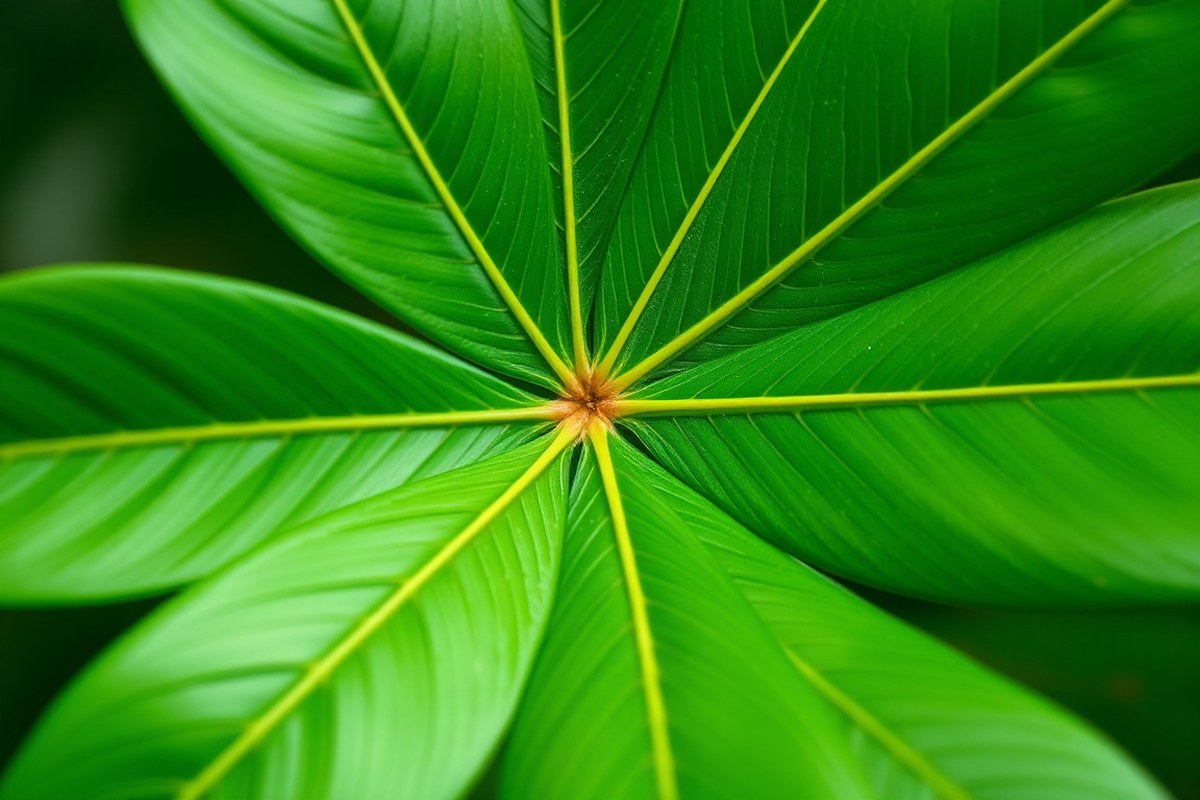
The money tree’s leaves have a unique look you can spot easily. Each leaf is made up of several leaflets, arranged like fingers spreading from a palm. These leaflets have shiny, waxy textures and a distinct shape that set the money tree apart.
Leaflet Number and Shape Details
A typical money tree leaf has five leaflets, shaped like elongated ovals. Sometimes, you’ll see leaves with seven leaflets, especially on outdoor-grown plants. Each leaflet joins at one central point on the petiole.
This makes the leaf look like a hand. This is called a palmate shape.
Your money tree’s leaflets are elliptical and slightly pointed at the end. This shape helps the plant catch more sunlight efficiently.
With most mature indoor plants, expect five leaflets per leaf. But seven leaflets mean vigorous growth and can be a lucky sign.
Leaf Texture and Color Variations
Money tree leaflets often look glossy and waxy. They shine smoothly like they have a smooth coat.
This waxy texture helps stop water loss and protects the plant in its natural tropical setting. The color ranges from deep emerald green to a lighter chartreuse shade, signaling a healthy plant.
When the leaves grow in lower light, they may turn a bit darker green. Bright lighting can bring out lighter, brighter shades.
Look for dull or yellow tones on the leaves. These signs usually mean the plant needs better care.
Differences from Similar Houseplants
Money tree leaves have 5 to 7 leaflets in a palmate pattern. Jade plants have thick, opposite, oval leaves instead.
Pachira glabra also has palmate leaves but they are narrower and less glossy. Pennywort leaves are simple, round, and single, lacking the multiple leaflets of money trees.
Here’s how to distinguish money tree leaves from these lookalikes:
- Money tree leaflets spread from a single point, forming a hand shape
- Leaves are glossy and waxy, unlike the thick matte leaves of jade plants
- Money tree leaflets are oval and elongated, Pennywort leaves are round
- Jade plants have opposite leaf arrangement, money trees are palmate
- Pachira glabra leaflets are narrower and less shiny than money trees
Knowing leaf details helps avoid confusing your money tree with these common houseplants.
Check the number of leaflets on each leaf to spot a real money tree quickly.
What Is the Significance of the Braided Money Tree Trunk?
Money trees have braided trunks. Growers weave several stems together. This creates a striking look.
Braiding also ties to good luck and fortune, making these plants popular gifts. The braided trunk adds to the plant’s charm and requires some care attention.
Reason Behind Braiding the Trunk
Braiding is mainly symbolic, said to lock in health, wealth, and happiness. It links to Feng Shui ideas where the braided trunk shows intertwined fate. The five leaflets also mirror the five natural elements.
The trunk is more than decoration. It shapes the tree’s personality and gives it strength. Garden centers sell money trees already braided to charm buyers.
Typical Number of Braided Stems
Most braided money trees have between 3 and 5 trunks woven together. Some might have as few as 2 or as many as 8 stems. Each trunk grows independently, so one stem might fade while others stay healthy.
The number you see often depends on the nursery or grower. More stems mean a thicker, more eye-catching trunk.
Braiding Process and Timing
Braiding needs young, flexible stems so they don’t break. Growers start braiding when the stems are still supple and about 1 to 2 feet tall. Early spring is best since the plant is actively growing.
Follow these steps to braid money tree trunks:
- Select 3 to 5 healthy, flexible stems about a foot tall.
- Gently bend the stems together at their base.
- Cross the outer stems over the center stem evenly.
- Continue twisting the stems upward without forcing them.
- Use soft ties or twine to secure the braid every 6 to 8 inches.
- Check regularly to loosen ties that might girdle the plant.
- Prune any damaged or tangled stems for neatness.
- Keep the plant in indirect light and water when soil feels dry.
The braid can take weeks to settle as the stems stiffen. Avoid tight ties that pinch or damage the bark. Be gentle to keep the tree healthy while it grows into its braided form.
How Lighting and Environment Influence a Money Tree’s Appearance
Bright, indirect light keeps your money tree’s leaves deep green and thick. It encourages even spacing between leaves, which helps the tree look full and healthy. Low light makes leaves smaller and paler.
The tree grows stretched for light. Leaves also get spaced farther apart.
Keep your money tree where it gets 4 to 8 hours of bright, indirect light daily. A spot three feet from a south-facing window with a sheer curtain works well. Avoid harsh afternoon sun.
Direct rays burn leaves brown. This damages your plant.
High humidity, above 60%, makes the leaves feel smooth and lush. It helps new leaves grow larger and sturdier, supporting overall growth. Dry indoor air curls leaf edges.
Leaves may get crispy in winter heat. Growth often slows down too.
To maintain humidity, place a tray of water under the pot or use a room humidifier. Grouping plants also raises local humidity, benefiting your money tree. Misting the leaves can help a bit but won’t replace consistent humidity control in drier rooms.
Money trees grow best between 70°F and 85°F. This keeps leaves bright. Temperature helps steady growth. Temperatures below 60°F slow growth and may cause leaf drop or discoloration.
Avoid cold drafts and sudden chills. Temperatures below 41°F can harm leaves and roots. Cold stress damages your plant.
Keeping the temperature steady during day and night helps the tree stay healthy. Your home may get chilly at night. Move your money tree closer to heat sources.
Don’t place it directly on heat. This keeps the leaves from turning dull or dropping off.
Lighting, humidity, and temperature all work together to shape your tree’s look. Balancing these helps the leaves stay large, rich green, and tightly spaced.
Poor conditions cause small, pale, or sparse leaves and stunted growth. Watch your plant closely and adjust its environment to keep it thriving and looking its best.
Visual Differences Between Pachira Aquatica and Similar Species
Pachira aquatica, known as the true money tree, stands out with its braided multi-trunk look. This sets it apart from similar plants, which usually have single straight trunks. The money tree’s leaves spread out like fingers from one spot.
Each leaf has five wide leaflets. They are palmate in shape. Some look-alikes have narrower or fewer leaflets.
Flowers also help you tell these species apart. Pachira aquatica’s flowers open at night. They attract bats instead of daytime pollinators.
This is different from most similar plants. The money tree flowers have long, thin white stamens.
They look like a mop. These flowers stand out compared to simpler tree flowers.
| Trait | Pachira aquatica (Money Tree) | Similar Species |
|---|---|---|
| Trunk | Often braided, multiple trunks twisted together | Typically single, straight trunk |
| Leaves | Palmate with 5 broad leaflets | May have narrow or fewer leaflets |
| Flowering Time | Nocturnal, bat-pollinated, long white stamens | Daytime blooms, simpler flowers |
| Native Habitat | Tropical wetlands of Central and South America | Varies, often not wetland species |
| Growth Habit | Can grow tall but usually kept small indoors | Sizes and shapes vary widely |
Looking closely at trunk shape and leaf patterns gives you the clearest ID. Braided trunks often mean it’s a Pachira aquatica.
The leaflets’ broad shape and spread confirm it. Flowers matter mostly outdoors or to experts because they only bloom in ideal conditions.
Watch for single trunks and narrow leaflets, they usually mean it isn’t a true money tree.
How to Recognize Healthy Money Tree Leaves and Signs of Stress
Money tree leaves should look bright green, glossy, and firm. New leaf buds stay tightly furled before opening. The leaves’ surface should be smooth with no yellow spots or brown patches.
Stems supporting the leaves must feel firm, not soft or wrinkled. Healthy stems usually have a uniform green color without any streaks.
When leaves start yellowing, browning, or dropping, your plant is under stress. Yellow leaves on new growth might mean cold stress, too much water, or less light. Losing more than 5 or 6 leaves during winter shows trouble.
A few leaves dropping each month in winter is normal. Older leaves fall because the plant grows slower in low light. This drop usually happens during colder months indoors.
Check these signs to know if your money tree needs care:
- Leaves fall off rapidly after watering means overwatering
- Yellow leaves near the bottom suggest poor soil drainage or root issues
- Browning leaf tips can mean low humidity or fertilizer burn
- Wilting or soft stems warn of root rot or cold damage
- Leaf drops right after moving it indicate adjustment stress
- New growth looks pale or small when light is insufficient
- Leaves developing spots or holes might be insect damage
Leaf drop can happen if you move your money tree abruptly. Give the plant two weeks to adjust to a new spot. Always move it slowly to avoid shock and monitor changes.
You can water your money tree from the bottom. Set its pot in a basin filled with water. Let it soak for about 20 minutes.
This helps roots soak gradually and prevents overwatering. Keeping the room temperature between 65 and 75 degrees Fahrenheit suits this tropical plant best.
Growth Stages and Typical Size of Indoor Money Trees
Indoor money trees grow about 6 to 12 inches per year under ideal conditions. They grow slower than outdoors due to less sunlight and space. Expect your tree to reach between 3 and 6 feet tall inside over a few years.
The leaves start small and bright green. As your money tree matures, the leaflets become larger and darker green. You’ll notice about five pointed leaflets spreading out from each stem growing over time.
Trunk development is noticeable too. Young money trees have thin, straight stems.
They gradually thicken and develop a braided look if trained that way. The braided trunk is more common with mature plants and adds to their charm.
Supporting growth depends on light and feeding schedules. Keep your money tree in a bright spot but out of direct sun.
Feed it with a balanced indoor plant fertilizer weekly in summer. Switch to every two weeks in fall and winter when growth slows.
Without enough light or food, growth stalls and leaves may yellow. Patience is key since money trees grow slowly inside. A steady routine for light and nutrition helps maintain steady, healthy growth for years.
How to Distinguish a Money Tree from Commonly Confused Plants
Money trees and money plants often get mixed up because of their similar nicknames. You can tell them apart by looking closely at their leaves, stems, and trunk shape. Each has distinct features that are easy to spot once you know what to check.
Leaf and Leaflet Comparisons
Money trees (Pachira aquatica) have shiny green leaves. Each leaf has 5 to 7 leaflets. These leaflets spread out in a fan shape.
The leaflets are long and narrow, about 4 to 6 inches, with smooth edges. Money plants (often Epipremnum aureum) usually have heart-shaped leaves. Their leaves are thicker and can show white or yellow variegation.
Also, money tree leaflets grow in a cluster on a single stem and space out evenly. Money plant leaves appear individually on long, climbing vines and don’t form clusters.
Stem and Trunk Characteristics
Money trees feature a unique thick trunk often braided or swollen at the base. This trunk adds to its charm and makes it stand out.
Their stems are firm and woody. Money plants have thinner, more flexible stems that climb or trail instead of standing upright.
Braiding is common with money trees to make the trunk look fuller and more decorative. You can tell by feeling if the trunk is hard and rough. Money plant stems feel softer like vines.
Growth Habit and Size Differences
Money trees grow upright with a bushy top. Indoors, they usually reach 3 to 6 feet tall. They can be pruned smaller for bonsai.
The space between leaf nodes is about 1 to 2 inches on new growth. Money plants spread by climbing or cascading.
They can grow several feet wide. Often, they need support like a trellis or pole.
Money trees keep their shape naturally and don’t vine. Money plants need trellises or hanging containers to trail properly. Bonsai money trees get regularly pruned to keep their size tight and proportionate to the pot.
- Money tree leaves: 5, 7 long, narrow leaflets in clusters
- Money plant leaves: heart-shaped, thick, often variegated
- Money tree trunk: thick, woody, often braided or swollen
- Money plant stems: thin, flexible vines growing upright or trailing
- Growth habit: money tree grows upright; money plant climbs or trails
- Node spacing: money tree has 1, 2 inch spacing on new shoots
- Pruning: money tree bonsai requires regular pruning to maintain size
Never confuse trailing money plant vines for money tree branches. This affects the care each needs.
Step-by-Step Action Plan to Recognize and Care for Your Money Tree
You can identify your money tree quickly and keep it healthy with these easy steps. Follow this plan to see results in just weeks.
- Day 1: Examine the leaves closely. Confirm they have five leaflets with smooth edges. This means you likely have a true money tree.
- Week 1: Check the braided trunk and note its firm texture. A solid braid shows good plant health and careful growth.
- Week 2: Place your plant near bright, indirect light. Observe if the leaves stay vibrant green. Dull leaves mean light needs adjusting.
- Week 3: Look for any yellowing or drooping leaves. This often signals overwatering or too little light. Adjust watering and light accordingly.
- Week 4: Measure your money tree’s height and compare it to typical indoor sizes (2-3 feet). Proper height means good indoor growth conditions.
- Month 2: Check your money tree’s leaves closely. Make sure they don’t look like those of umbrella plants. Confirm the leaf shape to avoid confusion. Only your plant should have that specific five-leaflet pattern.
Frequently Asked Questions
What’s the Difference Between a Money Plant and a Money Tree?
A money tree is called Pachira aquatica. A money plant can be different species. For example, a common money plant is Pothos.
Money trees have braided trunks and palmate leaves. Money plants usually vine and have heart-shaped leaves. They look quite different from money trees.
Where Is the Best Place to Put a Money Tree?
Place your money tree in bright, indirect light for the best growth. Avoid direct sunlight because it can burn the leaves.
Keep your plant away from drafts too. Sudden temperature changes can harm it as well.
How Long Will a Money Tree Last?
With good care, a money tree can live for many years, even decades. Some indoor money trees grow tall and stay healthy for 10 years or more.
How Do You Take Care of a Money Tree?
Water your money tree every 1 to 2 weeks and prune it in spring. You can bottom water it by soaking the pot for 20 minutes to hydrate roots deeply.
Can Money Trees Be Grown Outdoors?
Yes, but they need a warm, humid climate and plenty of shade. Outdoor money trees won’t survive frost or freezing temperatures.
How Often Should You Prune a Money Tree to Keep Its Shape?
Prune your money tree in spring when it grows actively to shape it. Regular pruning keeps the plant tidy and controls its size indoors.
Key Points to Remember
Your money tree has distinct leaves and a braided trunk that make it easy to spot. Keep an eye on light and water for healthy growth. Next, try moving your plant to find its best light spot indoors.