What Are the 3 Numbers on Fertilizer? A Complete Guide to NPK Ratios & Uses
What are the 3 numbers on fertilizer? These numbers show the percentages of nitrogen, phosphorus, and potassium by weight.
For example, 10-5-5 means 10% nitrogen, 5% phosphorus, and 5% potassium in the bag. This label helps you understand what nutrients you’re adding to your soil.
Each of these nutrients plays a key role in plant growth. Nitrogen helps leaves grow green and lush, phosphorus supports root and flower development, and potassium strengthens the plant’s overall health and resistance. Different plants and soils need different mixes of these nutrients.
Always check these numbers before buying fertilizer. Choose one that matches your garden’s needs to avoid overfeeding or nutrient shortages. Using the right fertilizer saves money and keeps your plants healthy without wasting product or harming the environment.
Key Takeaways
- The three numbers on fertilizer show nitrogen, phosphorus, and potassium percentages.
- Nitrogen promotes leafy growth, phosphorus helps roots and flowers develop.
- Potassium strengthens plants and improves drought resistance.
- Calculate nutrient amounts by multiplying fertilizer weight by the percentage.
- Pick fertilizers based on your soil test and plant needs.
- Organic fertilizers usually have lower nutrient percentages than synthetic types.
What Exactly Do the 3 Numbers on Fertilizer Mean?
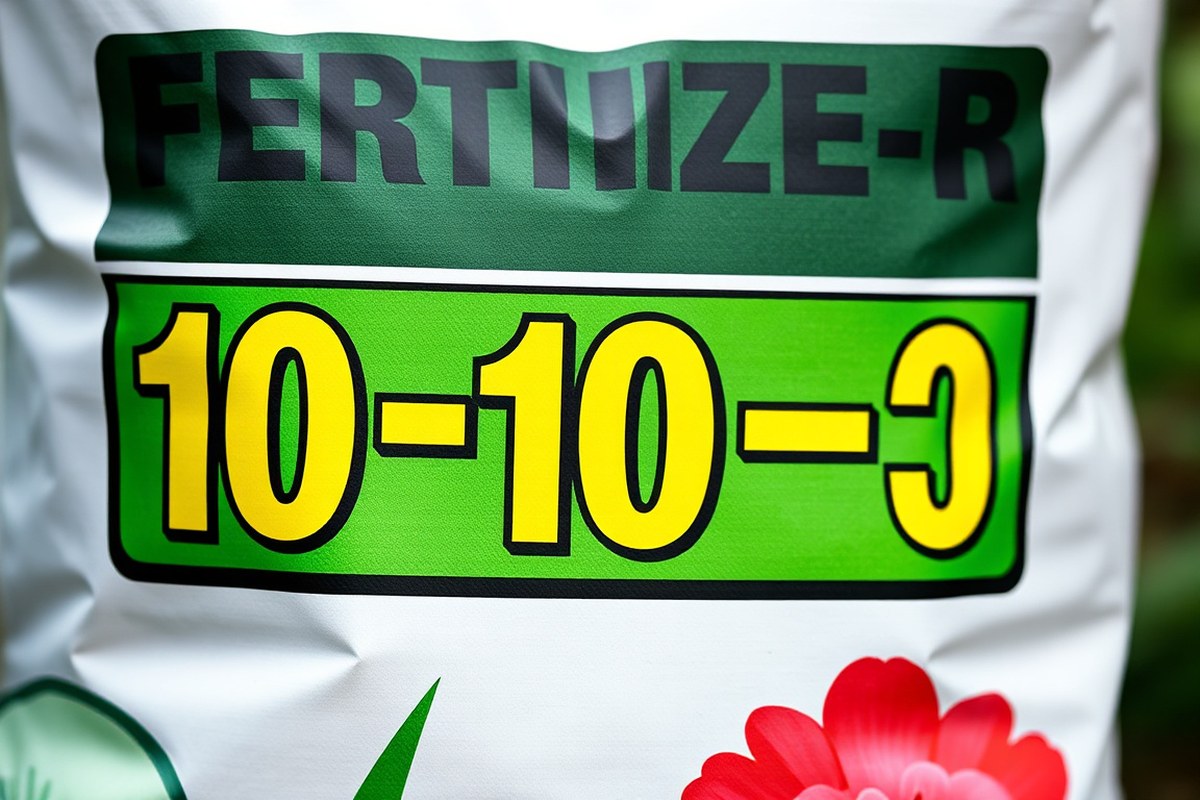
The three numbers on a fertilizer bag show the N-P-K analysis. N stands for nitrogen, P for phosphorus, and K for potassium. These are the main nutrients your plants need, listed in that order.
The numbers show the weight percentage of each nutrient in fertilizer. For example, 10-15-10 means 10% nitrogen, 15% phosphorus, and 10% potassium. So, in 100 pounds of this fertilizer, you’d get 10 pounds nitrogen, 15 phosphorus, and 10 potassium.
These percentages tell you the nutrient amounts delivered to your soil. A 20-5-10 bag contains 20% nitrogen, 5% phosphorus, and 10% potassium. Applying 50 pounds adds 10 pounds nitrogen, 2.5 phosphorus, and 5 potassium to your garden or lawn.
These numbers only show how much nutrient is in the fertilizer. They don’t tell how fast nutrients release into the soil. Nutrient availability can change depending on the fertilizer type and soil conditions.
Some fertilizers release nutrients fast, while others feed plants slowly over time. Also, if a number is zero, the fertilizer lacks that nutrient. For example, 32-0-5 has no phosphorus.
Understanding these numbers helps you choose the right fertilizer for your plants. You can compare ratios to match your soil’s needs and what your plants require.
For instance, an 8-8-8 fertilizer means the nutrients are in equal proportion. 5-10-15 means potassium is highest.
How to Calculate Actual Nutrient Amounts from Fertilizer Numbers
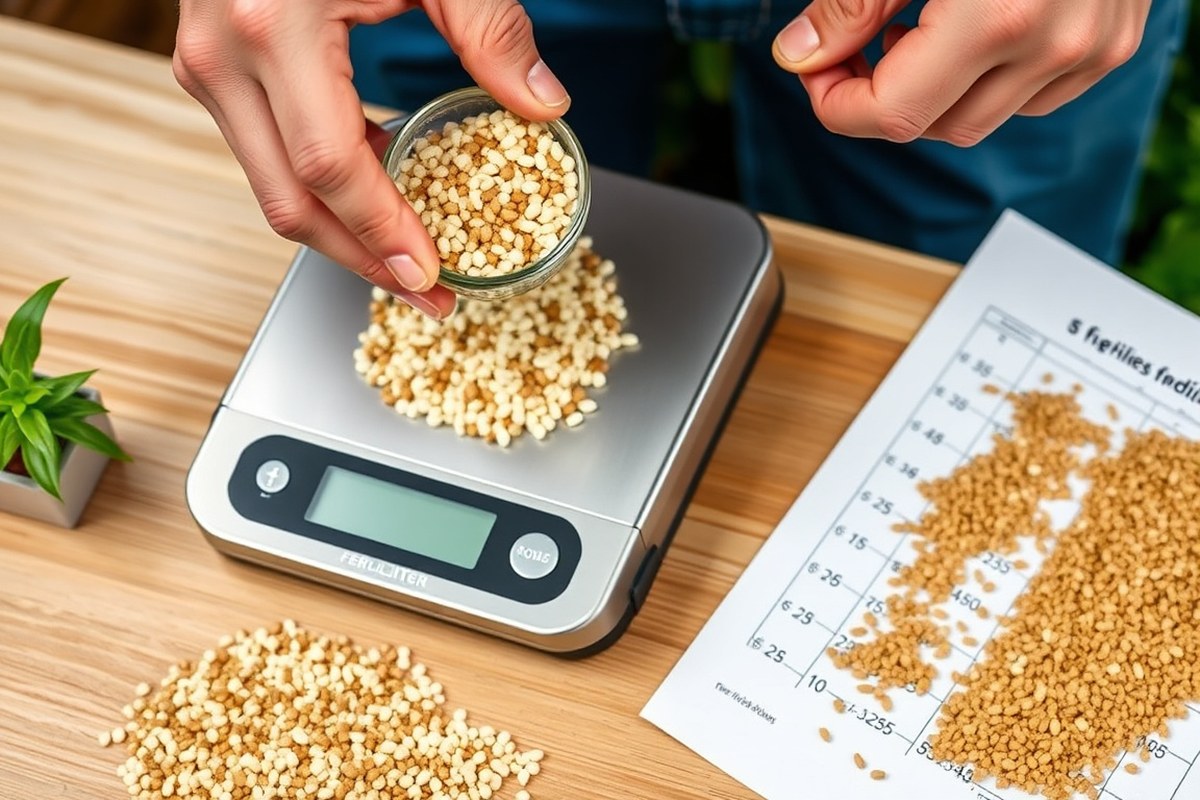
You can find the pounds of nitrogen, phosphorus, and potassium by looking at the label numbers. These numbers show how much of each nutrient is in the bag. This helps you know exactly what you’re applying to your garden.
Those numbers show the nutrient percentages by weight. Multiplying these percentages by the bag’s weight gives you the actual nutrient pounds.
Understanding Percentage Values in Fertilizer
Fertilizer bags show three numbers representing key nutrients: nitrogen, phosphorus, and potassium. These numbers give their percentage by weight in the mix. For instance, a 20-10-10 fertilizer means 20% nitrogen and 10% phosphorus and potassium each.
Knowing these percentages helps you apply the right amount of nutrients. This avoids overfeeding your plants or wasting fertilizer. Nutrient percentages always add up to less than 100 because fertilizers contain other ingredients too.
Step-By-Step Calculation Example for a Typical Bag
Calculating nutrient pounds is straightforward. You multiply the bag weight by each nutrient’s percentage as a decimal. Here’s how it works for a 50-pound bag with a 20-10-10 ratio:
- Identify the fertilizer numbers: 20-10-10 (N-P-K).
- Convert percentages to decimals: 20% = 0.20, 10% = 0.10.
- Multiply bag weight by nitrogen decimal: 50 × 0.20 = 10 pounds nitrogen.
- Multiply bag weight by phosphorus decimal: 50 × 0.10 = 5 pounds phosphorus.
- Multiply bag weight by potassium decimal: 50 × 0.10 = 5 pounds potassium.
- Record the nutrient amounts: 10 lbs N, 5 lbs P, 5 lbs K in the bag.
Always double-check calculations before fertilizing to avoid nutrient overload.
Adjusting Calculations for Different Bag Sizes
You can use the same method for bags of other weights. For example, a 30-pound bag of 24-0-6 fertilizer contains 30 × 0.24 = 7.2 pounds of nitrogen. Potassium in that bag is 30 × 0.06 = 1.8 pounds.
The process stays the same regardless of bag weight or fertilizer numbers. Just multiply the decimal form of the nutrient percentage by the bag’s weight. This lets you compare nutrient amounts easily across brands and sizes.
What Roles Do Nitrogen, Phosphorus, and Potassium Play in Plant Growth?
Nitrogen fuels leaf and stem growth, making plants lush and green. It helps plants build strong blades and foliage for photosynthesis. Using a high-nitrogen fertilizer like 16-4-8 helps plants grow green.
Nitrogen mainly supports leafy plants such as lettuce and grass. This fertilizer boosts green growth effectively.
Phosphorus promotes root development and flower production. It supports energy transfer and helps plants set strong roots and blossoms.
Fertilizers with higher phosphorus work well for bulbs and flowering plants. But won’t improve leaf growth much.
Potassium strengthens plants, helping them resist stress and disease. It improve overall toughness, improves drought tolerance, and supports fruit quality. A fertilizer with enough potassium helps plants stay healthy under stress.
It also supports full development of flowers and fruits. Potassium is important for strong, productive plants.
When choosing fertilizer, consider your plant’s needs, green growth, root strength, or flowers. For leaf-heavy plants, pick one higher in nitrogen.
For root crops or flowering plants, look for more phosphorus and potassium. Balancing these three nutrients correctly supports strong, healthy plants throughout their life.
Choosing the Right Fertilizer Numbers Based on Plant Type and Soil
Choosing the right fertilizer numbers depends on what plants you’re growing and the soil you have. You want to match the N-P-K (nitrogen, phosphorus, potassium) ratio to your plant’s needs.
For example, lawns usually need more nitrogen for green growth. Vegetable and flower gardens might need a balance of all three nutrients.
Soil testing helps you pick the fertilizer numbers with less guesswork. A soil test shows which nutrients are low or high in your soil. When you know what your plants need, you choose the right fertilizer.
Using the right fertilizer prevents waste. It also stops damage from too much fertilizer.
Balanced fertilizers like 10-10-10 or 5-5-5 work well when a soil test is not available. These all-purpose types suit many houseplants and garden vegetables. Some plants need special fertilizer mixes.
Lawns usually need more nitrogen. New flower beds often benefit from extra phosphorus.
| Plant Type | Typical N-P-K Ratio | Application Rate and Timing |
|---|---|---|
| Cool-season Lawn (Kentucky bluegrass, ryegrass) | 24-0-6, 29-0-4, 20-0-5 | Apply about 0.75 to 1.0 pound nitrogen per 1,000 square feet. Do this in early September, October, and November. This helps your lawn stay healthy. |
| Cool-season Lawn (if soil low in P) | 21-7-14, 12-4-8 | Use 0.75 to 1.0 pound of nitrogen for every 1,000 square feet. Spread it during the same months of early fall. This supports good growth in lawns. |
| Houseplants and General Gardens | 5-5-5, 10-10-10 (balanced) | Apply during active growth phases, every 4, 6 weeks |
Start with a soil test to find nutrient gaps. Learn what nutrients your plants usually need. Then choose a fertilizer that meets those needs.
Then select numbers that address those needs. For example, most lawns want more nitrogen and less phosphorus. So use something like 24-0-6 during the growing season.
Vegetables usually thrive on balanced fertilizers unless your soil test suggests otherwise. Avoid putting in too much of any nutrient. Too much can harm your plants.
It can also pollute nearby water with runoff. Following fertilizer directions and timing applications during active growth helps plants absorb nutrients better.
Understanding Organic vs Synthetic Fertilizers and Their Numbers
The numbers on fertilizers vary because of nutrient amount and speed. Organic types release nutrients slower and in smaller amounts. Synthetic fertilizers have higher concentrations and act faster.
Synthetic fertilizers usually have higher numbers, showing more nutrients ready for immediate use. Organic fertilizers have lower numbers, reflecting nutrients slowly made available by soil microbes.
Typical NPK Ranges for Organic Fertilizers
Organic fertilizers typically show lower NPK numbers, often around 6-4-3 or less. They usually don’t exceed 12% nitrogen, unlike synthetic versions that can reach up to 46%. These lower numbers reflect natural nutrients bound in organic matter that microbes must break down first.
Nutrients release slowly over weeks or months with organic fertilizers. This helps improve soil health steadily over time. It also lowers the risk of burning your plants.
Milorganite is a common organic fertilizer with a 6-4-0 ratio. It contains slow-release nitrogen plus some added iron. Many gardeners choose it for steady, safe feeding.
A 32-pound organic fertilizer bag might cover about 2,500 square feet. The nutrients spread out slowly and last longer. This helps feed your lawn or garden evenly.
Synthetic Fertilizer Advantages and Drawbacks
Synthetic fertilizers have higher, more concentrated NPK numbers, like 46-0-0 for nitrogen-heavy lawn products. That means nutrients are immediately available and promote quick growth for hungry plants. This can be great for fast greening or correcting deficiencies quickly.
However, these high numbers aren’t always better. They can cause fertilizer burn if applied too often or too heavily. Fast nutrient release can push quick top growth in plants.
But it often doesn’t strengthen the roots well. This weak root growth can make plants fragile later. Sometimes you’ll need to dilute strong synthetic mix with more water before applying.
Slow-Release vs Fast-Release Explained
Slow-release fertilizers provide nutrients gradually over time. Most organic fertilizers fall into this category because microbes slowly mineralize nutrients. This ensures steady feeding, reducing the chance of burning your plants or causing nutrient spikes.
Fast-release products, common in synthetic fertilizers, deliver nutrients all at once. This immediate availability boosts growth quickly but needs careful timing and amounts.
You’ll see this in fertilizers with high first numbers like 25-5-10 or 32-0-4. Choosing between slow and fast release depends on your plants’ needs and growth cycle.
Always follow label instructions on fertilizer rates to avoid overfeeding or burning your plants.
How to Read and Understand Fertilizer Labels Properly
Reading fertilizer labels involves more than seeing the three main numbers. These numbers show nitrogen, phosphorus, and potassium percentages. Other label parts reveal micronutrients, fillers, and legal info.
Decoding the Main N-P-K Numbers
The three bold numbers always show nitrogen, phosphorus, and potassium, in that order. They represent the percentage by weight of each nutrient in the bag. For example, “24-0-6” means 24% nitrogen, 0% phosphorus, and 6% potassium.
Phosphorus appears as phosphate (P₂O₅) on labels, not elemental phosphorus. This form is standard for fertilizers to keep measurements consistent. Knowing this helps you compare fertilizers accurately.
These percentages tell you the fertilizer’s nutrient strength. Higher numbers mean stronger concentration but fewer pounds of filler. Knowing N-P-K figures helps match fertilizer to your plant needs.
Identifying Secondary and Micronutrients
Besides N-P-K, some fertilizers list secondary nutrients and micronutrients. Secondary nutrients include calcium, magnesium, and sulfur. Micronutrients cover iron, zinc, manganese, and others needed in tiny amounts.
Labels often list these as individual elements or compounds with their percentage by weight. These nutrients support plant health beyond N-P-K. Look for them if your soil test shows deficiencies or your plants look weak. Here’s what to watch for on fertilizer labels:
- Calcium (Ca), Magnesium (Mg), Sulfur (S) as secondary nutrients
- Micronutrients like Iron (Fe), Zinc (Zn), Manganese (Mn), Copper (Cu)
- Exact percentages or parts per million (ppm) listed
- Carrier materials filling the rest of the bag weight
- Registration numbers and safety warnings required by law
Micronutrients usually appear in smaller print but are important for sensitive plants. Check for them on specialized fertilizers or if your soil test suggests you need them.
Interpreting Zero Values and Fillers
A zero in any of the main N-P-K numbers means that nutrient is not present. For example, “24-0-6” has no phosphorus. This helps you avoid adding unneeded nutrients that can harm plants or soil.
Fertilizer bags contain filler or carrier materials making up the rest of the weight. These include sand, limestone, or clay. Fillers help spread the nutrients evenly but add no direct benefit to plants.
Labels also show registration and safety info near the ingredient list. These numbers prove the fertilizer meets regulations. Reading all parts ensures safe, effective fertilizer use without surprises.
Safe Fertilizing Practices to Avoid Plant Damage
Excess fertilizer can damage plants by causing a “burn” effect. This occurs when salts accumulate around the roots and leaves. Apply no more than 1 pound of nitrogen per 1,000 square feet unless local guidance differs.
Watering after applying fertilizer helps spread nutrients evenly and reduces the risk of burning. Don’t fertilize when leaves or soil are wet. Wet granules stick and cause spots or burns.
Wait for dry conditions before applying. Monitoring soil moisture and watering lightly right after spread improves absorption and plant safety.
Timing your fertilizer application with your plant’s growth cycle matters. For lawns, applying fertilizer when soil temperatures hit around 55°F encourages healthy spring green-up. Change types and amounts of fertilizer through the year.
Use less nitrogen in summer to avoid stressing your lawn. Adjust your plan based on the season’s growth needs.
- Apply fertilizer only on dry leaves and soil.
- Water immediately after application to activate nutrients.
- Use no more than 1 lb nitrogen per 1,000 sq ft unless advised.
- Fertilize lawns when soil temperature reaches around 55°F in spring.
- Reduce nitrogen during summer to prevent stress and burn.
- Repeat fertilizer applications every 6-8 weeks during active growth.
- Get soil tested every 2-3 years to adjust fertilizer types and amounts.
Applying fertilizer more often than recommended can cause nutrient buildup and plant stress. Plants usually show yellowing, stunted growth, or burned edges if they get too much fertilizer. Using a soil test helps you match your fertilizers to what your soil actually needs.
Seasonal changes affect how much and what type of fertilizer your plants need. Cooler months require less nitrogen.
Spring and fall need more balanced nutrients for root and blade growth. Adjusting your schedule with the seasons improves plant health and limits environmental harm.
Tools and Tips for Measuring and Applying Fertilizers Accurately
To apply fertilizer well, match the numbers on the bag to your lawn size. These numbers show nitrogen, phosphorus, and potassium percentages.
For example, 20-0-5 means 20% nitrogen, zero phosphorus, and 5% potassium. Knowing this lets you figure out how much to spread for your plants.
Using the right equipment is key for accurate spreading. A broadcast spreader or drop spreader works well. The spreader’s settings vary with the fertilizer granule size.
Calibration adjusts the spreader to apply the right amount, reducing waste and uneven growth. Without calibration, you might end up with striped patches from too much or too little fertilizer.
Calibrating a spreader should be your first step before applying fertilizer. Calibration makes sure you put on the right amount of fertilizer. It uses the three numbers on your bag and your lawn’s size.
This helps you feed your lawn properly. Usually, fertilizer bags or spreader manuals include a recommended setting. A common way to test your spreader is using 25 pounds of fertilizer.
Spread it over a 5,000 square foot area. This helps you check if your spreader works correctly.
- Measure your lawn’s square footage to determine the total area.
- Check the fertilizer bag for its three numbers and recommended application rate.
- Fill your spreader with a test batch, about 25 pounds of fertilizer.
- Set the spreader to the manufacturer’s suggested setting for your fertilizer type.
- Spread over a marked 5,000 square foot test plot on your lawn.
- Change the spreader settings when coverage looks uneven. Also adjust if your test area gets too much or too little fertilizer. This improves how evenly fertilizer spreads.
- Calculate the total fertilizer needed by scaling the test plot rate to your lawn size.
- Apply the fertilizer evenly using the calibrated spreader for best results.
Calibrate your spreader every season or when switching fertilizer types. This stops uneven spreading and patchy lawn growth. Doing it often keeps your lawn healthy.
Follow these steps carefully. Water your lawn within 24 hours after fertilizing to help nutrients soak in. Keep in mind that different granule sizes might require small spreader adjustments.
Using the same steps each time makes sure your lawn gets needed nutrients. You avoid wasting fertilizer and hurting your plants. Consistency is key for good lawn care.
Step-by-Step Action Plan for Using Fertilizer Numbers Effectively
Follow these steps to pick and apply fertilizers that help your garden thrive. Check for healthy leaf growth and soil condition to know it’s working.
- Before planting: Test your soil to see nutrient levels. Choose a fertilizer with balanced numbers if unsure.
- Week 1: Apply fertilizer based on your plant type’s needs. Use the product label’s recommended amount to avoid burns.
- Week 3: Observe plant leaf color and growth speed. Green, healthy leaves mean nitrogen is sufficient.
- Month 1: Check for flowering or fruiting improvements. If blooms are weak, ensure phosphorus levels are adequate.
- Month 2: Look at root strength and overall plant vigor. Potassium supports strong roots and disease resistance.
- Every fertilizing cycle: Apply fertilizer evenly with a spreader or by hand for accuracy. Avoid piles that can harm plants.
- Season end: Test soil again to track nutrient changes. Adjust fertilizer type based on this to improve next cycle.
Frequently Asked Questions
Why Do Some Fertilizers Have Zeros in Their Numbers?
Zeros mean that nutrient is missing in the mix. For example, 10-0-10 has no phosphorus.
Can the Three Numbers on Fertilizer Change Depending on the Season?
Yes, fertilizers for spring or fall often have different NPK ratios. These changes suit plant needs at different growth stages.
Do Higher First Numbers Mean Faster Plant Growth?
Not always, but higher nitrogen often boosts leafy growth quickly. Too much can harm some plants or cause weak stems.
Are the Three Numbers on Fertilizer the Same Worldwide?
Most countries use the N-P-K system, but labels may vary slightly in format. Always check what numbers mean where you are.
Can Fertilizers Have More Than Three Numbers Listed?
Some include secondary nutrients or micronutrients on the label, but NPK is standard. Those extras support specific plant needs.
Does the Order of Numbers Ever Change on Fertilizer Bags?
No, the order is always nitrogen, phosphorus, and potassium in that sequence. This standard helps gardeners compare products easily.
The Bottom Line
The three numbers on fertilizer guide you on nutrient content to support plant health. Use them to match your soil and plant needs. Start by testing your soil and picking a fertilizer that fits your garden’s demands.