How Much Is 2 Yards of Mulch? Clear Cost Guide with Coverage & Savings
How much is 2 yards of mulch? The average cost ranges from $60 to $120.
You can pay about $30 to $60 per yard depending on mulch type and source. Bulk mulch usually costs less than bagged mulch by around 15 to 35 percent.
Mulch prices vary with type, quality, and where you buy it. Basic pine mulch costs roughly $30 per yard in bulk.
Premium options like cedar can run up to $100 per yard. So choose based on your budget and needs.
Measure your garden area first. This helps you know how much mulch you need. You want the right coverage for your space.
Keep in mind the depth you want to spread it. Adding mulch on top of existing layers can save you money and mulch volume.
Key Takeaways
- Two yards of mulch typically cover about 324 square feet at 3 inches deep.
- Bulk mulch is usually 15, 35% cheaper per yard compared to bagged mulch.
- Undyed pine mulch is the least expensive bulk option at around $30 per yard.
- Expect to pay $60 to $120 for two yards based on mulch type and quality.
- Adding 1 to 2 inches over existing mulch cuts your needed volume by up to 60%.
- Buying more mulch at once can get you a 15% to 30% discount.
How Much Does 2 Yards of Mulch Cost on Average?
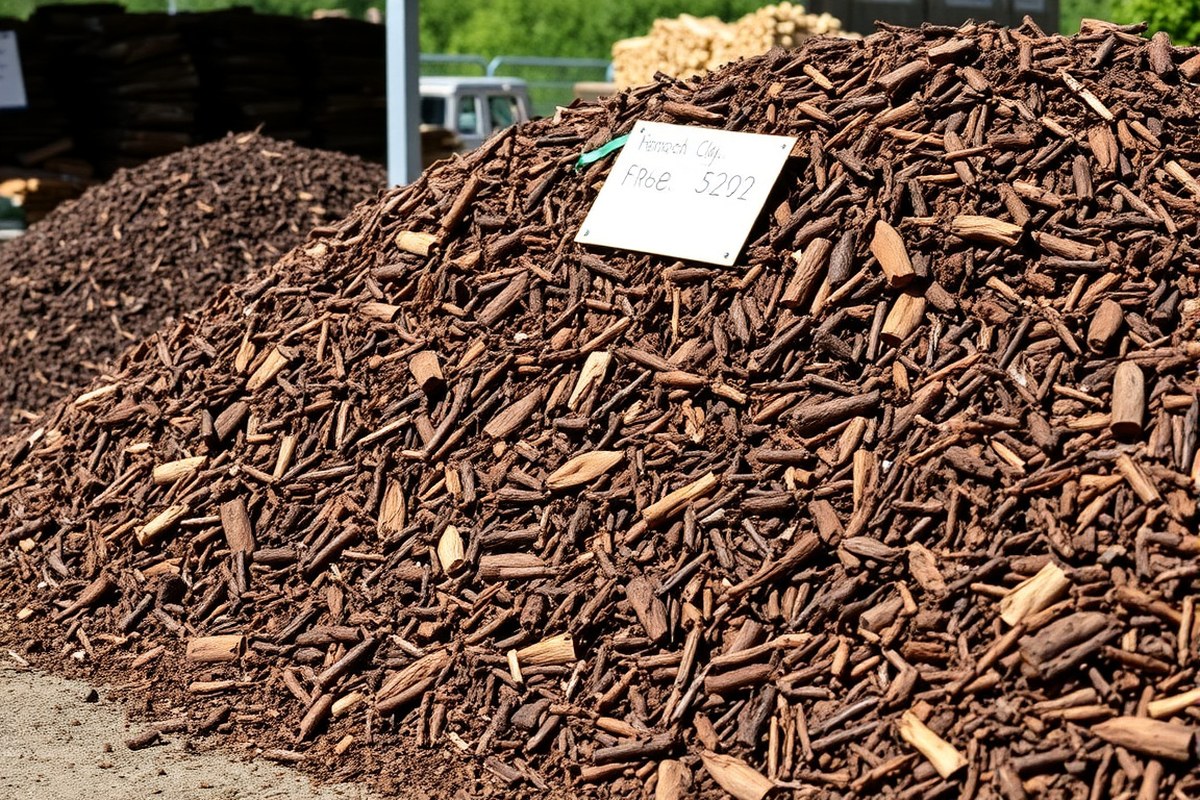
Two cubic yards of bulk mulch typically cost between $40 and $120. The wide range comes mostly from the mulch type and quality.
For example, shredded hardwood mulch often falls between $30 and $45 per yard. Premium cedar mulch can hit $50 to $75 per yard.
Mulch type affects price a lot. Common wood mulches like hardwood or pine bark cost $25 to $60 per yard. These prices apply when you buy in bulk.
You can save more by ordering larger amounts. Dyed mulches add color to your garden beds. They usually cost $30 to $55 per yard.
These mulches tend to be a bit pricier than plain ones. Quality also plays a role, higher-grade mulch lasts longer and sometimes costs more upfront.
Discounts for buying exactly two yards are rare. Most sellers offer deals when you order larger amounts, like 5 to 10 yards. This means your cost for two yards might not include volume savings.
To save money, combine your mulch order with a neighbor. You can also plan for bulk delivery at a later time. These options help lower your costs.
How to Calculate Area Covered by 2 Yards of Mulch
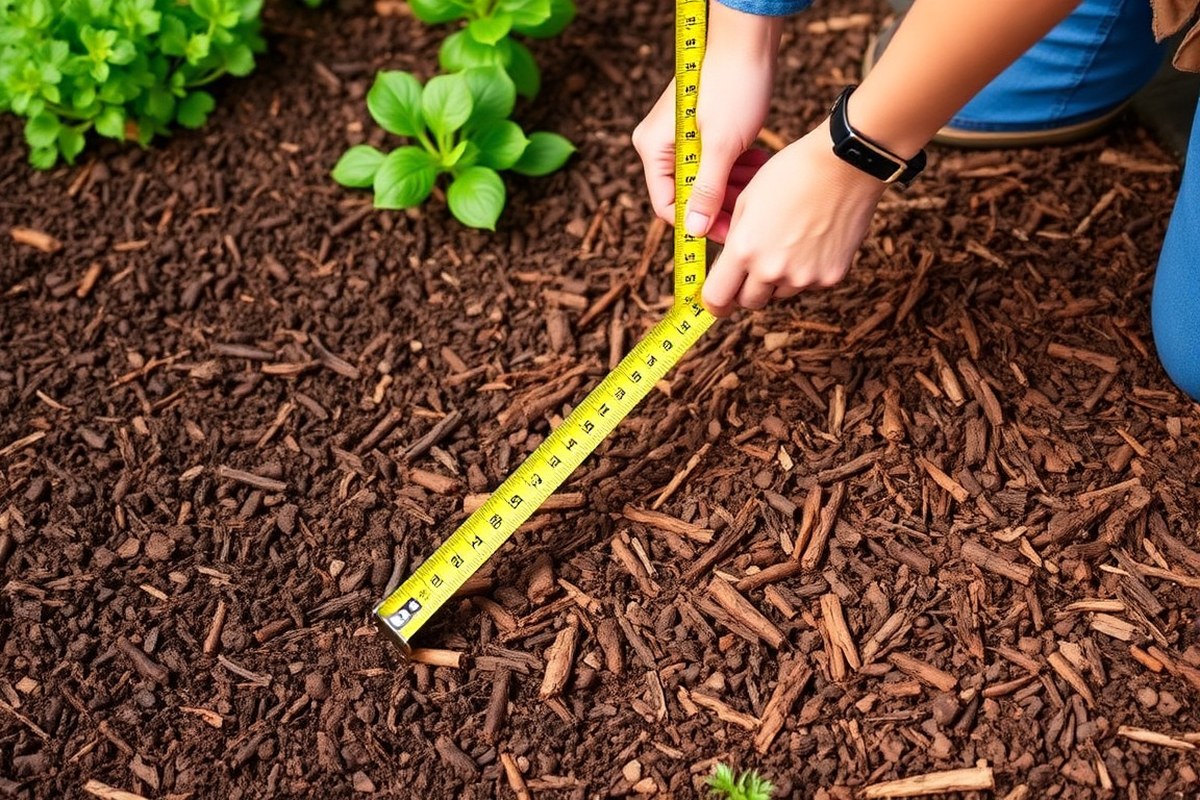
One cubic yard of mulch covers about 324 square feet at 1 inch deep. This means a yard stretches over a large flat area. You get plenty of coverage with just one yard.
Two cubic yards cover about 162 square feet if the mulch is 2 inches deep. At 3 inches deep, they cover around 108 square feet.
Depth changes how much area the mulch covers. Use simple math to find how much area 2 yards covers at your chosen depth.
Convert Cubic Yards to Cubic Feet
One cubic yard equals 27 cubic feet of mulch. Converting helps when you measure the bed area and mulch depth in feet or inches. This step makes the math clearer for irregular shapes or different depths.
Mulch depth is usually in inches. So you’ll convert that to feet to multiply properly. One inch equals one twelfth of a foot.
To convert inches to feet, divide by 12. This helps when calculating volume or area for mulch. This conversion lets you match volume with ground area easily.
Calculate Bed Area in Square Feet
Measure the length and width of your garden bed in feet to get square footage. Multiply length by width to find the area if it’s rectangular or square. Break irregular shapes into smaller shapes like rectangles or triangles.
Measure each small shape and note the area. Then add all the small areas together for the total.
- Grab a tape measure and note length and width in feet.
- Multiply length × width for rectangles or squares.
- Divide irregular beds into small rectangles or triangles.
- Calculate each shape’s area and sum these values.
This approach accurately finds square footage even for odd-shaped flower beds. You only need basic geometry and a calculator to do it.
Determine Depth and Coverage Using Formula
Use this formula to calculate your mulch needs. It helps find how many cubic yards are needed or area covered. You just plug in your depth and desired coverage.
Cubic yards = (Area in sq ft × Depth in inches) ÷ 324
At 2 inches, 2 yards cover about 162 square feet. At 3 inches, expect 108 square feet coverage. You can also re-arrange the formula to find coverage area like this:
Coverage area = (Cubic yards × 324) ÷ Depth in inches
- Decide how deep you want the mulch (usually 2 or 3 inches).
- Convert mulch depth from inches to feet if needed (for other calculations).
- Use the formula with 2 cubic yards and your chosen depth.
- Calculate to find the exact square feet you can cover.
Don’t spread mulch thinner than 2 inches; it won’t suppress weeds well.
Bulk vs Bagged Mulch: Cost and Convenience for 2 Yards
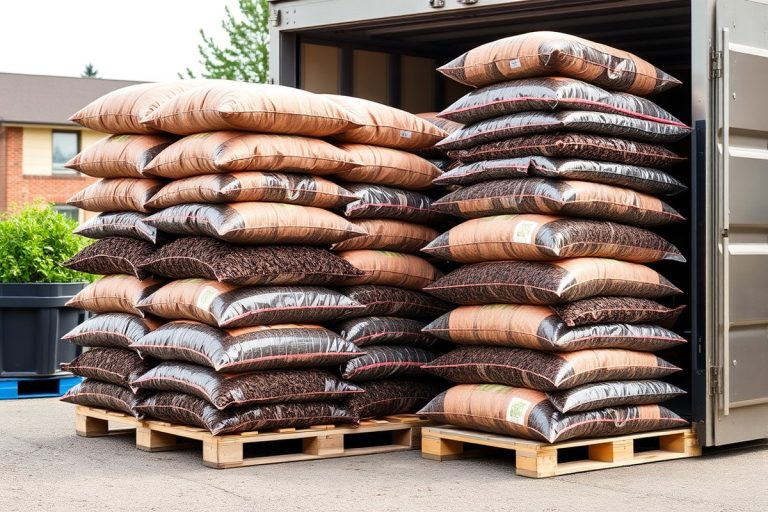
Buying 2 yards of mulch in bulk is often cheaper per cubic yard than buying bagged. You’ll need about 27 to 29 bags of mulch to equal 2 cubic yards. Bulk mulch usually saves you delivery and labor fees for bigger projects.
Price per Yard: Bulk vs Bagged
Bulk mulch costs about $25 to $55 per cubic yard. Bagged mulch prices range from $3 to $8 per 2-cubic-foot bag. Since it takes roughly 13.5 bags to make 1 cubic yard, the bag price ends up higher per yard.
For 2 yards, bagged mulch costs about $58 to $174. Bulk mulch is closer to $50 to $110. Bulk is about 15, 35% cheaper, but prices vary by type and quality.
| Factor | Bagged Mulch | Bulk Mulch |
|---|---|---|
| Cost per Cubic Yard Equivalent | $47, $81 | $25, $55 |
| Minimum Purchase | 1 bag | Usually 1, 2 cu yd |
| Delivery | Self-transport or store pickup | $50, $140 flat fee |
| Quality | Consistent (sealed bags) | Variable by supplier |
| Storage | Easy (sealed bags) | Needs quick use or covering |
Bulk mulch prices are lower but you must arrange delivery or pickup. The quality can fluctuate more than bagged mulch. Bagged mulch is handy for small areas or irregular shapes.
Volume and Bag Count Equivalent
One cubic yard equals about 13.5 bags of standard 2-cu-ft mulch bags. For 2 yards, you need around 27 bags. Some mulch bags come in 0.8 cubic feet, requiring almost 34 bags for one cubic yard.
Buying by the bag is practical for under 50 square feet projects. Bulk mulch is best for larger areas over 2 cubic yards. Handling many bags takes more time than a bulk delivery.
Delivery Fees and Hidden Costs Comparison
Bulk mulch often has a $50 to $140 delivery fee. This fee may add up on small jobs but is cost-effective for large amounts of mulch. Bagged mulch buyers usually pick up their own, so you control transport costs.
Buying bulk mulch cuts labor costs since spreading goes faster. Hiring pros for delivery and spread costs about $70 to $150 per cubic yard. For DIY, expect to pay $40 to $100 more for bulk mulch plus delivery.
Stores may raise per-yard prices but offer “free delivery” on big orders. Consider transport burden and storage space before deciding. Buying bulk requires a way to move mulch and use it quickly.
How Mulch Type and Quality Affect Price and Coverage
Mulch types affect the price and coverage for 2 yards significantly. Common options are wood chips, shredded hardwood, dyed mulch, pine bark, and cedar or cypress.
Wood chips often cost $15 to $30 per yard. Premium mulches like cedar can range from $50 to $80.
Premium mulch usually lasts longer, from two to four years, versus one year for cheaper options. For example, pine bark nuggets resist heavy rain but cost about $40 to $60 per yard. Dyed mulches provide a strong color for a year or two but tend to fade faster.
Freshness and moisture content also change what you get. Moist mulch weighs more and can settle after delivery. So your pile might look smaller than expected.
You can ask suppliers to check moisture levels for you. Look for mulch that feels damp but not soaking wet. Dry mulch takes up more space but holds less water.
Denser materials cover less ground per yard. For instance, shredded hardwood knit well on slopes and cost around $30 to $45 per yard.
A 2 to 3-inch layer of mulch usually covers about 162 square feet per yard. So 2 yards cover roughly 320 square feet at that depth.
Buying higher-quality mulch means paying more upfront but needing replacement less often. Keep in mind, cheaper mulch may require annual top-ups. Spend more on cedar or shredded hardwood for a neat bed.
They cost about $100 to $160 for 2 yards. This mulch keeps a tidy look longer.
Some types, like nuggets, can wash away in storms, reducing effective coverage. Avoid mulches that are overly dry or very wet because both reduce volume and value. Ask your supplier about moisture before you buy mulch.
This helps you get full use of your 2 yards. It prevents surprises when spreading it.
Delivery and Installation Costs for 2 Yards of Mulch
Expect delivery for 2 yards of mulch to cost between $50 and $140. The price depends on your location and supplier. Some places waive delivery fees if you buy 5 or more cubic yards.
But for smaller orders, delivery is usually an extra charge. Picking up mulch yourself can save you $70 to $140. This is helpful if you have a truck or trailer.
Professional installation adds more to your total cost. Landscaping companies usually charge $70 to $150 per cubic yard. This includes mulch, delivery, and spreading labor.
You only pay for material and delivery if you install mulch yourself. Renting tools to spread it evenly costs extra.
Some suppliers have minimum charges for installation or delivery, commonly around $50. Ordering a small amount of mulch might still cost a flat fee. This fee applies regardless of mulch volume.
Removing old mulch before new mulch adds $20 to $45 per yard. You might also pay disposal fees from $50 to $100.
- Delivery fees for 2 yards typically cost $50, $140 per trip.
- Professional installation including spreading runs $70, $150 per cubic yard.
- Minimum order or service fees are usually at least $50.
- Removing old mulch can add $20, $45 per yard plus disposal costs.
- Spreading labor alone may cost $25, $60 per cubic yard.
- Picking up mulch yourself can save delivery fees of up to $140.
Delivery and labor make up most of a professional mulch job’s cost, not material. For 2 yards, paying for spreading is worth it if you want an even, clean layer.
Start with 1 to 2 inches of mulch thickness. This helps healthy soil and good plant growth.
Ask about minimum delivery or installation fees before you order. This helps you avoid surprises on your bill.
Common Mistakes When Ordering or Applying 2 Yards of Mulch
Calculating how much mulch you need often causes mistakes. People mix up cubic yards and cubic feet or forget to match depth with the area. Too little mulch leaves soil exposed, while too much stops water from reaching roots.
Mulch depth matters a lot for plant health. Fine mulch should be 1 to 2 inches deep. Coarse mulch needs 3 to 4 inches.
UF/IFAS suggests 3 inches for most plants but only 1 inch around seedlings. More than 3 inches can block water and air, harming roots and wasting mulch.
Placement errors also happen often and reduce mulch benefits. Mulch piled against stems traps moisture and invites disease. It should sit a few inches away from trunks or crowns.
Uneven spreading creates dry spots and can let weeds grow through. Shallow mulch coverage fades faster and needs patching.
- Double-check area size in square feet and use correct depth in inches.
- Convert yards to cubic feet by multiplying yards by 27.
- Layer fine mulch 1, 2 inches thick. Coarse mulch 3, 4 inches thick around plants.
- Keep mulch 2, 3 inches away from plant stems and tree trunks.
- Spread mulch evenly to avoid thin or thick spots.
- Rake old mulch first, then add enough new to keep total depth steady.
Adding mulch costs between $25 and $45 per cubic yard for hardwood mulch. Applying the right depth means you won’t waste this money.
For 250 square feet, 2 yards cover about 3 inches depth. Check coverage after spreading and adjust as needed to prevent dry soil or suffocated roots.
Season and Timing Tips for Buying and Applying 2 Yards of Mulch
Buying bulk mulch in January or February often saves you 10 to 20 percent. Demand is low and suppliers offer off-season pricing. Locking in a deal early helps you avoid higher prices in spring and summer.
Spring months like March and April have the best selection but also peak prices. You pay more when buying mulch for immediate use during these months. Waiting for a fall or winter sale is smarter if you don’t need mulch now.
Apply mulch after the first strong freeze or on a warm day. Use three inches deep to control weeds and hold water. Keep mulch a few inches from plant stems to stop rot and pests.
Top off mulch by adding a few inches instead of removing old mulch completely. This approach saves money and preserves soil health. Refresh beds with about 2 inches of mulch in mid-summer.
Do this around July or August. Prices usually drop a bit then.
Fall months, from September to October, are smart for applying mulch too. Prices tend to be below average with good clearance sales then. This timing also gets plants ready for winter by insulating roots during the cold months.
Municipal compost sites and local landscaping yards often sell mulch cheaper than big box stores. Buying 2 or more yards of mulch in bulk costs about $40 per yard.
Expect to pay a small delivery or pickup fee too. Bagged mulch costs about 15 to 35 percent more per yard for the same volume.
Practical Steps to Apply 2 Yards of Mulch Effectively
Practical Steps to Apply 2 Yards of Mulch Effectively
Start with fixing the bed, then spread mulch evenly to the right depth. Add water and keep mulch fresh by topping it up yearly.
Prepare the Bed and Remove Old Mulch
Clear weeds and debris from the planting area first. Rake the old mulch to break up fungal mats.
Avoid removing all if mulch looks good. Keeping some mulch helps the soil stay healthy.
Breaking up the surface helps fresh mulch stick and lets water soak better. Removing old mulch entirely might cost more for disposal. It can also harm your soil’s health.
- Rake the area thoroughly to loosen soil and old mulch.
- Pull out any weeds and plant debris by hand or with a hoe.
- Break up any fungal mats by raking gently over the old mulch.
- Edge the bed neatly for a clean look and defined space.
- Water the soil lightly to settle dust before mulching.
Avoid removing all old mulch unless it is fully rotten. This saves time and money.
Spread Mulch to Recommended Depth
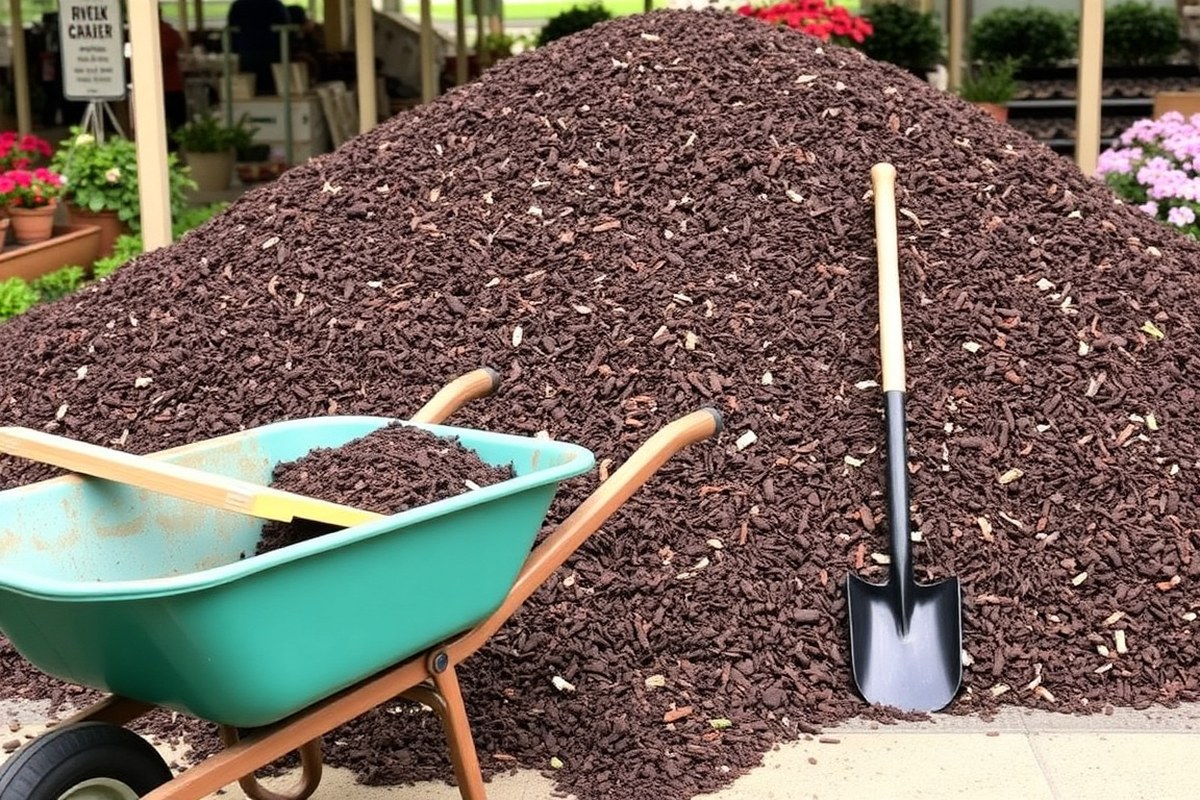
Use a wheelbarrow and a garden rake to spread mulch evenly. Two yards of mulch cover about 288 square feet at 3 inches deep. That’s enough for most average flower beds.
Keep mulch 3 to 6 inches away from plant stems or tree trunks. This stops rot and pests from harming plants.
A good depth is 2 to 4 inches, depending on mulch type. Fine mulch works well at 1 to 2 inches, coarser mulch at 3 to 4 inches.
- Unload mulch close to the bed to limit heavy lifting.
- Spread mulch by hand or with a rake to 2 to 4 inches depth.
- Check depth by placing a ruler in at several spots around the bed.
- Keep mulch a few inches away from plant bases to prevent rot.
- Level mulch smoothly for neat appearance and even moisture retention.
Mulch spread too deep can suffocate roots, so stick to recommended depths.
Water and Maintain Mulch over Time
Water mulch after spreading to help it settle and lock in moisture. Watering prevents mulch from blowing away and supports plant roots.
Add a 1-inch mulch layer each spring to freshen up. Only do this if 1 to 2 inches of old mulch remain. Annual top dressing uses less material and keeps beds looking fresh.
Regularly rake mulch to stop fungal mats and promote air circulation. Refreshing mulch helps with weed control and soil moisture.
- After spreading, water the mulch thoroughly but gently.
- Each year, rake existing mulch to break fungal layers.
- Add a 1-inch top layer of fresh mulch once a year.
- Inspect mulch regularly for bare spots or signs of decay.
- Replace mulch fully after 3 to 4 years if it has broken down.
Skipping yearly mulch top-ups means using 50% more mulch when you do refresh.
Step-by-Step Action Plan for Buying and Using 2 Yards of Mulch
Follow these steps to buy and apply 2 yards of mulch right. You’ll save money and get great mulch coverage.
- Before you buy: Measure your garden area to confirm you need 2 yards. Use a tape measure and multiply length by width by depth.
- Day 1: Decide on mulch type and quality based on your plants and budget. Check local prices for bulk and bagged options.
- Day 2: Order your mulch. Ask about delivery fees and scheduling to avoid delays. Confirm the delivery volume matches 2 yards.
- Day 3 or delivery day: Prepare your garden area by clearing weeds and old mulch. This helps fresh mulch lay evenly.
- Day 4: Spread mulch evenly about 2 to 3 inches thick. Check for bare or thick spots and smooth them out.
- Week 1: Water mulch lightly to help it settle. Look for even moisture without pooling water.
- Week 3: Inspect mulch for displaced areas or signs of pests. Add more mulch if some spots are thin.
Frequently Asked Questions
How Much Does 2 Yards of Mulch Typically Cover?
Two yards of mulch covers about 216 square feet at 3 inches deep. Adjust depth for different plant needs and soil moisture.
Can I Store Leftover Mulch from 2 Yards for Later Use?
Yes, you can store leftover mulch in a dry, covered spot. Keep it off the ground to avoid mold and pests.
Is 2 Yards of Mulch Enough for a Typical Home Garden Bed?
Two yards of mulch covers a small to medium garden bed. It works well for beds measuring 100 to 200 square feet.
Use this amount to get good coverage without leftovers. Larger beds usually need more mulch.
What Factors Affect the Price of 2 Yards of Mulch Besides Type?
Delivery distance, season, and whether you hire spreading services affect mulch price. Ordering more mulch can also earn discounts.
Can I Get a Discount by Combining 2 Yards of Mulch with Other Landscaping Materials?
Sometimes suppliers offer discounts if you buy multiple materials together. Check with local sellers before ordering to save money.
How Long Does It Take to Spread 2 Yards of Mulch Manually?
It usually takes 1 to 2 hours for one person to spread 2 yards. Time varies with garden shape and obstacles.
Key Points to Remember
Two yards of mulch covers 200 to 300 square feet. It creates a 2 to 3 inch layer. Knowing your area and mulch type helps avoid overbuying.
Measure your garden first to know how much mulch you need. Compare prices today for the best deal.