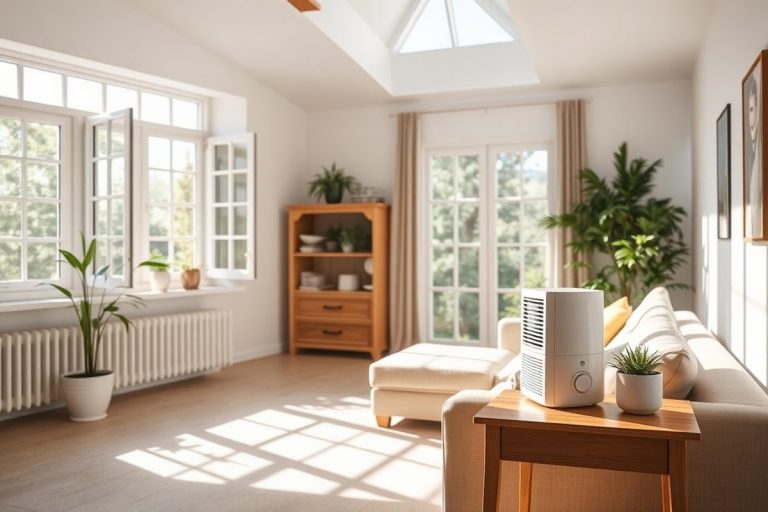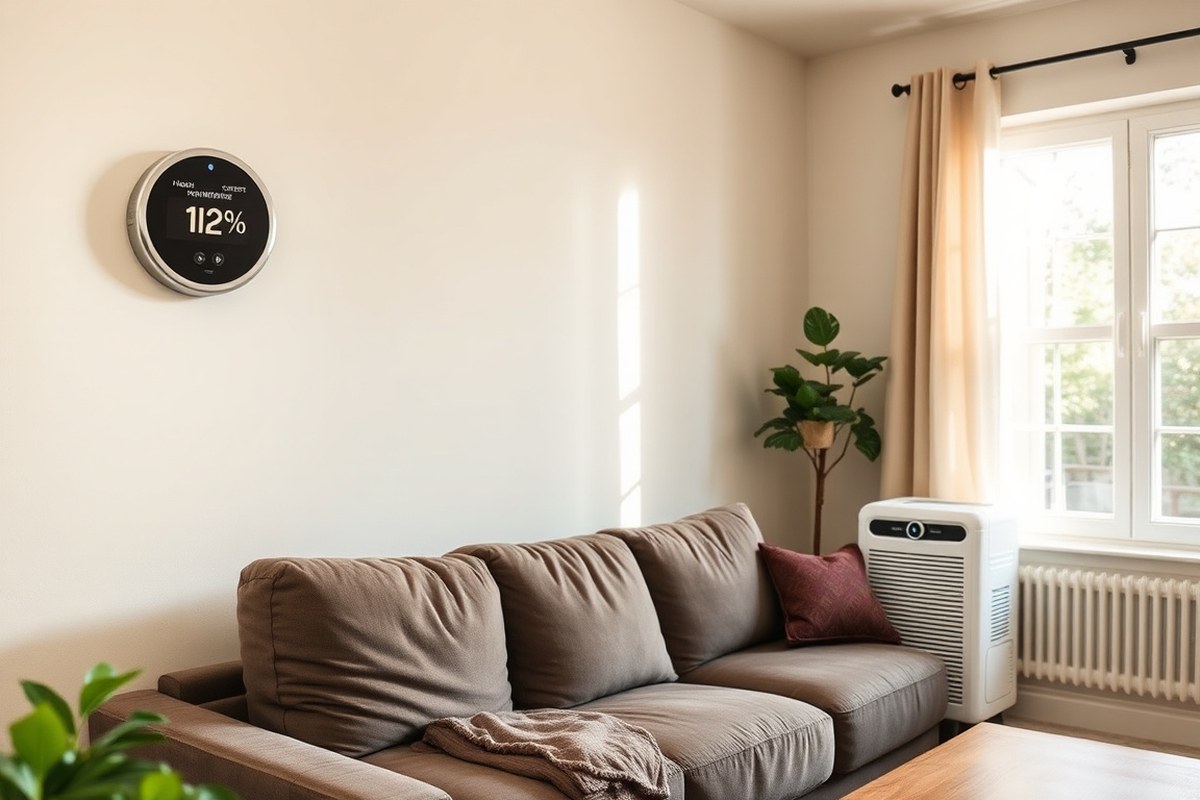
How to Lower Humidity in House Fast: 8 Proven Steps for Quick Relief
How to lower humidity in house fast starts by removing the main moisture sources. Run exhaust fans during showers and cooking.
Keep them on for 20 minutes after. Also, vent your clothes dryer outside to prevent extra humidity buildup indoors.
Fix drainage issues around your home’s foundation to stop water from seeping inside. These simple steps cost little but cut indoor moisture quickly. High humidity above 60% feels sticky and can worsen allergies and asthma.
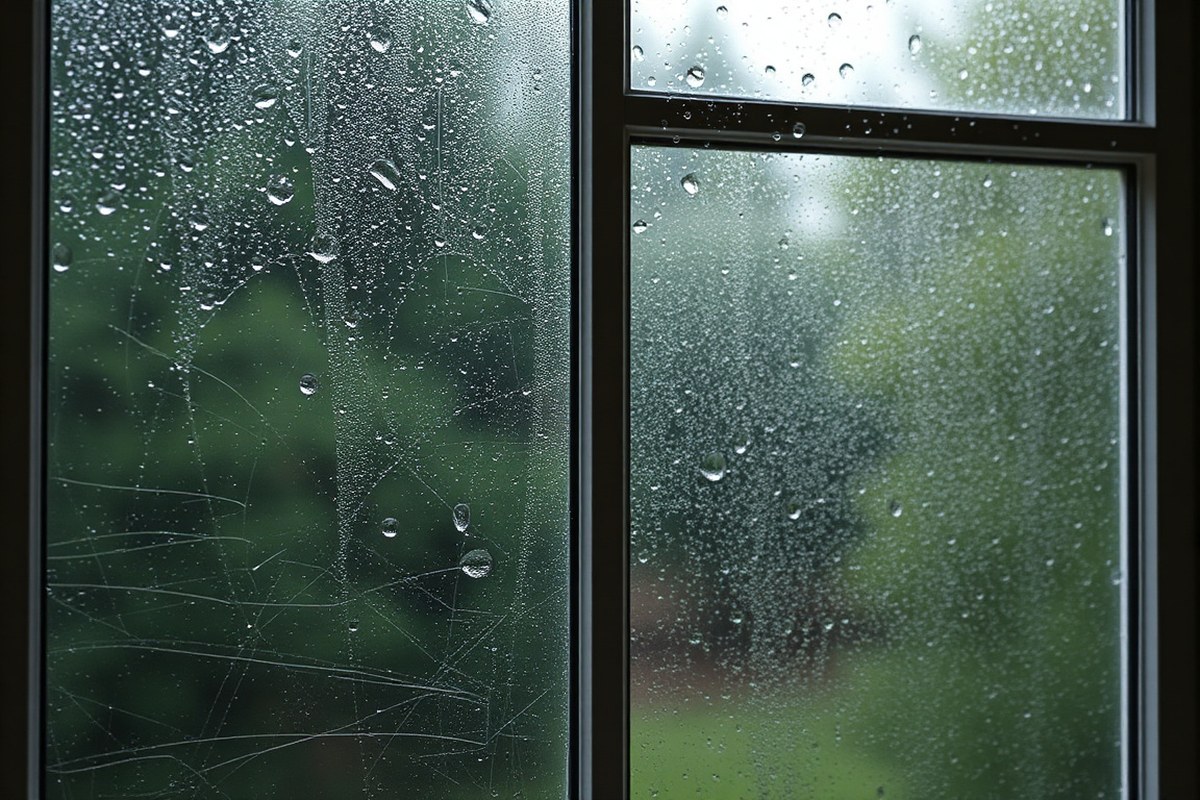
Use fans to move air and open windows when outdoor humidity is lower. Watch for condensation on windows. It shows your humidity is too high.
This means the air inside holds too much moisture. A good goal is to keep humidity between 30% and 50% for comfort and health.
Key Takeaways
- Run bathroom and kitchen exhaust fans during and for 20 minutes after use.
- Vent clothes dryers directly outdoors to prevent indoor moisture.
- Check and fix drainage around your home’s foundation to block water entry.
- Use fans and open windows to improve air circulation when outside air is drier.
- Keep indoor humidity below 60% to avoid discomfort and health issues.
- Monitor window condensation as a quick sign of excess humidity indoors.
1. Best Ways to Lower Humidity in Your House Fast
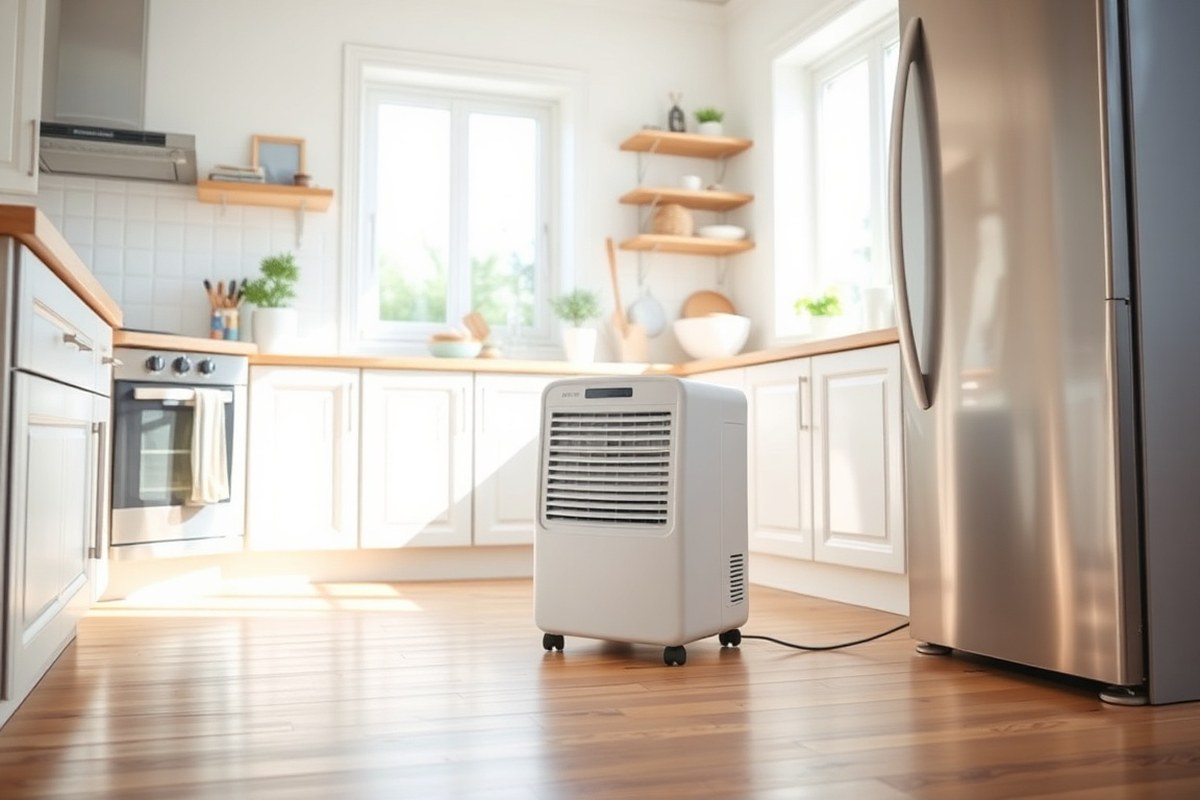
Lowering humidity fast starts with stopping moisture from building up. Run exhaust fans during showers and cooking.
Keep them running for 20 minutes afterward to clear steam. This simple step costs little and helps a lot.
Next, check your dryer vent. Make sure it exhausts outside, not indoors. Indoor dryer vents pump humid air into your home.
Fixing this can drop humidity noticeably in hours. Also, inspect your home’s drainage. Water pooling near the foundation can seep inside and raise humidity.
- Run exhaust fans while showering and cooking, continue 20 minutes after
- Vent clothes dryer outside to remove moist air
- Fix drainage and grading near the foundation to keep water out
- Use a portable dehumidifier in high humidity rooms
- Open windows for cross-ventilation if outdoor humidity is lower
- Seal air leaks to reduce humid outdoor air entering the home
- Use air conditioning to cool and dehumidify the air
A dehumidifier quickly lowers humidity by drawing moisture from the air. It stores water in a tank or drains it automatically.
Portable units fit single rooms and cost $150 to $300. They start working within hours to cut down humidity.
Air conditioners also lower humidity as they cool. They pull moisture from the air and drain it outside.
Your AC can boost comfort and cut humidity fast when properly maintained. Check filters and coils for best performance.
Ventilation helps when outside air is less humid than inside. Open windows on opposite sides for a cross-breeze.
This flushes out moist air fast but only works if outdoor humidity is lower. Otherwise, it can bring more moisture indoors.
Blocking air leaks stops moist air from entering your home. Energy experts report sealing leaks can lower indoor humidity by 10% daily.
Use weatherstripping, caulk, or foam around doors, windows, and vents. This makes your home less humid with less effort.
2. How Indoor and Outdoor Humidity Affect Each Other
Outdoor humidity directly affects indoor humidity levels. When outdoor air is drier than inside, opening windows helps by bringing in less humid air. This exchange lowers indoor moisture and improves comfort.
Keep windows closed if it’s humid, rainy, or muggy outside. Opening windows then brings in more moisture and raises indoor humidity. On hot summer afternoons, opening windows often makes things worse, not better.
Open windows on opposite sides of your home. Do this during dry or cooler times of the day. This helps fresh air move through your home.
This cross-ventilation pushes stale, moist air out while fresh, drier air comes in. Use a hygrometer to track if indoor humidity drops below 50%.
Outdoor air with more than 50% humidity won’t dry your home. Opening windows then won’t help much. Use other ways to reduce moisture.
In that case, rely on your air conditioner or a dehumidifier. An AC unit cools and removes some moisture. But a whole-house dehumidifier works best if you only want humidity control.
Remember that opening windows only works when outdoor humidity is lower than indoors. Otherwise, it can backfire and bring more moisture inside your house. Check weather and humidity levels before deciding to ventilate this way.
Check outdoor humidity before opening windows. Keep windows shut if it’s muggy. This avoids bringing more moisture inside.
3. Where Does Humidity Come from Inside Your Home?
High indoor humidity comes from everyday activities and hidden sources in your home. Moisture builds up from cooking, showering, leaks, and damp spaces. Knowing where this moisture originates helps you stop it fast.
Bathroom and Shower Moisture
Bathrooms release a lot of moisture due to hot showers and baths. Steam fills the air quickly and raises humidity above 60%, especially without ventilation. Leaving wet towels and bath mats in the bathroom also adds to the moisture problem.
Running an exhaust fan during showers and for 20 minutes afterward can clear the steam. If your bathroom lacks a fan, open a window to help dry the air. Keep towels hung outside the bathroom or in a dryer to prevent extra moisture.
Cooking and Kitchen Steam
Boiling water, simmering food, and washing dishes produce steam in the kitchen. Without venting, this moisture spreads to other rooms and raises overall indoor humidity. Using range hoods that vent outside limits steam buildup and lowers moisture fast.
Keep these tips in mind to control humidity during cooking:
- Turn on the range hood before cooking starts
- Use lids on pots to reduce steam release
- Dry dishes outside the kitchen to avoid adding moisture
- Run a small fan near the sink area if no vent hood is available
- Wipe condensation off windows to prevent mold growth
Keeping cooking steam controlled stops indoor humidity from climbing throughout the day.
Clothes Drying and Laundry
Drying clothes indoors causes significant moisture to enter the air. As damp fabrics lose water, it evaporates and raises humidity levels. This is especially true when using drying racks in bedrooms, bathrooms, basements, or closets.
To reduce moisture:
- Always vent dryers outside if you have one
- Avoid indoor rack drying in humid rooms
- Use a dehumidifier in laundry rooms during drying
- Run exhaust fans during and after doing laundry
Following these steps cuts indoor humidity by controlling moisture from laundry tasks.
Basements and Crawl Spaces
Basements and crawl spaces often hold trapped moisture that seeps up into living areas. Damp floors, poor drainage, and lack of airflow keep humidity high in these spaces. They become hidden moisture sources even when upstairs rooms seem dry.
Running fans in basements and crawl spaces helps keep air moving and dry. Fixing grading outdoors and extending downspouts away from your home reduce water entry. These measures lower basement humidity by limiting dampness where moisture starts.
Leaks and Standing Water
Leaks from plumbing fixtures add constant moisture to your indoor air. Even slow leaks under sinks or behind appliances increase humidity. Standing water from clogged gutters or poor drainage also seeps into basements or crawl spaces.
Look for signs like water stains, musty smells, or rusty pipes to spot leaks early. Fixing them stops new moisture from entering your home. Check these common trouble spots:
- Under kitchen and bathroom sinks
- Behind washing machines and dishwashers
- Gutters and downspouts
- Basement foundation walls
- Crawl space liners or vents
Early detection and repair keep indoor humidity from rising due to leaks or standing water.
4. How to Use Ventilation and Fans to Reduce Humidity
Using exhaust fans and other fans helps remove humid air effectively. Run exhaust fans during moisture-producing activities and for 20 to 30 minutes afterward. Ceiling fans improve air circulation but don’t remove moisture by themselves.
Timing Bathroom Exhaust Fans
Bathroom exhaust fans pull humid air from showers outside, stopping moisture from spreading. Run the fan the entire time you shower. Keep it on for at least 20 more minutes after showering to clear out lingering steam.
This practice can reduce humidity spikes in the bathroom by 10 to 15%. Without it, moisture lingers and raises whole-home humidity. Fans designed for bathrooms usually cost between $50 and $150.
Using Kitchen Fans During Cooking
Cooking releases steam, raising indoor humidity fast. Turn on the kitchen exhaust fan when you start cooking. If your fan vents outside, it removes moisture effectively; recirculating fans do not.
Keep the fan running for 30 minutes after cooking finishes. This exhausts steam and lowers humidity levels. Fans venting outdoors are essential to stop moisture buildup from cooking.
Running Fans After Moisture-Producing Activities
Running exhaust fans after activities like showers and cooking clears humid air. Continue the fan run for 20 to 30 minutes afterward. This timing helps remove moisture before it causes humidity problems.
Here’s a step-by-step way to use your exhaust fans:
- Turn on the exhaust fan before starting the shower or cooking.
- Run the fan continuously while the activity goes on.
- Keep the fan on for 20-30 minutes after finishing.
- Check that your exhaust fan vents directly outdoors.
- Close bathroom and kitchen doors while running the fans.
- Open windows if the outdoor humidity is lower than inside.
- Maintain fans regularly to ensure proper airflow.
- Use a dehumidifier if moisture remains high after fan use.
Improving Air Circulation with Ceiling Fans
Ceiling fans help air move around the room but do not remove moisture. They help surfaces dry faster and make humidity feel less intense. Run ceiling fans continuously during humid days in combination with exhaust fans.
Use ceiling fans along with proper ventilation to lower indoor humidity more effectively. Fans circulate air but only exhaust fans truly remove humid air to the outside.
5. Sealing Air Leaks and Moisture Entry Points
Sealing air leaks is a smart step when you see humidity rising indoors fast. Moist air sneaks in around windows, doors, and vents, raising your home’s moisture levels. Sealing these spots limits airflow.
This helps your AC or dehumidifier work better. It also uses less energy.
Check typical areas where humid air slips inside. These spots include gaps around windows and doors. Holes near plumbing or outlets are common too.
Attic openings and vents may not be sealed properly. Use weather stripping, caulk, or foam sealant to fill these gaps.
These materials cost from $5 to $30. A basic fix takes only a few hours.
- Inspect windows and doors for cracks and torn seals.
- Look around plumbing pipes under sinks and in basements.
- Seal gaps near electrical outlets with foam gaskets.
- Check attic hatches and vent openings for leaks.
- Use caulk or spray foam to close gaps under baseboards.
Sealing gaps helps because it stops outside moisture from pushing inside. This keeps indoor humidity levels steadier and easier to manage. You won’t need to run your AC or dehumidifier as much.
This helps save on energy bills. Your house might feel damp after sealing leaks.
This could be due to foundation problems or plumbing leaks. That usually needs a pro to fix.
Turn off your AC and moisture sources before sealing. Check for drafts by feeling or using a smoke pencil.
In rooms with many pipes or vents, sealing leaks is especially useful. Kitchens and bathrooms often need more attention because they generate and trap moisture.
Using sealants around these sources and running exhaust fans when cooking or showering lowers humidity quickly. Outdoor moisture sneaking in will stall these efforts, so sealing is the first step.
6. Choosing and Maintaining Dehumidifiers for Best Results
Pick the right size dehumidifier for your room size. Also, think about how wet the area feels. These two decide what you need.
Portable units are good for single rooms or smaller spaces with high humidity. Whole-house dehumidifiers cover the entire home.
They help most when humidity stays high all year. Large areas also benefit from them.
A portable dehumidifier can show results in 12 hours. Keep windows and doors closed. This helps it work faster.
Whole-house systems take longer to work. It can take 24 hours or more. Expect humidity to drop to 30% to 50%.
| Dehumidifier Type | Best For | Typical Cost | Area Covered | Time to See Results |
|---|---|---|---|---|
| Portable | Single rooms with spot humidity issues | $150, $350 | Up to 1,000 sq ft | About 12 hours |
| Whole-House | Entire home, persistent humidity | $1,000, $3,000 (installed) | Whole house (2,000+ sq ft) | Up to 24 hours or more |
Cleaning and maintaining your dehumidifier matters. Follow manufacturer instructions for filter care. Filters get dirty after 2 to 3 months.
Clean or replace them then. This keeps the air flowing well.
- Check filters every 2 months.
- Clean dust or debris with a soft brush or vacuum.
- Replace filters if cleaning doesn’t restore airflow.
Dirty filters and clogged coils reduce a unit’s ability to pull moisture. A worn unit will lower humidity less, even if running all day. Keep doors and windows closed during use to trap dry air inside.
For homes with over 50% humidity, go for a bigger system. It works better than several small units.
Whole-house systems integrate with your HVAC and run more efficiently. You can still place portable units in very damp spots for quick relief.
7. Preventing and Handling Humidity Spikes and Crises
Immediate Actions After a Flood or Leak
Start by removing water from carpets and floors with towels or a wet vacuum. Open windows and doors to increase airflow and begin drying the space fast. Turn off electricity in flooded areas to prevent hazards until water removal is done.
Here are quick steps to follow right after noticing a flood or leak:
- Stop the water source if you can safely access the valve or pipe.
- Remove wet rugs, furniture, and other items to prevent mold growth.
- Use towels or a wet/dry vacuum to remove surface water immediately.
- Open windows and doors to promote ventilation and speed drying.
- Set up fans aimed at wet areas to encourage evaporation.
- Place a portable dehumidifier in the affected rooms to extract moisture.
- Dispose of any soaked items that can’t dry quickly to avoid mold.
- Document damage for insurance purposes before cleanup.
Using Fans and Dehumidifiers Effectively
Fans move air but don’t remove moisture, so combine them with a dehumidifier. Run the dehumidifier continuously until indoor humidity stays below 50%. Place fans near windows or doors to push humid air outside while pulling dry air in.
Keep doors closed to isolate humid zones and speed drying. Expect fans and dehumidifiers to run for several days in major wet areas like basements. Use a basic hygrometer to track humidity near where you run these appliances.
Monitoring Humidity Recovery Timeline
Humidity levels often take days or even weeks to return to normal after flooding. Check indoor humidity daily with a hygrometer to see progress. Aim for a level between 30% and 50% to avoid mold and discomfort.
Humidity above 70% for over 48 hours means your home needs drying. You might also need professional help to fix the problem. Watch for signs like persistent damp smells or condensation on windows even after drying attempts.
Professional Services and When to Hire Them
Call a pro if you see mold or humidity over 70%. Also, call if water damage covers large areas. They can help fix the issue fast.
Specialists use industrial dryers and moisture meters you likely don’t have at home. They also identify hidden water damage behind walls or under floors.
Newer homes that are tightly sealed benefit from energy recovery ventilators. These devices improve air quality and control humidity better. Portable units don’t work as well here.
Have a licensed HVAC or air quality expert inspect your home. This helps keep your home dry and safe after floods or leaks. They know what to look for and fix.
8. Common Mistakes When Lowering Humidity and How to Fix Them
Many people try to lower humidity but don’t measure it first. A hygrometer costs about $15. It shows if your house humidity is between 30 to 50%.
You can check if it’s too high or low at a glance. Without measuring, you might waste time on fixes that don’t work or aren’t needed.
Natural remedies like rice or charcoal are popular but usually don’t cut humidity enough. Your levels stay above 60%. These methods won’t fix the problem.
You need better ventilation or a dehumidifier. Also stop moisture sources like leaks. Avoid drying clothes inside to reduce humidity.
People also forget that ventilation works best combined with sealing leaks. Running an exhaust fan while opening windows can actually bring in moist outside air. The trick is to use fans in bathrooms and kitchens while keeping outside humidity in mind.
- Use a reliable hygrometer to track humidity daily.
- Close windows on humid days before running indoor fans.
- Run exhaust fans for at least 20 minutes after showering or cooking.
- Fix leaks or stop drying clothes indoors.
- Don’t rely on natural materials alone if humidity is very high.
- Use a dehumidifier sized for your room or whole house.
- Check that your AC is running efficiently to reduce humidity by 5% in about an hour.
Keep track of your humidity numbers before and after trying each fix. A drop from 65% to near 50% shows you’re moving in the right direction. No change happens after several days.
Rethink your approach. Try different ways to cut humidity.
Always measure indoor humidity first; chasing invisible problems wastes time and money.
Another common mistake is neglecting regular maintenance on devices. A dirty dehumidifier filter or clogged AC drain can cut performance. Follow the instructions to clean and check devices every month or two for best results.
Step-by-Step Action Plan to Lower Humidity Fast
Follow these clear steps to cut down indoor humidity quickly and effectively. Check the results as you go to stay on track.
- Day 1: Use a dehumidifier in the most humid room. Check the device’s humidity gauge; aim below 50% for comfort.
- Day 2: Open windows for 15-30 minutes if outdoor air is drier. You’ll feel less dampness in the air when it works.
- Day 3: Turn on exhaust fans in the kitchen and bathroom during and after use. Humidity levels should drop noticeably within hours.
- Day 4: Inspect and seal leaks around doors and windows with weather stripping or caulk. Stop air leaks to prevent moist air from coming inside.
- Day 5: Look for sources of moisture like wet clothes or plants and reduce them. The air should feel fresher and less sticky.
- Week 2: Keep the dehumidifier running daily and clean its filter every few days. This keeps humidity low without extra effort.
- Week 3: Consider adding a ventilation system if indoor humidity stays high. A pro can assess if this makes sense for your home.
Frequently Asked Questions
How Fast Can a Dehumidifier Lower Humidity in a Medium-Sized Room?
A dehumidifier can reduce humidity noticeably in a few hours. Results vary based on room size and humidity levels.
You can expect relief within 4 to 6 hours. Most rooms will see improvement in that time.
Can Houseplants Help Lower Indoor Humidity Naturally?
Most houseplants release moisture and increase humidity, not lower it. Some plants absorb excess moisture but don’t significantly change whole-room humidity levels.
Does Using a Ceiling Fan Help Reduce Humidity in a House?
A ceiling fan improves air circulation but doesn’t remove moisture. It can make you feel cooler by increasing evaporation on your skin.
Are Moisture Absorbers Like Cat Litter Effective at Reducing Whole-House Humidity?
Moisture absorbers can help in small spaces but don’t lower humidity across a whole house. They work best in closets or cabinets, not open rooms.
How Often Should I Run Exhaust Fans During Cooking or Showering?
Run exhaust fans during cooking or showers and for 20 minutes after. This clears most of the excess moisture to stop humidity build-up fast.
Is It Safe to Open Windows During Rainy Weather to Reduce Indoor Humidity?
Opening windows in rain can let more moisture inside and increase humidity. It’s safer to wait for dry, less humid outdoor air before airing out your home.
Key Points to Remember
Lowering humidity fast takes steady steps and using the right tools in order. Keep monitoring your air and adjust your methods as needed. Taking action now helps you stay comfortable and protect your home from moisture damage.