How to Water a Money Tree: Simple Steps for Healthy Growth and Avoiding Mistakes
Many people ask how to water a Money Tree properly. Only give water when the upper 2 inches of soil are dry. Doing this stops the roots from getting too much water.
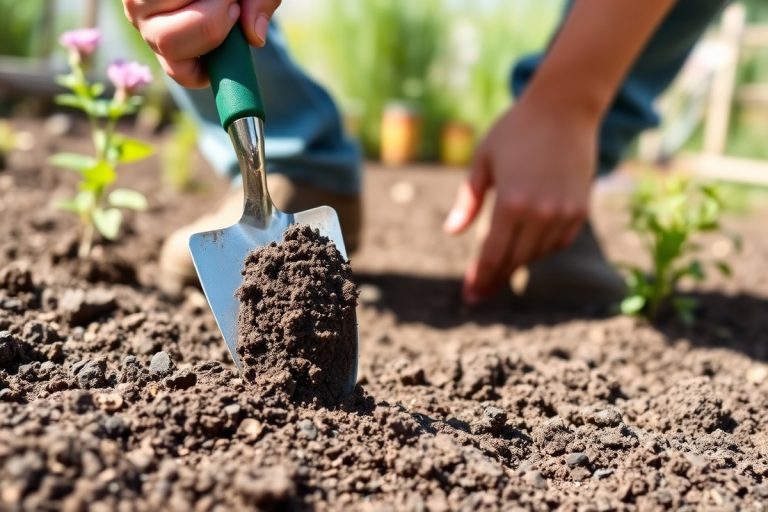
Check the soil’s dryness regularly by pushing your finger down about 2 inches. Dry soil at the top signals your Money Tree should be watered soon. Watering too often can cause root rot, so test the soil before each session.
In warmer months, you usually water every 7 to 10 days. In cooler months, watering slows to every 14 to 21 days. But always check the soil first.
Avoid letting the plant sit in standing water. Make sure your pot has drainage holes to prevent water buildup. Also, use room temperature water to avoid shocking the roots.
Key Takeaways
- Only water your Money Tree after the top 2 inches of soil dry out.
- Use your finger to measure soil dryness before watering each time.
- Avoid watering more than every 7 days in spring and summer.
- Water less frequently in fall and winter, about every 14 to 21 days.
- Don’t water just because the calendar says so; trust the soil test.
- Water thoroughly until excess drains from pot holes.
How to Tell When Your Money Tree Needs Water
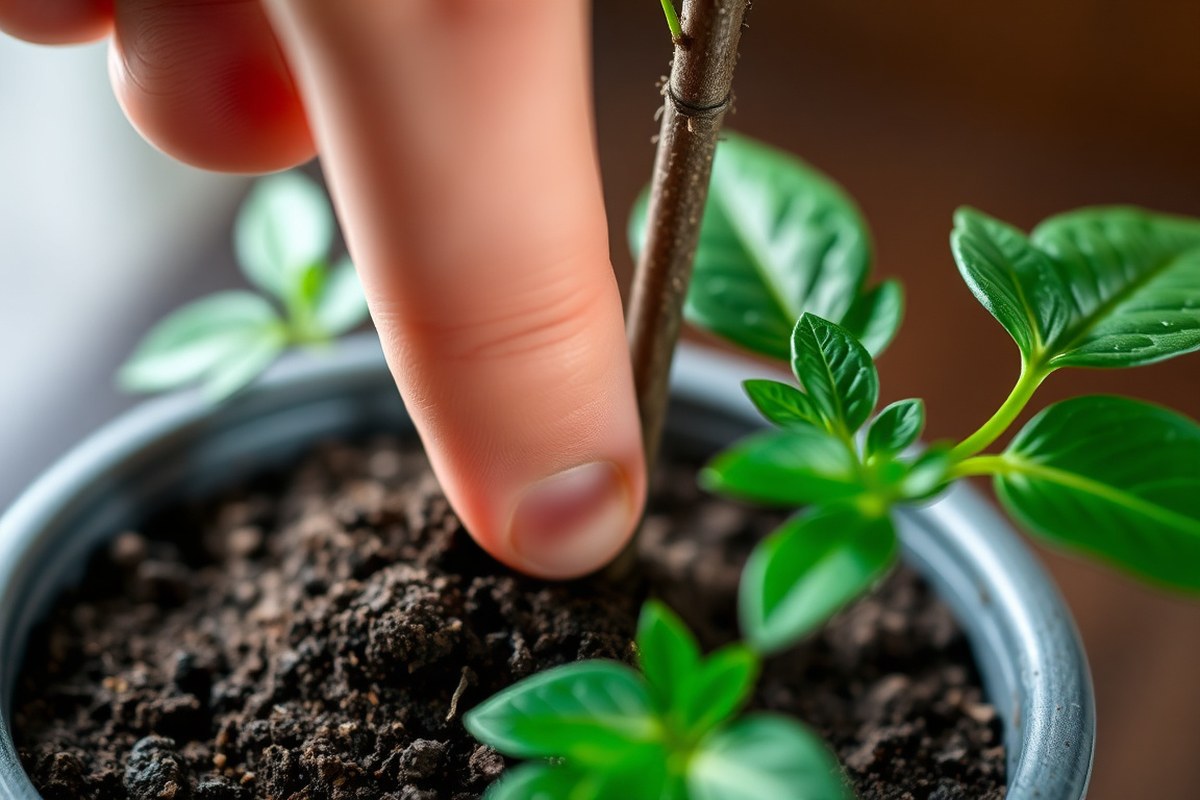
Test the soil moisture to see when your money tree needs watering. Stick your finger into the soil up to the first knuckle. Water the plant well if the top 2 inches feel dry.
Checking soil moisture this way helps avoid overwatering or underwatering. Soil that feels mostly dry means the roots need water soon.
The soil can still be moist. So wait a few more days to water again.
Look for visual signs that your money tree needs water too. Leaves turning brown or yellow often show stress from too little moisture. Dry soil pulling away from the pot edges or slowed growth are also red flags.
Inspect your money tree’s soil weekly, especially during warm seasons. Typically, it requires water every 7 to 10 days in spring and summer. During cooler months, reduce watering to roughly every 14 to 21 days.
Use the soil test as a decision rule. Water only when the top 2 inches feel dry. This simple step stops root rot from excess water and keeps the plant healthy.
Dry air inside or a small pot will cause soil to dry out quicker. You might need to test the soil more often. Cooler, humid environments slow drying, so adjust how often you check the soil.
How Often to Water a Money Tree: Timing and Frequency
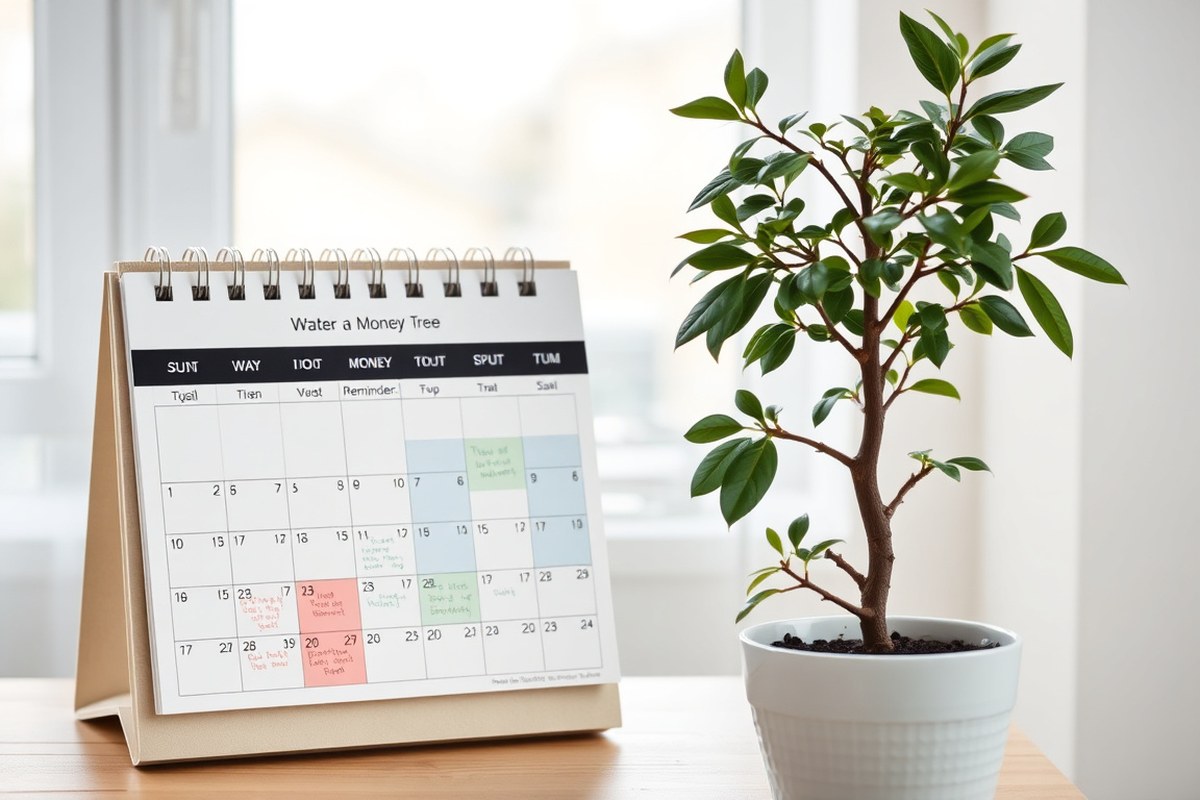
Water your Money Tree every 1 to 2 weeks in spring and summer. During fall and winter, water it every 2 to 4 weeks. Adjust watering based on your home’s temperature and humidity.
Consider your plant’s size too. Keep the soil moist but not soggy.
Spring and Summer Watering Schedule
In spring, water your Money Tree every 9 to 12 days. The days get longer and temperatures rise to about 68 to 78°F, boosting root activity. As the plant grows faster, it uses more water, so check soil moisture often.
Summer calls for watering every 7 to 10 days. Heat and light increase evaporation. This makes your plant lose water faster.
When humidity in your home stays above 60%, you can water less often. Use your finger to test if the top inch of soil is dry before watering again.
Fall and Winter Watering Adjustments
Water your Money Tree less often in fall, about every 14 to 21 days. Shorter days and cooler nights reduce the plant’s water needs. Soil should dry out more between watering because the plant grows slower.
Winter watering drops to every 2 to 4 weeks, depending on your home’s warmth and humidity. When indoor air is dry from heating, water about every 2 weeks. Keep an eye on the soil and only water when it feels mostly dry.
Effect of Humidity and Temperature Variations
Low humidity below 40% makes your plant use water faster. This might cause your Money Tree to need watering more often.
High humidity slows moisture loss and reduces watering frequency. Use a hygrometer to track indoor humidity if you’re unsure.
Temperature swings also affect watering. Warm rooms above 70°F usually mean faster drying soil, so water sooner. Cooler temps below 65°F slow the plant’s metabolism, lowering its water needs.
Never let your Money Tree sit in water trapped under the pot. It causes root rot.
Step-by-Step Guide to Watering Your Money Tree Properly
Water your money tree with 1 to 2 cups of water. Use enough to moisten the top 2 inches of soil.
Usually, watering from the top works best to reach all the roots deeply. Water slowly and stop once you see water draining from the pot’s bottom to avoid overwatering.
Preparing to Water: Tools and Conditions
Gather a watering can with a narrow spout for controlled pouring. Use room-temperature water to avoid shocking the roots. Make sure your pot has good drainage holes to prevent water buildup.
Check the soil moisture before watering by sticking your finger about 2 inches deep. The soil needs watering when the top 2 inches feel dry. Avoid watering if the soil is still moist or has standing water.
Watering Technique: How to Water Thoroughly
Pour water slowly over the soil surface, directing it evenly around the base of the trunk. This ensures the water reaches the roots where it’s needed most. Use just enough water so it starts draining from the pot’s bottom.
Watering from the top helps flush out salts and minerals from the soil. Avoid overwatering by stopping once you see drainage. This lets excess water leave and keeps roots from sitting in water.
- Check the soil moisture by touching the top 2 inches.
- Fill a watering can with about 1 to 2 cups of room-temp water.
- Slowly water evenly around the base until water drains out.
- Stop watering once drainage starts from the bottom.
- Remove any excess water catching in the saucer under the pot.
- Allow the soil to absorb moisture for 15 to 30 minutes.
- Check the soil moisture again before the next watering.
Aftercare: Draining and Checking Soil Moisture
After watering, pour out any water collecting in the saucer. Standing water can cause root rot if left too long. Let your plant sit for 15 to 30 minutes to soak up the water deeply.
Check the soil again after it absorbs water to ensure it’s moist but not soggy. Keep the top 2 inches dry between waterings to prevent overwatering. Adjust watering amounts if your money tree is in brighter light or smaller pots.
Choosing the Right Soil, Pot, and Drainage for Watering Success
Money Trees do best in soil that drains quickly but holds some moisture. Use a mix made for tropical plants or blend potting soil with perlite and peat moss. This keeps the soil airy and prevents it from becoming soaked, which helps stop root rot.
The pot’s drainage is important. Always pick one with holes at the bottom.
Drainage holes let extra water escape, stopping the roots from sitting in water. Without holes, water builds up and can rot the roots in just a few days.
Pot size affects how often you’ll water. Smaller pots dry out faster.
For example, a 6-inch pot holds about 1.2 liters of soil, which may dry within 2-3 days depending on humidity. Larger pots store more moisture and need less frequent watering.
When repotting, put the Money Tree in a pot just 1-2 inches larger in diameter. Use fresh well-draining soil and keep the root ball at the same depth it was before. These steps help your plant adjust without stress.
To test your soil and pot, water until it drips at the bottom. Let the water flow through fully to check drainage. Watch how quickly the water drains out the hole.
Water pooling on top or slow draining means change soil or pot. You want water to move through easily without sitting.
Consider a new pot or fresh soil if that happens. Good soil and pot choices keep moisture balanced and roots healthy.
Recognizing and Fixing Overwatering and Underwatering Problems
Wrinkled or dry leaves usually mean your money tree is underwatered. Overwatering shows differently, like yellowing leaves or soft, mushy stems. The soil feels soggy and may smell musty when it’s too wet.
Root rot happens when water sits in the pot, and roots start to decay. To fix root rot, remove the plant from its pot and gently wash off wet soil.
Cut away any black or slimy roots using clean scissors. Repot in fresh, well-draining soil and a pot with good drainage holes.
After repotting, water your money tree lightly so the soil is only damp. Keep it in bright, indirect light and avoid fertilizing for a few weeks.
Check soil moisture every few days using your finger. Only water when the top inch feels dry.
Underwatered money trees bounce back with quick care. Start by soaking the soil thoroughly until water drains from the bottom.
After this, keep the soil consistently moist but not soggy. Watch the leaves revive from wrinkles to smoothness within a week or two.
Sometimes underwatered plants get brown leaf edges or drop leaves. Trim dead leaves off, and raise humidity with misting or a nearby water tray. Avoid sudden temperature drops, as cold stress can worsen the drying effects on your plant.
Never let your money tree sit in standing water. This kills roots faster than drought does.
Comparing Methods: Top Watering, Bottom Watering, and Wicking Systems
Top watering means pouring water over the soil surface. It wets the soil evenly and flushes out excess salts. Use room temperature water to avoid shocking the roots.
Bottom watering uses water that the plant drinks up through drainage holes. This method helps avoid wetting leaves, reducing fungal risks. Fill a tray with 1 to 2 inches of water.
Put the pot in the tray. Let it soak for 15 to 30 minutes.
Wicking systems work by drawing water from a reservoir into soil via a soaked wick. This keeps moisture consistent and hands-free. They require a pot setup with a water reservoir below the soil.
| Watering Method | How to Do It | Pros | Cons |
|---|---|---|---|
| Top Watering | Pour water over soil until it drains out | Flushes salt, wets soil evenly | Wet leaves risk fungal disease |
| Bottom Watering | Place pot in water tray for 15-30 minutes | Protects leaves, reduces root rot risk | Can cause shallow roots, salt buildup |
| Wicking System | Wick draws water from reservoir below pot | Consistent moisture, less frequent watering | Setup complexity, monitor reservoir levels |
Bottom watering reduces root rot risk by keeping the soil moist but not soggy on top. Still, using it alone can cause roots to grow near the soil surface. Salt can build up in the upper soil layers, stressing your money tree.
Wicking systems help maintain steady moisture, helpful if you travel. They need a container with a separate water reservoir. Make a wick from cotton or nylon cord.
Thread it through drainage holes. Place the other end in the water reservoir below.
Top watering is simple and flushes salts but watch for wet leaves and soggy soil. Bottom watering lessens leaf dampness but use it occasionally with top watering to avoid shallow roots. Wicking suits busy owners but needs a good setup to keep roots healthy.
Adjusting Watering for Special Situations and Plant Variations
Money trees with braided or bonsai trunks need watering changes. Cuttings for propagation also require different watering.
Flowering plants need slight watering adjustments too. Adjusting water helps keep each type healthy and growing well.
Watering Braided and Bonsai Money Trees
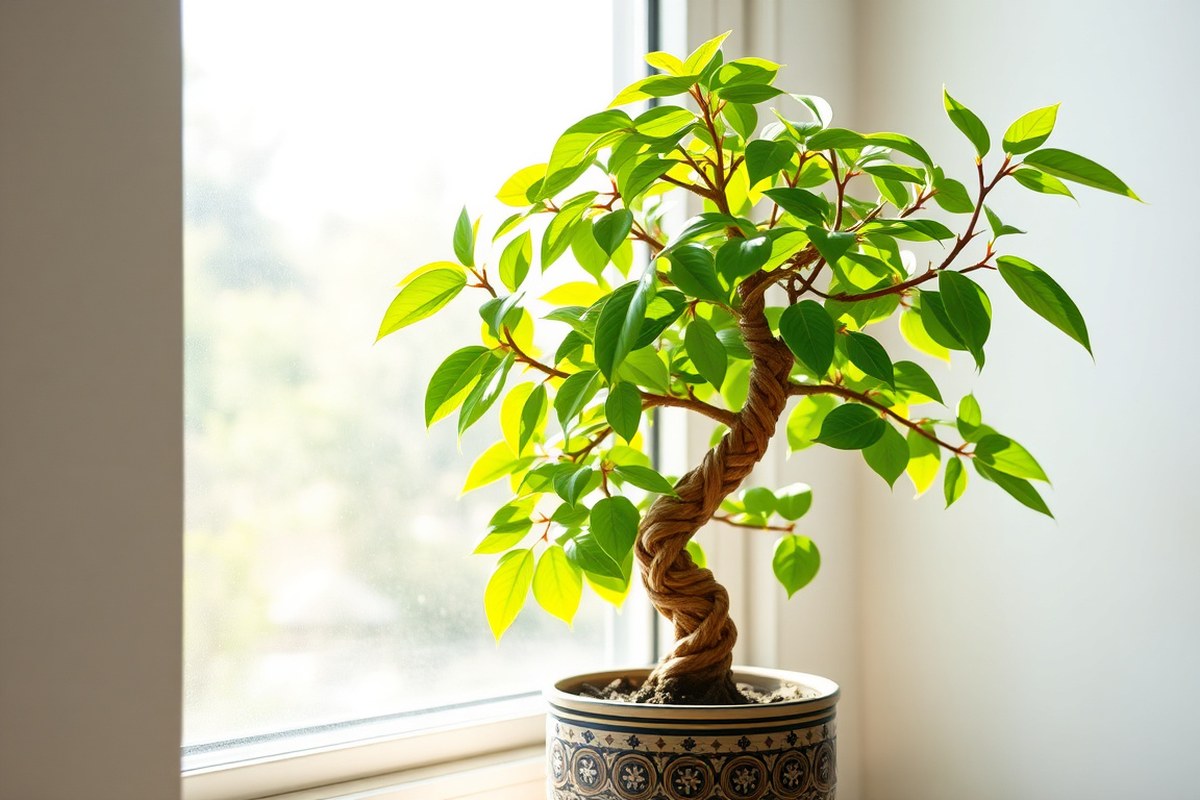
Braided money trees have thicker trunks but similar water needs as regular ones. Water deeply but allow the top inch of soil to dry before watering again. Avoid overwatering since braided trunks can hide root rot signs.
Bonsai money trees have smaller pots and less soil, so they dry out faster. Check moisture daily and water when the soil feels just dry to the touch. Use less water at once, about a quarter cup, so roots don’t drown.
Watering During Propagation and Cuttings
Cuttings need higher humidity and consistent moisture for roots to form. Keep the medium damp but not soaked. Mist the leaves and cover with a plastic wrap or humidity dome to reduce water loss.
Use room temperature water to avoid shocking young cuttings. Water lightly once every few days or whenever the top layer feels dry. Avoid pouring water directly on the cutting base to prevent rot.
Adjusting Water for Flowering and Growth Phases
During flowering, money trees need slightly more water to support blooms. Water thoroughly when the top half-inch of soil dries out. Don’t let soil stay soggy because flowers may drop or develop mildew.
In slower growth phases or dormancy, reduce watering. Let the top inch of soil dry before adding more water. This keeps roots healthy and prevents overwatering problems during rest periods.
Seasonal and Environmental Factors Impacting Watering Practices
The seasons change how often your money tree needs water. In warmer months, it grows faster and uses more water. Cooler months slow growth, so water less often to avoid soggy soil.
Your indoor climate plays a big role in watering needs. Central heating dries the air, lowering humidity.
This can cause brown leaf tips if your money tree doesn’t get enough moisture. Running air conditioning also dries the air but can slow the plant’s growth.
Keep humidity between 40% and 60% for best results. Your room feels dry. Water your plant more often to help it.
The soil is damp. Water less to stop root rot from forming. Misting the leaves daily helps raise humidity.
You can also use a small humidifier near the plant. Both methods add moisture to the air.
Small pots dry out faster than large ones, especially in heated or air-conditioned rooms. Stick your finger into the soil. If the top inch feels dry, water the plant.
Check often to keep it healthy. Larger pots need more water but take longer to dry. So adjust your routine accordingly.
Before you travel, plan to keep your money tree watered. Consider ways to give it water for several days while away. Use a self-watering pot or place a damp towel under the pot to keep moisture steady.
Use a water bottle with tiny holes for a drip system. This slowly waters your plant over time.
Set it near your money tree. This can give water little by little over a few days.
Check if the soil is dry with your finger. Keep humidity between 40% and 60%.
Water less or more based on the season and indoor air. Travel plans should include slow-release watering solutions to avoid stress for your plant.
Dry air from heaters can turn leaf tips brown. Your money tree needs extra moisture when air feels dry indoors.
Step-by-Step Action Plan for Watering Your Money Tree
Follow this simple plan to keep your Money Tree happy and watered just right. You’ll see signs of healthy growth as you go.
- Before you start: Check the top 1-2 inches of soil. Water only if it feels dry.
- Day 1: Water your Money Tree thoroughly until water drains out the bottom. This flushes old salts and keeps roots healthy.
- Week 1: Observe your tree daily for wilting or yellow leaves. These show if you watering correctly.
- Week 2: Water again only when the soil is dry to the touch. This may vary by home conditions.
- After 3 weeks: Adjust watering frequency if leaves yellow or soil stays wet. Cut back or add water gradually.
- Monthly check: Inspect the pot’s drainage holes for clogs. Clear them to prevent overwatering.
- Seasonal change: Reduce watering in cooler months as growth slows. Watch soil moisture more closely.
Frequently Asked Questions
Can I Use Tap Water to Water My Money Tree?
Yes, you can use tap water, but let it sit out overnight first. This helps chlorine and chemicals evaporate, making it safer for the plant.
Should I Mist My Money Tree Leaves While Watering?
Misting can help increase humidity but doesn’t replace watering the soil. Focus on watering the soil thoroughly, then mist leaves occasionally if the air is dry.
Does My Money Tree Need Less Water If I Keep It Indoors?
Indoor environments usually mean less evaporation. So your money tree will need less frequent watering. Test the soil instead of following a strict schedule.
Can I Water My Money Tree with Cold Water?
Avoid cold water; use room temperature water instead. Cold water can shock the roots and slow down growth.
How Do I Know If My Money Tree Is Getting Too Much Water?
Yellowing leaves and soggy soil are signs of too much water. Check soil moisture regularly and allow it to dry between watering.
Is It Okay to Fertilize Right After Watering My Money Tree?
It’s better to wait a few days after watering before fertilizing. This prevents root burn and helps the plant absorb nutrients better.
Before You Go
Watering your Money Tree the right way keeps it thriving and vibrant. Watch your soil and plant, then adjust watering as needed. Start with checking soil moisture today to prevent common watering mistakes.