How to Water a Peace Lily Plant: A Complete Guide with Proven Tips
Knowing how to water a peace lily plant well is key to its health. Water it when the top 1-2 inches of soil feel dry to the touch. Use room-temperature water and avoid soaking the leaves during watering.
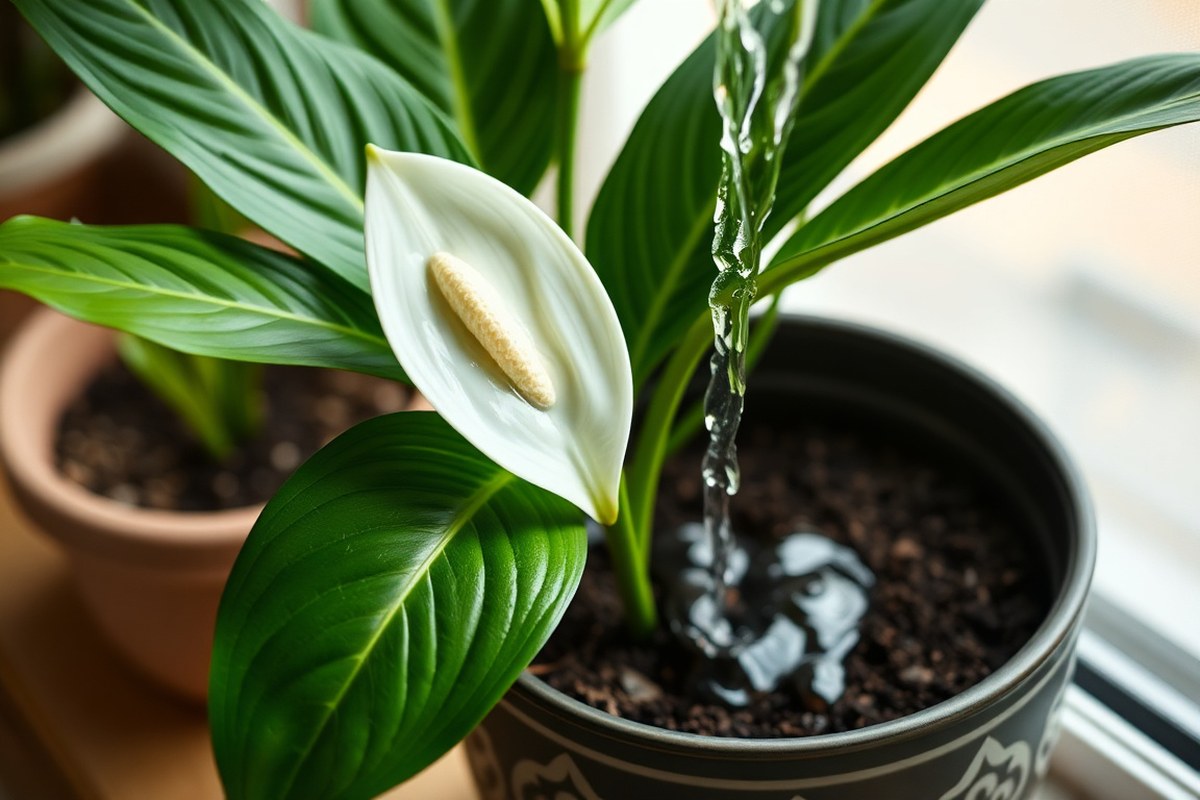
For best results, water thoroughly so the soil is evenly moist but not soggy. You can soak the pot in water for 10 to 15 minutes. After soaking, let the pot drain completely.
This helps the soil absorb water deep down. This helps the roots absorb enough moisture without drowning them.
Tap water is okay to use for watering plants. Let it sit for 24 hours first. This waiting helps chlorine leave the water.
Also, watch for signs like yellowing leaves that signal overwatering. Staying consistent with watering and soil checks will keep your peace lily happy.
Key Takeaways
- Water when the top 1-2 inches of soil feels dry.
- Use room-temperature water to avoid shocking the roots.
- Submerge pots in water for 10-15 minutes for deep watering.
- Let tap water sit 24 hours before watering to remove chlorine.
- Drain excess water after watering to prevent root rot.
- Check leaves regularly for over or underwatering signs.
When and How to Water a Peace Lily Properly
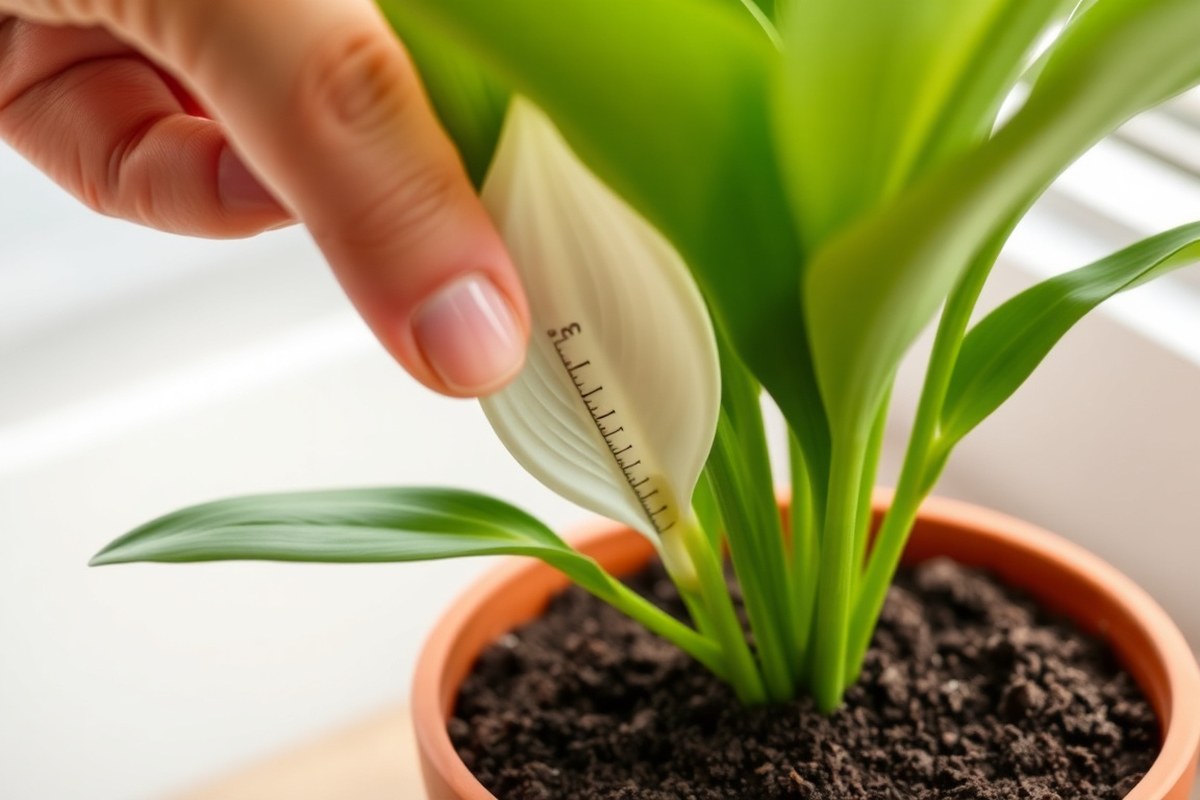
Water your Peace Lily only when the top 1 to 2 inches of soil feel dry. Avoid watering by a fixed schedule. Soil moisture is the best cue, especially in different light and humidity levels.
Overwatering causes droopy leaves and root stress. Underwatering leaves the plant thirsty and dull.
Use your finger or a moisture meter to test the soil’s wetness. Push your finger down around two inches deep into the potting mix. Dry soil means you should water soon.
When the soil feels damp, let it rest for a few days before testing again. The aim is to avoid soggy conditions but keep the roots hydrated.
Deep soaking helps your Peace Lily absorb water evenly. Place the plant in the sink or a bucket. Add clean, room temperature water up to the soil line.
Let the soil soak water for 15 to 20 minutes. This saturates the entire root ball without drowning the plant.
Follow these steps each time you water your Peace Lily:
- Check the top 1-2 inches of soil for dryness with your finger.
- When the soil is dry, set the plant in a sink or bucket for soaking.
- Slowly pour room temperature water around the base until water drains.
- Fill the sink or bucket to just reach the soil level without submerging leaves.
- Let the plant soak for 15-20 minutes to fully hydrate roots.
- Remove the pot and let excess water drain away completely.
- Return the plant to its usual spot and check soil moisture regularly.
Watching soil moisture prevents both underwatering and overwatering problems. Using room temperature water avoids shocking the plant.
Letting water drain keeps roots healthy and stops fungus or root rot. These checks and soaking steps help keep your Peace Lily thriving.
How Often to Water a Peace Lily Throughout the Year
Adjust Frequency Based on Light Levels
Bright light means your peace lily will use water faster. Water it roughly once a week in strong indirect light. In lower light, stretch watering to every 10 to 14 days.
Plants use less water in low light, so soil stays wet longer. Touch the top inch of soil to check moisture. Dry soil means your peace lily needs water now.
Seasonal Changes Affect Watering Needs
Warmer months speed up water evaporation and plant growth. Water every 5 to 7 days in spring and summer to match increased thirst. The plant needs more water to stay healthy when it’s actively growing.
During fall and winter, your peace lily’s growth slows. Watering can drop to once every two to four weeks. Cooler air and lower humidity reduce how fast soil dries out.
Consider Temperature and Humidity
Higher indoor temperatures make your peace lily use water more quickly. Keep a summer watering schedule when your room temperature stays above 70°F. Cooler temperatures near 60°F mean watering less often.
Dry air also ups water loss through leaves. Use a humidity gauge to check if your room is below 40%. You may need to water a little more or mist the leaves on dry days.
How to Decide When to Water
Stick your finger about 1 inch deep into the soil before watering. Dry soil deep down means your peace lily needs a watering now. Moist soil means wait a few days before checking soil moisture again.
This simple test works better than counting days alone. Remember, pot size and soil type affect drying speed too. Smaller pots and sandy soil dry out faster.
Winter Care and Adjustments
Indoor heating dries the air but usually lowers your peace lily’s watering need. Water every two to four weeks in winter, depending on soil moisture. Touch the soil weekly to avoid overwatering.
Keep your plant away from cold drafts or heat vents. Drastic temperature swings can stress the peace lily and affect its water needs.
Check soil moisture regularly instead of watering by a fixed schedule. This prevents watering too much or too little your peace lily.
Top Watering vs Bottom Watering: Which Method Works Best?
The best method to water a Peace Lily is usually top watering. It lets water soak the soil slowly and reach the roots well. Bottom watering helps when your plant is very dry.
It hydrates roots faster and soothes the plant quickly. Use it only in emergencies for a quick fix.
Top Watering Method Explained
Top watering means pouring water directly onto the soil’s surface. Use room-temperature tap water that has sat for a day or two to remove chemicals. Pour slowly until you see water draining from the pot’s holes.
Check that the top inch of soil feels dry before watering again. Avoid wetting the leaves to prevent disease. This method flushes out salts and flushes the soil, keeping roots healthy.
Bottom Watering Method Explained
Bottom watering means letting the plant absorb water from a tray or saucer below the pot. Fill the tray with about an inch of water. Let the pot sit in it for about 20 to 30 minutes.
This pulls water up through the drainage holes and moistens the soil evenly. It works when your Peace Lily is dehydrated and needs a quick drink. Remove the tray after and allow excess water to drain completely.
Choosing the Right Method for Your Plant
Top watering is best for regular care and keeping soil balance right. It helps prevent root rot by letting you see when water drains out. Bottom watering suits dry plants but should not replace regular top watering.
Use bottom watering if the soil is hard and dry, or the plant wilts severely. Always check the soil moisture before watering by feeling the top inch. Soggy soil can happen after bottom watering.
This occurs if the pot stays too long in water. Check your pot soon after to avoid problems.
Here is how these methods stack up:
| Aspect | Top Watering | Bottom Watering |
|---|---|---|
| Watering Speed | Slow, saturates soil fully | Faster root absorption |
| Ease of Use | Simple, direct pour | Needs tray and time |
| Ideal When | Routine care, balanced moisture | Dehydrated or wilting plants |
| Risk | Wet leaves if poured carelessly | Soil stays soggy if overdone |
| Water Amount | Water until drains out bottom | About 1 inch water in tray |
| Monitoring Soil | Feel top inch to check dryness | Check soil after soaking |
Top watering requires attention to soil dryness and drainage. Bottom watering is great for giving a thirsty plant a quick soak. Use the right method based on how your Peace Lily looks and feels.
Choosing the Best Water Type and Temperature
Use filtered or distilled water to care for your Peace Lily. Tap water holds chlorine and fluoride that may hurt the leaves. Let tap water sit for 24 hours before using it on your plant.
Water should be at room temperature, around 65 to 75°F (18 to 24°C). Cold water fresh from the faucet can shock your plant, causing brown leaf tips. Avoid watering with warm or hot water above 85°F (29°C), as that can stress the roots.
Before watering, feel the water with your hand. It should feel neutral, not cold or warm. In winter, put tap water in your watering can first.
Let the water warm indoors for several hours. Then water your Peace Lily. This simple step keeps your Peace Lily comfortable.
You can rinse your Peace Lily with a gentle shower. Use filtered or softened water for this task. It freshens the leaves without hard chemicals.
This helps wash away dust and lightly hydrates leaves. Don’t water too much at once to avoid soaking the soil.
Overwatering can cause root problems for your Peace Lily. Water slowly and check soil moisture often.
Water drains quickly? Check if your Peace Lily’s roots are crowded. Overgrown roots can stop soil from holding water well.
This means roots fill the pot, preventing proper water absorption. Move the Peace Lily to a bigger pot with fresh soil.
This helps the soil hold water better. Repotting makes watering more effective and keeps roots healthy.
Signs You Are Overwatering or Underwatering Your Peace Lily
Drooping leaves on a Peace Lily don’t always mean it needs water. Overwatering often causes root stress, making leaves droop even after watering.
Underwatering can also cause drooping. But the soil will feel dry if that’s the issue.
The fastest way to spot overwatering or underwatering is to check soil. Press your finger about one inch down in the soil. Dry soil means your plant needs watering.
Wet or soggy soil means wait before watering again. Too much water can cause root rot and other issues.
- Droopy leaves with soggy soil usually mean overwatering.
- Dry soil and droopy leaves mean underwatering.
- Water pools on the soil surface, indicating poor drainage.
- Yellowing leaves often appear with overwatering.
- Browning leaf tips can result from underwatering.
- Leaves bounce back after watering usually shows your plant was thirsty.
- Persistent droop despite watering suggests root damage or stress.
Low light slows the plant’s water use, so water less often to avoid overwatering. Watering early in the day helps the soil dry before night, reducing fungal risks. Water collecting on the surface means you might need a pot with holes.
Keep the soil evenly moist but never waterlogged to prevent drooping and root problems.
Droopy Peace Lily after watering calls for checking soil and drainage soon. First, feel the soil. Water only when the top inch feels dry.
Adjust your watering times based on this simple check. This approach avoids shock from both underwatering and overwatering.
How Pot Size, Soil, and Drainage Affect Watering Care
Pots without drainage holes cause water to pool, which can rot roots. Your peace lily needs drainage holes so extra water can escape after watering. This keeps the soil from staying soggy and prevents root damage over time.
The soil type changes how often you water. Loose, well-draining soil dries faster, so you water more often.
Heavy, compact soil holds water longer but can cause root suffocation if overwatered. Aim for a peat-based potting mix with some perlite to balance moisture and air flow.
Pot size impacts watering frequency too. Smaller pots dry out quickly and need watering every few days. Larger pots hold more soil and water.
So you’ll water less often, usually once a week or less. But large pots can hide wet soil inside. So check moisture deeper in the root zone before watering.
One sign your peace lily is root-bound is water draining too fast or pooling on top. Roots crowd the soil, pushing water away and drying out quickly. To check, gently slide the plant from its pot.
Roots forming a thick mat mean it’s time to repot the plant. Use a pot slightly bigger and fresh soil for best results.
Try this watering check: stick your finger about 1 to 2 inches into the soil. Check the soil at this depth by touch. If it’s dry, water the peace lily.
Water until you see some draining out the bottom holes. Let your peace lily rest in a shallow tray with water.
Keep one to two inches of water in the tray. Let it soak evenly for a few minutes.
For a deep soak, use a bucket with filtered, lukewarm water. Place the pot inside for two to five minutes. The water moves through drainage holes, wetting the soil fully.
Lift the pot out and drain it well. Avoid leaving it standing in water for over an hour.
Preventing and Fixing Common Watering Mistakes
Overwatering is a top mistake with Peace Lilies. It can cause root rot, which makes leaves turn yellow and droopy.
Always check the soil before watering. If the top inch feels dry, then add water.
Root rot happens when roots sit in soggy soil for days. Good drainage is your best defense. Make sure your plant’s pot has drainage holes.
After watering, empty any standing water in the saucer. This stops excess moisture from building up.
Another issue is hard water or fluoride in tap water. These can leave leaf tip burn or white spots. Let tap water sit out for a day or two before using it.
This helps chlorine and fluoride break down and lessen harm. Using distilled water is a safer choice, especially with hard water.
- Water only when soil is dry an inch deep
- Use pots with drainage holes
- Empty water caught in saucers after watering
- Let tap water sit 24, 48 hours to reduce chemicals
- Switch to distilled water if you have hard water
- Check for yellow leaves or soggy soil as warning signs
- Adjust watering based on plant health, not on a fixed schedule
Fix past overwatering by cutting back watering and improving drainage. Remove damaged roots if you can see them and repot with fresh soil. Yellow or droopy leaves usually bounce back after correcting watering habits.
Keep a close eye on soil moisture to avoid repeat issues. Peace Lilies recover well once their water routine is right.
Seasonal Adjustments and Extra Tips for Peace Lily Watering
Peace lilies need different watering care as seasons change, with humidity and temperature shifts. You can improve their health by tweaking water amounts and adding fertilizer correctly. Misting helps only a bit, so know when and how to use it.
Adjusting Watering for Humidity Changes
Lower humidity means your peace lily dries out faster and needs more watering. Check the soil often in dry air and water when the top inch feels dry. In humid spots, water less often.
The soil stays moist for longer. Too much water can cause root rot.
Temperature changes affect watering too. Below 60°F slows growth and water use, so reduce watering then.
Warmer temperatures ramp up growth, making the plant thirsty more often. Watch the leaves for slight drooping to know when to water.
Misting vs Soil Watering
Misting adds small moisture to leaves and can help with dry air. Do this once or twice a week during dry winter months or very dry rooms.
Misting isn’t a substitute for watering soil. Roots need water to thrive, not just leaves.
Water the soil thoroughly until water drains out the bottom. This helps roots absorb enough water.
Avoid spraying fertilizer solution on leaves as that can burn them. Stick to misting plain room-temperature water only.
Fertilizer Timing and Watering
Feed peace lilies a balanced, water-soluble fertilizer every 6 to 8 weeks during the growing season. Make the fertilizer half strength by mixing less than the package says. Too strong fertilizer stresses the roots and harms your plant.
Watering first before fertilizing helps roots take up nutrients better. Never fertilize dry soil, as this can burn roots.
Fertilizer is less useful when growth slows in winter. So skip feeding when temperatures drop under 60°F.
Don’t mix fertilizer into water you’ll use for misting. Always feed through soil watering only.
Step-by-Step Action Plan for Watering Your Peace Lily
Follow these steps to keep your Peace Lily happy and healthy. Watch for signs that your watering is just right.
- Before you start: Check the top inch of soil with your finger. When the soil feels dry, it’s time to water your plant.
- Right now: Water your plant with room-temperature water until it drains out the bottom. This helps avoid root rot and shows you’ve watered enough.
- Day 3: Look for leaves. They’ll perk up and feel firm when you have watered well.
- Week 1: Check soil moisture twice. Water again only if the top inch is dry to prevent overwatering.
- Week 2: Adjust watering based on temperature and season. Water less in cooler months and more when it’s warm.
- Ongoing: Inspect your pot’s drainage and soil type every month. Fix drainage or add fresh soil if the plant looks stressed.
- After 1 month: Try bottom watering once to help roots grow deeper. Check if leaves stay bright green and firm.
- Every watering: Use filtered or tap water at room temperature to avoid leaf spots or wilting.
Frequently Asked Questions
What Is the Best Way to Water a Peace Lily Plant?
The best way is to put the peace lily in the sink. Add clean, room temperature water until the soil is fully soaked. This helps avoid mess and ensures deep watering without overdoing it.
Can You Use Cold Water to Water Peace Lilies?
Cold water can shock peace lilies, so always use room temperature water. Let tap water sit for 24-48 hours to let chlorine evaporate before watering.
How Do You Know When to Water a Peace Lily?
Water your peace lily when the top 1-2 inches of soil feel dry to the touch. Check soil moisture regularly rather than relying on a schedule.
Is It Okay to Water the Leaves of a Peace Lily?
It’s best to water the soil, not the leaves, to prevent mold or fungus. Wiping leaves occasionally with a damp cloth keeps them clean but water the base.
Can Overwatering Kill a Peace Lily?
Yes, overwatering can cause root rot and kill your peace lily. Always let excess water drain out and avoid watering again until soil feels dry.
Should You Use Distilled Water for a Peace Lily?
Distilled water helps avoid chemicals like chlorine that tap water may have. Letting tap water sit 24-48 hours can also reduce harmful chemicals.
The Bottom Line
Watering your Peace Lily the right way keeps it thriving and beautiful. Watch soil moisture rather than sticking to a strict schedule. Start by feeling the soil today and watering only when it’s dry on top.