Can You Eat Marigold Flowers? A Complete Guide with Safety and Recipes
Can you eat marigold flowers? Yes, you can eat marigolds. But use them more like a seasoning than a main dish.
Some types taste better and are safer than others. Knowing which marigold is edible helps prevent any unwanted flavors or reactions.
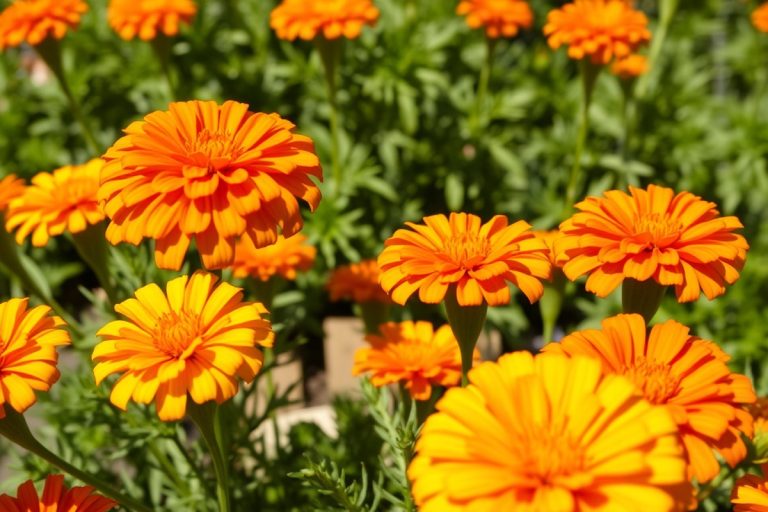
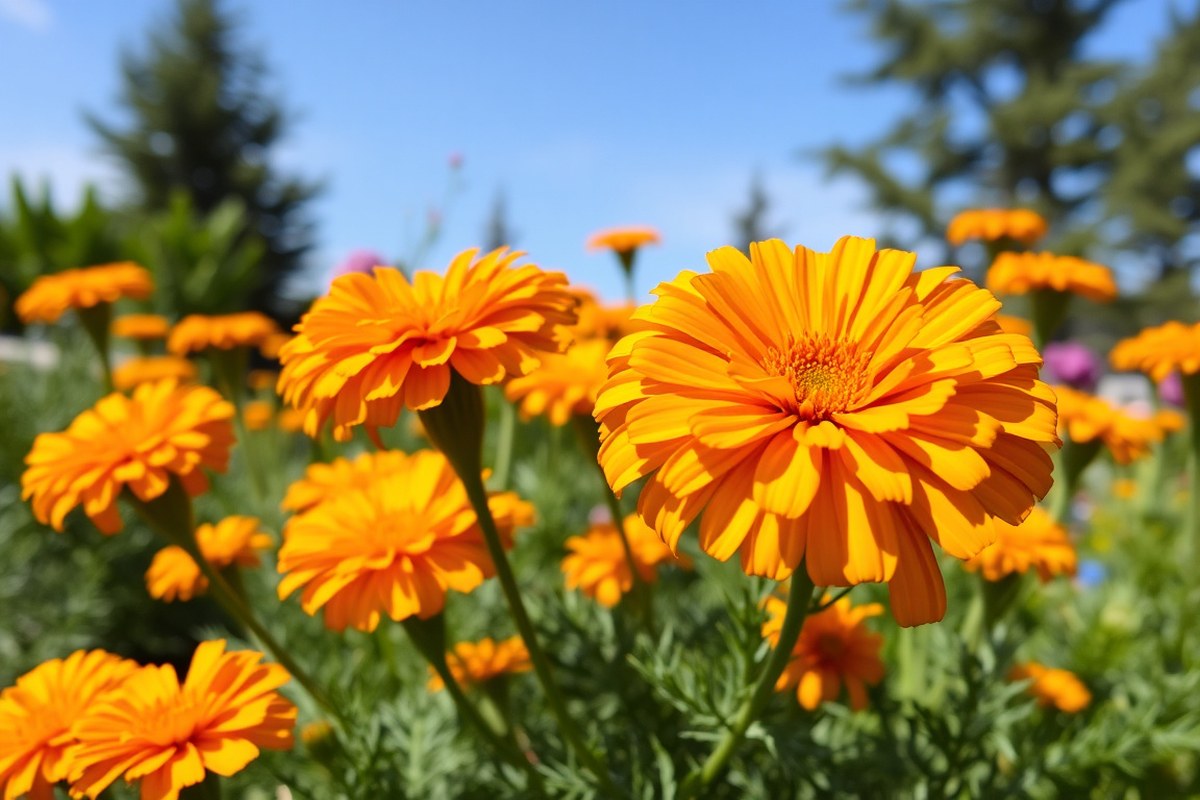
The most common edible marigold is Calendula officinalis, often called pot marigold. Its petals add a peppery, tangy note to salads or rice. Other marigold types like signet marigold can also be eaten but with a milder taste.
Always eat marigolds you grew yourself or bought from a trusted source. Avoid flowers treated with pesticides or chemicals not safe for food. Start by tasting a petal to check for any sharp or bitter flavors.
Key Takeaways
- Eat only edible marigold species like Calendula officinalis or Tagetes types.
- Use marigold petals as a seasoning, not as the main ingredient.
- Harvest fully open flowers after the morning dew has dried.
- Rinse petals gently if dirty, avoid soaking to keep texture.
- Store fresh petals in the fridge and use within 24 hours.
- Try fresh petals on salads or dry them for tea and spice blends.
Can You Eat Marigold Flowers and Which Types Are Safe?
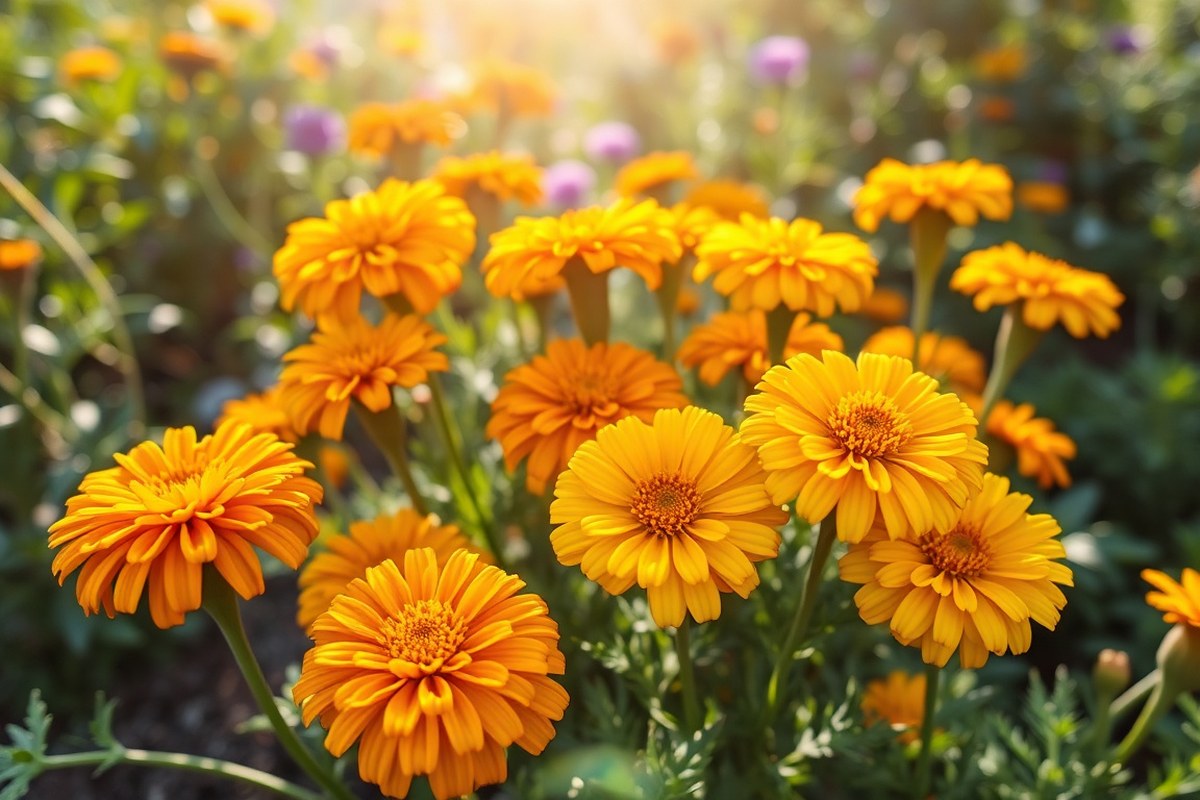
Yes, you can eat marigold flowers safely if you know which types to choose. Edible marigolds mainly include Calendula officinalis. It is often called pot marigold.
Some Tagetes species, like signet marigolds, are also edible. These are the types gardeners often grow and cook with.
Not all marigolds are safe to eat. Some ornamental varieties may have bitter flavors or mild toxins. So it’s best to stick with known edible species.
Avoid flowers from outside your garden. Don’t pick flowers from florists unless they’re certified edible. Make sure they grow without pesticides.
The table below compares main edible marigold species and their safe culinary uses. It helps you decide which types are best for eating and how to identify them.
| Species | Common Name | Edible Parts | Flavor Notes | Growing Use | Identification Tips |
|---|---|---|---|---|---|
| Calendula officinalis | Pot Marigold | Flowers, tender leaves | Mild, slightly peppery, citrusy | Culinary, salads, garnish | Bright orange or yellow petals, daisy-like shape |
| Tagetes tenuifolia | Signet Marigold | Flowers, young leaves | Delicate citrus and lemon | Salads, garnish, flower beds | Small flowers, finely divided leaves |
| Calendula arvensis | Field Marigold | Flowers | Mildly bitter, spicy | Wild edible, occasional garden use | Smaller flowers than pot marigold, often pale yellow |
To confirm if marigold is edible, check the species. It should be Calendula or a safe Tagetes type. Only these are considered safe.
The flowers should look fresh with bright colors. Make sure there are no signs of mildew or pests. And never use plants treated with chemicals.
Gardening catalogs or seed packets often label edible marigolds. Buy flowers only from sources that certify them as edible. This care protects you from accidental ingestion of toxic varieties.
Differences in marigold species affect safety and flavor. They also change how you use them in meals.
What Parts of the Marigold Plant Can You Eat Safely?
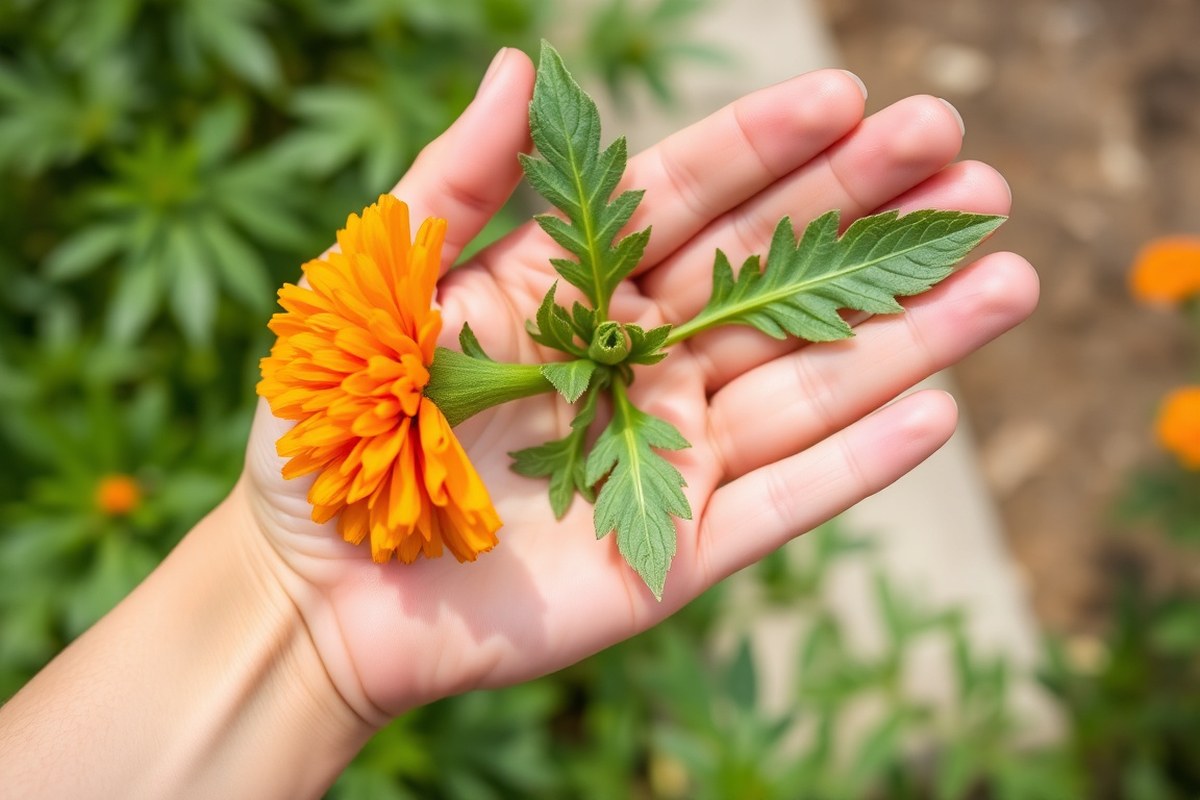
Only certain parts of marigold plants are safe to eat, mainly their flowers and young leaves. The roots and seeds generally aren’t edible or recommended. You should pick these parts carefully depending on the marigold species you grow.
Edible Parts of Popular Marigold Types
Tagetes marigolds, the most common garden type, have edible petals and young leaves. Their flowers add color and a mild taste to dishes.
Pot Marigold (Calendula officinalis) is also edible but is a different species. It blooms early and is valued mainly for its flavorful petals.
Avoid eating roots from any marigold. They lack a culinary tradition and could be bitter or harmful. Seeds usually aren’t eaten because they don’t add flavor.
They can be tough or bitter. So, most people leave them out of recipes.
When and How to Harvest Leaves and Flowers
Picking leaves before flowers bloom makes them sweeter and more tender. Look for young, bright green leaves near new growth. Flowers are best harvested when fully open but fresh, ideally in the morning after dew dries.
Wash picked parts gently to remove dirt or insects. Store flowers in cool water and separate petals before serving to keep them fresh. Keep leaves in a plastic bag in the fridge.
Use them within a few days to avoid wilting. This helps them stay fresh longer.
How to Identify and Harvest Safely
Choose marigolds from your garden or trusted edible flower growers. Avoid store-bought flowers from florists or roadside plants. These may be treated with harmful chemicals.
Harvest by snipping flowers and leaves with clean scissors or garden shears. Avoid bruising petals as that can reduce their color and flavor. Select fully developed flowers but avoid any wilting or browning petals.
Edible vs Non-Edible Parts by Species
- Tagetes marigolds: edible petals and young leaves; avoid roots and seeds
- Calendula officinalis: edible petals; leaves used rarely, roots non-edible
- Other marigold varieties: mostly edible flowers; check species specifics before eating leaves
- Roots from all types are generally not edible or recommended
- Seeds usually not consumed due to bitterness and texture
- Always avoid plants treated with pesticides or herbicides
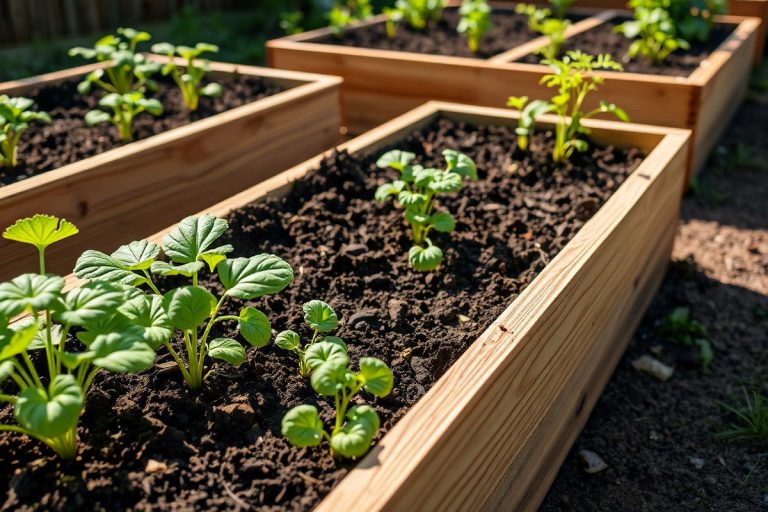
Start seeds indoors 6 to 8 weeks before the last frost. This timing helps you harvest at the right time. Plan ahead so plants grow well.
Growing your own gives the cleanest, safest edible parts. This helps you control chemical exposure and freshness.
Don’t eat marigold flowers or leaves from treated or roadside plants, they may be unsafe.
How Do Marigold Flowers Taste? Flavor Profiles by Variety
Marigold flowers have distinct flavors that vary by species and cultivar. Pot marigold petals offer a peppery, tangy taste with a light bitterness. Signet marigold delivers a bright, citrus-like flavor that many find pleasant and mild.
French marigold petals carry a sharp or resinous flavor, so use them sparingly. African marigolds mainly provide color rather than flavor. The leaves have a citrus-anise taste.
Tender leaves taste stronger. Most cooks eat other parts instead.
| Marigold Type | Kitchen Use | Flavor Notes |
|---|---|---|
| Pot marigold (Calendula officinalis) | Salads, rice, butter, herb blends, tea mixes | Peppery, tangy, lightly bitter |
| Signet marigold (Tagetes tenuifolia) | Salads, garnish, finishing plates | Bright, light, citrus-like |
| French marigold (Tagetes patula) | Tiny amounts as garnish | Sharp, sometimes resinous |
| African marigold (Tagetes erecta) | Coloring only | Minimal flavor, mostly color |
Using fresh petals usually gives the best flavor punch. Drying petals concentrates bitterness and tang, which can vary the outcome. You can mix marigold leaves with mint.
Lemongrass also works well. It adds a fresh citrus-anise flavor.
Try tasting one petal first if you are new to using French marigolds. Signet marigold is often considered the friendliest edible marigold for its gentle brightness. Pot marigold works well where you want peppery, tangy flavor with a slight bite.
When and How to Harvest, Clean, and Store Marigold Flowers
You want to pick marigold flowers when they’re fully open and dry. Cleaning them gently keeps the petals fresh and tasty. Store fresh petals in the fridge up to one day.
To keep them longer, dry petals carefully. Use dried petals in cooking or teas.
Best Time of Day to Harvest
Pick marigold flowers midmorning, after dew dries off the petals. They hold their best flavor and texture when fully open. Avoid harvesting in the early morning or late afternoon because moisture and heat can affect quality.
Flowers picked too early or wet can spoil faster and taste bitter. Look for blooms that show bright colors with no brown spots. These will add the most flavor and look best on your plate.
Cleaning Techniques for Petals and Leaves
Shake the flowers gently to remove dirt and bugs right after you pick them. Only rinse if you spot visible dust or small insects. Excess water can make petals soggy and reduce shelf life.
Rinse petals with cool water briefly. Then pat them dry with a clean towel.
Avoid soaking petals in water; they absorb too much moisture. Dry leaves and petals carefully to keep them crisp and flavorful.
Storing Fresh Petals vs Drying for Long-Term Use
Store fresh marigold petals in a clean, lined container in the fridge. Use them within 24 hours to enjoy their bright flavor and crisp texture. Fresh petals make the best garnish and add vibrant color.
To dry petals, spread them in a single layer on a towel immediately after cleaning. Let petals air dry fully.
Or dry them in an oven at 180°F. This takes a few hours. Store dried petals in an airtight container to keep their flavor for months.
Use dried petals in teas or spice blends. They add a gentle marigold flavor.
Dried petals suit cooking too. Fresh petals suit raw dishes or quick cooking where their texture stands out.
- Wait until midmorning, after dew dries, to harvest blooms.
- Pick flowers fully open with no damage or browning.
- Shake each flower gently to remove dirt and insects.
- Rinse petals quickly with cool water only if really dirty.
- Pat petals dry carefully with a clean towel.
- For fresh use, place petals in a lined container and refrigerate.
- For drying, spread petals on a towel or use a 180°F oven for several hours.
- Store dried petals in an airtight container away from heat and light.
How to Use Marigold Flowers in Cooking and Recipes
Marigold petals brighten up many dishes with color and a mild flavor. You can toss fresh petals into green salads. Mix them with arugula and melon.
It adds a colorful burst. Snip off the white part of the petals first. This makes the taste cleaner and less bitter.
To use marigold in drinks, add fresh or dried petals. Put a handful in iced tea, lemonade, or sparkling water. Let it steep for 5 to 10 minutes.
Wait until the liquid turns a warm orange glow. This infusion adds a subtle floral note without overpowering the drink.
When cooking, marigold petals work well in warm dishes like stir-fry or soup. Add them near the end of cooking so the petals keep their color and mild flavor. You can sprinkle dried petals on deviled eggs or grain bowls for a pretty finish.
- Add marigold petals to mixed green or melon salads for fresh color.
- Steep petals in milk or cream for 15 minutes. Use this orange base for sauces or desserts.
- Use fresh petals as a garnish on soups and deviled eggs.
- Toss dried petals into hot dishes during the last minutes of cooking.
- Infuse petals in lemonade or iced tea for 5 to 10 minutes for a colorful twist.
- Use just petals if color is wanted, to avoid too strong a flavor.
Fresh petals give a brighter look and a fresher taste. But dried petals keep well and store your harvest longer.
Dried petals release color easily but lose some of the delicate flavor. For cooking, fresh petals usually give the best balance.
Rinse fresh marigold petals gently before use to remove dust and tiny bugs.
Safety Tips: Avoiding Chemicals, Allergies, and Mistakes
Marigolds from garden centers or florists often carry chemical pesticides. These chemicals can linger on the petals and leaves, making them unsafe to eat. Only consume marigolds you grow yourself or source from a trusted organic supplier.
People allergic to daisies, ragweed, or chrysanthemums may also react to marigolds. Try a small taste first to check for any itching or swelling. If you notice a reaction, avoid eating marigolds altogether.
Common mistakes include harvesting untreated plants, eating the wrong part, or using large amounts. These errors can cause stomach upset or allergic reactions. Stick to small servings of clean petals from correctly identified marigold species.
- Buy marigolds grown without pesticides or grow your own
- Test a tiny bite to check for allergies before eating more
- Wash marigolds thoroughly in cool water before use
- Eat only the petals, not the leaves or stems
- Avoid roadside, florist, and nursery plants treated with chemicals
- Use small amounts at first to prevent stomach discomfort
- Confirm your marigold species matches edible varieties, like Tagetes
Following these safety steps reduces the risk of chemical poisoning and allergy problems. Identifying plants using reliable sources, such as the Royal Horticultural Society guide, helps avoid confusion. The rules work for both fresh and dried marigold petals.
Marigold allergies happen because they belong to the same plant family as ragweed and daisies. Eating just a few petals during a tasting can reveal any sensitivity. Stop right away if you feel itching, rash, or swelling in your mouth or throat.
Differences Between Fresh and Dried Marigold Petals for Use
Fresh marigold petals have a crisp texture and brighter, more vibrant flavor. They add a lively, slightly tangy note to salads or fresh dishes. Dried petals taste earthier and milder, with a softer mouthfeel suited for baking or infusing teas.
You can dry marigold petals easily by spreading them out in a single layer. Let them air dry in a warm, dark place for about one to two weeks. Store dried petals in airtight containers to keep their flavor for up to one year.
| Characteristic | Fresh Marigold Petals | Dried Marigold Petals |
|---|---|---|
| Flavor | Bright, tangy, slightly bitter | Mild, earthy, less pungent |
| Texture | Crisp, tender | Soft, crumbly |
| Shelf Life | Use within 2-3 days, refrigerated | Up to 12 months when airtight, dark storage |
| Best Use | Garnishes, fresh salads, fresh drinks | Herbal teas, baked goods, spice blends |
| Storage Tips | Keep dry, refrigerate in a sealed container | Store in airtight jar, away from light and heat |
Picking fully open flowers for drying helps preserve flavor and color. Avoid drying marigolds in direct sunlight; it fades their bright color. Once dried and stored properly, petals keep their taste without needing refrigeration.
Use fresh petals when you want a colorful, crispy touch right before serving. Turn to dried petals for slow-cooked recipes or when you want marigold flavor all year.
Both forms complement different dishes well. So having a supply of each can be handy.
Growing Edible Marigolds: Tips for Best Flavor and Harvest
Marigolds grow quickly, usually ready to harvest within 8 to 12 weeks. They need well-drained soil, full sun, and no pesticides for safe eating. Choosing the right seeds and growing conditions helps bring out their best flavor.
Choosing Seeds for Edible Varieties
Not all marigold seeds produce edible flowers. Look for varieties like Calendula officinalis, which are known for being safe to eat. Avoid hybrid marigolds made for decoration.
They may have chemicals. These traits can change flavor and safety.
Check seed packets or catalogs for labels that say “edible” or “culinary grade.” Organic seeds reduce the risk of pesticide exposure and support safe harvesting. Buying seeds from trusted suppliers also helps prevent accidentally planting treated or ornamental-only varieties.
Only use seeds specifically labeled for edible or culinary use to avoid unsafe chemicals.
Planting and Growing Conditions
Marigolds need at least 6 hours of direct sunlight each day. They prefer soil with good drainage and moderate fertility. Excessive nitrogen can make flowers weak and less flavorful.
Keep soil slightly moist but avoid overwatering. Water at the base to reduce fungal risks on flowers and leaves. Avoid using chemical pesticides or herbicides near edible marigolds to keep them safe.
- Plant in full sun, 6+ hours daily
- Use well-draining soil with pH 6.0, 7.0
- Water moderately, focusing at the base
- Opt for organic or pesticide-free soil amendments
- Avoid chemical sprays and synthetic fertilizers
- Thin seedlings to allow good air flow
Organic compost or balanced slow-release fertilizers encourage healthy growth. Growing marigolds near herbs or vegetables can also reduce pests naturally and improve flower quality.
Harvest Timeline and Best Practices
Most marigold varieties are ready to harvest in 8 to 12 weeks after planting. Flowers taste best when fully open but still fresh. Picking in the morning, after dew dries, keeps petals firm and vibrant.
Use clean scissors or garden shears to snip flowers. Avoid harvesting after rain to prevent soggy petals. Keep harvested flowers in a cool spot.
You can also dry them gently. This keeps their taste and color.
- Harvest flowers 8, 12 weeks after planting
- Pick fully opened, fresh flowers in the morning
- Use clean tools to avoid plant damage
- Avoid harvesting wet or damaged petals
- Store briefly in cool locations before use
- Dry petals gently to preserve flavor if needed
Check plants daily once flowers begin blooming to catch the best harvest time. Overripe or wilted petals lose flavor and can spoil quickly.
Step-by-Step Action Plan for Using Edible Marigold Flowers
Follow these steps to safely grow, harvest, and cook with marigold flowers. Each step builds on the last for the best taste and safety.
- Before Planting: Choose edible marigold varieties like Calendula officinalis. This ensures the flowers are safe to eat.
- Week 1: Plant seeds in well-drained soil with full sun. Healthy plants start well here.
- Week 4: Thin seedlings to 8-12 inches apart. This helps flowers grow larger and stronger.
- Week 7: Begin harvesting fully open flowers in the morning. Fresh petals have the best flavor at this time.
- After Harvesting: Rinse flowers gently under cold water. This removes dirt and insects safely.
- Within 1 Day: Use fresh flowers right away. Or store them in a container lined with paper towels. Keep it in the fridge until you need it. They stay fresh for about a day this way.
- For Drying: Spread petals on a paper towel and air dry away from sun. Dry petals last longer and still add flavor.
- During Cooking: Add petals near the end of cooking. Use them in salads, soups, or teas. This gives mild spice or adds color. Heat can reduce flavor if cooked too long.
Frequently Asked Questions
Can You Eat Marigold Flowers Raw?
Yes, you can eat marigold flowers raw. They add color and mild flavor to salads or garnishes.
Are Marigold Seeds Edible Too?
Marigold seeds are not edible and should not be eaten. Only the flowers and tender leaves are safe to eat.
Can Marigold Flowers Cause Allergies?
Some people may have mild allergic reactions to marigold pollen or skin contact. Try a small amount first.
How Long Do Fresh Marigold Flowers Last Before Wilting?
Fresh marigold flowers usually last 3 to 5 days in the fridge if stored properly. Wrap them loosely in paper towel.
Is It Safe to Eat Marigolds That Have Been Sprayed with Pesticides?
No, avoid eating marigolds if they have been treated with pesticides or chemicals. Always use organic or homegrown flowers.
Do Marigold Flowers Lose Flavor When Cooked?
Yes, cooking can reduce the bright, citrusy flavor of marigold flowers. Add them near the end or use raw.
Wrapping Up
You can safely enjoy marigold flowers in your cooking when you pick the right types. Start by planting edible varieties and harvest them fresh. Try adding petals to your next salad for a simple, tasty upgrade.