How Tall Will Tomato Plants Grow? A Complete Guide with Key Varieties & Tips
How tall will tomato plants grow depends mostly on the variety you pick. Most tomato plants grow anywhere from 2 to 10 feet tall. Some cherry tomato plants can even reach 6 to 10 feet if conditions are right.
Choosing indeterminate varieties usually means taller plants because these keep growing all season. Determinate types tend to stop around 3 to 5 feet tall. You can control height some by pruning and staking your plants as they grow.
Start by picking a tomato variety that fits your space. Watch your plant’s growth often and adjust supports to keep it from falling over. Good care and proper training help your tomato plants reach their full height without problems.
Key Takeaways
- Indeterminate tomato plants can grow over 6 feet tall with good conditions.
- Determinate tomato plants usually top out between 3 to 5 feet.
- Dwarf varieties like Tiny Tim stay about 6 inches tall for small spaces.
- Pruning and staking help control plant height and promote healthy growth.
- Choose your tomato type based on how much vertical space you have.
- Regularly check plant height and adjust supports to prevent damage.
How Tall Do Tomato Plants Typically Grow?
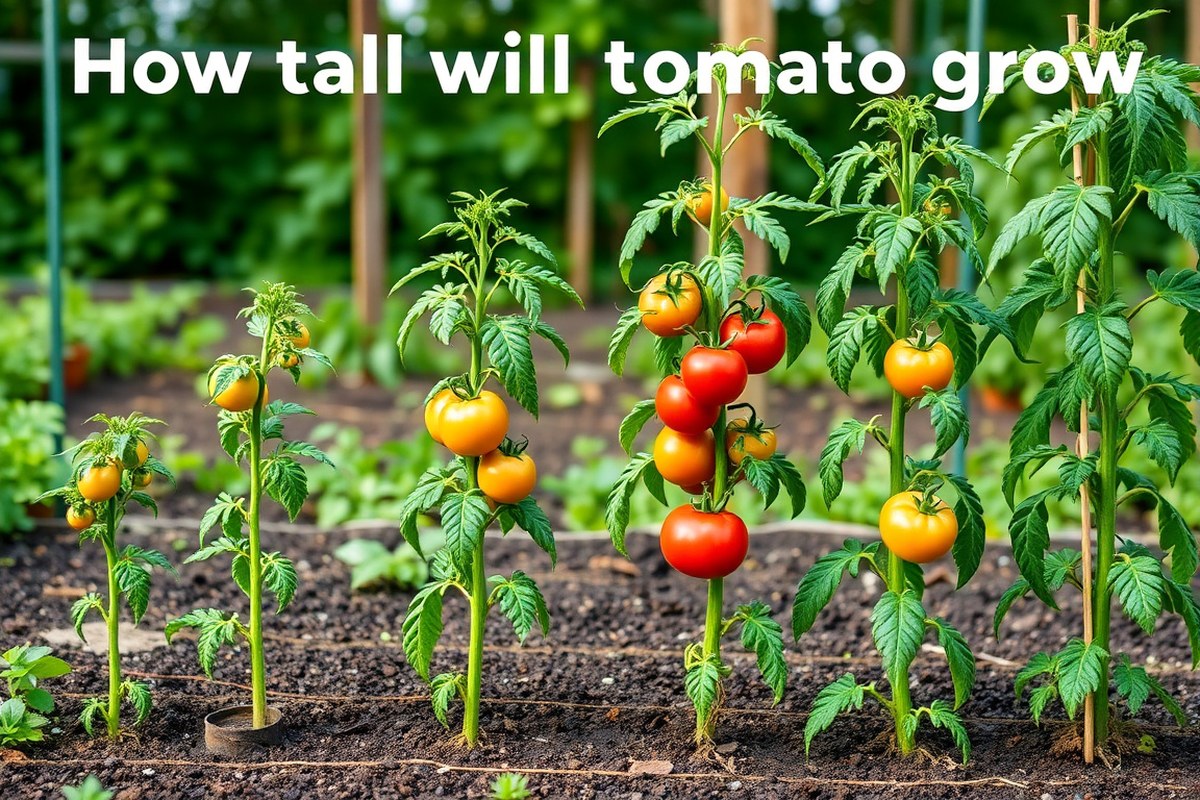
Tomato plants usually grow between 2 and 10 feet tall. Their height depends partly on the variety you choose and how well you care for them.
Indeterminate types can reach 8 feet or taller. Determinate varieties often stay under 3 feet.
Cherry tomato plants, which are often indeterminate, typically grow from 6 to 10 feet tall. This means they can get quite tall compared to regular, determinate type tomatoes that stay shorter. Patio or Roma tomatoes usually grow 2 to 4 feet tall.
They fit better in small garden spaces. These types are a good choice for patios.
Extreme cases exist. A world-record tomato plant once reached 65 feet. But that is very rare and needs special care.
Most home gardeners see plants around 6 to 8 feet tall when growing indeterminate tomatoes. Get tomato cages or stakes ready before plants hit 3 feet.
This helps control their height. It also supports plants that get top-heavy.
How Tomato Varieties Affect Plant Height
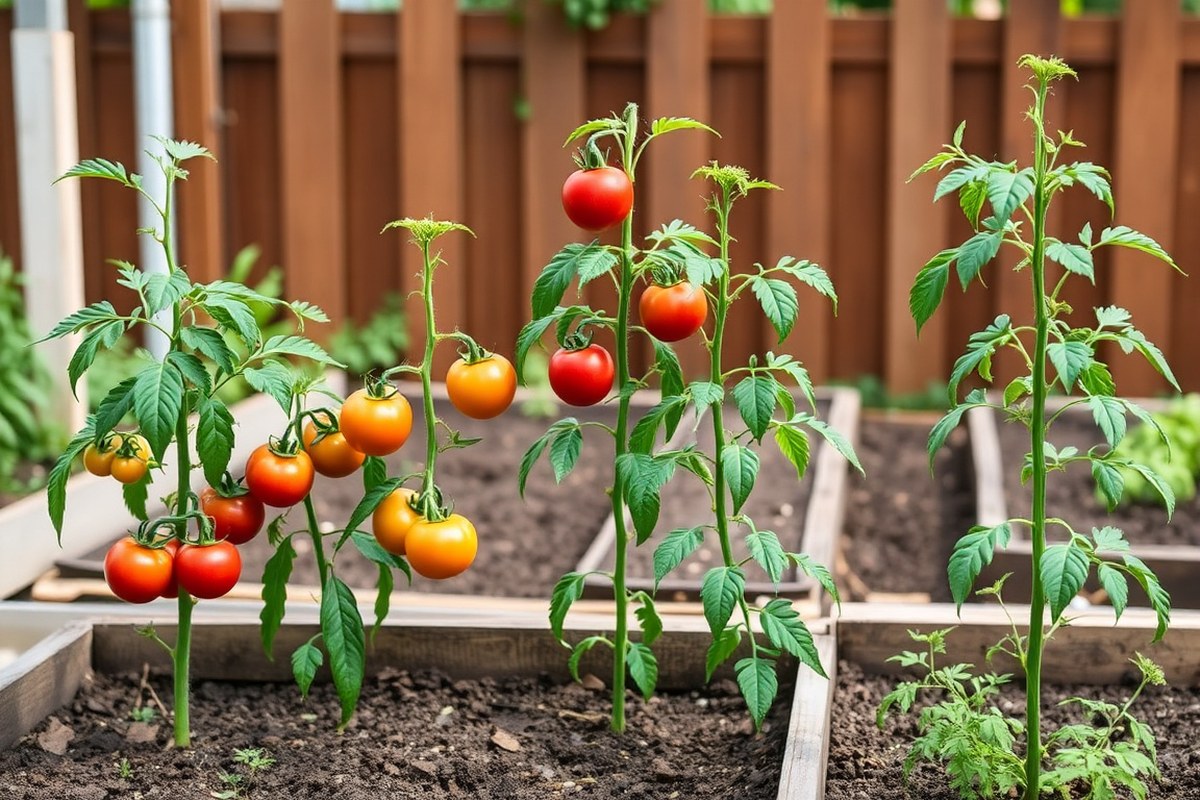
Tomato plant height differs mainly by variety type. Determinate types stay under 4 feet, while indeterminate plants climb 6 feet or more. Semi-determinate varieties fall in between, offering moderate height and growth.
Determinate Tomatoes: Compact and Bushy
Determinate tomatoes stop growing once they reach a set height, usually between 2 and 4 feet. These bushy plants produce all their fruit at once. They are easier to manage in small spaces.
This makes them a good choice for limited gardens. They work well in containers and need only minimal support like small cages or stakes.
These varieties suit gardeners with limited space because they stay compact. You should prune lightly to avoid top-heavy plants. Their shorter branches reduce the need for tall supports, saving money on trellises and stakes.
Semi-Determinate Tomatoes: Mid-Range Height
Semi-determinate tomato plants grow taller than determinate types, usually reaching 4 to 5 feet. Because they have an extended fruiting season, they produce tomatoes over a longer period. These plants often need sturdy stakes or cages to keep them upright as they grow.
They give gardeners a longer harvest period. Their size stays manageable for most home garden spaces. This option suits those avoiding tall plants.
Semi-determinate types require moderate care with pruning and support. Their size fits medium garden plots and sturdy containers larger than 5 gallons.
Indeterminate Tomatoes: Tall Climbers
Indeterminate tomatoes grow all season long and can get very tall. They keep producing fruit until frost stops them. Sturdy support like stakes or trellises is needed to hold them up.
Indeterminate tomatoes demand regular pruning and training to manage their sprawling growth. They are best for gardeners with ample vertical space and patience for ongoing care. Without proper support, these heavy vines can break or flop, harming the fruit.
Here’s a quick overview of how variety types affect tomato height, growth habit, and support needs:
| Variety Type | Typical Height | Growth Habit | Support Needed |
|---|---|---|---|
| Determinate | 2 to 4 feet | Bushy, compact | Minimal |
| Semi-Determinate | 4 to 5 feet | Compact with some vine | Stake or cage |
| Indeterminate | 6 to 10 feet | Vining, sprawling | High |
| Cherry Tomatoes (Indeterminate) | 3 to 6 feet | Vining | Moderate |
| Beefsteak Tomatoes (Indeterminate) | 5 to 8 feet | Vining | High |
| Dwarf Varieties (e.g., Tiny Tim) | 6 inches to 2 feet | Compact, bushy | Minimal |
Dwarf tomatoes like ‘Tiny Tim’ stay under 2 feet tall, making them perfect for small containers. Most determinate tomatoes suit containers too.
But indeterminate kinds need larger spaces and taller supports. Knowing this helps you pick plants that fit your gardening area and effort.
Small containers need dwarf or determinate tomatoes to avoid overcrowding and root stress.
Key Environmental Factors That Influence Height
Tomato plants need at least six hours of direct sunlight every day. Enough light helps them grow tall and develop strong stems. Without enough sun, plants stretch thin and weak, making them less productive.
Soil also plays a big role in height. Tomatoes grow best in well-draining soil rich in nutrients.
You can mix compost or aged manure into the soil before planting to boost fertility. Good soil drains water but holds enough moisture for roots to absorb nutrients easily.
Watering frequency affects plant height, too. Keeping soil consistently moist prevents stress that stunts growth.
Avoid letting the soil dry out completely or become soggy. Using mulch can help maintain even moisture and reduce watering chores.
Space between plants influences growth by reducing competition for sunlight and nutrients. Crowded plants tend to stay smaller and develop fewer fruits.
Plant tomatoes about 18 to 24 inches apart. This spacing allows air circulation and room for vertical growth without overcrowding.
- Provide 6+ hours of direct sunlight daily for sturdy growth
- Use well-draining, nutrient-rich soil mixed with compost
- Keep soil consistently moist but not waterlogged
- Mulch to retain moisture and reduce watering frequency
- Space plants 18 to 24 inches apart for room to grow
- Stake or trellis plants to support vertical height
- Maintain temperatures around 70°F to 85°F during the day
Temperature also shapes plant height. Tomatoes grow best between 70°F and 85°F during daylight hours. Cooler or hotter temperatures can slow growth or cause stress.
Using supports like stakes or trellises helps tomato plants grow upward. They keep the plants standing tall and let sunlight reach all leaves. This support encourages stronger vertical growth throughout the season.
Using Pruning and Training to Control Tomato Height
Pruning and training tomato plants helps control their height and boosts fruit production. Removing suckers directs the plant’s energy toward growing fruit instead of more leaves. Using stakes and cages supports the plant as it grows taller and prevents damage.
When to Begin Pruning Tomato Plants
Start pruning once your tomato plants develop several sets of leaves. This usually happens about 3 to 4 weeks after transplanting seedlings outdoors. Early pruning stops plants from getting too crowded and focuses energy on the main stem.
Keep an eye out for suckers, the small shoots growing in the leaf axils. Begin pruning these suckers when they reach 2 inches or longer. Removing them early is easier and prevents them from using too much energy.
How to Remove Suckers Correctly
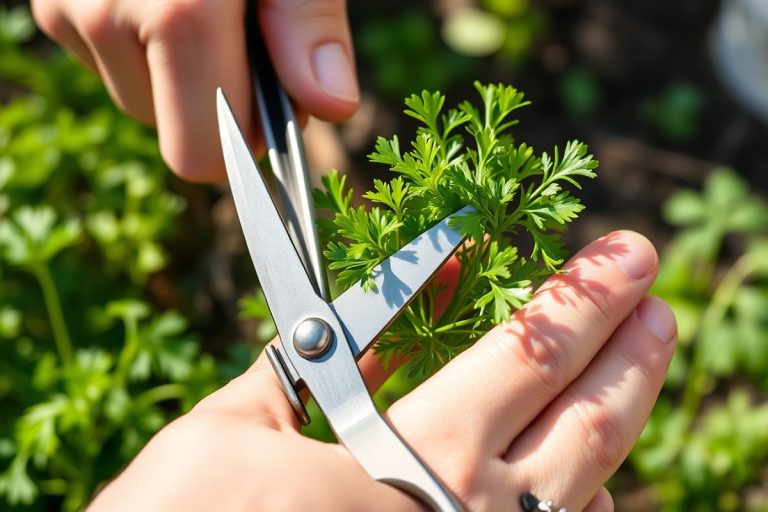
Removing suckers correctly helps keep your plant upright and productive. Use clean pruning shears or pinch suckers off by hand to avoid damaging the main stem. Suckers that get too big can leave a large wound when cut.
This slows down healing on the tomato plant. It’s better to prune suckers when they are small.
Follow these steps to remove suckers properly:
- Inspect the plant regularly for suckers between the main stem and branches.
- Pinch off small suckers when they are about 2 inches long.
- Use sharp, clean pruning shears for larger suckers to cut close to the stem.
- Discard the removed suckers away from the plant to prevent disease spread.
- Wash your hands and tools before and after pruning.
Training Tomatoes on Stakes and Cages
Tall tomato plants need strong support to stay upright and healthy. Use stakes or cages to hold plants as they grow taller than 3 feet. This support reduces branch breakage and helps air circulate around leaves.
Here’s how to train tomatoes on stakes or cages:
- Choose 3- to 4-foot stakes for determinate tomatoes or taller supports for indeterminate varieties.
- Drive stakes firmly into the ground 2 to 3 inches away from the main stem.
- Tie the main stem loosely with soft garden ties every 8 to 12 inches.
- Place tomato cages around young plants early in the season.
- Guide branches through the cage openings as the plant grows.
Pruning for Determinate vs. Indeterminate Plants
Determinate tomato plants grow 3 to 5 feet tall. They stop growing after fruit sets. Their height stays fixed once they reach full size.
Pruning these plants is minimal and mostly focuses on removing dead or crowded leaves. Heavy pruning can reduce fruit yield on determinate types.
Indeterminate tomatoes grow tall and keep producing fruit throughout the season. Regularly prune suckers on these plants to control height and improve fruit quality. Keep in mind, indeterminate types will always try to grow taller with less pruning.
Choosing the Right Support Based on Plant Height
Short tomato plants need small stakes or cages about 3 to 4 feet tall. These supports keep plants upright and prevent branches from breaking. Start staking early, so the plants grow straight and have sturdy support.
For taller tomatoes growing 5 feet or more, use stakes. Choose stakes or cages at least 6 feet tall to support them.
This height matches the plant’s potential and avoids crowding or falling over. Secure the plant as it grows, tying loosely every 12 to 18 inches.
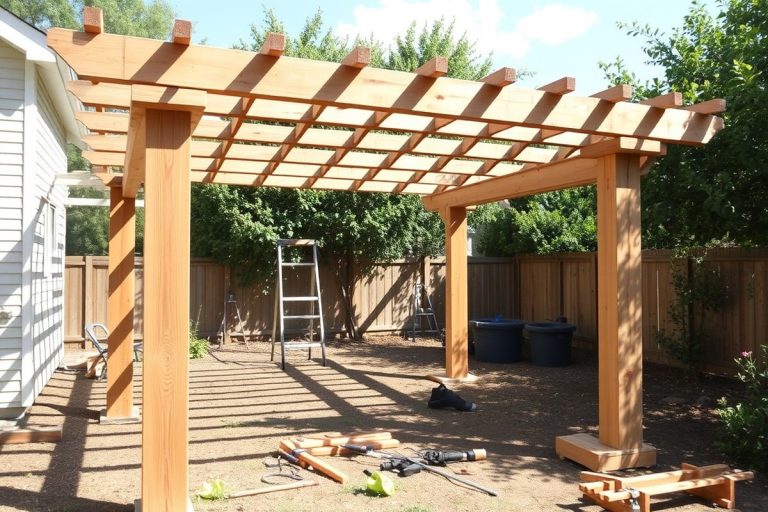
Trellises work well for very tall tomato plants, especially indeterminate types that keep growing. A trellis lets vines climb upwards and saves garden space. Build a trellis at least 7 feet tall.
Use strong wood or metal materials. This will hold the tomatoes’ weight well.
Choosing the right support depends on your tomato’s expected height plus room for growth. If your tomato plant can reach 4 feet, select a 5-foot support. This gives extra room for growth.
Use either a cage or stake. Placing the support too short can cause the plant to flop. Too tall may waste space and materials.
Attach plant ties loosely and adjust as the tomato grows to avoid stem damage.
Common Growth Issues That Limit Tomato Height
Tomato plants may stop growing tall because of nutrient shortages or bad watering habits. Nitrogen is a big one; without enough, plants look pale and don’t grow much. Overwatering also leads to problems by drowning roots and limiting oxygen, which stunts growth.
Pests and diseases slow tomato plants too. Insects like aphids or whiteflies suck plant juices, while diseases cause spots and wilting. Both make plants weak and short.
Dense leaves can trap moisture, which raises disease risk. So regular checks help catch issues early.
- Use a balanced fertilizer with nitrogen, phosphorus, and potassium regularly
- Water tomatoes deeply but let soil dry between sessions
- Plant tomatoes deep to support strong root systems
- Keep plants spaced out to reduce shade and lower humidity
- Look under leaves weekly for pests like aphids or whiteflies
- Remove diseased leaves to prevent spread and improve airflow
- Swap soil or pots for better drainage if roots stay wet
Bad lighting or cold weather can slow or stop tomato growth too. Tomatoes need at least six hours of sun to reach full height.
Cooler soil, under 60 °F, slows nutrient uptake, causing short, thin plants. Container growers should watch roots don’t get crowded, which also limits growth.
Fixing these problems lets your tomato plants grow taller and stronger. Good care means steady feeding, careful watering, and watching for bugs or sickness. Each step helps the plant use sunlight and soil better for bigger growth.
How Long Does It Take Tomato Plants to Reach Full Height?
Tomato plants usually reach their full height in 60 to 90 days from seedling stage. This depends heavily on the variety you choose. Indeterminate types keep growing and can exceed 8 feet by fall in long-season climates.
Flowering typically starts when plants reach about 12 to 24 inches tall. This usually happens 4 to 6 weeks after transplanting seedlings outdoors. At this point, small yellow blossoms appear, signaling the plant is ready to set fruit.
Fruit production begins about 5 to 7 weeks after planting. You’ll see green tomatoes form shortly after flowers drop. By week eight to ten, fruit start ripening, reaching the mature red or other variety colors.
Growth rates vary by variety and growing conditions. Determinate tomato plants grow faster but stop once fruit sets.
Indeterminate types grow throughout the season until frost. So they keep gaining height and new flowers.
Full sun exposure and proper spacing help tomatoes grow strong and tall at the predicted rates. Overcrowding causes stems to stretch and become weak while reducing actual fruit production. For best results, space plants 18 to 24 inches apart.
Keeping an eye on your tomato plants during the first month helps you track their progress. For example, if flowering doesn’t start by week six, it could mean the plant needs more sunlight.
It might also lack enough nutrients. Adjust watering, sunlight, or feeding as needed to help the plant catch up.
Selecting Tomato Varieties for Your Space and Height Goals
Pick a tomato type that fits your garden space. Think about how tall you want the plants to grow. Space and height matter for your choice.
Small gardens and containers need compact types. Large spaces can handle taller, sprawling plants. Matching the variety to your space helps keep plants healthy and easy to manage.
Dwarf and Patio Tomato Varieties
Dwarf and patio tomatoes grow less than 3 feet tall. They work well in small gardens or on patios. Their size helps fit tight spaces.
Varieties like ‘Patio’, ‘Bush Early Girl’, and ‘Tiny Tim’ fit well in containers and small spaces. These types produce fruit all at once and don’t need much support due to their size.
These tomatoes thrive when kept in well-draining pots with rich soil and full sunlight. They usually need watering every day during hot weather, especially in containers. Choosing these varieties lets you grow fresh tomatoes even with limited space.
Tall Indeterminate Varieties for Large Gardens
Tall indeterminate tomato plants can reach 6 feet or more under good conditions. Examples include ‘Brandywine’ and ‘Cherokee Purple’. These grow continuously through the season and produce fruit over a longer time.
They need strong staking or cages since they keep getting taller. These kinds suit large gardens with plenty of room and a long growing season. These tomatoes grow for a long time and produce many fruits.
Make sure you have enough space and time to care for them. The longer growth gives better harvests.
Semi-Determinate Options for Medium Spaces
Semi-determinate tomatoes grow between 3 and 5 feet tall, offering a middle ground for moderate spaces. They combine traits of both determinate and indeterminate types. These plants produce fruit over a longer period but stay more compact than true indeterminate varieties.
This size fits raised beds or large containers well. They will need some support but don’t require the tall cages that indeterminate plants do. This option balances continuous production with easier space management.
Base your tomato choice on garden space and care time. Think about how much work you want to do. Your time and space guide your pick.
Step-by-Step Action Plan for Managing Tomato Plant Height
Follow these steps to control your tomato plants’ height and keep them healthy. This plan helps you get strong, productive plants in your garden.
- Before planting: Choose tomato varieties that fit your available space and height goals. Look for dwarf or determinate types if height limits are tight.
- Planting day: Set plants deep to encourage strong roots. Check soil moisture; it should be damp but not soggy.
- Week 1: Provide a sturdy support like stakes or cages based on your plant type. Confirm supports stand firm with gentle tugs.
- Week 2: Start pruning suckers on indeterminate tomatoes. Cut small shoots at leaf joints away. Plants should grow taller but not too wide.
- Week 4: Watch for signs of growth stress like yellow leaves or drooping. Adjust watering and fertilizing to keep plants healthy and taller.
- Week 6: Tie stems loosely to supports to prevent bending. Make sure ties don’t cut into the stem as plants grow.
- Throughout the season: Monitor plant height weekly. Prune or add support as needed to keep plants stable and manageable.
- Harvest time: Remove any dead leaves or branches to focus energy on fruit. Healthy plants produce better yields regardless of height.
Frequently Asked Questions
Can Tomato Plants Grow Taller Than 10 Feet?
Yes, some indeterminate tomato varieties can grow taller than 10 feet. They need strong support and plenty of space to climb.
Do Tomato Plants Stop Growing After Fruit Starts Forming?
No, indeterminate tomato plants keep growing even after they start fruiting. Determinate types usually stop growing once flowering begins.
Can Tomato Plant Height Affect Fruit Yield?
Taller tomato plants often produce more fruit because they have more branches. However, they need good support and care to prevent damage.
Does Tomato Plant Height Change with Fertilizer Type?
Tomato plants can grow taller with balanced fertilizer rich in nitrogen. Too much nitrogen, though, may delay fruiting.
How Does Pruning Affect Tomato Plant Height?
Pruning can control how tall tomato plants grow by limiting side shoots. It helps focus energy on fruit production rather than length.
Are There Dwarf Tomato Plants for Small Gardens?
Yes, some dwarf varieties like Tiny Tim grow about 1 foot tall. They suit container gardening and small spaces well.
Before You Go
Tomato plants can grow tall, but you control their height with choice and care. Picking the right variety and pruning regularly works best. Start today by choosing your tomato type smartly and planning your support system.