How Much Does a Bag of Mulch Cost? A Complete Guide with Pricing, Types & Savings
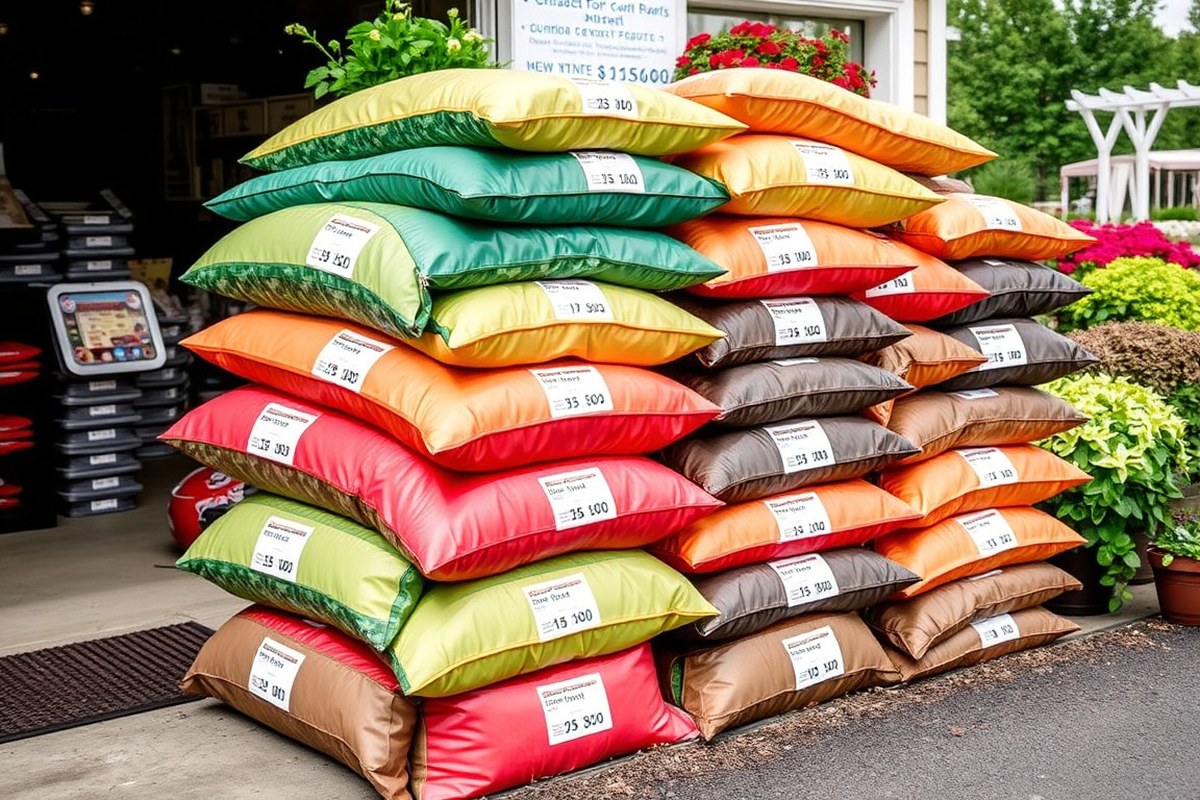
How much does a bag of mulch cost is a common question for landscaping projects. On average, a bag of mulch costs between $3.25 and $6.50. This price covers about 10 square feet if spread 2 inches deep.
Prices vary mainly because of the mulch type and whether it is dyed or natural. For example, pigments that color mulch add 50 cents to a dollar per bag. Knowing exactly what you need helps avoid buying too many bags.
Start by measuring your garden bed size to calculate how many bags you need. Also, check if bulk mulch might be cheaper for your project size. Delivery and installation fees can add to your total cost as well.
Key Takeaways
- A typical mulch bag costs $3.25 to $6.50 for about 10 square feet coverage.
- Dyed mulch bags cost 50 to 100 cents more due to added pigments.
- Measure your garden area to avoid overbuying mulch bags.
- Bulk mulch can be cheaper than bagged mulch for large areas.
- Factor in delivery and installation costs when budgeting your mulch purchase.
- Top off old mulch instead of full replacement to save materials.
Typical Cost of a Bag of Mulch In 2026
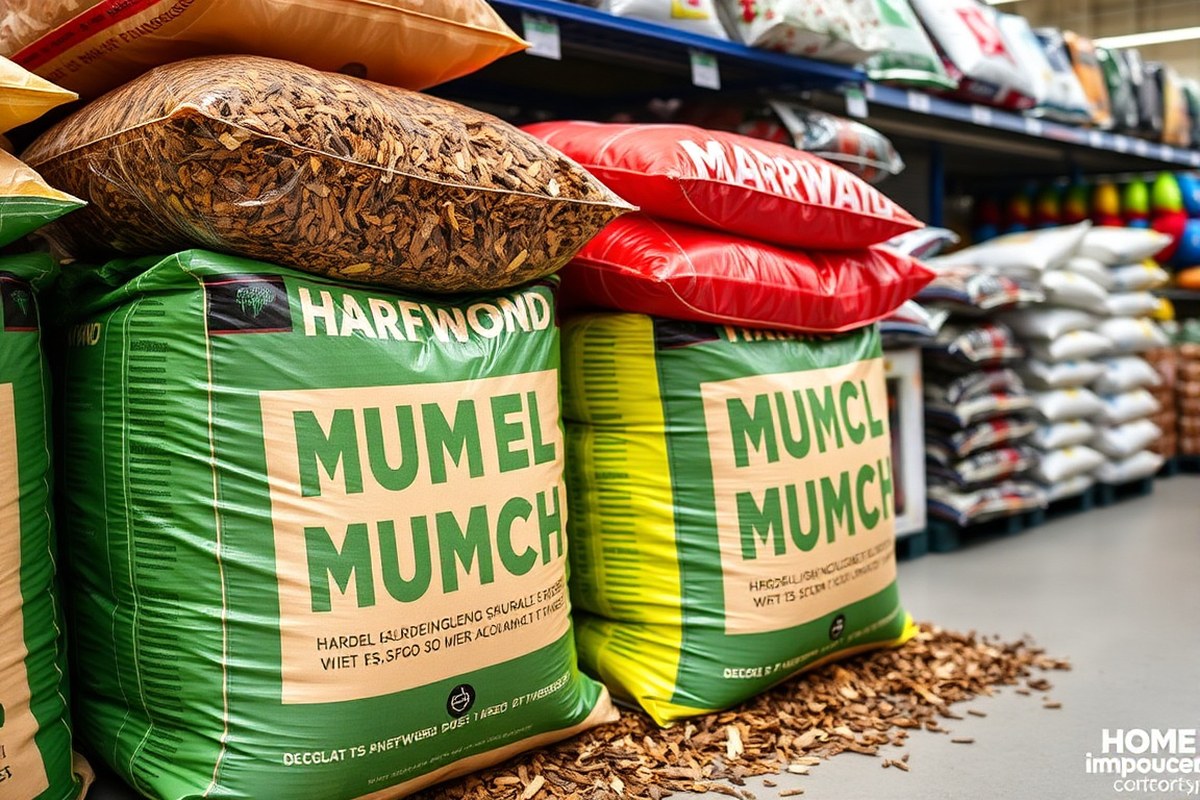
A typical 2-cubic-foot bag of dyed hardwood mulch usually costs between $3.50 and $5.50 in 2026. Prices differ depending on the store you visit. Major home improvement centers often sell bags in this price range.
Some stores charge more for heavier bags. Dyed hardwood mulch usually weighs 40 to 50 pounds.
Natural mulches, such as cedar or pine, usually cost more than dyed hardwood. For example, a 2-cubic-foot bag of natural cedar mulch often sells for $6 to $8.50 due to its lighter weight and pest-repellent properties.
Pine mulch typically falls between $5.50 and $7.50 per bag. The higher price reflects its benefits like moisture retention and suitability for vegetable gardens.
Bag size also affects cost. While 2-cubic-foot bags range from $3.50 to $5.50, larger 3-cubic-foot bags can cost between $6 and $12. The price per cubic yard equivalent tends to be higher in bagged mulch compared to bulk.
Dyed mulch usually adds 20 to 40 percent to the price over natural types. DIY gardeners should compare prices by bag and size. This helps save money without losing quality.
How Mulch Type Affects Bag Pricing and Value
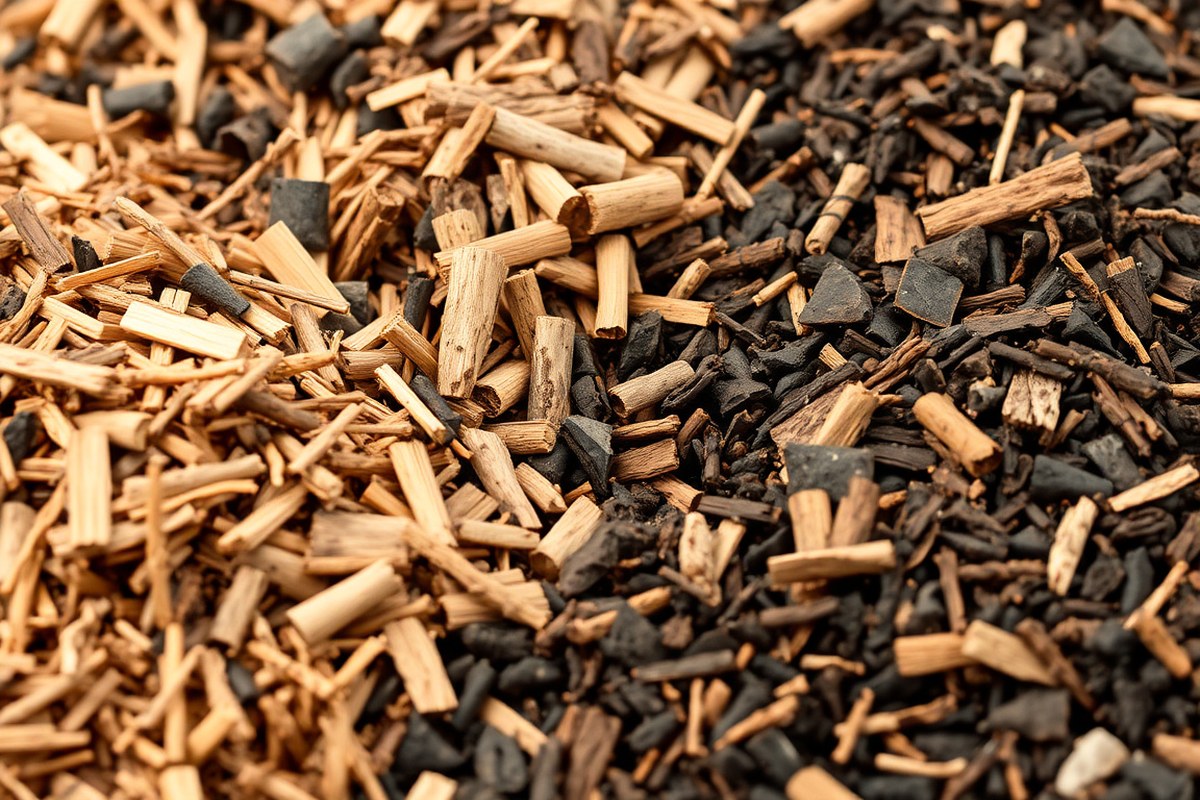
Mulch price varies with the material you pick. Organic mulches like bark or pine straw usually cost more per bag. Inorganic options like plastic or rubber are often cheaper.
You pay extra for the natural look and plant benefits of organic mulch. But it breaks down faster.
Organic mulches improve soil and retain moisture well. They last from one to three years depending on type.
Inorganic mulches, like rubber, don’t decompose and can last a decade or more. They often cost more upfront but need less frequent replacement.
| Mulch Type | Cost per Cubic Yard | Lifespan | Best Use |
|---|---|---|---|
| Pine Straw | $20, $40 per bale | 1, 2 years | Slopes, woodland gardens |
| Shredded Hardwood (Organic) | $25, $45 | 1, 2 years | Garden beds, tree rings |
| Cedar Bark | $40, $60 | 2, 3 years | Flower beds, pathways |
| Rubber Mulch (Inorganic) | $80, $160 | 10+ years | Playgrounds, long-term landscaping |
| Plastic Mulch (Inorganic) | $35 | Several years | Weed control in vegetable beds |
Organic mulches cost around $3 to $8 per 2-cubic-foot bag. For example, cedar mulch often pushes $8 per bag due to its durability and scent. Pine straw costs as low as $5 per bale.
It is a cheaper option. You need to replace it every year to avoid thinning out.
Inorganic mulches such as rubber often range higher, sometimes over $10 per small bag. You spend more up front, but it holds up much longer. Plastic mulch costs about $35 per cubic yard.
It is the cheapest inorganic choice. It works well for weed control but looks unnatural.
Tip: Select mulch by balancing upfront cost vs how often you want to replace it.
Calculating How Many Bags You Need for Your Landscape
To figure out how many bags of mulch you need, start by measuring your garden’s area. Then, use the coverage formula based on the depth you prefer. Finally, convert that volume to bags, knowing one cubic yard equals about 13.5 bags.
Measuring Your Garden Bed Area
Begin by finding the length and width of your garden bed. Multiply these two numbers to get the total square footage. For odd shapes like circles, use the right formula, such as π × radius² for circles.
Knowing your area helps match mulch coverage so you don’t buy too much or too little. A circular tree ring with a 4-foot radius covers about 50 square feet.
Using the Coverage Formula for Mulch Bags
Mulch coverage depends on area and how deep you want the layer. A common depth is 2 inches because it balances moisture retention and cost. One cubic yard covers 162 square feet at 2 inches deep.
To calculate cubic yards needed, use this formula: (Area × Depth) ÷ 324 = cubic yards. Area is in square feet and depth in inches.
One cubic yard equals 27 cubic feet. Dividing by 324 converts volume to cubic yards.
- Measure your garden bed area in square feet.
- Decide on a mulch depth in inches (usually 2 inches).
- Multiply area by depth to get cubic feet needed.
- Divide the cubic feet by 27 to convert to cubic yards.
- Round up the cubic yards for extra coverage.
A 500-square-foot bed at 2 inches deep needs about 3 cubic yards.1 cubic yards.
Converting Cubic Yards to Bags
Each bag usually holds 2 cubic feet of mulch. Since 1 cubic yard has 27 cubic feet, you need about 13.5 bags for one cubic yard. This helps you buy the right amount without leftovers.
Multiply your total cubic yards by 13.5 to get the bag count. For the 3.1 cubic yards example, you’ll need 3.1 × 13.5 = 41.85 bags. Round this up to 42 bags to fully cover your bed.
Small garden beds of 100 square feet need 1 cubic yard or 14 bags. Larger beds need proportionally more bags based on this simple conversion.
Comparing Bagged Mulch vs Bulk Mulch Costs
Bagged mulch costs about $3.98 for a 2-cubic-foot bag. That adds up to roughly $54 per cubic yard.
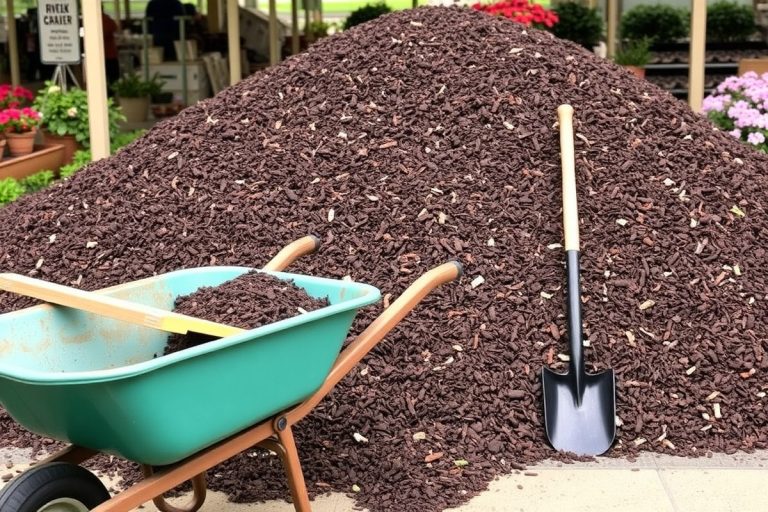
Bulk mulch prices range from $30 to $50 per cubic yard. This makes bulk mulch cheaper based on material cost alone.
Delivery fees can change the total cost a lot. Bulk deliveries often cost between $75 and $600 depending on load size and distance.
Bagged mulch costs less for small projects under two yards. That’s because you avoid high delivery fees.
The break-even point stands near two cubic yards. Below that, buying bags saves you money on delivery.
For orders over two yards, bulk mulch is the better deal. This works if you spread it yourself or have cheap labor.
Labor costs also vary with project size and site access. Some landscapers include spreading bulk mulch in the price.
Using bagged mulch often requires extra labor. Spreading it yourself takes more time on bigger jobs.
A typical yard of bagged mulch requires about 14.5 bags, costing $58 to $87. Bulk mulch for the same amount can cost 15 to 35 percent less. Choosing bulk makes more sense for large areas like a full backyard refresh.
Consider the size and complexity of your project first. For beds under one cubic yard, bags save delivery and labor costs.
For areas over two cubic yards, bulk mulch costs less per cubic yard. This applies if delivery fees are low.
Delivery fees vary by distance to the supplier and truckload size. Closer suppliers and bigger loads usually cost less.
Your supplier charging fees over $50 makes bags cheaper for small orders. High delivery fees cut into bulk savings.
In short, pick bagged mulch for small or spread-out areas to save on delivery and handling. Bulk mulch suits bigger projects with easy access. It saves on material costs and may include labor.
Delivery and Installation Costs for Mulch
Delivery fees for mulch usually range from $70 to $140. Professional installation brings the total cost to about $70 to $150 per cubic yard. Doing the job yourself saves money on labor and delivery costs.
But it takes more time and effort from you. You’ll need to do all the work yourself.
Average Delivery Fee Ranges
Mulch delivery fees often depend on distance from the supplier and the amount ordered. Most providers charge between $70 and $140 per delivery. They might charge extra fees for hard-to-reach addresses.
Some also charge for small-load deliveries. Check with your supplier to know for sure.
Delivery costs typically apply whether you order one bag or multiple cubic yards. Bulk orders usually save you money per yard but may require a higher upfront delivery fee. Some local stores let you pick up mulch yourself, which cuts delivery costs completely.
- Standard delivery fees: $70 to $140 per load
- Smaller loads may cost more per yard
- Remote or gated properties might have extra charges
- Picking up mulch yourself saves delivery fees
- Delivery is usually charged per job, not by bag
Factor in delivery charges if budgeting for landscaping projects. It’s smart to ask vendors for all cost details upfront to avoid surprises.
Professional Installation Cost Breakdown
Hiring pros costs between $40 and $85 per cubic yard just for labor. When you add materials and delivery, prices run about $70 to $150 per cubic yard. They handle spreading mulch evenly and preparing beds to keep soil healthy.
For a 32-square-foot bed, expect installation costs around $6.40 or more. The exact price depends on the mulch type and how thick the layer will be. Mulch prices vary by type.
Pine straw usually costs less. Redwood or stone mulch tends to be pricier.
- Labor rate: $40 to $85 per cubic yard
- Total all-in cost: $70 to $150 per cubic yard
- Pricing varies by mulch type and project size
- Installation includes spreading and bed preparation
- Professionals dispose of old mulch or debris if needed
Choosing professional installation saves you time and effort, especially for large or complex landscaping. But it does cost more than spreading mulch yourself.
DIY Installation Cost Advantages
Doing your own mulch installation costs only $25 to $135 per cubic yard for materials. You avoid delivery fees by picking up mulch yourself or buying bagged mulch at the store. You’ll invest your own time but save big on labor.
DIY work means you control pace and detail. The main challenge is spreading mulch evenly to avoid thin spots or piles. Proper layering keeps plants healthy and soil moist.
- Material cost only: $25 to $135 per cubic yard
- Avoid $70 to $140 delivery fees if you pick up mulch
- Time needed varies with bed size and effort
- Use a rake and wheelbarrow for easier spreading
- Making mistakes like uneven mulch reduces benefits
Wear gloves and a dust mask when handling mulch to avoid irritation and breathing dust.
DIY installation is best for smaller jobs or if you enjoy yard work. For bigger or tricky projects, professional hires may prevent headaches and uneven results.
Factors That Influence Final Mulch Bag Price
Mulch prices can change a lot depending on where you live. Different regions have different supply costs and demand. Mulch bags can cost more in some areas.
This happens because transportation costs are higher. Also, rare materials can increase the price.
Your store choice matters, too. Big-box stores often sell mulch cheaper in the spring.
They run promotions that can push prices below bulk mulch for a short time. Buying during spring sales can save you a few dollars per bag.
Colored mulch bags cost more because of pigments or dye added. These dyes make the mulch look good longer but add extra processing steps. Dyed mulch often costs more than natural mulch.
You might pay $10 to $20 extra per cubic yard. The color treatment adds to the price.
Some manufacturers charge more because of brand reputation or quality. Premium brands use higher-quality wood or add treatments that last longer in your garden. These extra features can drive prices up past $135 per cubic yard.
The season affects prices beyond spring promotions. Mulch tends to be pricier in fall when gardeners buy to prepare for winter. Off-season months like winter might have better deals but fewer options in stock.
Types of mulch like cocoa hulls or playground mulch affect price too. Cocoa hull mulch can cost $90 to $100 per cubic yard. Playground mulch costs roughly $50 to $60 per cubic yard.
This price applies even without dye. Its smooth finish and safety features raise the cost.
Check local store flyers or websites for sales before buying. Shop early in spring or late fall to catch discounts. Compare bag prices with bulk options if you need large amounts to find the best deal.
How Long Does Mulch Last and When to Replace Bags
Most bagged mulch lasts about one full growing season, roughly four to six months. Wood-based mulches, like bark or hardwood, tend to break down slower and last longer. Dyed mulch will fade and decompose faster, often needing replacement every three to four months.
After spreading mulch, keep a 2 to 3-inch layer across your garden beds. This depth helps control weeds and retain moisture.
Over time, mulches settle or wash away. So topping off small amounts every few months can save you money in the long run.
Topping off means adding a thin layer of new mulch instead of removing old material. This partial replacement usually requires fewer bags, about half or less than a full replacement. Check your mulch depth every six to eight weeks.
Add more if it falls below 2 inches. Keep an eye on it regularly to keep plants protected.
In hotter climates or under heavy sun, colored mulch fades sooner and needs more frequent replacement. Natural mulches hold up a bit better but still lose volume as they decompose. Refreshing your mulch keeps the area looking neat and supports plant health by protecting roots.
Buying mulch bags at $4 each costs less upfront for small topping. However, it means more trips to the store. This can add time and effort.
To top off a 10-foot flower bed, you might need 3 to 5 bags. This depends on how thick the mulch was and how much wore away. Check the bed often to know when to add more.
Using small refills over a year may cost more than one full yearly replacement. This happens because you buy bags multiple times.
Sometimes, one full replace saves money and time. But it keeps your landscape fresh.
Completely replacing mulch yearly is common because old mulch breaks down into soil. This natural process improves soil but means you need fresh mulch every spring or early summer. Always check your mulch after heavy rainstorms for signs of erosion.
Water runoff can wash mulch away faster. This may mean you need to add more sooner.
Common Mistakes That Inflate Mulch Costs
One common mistake that inflates mulch costs is the mulch volcano. This means piling mulch up against tree trunks in tall cones.
It looks neat but traps moisture and causes rot. You end up replacing trees and mulch more often, which raises your cost.
Applying mulch correctly means spreading it in a thin, even layer. Keep it about 2 to 3 inches deep.
Keep mulch 2 to 4 inches away from tree trunks. This protects trees and uses mulch efficiently, helping you avoid spending extra money.
Buying more bags than needed is another costly error. Measure the area carefully and calculate how many bags fit your space. Buying too much mulch wastes money.
Extra mulch may spoil if stored long. Use only the amount you need.
- Don’t pile mulch against tree trunks (no volcano shapes)
- Keep mulch depth between 2 to 3 inches
- Measure landscaping areas before buying mulch
- Leave space between mulch and plant stems
- Use a yard or square footage calculator for bags
- Apply mulch only where needed, avoid spreading thinly over large areas
Applying mulch too thickly wastes product. Mulch over 4 inches deep reduces oxygen and water flow to plants.
Thin, even layers keep soil healthy and mulch lasting longer. Too much mulch also means higher upfront bag costs and more frequent replacement.
Take your time measuring the yard or flower beds. Change the area to square feet first. Then, find out how many bags you need.
Use bag size to help calculate. A 2 cubic feet bag covers about 8 to 9 square feet. This coverage is at a 3-inch depth.
Use this as an example for calculation. This calculation ensures you buy just enough, saving money and avoiding waste.
Measure your planting area and calculate bags needed before heading to the store or ordering online.
Safety and Environmental Factors in Mulch Pricing
Some types of mulch attract pests like termites or rodents, while others repel them. For example, cedar mulch naturally repels many insects and costs more than common bark mulch. You can pay 20 to 50 cents extra per bag for cedar mulch.
It costs more because it resists pests. This makes it a smart choice for pest control.
Eco-friendly mulches often rely on recycled or sustainably sourced materials. These mulches usually cost more than standard options. They add 10 to 30 cents extra per bag.
This is common for specialty mulches. The higher price helps cover harvesting, processing, and certifications that ensure environmental safety.
To avoid termite problems, keep mulch at least 6 inches away from your home’s foundation. Mulch piled right against wood siding or decks may cause problems. Termites can use it as a bridge to your house.
Keep mulch a few inches away from wood surfaces. Avoid piling mulch deeper than 3 inches.
Thick layers hold moisture and attract pests. They can also cause wood to rot.
Using mulch treated with pest repellents can cost more. But it reduces the risk of a costly infestation. These treatments can add 20 to 40 cents per bag.
Keep in mind, some treatments lose effectiveness after a few months. So you might need to replace or refresh mulch more often.
Use lighter-colored or rubber mulch to cut moisture buildup. This helps reduce pests around your plants. It’s a good option for keeping areas dry.
Rubber mulch is durable and pest-resistant. But costs about twice as much as wood mulches. This choice fits well for playgrounds or patios where you want minimal pest activity.
Environmental safety also means avoiding mulches that leach chemicals into your soil. Mulches made from rubber or dyed materials may off-gas chemicals over time. Organic shredded bark or hardwood chips work well for vegetable and fruit gardens.
They cost about 30 to 60 cents more per bag. These mulches are safer around edible plants.
In hot climates, some mulches help keep soil cooler. They also hold moisture longer, so you water less. This helps your plants stay healthy and saves water.
This can save money long term, offsetting a higher initial mulch price. Choosing poor mulch in wet or humid areas can cause problems.
Mold or fungus may grow and harm plants. This can increase your landscaping costs.
Money-Saving Tips for Buying Bagged Mulch
Knowing when and where to buy bagged mulch can save you 20% to 50%. Timing your purchase and choosing bulk or loyalty deals matters. These tips help you spend less without lowering quality.
Timing Purchases for Seasonal Discounts
Mulch prices usually drop in early spring when stores offer sales for gardening season. Sales also pop up in late fall as suppliers clear out old stock. Plan to buy around these times to get lower prices without sacrificing freshness.
Spring sales can reduce bagged mulch to about $2 per 2.0 cubic foot bag. Compare that to the normal $3 to $5 range for quality mulch. Wait a few weeks after the season starts to catch the best deals.
Buying in Bulk or Mixed Cargoes
Bulk mulch costs $25 to $50 per cubic yard before delivery, cheaper for large jobs. For projects over 50 square feet, bulk almost always beats bagged mulch. Picking up bulk yourself saves another $70 to $140 in delivery fees.
Sometimes you can mix orders with neighbors or friends to split bulk deliveries. This cuts down your per-yard costs and sharing haul trips keeps it practical.
Bulk needs a truck or trailer. But it pays off if you cover a bigger area.
- Estimate your total cubic yards needed before buying in bulk
- Arrange bulk pickup with a truck or trailer
- Split bulk orders with friends to save on delivery
- Compare bulk price to bagged after seasonal sales
- Store unused bulk mulch in a dry spot to preserve quality
Buying just a few bags from bulk can be more costly, so plan carefully. Using bulk saves money but needs space for storage and transport. For small beds under 50 sq ft, bagged mulch stays easier and more convenient.
Using Store Brands and Loyalty Programs
Many garden centers offer store-brand mulch that matches big brands on quality but costs less. Check these options next to name brands, especially if discount sales are not running. Trying store brands can cut costs on smaller jobs.
Loyalty programs at big box stores or garden chains often give points or discounts on mulch. Joining the program usually takes minutes and the savings add up over a season. Use coupons emailed to members for extra markdowns on top of sales.
- Look for store-brand mulch with good reviews
- Sign up for loyalty programs at your local garden centers
- Use member coupons during seasonal sales
- Check reward points for mulch purchases
- Ask staff about upcoming mulch promotions
Combining loyalty discounts with seasonal sales offers the biggest savings. Some stores send exclusive deals only to members, so keep an eye on emails. Avoid impulse buys outside sales; mulch prices vary widely across stores and seasons.
Step-by-Step Action Plan for Buying and Using Bagged Mulch
Follow these easy steps to buy the right amount of mulch and keep your landscape healthy. Check results at each step to avoid waste and extra costs.
- Before you shop: Measure your planting areas to calculate the total square feet. This helps you know how many bags to buy.
- Day 1: Decide on the mulch type based on your budget and landscape needs. Confirm it fits your soil and plant types.
- Day 2: Compare prices at local stores and online for the best deal. Include delivery fees if needed.
- Day 3: Buy the number of mulch bags you calculated. Add one or two extra bags. This covers spillage or mulch settling later. This ensures full coverage.
- Day 4: Lay the mulch evenly, keeping 2 to 3 inches thick. Check for bare spots or uneven layers.
- Week 6: Inspect mulch condition and soil moisture. Re-mulch thin or dry areas if needed.
- Every year after: Plan to refresh mulch to maintain color and soil health. Schedule the next purchase according to how fast your mulch breaks down.
Frequently Asked Questions
How Much Does a Typical Bag of Mulch Cost In 2026?
A standard bag of dyed hardwood mulch usually costs between $3.50 and $5.50. Premium types like cedar or cypress can reach $8.00 per bag. Rubber mulch often costs more than $10.00 per smaller bag.
Why Do Dyed Mulches Cost More Than Natural Mulch Bags?
Dyed mulches add about $0.50 to $1.00 per bag because of pigments. The color pigments increase manufacturing costs but help keep mulch looking fresh longer.
Is It Cheaper to Buy Mulch in Bags or in Bulk for Small Projects?
Bagged mulch suits small jobs under 50 square feet but costs more per cubic yard. Bulk mulch costs less for projects bigger than 2 cubic yards.
You must use it quickly or store it properly. Otherwise, it can go bad.
How Does the Cost of Delivery Affect the Total Price of Mulch Bags?
Delivery fees can add $50 to $140 depending on the supplier and distance. Choosing self-transport or store pickup can save that extra expense but requires a vehicle.
What’s the Average Cost to Install Mulch per Square Foot?
Installing mulch typically costs about $0.20 per square foot of garden bed. This price includes spreading the mulch evenly to the desired depth.
How Many Square Feet Does One Bag of Mulch Typically Cover?
A single bag covers about 10 square feet at 2 inches thick. Use this to figure out how many bags your garden needs.
Wrapping Up
Mulch costs vary by type, amount, and buying method but knowing these factors saves you money. Start by measuring your space and choosing the right mulch type for your plants. Buy only the mulch you need.
Apply it properly for the best results. This helps protect your investment over time.