Why Do Plant Leaves Turn Yellow: 8 Clear Causes and How to Fix Them
Why do plant leaves turn yellow? Most often, it’s from one of several common problems.
Overwatering, underwatering, nutrient shortages, or temperature stress usually cause this issue. Fixing these can stop yellow leaves and help your plants bounce back.
Start by checking your watering habits. Too much water is the top reason for yellow leaves. So let soil dry out between waterings.
Notice the leaf patterns, too. Leaves yellowing at the edges or between veins can tell you exactly what’s wrong.
Light and temperature matter as much as water. Many tropical plants turn yellow below 50°F (10°C). They also yellow without enough light.
Keep them warmer and in brighter places. Using a grow light or moving your plant away from cold drafts makes a big difference.
Key Takeaways
- Yellow leaves usually mean the plant got too much water. Wait until the soil feels dry before giving more water.
- Yellow edges typically show nutrient deficiencies; try an $8-$15 fertilizer fix.
- Cold drafts below 50°F cause tropical plants’ leaves to turn yellow quickly.
- Leaf yellowing between veins often signals iron deficiency or root problems.
- Use a full-spectrum LED light 12-18 inches away for 10-14 hours if natural light is low.
- Soak dry soil in a water basin for 20-30 minutes to rehydrate deeply.
1. What Causes Plant Leaves to Turn Yellow?
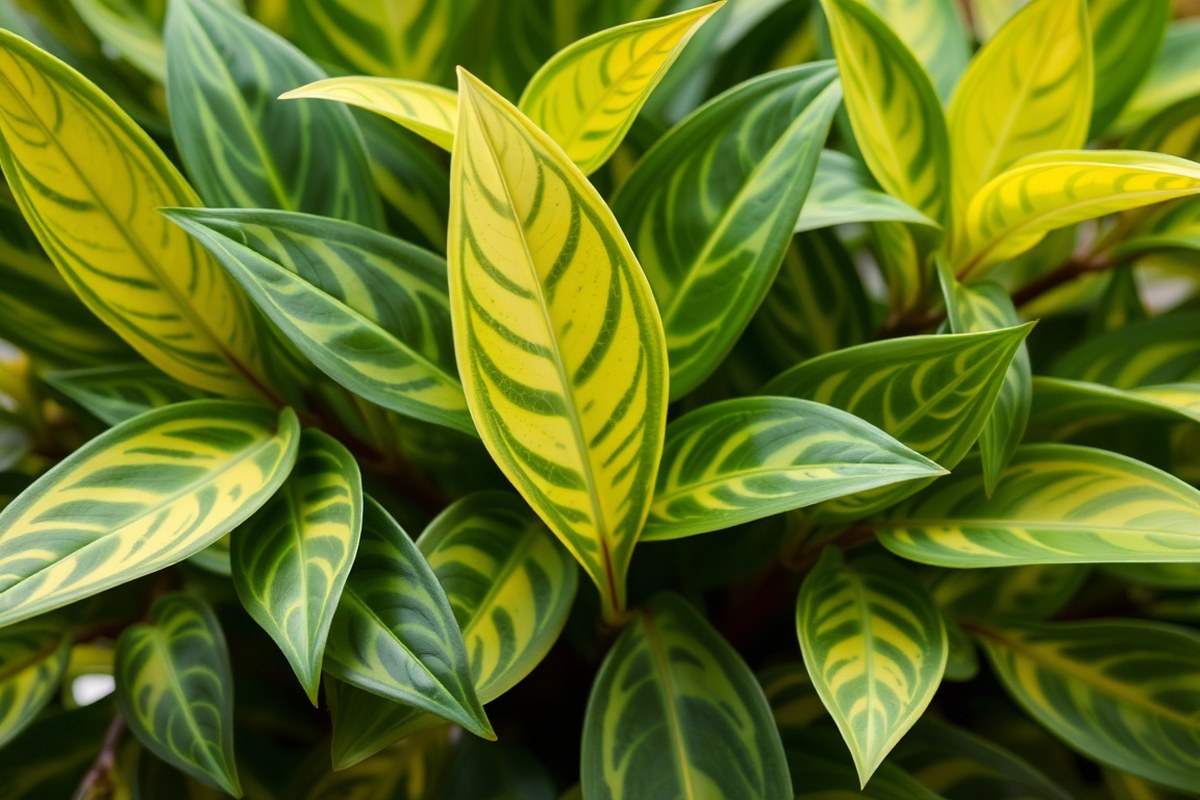
Yellow leaves often signal that something in your plant’s environment isn’t right. Most causes fit into a few groups. These are watering problems, nutrient shortages, light issues, pests, diseases, and natural aging.
Understanding these categories helps you find the problem faster. You can fix it before your plant suffers more.
Water stress tops the list. Too much water drowns roots, cutting oxygen and causing leaves to yellow and wilt. Too little water dries out soil and leaves, making them curl and yellow.
Both extremes disrupt nutrient flow in the plant. So checking soil moisture regularly is key.
Nutrient deficiencies also turn leaves yellow. Lack of nitrogen causes older leaves to change color. They fade from green to pale yellow.
The plant moves nutrients to new growth. Other missing nutrients like iron or magnesium create different yellow patterns. Feeding your plant with the right fertilizer can correct these problems.
Light levels matter too. Plants starved for light often have leaves that turn yellow due to weak photosynthesis.
Too much direct sun, however, can scorch leaves, making them yellow with brown edges. Adjusting your plant’s spot to the right light intensity can stop this damage.
Pests and diseases also cause yellow leaves. Small insects feeding on sap or fungal infections damaging leaves will leave yellow spots or patches.
You might see other signs like sticky residue or mold alongside yellow leaves. Catching these early helps you protect the rest of your plant.
Some yellow leaves are natural. Older leaves at the plant’s base turn yellow and drop. The plant sends energy to new shoots instead.
This slow leaf drop doesn’t harm your plant but tells you it’s growing and shifting resources. You only need to remove these leaves to keep your plant neat.
2. How to Identify Yellowing Patterns to Diagnose Problems
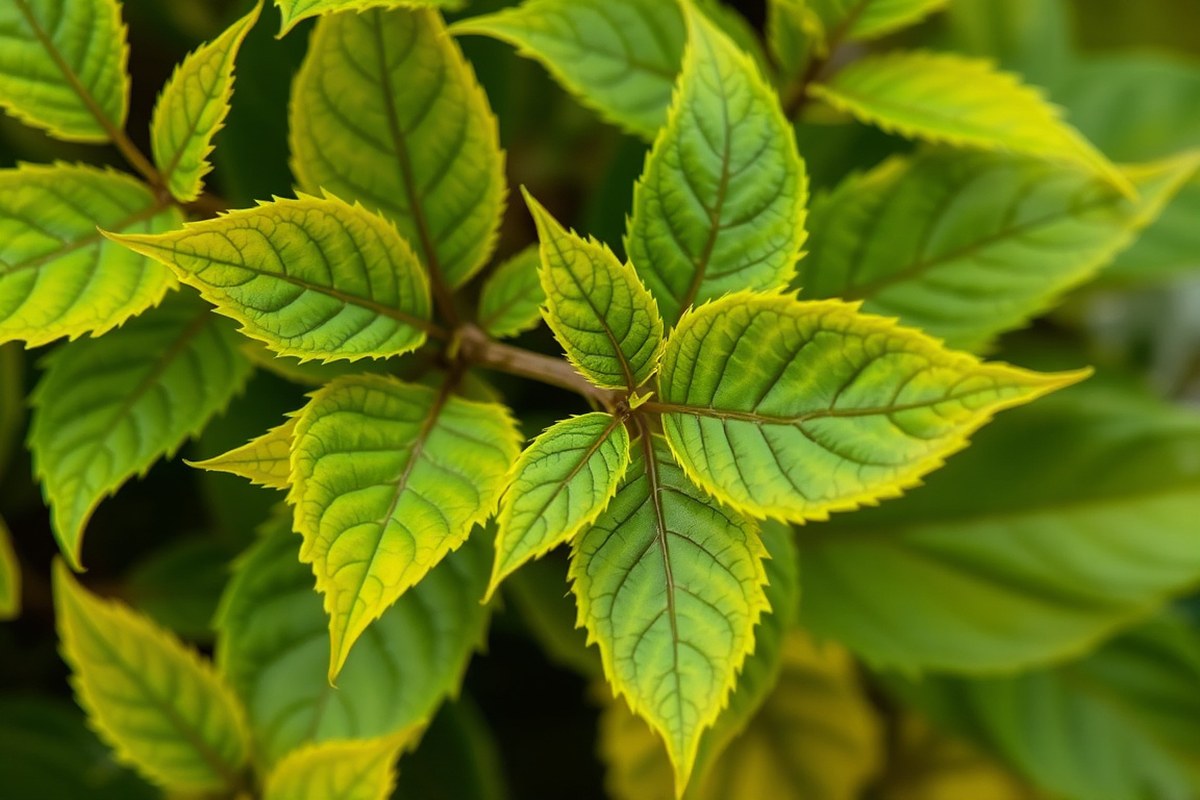
Yellowing patterns on plant leaves reveal important clues about underlying problems. You can use leaf location and the yellowing style to narrow down causes fast. Look closely at where the yellow appears and how it spreads.
Yellowing on Leaf Tips and Edges
Yellow leaf tips and edges often point to water stress. Underwatering usually makes older leaves yellow at their edges first. You might notice the tips browning or crisping as the plant loses moisture.
Overwatering can cause yellowing along edges too but often comes with soft, limp leaves. When yellow tips happen with brown edges on older leaves, check soil moisture carefully. This pattern tells you the plant struggles to get water despite wet soil conditions sometimes.
Yellow Leaves Starting on Older Bottom Leaves
Older bottom leaves turning yellow first suggests nutrient problems or natural aging. Nitrogen deficiency causes uniform yellowing on these older leaves because plants move nitrogen to new growth. You should see the entire older leaf blade turn soft yellow.
Magnesium deficiency also hits older leaves first but shows as yellow between green leaf veins. This interveinal chlorosis looks like a lace of green veins on a yellow background. Losing these leaves might happen gradually as the plant reallocates nutrients.
When yellowing begins low on the plant, check for proper fertilization. Natural leaf shedding also occurs here. Plants drop old leaves to save energy for fresh tips.
Yellowing of Entire Leaves or New Growth
Yellow on young or new leaves usually signals micronutrient shortages like iron or manganese. Iron deficiency causes leaves with yellow tissue but vivid green veins, especially on new growth. It often happens in high pH soils where iron isn’t available.
Manganese deficiency looks similar but may have tiny tan spots mixed in with the yellow. These patterns help you rule out watering or nitrogen issues. Sometimes disease or pests cause yellowing in new leaves too, often with spots or deformities.
Yellowing on the whole plant can mean low light stress. This causes pale colors that spread evenly on all leaves.
Check how bright and long your plant gets light. Look for matching leaf signs to be sure.
Look at where the yellow shows up first. Check old leaves, new ones, or just the edges.
3. Why Overwatering and Underwatering Turn Leaves Yellow
Yellowing leaves often come from watering problems. Overwatering is the most common cause.
But underwatering can cause yellow leaves too, especially if drought stress is severe. The key is spotting signs that separate the two.
Overwatered plants show pale, limp leaves that start yellow at the bottom. The soil stays wet for days, and leaves may feel mushy.
Underwatered plants tend to have yellow leaves that are dry and crispy. The soil feels very dry, indicating a lack of moisture.
| Symptom | Overwatering | Underwatering |
|---|---|---|
| Leaf texture | Soft, limp, sometimes mushy | Dry, crispy, brittle |
| Yellowing pattern | Lower and inner leaves first | Older leaves, then spreading upward |
| Soil moisture | Remains wet for days | Dry and cracked |
| Other signs | Possible root rot, wilting | Wilting and drooping |
| Fix | Stop watering until soil dries; improve drainage | Water deeply but less often; keep soil moist |
To fix overwatering, let the soil dry completely. Stop watering until the top 1 inch feels dry. Check your pot’s drainage holes for blockages, as poor drainage traps water.
For underwatering, water thoroughly until excess drains out. Then water less often to keep soil evenly moist. One inch of water weekly is a good baseline for many houseplants.
Checking soil moisture helps prevent yellow leaves. Stick your finger 1 inch into the soil. Wet or soggy soil means skip watering.
Dry soil means it’s time to water deeply. Adjust how much and how often depending on light, temperature, and plant size. Cooler temps and low light slow water use, so water less.
4. Nutrient Deficiencies That Cause Yellow Leaves
Yellowing leaves often point to nutrient shortages, mainly nitrogen, magnesium, or iron. Each deficiency shows up differently on leaves and needs specific treatment. Recognizing these signs helps you fix the problem fast and keep plants healthy.
Nitrogen Deficiency Symptoms
Low nitrogen usually causes older leaves to turn yellow first. The yellowing spreads as the plant uses remaining nitrogen for new growth. Leaves also look pale and thin because nitrogen helps make chlorophyll, the green pigment.
Plants starved of nitrogen may grow slower and have fewer leaves. You might also notice yellowing beginning at the leaf tip and moving inward. This pattern shows nitrogen is essential for lush, green leaves all over the plant.
Magnesium and Iron Deficiencies
Magnesium deficiency shows as yellowing between veins of older leaves, while veins stay green. This “interveinal chlorosis” starts at the bottom and moves upward throughout the plant. Magnesium helps plants make chlorophyll too and transports nutrients inside leaves.
Iron shortage affects younger, top leaves first. Yellowing happens mostly between green veins here too.
You can spot this clearly in plants like hibiscus, where the contrast is strong. Iron is critical for energy production in cells and chlorophyll formation.
How to Feed Your Plant Correctly
Feed your plants with balanced fertilizers that contain nitrogen, magnesium, and iron. These usually come as slow-release granules or water-soluble mixes. Applying the right amount prevents yellowing and supports healthy growth without burning roots.
Start with these tips to fix yellow leaves from nutrient problems:
- Test soil pH; nutrients absorb best between 6.0 and 7.0 pH.
- Use a complete fertilizer with N-P-K plus micronutrients like magnesium and iron.
- Apply fertilizer every 4 to 6 weeks during growing season.
- Dissolve water-soluble fertilizer for indoor plants following label directions.
- Avoid overfertilizing; excess salts can burn roots and cause yellow leaves.
- Consider foliar feeding (spray nutrients on leaves) for quick iron correction.
- Repot if your plant is root-bound to improve nutrient uptake.
Your plant should show greener leaves within two to four weeks after feeding. If yellowing continues, check soil moisture and light, or consider a soil test. Balanced feeding combined with proper care keeps your plants looking their best.
5. Effects of Light and Temperature Stress on Leaf Yellowing
Too little light makes leaves yellow because plants cannot produce enough chlorophyll. This causes leaves to look pale or thin, especially the older ones. Too much light can harm shade-loving plants.
Direct sun may burn leaves. This causes yellow spots or edges.
Plants moved from bright greenhouses face dimmer indoor light. Lower leaves may lose color. This happens during adjustment.
You can avoid this by slowly introducing your plants to indoor light over several days. Rotate your plant occasionally if only one side shows yellowing from uneven light exposure.
Temperature extremes also stress plants and cause yellow leaves. Most houseplants do best between 65°F and 75°F. Cold drafts below 50°F or sudden swings above 85°F put stress on foliage. Heat waves or chilly nights damage the leaf cells and lead to yellowing or leaf drop.
To protect your plants, keep them away from drafty windows and heating vents. Use a thermometer to check the spot and aim for consistent moderate temperatures.
Expect a cold snap, bring plants indoors. Use cloth or plastic to shield them.
Move plants slowly to new light conditions. Avoid direct afternoon sun for sensitive plants. This helps stop yellow leaves.
6. Common Pests and Diseases That Lead to Yellow Leaves
Spider mites, aphids, scale insects, and whiteflies often cause plant leaves to turn yellow. These pests suck the sap from leaves, weakening the plant over time. Fungal and viral diseases also cause yellow spots or mottled patterns on leaves.
Spider Mite Infestation Signs
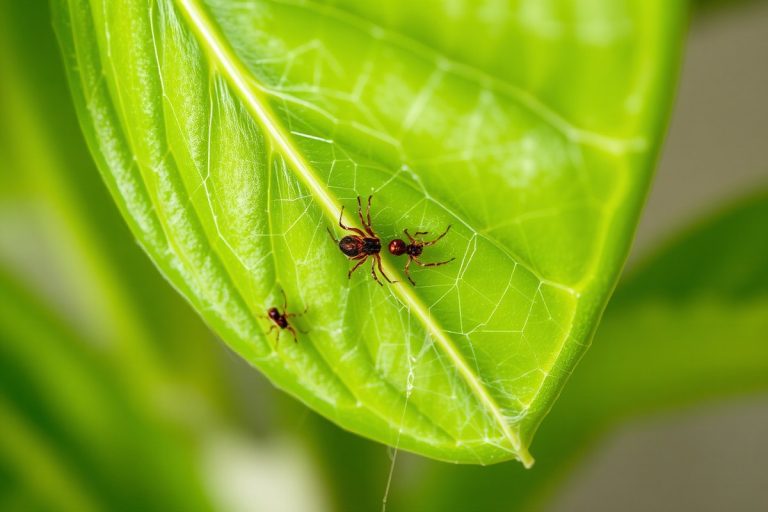
Spider mites create small yellow or white dots across leaves. These dots may merge, making larger patches of yellow. You might also see fine webbing on the underside of leaves where mites cluster.
Look for tiny moving specks if you suspect spider mites. They prefer dry, warm environments and spread quickly. Early detection helps prevent bigger problems in your garden.
Fungal and Bacterial Diseases
Fungal diseases cause yellow spots with brown or black centers and clear borders. These spots often have a yellow halo around them. Some diseases produce a powdery coating or dark lesions on leaves.
Viral diseases like cucumber mosaic virus show mottled yellow patterns across leaves. These viruses make your plant’s health worse, so infected leaves rarely recover. The yellowing often comes with distorted or stunted growth.
Safe Pest and Disease Treatments
Remove yellow or spotted leaves carefully to stop disease spread. Dispose of them away from plants to avoid reinfection. Keep leaves dry and increase air flow around plants to reduce fungal risks.
For pests like spider mites and aphids, spray the plants with insecticidal soap or neem oil. Repeat treatments every 5 to 7 days until pests disappear. Avoid using harsh chemicals inside your home or on food plants.
- Inspect plant leaves regularly for early signs of pests or disease.
- Use a strong water spray to wash off spider mites and aphids.
- Apply copper fungicide to stop fungal leaf spot from spreading.
- Keep humidity moderate and improve air circulation around plants.
- Quarantine new plants before adding them to your garden.
- Wear gloves when handling infected leaves or applying treatments.
Healthy leaves return slowly after treatment, and you may still lose some yellowed ones. Avoid overusing sprays to keep plants safe. If problems persist, getting advice from a licensed garden professional helps protect your plants.
7. How Root Health and Soil Conditions Affect Yellow Leaves
Yellow leaves scattered on your plant often mean trouble with the roots. Root rot can happen when soil stays too wet, starving roots of oxygen. Roots need air, water, and nutrients to keep leaves green and healthy.
Soil that compacts or drains poorly traps water near roots. This makes roots soggy and weak.
You can check root health by gently lifting the plant from its pot. Look for thick, firm roots that are white or light brown. Avoid disturbing the roots too much.
Dark, mushy roots signal root rot. The soil should feel loose, not hard or wet for days.
A simple squeeze tests softness. Dripping water shows drainage or watering needs fixing.
Fixing root and soil problems helps yellow leaves recover. Start with fresh, airy potting soil made for your plant type. Avoid garden dirt that holds water.
Repotting means choosing a slightly bigger container with drainage holes. This prevents soggy soil and gives roots room to grow.
Follow these steps to check roots and improve soil conditions before repotting:
- Water your plant lightly a day before checking roots to soften the soil.
- Loosen the soil by gently pressing around the edges and wiggle the plant out.
- Look over the roots for mushy parts or dark spots and trim those with sterile scissors.
- Choose fresh potting soil designed for drainage and aeration, like mixes with perlite or pine bark.
- Pick a new pot one size larger, with holes to prevent water buildup.
- Put a layer of soil at the pot’s bottom. Set the plant evenly on it. Fill soil around the roots.
- Water sparingly right after repotting to avoid further root rot, letting soil dry between waterings.
- Keep the plant in indirect light to reduce stress while it recovers.
It can take weeks for leaves to stop yellowing as roots heal. Patience and careful watering are key to seeing green return.
Severe root damage might need repotting more than once. You may also need to cut back the plant to save it.
8. When to Remove Yellow Leaves and How to Support Plant Recovery
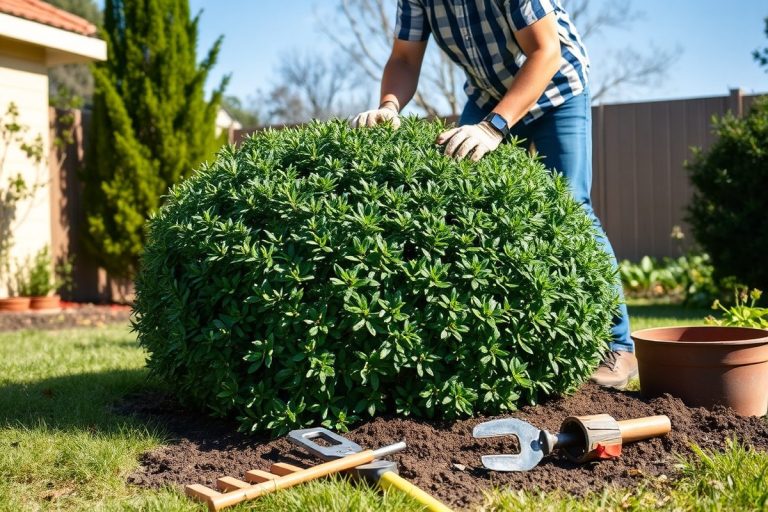
Yellow leaves that still show plenty of green should stay on the plant. They keep providing nutrients while your plant recovers. Only remove leaves that are fully yellow, crispy, or dropping off.
Careful pruning means cutting yellow leaves close to the stem. Use clean, sharp scissors to avoid harming healthy parts. Removing dead leaves helps the plant focus energy on new growth without wasting resources.
Yellow leaves rarely turn green again. New leaves will grow healthy and green when the plant gets the right care. Expect to see new green growth within two to four weeks after fixing the problem.
Speed up recovery by adjusting the plant’s water, light, and nutrients. Check soil moisture often and avoid overwatering or underwatering. Give plants enough bright, indirect light to rebuild their leaves and overall health.
Monitor your plant for new yellow leaves during recovery. Early yellowing signals the problem might still exist. Change care based on what you see in the plant.
Move it to a spot with better light. Also, adjust how often you water it.
Remove only leaves that are fully yellow, soft, or dry. This helps the plant save energy. It can focus on growing healthy leaves.
Remember, recovery takes time. The condition can last weeks or months. The exact time depends on the plant type.
Also, how healthy the plant is matters. Keep providing consistent care while new green leaves fill in the damaged spots.
For plants with many yellow leaves, pruning too much at once can stress them more. Remove no more than one-third of the foliage at once. Let the plant rest before trimming additional leaves.
Step-by-Step Action Plan to Fix Yellow Leaves
Follow these steps to identify and correct the causes of yellow leaves on your plants. Check your plant’s response after each step before moving on.
- Day 1: Examine your plant’s soil moisture. Water only if the soil feels dry an inch deep. Yellow leaves that were caused by overwatering should stop worsening.
- Day 3: Assess the light exposure. Move the plant to a spot with suitable light if the leaves look sunburned or pale. You’ll see new growth with healthy color within two weeks.
- Week 1: Check for pests and diseases by inspecting leaves and stems closely. Treat with insecticidal soap or fungicide if needed. Yellow leaves due to pests should stop spreading.
- Week 2: Test your soil or use a balanced fertilizer to fix possible nutrient deficiencies. New leaves should show healthy green coloring in 2 to 3 weeks.
- Week 3: Examine root health by gently removing the plant from its pot. Trim away any mushy or rotting roots and repot in fresh soil. Improved root health should slow yellowing.
- After 4 weeks: Remove any remaining yellow leaves by cutting at the base. This helps the plant focus energy on healthy parts. Watch for stronger, greener growth in a month.
Frequently Asked Questions
Can Yellow Leaves Mean My Plant Needs Repotting?
Yes, yellow leaves can signal root crowding or poor soil. Check if roots circle tightly or push out of drainage holes. Repotting into fresh soil and a larger pot often helps your plant recover well.
Does the Type of Water Affect Leaf Yellowing?
Hard water with minerals may cause yellow leaf tips or spots. Using filtered or rainwater can reduce mineral buildup and leaf damage. Avoid softened water as it contains salts harmful to most plants.
Can Yellow Leaves Be a Sign of Natural Aging?
Yellowing of older, lower leaves is often normal as plants age. The plant moves nutrients from old leaves to support new growth. You can gently prune these leaves to improve your plant’s look.
Why Do Indoor Plants Yellow More in Winter?
Less sunlight and cooler temps reduce photosynthesis, causing yellowing. Avoid overwatering and move plants closer to windows for more light. A grow light can help if natural light is very weak.
Can Yellow Leaves Recover or Do They Have to Be Removed?
Some yellow leaves might regain green color if you fix the cause. Usually, severe yellowing means leaves won’t recover and should be trimmed. Removing dead leaves prevents disease and helps your plant focus energy elsewhere.
Do Humidity Levels Affect Yellowing Leaves?
Yes, too low humidity can dry leaves, causing yellow and brown edges. Tropical plants especially need consistent humidity near 50% or higher. You can use a humidifier or pebble tray to raise moisture around your plants.
Before You Go
Yellow leaves usually mean your plant needs attention, but it’s fixable. Pick one step to start with, like checking water levels or light. Small changes can help your plant bounce back and grow well again.