How to Use Manual Lawn Edger: Simple Steps for Clean, Defined Borders
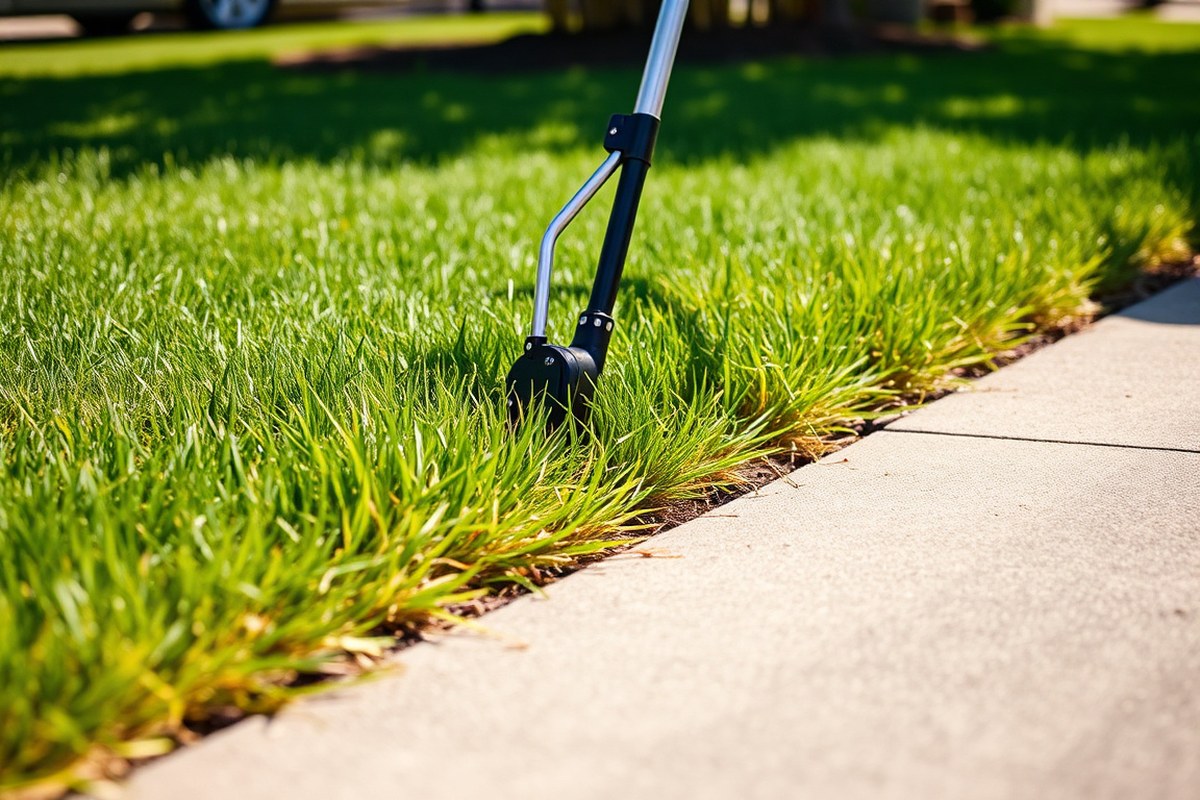
Knowing how to use a manual lawn edger helps your lawn look neat. It makes your lawn borders sharp and tidy. Your yard will look better with clean edges.
Start by tilting the handle back about 45 degrees. Place your foot on the edger part.
Push down to cut 2 to 3 inches deep into the grass. This gives a clean edge for your lawn.
Roll the edger back and forth about 10 to 12 inches. Apply steady pressure to cut the grass clean.
Move over a few inches after each cut. This keeps your borders even and sharp with little effort.
Using your body weight helps the edger slice through roots and dirt. Watch your footing so you don’t slip while pushing down. Proper technique reduces tiring and lets you edge a lawn efficiently.
Key Takeaways
- Tilt the handle back at about 45 degrees for the best cutting angle.
- Press your foot firmly on the edge to push the blade into the turf.
- Cut 2 to 3 inches deep for regular edging. Use up to 5 inches depth for tough grass or dirt. Adjust depth based on how hard the area is.
- Roll the lawn edger forward and backward 10 to 12 inches. This cuts through grass easily. Keep the motion steady to create a clean edge.
- Move sideways 4 to 5 inches after each cut to keep a straight edge.
- Edge your lawn every 1 to 2 weeks during the growing season.
How to Use a Manual Lawn Edger Step-by-Step
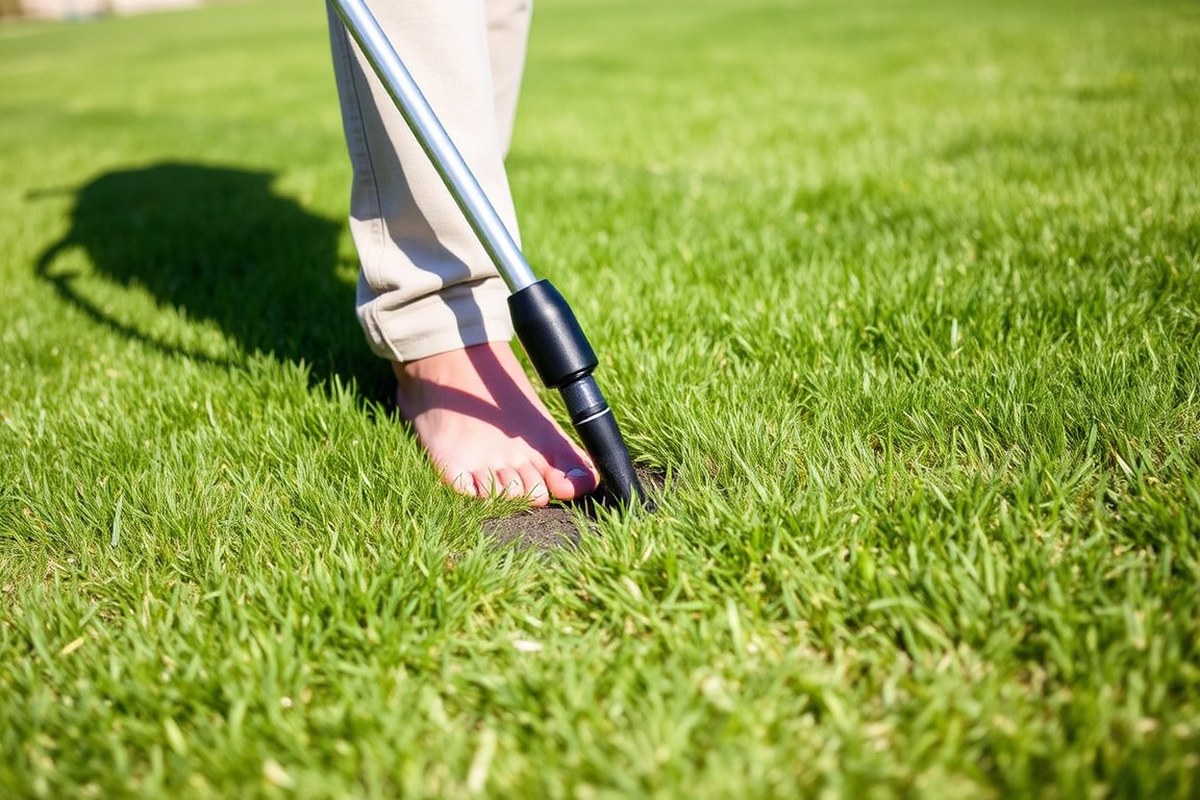
Using a manual lawn edger is simple and effective for a neat lawn border. You position the tool, cut with a rocking motion, then clean the edge. This method works well along sidewalks, driveways, and flower beds.
Positioning the Edger Correctly
Set the manual edger blade at about a 45-degree angle to the ground. This angle helps the blade slice cleanly through grass and soil.
Place your foot on the blade’s top edge firmly. Hold the handle steady with both hands.
Place the blade’s cutting edge right on the edge line. Check it’s exactly where you want it.
Holding it crooked or off the line will make the cut uneven. The foot placement and handle angle give you the strength to push the blade down smoothly.
Making the Cut
Press the edger blade straight down into the soil about 2 to 3 inches deep. You want to cut through roots. So the depth needs to reach below the grass surface.
Rock the blade in a steady motion forward and back. Move about 10 to 12 inches to cut through turf.
Apply your body weight through the foot on the blade to keep pressure consistent. Rocking helps loosen stubborn roots without damaging the blade or your effort.
Step forward after each cut with the edger. Keep a steady rhythm along the edge.
- Lightly water the soil before starting to soften it.
- Mark your desired edge line with string or chalk.
- Place the blade on the marked line at a 45-degree tilt.
- Step down firmly on the top edge of the blade.
- Rock the blade forward and backward about 12 inches.
- Lift the edger and move forward to the next spot.
- Repeat until the entire edge line is cut.
Remove and Clean the Cut Turf
After cutting, clear away loosened soil and small turf clumps from the trench. Use a small rake or your foot to remove loose pieces, exposing a clean edge line.
Cleaning the edge shows how well you cut it. It also keeps soil from drying unevenly.
Check the line for straightness and depth consistency. Parts that look ragged or shallow need extra work.
Use the rocking motion again there. Removing clumps promptly also prevents grass from creeping back into the newly trimmed border.
Types of Manual Lawn Edgers and Which to Choose
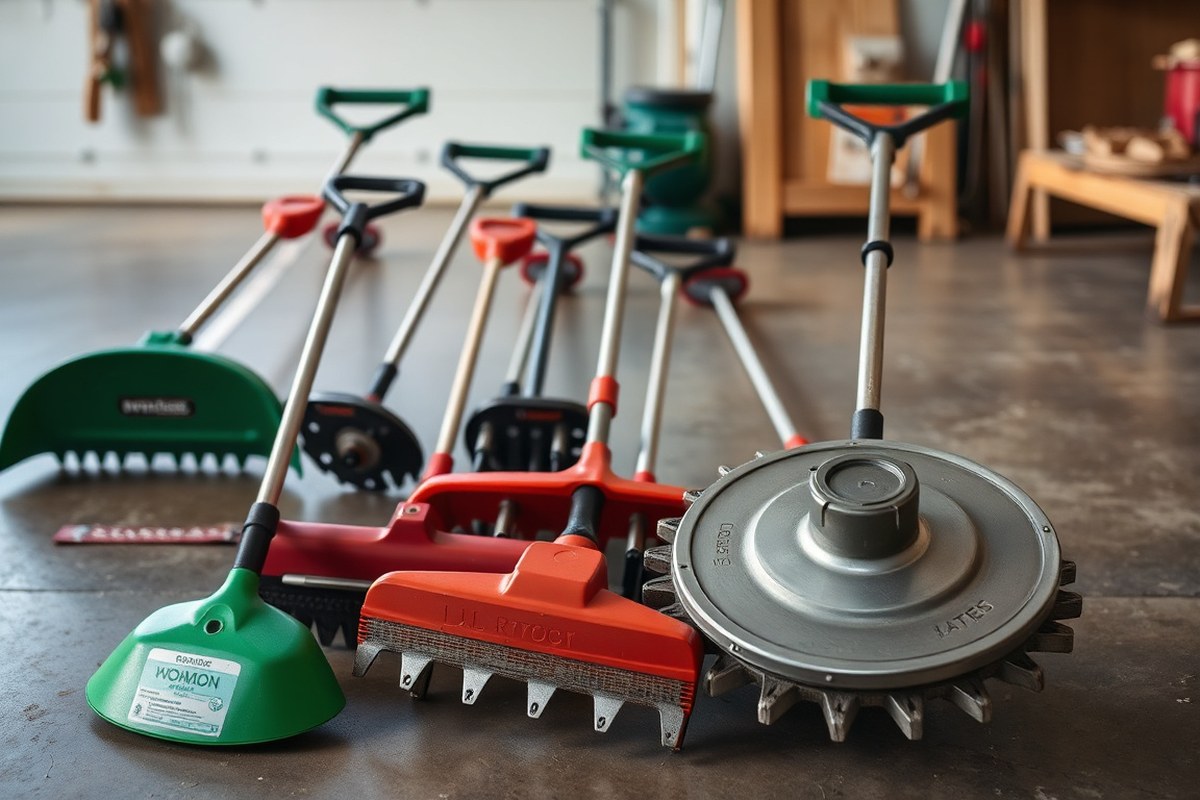
Manual lawn edgers come mainly in two styles: half-moon and rotary. Each one fits different lawn shapes, soil types, and user needs. Knowing their features helps you pick the best tool for your yard size and edging style.
Half-Moon Edger Features
A half-moon edger has a curved, sharp blade that cuts cleanly into soil. It produces straight or curved sharp edges, perfect for creating defined lawn borders.
This edger works best on firm, well-drained soil where you want neat, precise lines. It can slice roots and soil effectively but requires some muscle to push deeply.
| Feature | Description |
|---|---|
| Blade Shape | Curved half-moon steel blade |
| Cut Type | Clean, sharp cuts for edges and curves |
| Best Soil | Firm, moderately dry soil |
| Effort | Requires push force to cut deep and slice roots |
| Ideal Use | Lawn edges, flower beds, and well-defined borders |
Keep the blade sharp and push steadily for crisp lawn edges with a half-moon edger.
Rotary Manual Edger Features
A rotary edger uses a spiked wheel to roll along edges. It cuts gently into the soil by rolling.
This tool shapes neat lawn edges easily. The spikes dig in to loosen soil and trim grass overhanging hard surfaces.
This tool works well along straight edges of driveways and walkways. It’s easier on your arms since it rolls. But it may need follow-up with a shovel to clear dislodged dirt.
| Feature | Description |
|---|---|
| Cutting Mechanism | Spiked rotating wheel |
| Cut Type | Loosens and trims edges without deep root cutting |
| Best Soil | Soft to medium soil near hard edges |
| Effort | Less push force due to rolling action |
| Ideal Use | Edges along walkways, driveways, and straight lawn lines |
Use a rotary edger for easier rolling cuts but check if soil loosening needs extra cleanup.
Choosing the Right Edger for Your Lawn
Pick a half-moon edger for tougher soils and sharper lines. It’s better for small yards or detailed edging around flower beds.
Rotary edgers fit larger yards with long, straight edges and softer soil. They are easier for users of all ages because the rolling wheel reduces effort.
Consider your strength and lawn needs. A sharp blade ensures cleaner cuts but needs more maintenance.
Rotary wheels might not slice roots. So you may need a shovel for stubborn dirt.
| Factor | Half-Moon Edger | Rotary Edger |
|---|---|---|
| Soil Type | Firm or root-heavy | Soft to medium |
| Lawn Size | Small or detailed areas | Large, open yards |
| User Strength | Requires more arm strength | Easier on arms and wrists |
| Cut Quality | Clean and sharp edges | Looser edge, may need cleanup |
| Maintenance | Sharpen blade regularly | Keep wheel spikes clear of dirt |
Try both types in your yard if unsure. Some yards need a mix for best results.
Preparing Your Lawn and Tools for Edging
Start by mowing the lawn to a manageable height, about 2 to 3 inches tall. This makes the edges easier to trim and creates a clean line.
Avoid watering the grass right before edging. Damp soil can stick to the blade and slow you down.
Mark your intended edge with stakes and a string line for straight edges. Put a stake at each end of your planned line. Tie a string tightly between the stakes.
Use this string as a guide for your edges. For curved edges, use a garden hose or flexible edging strip to outline the shape first.
- Manual lawn edger
- Gloves to protect your hands
- Safety glasses for eye protection
- Measuring tape to check distances
- Stakes and string for marking edges
- Garden hose or flexible edging for curves
- Soft broom or cloth for cleanup
Put on gloves and safety glasses before you start. Check your edger for any loose parts or damage. Assemble it exactly as the manufacturer directs, tightening screws and handles to avoid accidents.
Inspect the blade to make sure it’s sharp and clean. A dull blade won’t cut cleanly and will make edging harder.
You might need to sharpen it if it looks dull or nicked. Keeping your tool in good shape helps you work faster and get neater edges.
Safety Precautions When Using a Manual Lawn Edger
Always wear protective gear when using a manual lawn edger. Put on safety glasses to shield your eyes from flying dirt and debris. Wearing sturdy gloves protects your hands from sharp edges and splinters.
Stand with your feet shoulder-width apart and bend slightly at the knees. Keep your back straight to avoid strain during edging. Hold the edger handle firmly and angle the blade at about 45 degrees to the lawn.
Keep pets, children, and others well away from your work area. The blade can kick up rocks or other hard objects that may cause injury. Make sure the area is clear before starting to edge.
Stop and lift the edger up when the blade hits a rock or root. Trying to force it down could damage the blade or cause you to lose control. Remove any visible obstacles before continuing your work.
Check your manual edger for damage before each use. Look for dull, bent, or cracked blades and replace them if needed. Regular inspections help you avoid breaks that might lead to injury while edging.
Work in a well-lit area to see the edges and obstacles clearly. Poor lighting makes it hard to see hazards. You might trip or slip.
It can also cause strain on your body. Try morning or late afternoon light for the best visibility.
Take breaks during long edging sessions to reduce muscle fatigue. Switching hands or pacing yourself helps prevent soreness in your back, arms, and legs. Drinking water during breaks keeps you hydrated and alert.
Manual lawn edging is a physical task that requires care and focus. Using the right safety steps keeps you injury-free and makes the job more enjoyable.
Pay attention to your body and equipment. Your lawn edges will stay neat and safe.
Common Mistakes When Using Manual Lawn Edgers and Fixes
Uneven or ragged edges happen when the edger isn’t steady. The blade depth might also be set wrong. Both affect clean cuts.
Hold your manual lawn edger firmly with both hands. Keep it moving steadily along the edge. This helps cut evenly.
Pressing too hard can cause jagged cuts. Pausing also tears grass instead of slicing cleanly. Keep a steady, gentle pressure.
Cutting too deep can damage your lawn by scalping it and exposing soil. Cutting too shallow won’t remove enough grass to get a sharp edge.
Aim to cut about 1 to 2 inches deep into the soil. This depth clears the grass roots and creates a defined border without harming your lawn’s health.
Turf tearing happens when the blade is dull or the edger moves too slowly. Keep the blade sharp and push the edger forward with smooth, consistent pressure. Avoid rocking or jerking, as this tears the grass instead of cutting it.
- Keep blades sharp for clean cuts and less stress on the grass
- Set blade depth between 1 and 2 inches depending on soil firmness
- Hold the edger with both hands for control and balance
- Move the edger forward at a steady pace, don’t stop mid-cut
- Inspect edges regularly and fix uneven parts immediately
- Follow curves with small, careful cuts instead of trying a long sweep
Staying consistent on curves or long edges means breaking the work into shorter sections. Follow the edge closely with small strokes instead of one big cut to avoid uneven lines. Walk beside your cut edge often and adjust your line as needed.
Keep the blade sharp and your motion steady to avoid tearing and jagged edges.
Edges look best when cuts are crisp and smooth. This creates a clear line by the lawn and walkways. It improves the lawn’s appearance.
Irregular pressure or blade depth can cause an inconsistent border that reduces curb appeal. Regularly check your cutting depth and speed to keep edges tidy and professional-looking.
How Deep and How Often Should You Edge Your Lawn
Edging your lawn about 2 to 3 inches deep creates a clean, defined border. This depth cuts through the grass roots but doesn’t stress your lawn too much. You should edge deeper, about 4 to 5 inches, for invasive rhizomes.
This helps block their spread. It works well on deep-rooted weeds too.
Using a manual lawn edger gives you precise control over depth and angle. So adjust as needed by pressing the blade deeper or shallower. You’ll notice a sharp line where grass stops.
The soil starts right there. You won’t uproot too much grass this way.
Avoid going too shallow, or grass will overgrow the edge quickly. Go too deep, and you risk damaging nearby plants or your lawn’s health.
Edging every one to two weeks during the growing season keeps borders sharp and tidy. This timing matches how fast grass grows in warm months, especially spring and summer. Start edging once grass grows actively.
That usually happens after soil warms above 55°F. This is typically early spring. Stop or reduce edging once your lawn goes dormant in late fall or early winter.
Watch for bare spots along the edges after you cut, as edging can expose soil. Sprinkle grass seeds on these spots right away to help the lawn fill in evenly. Lawn recovery depends on soil moisture and temperature.
Keep the area lightly watered after seeding. Do this for about two weeks. Proper timing and depth help you maintain neat, healthy edges with less work over time.
Maintaining and Storing Your Manual Lawn Edger
Keep your manual lawn edger clean, sharp, and stored properly after each use. This routine helps it cut well and last longer without rust or damage. Follow a simple schedule with quick steps to maintain your tool efficiently.
Cleaning Your Manual Lawn Edger
Cleaning the blade and handle right after you finish edging removes grass, dirt, and moisture. This prevents rust and keeps the tool ready for the next job. Use a hand trowel or small rake first to clear stuck soil and clippings.
Then wet the blade with water and scrub gently with a stiff brush. Avoid soaking the whole tool, especially wooden handles, to stop rotting. Dry the edger well with a cloth or let it air dry in a warm spot.
- Remove loose grass and soil using a hand trowel or small rake
- Rinse the blade with water and scrub off dirt using a stiff brush
- Dry the blade and handle completely after cleaning
- Inspect for rust spots and wipe with oil if needed
- Clean air vents or moving parts to prevent clogging
Cleaning after every use keeps the edger sharp and rust-free. Neglecting this step can cause buildup and dull blades over time. Regular care also saves time by avoiding heavy scrubbing later.
Sharpening Blades Safely
Sharpen the blade before it gets too dull to improve cutting performance. Generally, do this every few months if you edge the lawn during the growing season. The blade should be sharp enough to slice grass easily without heavy force.
Use a flat or half-moon metal file to sharpen your manual edger’s blade. Clamp the edger securely or rest it on a bench to keep it steady while filing. Follow the original bevel angle of the blade and make smooth, even strokes along the edge.
- Secure the edger or blade in a vise or stable spot
- Use a metal file to sharpen, following the blade’s bevel angle
- File evenly, applying steady pressure along the entire cutting edge
- Wipe off any filings and oil the blade to prevent rust
- Test by cutting a small patch of grass; sharpen more if needed
Keeping the blade sharp means easier edging and less strain on you or the tool. Dull blades tear grass and damage roots, hurting lawn health. You should sharpen the blade when it feels very stiff or cuts ragged.
Proper Storage Tips
Store your manual lawn edger indoors in a dry, well-ventilated area after each use. Hang it on a wall rack. Keep it off the ground.
This helps stop moisture and damage. Avoid leaning it against damp walls or leaving it outside uncovered.
Before storing, wipe the blade with a light coat of oil to block rust. Check handles for cracks or splinters and sand them down if rough. Cover sharp edges with a blade guard or old cloth for safety during storage.
- Store the edger indoors in a dry, well-ventilated space
- Hang the tool on a wall rack or place it on a stand
- Apply a thin layer of oil on the blade before storage
- Inspect the handle and fix any damage or rough spots
- Use a blade cover or wrap to protect sharp edges
Proper storage stops rust and keeps parts in good shape. Leaving the edger outdoors or in humid places leads to blade corrosion and damaged wood. Following these tips also prevents accidental cuts or injury.
Tips for Edging Curves, Obstacles, and Tough Lawns
Use short, steady strokes when edging curves to keep control. Tilt the blade slightly and adjust its angle as you go. This helps follow the bend cleanly without digging too deep or leaving gaps.
Walk your line slowly around curves, making small corrections to maintain a smooth edge. Avoid rushing the edger. Forcing it can cause uneven cuts.
It can also damage your grass. Dry soil is best because it cuts cleaner and holds shape better than wet soil.
When you hit rocks or thick roots, ease off and try to work around them carefully. Use the edge of the blade, not the flat face, to nudge past obstacles.
For stubborn roots, use a small hand saw or pruning tool. Clear the area before edging.
On slopes or uneven ground, keep your footing steady to avoid slipping. Move slowly and plant your feet firmly before each cut. You may need to angle the edger differently.
This helps keep a consistent depth. Adjust for terrain changes.
Never force the blade against a rock or thick root. This can bend or dull it quickly.
Before you start, walk around your lawn and spot any obstacles like sprinkler heads or debris. Plan your edging path to avoid running the blade directly into hard objects.
Stop if a spot won’t give. Use a digging fork or small spade to loosen soil first.
Manual edgers work well on many lawn types. They struggle with dense grass or rocky soil. In tough spots, extra tools like a garden knife help.
They soften ground and make precise cuts. This method takes more time.
It prevents damage to your edger. It also creates a neater finish.
Step-by-Step Action Plan for Your Lawn Edging
Follow these simple steps to get neat and fresh lawn edges today.
- Before you start: Check your manual edger for sharpness and clean the blade. Sharp blades cut easier and show clean lines.
- Day 1: Mark the edge with a garden hose or spray paint. This guides your path so edges are straight or smoothly curved.
- After marking: Push the edger blade straight down along the mark. You want a clean cut at the soil level for a crisp border.
- Every 10 feet: Pull the grass out gently with your hands or a small rake. This removes debris and helps spot missed spots.
- After edging: Water the edges lightly to help them heal and prevent dry soil crumbling.
- After 1 week: Check the edges for any overgrowth. Touch up spots with the edger to keep the border neat.
- Monthly: Remove any weeds or runners from the border to stop grass from creeping back in.
- When done: Clean the edger blade with a cloth and store it in a dry place. This keeps it sharp and rust-free for next use.
Frequently Asked Questions
How Do You Sharpen a Manual Lawn Edger Blade?
You use a metal file to sharpen the blade’s edge. Keep the blade angle consistent for best results and wear gloves for safety during the process.
Can Manual Lawn Edgers Damage Irrigation Lines?
Yes, they can if you dig too deep without checking first. Call your local utility service for line locations before edging to avoid costly damage.
What’s the Best Time of Day to Edge a Lawn?
Early morning or late afternoon is best to avoid heat stress on grass. The cooler weather keeps both you and your lawn more comfortable while working.
Can You Use a Manual Lawn Edger on Wet Soil?
It’s better to wait until soil is dry or slightly moist. Wet soil gets clumpy and sticky.
This makes a clean cut tough. A manual edger works harder in such soil.
How Long Does It Take to Edge a Standard Suburban Lawn Manually?
Edging a 500-square-foot lawn usually takes 30 to 45 minutes. Your speed improves with practice and sharp blades, too.
Is It Okay to Edge Turf Grass Around Trees with a Manual Lawn Edger?
Yes, but edge carefully to avoid injuring tree roots. Use lighter pressure near trees and don’t go too deep.
Wrapping Up
Using a manual lawn edger helps you keep your lawn looking tidy and sharp. Start with a clear line and steady cuts for best results. Take out your edger today and create clean borders you’ll enjoy all season.