Is Lime Good for Lawns? What It Does and How to Apply It Right
Is lime good for lawns? Yes, lime helps by balancing soil pH.
It makes the lawn greener and improves nutrient uptake. Applying lime adjusts acidity, which reduces lawn stress and disease risk.
Too acidic soil keeps grass from growing well and taking in nutrients. Lime slowly raises soil pH over 3 to 6 months for better grass health. Test your soil first to avoid adding too much lime or wasting money.
Most lawns require lime every 2 to 3 years to keep soil pH balanced. Testing your soil pH every 1 to 2 years helps you know when to add lime. Only add lime again if pH levels have dropped, since too much lime can damage grass.
Key Takeaways
- Test your soil before adding lime to know if it’s needed.
- Use lime every 2 to 3 years for proper lawn soil pH balance.
- Lime raises pH slowly, taking 3 to 6 months to work fully.
- Don’t put over 50 pounds of lime on 1,000 square feet in a single go.
- Apply lime in multiple doses when more than 50 pounds are needed.
- Adjust lime amounts based on the product’s calcium carbonate equivalent (CCE).
Is Lime Good for Lawns and Why It Helps
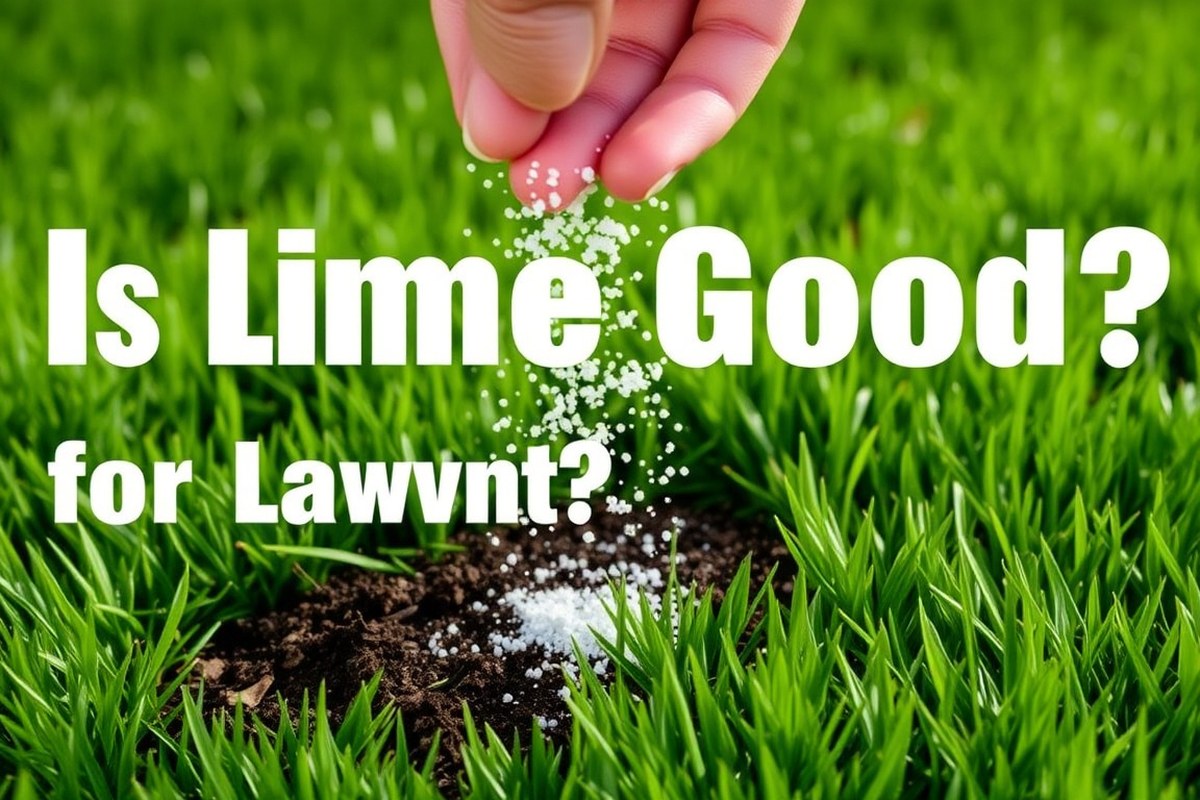
Lime is good for lawns because it balances soil acidity. Lawns often suffer when the soil pH drops below 6.0, limiting nutrient availability. Adding lime raises the pH and helps nutrients become accessible for grass roots.
Soil pH affects how well grass can absorb calcium, magnesium, and other minerals. Lime neutralizes excess acidity, which improves soil chemistry and supports stronger grass growth. When soil pH moves into the 6.0 to 7.0 range, nutrient uptake improves and the lawn becomes healthier and greener.
Lime also adds calcium to the soil, which is an essential nutrient for plants. This boosts soil structure and stability, promoting beneficial microbial activity. Grass develops thicker roots and better resilience to stress when lime creates the right soil conditions.
To help lime work effectively, water your lawn soon after applying it. Moisture aids lime absorption and speeds up pH adjustment.
You usually wait about 10 days after fertilizing or seeding before adding lime. So nutrients have time to settle first.
Using too much lime can push soil pH too high, making nutrients harder to absorb. This leads to thin, pale grass instead of greener, denser growth. That’s why knowing your soil pH with a test is key before adding lime.
How to Know If Your Lawn Needs Lime
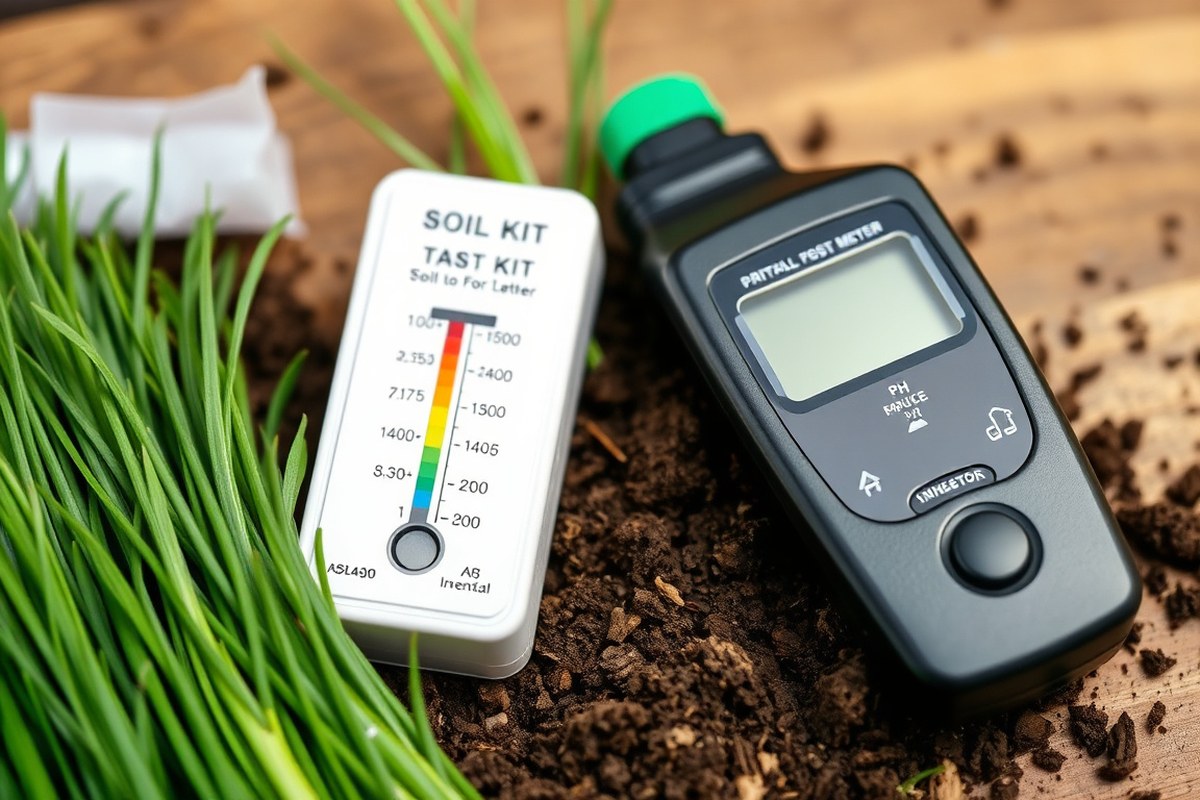
Testing Soil pH to Determine Lime Needs
Test your soil pH before deciding to add lime. Most lawn grasses thrive in soil with a pH between 6.0 and 7.0.
The pH can cause problems when it goes below 6.0, especially near 5.2, your soil is too acidic for healthy grass growth. This means lime could help balance acidity and improve growth.
Where and How to Get a Soil Test
Send a soil sample to a state or commercial testing lab. These labs offer pH testing and will recommend lime amounts if needed.
Collect soil samples from several spots in your lawn, mixing them for a representative sample. This ensures the test reflects the lawn’s overall condition.
Interpreting Soil Test Results
Look at the pH number on your soil test report. A reading between 6.0 and 7.0 usually means no lime is needed.
Soil with a pH below 6.0 often needs lime to raise the pH. The test results will suggest how many pounds of lime to apply per 1,000 square feet.
Steps to Check Soil pH and Decide on Lime
Follow these steps to know if your lawn needs lime:
- Gather soil samples from 5, 10 spots around your lawn about 2, 4 inches deep.
- Mix the samples in a clean bucket to make one combined sample.
- Dry the soil at room temperature; avoid sunlight and heat sources.
- Send 1 to 2 cups of dry soil to a lab. The lab can be local or commercial. They will test your soil’s pH.
- Wait for lab results and check the pH number and lime recommendation.
- Compare your lawn’s area to the lab’s suggested lime pounds per 1,000 square feet.
- Plan lime application based on test results and lawn size.
- Repeat soil testing every 3 to 5 years or as recommended on your report.
Timing and Frequency of Soil pH Testing
Test your soil every 3 to 5 years after applying lime. Lime works slowly and takes years to adjust soil pH fully.
Regular testing helps avoid over-liming. Follow test guidance on when to repeat lime applications.
Only apply lime if the soil test shows a low pH. Over-liming can harm your lawn and waste money.
Types of Lime Used on Lawns and Their Differences
Two main types of lime are used on lawns: calcitic and dolomitic. Each offers different benefits depending on your soil’s needs. Choosing the right one depends mostly on magnesium levels in your soil.
Calcitic Lime and Its Benefits
Calcitic lime is mostly calcium carbonate. It raises soil pH quickly and adds calcium to the soil. This supports strong root growth and helps soil microbes thrive.
It suits most lawns, especially those with clay or loam soils. Calcitic lime also improves soil structure, making it easier for roots to spread. It works faster than dolomitic lime due to higher calcium content.
Dolomitic Lime and Magnesium Content
Dolomitic lime contains calcium carbonate and magnesium carbonate. This gives it a slower pH change but adds magnesium too. Magnesium is a key nutrient especially in sandy soils low in magnesium.
Choose dolomitic lime if your soil test shows magnesium deficiency. It improves drainage and aeration, which helps sandy soils hold water better. Dolomitic lime is common but slower acting than calcitic lime.
Other Lime Variants and Uses
Besides calcitic and dolomitic, other lime types exist like burned lime and hydrated lime. These work fast but are hazardous and hard to apply safely. They are rarely used for home lawns.
Pelletized limestone is a safer option with fast action and easy spreading. It costs more but reduces dust and mess. Ground limestone lasts longer but works more slowly, suitable for regular lawn maintenance.
Here’s a comparison of common lime types and their features:
| Feature | Calcitic Lime | Dolomitic Lime |
|---|---|---|
| Main ingredient | Calcium carbonate | Calcium carbonate plus magnesium |
| Raises soil pH | Yes, quickly | Yes, more slowly |
| Adds magnesium | Minimal | High |
| Best for | Most lawns, clay and loam soil | Sandy soil low in magnesium |
| Extra effects | Improves soil structure | Improves drainage and aeration |
Check your soil test to choose between dolomitic and calcitic lime. Applying the wrong type or too much can harm your lawn’s health. Regular soil testing helps maintain a healthy pH and nutrient balance.
When and How Often to Apply Lime for Best Results
The best times to apply lime to your lawn are in fall or early spring. Fall works well for cool-season grasses because you can aerate and dethatch then. For warm-season grasses, early spring is better since the grass starts growing actively.
Avoid liming your lawn during summer or winter when the grass is stressed or dormant. Applying lime in extreme weather lowers its effectiveness. Also, don’t apply lime at the same time as fertilizer.
Doing that can reduce how well fertilizer works. Apply them separately to keep your lawn healthy.
Your soil test says more than 50 pounds of lime? Split your applications into smaller amounts.
For example, apply half the amount in early spring and the rest in fall before frost. This staggered approach helps the soil absorb lime better and prevents shock.
- Apply lime when soil pH is below recommended levels
- Split large lime amounts: 50 pounds spring, 50 pounds fall
- Retest soil pH each spring to decide if more lime is needed
- Do not lime during hot summer or freezing winter
- Apply lime separately from fertilizer for better results
- Use fall timing for cool-season grass, spring for warm-season grass
Soil testing every year or two is key to timing lime right. After liming, test soil pH the next spring.
Add more lime only if the pH remains too low. This method avoids over-liming and saves you money.
Seasonal changes affect lime’s effectiveness because soil temperature and moisture influence chemical reactions. Cooler, moist soils in fall and spring help lime break down and raise pH. Dry or frozen soils slow the process, delaying benefits.
Applying lime with this timeline and testing rule gives your lawn the best chance to thrive. It also helps you avoid wasting time applying lime unnecessarily.
You won’t apply too much all at once. This keeps your lawn care efficient and safe.
Calculating How Much Lime Your Lawn Needs from Soil Tests
Soil test results usually tell you how much lime your lawn needs. It gives the amount in pounds of calcium carbonate per 1,000 square feet. You adjust this number based on your lime’s calcium carbonate equivalent, or CCE.
Calcium carbonate equivalent (CCE) shows how strong the lime is at raising soil pH. Pure calcium carbonate has a CCE of 100%. Your lime’s lower CCE means you must apply more for the same effect.
Use your soil test and lime CCE to find pounds per 1,000 sq ft. First, check the soil test results. Then, adjust for the lime’s CCE.
- Find the lime recommendation on your soil test report. For example, it could say 40 pounds of calcium carbonate per 1,000 square feet.
- Check your lime’s CCE on the package. Say it’s 90% for typical agricultural lime.
- Divide the soil test amount by the lime’s CCE as a decimal. So, 40 ÷ 0.90 = 44.4 pounds.
- Round this number to a practical amount. You might round to 44 or 45 pounds per 1,000 square feet.
- Confirm you never apply more than 50 pounds at once per 1,000 square feet. Split your lime application if the calculated amount is too high.
- Spread the lime evenly across the area for a uniform effect.
Never use more than 50 pounds of lime per 1,000 square feet at once. Too much lime can damage your soil. Apply lime gradually over multiple sessions instead.
Say your soil needs 50 pounds of pure calcium carbonate per 1,000 square feet. Your lime has a CCE of 85%.
Divide 50 by 0.85 to get the needed amount.85 = 58.8 pounds of lime. Since that’s above 50 pounds, you would apply about 30 pounds twice, a few months apart.
Calculating lime this way ensures you add the right amount to adjust pH. Using too little won’t fix acidity.
Too much can harm grass and soil life. Follow your soil test numbers closely and adjust for lime strength carefully.
Proper Application Techniques to Maximize Lime Effectiveness
Lime works best when spread evenly and watered in right after application. You need the proper spreader and good timing with watering and fertilizing. Applying lime carefully helps balance soil pH and lets your lawn absorb nutrients better.
Choosing the Right Spreader
Using the right equipment helps spread lime evenly and avoids clumps. Pelletized lime rolls off spreaders cleanly, making it the easiest to apply.
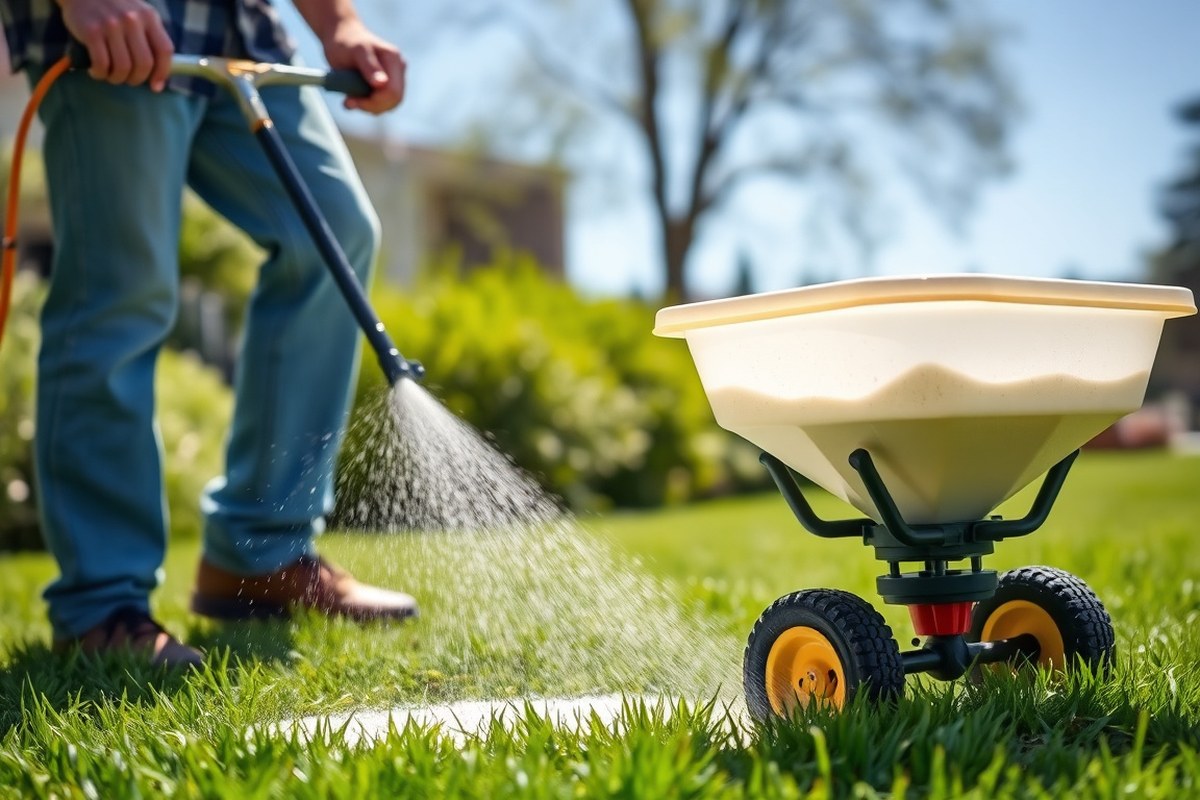
Drop spreaders work well for small areas because they release lime slowly and directly. For larger lawns, broadcast or rotary spreaders cover wide spaces faster with fewer gaps.
Applying Lime in Even Patterns
Spreading lime evenly is key to steady soil improvement. You want thin, uniform layers to avoid overly alkaline spots on your lawn.
Don’t try to dump all lime in one spot or row. Walk at a steady pace and overlap passes slightly for full coverage. Applying lime on the windward side keeps dust from blowing away.
Watering and Fertilizing After Application
Water your lawn lightly right after spreading lime to start dissolving it into the soil. Light watering prevents lime from washing away before it works.
Avoid applying ammonium-based nitrogen fertilizer at the same time as lime. That can cause a reaction releasing ammonia gas.
Fertilize when the soil pH reaches the right level, usually months after lime application. Fertilizer added too soon will waste nutrients your lawn can’t absorb yet. Follow these steps to apply lime properly and boost your lawn’s health:
- Test soil to confirm lime is needed for your lawn’s pH.
- Choose pelletized lime for easiest spreading and fast breakdown.
- Select the right spreader: drop spreader for small lawns, rotary for large ones.
- Spread lime evenly, overlapping passes and avoiding clumps.
- Water immediately but lightly, around 0.25 inch of water, to dissolve lime.
- Wait several months before fertilizing to let lime adjust soil pH.
- Apply fertilizer separately unless soil tests show no pH issue.
Risks of Over-Liming and How to Avoid Common Mistakes
Applying too much lime can make your lawn’s soil overly alkaline. This raises the pH too high, which can block essential nutrients like iron and manganese. Over-liming can lead to yellowing grass and weaker growth.
You might notice your lawn looks pale or patchy, even if you fertilize regularly. Soil tests that show pH above 7.5 often indicate over-liming. Excess lime can also encourage harmful fungi, especially in Kentucky bluegrass lawns.
To avoid these problems, follow these key tips when using lime:
- Test your soil yearly before applying lime.
- Remove thick thatch with a dethatcher first.
- Aerate compacted soil to help lime penetrate.
- Stick to recommended lime amounts from soil tests.
- Apply lime in fall to use natural freeze-thaw breaks.
- Scatter lime evenly, avoiding piles that damage grass.
- Never apply lime if soil pH is already above 7.0.
If you’ve already over-limed, the best step is to get a professional soil test. Lawn care experts can suggest tailored fixes.
Sometimes using elemental sulfur spreads helps lower pH back to healthy levels. This process can take several months.
Watering your lawn regularly after applying sulfur aids its absorption and effectiveness. Avoid adding more lime until your soil test shows it’s safe.
It costs a bit to hire a pro. But it saves your lawn and time in the long run.
Maintaining Healthy Soil pH Long Term After Adding Lime
Test your soil pH every year after applying lime to your lawn. Use a reliable soil test kit or send samples to a local extension office. Early testing shows if lime made the right pH change or if you need more.
Look for gradual lawn improvements over several months after liming. Grass grows fuller and greener when soil pH nears neutral. Most grasses prefer a slightly alkaline soil pH.
Aim to keep soil pH in that range for healthy grass. Avoid expecting overnight results since lime works slowly by changing soil chemistry.
Test your soil at least once a year to keep pH right. Spring or fall works best for soil testing. Keeping pH balanced helps your grass stay healthy.
Add lime again only if tests show your soil remains too acidic. You need a soil test urgently if your grass looks yellow or patchy.
Don’t add lime without fresh test results. This stops you from over-applying lime.
Plan lime reapplication based on test results, lawn health, and type of lime used. For example, wet lime adjusts pH faster but fades after 1-2 years, so reapply more often. Dry lime works slower but lasts longer, requiring treatments every 3-5 years.
Use a simple checklist for lime application and soil pH. First, test soil pH and match it to grass needs. Then apply lime as recommended and wait 3 to 6 months.
After waiting, retest soil pH. This cycle helps avoid over-liming, which can harm grass by raising soil pH too high.
Only add lime if soil tests confirm acid levels. Extra lime can harm your lawn.
Some lawns may need additional care, such as adding fertilizer along with lime. Water your lawn well after applying lime to help it soak into the soil. Change lime amounts if soil has lots of clay or sand.
Clay and sand change how lime shifts soil pH. Adjusting lime helps keep pH balanced for your grass.
Long-term soil health depends on balance. Watch your lawn’s colour, texture, and growth carefully. These show if soil pH is moving away from ideal.
Early signs help you fix pH problems quickly. Use lime once a year as part of your lawn care plan.
Match lime use to your soil type, climate, and grass kind. This approach gives the best results for your lawn.
Step-by-Step Action Plan for Applying Lime to Your Lawn
Follow these steps to improve your lawn’s health with lime. Each phase tells you what to do and how to see if it worked.
- Before you start: Test your soil’s pH with a kit or lab. Confirm it’s below 6.5 to justify liming.
- Week 1: Pick the lime type best for your soil. Pelletized lime spreads easily. Powdered lime works faster. Spread lime evenly across the lawn.
- Week 2: Water your lawn lightly after spreading lime. This helps lime soak into the soil and start working.
- Month 1: Check for changes in grass color and growth strength. Greener, denser grass means lime is helping.
- 3 months later: Retest soil pH to see how much it has risen. The goal is 6.5 to 7.0 for most lawns.
- 6 months later: Reseed or overseed bare spots if lime corrected soil conditions well. Healthy soil boosts seed germination.
- Year 1: Repeat soil tests annually. Apply lime only if pH drops below your target range again.
Frequently Asked Questions
Can Lime Harm My Lawn If I Apply It Wrong?
Yes, over-applying lime can raise soil pH too much. This harms grass and soil microbes, so follow soil test recommendations carefully.
Does Lime Affect Lawn Fertilizer Effectiveness?
Lime can improve fertilizer uptake by fixing soil pH. When pH is right, grass absorbs nutrients better, making fertilizing more efficient.
Will Lime Kill Weed Growth in My Lawn?
Lime does not kill weeds directly. It changes soil pH.
This may help some grasses grow thicker. Over time, thicker grass can crowd out weeds.
Can I Use Garden Lime on My Lawn?
Only use lime products labeled for lawns and soil amendment. Other garden limes may be too strong or contain unwanted additives for grass.
Do All Grass Types Need Lime the Same Way?
No, some grasses like cool-season types benefit most in fall. Warm-season grasses may need liming in early spring or fall instead.
Will Lime Improve Lawn Drainage?
Dolomitic lime can improve drainage by loosening sandy soils. Its magnesium content also helps soil structure where drainage issues exist.
Wrapping Up
Adding lime can fix acidic soil and help your grass grow stronger. Start with a soil test to see if liming fits your lawn’s needs. Try adding lime this spring, then watch your lawn improve over the next few months.