Can You Plant Hyacinth Bulbs in Spring? Complete Guide with Proven Ways
Can you plant hyacinth bulbs in the spring? Yes, but only if the bulbs have been properly pre-chilled. Hyacinth bulbs need about 10 to 12 weeks of cold to bloom well.
This cold period helps them grow healthy flowers. Without it, your blooms may not form properly.
Without cold treatment, bulbs will struggle to grow or may not flower at all. You can buy bulbs that are already chilled and ready.
Or chill fresh bulbs in your fridge before planting them. This helps the bulbs prepare for spring growth.
Plant bulbs when the soil is cool and easy to dig. This usually happens when nights are in the 40s or 50s Fahrenheit.
Soil that’s too warm or hard stops good root growth. For the best blooms, plant bulbs about 6 inches deep with the pointed end up.
Key Takeaways
- Hyacinth bulbs need 10 to 12 weeks of cold to bloom well in spring.
- Buy pre-chilled bulbs or chill fresh bulbs in your fridge before planting.
- Plant bulbs outdoors when soil temperatures cool to 40 to 50 °F.
- Set bulbs 6 inches deep with the pointed end facing upward.
- Space bulbs about 4 to 6 inches apart for healthy growth and airflow.
- Pre-chilling bulbs indoors allows spring planting with reliable spring blooms.
Can You Successfully Plant Hyacinth Bulbs in Spring?
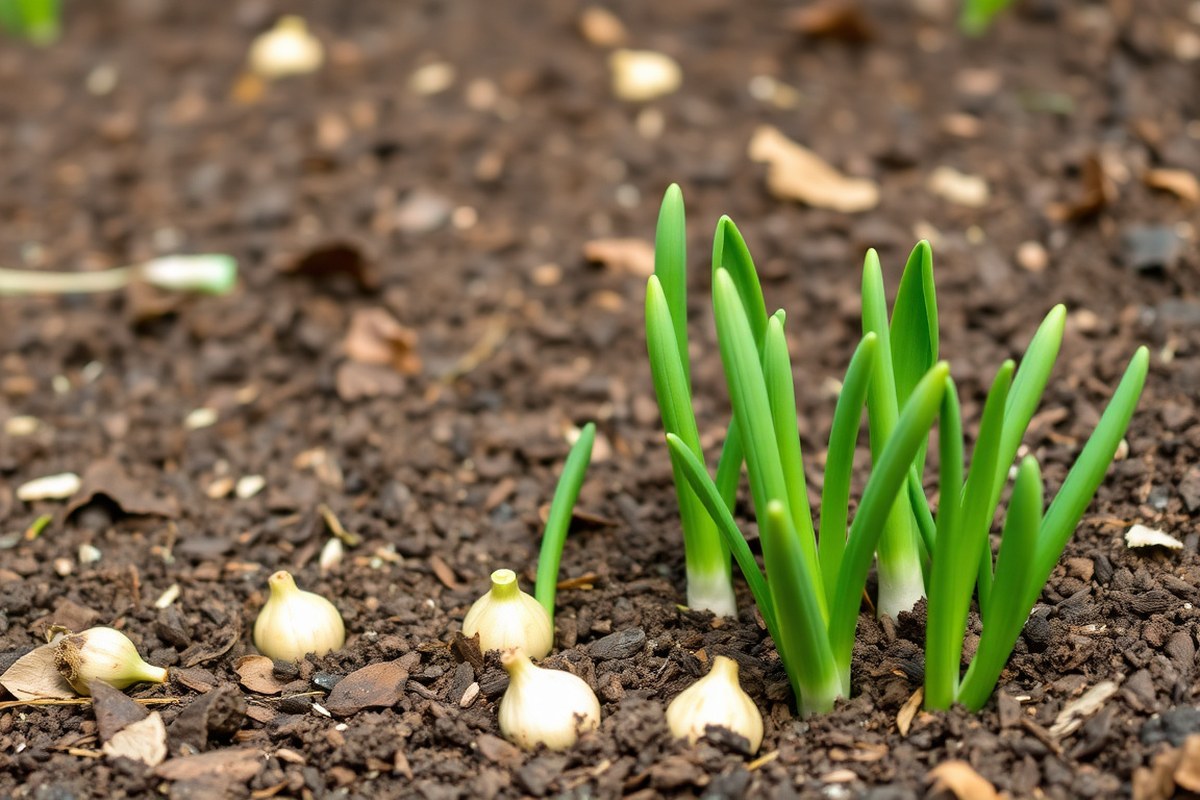
Yes, you can plant hyacinth bulbs in the spring, but it takes some work. The bulbs need a cold period of about 10 weeks to bloom well. Without this chill, they might not flower or could bloom weakly.
Spring planting usually means you have to pre-chill the bulbs indoors. Store them in a refrigerator at 35 to 45°F (2 to 7°C). Keep them there for at least 8 to 10 weeks.
This helps bulbs develop properly before planting. This mimics winter and triggers flower development before you plant them outside.
Plant the bulbs when the soil stays cool. Aim for temperatures in the 40s or 50s °F (4 to 13°C). This temperature range helps roots grow well.
The bulbs may bloom poorly if soil gets too warm. Warm soil makes them think spring has arrived early.
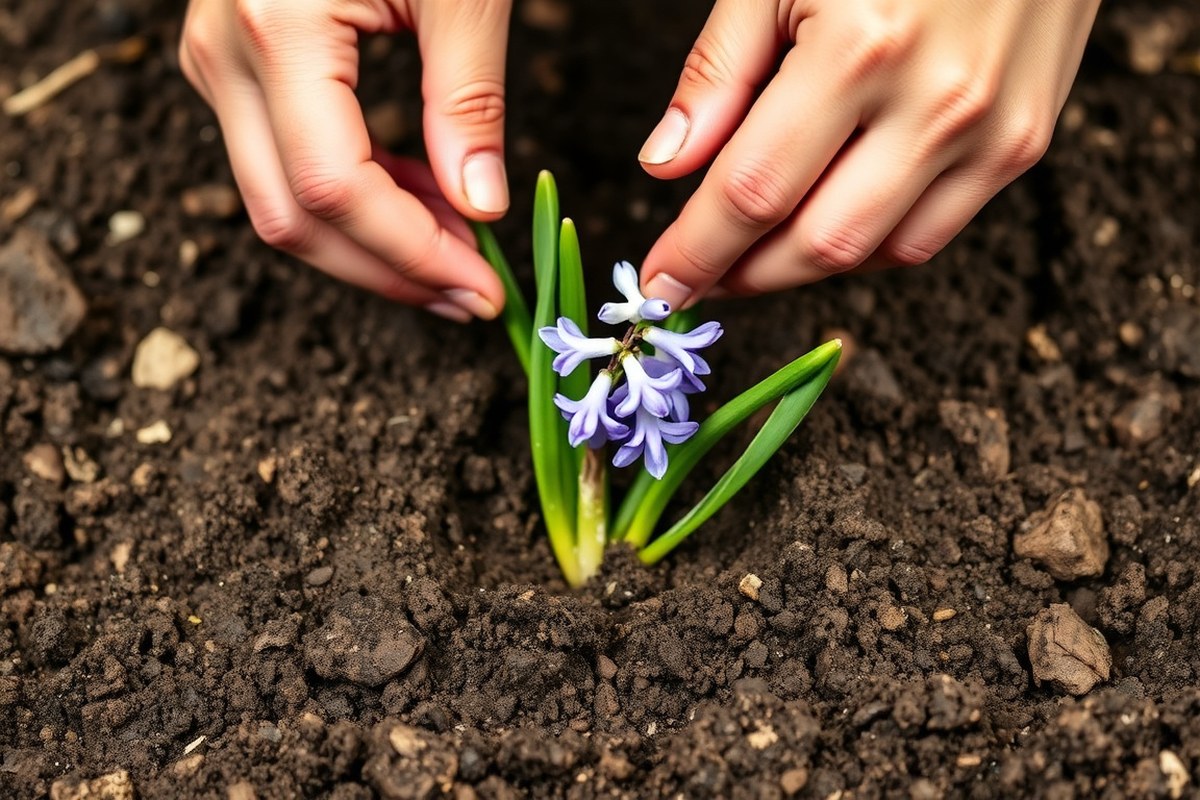
Avoid planting in soil above 50°F (10°C). Plant bulbs about 6 inches deep with the pointed end up and the roots facing down.
Spring planting can produce blooms in about a month if the bulbs were properly chilled. The flowers might not be as large or as long-lasting as fall-planted bulbs. You might also see fewer blooms over the years if you skip fall planting.
Some gardeners buy pre-chilled bulbs from nurseries, which can help if you missed fall planting. These bulbs will often bloom.
But they may not perennialize, meaning you need new bulbs each year. The bulbs also need good watering and soil nutrients once planted.
Spring planting works best if you start quickly after chilling, in soil that drains well. Avoid planting if the ground is still too warm or if frost is expected. You want the roots to establish before active growth begins for better flowering.
Why Hyacinth Bulbs Need Cold and How to Provide It
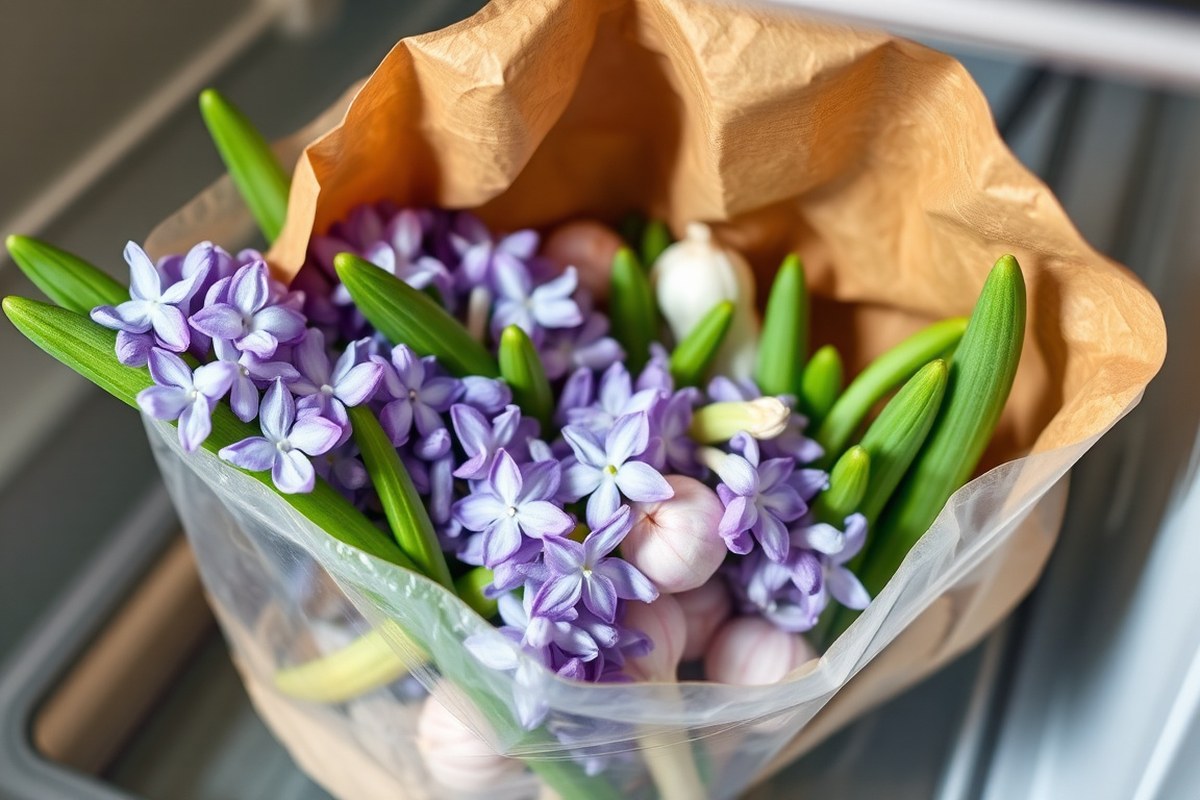
Hyacinth bulbs need a cold period to bloom well, usually provided by winter. You can simulate this chill when planting bulbs in spring. Chilling the bulbs for 12 to 14 weeks at 35°F to 45°F allows proper flower development.
Understanding Vernalization for Hyacinths
Vernalization means providing a cold period the bulbs require to trigger blooming. The cold signals the bulb to start root growth and flower formation. Without it, the bulbs often fail to flower in spring.
Hyacinths normally get this chill outdoors when planted in fall. In warm zones or with spring planting, you must recreate these conditions. The critical temperature range is 35°F to 45°F for at least 12 weeks.
Safe Methods to Chill Bulbs Indoors
You can chill hyacinth bulbs at home using your refrigerator or a cool basement. Avoid storing bulbs near fruits, as fruits release gases that harm bulbs. Keep bulbs dry and on a tray or paper bag to allow air circulation.
Another way is to plant bulbs outdoors in a shaded spot to cold-stratify before flowering. This works if soil temps drop below 45°F for the necessary period. Otherwise, indoor chilling is safer and more reliable for spring bulbs.
- Remove the bulbs from any plastic packaging and gently brush off dirt.
- Place bulbs in a breathable container like a mesh bag or paper bag.
- Store the container in your fridge, away from fruits like apples or bananas.
- Maintain a consistent fridge temperature between 35°F and 45°F for 12 to 14 weeks.
- Check the bulbs occasionally to ensure they stay dry and mold-free.
- After chilling, plant the bulbs immediately in soil or pots for best results.
- Water bulbs moderately and keep them in a spot with 60°F or lower soil temperature.
Do not chill bulbs in standard refrigerators if temperature drops below 32°F, as freezing damages them.
Timing and Temperature Guidelines for Chilling
You need at least 12 weeks of chilling for flower buds to develop well. Chilling less than 10 weeks can result in poor or no blooms. Too warm or too cold temperatures during chilling also reduce flowering quality.
Keep bulbs cool. But above freezing, ideally between 35°F and 45°F. Temperatures over 50°F won’t provide enough chill. Keeping bulbs in your fridge’s vegetable drawer often works well since it stays cool and moist.
Step-by-Step Guide to Planting Pre-Chilled Bulbs in Spring Outdoors
Planting pre-chilled hyacinth bulbs outdoors in spring needs careful preparation. You must set the right depth and spacing. Watering properly is also very important.
Follow these steps to give your bulbs the best chance at strong blooms. Doing each right helps bulbs root well before the weather warms.
Preparing the Soil and Site Location
Find a spot that gets full sun or at least partial shade in spring. The soil should be loose and drain well to avoid soggy conditions. Your garden soil holds too much water.
Mix in organic matter. This raises and aerates the soil.
Watch for puddles after rain. Water pools for 5 to 6 hours on your soil. Choose a different spot or add organic matter.
This will help with drainage. Hyacinths dislike wet feet, which can cause bulb rot.
Planting Depth, Orientation, and Spacing
Plant bulbs pointy-end up. They need to be 4 inches deep. This keeps them safe but allows sprouting.
Smaller bulbs only need 2 to 3 inches in depth. But 4 inches is typical. Space bulbs 3 inches apart if small, and 4 to 6 inches if large.
Plant bulbs in groups for the best look and to boost flowering. Proper depth and spacing help roots spread without crowding and ensure good nutrient uptake. Too shallow or too crowded bulbs often yield weak growth or no flowers.
Watering and Mulching Tips After Planting
Water bulbs deeply once after planting to settle soil and encourage roots to start growing. Check soil moisture about 2 inches down before watering again.
Wait if the soil feels damp. Avoid overwatering to prevent rot.
Mulch with 2 to 3 inches of organic material like shredded leaves or bark. Mulch helps keep soil cool and moist and protects bulbs from temperature swings. Remove mulch after shoots appear to avoid trapping excessive moisture around stems.
- Choose a sunny or partly shaded garden spot with well-draining soil.
- Prepare the site by loosening soil and adding organic matter if needed to improve drainage.
- Dig holes about 4 inches deep. Use 2 to 3 inches for very small bulbs.
- Put bulbs pointy-end up. Space small bulbs 3 inches apart. Space large bulbs 4 to 6 inches apart.
- Cover bulbs with soil and gently press down to remove air pockets.
- Water the area deeply once to settle soil around bulbs.
- Apply a 2 to 3 inch layer of mulch to protect and insulate the soil.
- Check soil moisture every few days; water only if dry below the surface.
Can You Plant Unchilled Hyacinth Bulbs in Spring?
Unchilled hyacinth bulbs usually won’t bloom well if planted directly in spring soil. These bulbs need a cold period to start growing properly. Without chilling, they often sprout weak green shoots but rarely produce flowers.
The growth timeline for unchilled bulbs is slower and less predictable. You might see growth by late spring, but blooms could be delayed or missing.
The bulbs use energy to produce leaves. But they may not have the trigger to flower.
You can try a few tricks to encourage blooms even without chilling. One way is to plant bulbs in pots first.
Keep them in a cool spot around 40°F. Leave them there for 10 to 12 weeks before moving outside. This imitates winter chills and helps flower development.
In mild areas with no freezing winters, use mulch. Cover bulbs with 2 to 3 inches of straw or shredded leaves.
This helps create a cooler spot around the bulbs. This can improve your chances of bulbs blooming in spring.
Spacing bulbs 5 to 6 inches apart reduces nutrient competition. This helps individual bulbs grow stronger and increases the chances of flowering. Still, expect some reduction in flower quality if chilling hasn’t occurred.
Planting unchilled bulbs in spring might work better for forcing indoors. Indoors, you can control temperature and light better. This helps mimic cold conditions that bulbs need.
It works better than soil outside in spring. Outdoors, expect mostly foliage growth and weak flower displays.
Forcing Hyacinths Indoors in Spring for Early Blooms
Forcing hyacinth bulbs indoors in spring can bring early blooms and sweet fragrance inside your home. You need pre-chilled bulbs, proper containers, and a cool, bright spot. Indoor blooms usually appear within 6 to 10 weeks after starting.
Choosing the Right Container for Forcing
Select a container with good drainage if you plan to use soil. You can also force bulbs in water using a glass or a special bulb vase. A clear container lets you watch the white roots grow, which is a neat indoor feature.
Containers should be just big enough to hold bulbs close but not touching each other. A pot 4 to 6 inches wide works well for a few bulbs. This keeps moisture levels steady without drowning the bulbs.
Setting Up Bulbs for Rooting in Water or Soil
Use bulbs that have been pre-chilled. They store at about 40°F (4°C). Keep them chilled for 10 to 12 weeks before planting.
The chill makes the bulbs think winter has passed and triggers growth indoors. Avoid planting unchilled bulbs for forcing because they often fail to bloom.
- Place a shallow layer of pebbles or gravel in the container bottom for drainage.
- Add well-draining potting soil until it’s about 1 inch below the rim.
- Set the bulbs on the soil’s surface with pointed ends facing upward.
- Cover bulb bases with soil, leaving the tips uncovered for light.
- Water the soil well once, enough to moisten but not soak.
- For forcing with water, fill the container to touch the bulb bases only.
- Put containers in a cool, bright spot around 60°F (16°C), away from direct sun.
Make sure bulbs don’t sit in soggy soil; it can cause rot.
Care Tips During Indoor Forcing Period
Keep the soil moist but never waterlogged after the first watering. Check moisture every few days and water only if the soil feels dry. Good airflow helps prevent mold on the bulbs.
Keep the containers in a cool spot with bright light but shield them from strong sun. Hyacinths prefer about 12 hours of indirect light daily for sturdy stems and vivid blooms. Flowers will appear in about 6 to 10 weeks depending on bulb size and conditions.
Soil, Sunlight, and Water Needs for Spring-Planted Hyacinths
Hyacinths grow best in soil that drains well and feels loose. Sandy or loamy soils fit the bill because they don’t hold too much water.
Clay soils can trap moisture. So mix in compost or coarse sand to improve drainage before planting.
The soil pH should stay near neutral, between 6.0 and 7.0. This range helps hyacinths absorb nutrients easily. You can test your soil pH with a kit from a garden center.
Adding lime or sulfur changes soil pH if it’s too acidic or alkaline. These adjustments take time to work in your garden.
Hyacinths love full sun during spring. They need at least 6 hours of direct sunlight daily to bloom strong. A spot that gets morning sun and light afternoon shade works too.
Not enough sun can cause smaller flowers or fewer blooms. Most hyacinths need good sunlight to grow well.
Good drainage is more important than shade for hyacinths. Choose a garden spot that doesn’t pool water after rain. Raised beds or gentle slopes help water run off, protecting bulbs from rot.
Water hyacinths moderately after planting. Give them about half an inch of water weekly until leaves appear.
Keep the soil moist but not soggy, as too much water leads to bulb rot. Once they start blooming, you can reduce watering.
Check soil moisture by sticking your finger an inch deep. When the soil feels dry to touch, it’s time to water.
Keeping soil moist helps bulbs grow healthy flowers. Let the topsoil dry out between waterings to avoid fungal problems.
Space bulbs 4 to 6 inches apart. This spacing lets roots grow without crowding. Good airflow around bulbs prevents mold and rot.
Air moves better when soil and plants aren’t crowded. This is especially important in wet weather.
Common Mistakes When Planting Hyacinths in Spring and How to Fix Them
Planting hyacinth bulbs too shallow or too deep is a common mistake. Bulbs need to be planted at a depth about three times their height.
For example, a 2-inch bulb should go 6 inches deep. This depth protects bulbs from cold and supports tall stems as they grow.
Bulbs too close to the surface can dry out or freeze easily. Too deep, and shoots may struggle to reach sunlight.
Space bulbs about 3 to 4 inches apart. Crowded bulbs compete for nutrients and light, reducing blooms.
Watch for rot and mold by avoiding soggy soil. Bulbs hate sitting in water and will rot quickly if the soil holds too much moisture.
Use well-draining soil rich in organic material. You can add compost or leaf mold to improve drainage and nutrients.
- Choose firm, healthy bulbs without soft spots or mold.
- Plant bulbs 3 times their height deep and 3-4 inches apart.
- Use fertile, well-draining soil to prevent waterlogging.
- Avoid watering too often or heavy rains soaking bulbs.
- Remove any rotten or damaged bulbs promptly.
- Ensure bulbs get some sun after planting.
- Provide cold treatment if bulbs haven’t chilled naturally before planting.
Bulbs that don’t flower need their health checked first. Old or damaged bulbs may produce shoots but no flowers. Lack of cold exposure before planting often causes weak blooms or no flowers at all.
You can try forcing bulbs indoors next year to control chilling time. Poor growth can also mean soil lacks nutrients or sunlight. Adding compost and ensuring 6 hours of daily sun helps blooms develop better.
Hyacinths can last a few seasons. But they decline if planted incorrectly or left in poor soil. Removing spent flowers and leaving leaves intact lets bulbs store energy for the next year.
Keep failing bulbs? You might need fresh ones, not old reused bulbs. Follow these steps to avoid issues.
You will grow strong hyacinths. They will be colorful even when planted in spring.
Choosing Hyacinth Varieties and Growing Zones for Spring Planting
Choosing the right hyacinth variety helps with spring planting success. Some bloom earlier than others, giving you color sooner. Your USDA zone also affects when hyacinths flower after planting.
Hyacinths grow well in USDA zones 4 to 8. You live in zone 4 or 5 if your growing season is short and cool.
Late-blooming varieties may struggle to finish blooming before warm weather hits. Zones 6 to 8 have longer springs, which suits more types.
Some varieties tolerate spring planting better because they bloom earlier or need less cold. For example, ‘City of Haarlem’ sends up flowers sooner than many others.
Early bloomers improve your chance of full bloom by late spring. This is true even when you plant late.
| Variety | Bloom Time | Best USDA Zones | Notes |
|---|---|---|---|
| City of Haarlem | Early | 4 to 8 | Fragrant, good for early spring color |
| Pink Pearl | Mid | 5 to 8 | Soft pink, stands out against green leaves |
| Delft Blue | Mid to Late | 5 to 7 | Blue shade, slightly later bloom time |
| Gypsy Queen | Late | 6 to 8 | Rich purple, best in warmer zones |
Plant bulbs chilled before replanting to help flower timing. In cooler zones, this simulates winter. You live in a warmer zone when your area stays hot longer.
Choose plants that tolerate heat well. Remember, planting late or using unchilled bulbs can delay or reduce flowering.
Some varieties are less picky about spring planting. Early bloomers usually do better because they require less cold to flower.
Picking the right type for your zone helps avoid weak blooms later. It also prevents missing flowers entirely.
Wear gloves when handling hyacinth bulbs to avoid skin irritation.
Adjust your planting choice to your local climate and planting date. Using early-blooming types improves the chance of bright flowers by spring’s end.
Zones 4 to 5 need the earliest varieties or extra chilling. Warmer zones offer more flexibility.
Step-by-Step Action Plan for Planting Hyacinth Bulbs in Spring
Follow these steps to help your hyacinth bulbs flower when planted in spring. Each step tells you what to do and what to watch for.
- Before planting: Pre-chill your hyacinth bulbs in the fridge for 10-12 weeks. Check they feel firm and show no mold.
- Planting day: Choose a sunny spot with well-drained soil. Plant bulbs 4-6 inches deep and 3 inches apart. The soil should feel moist but not wet.
- Week 1: Water the bulbs right after planting. The soil needs to stay damp but not soggy. Bulbs shouldn’t dry out.
- Weeks 2-4: Continue watering lightly when soil feels dry an inch below the surface. Watch for shoots popping up from the soil.
- When shoots appear: Add a layer of mulch to keep soil moist and cool. This helps the bulbs stay healthy and supports growth.
- During flowering: Keep watering regularly but avoid waterlogging. Flowers should open fully about 3-4 weeks after shoots appear.
- After blooming: Let leaves die back naturally. This feeds the bulb for next year. Remove dead leaves after they turn yellow.
Frequently Asked Questions
Can You Plant Hyacinth Bulbs in the Spring After a Frost?
Planting after frost is risky as soil may be too cold or wet. It can slow root growth and reduce blooms. Wait until soil warms above 40°F before planting for better results.
How Long Does It Take Spring-Planted Hyacinth Bulbs to Bloom?
Spring-planted bulbs usually bloom 6 to 8 weeks after planting. This depends on chill time and weather conditions. Providing pre-chilled bulbs shortens the wait.
Can I Mix Hyacinth Bulbs with Other Spring Bulbs Planted in Spring?
Yes, you can plant hyacinths with other bulbs if they have similar chill needs. Pre-chill all bulbs before planting together in spring. This helps them bloom around the same time.
What Soil Type Helps Spring-Planted Hyacinths Grow Best?
Well-drained, fertile soil with some organic matter is best for hyacinths. Avoid heavy clay that holds water and risks bulb rot. Lightly loosening soil helps roots spread effectively.
Do Hyacinth Bulbs Need Fertilizer When Planted in Spring?
Applying a balanced, slow-release fertilizer at planting is helpful but not required. Fertilizer supports healthy growth and flowering. Avoid high nitrogen which encourages leaf growth over blooms.
Is It Better to Plant Hyacinth Bulbs in Pots or Garden Beds in Spring?
Both work, but pots dry out faster and need more care. Garden beds are more stable and allow better root expansion. Choose based on your available space and watering routine.
Final Thoughts
You can plant hyacinth bulbs in spring if you pre-chill them and care for them properly. Start by putting your bulbs in the fridge as soon as possible. That simple step gives your bulbs the cold they need to bloom outside their normal season.