How Long for Seeds to Sprout: A Complete Guide with Timelines & Tips
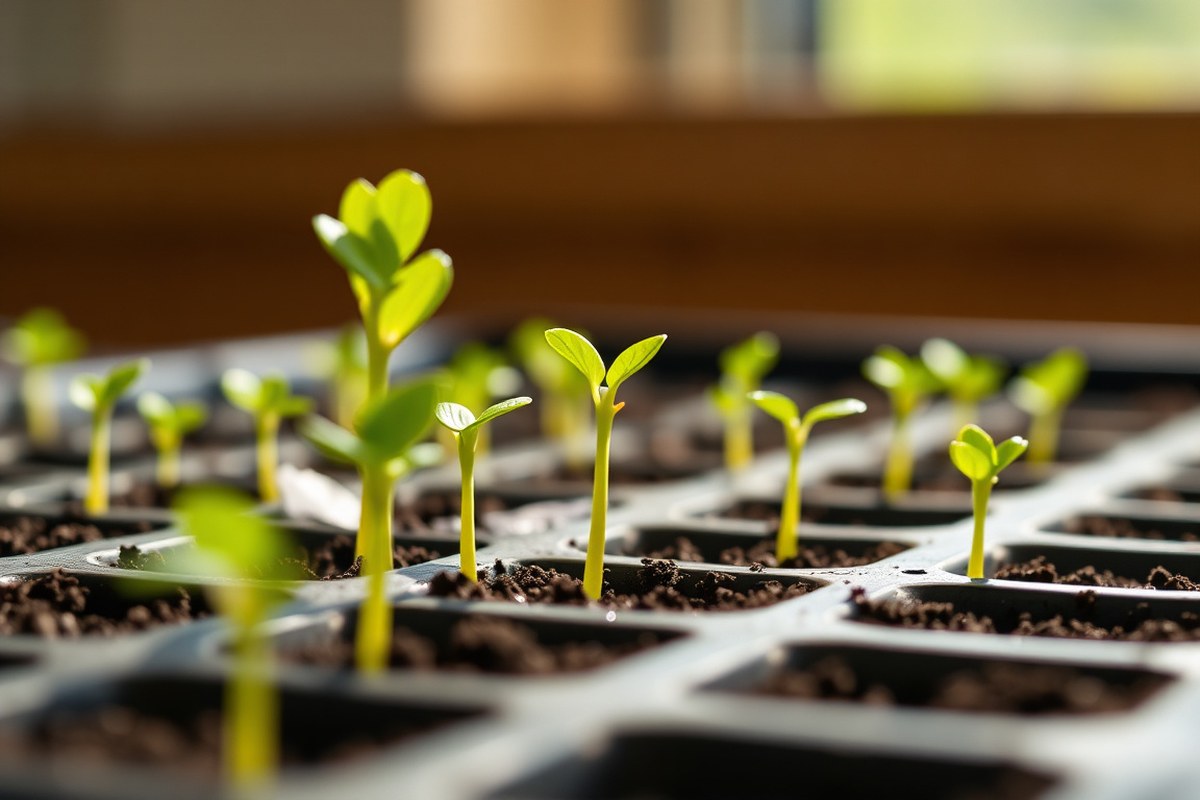
How long for seeds to sprout depends on the seed type and conditions. Most garden seeds take between 3 and 14 days to show their first sprouts.
Some like radishes sprout quickly in 4 to 7 days. Others, such as carrots, need a couple of weeks.
Soil temperature, moisture, and oxygen are key to quick sprouting. Seeds usually sprout in about a week. Keep soil moist but not soggy.
The temperature should be near 68°F (20°C). Cooler soil slows things down. For example, tomato seeds might take up to 6 weeks at 50°F (10°C).
Starting with quality seeds and planting at the right depth helps speed up germination. Watch out for seed age and poor storage, which lower sprouting rates. The best way to get quick sprouts is the right environment.
Start seeds off in good conditions. This helps them grow strong and healthy.
Key Takeaways
- Most vegetable and flower seeds sprout in 3 to 14 days under good conditions.
- Basil seeds usually sprout within 5 to 10 days.
- Keep soil temperature near 68°F (20°C) for the fastest seed sprouting.
- Water seeds evenly to keep soil moist but avoid waterlogging.
- Radish seeds often sprout fastest, typically in about 4 to 7 days.
- Older seeds or poor storage may lead to less than 80% germination.
How Long Do Seeds Typically Take to Sprout?
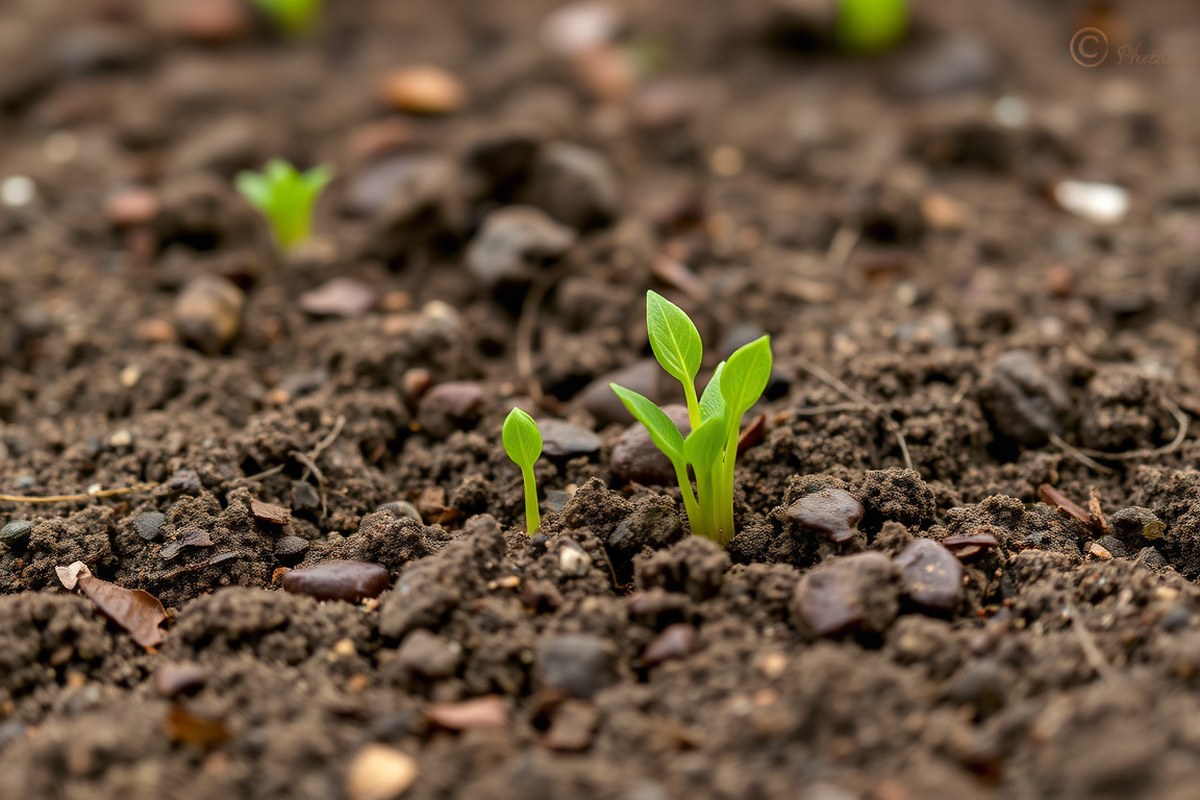
Seeds usually sprout anywhere from 2 to 30 days depending on the plant. Many common vegetables and herbs fall into a few categories of germination speed.
Fast-germinating seeds sprout between 2 and 7 days. Slower seeds can take 14 days or more to emerge.
For example, radishes and turnips are among the fastest, typically sprouting in 2 to 5 days. Tomatoes, cucumbers, basil, and marigolds germinate in about 5 to 10 days. Carrots, peppers, and parsley take 10 to 14 days to sprout.
This happens under ideal conditions. They are a bit slower to germinate.
Some seeds need even more time, like celery, leeks, parsnips, rosemary, and thyme. These often take 14 to 30 days or more to show signs of sprouting.
Mango seeds need 2 to 4 weeks to sprout. They want warm soil near 80 to 85°F. This keeps them happy and growing.
Very fast seeds take 2 to 5 days to sprout. These include radish, turnip, lettuce, bean, and pea. This is under the right conditions.
Fast seeds (5, 10 days) include tomato, cucumber, basil, marigold, zinnia, and cosmos. Moderate seeds (10, 14 days) include pepper, eggplant, carrot, beet, and parsley. Slow seeds (14, 30+ days) include celery, leek, parsnip, rosemary, thyme, and lavender.
Knowing these ranges helps you plan when to sow seeds and when to expect sprouts. Knowing how long seeds take stops watering mistakes. You won’t water too much or too little.
Understanding timing helps your plants thrive. When seeds take longer, check temperature and moisture.
Look at seed health, too. Don’t assume the seed is dead right away.
What Environmental Factors Affect Seed Germination Time?
Seed germination time depends on factors outside the seed. Temperature, moisture, soil pH, oxygen, and light matter. Each of these affects how fast seeds sprout.
These conditions control how fast or slow seeds start to sprout. Managing them well helps you get healthy seedlings faster.
How Soil Temperature Affects Sprouting Speed
Soil temperature is one of the biggest factors in how fast seeds sprout. Most vegetable seeds prefer soil between 65 and 75 degrees Fahrenheit to start sprouting quickly. Cooler soil slows germination.
Soil near 50 degrees Fahrenheit can delay sprouting by weeks. Tomato seeds take 5 to 10 days to sprout at 70 degrees.
At 50 degrees, they may take up to 6 weeks. The temperature makes a big difference.
Plant seeds after the last frost to warm the soil naturally. You can also use a heat mat indoors for warmth. These methods help seeds sprout faster.
Keep soil temperature stable since fluctuations slow germination and can harm young sprouts. Check soil with a thermometer to get the right heat level consistently.
Why Moisture Balance Is Critical for Seed Germination
Seeds need the right amount of water to start sprouting. Soil should feel like a wrung-out sponge, neither soggy nor dry. Too much water causes rot or mold, and too little stops sprouting.
Water seeds gently right after planting to avoid washing them away. Cover the soil with plastic wrap or a humidity dome to keep moisture steady indoors. This helps the seeds stay moist.
Outdoors, water with a fine spray each day unless it rains. Too much watering or poor drainage makes seeds sit in water, which often kills them.
How Soil pH and Oxygen Influence Germination
Soil pH affects nutrient availability, indirectly influencing germination. Most seeds do best in neutral to slightly acidic soil with a pH between 6.0 and 7.0. Soil that is too acidic or too alkaline can harm seed growth.
Poor pH can cause seeds to sprout weakly or die soon after. Adjusting soil pH helps seeds grow better. A basic home soil test kit costs about $10 to $20 and helps you check pH.
Seeds also need oxygen for respiration during germination. Compact or waterlogged soil reduces oxygen, slowing or stopping sprouting.
Light, loose soil encourages air flow. Avoid packing soil tightly when planting your seeds for better oxygen access.
The Role of Light in Seed Sprouting
Light affects seed germination differently depending on the seed type. Some seeds need light to sprout while others require darkness. Lettuce and petunia seeds need light exposure.
You plant these on the surface or just covered with thin soil. Beans and peas usually sprout best in the dark, so plant them deeper.
Check seed packets or seed supplier info to know if your seeds need light or darkness. Indoor light from grow lamps helps seedlings once the seed coat cracks. Avoid strong sunlight on freshly sprouted seeds; weaker light is better until leaves grow.
Keep soil moisture consistent but not soggy. This balance helps you avoid rot and speeds up sprouting.
Common Seed Types and Their Germination Times
Vegetable seeds sprout at different speeds due to their seed coat and temperature needs. Radishes can sprout in as little as 3 days. Carrots usually take two to three weeks.
Parsley and celery seeds often take longer to sprout. Their seed coats have oils that slow water absorption. This delay causes slower sprouting.
Flower seeds also vary widely. Zinnias sprout quickly, often within 7 to 14 days. Some flowers with hard seed coats can take several months.
The soil temperature and planting depth matter a lot for how fast seeds break ground. Warmer soil speeds up sprouting in many warm-loving plants.
Here is a table with typical sprouting times. It also lists ideal soil temperatures. Plus, it shows planting depths for common seeds.
| Seed Type | Min Days | Max Days | Optimal Temp (°F) | Sow Depth (in) |
|---|---|---|---|---|
| Tomato | 5 | 10 | 70, 85 | 1/4″ |
| Carrot | 10 | 21 | 55, 75 | 1/4″ |
| Cucumber | 3 | 7 | 70, 90 | 1/2″ |
| Bell Pepper | 10 | 21 | 75, 90 | 1/4″ |
| Lettuce | 2 | 8 | 60, 70 | 1/8″ |
| Zinnia | 7 | 14 | 65, 75 | 1/4″ |
Soak parsley or celery seeds in room-temperature water for 24 hours. This helps soften their seed coat. It makes sprouting faster.
This helps speed up water absorption and sprouting. Warm soil of about 70°F helps most vegetable seeds sprout within their ideal range. Cooler soil lengthens germination, especially for slow starters like carrots.
How to Prepare Seeds for Faster Germination
Preparing seeds before planting can speed up germination and improve success. Soaking, scarification, and cold stratification help different seeds sprout faster. Each method suits certain seed types and requires specific steps.
Soaking Seeds Before Planting
Soaking helps soften hard seed coats and jumpstarts germination. Large seeds like beans, peas, and corn soak best for 8 to 12 hours. Use lukewarm water, around 70°F, to avoid damaging the seed’s embryo.
Don’t soak seeds longer than 24 hours because they can start to rot. After soaking, drain the seeds and plant immediately to keep moisture levels right. If seeds sink to the bottom, it often means they’re viable and ready for soil.
Here’s how to soak your seeds properly:
- Fill a clean container with lukewarm water (about 70°F).
- Place the seeds in the water and cover the container.
- Soak the seeds for 8 to 12 hours, no longer than 24.
- Check occasionally; discard any floating seeds, they may be empty or dead.
- Drain the water thoroughly after soaking ends.
- Plant the seeds right away in moist soil for best results.
Seed Scarification Techniques
Scarification means scratching or weakening the seed coat to help water reach the embryo. Seeds with tough, thick coats, such as morning glory or sweet pea, often need scarification. This breaks dormancy and speeds germination.
You can scarify seeds by rubbing them with sandpaper or nicking them carefully with a knife. Always handle seeds gently to avoid damaging the embryo inside. After scarifying, soak seeds in water for 8, 12 hours before planting to boost moisture absorption.
Here’s a safe way to scarify seeds:
- Prepare coarse sandpaper or a sharp knife.
- Gently rub the seed coat or make a small cut on the surface.
- Be careful not to cut too deep and harm the seed embryo.
- Soak the scarified seeds in lukewarm water for 8 to 12 hours.
- Drain water and plant the seeds in moist soil immediately.
Cold Stratification Methods
Cold stratification mimics winter and breaks seed dormancy in species like apple, cherry, and many wildflowers. It involves storing seeds in a moist medium at 34, 41°F for 2 to 12 weeks. This process triggers hormones that allow the seed to germinate.
Mix seeds with moist peat moss or vermiculite in a sealed plastic bag. Store the bag in your refrigerator to maintain the right temperature. Check the medium weekly to keep it moist but not soggy, preventing mold growth.
Follow these steps for proper cold stratification:
- Moisten peat moss or vermiculite until damp but not wet.
- Place seeds in the damp medium and mix evenly.
- Put the mixture in a sealed plastic bag or container.
- Store the bag in the refrigerator, around 34, 41°F.
- Keep the mixture moist and check weekly for mold or drying.
- After 2 to 12 weeks, remove the seeds and plant promptly.
How Seed Age and Storage Affect Germination Success
Older seeds can still sprout, but their success drops as they age. Proper storage slows this decline and keeps seeds usable longer. Testing seeds before planting saves effort and money by showing if they are still viable.
How Seed Viability Drops over Time
Seed viability means how likely seeds are to sprout. It naturally decreases as seeds get older, especially after a year or two. Older seeds often take longer to germinate or may not sprout at all.
Fresh seeds usually germinate faster and at higher rates. For example, fresh basil seeds generally sprout in about 3 to 10 days. The same seeds, if old, might take longer or fail to grow.
Best Ways to Store Seeds
You want a cool, dark, and dry place for storing seeds. Avoid places with heat or humidity, which speed up seed aging. A sealed jar or airtight container helps keep moisture out.
Keeping seeds in the fridge at about 40°F (4°C) works well for many types. Some gardeners store seeds in the freezer.
But only if the seeds are dry to avoid damage. Label your seeds with the date you collected or bought them to track their age.
Simple Germination Testing Method
Take about ten seeds and put them on a damp paper towel. Fold the towel. Put it in a plastic bag to keep it moist.
Then, place the bag in a warm spot. Check every day to see how many seeds sprout within a week.
Counting how many seeds sprout gives you the germination rate. For example, if seven out of ten seeds sprout, the germination rate is 70%. Use this info to decide if you should plant those seeds or try fresh ones.
What Good and Bad Test Results Look Like
Most seeds sprout quickly. That means the batch is still good for planting. A rate above 70% usually means reliable growth.
Less than half the seeds sprout. You might want to get new seeds.
Slow sprouting or mold growth on the towel shows problems. Mold might mean overwatering or poor seed quality. Adjust moisture carefully and retest if needed before planting.
Keep seed storage containers dry and check seed packets regularly to avoid disappointment in the garden.
Troubleshooting: Why Haven’t My Seeds Sprouted Yet?
No sprouts after a few days does not always mean failure. Some seeds take longer, especially if soil temperatures are low or moisture is uneven. Wait up to twice the typical germination time before troubleshooting.
Checking soil temperature is key. Most vegetable seeds need at least 50°F, with many preferring 65°F to 75°F. Put a soil thermometer near where you plant the seeds. Use a heat mat when soil stays under 60°F. This helps seeds germinate better.
Soil moisture often trips gardeners up. The soil must stay evenly moist but not soaking wet.
Overwatering can cause surface algae or seed rot, stopping sprouts entirely. Let the top inch dry a bit, and water from the bottom if possible.
- Look for wet, slimy soil or algae on the surface; reduce watering.
- Check planting depth; seeds buried too deep take longer or may fail.
- Keep soil temperature steady between 65°F and 75°F for most veggies.
- Observe if sprouts appear but collapse from damping off; improve airflow.
- Patchy or missing sprouts outdoors? Light mulch or shade may help.
- Seeds needing cold stratification require chilling before planting.
Planting depth can delay sprouting if too deep or if soil compacts on top. Adjust depth to the seed packet instructions and lightly fluff the surface. Cool or fluctuating temperatures slow germination; avoid placing trays near drafts or cold windows.
Most seeds that don’t sprout by twice the normal time might be old. They also might be nonviable.
Starting fresh seeds tends to save time and frustration. Use fresh seed or try pre-soaking or chilling according to packet guidance for better results.
Differences Between Indoor and Outdoor Seed Starting Times
Seeds sprout faster indoors because you control the environment better. You keep soil warm and moist, which most seeds need for quick growth.
Indoor heat mats raise soil temperature to 70-85°F. This speed up germination by days or weeks. It works better than outdoor soil heating.
Outdoor soils warm slower and can vary by weather, which affects sprout times. Soil below 50°F keeps many seeds dormant or very slow to sprout.
In cooler areas, start seeds indoors 4-8 weeks before last frost. Then move seedlings outside when soil warms above 60°F.
Indoor seed starting needs a heat mat costing $20-$40. You will also need a seed tray. Outdoor seeds rely on natural soil warmth.
Indoors, expect germination in 5-14 days. Outdoors, it might take 2-4 weeks if temperatures are cooler. Seeds like beans need soil around 70°F; cooler than that delays sprouting.
Outdoor starts get better with black plastic mulch or cold frames. They warm soil faster early in the season. Planting in raised beds helps too because they warm up sooner than ground-level soil.
Covering seeds with a clear plastic dome traps heat and moisture. But remove it once seedlings show.
Indoors, maintain steady warmth by placing trays where room temperature stays between 65-75°F. You can breathe gently on seeds or cover trays with plastic. This raises humidity and helps seedlings grow early on. Avoid overheating or soggy soil because both can kill sprouts.
Indoor seed starting works well for warmth-loving plants or early season needs. Outdoor sowing fits hardy seeds and allows natural hardening off but takes patience.
Starting seeds inside in cool areas gives them a head start. They have a better chance to survive outside later.
Best Practices for Planting Depth, Soil, and Moisture
Plant seeds at a depth about twice their size. Tiny seeds like lettuce stay on or just under the surface. Larger seeds like beans should sit 1 to 2 inches deep.
Planting seeds too deep makes sprouting harder. Seedlings use up energy pushing through too much soil. This slows their growth.
Use a loose, well-draining soil mix rich in organic matter. Seed-starting mixes with peat moss or coconut coir work well.
They hold moisture but keep air pockets for roots to breathe. Good soil texture helps seeds absorb water evenly and get oxygen needed to sprout.
Keep soil moist but not soggy to avoid drowning seeds. Use a spray bottle or gentle watering to keep the surface damp every day.
Cover seed trays with plastic wrap or a humidity dome to trap moisture. Remove the cover once you see sprouts to prevent mold.
- Plant tiny seeds (<1/8 inch) barely covered by soil or on top
- Medium seeds (1/8 to 1/2 inch) plant 1/4 to 1/2 inch deep
- Large seeds (>1/2 inch) plant 1 to 2 inches deep
- Use seed-starting soil mix with organic matter and good drainage
- Keep soil temperature between 65°F and 75°F for best germination
- Maintain consistently moist soil, avoiding pool or runoff water
- Check soil daily and adjust watering as needed
Soil pH usually matters more to later growth than to germination speed. Most seeds sprout well between pH 6.0 and 7.0. You usually don’t need to adjust pH when starting seeds.
Only do it if your water or soil is very acidic or alkaline. Otherwise, the natural pH is fine. The focus should stay on moisture and temperature.
Never let seed-starting soil dry out completely or stay waterlogged. Both can kill young seeds.
Step-by-Step Action Plan for Quick Seed Sprouting
Follow these steps to get your seeds sprouting fast. Watch for signs of growth to track your success.
- Before you plant: Check seed age and soak large seeds overnight. Soaking helps speed up water absorption.
- Day 1: Plant seeds at the right depth in moist, warm soil. Seeds need darkness and warmth to start.
- Day 3 to 5: Keep soil consistently moist but not soaked. Check daily to avoid drying out or drowning seeds.
- Week 1: Make sure the temperature stays in the ideal range (usually 65-75°F). Use a heat mat indoors if needed.
- Day 7 to 14: Look for sprouting. If no sprouts appear, gently dig to check seed condition without disturbing others.
- After 2 weeks: Thin out the weakest seedlings to give others space to grow. Thin seedlings will grow stronger and produce better plants.
- Week 3: Gradually expose seedlings to outdoor conditions if you started indoors. This hardening off reduces shock after transplanting.
Frequently Asked Questions
How Can Seed Coating Affect Sprouting Time?
Seed coatings can delay sprouting by slowing water absorption. They protect seeds but may add extra days before germination starts.
Do Seed Size Differences Impact How Fast Seeds Sprout?
Smaller seeds usually sprout faster than larger ones. This is because water penetrates small seeds quicker, speeding up germination.
How Does Soil Type Change Seed Sprouting Speed?
Loose, well-drained soil helps seeds sprout faster than heavy clay. Good airflow and moisture balance are key for quick germination.
Can Pre-Soaking Seeds Reduce Sprouting Time?
Pre-soaking seeds often cuts sprouting time by a few days. Soaking softens seed coats, helping roots emerge sooner in many seed types.
Does Light Exposure Affect Seed Germination Speed?
Some seeds need light to sprout, while others prefer darkness. Knowing each seed’s light needs helps you speed up or delay germination correctly.
What Is the Ideal Soil Temperature Range for Most Seed Sprouting?
Most seeds sprout fastest between 65°F and 75°F soil temperature. Below or above that slows germination or can stop it altogether.
The Bottom Line
Seeds usually sprout within the first two weeks given the right conditions. Keep soil moist, warm, and planted at the proper depth for the best results. Start today by checking your seeds’ age and prepping them before planting.