What Causes High Humidity Inside a Home: 8 Clear Reasons and Solutions
High humidity inside your home happens when the air holds too much moisture. This excess moisture comes from many indoor and outdoor sources. It makes the air feel damp and sticky.
This moisture can come from daily activities, poor ventilation, or leaks in your house. You can fix it by controlling moisture sources and improving airflow.
Moisture builds up faster in homes without enough fresh air circulation. Closing all windows and doors traps humidity indoors. Opening windows or using exhaust fans during cooking or showering helps keep humidity down.
Sealing your home too tightly without proper ventilation also leads to humidity problems. That’s because moisture from daily life stays trapped inside. A dehumidifier can take moisture out of the air.
It helps keep indoor humidity from 30% to 50%. This range feels comfortable and stops mold growth.
Key Takeaways
- Use kitchen and bathroom fans to remove moisture from daily activities.
- Open windows when weather allows to improve indoor air circulation.
- Run a dehumidifier if humidity often rises above 60 percent.
- Seal leaks but maintain controlled ventilation to avoid trapping moisture.
- Check for hidden leaks that can feed constant moisture into your home.
- A well-maintained HVAC system can help balance indoor humidity effectively.
1. Why Does High Humidity Build Up Inside Homes?
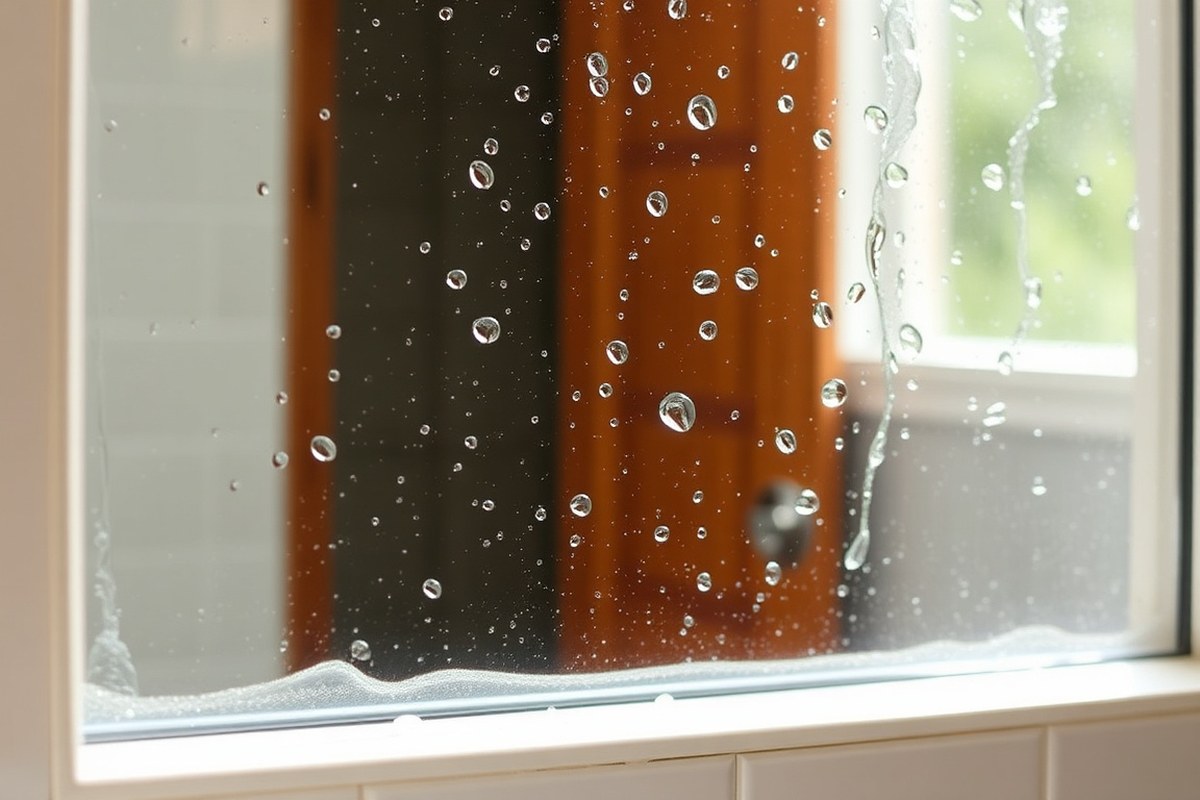
Moisture enters a home through breathing, cooking, showering, and drying clothes. It also comes from outdoor air that leaks inside. When this moisture builds up faster than your home removes it, indoor humidity rises.
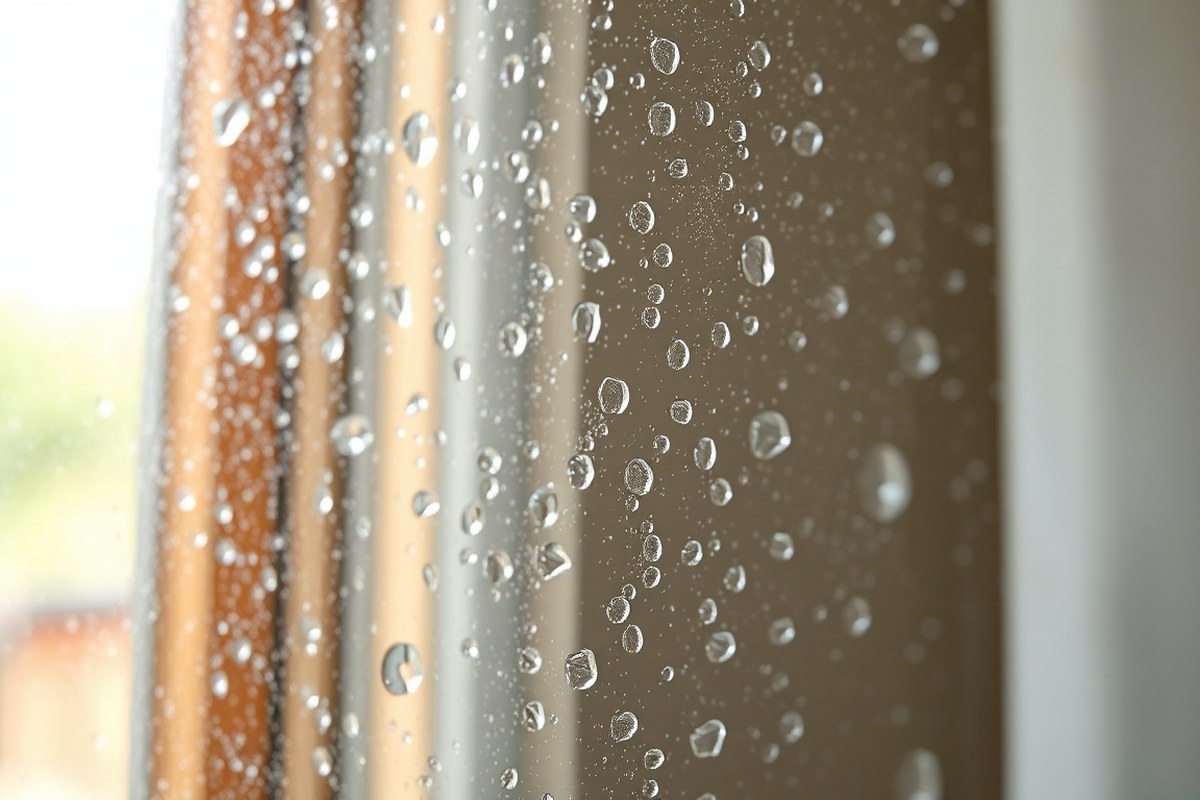
Air holds water vapor until it reaches its dew point temperature. When air touches a surface between 45°F and 55°F, moisture turns into liquid condensation. This wetness often appears on windows or cold walls, adding to indoor humidity.
Humidity builds up more quickly when the home is tightly sealed without enough ventilation. Warm, moist air gets trapped because it cannot escape easily. During summer, humid outdoor air leaks inside fast.
Your air conditioner can’t dry it all. This raises indoor humidity levels.
The key to spotting excess moisture is measuring your indoor relative humidity (RH). Levels above 60% RH often indicate buildup. Use a humidistat or hygrometer to track humidity.
These cost between $10 and $30. Both give accurate readings.
When you find humidity rising above 60%, look for moisture sources and poor airflow. Your home needs enough air exchange to replace moist indoor air with drier outdoor air. Without that, humidity stays high, leading to condensation, mold, and warped wood.
Controlling indoor humidity means balancing moisture production and removal. Sealing leaks helps reduce outdoor air infiltration.
However, the home must still exchange air regularly to avoid trapping moisture. In some cases, using a dedicated dehumidifier is necessary for consistent control.
2. Common Household Activities That Raise Indoor Humidity

Daily Routines That Release Moisture Indoors
You add moisture to your home’s air every day through simple tasks. Showering, cooking, and drying clothes inside generate the most water vapor. Each activity can add several gallons of water to the air daily.
This amount applies to an average family. It raises indoor humidity levels noticeably.
Showers produce steam that quickly fills bathrooms and nearby rooms. Cooking, especially boiling water or simmering food, releases moist air. When laundry dries inside, the water evaporates right into your indoor space.
How Much Moisture Each Activity Adds
A typical shower adds about 1 to 2 gallons of water vapor per session. Cooking with boiling or steaming releases a lot of moisture. It can add between half a gallon and a full gallon.
This increases the humidity inside your home. Drying a single load of laundry indoors may add 1.5 to 3 gallons, depending on fabric and dryer type.
Moisture from these activities builds up if your house lacks proper ventilation. No fans or open windows mean that water vapor stays trapped. This drives indoor humidity higher, increasing the risk of mold and discomfort.
Other Common Moisture Sources
Beyond showering and cooking, pets, aquariums, and houseplants add smaller amounts of moisture. Breathing by everyone in the household also contributes water vapor daily. Dishwashers release steam but usually less than showers or laundry.
Here is a quick list of moisture sources you might not think about:
- Bath and shower steam
- Boiling or simmering foods
- Indoor clothes drying
- Houseplants’ transpiration
- Breathing and talking
- Dishwasher steam
- Leaks or spills left unaddressed
Simple Steps to Cut Moisture from Activities
Run exhaust fans during showers and cooking for at least 15 minutes after finishing. Open kitchen or bathroom windows briefly to let moist air escape. Hang clothes to dry outside when possible, or use a vented dryer that moves moisture outdoors.
Use a dehumidifier in rooms where air traps moisture, such as basements or laundry rooms. Wiping surfaces dry and fixing leaks quickly prevents extra dampness. These small changes cut indoor humidity by stopping water vapor buildup at the source.
Keep exhaust fans clean and functioning to remove steam effectively and lower humidity.
3. How Outdoor Climate and Weather Impact Indoor Humidity
Outdoor humidity directly affects indoor moisture levels, especially when outdoor air comes inside. High outdoor humidity, over 70% RH, can make indoor air feel too humid.
A well-sealed, well-conditioned home can sometimes keep indoor humidity lower, even if outdoor RH hits 90%. But this depends on your home’s insulation and ventilation.
Seasonal temperature changes also impact indoor humidity. Cold air holds less moisture than warm air. Outdoor air cools in fall and winter.
This cooling lowers its moisture level. Without adding moisture inside, indoor air can get too dry. Warm and rainy seasons raise outdoor moisture levels.
This moisture can enter your home through gaps or vents. It can increase indoor humidity.
Rain or high outdoor RH doesn’t always cause higher indoor humidity. This happens more if your home leaks or allows humid air inside. HVAC or ventilation systems that swap air without drying it raise indoor humidity in damp weather.
Here’s a comparison of outdoor conditions versus indoor humidity impacts to give you a clearer picture:
| Outdoor Condition | Indoor Humidity Impact |
|---|---|
| Low humidity (below 30% RH) | Indoor air tends to feel dry; humidity may drop below 30% |
| Comfortable humidity (30, 50% RH) | Indoor humidity usually stays in the comfortable 30, 50% range |
| Improve humidity (50, 60% RH) | Indoor humidity rises; monitor for moisture buildup |
| High humidity (60, 70% RH) | Indoor humidity likely goes above 60%, raising condensation risk |
| Very high humidity (Above 70% RH) | Indoor spaces become excessively humid, encouraging mold growth |
To manage outdoor humidity’s influence, follow simple tips by season. In summer, use air conditioners with good moisture removal and keep windows closed on humid days. During winter, humidify indoor air if it feels too dry after heating.
Spring and fall often bring variable humidity. Check outdoor RH before opening windows. Only open them if outside air is drier to avoid raising indoor moisture.
Sealing your home cuts down on humid outdoor air getting inside. Energy recovery ventilators swap air and remove moisture. These systems keep indoor humidity steady and comfortable.
4. Ventilation Problems That Cause High Indoor Humidity
Poor ventilation stops moist air from leaving your home. When airflow is weak, water vapor hangs around inside. This trapped moisture pushes indoor humidity levels up.
Why Limited Airflow Raises Indoor Humidity
Air moves moisture away when ventilation works well. Without fresh air moving through, humidity builds quickly. This happens because moisture from cooking, bathing, or breathing can’t escape.
Airflow depends on vents, fans, and open pathways. Closed doors or blocked air returns slow air circulation. Slow-moving or stagnant air piles up humidity in certain rooms.
Missing or Blocked Exhaust Fans Make Humidity Worse
Bathroom and kitchen exhaust fans pull damp air outside. If these fans don’t exist or are blocked, moisture stays indoors. This can cause foggy mirrors, peeling paint, or mildew.
Sometimes fans run but don’t vent outside. Air venting into attics or crawlspaces raises humidity there. That moisture can seep back inside or damage the home’s structure.
How Sealed Building Envelopes Trap Moisture
Sealed homes keep outdoor air out to save energy. Without enough fresh air coming in, humidity inside climbs. Even a tightly sealed house needs controlled ventilation to manage moisture.
Air leaks can bring moist outdoor air inside, raising humidity. But if the building’s envelope is too tight without vents or fans, moisture can’t leave. This creates a damp indoor environment.
Checklist for Spotting Ventilation Problems
Check for vents that are closed, blocked, or dirty. Test bathroom and kitchen fans to see if they run smoothly. Look for stagnant air in rooms with no windows or vents.
Inspect crawlspaces and basements for airflow and moisture signs. Pay attention to condensation on windows in the morning. This often shows poor ventilation and high humidity.
When to Upgrade Your Ventilation System
Upgrade ventilation if exhaust fans don’t remove moisture well. Choose fans rated for your bathroom or kitchen size. A quiet, powerful fan with outside venting costs around $100 to $300 installed.
Consider adding whole-house ventilation if you have many closed rooms. Energy recovery ventilators (ERVs) or heat recovery ventilators (HRVs) bring in fresh air without raising humidity. They cost $1,000 to $3,000 installed but help control indoor moisture long-term.
5. Structural and Hidden Moisture Sources Inside Homes
Leaks behind walls can cause high humidity by letting water seep into structural materials. Water trapped inside drywall, wood, or insulation slowly releases moisture into your home’s air. Moisture can hide and raise indoor humidity without visible stains.
It doesn’t need drips or puddles to cause problems. This hidden moisture still affects your home’s air.
Basements and crawl spaces are common sources of indoor moisture. Moisture can enter through unsealed concrete floors and walls or damp soil underneath. Warm air rises, moving moisture up into living spaces.
This causes high humidity inside your home. Often, it also leads to musty smells.
Certain building materials act like sponges for moisture. Wood, drywall, carpet, and insulation absorb water vapor when humidity stays high. Certain materials release moisture back into the air over time.
This keeps humidity levels up for days or weeks. That makes the problem last longer.
- Inspect basement walls and floors for cracks or damp spots monthly.
- Check crawl spaces for wet soil or water pooling after rain.
- Look behind baseboards and wall outlets for signs of water damage.
- Seal cracks and gaps in foundations, walls, and floors using waterproof sealant or epoxy.
- Install a vapor barrier in crawl spaces to block ground moisture.
- Make sure basement and crawl space ventilation fans are clean and working properly.
- Keep gutters clear and downspouts directing water away from your foundation.
Many people try to fix leaks without properly drying the materials first. This can trap moisture inside walls or floors and make humidity worse.
Also, don’t just cover damp areas with paint or wallpaper. The moisture will weaken the adhesive and cause peeling.
Always fully dry and treat damp areas before sealing or repainting to avoid trapped moisture problems.
Ignoring hidden moisture allows mold to grow and damages your home’s structure over time. Active moisture sources like wet soil or unvented crawl spaces need attention to stop humidity. Fixing moisture issues usually costs a few hundred dollars.
This covers sealants and vapor barriers for your home. It saves money by preventing bigger repairs and discomfort later.
6. How HVAC Systems Influence Indoor Humidity Levels
Air conditioning can reduce indoor humidity, but not always enough. It cools the air, which removes some moisture. However, if the system is too big or cycles too fast, it won’t remove enough humidity.
Oversized air conditioners turn on and off quickly. This short cycling cools the air but prevents proper moisture removal.
You might feel cool air that’s still sticky. Humidity stays high even when the AC runs.
Leaky ductwork can also raise indoor humidity. When ducts leak, warm, moist air from outside can enter and raise moisture levels.
Look for damaged or disconnected ducts. Sealing and insulating them helps keep humidity down.
Proper HVAC system sizing matters a lot for moisture control. A system sized right for your home runs longer cycles.
Longer cycles give the AC time to pull moisture from the air. When unsure about sizing, an HVAC technician can inspect your system.
Improving insulation around ducts and in the home prevents condensation on cold surfaces. Without this, water can collect and increase humidity inside. Adding proper insulation costs a few hundred dollars but makes a big difference.
To help your system control moisture better, monitor indoor humidity with a hygrometer. Keep levels between 30% and 50% for comfort and health.
High humidity? Add a standalone dehumidifier to your AC setup.
Regular HVAC maintenance is key for moisture control. Change filters every 1 to 3 months and clean coils yearly.
Dirty parts lower system efficiency and moisture removal ability. Getting a professional tune-up every year helps keep your system working right.
7. Common Mistakes That Increase Indoor Humidity and How to Fix Them
One common mistake is not running exhaust fans during and after showers or cooking. Moisture builds up quickly in those moments. Running vent fans for about 20 minutes helps remove excess humidity.
Another frequent error involves fans with ducts that don’t vent outside. This leaves warm, moist air trapped inside. Check that bathroom and kitchen fans blow air outside your home.
Make sure they don’t dump air into the attic or crawlspace. This stops humid air from building up inside your house.
- Skip using vent fans or run them too briefly
- Allow clothes to air dry inside without ventilation
- Keep windows sealed tight without air exchange during humid weather
- Use window AC units that recirculate humid air indoors
- Ignore basement moisture from ground water or leaks
- Block or poorly seal air vents and ducts
- Store wet items indoors without drying first
Leaving windows closed on humid days traps moisture inside. Opening windows briefly helps air flow and lowers indoor humidity. In contrast, tight sealing works better in cold or dry seasons to save energy.
Basement dampness often results from ground moisture or leaks. Fixing basement humidity usually requires adding drainage or sealing foundation cracks. These tend to be more costly fixes but reduce persistent indoor dampness.
Quick fixes include running bathroom fans and cracking windows for 5 to 10 minutes after cooking. Long-term solutions may mean adding better ventilation or addressing leaks. A good result means humidity levels below 60%, with no visible damp spots or mold growth.
8. When to Call a Professional for High Humidity Problems
Call a professional when your attempts to control humidity fail or signs keep worsening. Experts can find hidden issues behind high humidity or ventilation problems. You’ll know it’s time when moisture and mold don’t clear up with basic fixes.
Signs DIY Fixes Aren’t Working
Condensation still builds on windows after using fans and dehumidifiers. Mold or musty smells grow no matter how often you clean or air out rooms. You also notice paint peeling or wood warping, which shows moisture problems are deep.
Humidity that stays above 60% no matter the weather also means a hidden source. You might spot water stains on walls or ceilings, indicating leaks or poor drainage. These issues demand more than surface fixes because they affect your home’s structure.
Types of Professionals to Consult
A general contractor or home inspector can start by checking for leaks and building problems. They assess roof, basement, walls, and crawl spaces for water entry points. For ventilation issues, an HVAC technician tests airflow and may upgrade fans or systems.
In mold cases, a certified mold remediator tests air and surfaces to locate contamination. Plumbers help if hidden pipe leaks cause moisture buildup.
Each expert focuses on specific causes. So choose based on your main signs and results.
What to Expect from a Professional Inspection
The professional begins by visually examining your home’s interior and exterior for leaks and damp spots. They measure indoor humidity with a hygrometer, sometimes at different times and rooms. Ventilation performance is checked using airflow meters or smoke tests to spot blockages.
They explain findings clearly and suggest fixes, whether sealing leaks, improving vents, or removing mold safely. A thorough inspection can take 1 to 3 hours, depending on your home size and problems. They follow building codes and recommend long-term solutions, not quick patches.
Costs and Timing of Professional Services
Home inspections for moisture and ventilation issues usually cost $250 to $500. Mold inspections and testing add about $300 to $600 more, depending on sample numbers.
Repairs vary widely; simple ventilation upgrades may be $200 to $1,000. But structural fixes cost thousands.
Scheduling depends on demand; expect to book 1 to 4 weeks in advance. Emergency issues like active leaks or visible mold sometimes get faster help. Don’t delay, untreated humidity can damage materials and worsen air quality over time.
Don’t rely only on a dehumidifier when water leaks inside; fix leaks first.
Step-by-Step Action Plan to Reduce Indoor Humidity
Follow these steps to cut down high humidity inside your home effectively. Do each step fully before moving on to the next.
- Day 1: Check and fix ventilation. Open windows or use exhaust fans in kitchens and bathrooms. You’ll notice less stale air.
- Day 3: Inspect for leaks or damp spots. Repair any plumbing or roof leaks you find. Dry spots should disappear.
- Week 1: Use a dehumidifier in problem rooms. Set it to keep humidity between 30% and 50%. You’ll feel less moisture in the air.
- Week 2: Adjust your HVAC system settings. Have a pro tune it if needed to improve moisture control. Your home should stay dryer.
- Week 3: Limit activities that add moisture, like drying clothes indoors. Use a dryer vented outside or dry clothes outdoors if possible. Humidity levels drop noticeably.
- Week 4: Check outdoor drainage around your home. Make sure rainwater drains away from your foundation. The basement or crawl space stays drier.
- Week 5: Monitor long-term humidity with a hygrometer. Adjust any step again if humidity rises above 50%. You’ll keep your home comfortable.
Frequently Asked Questions
Can Poor Insulation Cause High Humidity in a Home?
Yes, poor insulation can let moisture seep in, raising indoor humidity. It also makes it harder for your home to remove excess moisture properly.
Does House Size Affect Indoor Humidity Levels?
Yes, smaller homes may trap moisture more easily, raising humidity faster. Larger homes often have better air circulation, helping reduce indoor moisture.
Can Pets Increase Indoor Humidity?
Yes, pets add moisture through breathing and shedding, which can raise humidity. More pets mean more moisture, especially in smaller spaces.
Does Cooking Without Lids Raise Indoor Humidity?
Yes, uncovered cooking releases steam that increases indoor moisture quickly. Using lids helps contain steam, lowering humidity buildup.
Can Plants Cause High Humidity Inside Your House?
Yes, many houseplants release moisture into the air through transpiration. Having several plants indoors can significantly add to humidity levels.
How Do Roof Leaks Contribute to High Indoor Humidity?
Roof leaks introduce water into your home’s structure, raising indoor moisture. This hidden water increases humidity and can cause mold growth if ignored.
Key Points to Remember
High indoor humidity comes from many sources inside and outside your home. Tackling ventilation, leaks, and HVAC settings can help. Start by checking your ventilation today to feel the difference.