Is 60 Humidity Too High in a House? What Really Happens & How to Fix It
A 60% humidity level in your home is quite high. This amount encourages mold and damages indoor air quality fast. Aim to keep humidity near 40% to 50% for health and comfort.
When humidity hits 60%, your home starts to feel damp and stuffy. It also raises the chance of condensation on walls and windows. Keep an eye out for musty smells or visible moisture inside your house.
High humidity creates a breeding ground for dust mites, which can trigger allergies. It can also damage wooden furniture, causing warping and cracking over time. These issues make controlling humidity important beyond just comfort.
Your home’s humidity hitting 60% or more regularly means you should use a dehumidifier. Running your air conditioner can also help lower humidity if it cycles well. Watch your ventilation, especially in kitchens and bathrooms, where moisture builds up fast.
Key Takeaways
- Humidity above 60% increases the risk of mold and dust mites.
- Keep indoor humidity close to 40% to 50% for a healthy home.
- Use a hygrometer to monitor your home’s humidity accurately.
- A dehumidifier reduces moisture efficiently in high-humidity areas.
- Proper ventilation in kitchens and bathrooms prevents excess moisture.
- Air conditioners help lower humidity if maintained and sized properly.
Is 60% Humidity Too High for a Healthy Home?
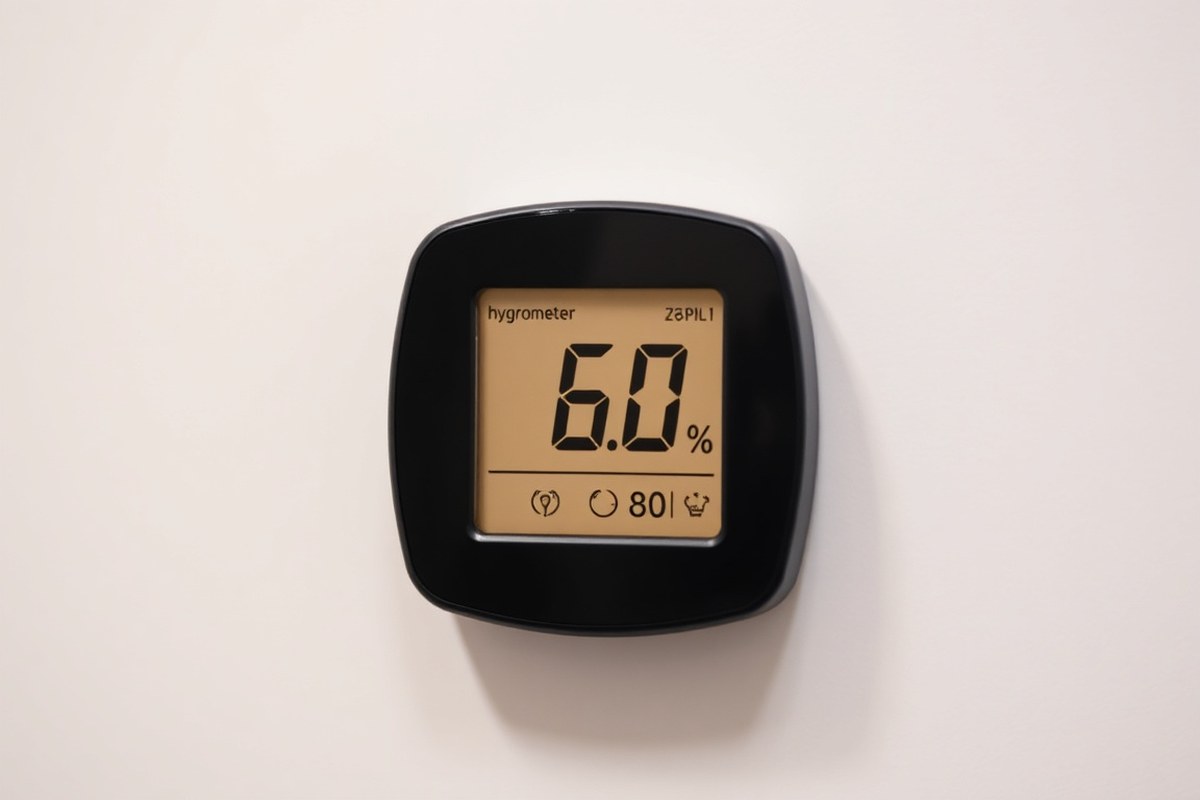
Yes, 60% humidity in a house is generally too high for health and comfort. Experts say the ideal indoor humidity should stay between 40% and 60%. When humidity hits 60%, you cross into the high zone where problems start to pop up.
High humidity means more moisture is in the air. This moisture helps mold, dust mites, and bacteria grow. It creates a friendly environment for them.
These can cause allergies, worsen asthma, and irritate your skin or eyes. Your home feels sticky and warmer when humidity is high.
This happens even if the temperature does not rise much. It makes the space less comfortable overall.
Strong signs you need to act include condensation on windows, musty smells, or visible mold spots. Humidity at 60% or higher for several days can cause damage. Wood, drywall, and paint may start to deteriorate in this condition.
It’s best to act quickly to avoid problems. This can lead to costly repairs and affect your home’s air quality long-term.
Aim to keep your home’s humidity at 40% to 60%. When humidity reaches 60%, improve ventilation first. Then use a dehumidifier to bring moisture down.
This helps protect your home from damage. This helps remove excess moisture and reduces health risks. Monitoring regularly with a humidity meter lets you catch rising levels before they cause trouble.
Different seasons can change how humidity feels. In winter, even 40% humidity can feel too dry. In summer the same level feels comfortable.
You should keep humidity near 40%-50% if you have respiratory problems. This range can help ease symptoms for you or your family. It is more comfortable for sensitive lungs.
The cost to control humidity depends on your home size and equipment. A basic dehumidifier costs around $150 to $300 and has low running costs. Fixing leaks and sealing drafts are also worth the upfront effort to prevent moisture buildup.
What Causes Indoor Humidity Levels to Reach 60%?
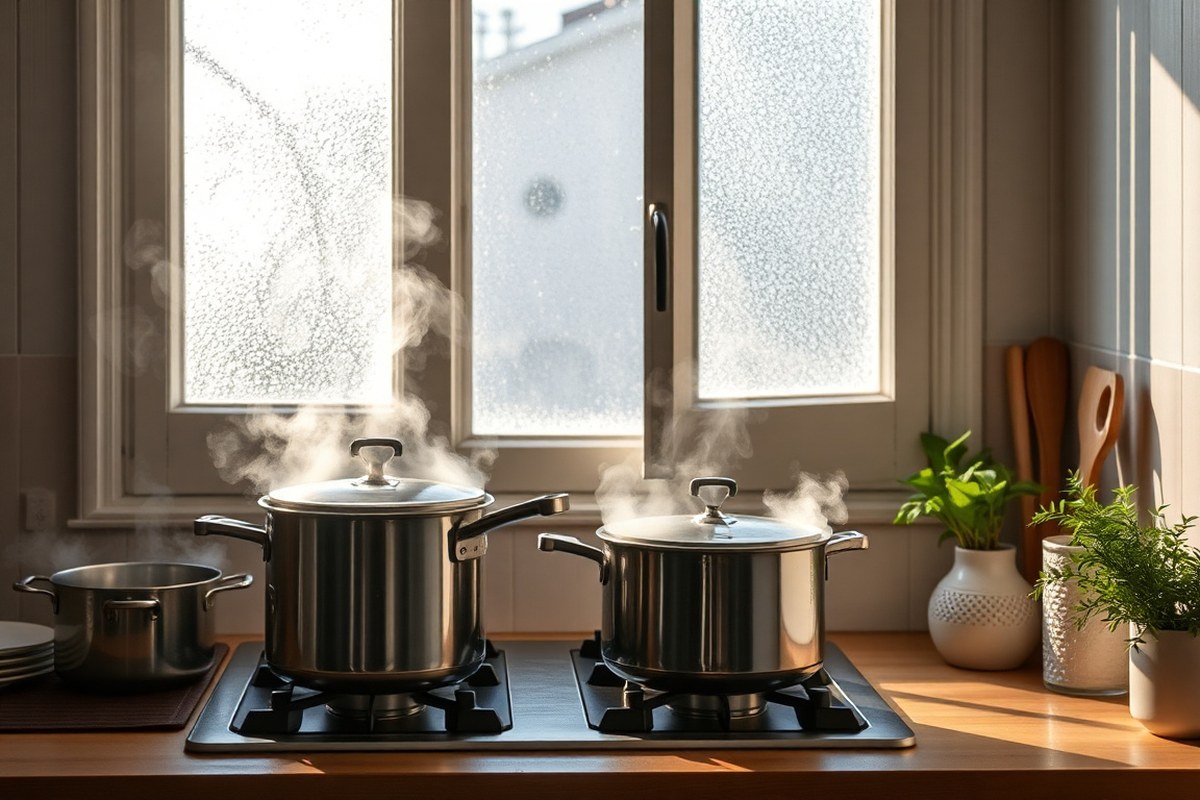
Indoor humidity can reach 60% for various reasons tied to your home’s environment and daily routines. Moisture from cooking, showering, and drying clothes indoors adds water vapor to the air. Poor ventilation traps this moisture inside, leading to higher humidity levels.
Seasonal changes affect indoor humidity, too. In summer, outdoor air holds more moisture because it is warm. Your air conditioner has a harder time removing all that humidity.
This may cause increased indoor moisture during hot weather. During winter, heating dry air inside without fresh airflow helps reduce moisture. But leaks or poor insulation can still cause humidity to rise.
Some common sources and reasons for humidity near 60% include:
- Cooking meals without using exhaust fans
- Taking long or multiple hot showers daily
- Drying laundry indoors on racks or lines
- Not using ventilation fans in kitchens and bathrooms
- Leaks or water intrusion around windows and foundations
- Basements or crawl spaces with damp conditions
- High outdoor humidity during summer months
Check for moisture around windows or visible condensation on walls. You may feel sticky air or notice a musty smell at 60% humidity.
Use exhaust fans when showering or cooking. Open windows for quick air exchange when weather allows.
Poor ventilation is often the main cause; keep fans running during moisture-heavy activities.
Seasonal tips include running your AC longer or using a dehumidifier in summer. In colder months, seal leaks and use a humidifier only if humidity drops below 30%. Keeping your indoor humidity between 30% and 50% helps prevent mold and keeps air comfortable.
How to Measure and Monitor Indoor Humidity Accurately
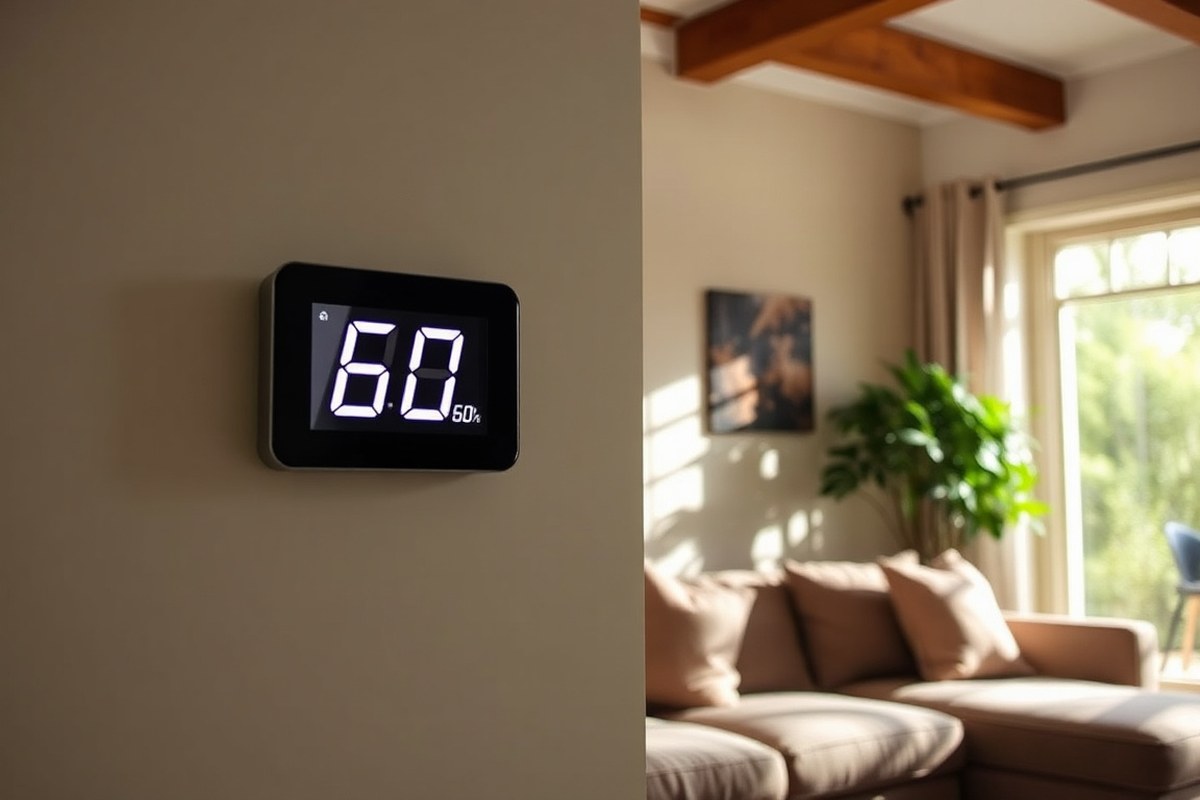
Use a hygrometer to measure indoor humidity levels accurately. Track readings over several days before deciding if 60% is a concern. Occasional spikes aren’t usually a problem, but consistently high humidity needs attention.
Choosing the Right Hygrometer
Buy a digital hygrometer for easier and more precise readings. Look for thermometers that display both temperature and relative humidity.
The TempPro TempAir CORE TP50 is a reliable option. But many affordable models cost under $20.
Analog hygrometers are cheaper but less accurate and slower to respond. Digital devices update frequently, giving you a real-time snapshot of your home’s moisture levels. Accuracy is important because small changes affect comfort and mold risk.
Where and When to Measure Humidity
Place hygrometers in multiple rooms to get an overall picture of your home’s humidity. Avoid spots near windows, vents, or heat sources, as these skew readings. Common places include living rooms, bedrooms, and basements.
Measure several times daily, especially in the morning and evening when humidity shifts. Track readings over at least a week to see normal patterns. Seasonal changes, like summer humidity, may cause regular fluctuations around 60%.
How to Track and Interpret Variations over Time
Keep a simple log of humidity readings with dates and times. Seeing trends helps you decide if 60% is occasional or persistent. Occasional humidity spikes that drop back to 40%-50% are okay.
Run your AC or dehumidifier to lower the moisture. This helps keep your indoor air comfortable.
Follow these steps to monitor your indoor humidity accurately:
- Place a digital hygrometer in key rooms, avoiding direct sunlight and vents.
- Record humidity levels twice daily over at least seven days.
- Note any sources of moisture or changes in temperature.
- Compare readings before and after running air conditioning or dehumidifiers.
- Look for patterns of consistently above 60% over several days.
Humidity that stays above 60% for days or weeks could cause mold or dust mites. Short periods at 60% won’t harm your home, especially if no moisture signs appear. Use your logs to decide when to take further action or call a professional.
Signs Your Home Is Suffering from Excess Humidity
Signs of excess humidity in your home can be both obvious and hidden. You might notice condensation on windows or walls, which stays longer than usual. A musty or stale smell often means mold or mildew is growing somewhere hidden.
Damage to home materials shows up faster than many expect. Wood can warp or swell after just a few weeks at 60% humidity. Floors, baseboards, and door frames are especially at risk.
These areas often feel the effects first. Wallpaper may peel or bubble. Paint can blister or flake off walls over the same period.
- Condensation on windows and cold surfaces
- Persistent musty or damp odors around the house
- Visible mold spots or mildew on walls, ceilings, or corners
- Peeling or bubbling wallpaper and paint
- Warped or swollen wood doors, floors, and trim
- Increased allergy or asthma symptoms indoors
- Blistered or damp insulation in walls or crawlspaces
Mold growth can start within 24 to 48 hours in damp conditions with high humidity. The spores spread quickly, and you may not see mold until it’s well established. Allergy or asthma symptoms at home might mean dust mites or mold.
You may feel better once you leave the house. This change points to indoor triggers.
Damage like wood warping or peeling wallpaper shows up within weeks. It gets worse if humidity stays high for months. Early signs can turn into serious problems.
That’s why early detection is critical. Call a professional if mold is spreading or you smell mustiness.
Worsening health symptoms at home are another reason to get help. These signs mean the problem is serious.
Does 60% Humidity Make Your House Feel Hotter or More Uncomfortable?
Indoor humidity at 60% can make your home feel warmer than the actual temperature. This happens because moist air slows the evaporation of sweat from your skin.
When sweat doesn’t evaporate easily, your body can’t cool off well. So you feel warmer and stickier.
The heat index shows how hot it feels when you combine temperature and humidity. For example, at 80°F with 40% humidity, it feels like 80°F. But at the same temperature with 60% humidity, it feels closer to 83°F. That extra heat feeling can make you reach for the fan or air conditioner more often.
At 60% humidity, the air starts to feel heavy. It can feel stuffy even if the temperature is low. The thermostat might not show it, but you’ll notice it.
People often notice they feel more sluggish or uncomfortable in these conditions. This level can be less noticeable in summer if you usually experience higher humidity outdoors.
Keeping indoor humidity between 30% and 50% helps the air feel more comfortable. Dropping humidity from 70% to 50% improves comfort. You don’t have to lower the air temperature.
It feels much nicer without changing the thermostat. Your body cools down more easily with less humidity.
High moisture makes your skin feel sticky and uncomfortable. Lower humidity reduces that sticky feeling.
Watch for persistent damp spots or window condensation. These signs mean your humidity is too high and could hurt comfort.
Simple Steps to Lower Indoor Humidity From 60%
Lowering humidity at or above 60% starts with targeted actions to remove moisture and improve airflow. Focus on better ventilation first, then use devices like dehumidifiers to pull moisture from the air. Managing indoor moisture sources helps keep levels stable over time.
Improve Natural and Mechanical Ventilation
Ventilation moves moist air outside and brings in drier air. Use exhaust fans in kitchens and bathrooms when cooking or showering. Running a ceiling fan or whole-house fan also helps air circulate and dries damp areas faster.
A well-ventilated home prevents moisture buildup that leads to high humidity. Mechanical ventilation works best when natural airflow is limited or windows can’t open easily.
Use Dehumidifiers Effectively
Dehumidifiers pull water from humid air, lowering moisture levels down to 30, 50% relative humidity. Place a dehumidifier in the most humid rooms like basements or bedrooms.
Run the dehumidifier continuously until you hit the target humidity. Keep doors and windows closed to avoid moisture getting back inside. Expect typical units to cost between $150 and $300.
Control Moisture Sources in the Home
Find and reduce where moisture is added to the air. Dry clothes outdoors or in a vented dryer.
Fix leaks from pipes or roofs right away. Cover cooking pots and always use exhaust fans during heavy cooking sessions.
Houseplants can raise humidity too. So keep only a few or move them outside on humid days. Check for condensation on windows or walls, it often signals too much moisture indoors.
When to Open or Close Windows
Opening windows helps only if outdoor air is drier than inside. Use a hygrometer to compare indoor and outdoor humidity before airing out your home. Opening windows during humid weather can add more moisture and raise indoor humidity.
Close windows when outdoor humidity is above 60%. Instead, rely on ventilation fans and dehumidifiers. On drier days, open windows early morning or late evening for quick fresh-air exchange.
- Turn on exhaust fans in the kitchen and bathroom when adding moisture.
- Run a dehumidifier in humid rooms and close windows during operation.
- Fix water leaks and dry clothes outside to reduce indoor moisture.
- Use a hygrometer to check humidity before opening windows to ventilate.
- Limit houseplants if humidity stays above 60% despite other actions.
- Keep indoor doors open to let air circulate around your entire home.
- Use a ceiling or portable fan to speed drying of damp areas.
Comparing Humidity Control Methods: Pros and Cons
At 60% humidity, using a dehumidifier usually makes sense, especially if your home lacks good ventilation. You’ll notice moisture on windows, musty smells, or a clammy feel. A dehumidifier removes extra moisture from the air.
It helps keep humidity near 30% to 50%. This range is ideal for a comfortable home.
Many modern HVAC systems also manage humidity while cooling. Variable-speed units adjust airflow to remove moisture effectively, but older systems may struggle. HVAC upgrades cost more upfront but reduce energy bills and deliver more consistent humidity control.
| Method | Effectiveness at 60% Humidity | Cost Range | Ease of Use |
|---|---|---|---|
| Portable Dehumidifier | Good for single rooms or small spaces | $150 – $350 | Plug in, empty water regularly |
| Whole-House Dehumidifier | Very effective for consistent whole-house control | $1,000 – $2,500 (installed) | Low daily effort, professional installation |
| HVAC System Upgrade | Controls humidity and temperature well | $3,000 – $7,000+ | Minimal effort after installation |
| Ventilation Improvement (Exhaust Fans) | Helps reduce moisture from kitchens/bathrooms | $100 – $500 per fan | Simple; run fans during moisture production |
| Moisture Source Control | Indirectly reduces indoor humidity | Varies (often low/no cost) | Requires habit changes, sealing leaks |
A portable dehumidifier fits kitchens, bathrooms, or basements where moisture builds up. You’ll need to check and empty it every day or two. A built-in dehumidifier works with your HVAC system.
It controls humidity for the whole house. You don’t have to do daily maintenance.
Getting a new HVAC system can improve humidity control. It also usually lowers your energy bills. This makes your home more efficient.
Such systems fine-tune airflow, managing both heat and moisture. Expect higher upfront costs but less hassle and better comfort.
Improving ventilation is the cheapest option. Running exhaust fans while cooking or showering pulls moisture out immediately. This method won’t fix high humidity by itself.
It won’t help if your home leaks air. Other moisture sources must be dealt with too.
Simply fixing leaks, drying wet areas quickly, and sealing crawlspaces reduces humidity without devices. These habits take effort and constant attention. But they support whatever mechanical controls you use.
Your budget affects what option is best for you. Think about your home’s setup too. Also consider how much daily care you want to give.
When to Call a Professional for Persistent High Humidity
Call a professional when your home’s humidity stays over 60%. Keep trying for two weeks. If it still stays high, call an expert.
Persistent high moisture can signal hidden problems you might not see or fix alone. Early expert help prevents damage to your home and keeps air quality safe.
Signs Hidden Moisture or Structural Issues
Look for condensation on walls, ceilings, or windows that doesn’t go away. Mold spots, musty smells, or warped wood also hint at hidden water damage. These signs often mean water is entering or trapped inside your walls or floors.
Moisture can come from leaks in your roof or your foundation. Cracks or poor drainage also cause it. These let water inside your home.
You might notice water stains or peeling paint indoors, too. These problems raise indoor humidity and need expert inspection and repair.
Checklist for when hidden moisture might be the cause:
- Constant condensation on interior surfaces, especially in winter
- Musty odors in rooms or closets
- Visible mold growth or water stains
- Warping or swelling of wooden furniture or flooring
- Peeling paint or bubbling wallpaper
- Repeated high humidity readings despite ventilation efforts
When HVAC or Dehumidifier Repairs Are Needed
Your HVAC or dehumidifier may fail if clogged or broken. They might also be too small to work right. Check them to control humidity.
Basic fixes like running the dehumidifier daily might not work. After two weeks, check your equipment for problems.
Get help if needed. Experts can assess airflow, duct leaks, or malfunctioning components.
Regular HVAC maintenance and filter changes reduce moisture problems and save energy. A skilled technician will measure moisture levels and inspect for air leaks. Proper sizing of the equipment ensures it can manage your home’s humidity year-round.
Don’t ignore persistent sticky air or damp smells, as they suggest device failure or poor ventilation. Professional calls usually cost between $100 and $300 for inspection.
The price depends on your region and the service type. You can ask ahead.
Keep your HVAC filters clean and schedule annual checkups to prevent humidity problems.
Finding a Qualified Indoor Air Quality Expert
Choose a professional certified in indoor air quality or building science to get reliable help. Look for certifications like CIEC (Certified Indoor Environmental Consultant) or training in moisture control. These experts can pinpoint hidden leaks and suggest lasting solutions.
Ask your chosen specialist for a written assessment and a clear plan before repairs start. They should use moisture meters and thermal imaging to find issues hidden behind walls or floors. A trusted pro explains repair options and cost estimates clearly.
Call a pro if your humidity stays above 60% after a month. Try DIY fixes first, but don’t wait too long.
Experts can find hidden problems. Quick action stops mold growth, structural damage, and costly repairs later.
Step-by-Step Action Plan to Tame 60% Humidity in Your Home
Getting your home’s humidity down from 60% starts with a clear plan. Follow these steps to see real results fast.
- Day 1: Use a digital hygrometer in main rooms. Check if humidity stays near 60%. This confirms the issue.
- Day 2: Ventilate your kitchen and bathroom while cooking and showering. Notice if moisture buildup reduces.
- Week 1: Seal gaps around windows or doors with weather stripping. Look for less dampness on surfaces.
- Week 2: Run a dehumidifier in high-humidity areas for several hours daily. Watch if the hygrometer shows lower numbers.
- Week 3: Check your HVAC system’s filters and drainage. Clean or repair if needed to avoid added moisture.
- Week 4: Avoid air-drying clothes indoors. Move laundry to outdoor or well-ventilated spaces and note changes in humidity.
- After 1 Month: Review humidity levels and comfort. If still near 60%, consider calling a professional for an inspection.
Frequently Asked Questions
Is 60% Humidity Too High in a House for Your Pets?
Yes, 60% humidity is too high for pets and can cause discomfort. High moisture affects their breathing.
It also raises allergy risks. Keep humidity below 50% for their health.
Does 60% Humidity in a House Damage Wooden Furniture?
Yes, 60% humidity can damage wooden furniture over time. It causes wood to swell and crack. So controlling humidity protects your furniture’s look and structure.
Is 60% Humidity Bad for Electronics Inside the Home?
Yes, 60% humidity can harm electronics by promoting corrosion. Keeping humidity under 50% helps protect gadgets and extends their lifespan.
Will Staying at 60% Humidity Increase Allergy Symptoms?
Yes, 60% humidity often worsens allergy symptoms. Moist air encourages dust mites and mold, which trigger allergies.
Is 60% Indoor Humidity Linked to Increased Dust Mite Activity?
Yes, dust mites thrive above 60% humidity. Lower humidity helps reduce their population and allergy triggers.
Does 60% Humidity Affect Paint or Wall Integrity Indoors?
Yes, 60% humidity can cause paint to peel or walls to blister. Lower humidity prevents moisture buildup that damages surfaces.
The Bottom Line
Sixty percent humidity usually is too high for a healthy home. Lowering it improves comfort and prevents damage over time. Start today by checking your humidity with a reliable meter to see where you stand.